When Should You Update A Cohabitation Agreement In The United Kingdom?
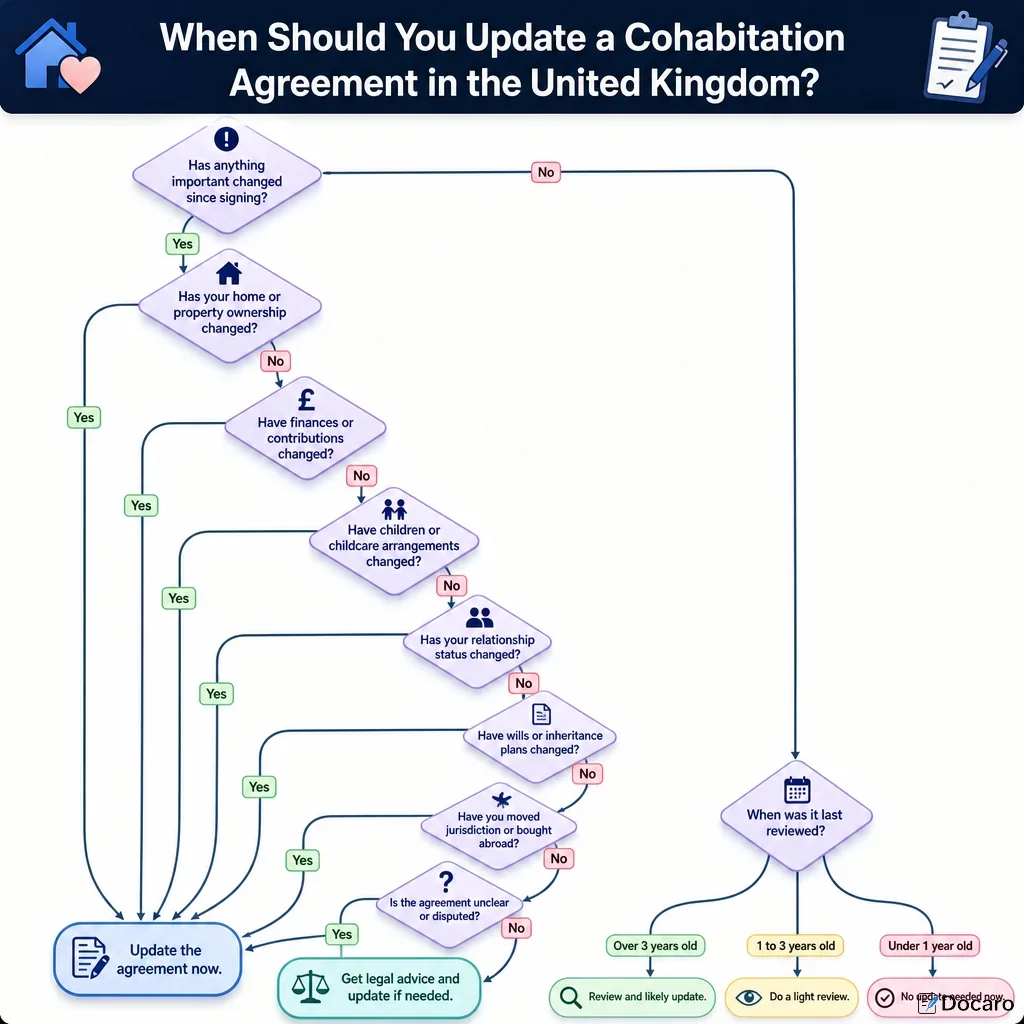
Has anything important changed since signing?
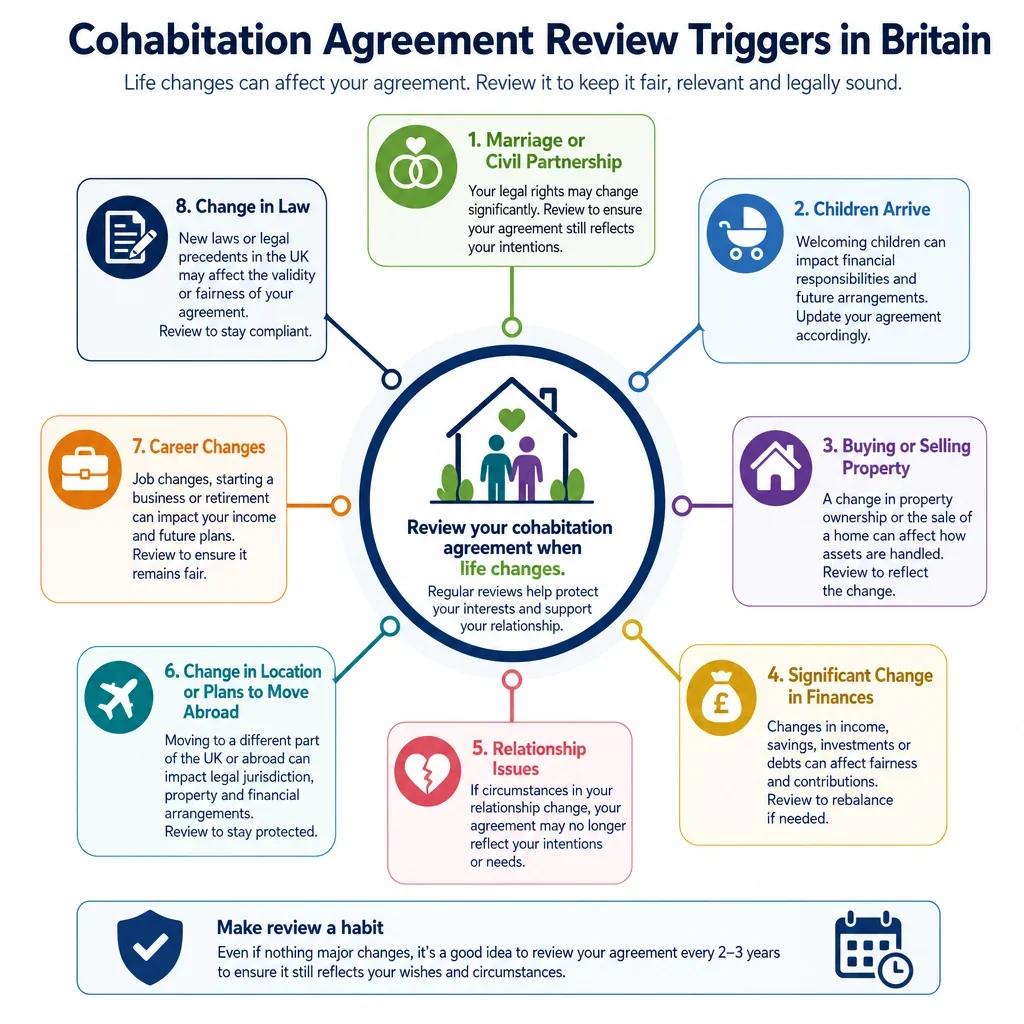
When Should A Cohabitation Agreement Be Updated In The UK?
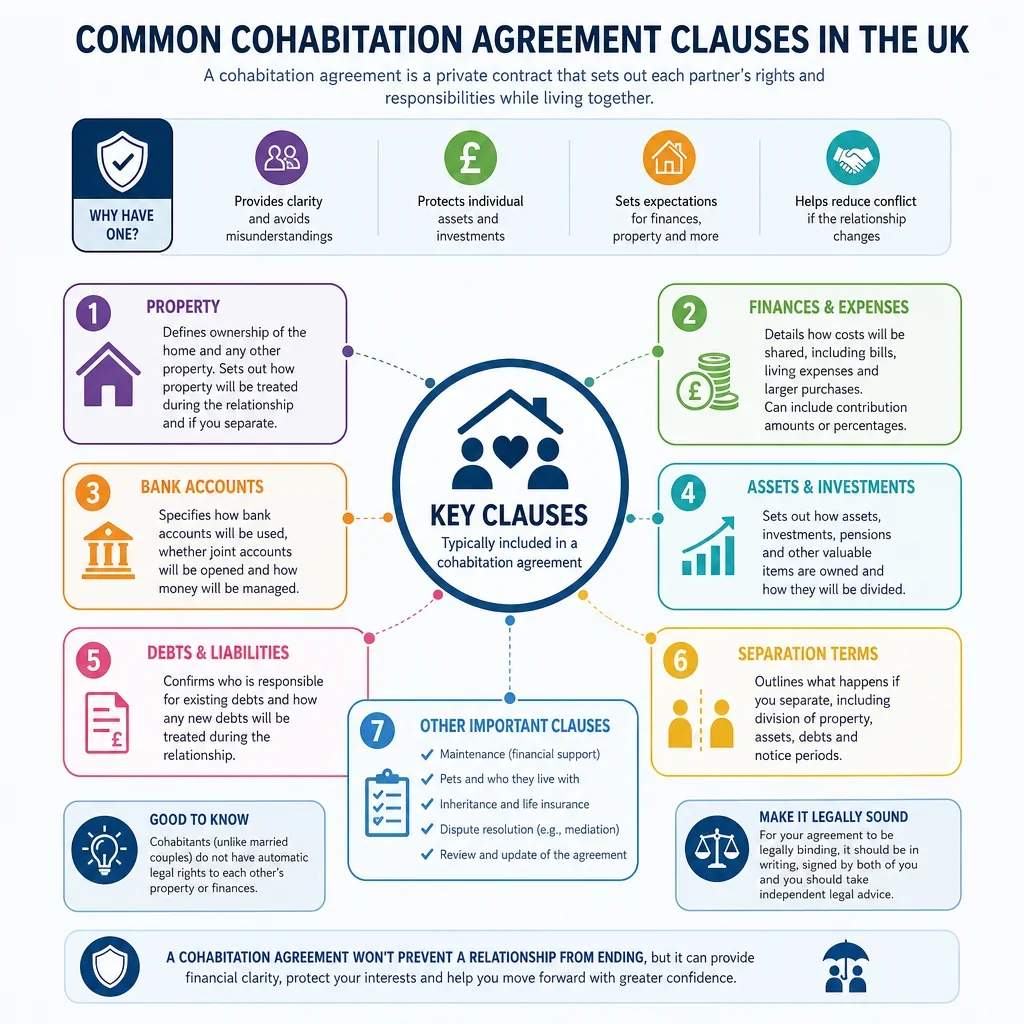
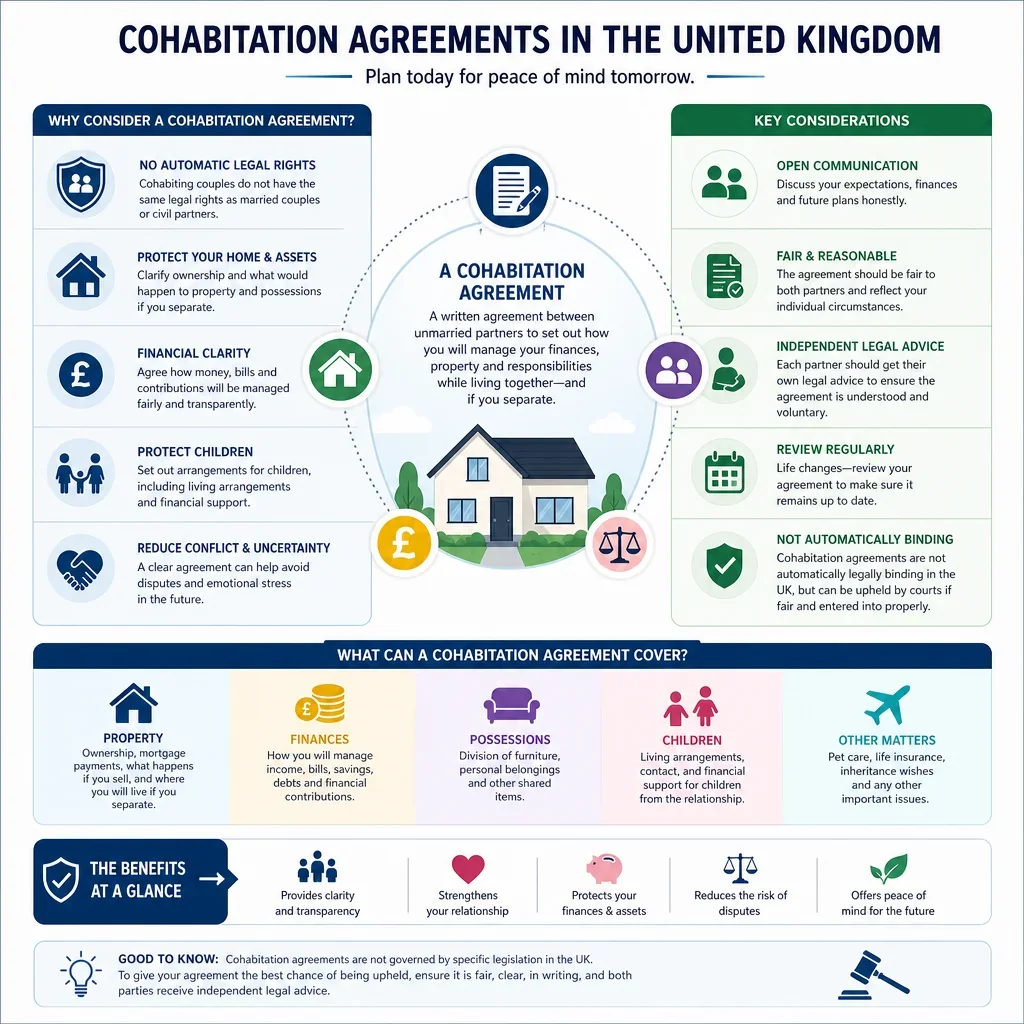
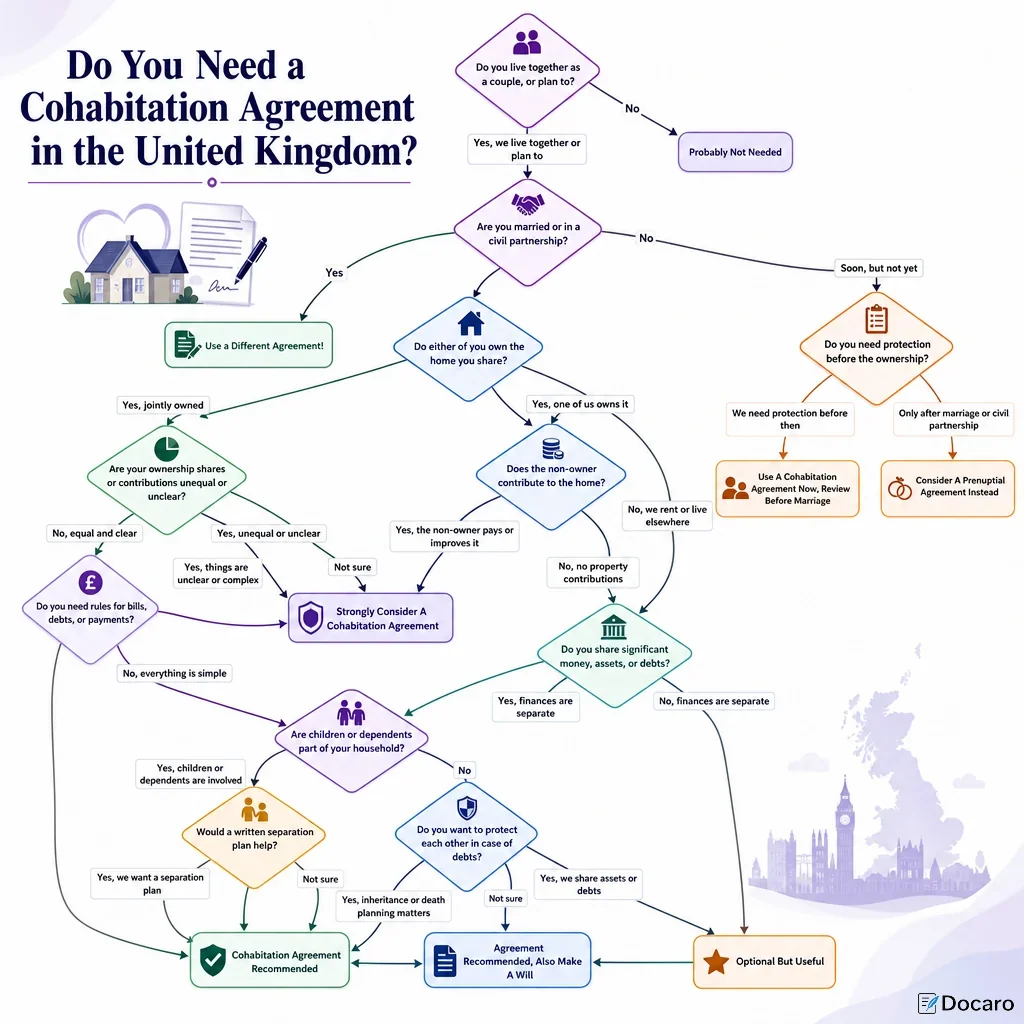
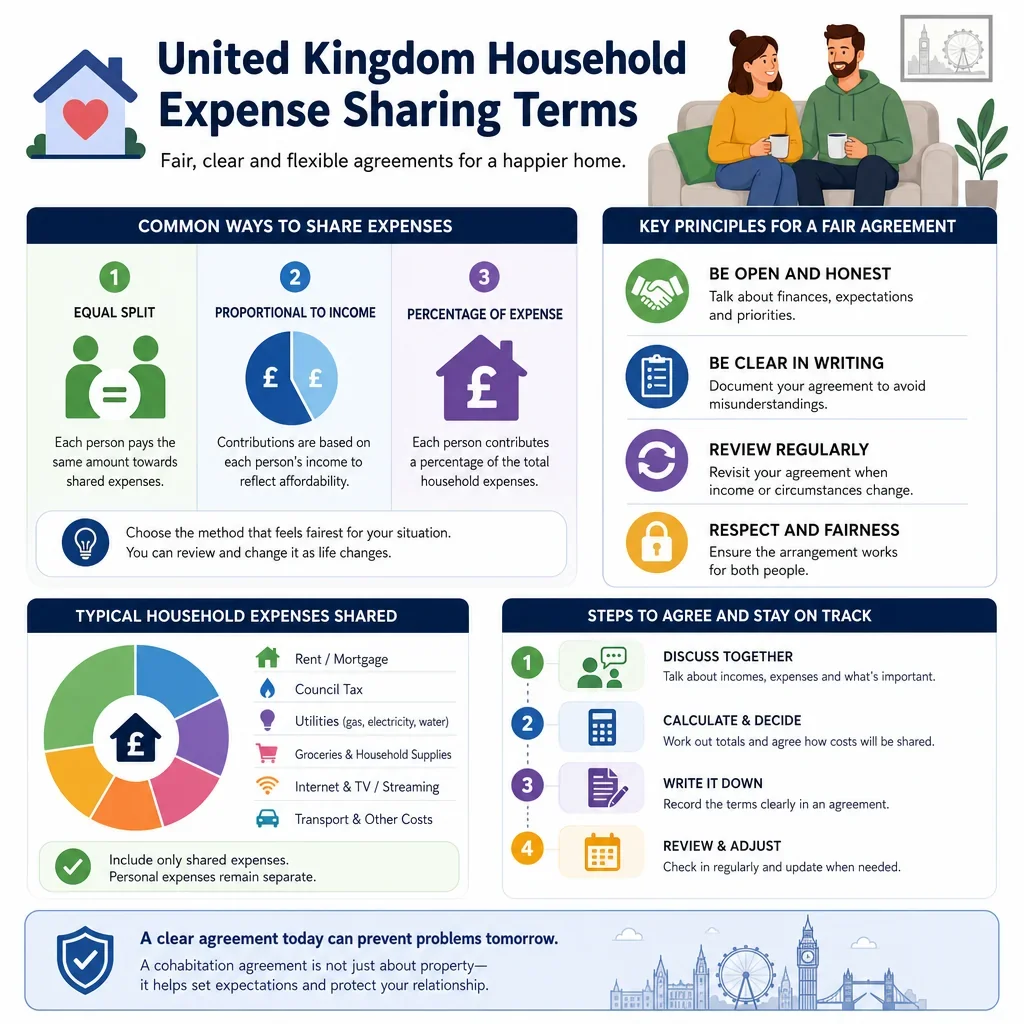
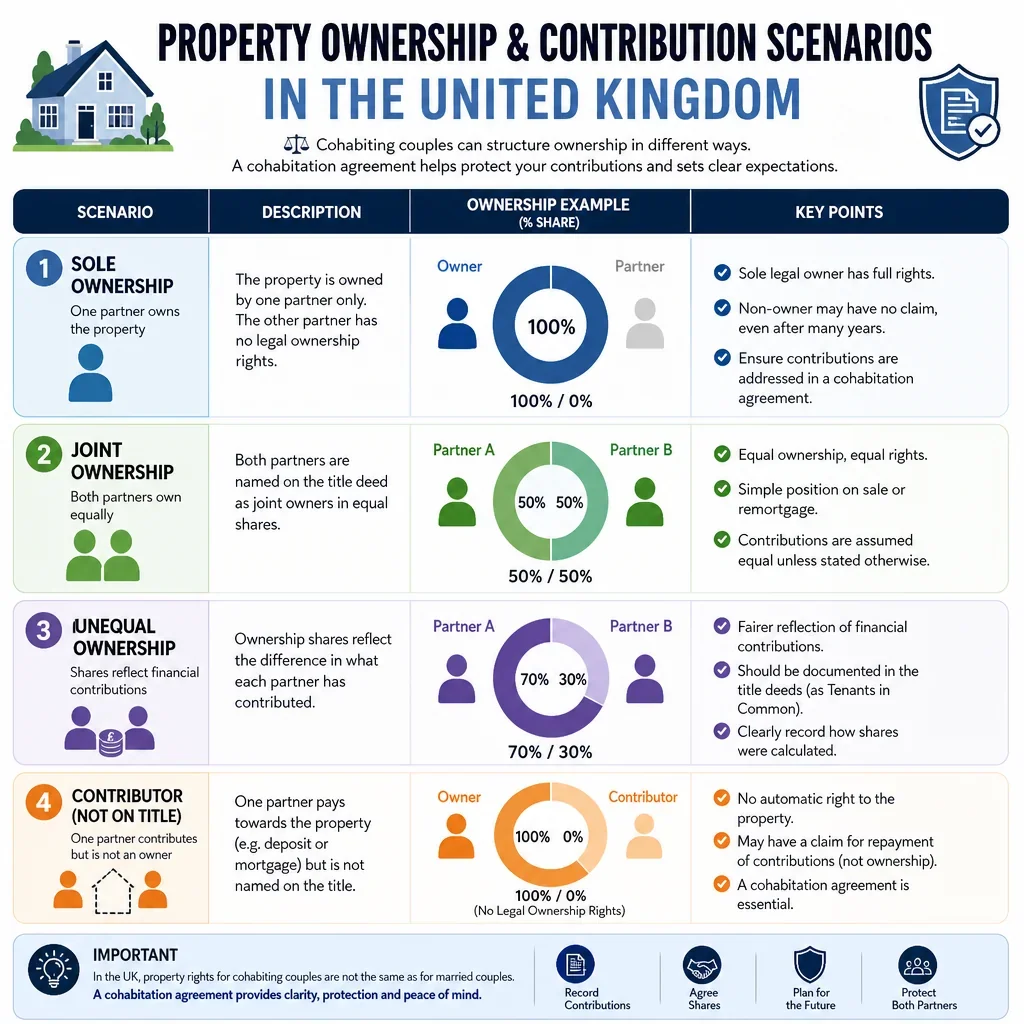
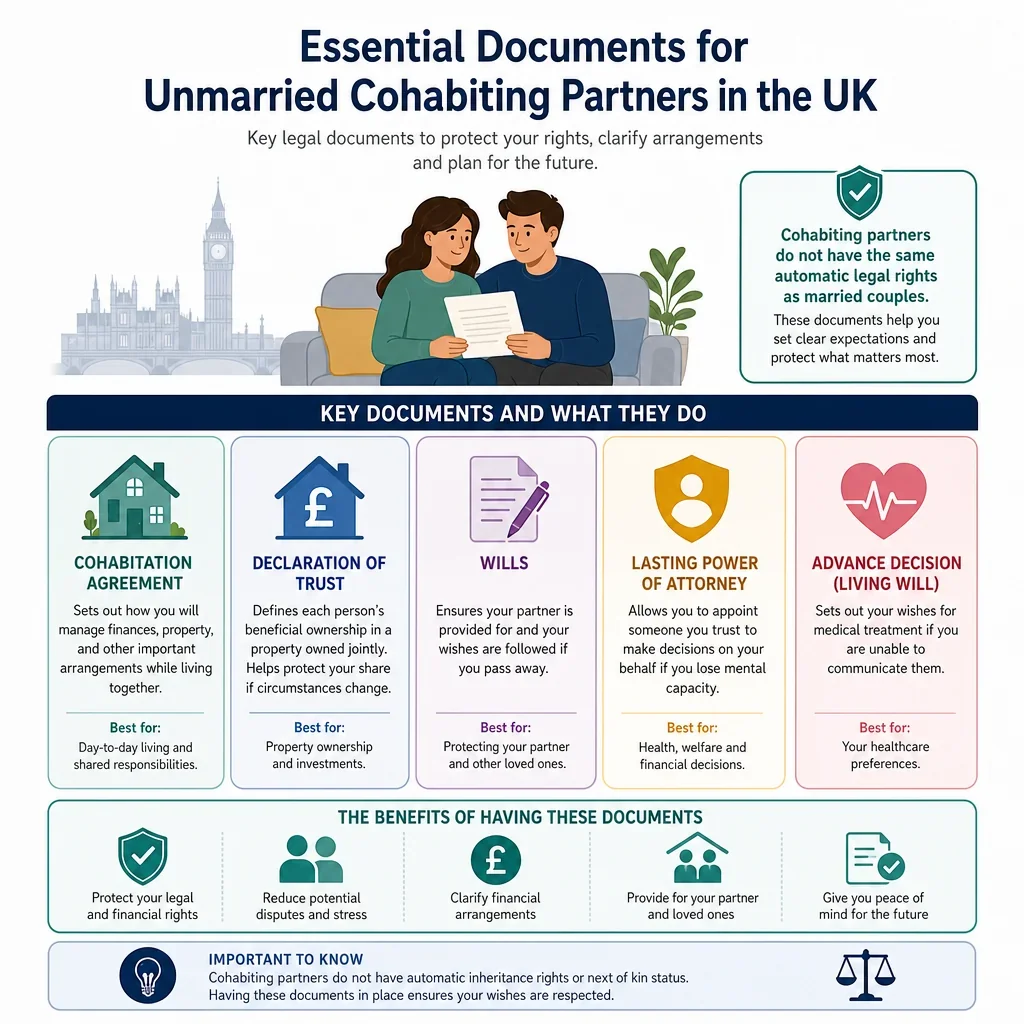
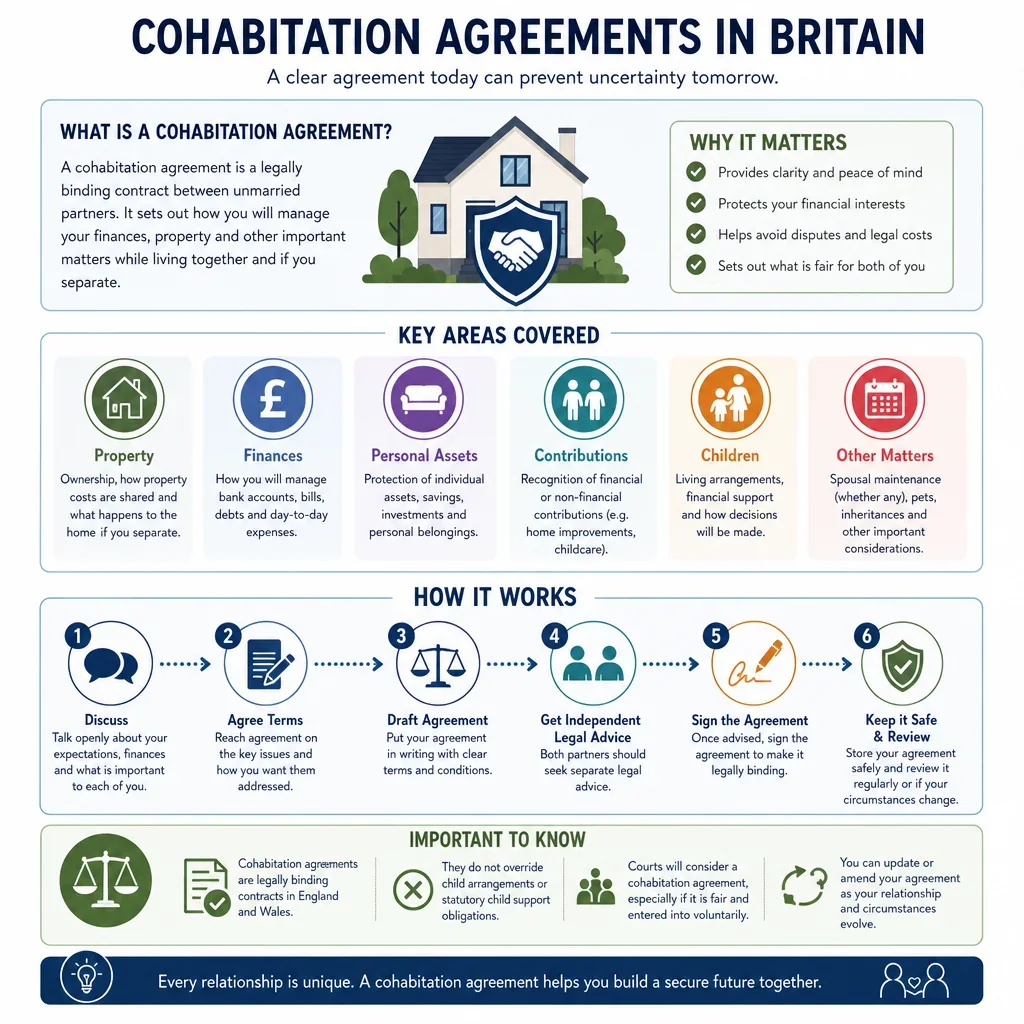
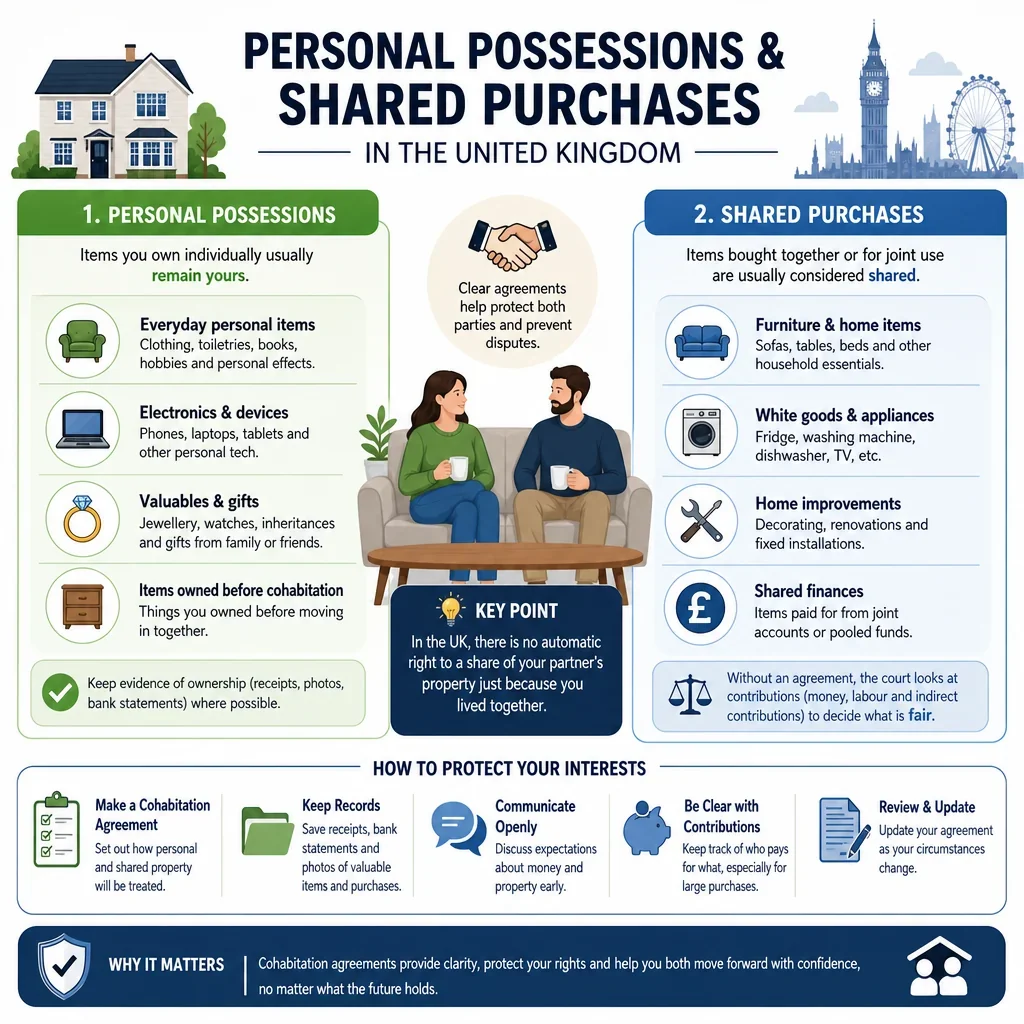
A cohabitation agreement should match the couple's real circumstances. In the United Kingdom, unmarried partners do not automatically have the same rights as married couples or civil partners, even after living together for many years. This makes an accurate agreement important when sharing a home, paying bills, owning property, or planning for separation.
Why Does Updating A Cohabitation Agreement Matter?
An out-of-date agreement can create uncertainty about who owns what, who pays which costs, and what should happen if the relationship ends. Updating the document after major life changes can help show that both people understood and accepted the arrangements at the relevant time.
- Property changes: buying, selling, remortgaging, or changing ownership shares can affect the agreement.
- Financial changes: new debts, unequal contributions, business income, or savings can make old terms unsuitable.
- Family changes: children, childcare costs, and household responsibilities may need clearer records.
- Relationship changes: marriage, civil partnership, separation, or moving to another UK jurisdiction can alter the legal context.
Can A Cohabitation Agreement Replace Legal Advice?
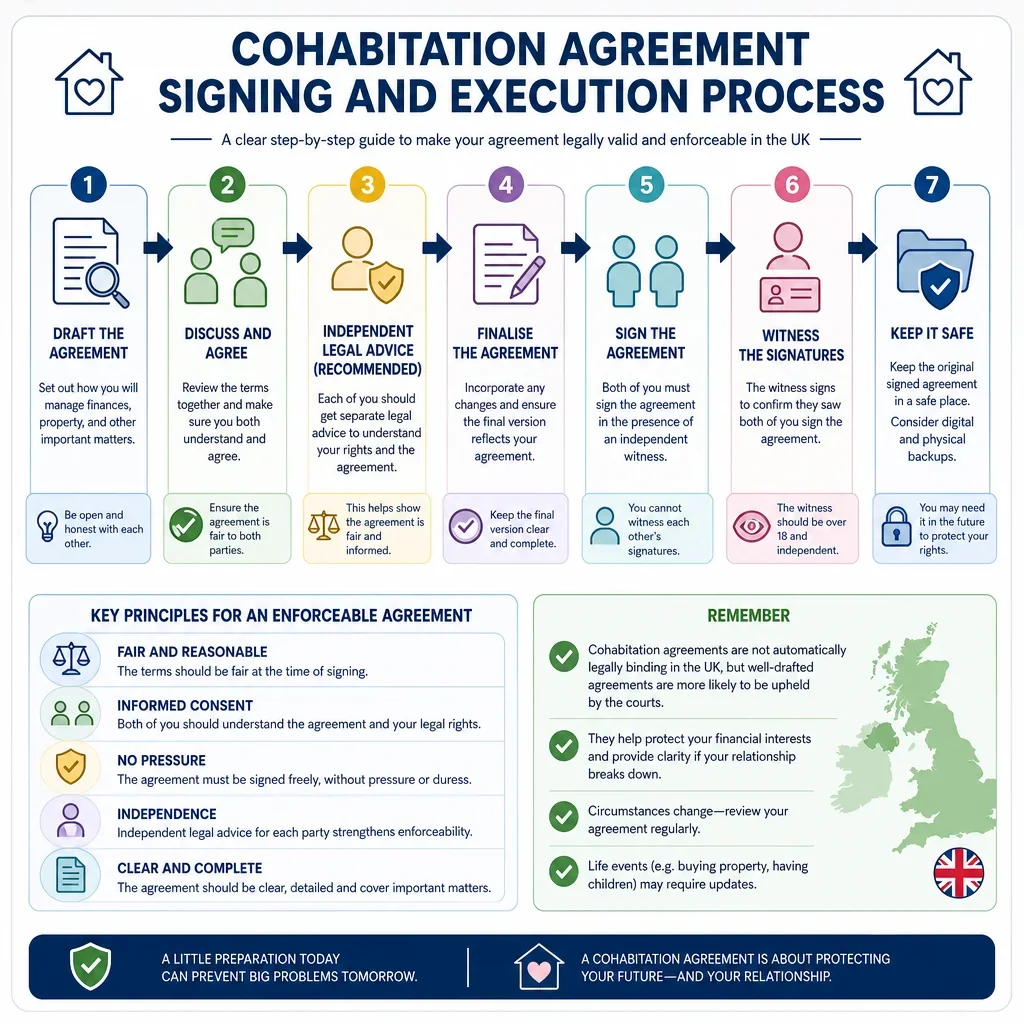
A cohabitation agreement is most useful when it is clear, fair, and made with informed consent. It should not be used to avoid specialist advice where property, children, inheritance, or cross-border issues are involved. Independent legal advice can help reduce the risk of later challenge.
For related official guidance, see GOV.UK guidance on making a will, HM Land Registry guidance on joint property ownership, and GOV.UK guidance on parental responsibility.
FAQs
You Might Also Be Interested In