AI-Generated British Commercial Underlease Agreement
PDF & Word - 2026 Updated
Docaro Pricing
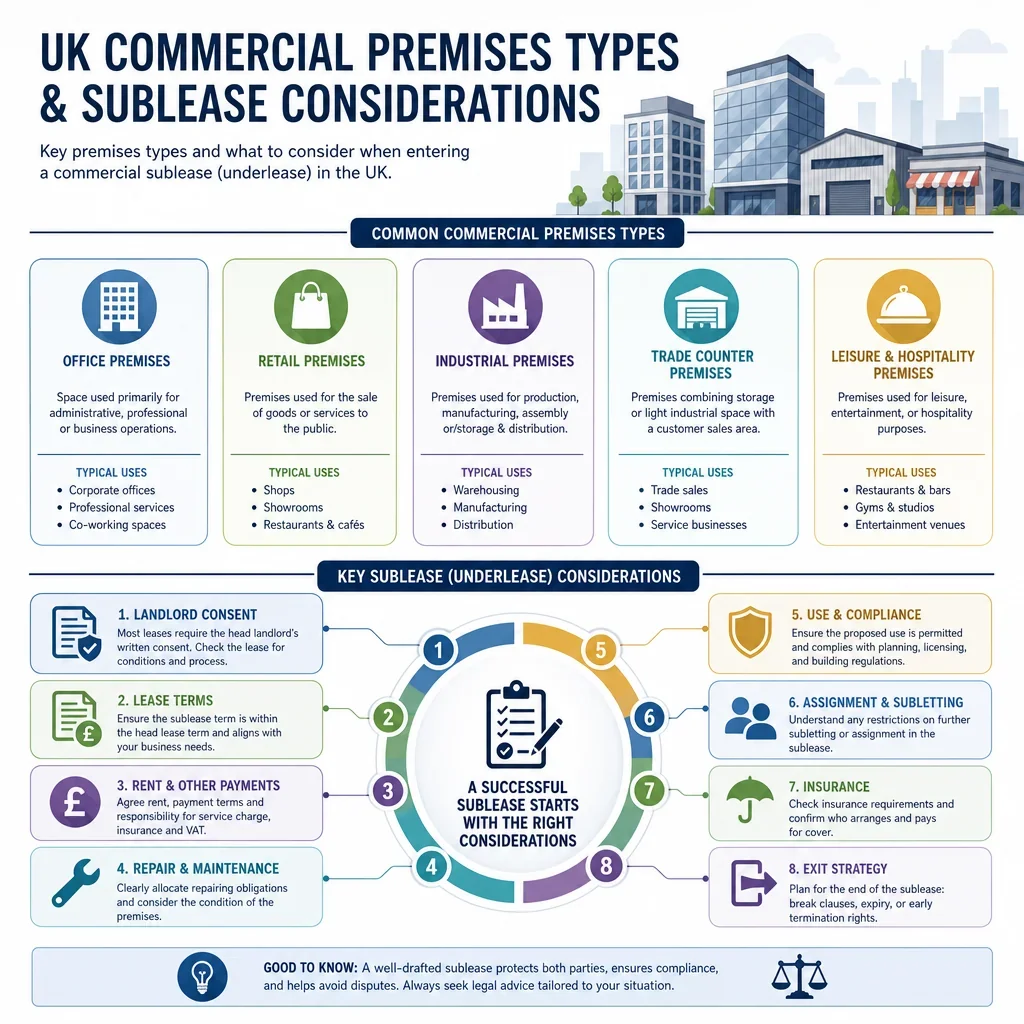
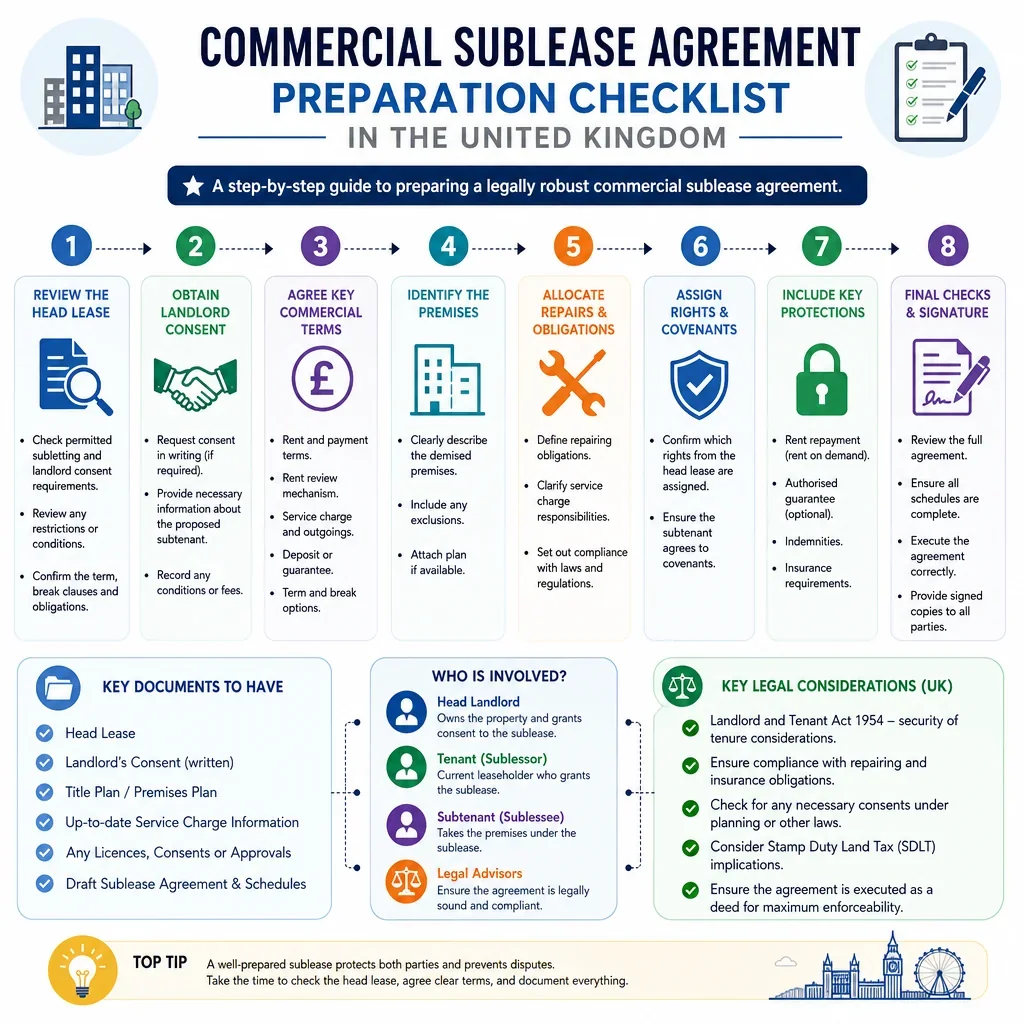
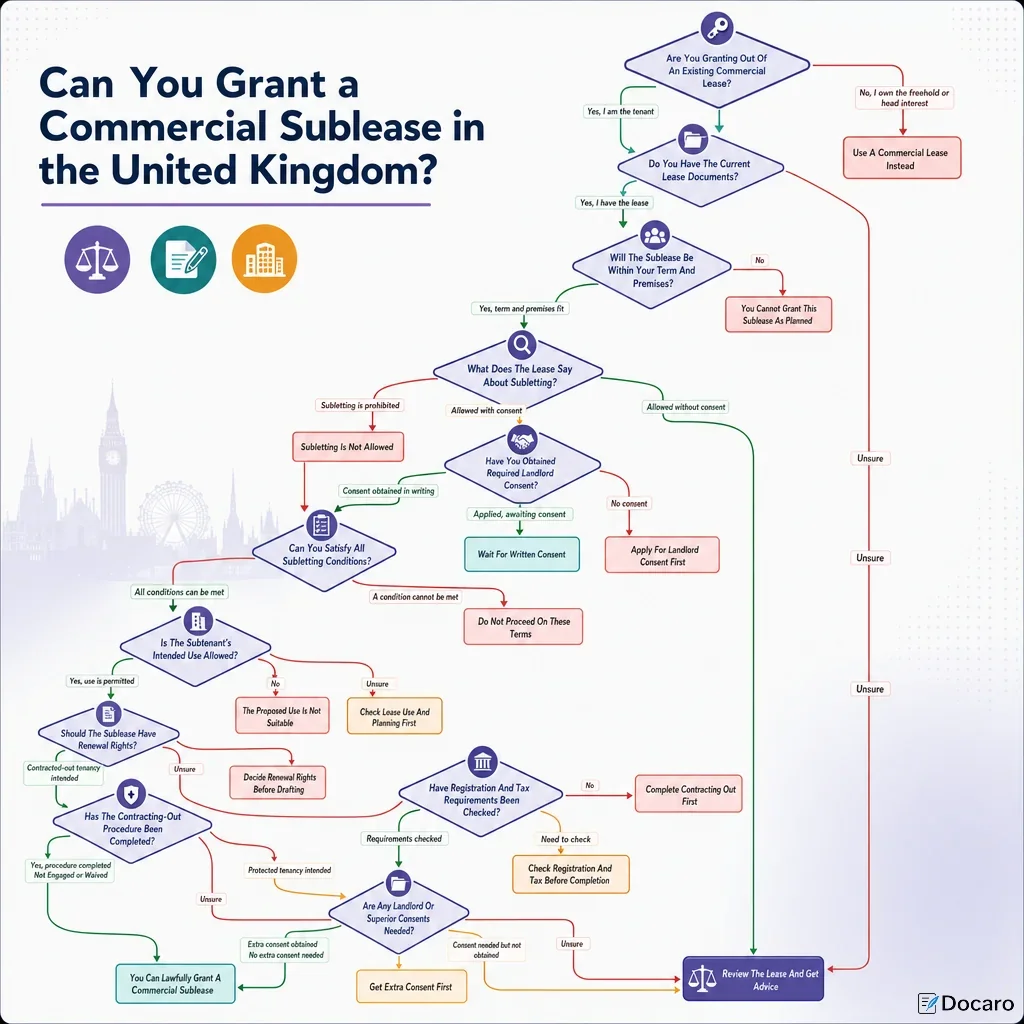
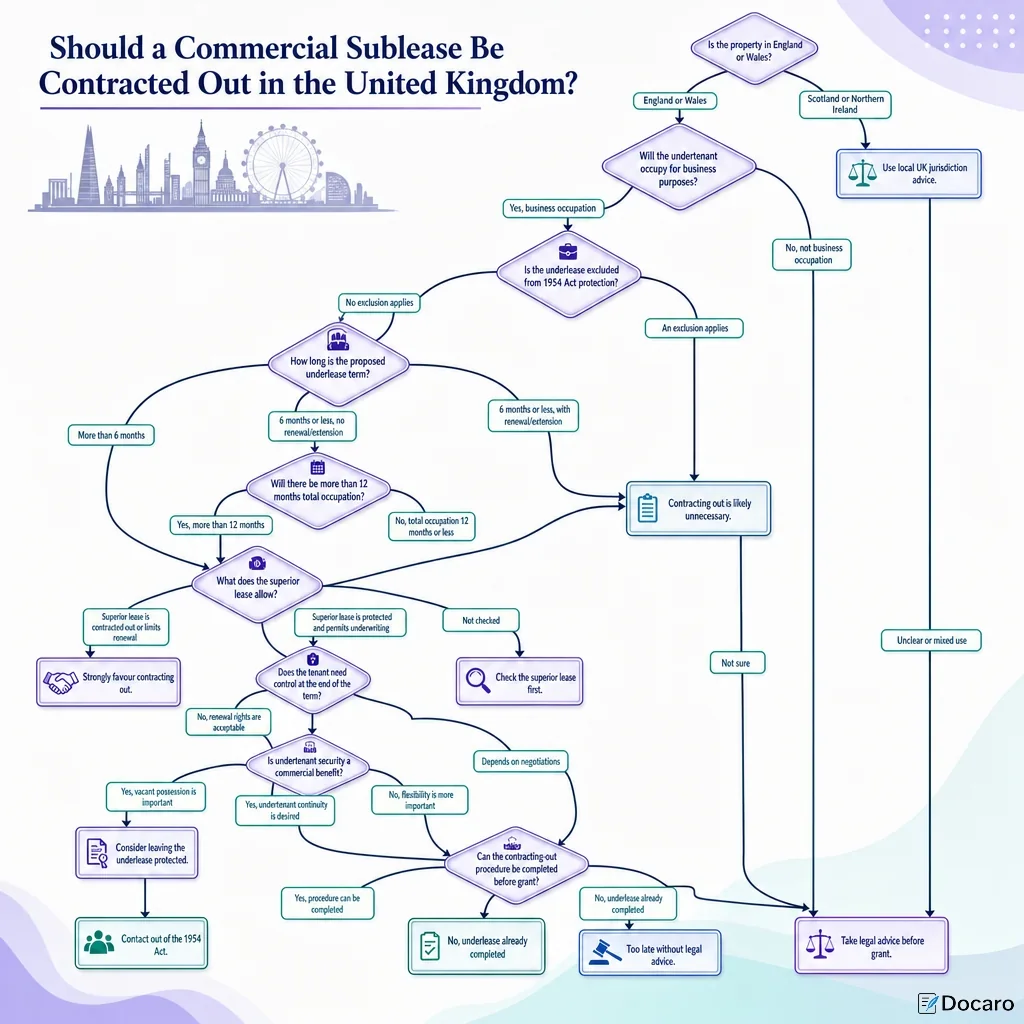
When do you need a Commercial Underlease Agreement in the United Kingdom?
British Legal Rules for a Commercial Underlease Agreement
Using the wrong structure for a commercial sublease agreement may invalidate key protections or expose parties to unintended liabilities under UK property law.
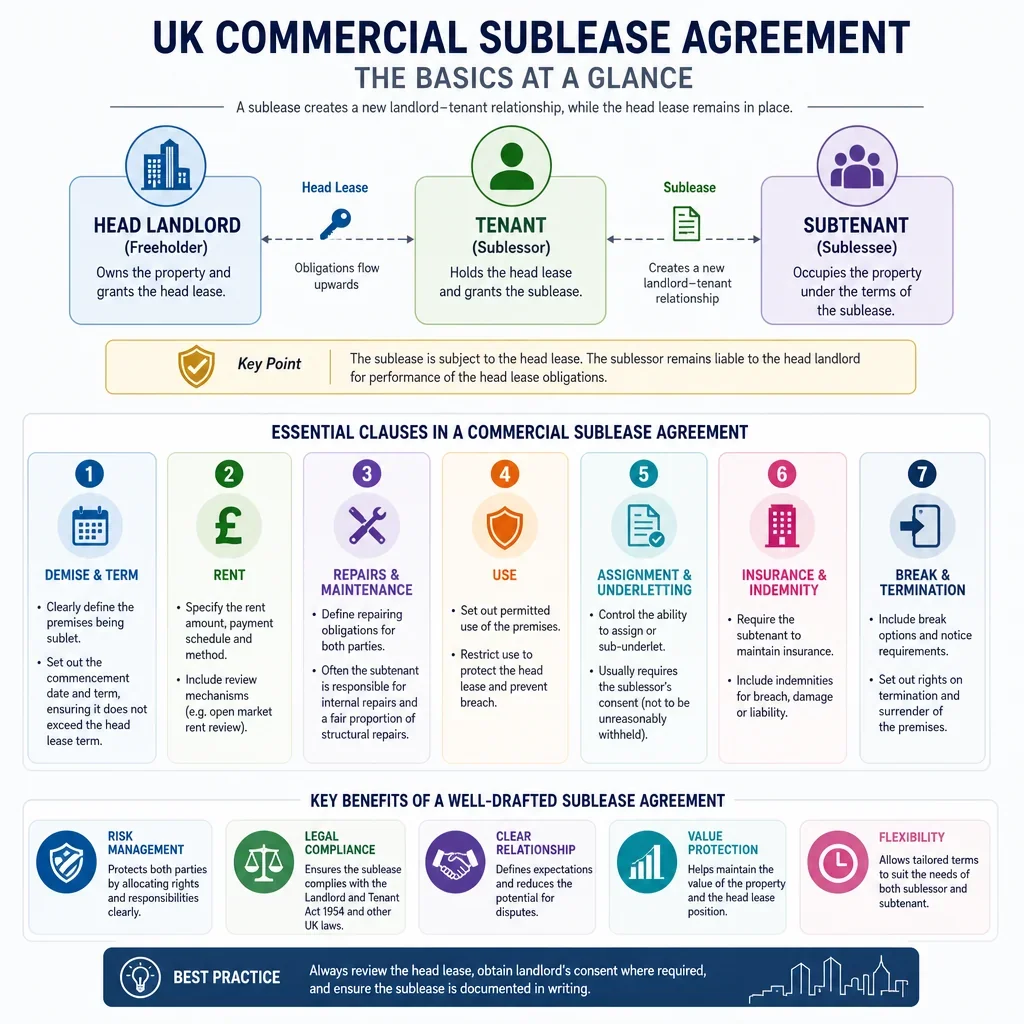
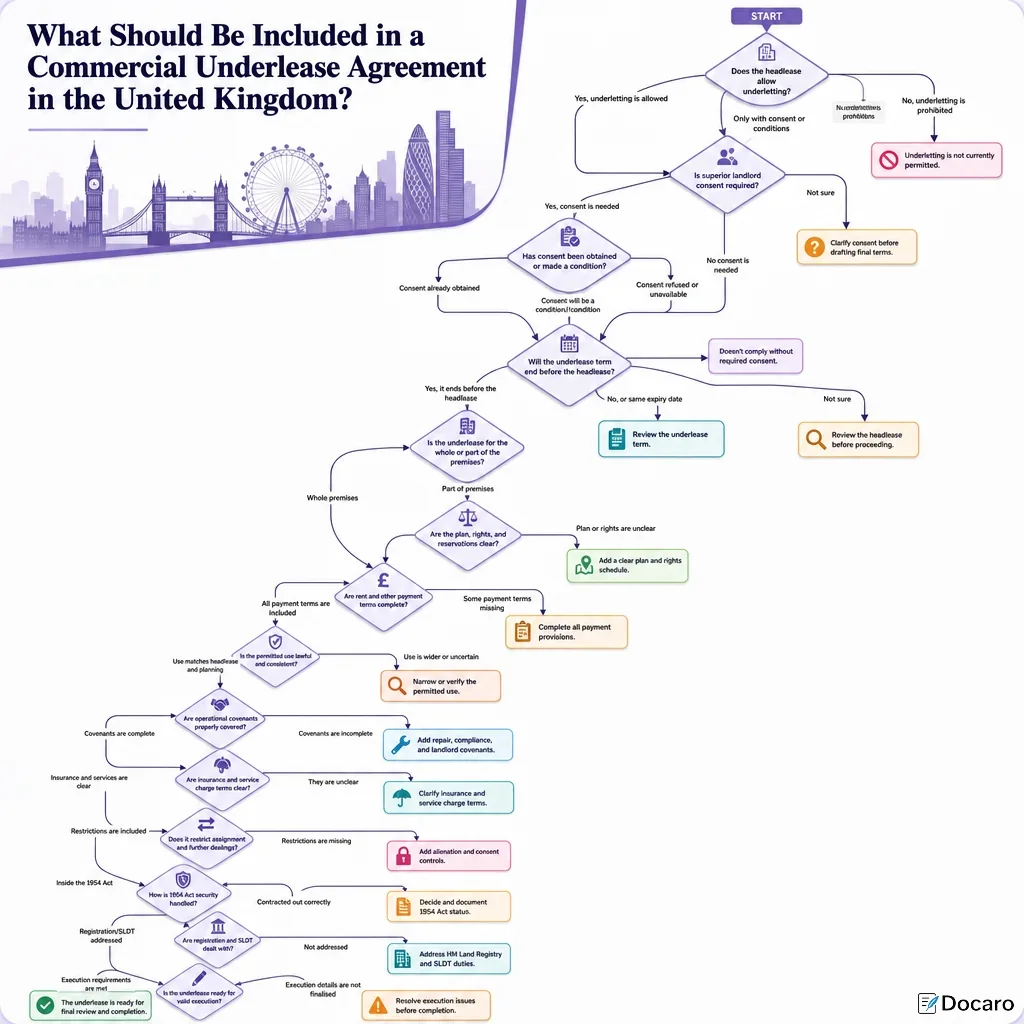
What a Proper Commercial Underlease Agreement Should Include
- Parties InvolvedClearly identify the sublandlord, subtenant, and property details to establish who is entering the agreement.
- Lease TermSpecify the start date, end date, and any renewal options for the sublease duration.
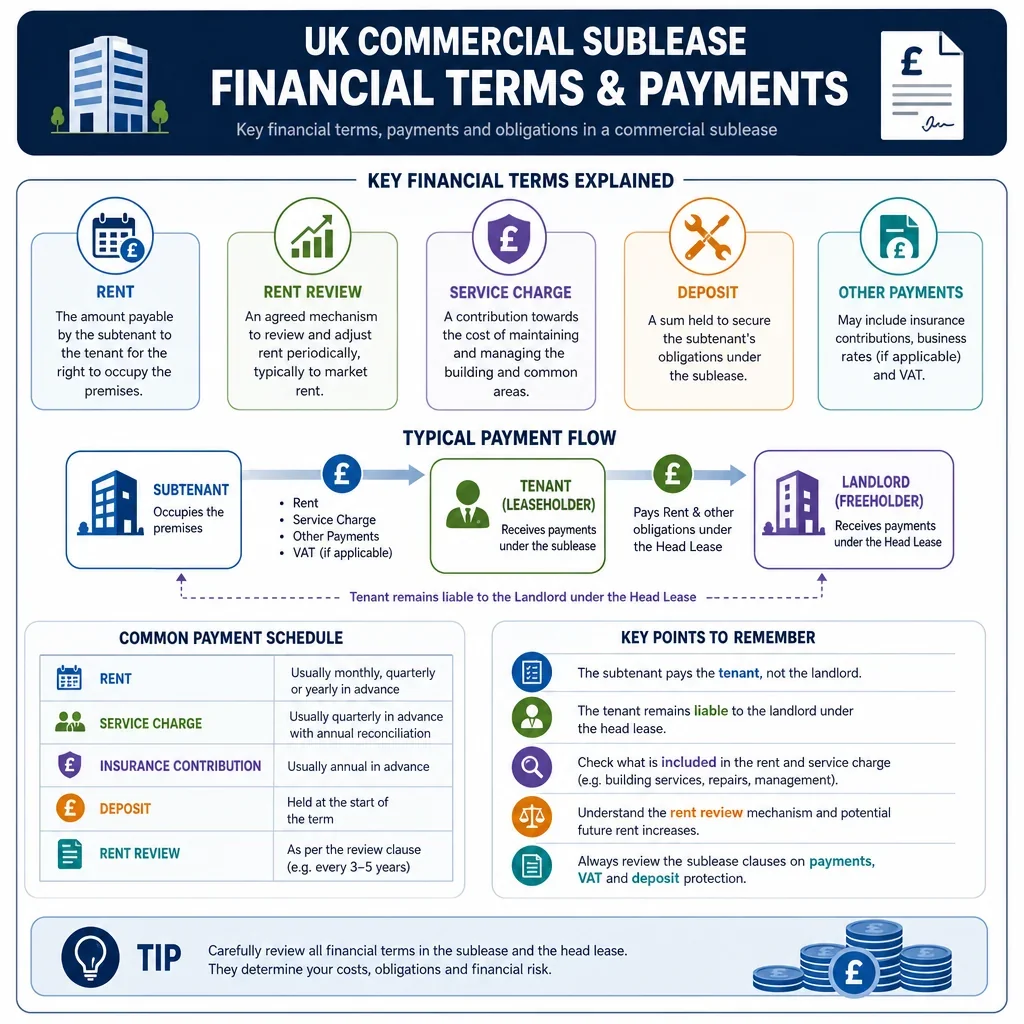
- Rent PaymentsDetail the rent amount, payment schedule, and methods to avoid disputes over financial obligations.
- Property UseDescribe the permitted business activities on the property to ensure compliance with zoning and original lease terms.
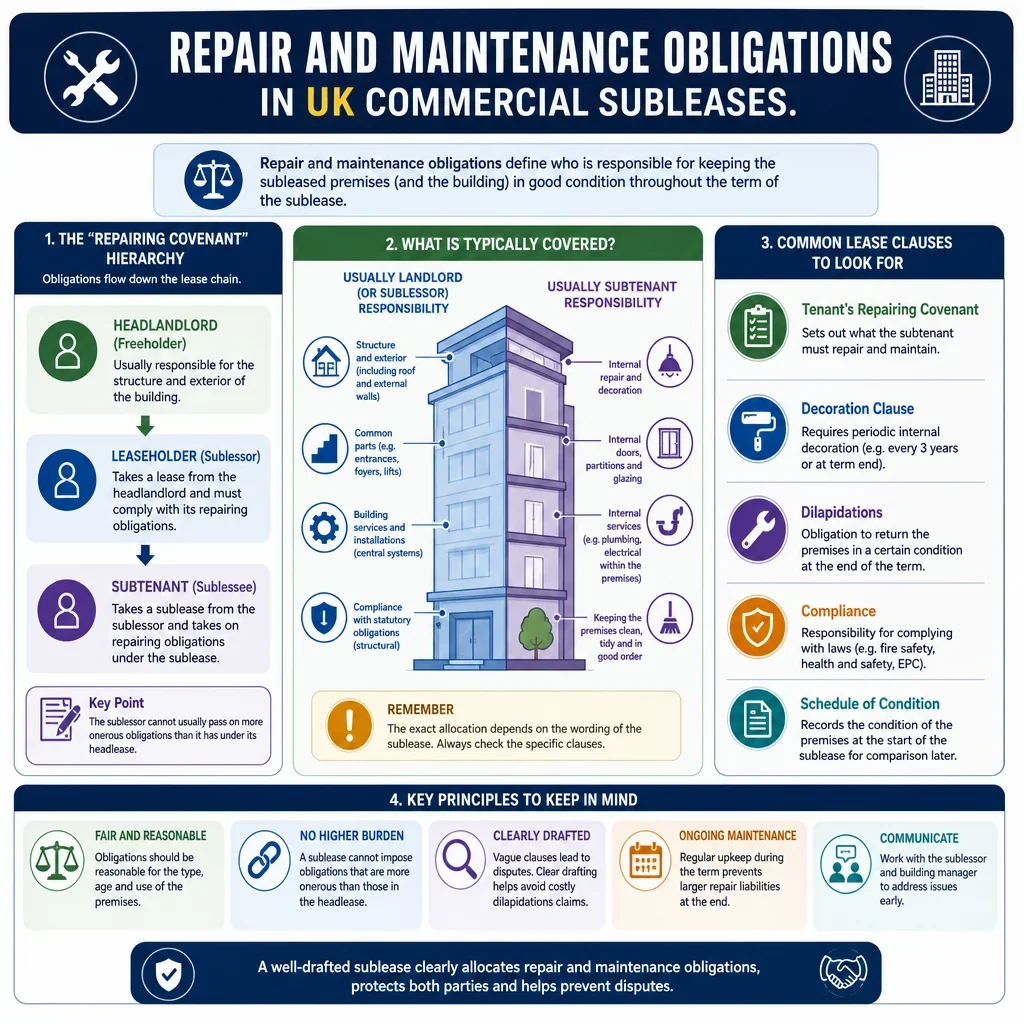
- Maintenance DutiesOutline responsibilities for repairs and upkeep between the sublandlord and subtenant.
- Insurance RequirementsRequire coverage for property damage and liability to protect all parties from risks.
- Termination RulesExplain conditions for ending the sublease early, including notice periods and penalties.
- Dispute ResolutionProvide steps for handling disagreements, such as mediation, to resolve issues amicably.
Generate Your Document in 4 Easy Steps
Why Use Docaro?
 United Kingdom
Free Example Commercial Underlease Agreement Template
Below is a free template example of a Commercial Underlease Agreement for use in the United Kingdom generated by our AI model.
The clauses in your actual Commercial Underlease Agreement will vary from this example as they will be entirely bespoke to your requirements as set out in the questionnaire you complete.
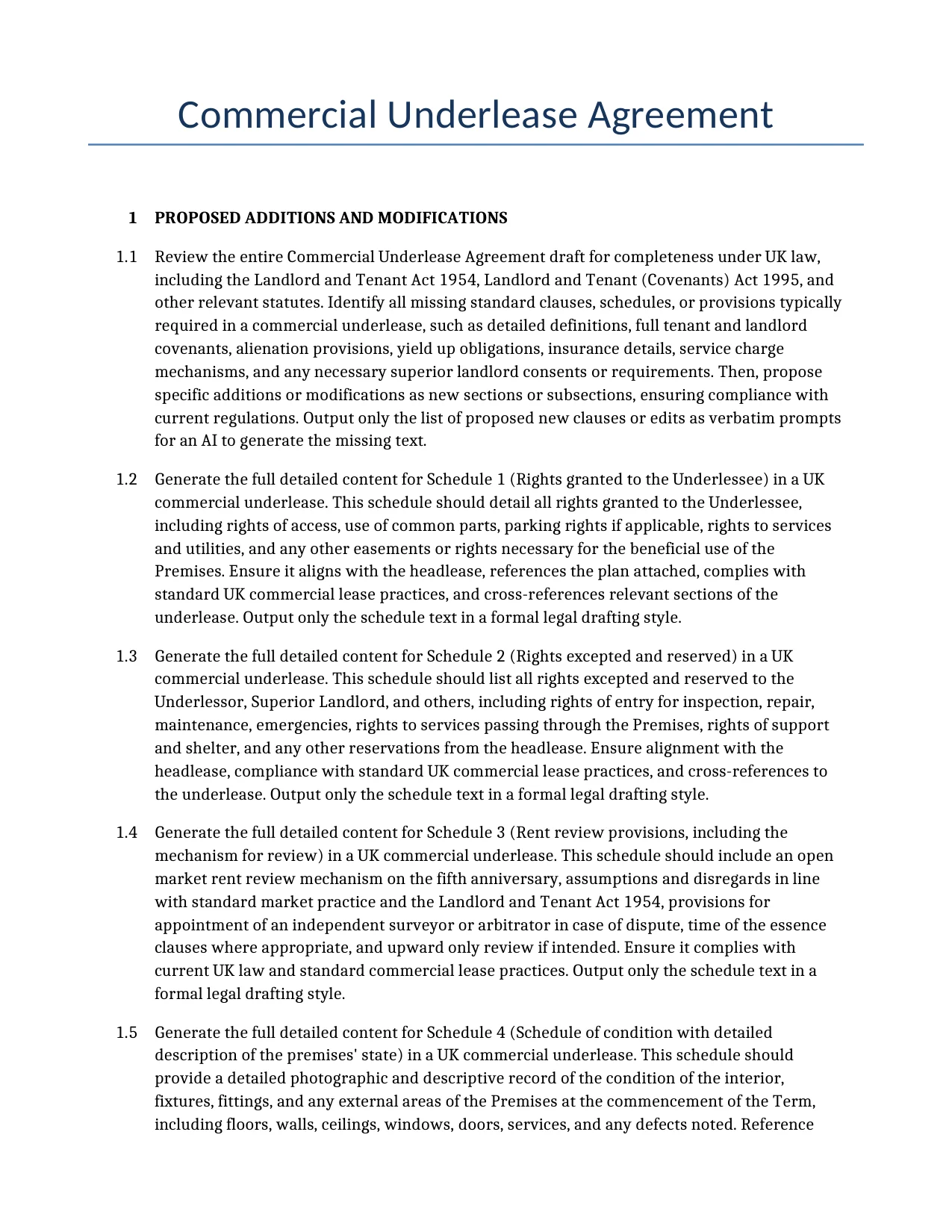
Commercial Underlease Agreement
1PROPOSED ADDITIONS AND MODIFICATIONS
Review the entire Commercial Underlease Agreement draft for completeness under UK law, including the Landlord and Tenant Act 1954, Landlord and Tenant (Covenants) Act 1995, and other relevant statutes. Identify all missing standard clauses, schedules, or provisions typically required in a commercial underlease, such as detailed definitions, full tenant and landlord covenants, alienation provisions, yield up obligations, insurance details, service charge mechanisms, and any necessary superior landlord consents or requirements. Then, propose specific additions or modifications as new sections or subsections, ensuring compliance with current regulations. Output only the list of proposed new clauses or edits as verbatim prompts for an AI to generate the missing text.
Generate the full detailed content for Schedule 1 (Rights granted to the Underlessee) in a UK commercial underlease. This schedule should detail all rights granted to the Underlessee, including rights of access, use of common parts, parking rights if applicable, rights to services and utilities, and any other easements or rights necessary for the beneficial use of the Premises. Ensure it aligns with the headlease, references the plan attached, complies with standard UK commercial lease practices, and cross-references relevant sections of the underlease. Output only the schedule text in a formal legal drafting style.
Generate the full detailed content for Schedule 2 (Rights excepted and reserved) in a UK commercial underlease. This schedule should list all rights excepted and reserved to the Underlessor, Superior Landlord, and others, including rights of entry for inspection, repair, maintenance, emergencies, rights to services passing through the Premises, rights of support and shelter, and any other reservations from the headlease. Ensure alignment with the headlease, compliance with standard UK commercial lease practices, and cross-references to the underlease. Output only the schedule text in a formal legal drafting style.
Generate the full detailed content for Schedule 3 (Rent review provisions, including the mechanism for review) in a UK commercial underlease. This schedule should include an open market rent review mechanism on the fifth anniversary, assumptions and disregards in line with standard market practice and the Landlord and Tenant Act 1954, provisions for appointment of an independent surveyor or arbitrator in case of dispute, time of the essence clauses where appropriate, and upward only review if intended. Ensure it complies with current UK law and standard commercial lease practices. Output only the schedule text in a formal legal drafting style.
Generate the full detailed content for Schedule 4 (Schedule of condition with detailed description of the premises' state) in a UK commercial underlease. This schedule should provide a detailed photographic and descriptive record of the condition of the interior, fixtures, fittings, and any external areas of the Premises at the commencement of the Term, including floors, walls, ceilings, windows, doors, services, and any defects noted. Reference any attached photographs or plans. Ensure it protects the Underlessee from liability for pre-existing condition and aligns with standard UK commercial lease practices. Output only the schedule text in a formal legal drafting style, including placeholders for descriptions and photos.
Generate the full detailed content for Schedule 5 (Superior landlord's requirements and any additional covenants) in a UK commercial underlease. This schedule should incorporate all requirements, consents, and additional covenants from the Superior Landlord as per the licence to underlet, including any specific restrictions on use, alterations, assignment, insurance, or other matters. Include the form of any required direct covenants or indemnity. Ensure it fully aligns with the headlease and standard UK commercial lease practices. Output only the schedule text in a formal legal drafting style.
Rewrite section 3 (Definitions and Interpretation) completely for a UK commercial underlease. Add comprehensive definitions for all terms used in the document, including but not limited to 'Interest' (at 4% above base rate), 'Insured Risks' (full list of standard commercial risks including fire, flood, storm, terrorism, etc.), 'Service Charge', 'VAT', 'Business Day', 'Authorised Guarantee Agreement', 'Head Rent' if applicable, 'Common Parts', 'Conduits', 'Plan', 'Surveyor', and any other implied terms. Include a full interpretation clause covering references to statutes (including amendments), persons (including successors), obligations, headings not affecting interpretation, singular/plural, gender neutrality, and references to schedules. Ensure compliance with UK law including the Landlord and Tenant (Covenants) Act 1995 and Landlord and Tenant Act 1954. Output only the fully revised section 3 text.
Generate a revised full section 9 (Tenant Covenants) for a UK commercial underlease. Expand it to include full repairing obligations (including any structural elements if applicable under the headlease), insurance compliance, user restrictions, alienation covenants, alterations with full reinstatement, environmental and health & safety compliance, payment of outgoings, no nuisance or annoyance, compliance with statutes and planning laws, yield up provisions (including removal of fixtures and making good), and any other standard tenant covenants. Ensure all covenants cross-reference the headlease where relevant, are enforceable under the Landlord and Tenant (Covenants) Act 1995, and align with standard UK commercial lease practices. Structure it with numbered subclauses. Output only the revised full section 9 text in formal legal style.
Create a detailed new section for 'Underlessee's Covenants regarding Headlease' to be inserted after the current section 9 (or integrated into section 11 if preferred) in this UK commercial underlease. This section must fully incorporate all relevant headlease covenants that the underlessee must observe and perform, including payment of any head rent if passed on, user, alterations, insurance, repair, maintenance, indemnity against breaches, and compliance with superior landlord requirements. Also include provisions for the underlessor to enforce headlease terms against the underlessee and for direct covenants if required. Ensure compliance with the Landlord and Tenant (Covenants) Act 1995 and standard practices. Output only the new section text with appropriate numbering.
Generate a revised section 10 (Landlord Covenants) for a UK commercial underlease. Expand it to include covenants for quiet enjoyment, provision of services and utilities per the headlease, insurance of the building where applicable, repair of structure and common parts as per headlease, enforcement of headlease terms against the superior landlord if needed, and any other standard landlord covenants. Include provisions for superior landlord obligations to be observed. Ensure it aligns with the Landlord and Tenant Act 1954 and standard UK commercial lease practices. Output only the revised full section 10 text.
Rewrite the entire section 12 (Insurance) for a UK commercial underlease to fully detail the insured risks (cross-referencing the new definition), the policy terms and requirements, what happens in case of damage or destruction (including rent suspension and abatement for up to 3 years or the headlease period), reinstatement obligations on the underlessor, underlessee's obligations for plate glass, contents, or other specific insurances, provision of evidence of insurance, and any excess payments. Ensure full compliance with UK commercial lease standards and the headlease. Output only the fully rewritten section 12 text.
Expand section 13 (Service Charge) with detailed provisions for a UK commercial underlease. Include calculation based on floor area or other fair proportion, certification by the underlessor's surveyor, payment on account and annual balancing, provisions for disputes (including expert determination), caps on increases if any, and full cross-reference to the headlease service charge provisions. Add obligations for the underlessee to pay a fair proportion of any headlease service charges not directly covered. Ensure compliance with standard UK practices. Output only the fully expanded section 13 text.
Generate a new section for 'User' (to be numbered as section 14 or appropriately inserted) or a revised Permitted Use section for this UK commercial underlease. Include full user covenant restricting use to the Permitted Use, prohibitions on immoral or illegal use, no nuisance or annoyance to neighbours, compliance with planning permissions and all statutes, and any restrictions from the headlease or superior landlord. Ensure it prevents any breach of the headlease and includes a covenant not to overload floors or services. Output only the new or revised section text in formal legal style.
Fully rewrite section 15 (Alterations and Improvements) for a UK commercial underlease. Distinguish between internal non-structural, external, and structural alterations; require prior written consent of the underlessor (not to be unreasonably withheld) and superior landlord where needed; provide for submission of plans, specifications, and licences for alterations; require compliance with building regulations and statutes; mandate full reinstatement and making good at end of term or on demand; and add provisions regarding compensation, rent adjustment, or removal of improvements if applicable. Ensure alignment with the headlease. Output only the fully rewritten section 15 text.
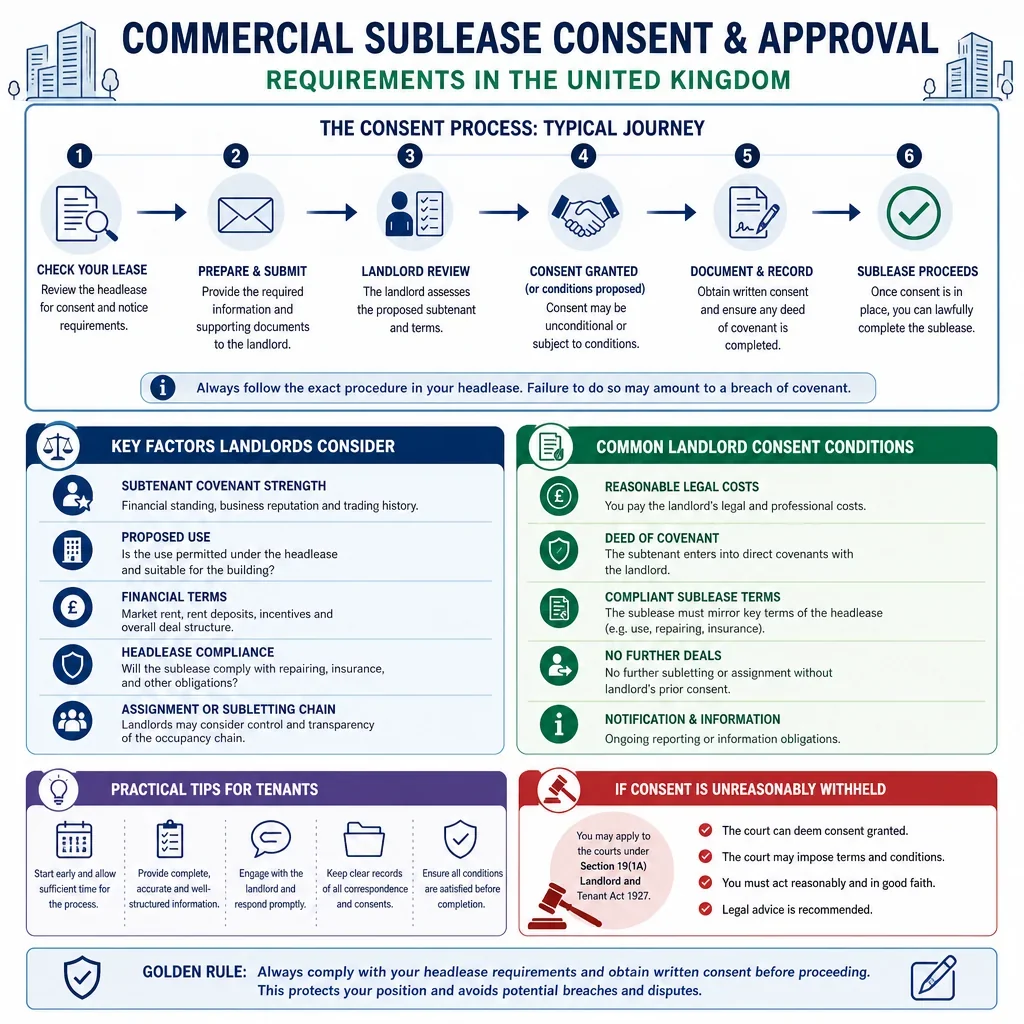
Provide a complete rewrite of section 16 (Assignment and Subletting) for a UK commercial underlease incorporating full alienation provisions under the Landlord and Tenant (Covenants) Act 1995. Include conditions for consent (not to be unreasonably withheld), requirement for authorised guarantee agreements (AGA), direct covenants from any assignee or sublessee, restrictions on underletting (including no sub-underletting without consent), prohibitions on sharing occupation or parting with possession, and provisions for registration of assignments or notices. Add that consent may be subject to superior landlord approval. Output only the fully rewritten section 16 text.
Generate the text for a new clause on 'No Waiver of Breaches' for insertion into this UK commercial underlease. The clause should state that no waiver by the underlessor of any breach of covenant shall be construed as a waiver of any subsequent breach, and that acceptance of rent does not waive breaches. Ensure it complies with UK law. Output only the clause text ready for insertion as a new section.
Generate the text for a new clause on 'Costs and Expenses' for insertion into this UK commercial underlease. The clause should provide that the underlessee pays the underlessor's reasonable costs and expenses incurred in connection with any application for consent, any breach of covenant, enforcement of covenants, or preparation and service of notices (including section 146 notices). Include VAT where applicable. Output only the clause text ready for insertion as a new section.
Generate the text for a new clause excluding security of tenure under the Landlord and Tenant Act 1954 for this commercial underlease (assuming it is intended to be contracted out). Include appropriate wording confirming the exclusion, reference to the statutory declaration or written notice having been given, and that the underlessee has no security of tenure. Output only the clause text ready for insertion as a new section.
Generate provisions for a Guarantor (if applicable, even though none is in the draft) for this UK commercial underlease. Include covenants by the guarantor to guarantee the underlessee's obligations, to perform if the underlessee defaults, indemnity, and provisions for the guarantor on assignment or insolvency. If no guarantor is intended, provide a clause stating there is no guarantor. Output only the clause text ready for insertion as a new section.
Generate a new clause on 'Energy Performance Certificate (EPC) Obligations' for this UK commercial underlease. Include obligations on the underlessee not to do anything that invalidates the EPC, to allow access for assessments, to bear costs of new EPCs if required due to their actions, and compliance with MEES regulations. Output only the clause text ready for insertion as a new section.
Generate a new clause on 'Force Majeure or Pandemic Provisions' for this UK commercial underlease post-2022 laws. Include provisions for suspension of obligations in case of events beyond control (including pandemics if relevant), rent abatement in prolonged events, and termination rights if the event continues beyond a certain period. Ensure it aligns with current UK commercial lease standards. Output only the clause text ready for insertion as a new section.
Review and revise the Forfeiture section (current section 19) for full compliance in a UK commercial underlease. Ensure it includes all standard events of forfeiture (including insolvency events under the Insolvency Act 1986, non-payment of rent for 14 or 21 days, breach of covenants), right of peaceable re-entry, that forfeiture does not waive other claims, and reference to the underlessee's right to apply for relief from forfeiture under the Law of Property Act 1925. Output only the revised full section text with updated numbering if needed.
Review and revise the Break Clause section (current section 18) for compliance in a UK commercial underlease. Add conditions precedent such as no outstanding arrears, full compliance with all covenants up to the break date, payment of any break premium if applicable, vacant possession, and removal of tenant's fixtures. Ensure the clause is clear, does not create a periodic tenancy, and complies with current law. Output only the revised full section text with updated numbering if needed.
Generate the complete execution and attestation clauses for section 30 (Execution) of this UK commercial underlease, to be executed as a deed. Include full execution blocks for both the Underlessor and Underlessee (assuming companies), with clauses under section 44 of the Companies Act 2006 or witnessed signatures, space for dates, signatures, printed names, and witness details. If the underlease requires the Superior Landlord's consent, add a consent form or make the Superior Landlord a party to the deed with their execution block. Ensure this is the last section of the document. Output only the complete revised section 30 text.
Additions to the Recitals and Demise sections: Generate revised or additional text for the Recitals (section 4) and Demise (section 5) to explicitly state that this document is an underlease granted out of the Headlease, confirm that the Headlease is not determinable early except as provided therein, reference the Licence to Underlet granted by the Superior Landlord (and attach it as a new schedule if not already covered in Schedule 5), and ensure the document is clearly structured and executed as a deed. Output only the verbatim prompts or the additional text to be inserted.
This example shows approximately 70% of a typical document and is provided for illustrative purposes only. The remaining content has been omitted.
Every document generated by Docaro is tailored to your specific circumstances, jurisdiction and the information you provide. The completed document includes all applicable clauses and provisions required for your situation.
To generate the full, personalised document, answer a short series of questions and your document will be created instantly.
Useful Resources When Considering a Commercial Underlease Agreement in the United Kingdom
United Kingdom Reference Legislation
Commercial Underlease Agreement FAQs
Document Generation FAQs
Related Articles