United Kingdom Model Articles Versus Custom Articles Of Association
Articles Approach | Typical Suitability | Flexibility Level | Common Advantages | Common Limitations |
|---|---|---|---|---|
Model articles | ||||
Default model articles for private company limited by shares | Simple private companies limited by shares with standard governance. | Low | Fast, low-cost and widely recognised default constitution. | Limited tailoring for investors, share transfers or founder arrangements. |
Relying on model articles without filing customised articles | New companies comfortable with the statutory default rules. | Low | Default articles apply automatically where no exclusion or modification is registered. | May omit key commercial protections expected by shareholders. |
Model articles used by a single-director company | Sole founder companies with one director and one shareholder. | Low | Simple administration and minimal drafting burden. | May require amendment if more directors, investors or shareholders join. |
Model articles for dormant or simple holding company | Dormant subsidiaries or simple group holding vehicles. | Low | Keeps constitutional documents simple for low-activity companies. | Unsuitable if complex group controls or reserved matters are needed. |
Unamended model articles for small trading company | Small owner-managed businesses with no outside investors. | Low | Easy incorporation and acceptable for many routine businesses. | Does not address founder exits, valuation or detailed transfer controls. |
Model articles for private company limited by guarantee | Simple guarantee companies without share capital. | Low | Suitable baseline for non-share capital companies. | Charities and membership bodies usually need tailored objects and controls. |
Model articles for public companies | Public companies needing a statutory baseline constitution. | Low | Provides recognised baseline rules for PLC governance. | Listed or complex PLCs normally require extensive bespoke provisions. |
Model articles supplemented by shareholders' agreement | Private companies wanting private contractual terms outside public filings. | Medium | Keeps sensitive commercial terms out of public articles. | Articles and agreement must be consistent to avoid disputes. |
Amended model articles | ||||
Lightly amended model articles | Companies needing limited changes to standard governance. | Medium | Balances speed with targeted constitutional protection. | Partial amendments can create gaps or inconsistencies. |
Model articles amended for share transfer restrictions | Private companies wanting control over who becomes a shareholder. | Medium | Protects ownership structure and restricts unwanted transfers. | Restrictions must be clear and workable for Companies House filings. |
Amended articles with transfer pre-emption rights | Owner-managed or family companies preserving existing shareholder control. | Medium | Gives existing shareholders first refusal on outgoing shares. | Can slow sales and create valuation disputes. |
Articles tailored for allotment pre-emption and disapplication rules | Companies issuing new shares to founders, investors or employees. | Medium | Can align statutory pre-emption procedures with funding plans. | Incorrect disapplication can invalidate or delay share issues. |
Model articles amended for director quorum | Companies with investor directors, family branches or joint controllers. | Medium | Prevents important decisions without required board participation. | Over-strict quorum rules can cause board deadlock. |
Articles amended to remove or adjust chair casting vote | Equal ownership companies wanting neutral board voting rules. | Medium | Avoids one side gaining control through chair appointment. | May increase deadlock risk without a resolution mechanism. |
Model articles amended for different dividend rights | Companies with alphabet shares or unequal economic entitlements. | Medium | Allows dividends to match agreed share class economics. | Tax and company law consequences need careful review. |
Articles amended for multiple share classes and class rights | Companies issuing ordinary, preference, growth or alphabet shares. | Medium | Records voting, dividend, capital and redemption rights clearly. | Class variation rules and shareholder approvals can be complex. |
Amended articles with drag-along rights | Companies planning future sale with majority-led exit rights. | Medium | Helps majority shareholders deliver a full company sale. | Minority protections and thresholds must be carefully drafted. |
Amended articles with tag-along rights | Minority shareholders wanting participation in majority exits. | Medium | Protects minorities if controlling shareholders sell. | Can complicate sale processes and buyer negotiations. |
Amended articles with death or incapacity transfer rules | Family companies and owner-managed businesses with succession concerns. | Medium | Reduces uncertainty when a shareholder dies or loses capacity. | Valuation and inheritance planning must be coordinated. |
Amended articles with good leaver and bad leaver provisions | Startups and owner-managed companies with working shareholders. | Medium | Links share ownership to continued involvement in the business. | Enforceability, valuation and employment law issues need care. |
Bespoke articles | ||||
Bespoke startup articles for seed investment | Startups raising external equity investment. | High | Can reflect investor rights, consents, share classes and exit terms. | Higher cost and requires careful coordination with investment documents. |
Bespoke venture capital articles | Investor-backed growth companies with institutional funding rounds. | High | Supports preference shares, investor protections and funding-round mechanics. | Complex and may be unsuitable for simple companies. |
Bespoke articles for preference shares | Companies granting liquidation preference or preferential dividends. | High | Defines priority economics precisely for investors or founders. | Requires precise drafting of class rights and variation protections. |
Bespoke articles for growth shares | Companies incentivising employees or managers above a hurdle value. | High | Tailors economic upside for incentive planning. | Valuation, tax and employment-related securities rules need advice. |
Bespoke articles supporting EMI option shares | Qualifying companies using EMI options for employees. | High | Can align option shares with vesting, transfer and exit mechanics. | Articles must align with option rules and tax requirements. |
Bespoke joint venture articles | Companies owned by two or more strategic partners. | High | Can embed reserved matters, board balance and deadlock procedures. | Complex drafting and disputes if control mechanisms are unclear. |
Bespoke articles for 50:50 ownership | Companies owned equally by two founders or corporate shareholders. | High | Can include tailored deadlock, quorum and exit mechanisms. | Poorly drafted deadlock clauses can paralyse the company. |
Bespoke family company articles | Family-owned companies planning succession and ownership control. | High | Can restrict transfers, protect branches and manage succession. | Must be coordinated with wills, tax planning and shareholder agreements. |
Bespoke articles for professional services company | Companies where shareholders must be employees, partners or qualified persons. | High | Can require transfers on retirement, resignation or loss of status. | Regulatory and employment arrangements may need separate documents. |
Bespoke articles for regulated company | FCA-authorised or sector-regulated companies with ownership controls. | High | Can support regulatory approval and change-in-control constraints. | Articles do not replace regulatory permissions or notifications. |
Bespoke charitable company articles | Charitable companies needing objects, trustee rules and asset locks. | High | Can meet charity governance and charitable objects requirements. | Must satisfy charity law and Charity Commission expectations. |
Bespoke or prescribed-form CIC articles | Community interest companies requiring asset lock and CIC clauses. | Medium | Can reflect statutory CIC requirements and social purpose. | CIC rules restrict distributions and constitutional flexibility. |
Bespoke guarantee company articles for membership body | Clubs, associations and membership organisations. | High | Can define membership admission, voting, discipline and termination. | Governance can become unwieldy if member rights are overcomplicated. |
Bespoke articles for residents' management company | Flat management and residents' management companies linked to leases. | High | Can align membership or shares with leasehold ownership. | Must coordinate carefully with leases and property law requirements. |
Statutory right to manage company articles | Leaseholders forming an RTM company for block management. | Low | Uses prescribed articles required for RTM company status. | Flexibility is constrained by RTM statutory requirements. |
Bespoke articles with entrenched provisions | Companies needing special protection against easy constitutional amendment. | High | Can make specified provisions harder to amend than by ordinary special resolution. | Can reduce future flexibility and complicate transactions. |
Bespoke articles requiring unanimous consent for key matters | Closely held companies where all owners need veto protection. | High | Protects shareholders from major changes without agreement. | Can block urgent decisions and increase deadlock risk. |
Bespoke articles with investor consent matters | Funded companies where investors require veto rights. | High | Protects investors from dilution, debt, disposals or strategy changes. | Can slow management decisions and deter later investors if excessive. |
Bespoke articles for employee ownership structure | Companies transitioning to employee ownership or trust-controlled ownership. | High | Can support trustee control, employee benefit purpose and transfer limits. | Must align with trust deed, tax rules and governance documents. |
Bespoke private equity articles | Companies with sponsor investment, management equity and exit planning. | High | Can address ratchets, leavers, drag rights and investor control. | Highly complex and usually unsuitable without specialist advice. |
Bespoke listed company articles | Companies admitted or preparing for admission to public markets. | High | Can align governance with market expectations and securities rules. | Subject to listing, disclosure and investor governance expectations. |
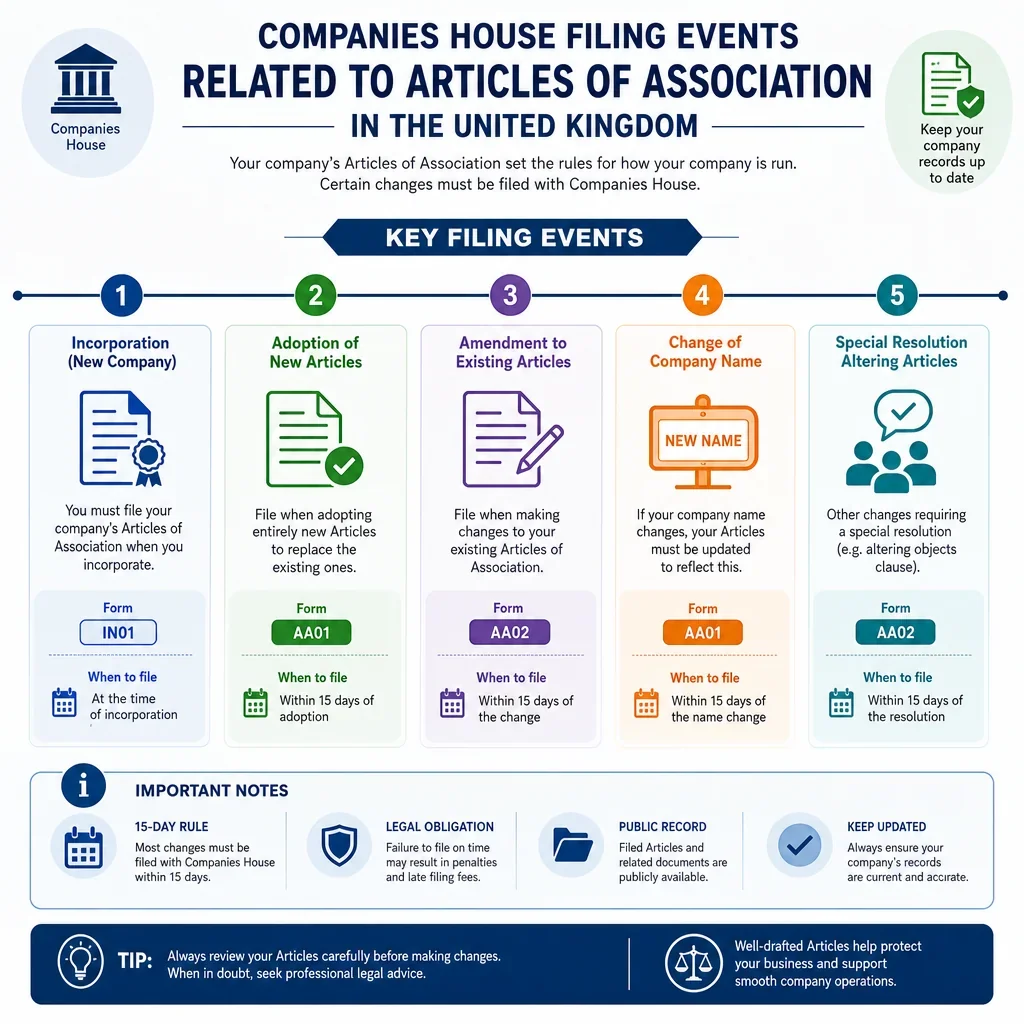
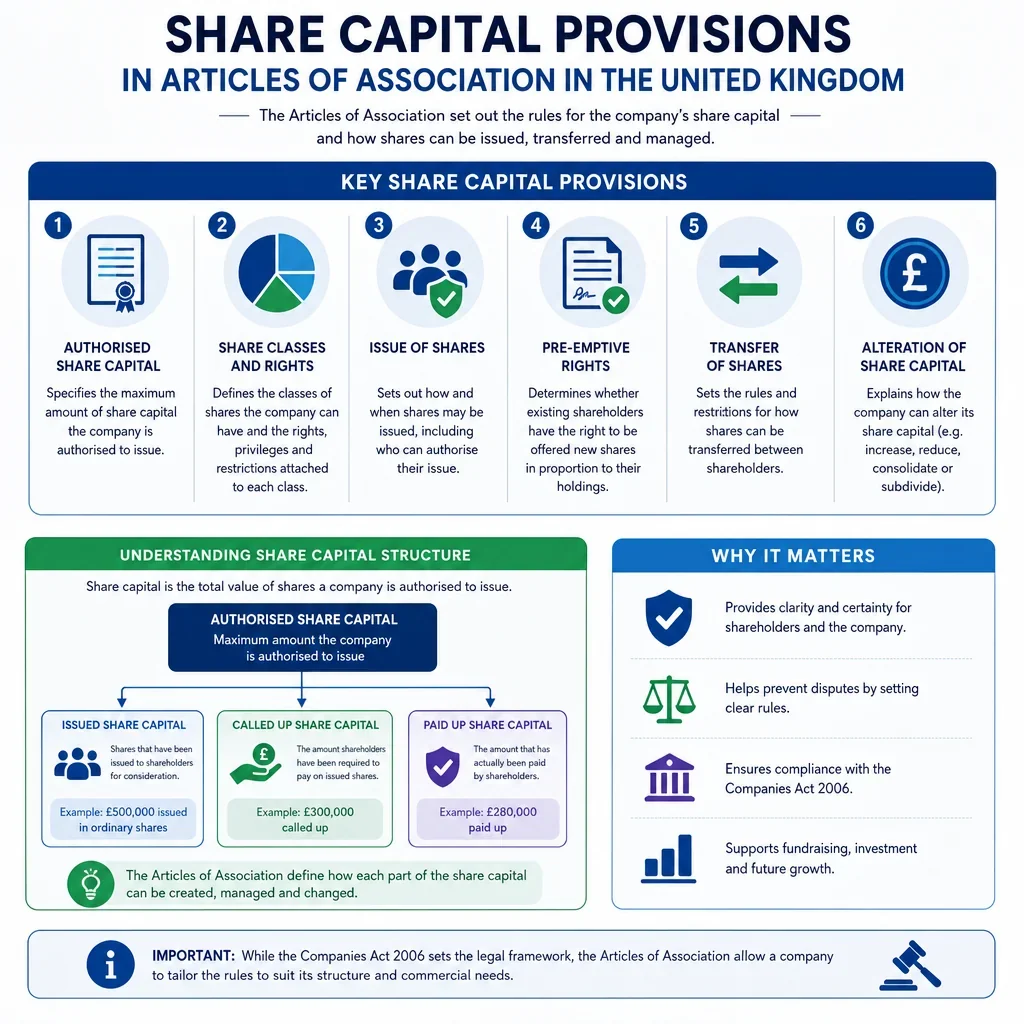
Replacing model articles with custom articles after incorporation | Existing companies upgrading governance after growth or investment. | High | Companies can amend articles by special resolution. | Requires correct approval, filing and consistency with shareholder rights. |
Legacy articles | ||||
Table A articles from pre-Companies Act 2006 regime | Older companies incorporated before the current model articles regime. | Low | May be familiar and historically accepted for older companies. | May contain outdated terminology or rules misaligned with current practice. |
Legacy constitution with old objects clause | Older companies that have not modernised their constitutional documents. | Low | May preserve historic business scope where intentionally retained. | Objects restrictions can limit capacity unless removed or updated. |
Older bespoke articles retained without review | Established companies with no recent governance changes. | Medium | May still reflect historic commercial arrangements. | May conflict with current ownership, funding or Companies Act practice. |
Legacy articles with paper meeting and notice provisions | Older companies that still operate through traditional paper processes. | Low | May provide clear formalities for conservative governance processes. | Can hinder electronic communications and modern meeting practice. |
Legacy articles referring to authorised share capital | Older companies with historic capital clauses not yet removed. | Low | May impose intended limits on share issues. | Can create outdated constraints after abolition of authorised share capital. |
Modernised legacy articles removing restrictive objects | Older companies seeking broader trading capacity. | Medium | Removes unnecessary constitutional limits on business activities. | Requires correct amendment process and filing. |
Bespoke articles | ||||
Bespoke articles with shareholder director appointment rights | Investor-backed, joint venture or family companies needing board representation. | High | Links board seats to shareholdings or investor status. | May become outdated after transfers or dilution unless drafted dynamically. |
Amended model articles | ||||
Articles with bespoke alternate director provisions | Companies whose directors travel or represent institutional shareholders. | Medium | Supports continuity when directors are unavailable. | Authority, conflicts and confidentiality rules need clarity. |
Articles tailored for director conflicts of interest | Groups, investors and companies with directors holding multiple roles. | Medium | Can clarify authorisation and voting on conflicts. | Cannot remove directors' statutory duties. |
Articles tailored for shareholder meeting thresholds and notice | Companies needing specific quorum, notice or voting mechanics. | Medium | Improves certainty for shareholder decision-making. | Must comply with statutory meeting and resolution rules. |
Articles tailored for written resolution procedure | Private companies relying on decisions without physical meetings. | Medium | Supports efficient shareholder approvals. | Certain decisions cannot be passed by written resolution. |
Bespoke articles | ||||
Articles tailored for company share buybacks | Companies planning founder exits, employee shares or succession buybacks. | High | Can support planned repurchases alongside statutory buyback process. | Buybacks require strict statutory procedure and sufficient distributable profits. |
Bespoke articles for redeemable shares | Companies issuing shares intended to be redeemed later. | High | Creates clear redemption terms for investors or incentive shares. | Redemption must comply with statutory capital maintenance rules. |
Bespoke articles with exit waterfall | Companies with preference shares, growth shares or management equity. | High | Clarifies proceeds allocation on sale, liquidation or return of capital. | Can be difficult to interpret if not modelled numerically. |
Bespoke articles with compulsory transfer events | Companies needing exits for breach, insolvency, employment exit or divorce. | High | Protects company from unsuitable or inactive shareholders. | Valuation discount and fairness provisions are dispute-prone. |
Bespoke articles with share valuation mechanism | Private companies where forced transfers or exits may occur. | High | Reduces uncertainty over price on compulsory transfers. | Expert determination assumptions must be precise. |
Bespoke articles with shareholder information rights | Investor-backed or minority shareholder companies requiring reporting access. | High | Can provide management accounts, budgets and inspection rights. | Confidentiality and competitor shareholder risks must be managed. |
Articles including restrictive covenants for shareholders | Owner-managed companies concerned about competing shareholder activity. | High | May reinforce loyalty and business protection expectations. | Restrictive covenants are enforceability-sensitive and often better in contracts. |
Articles containing confidentiality obligations | Private companies sharing sensitive information with shareholders. | Medium | Puts confidentiality expectations in the public constitution. | Public filing can undermine privacy contract may be preferable. |
Articles aligned with shareholders' agreement | Companies with private shareholder contracts affecting constitutional rights. | High | Reduces conflict between public constitution and private contract. | Articles are public and should not include all confidential deal terms. |
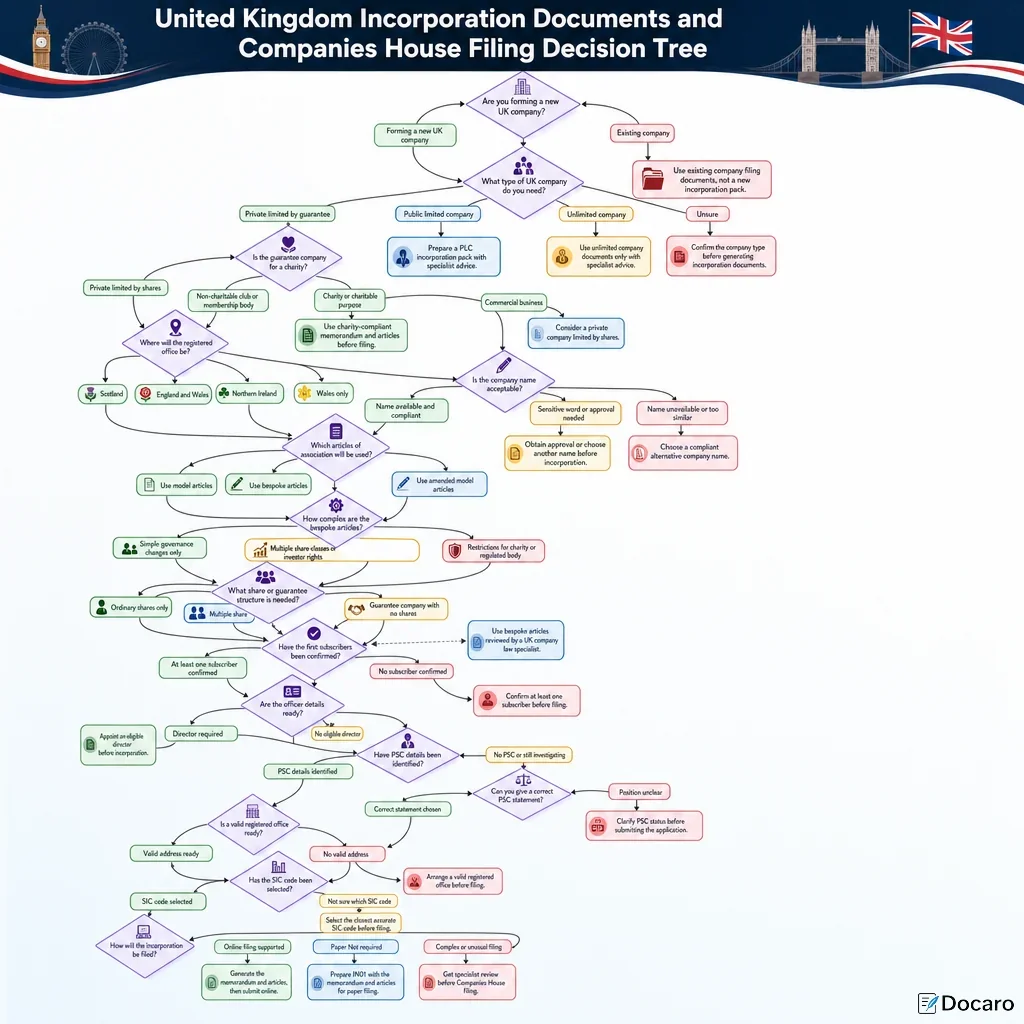
Custom articles filed at incorporation | Companies wanting governance settled from formation. | High | Avoids post-incorporation amendment and early governance mismatch. | Requires more preparation before registration. |
Model articles, Amended model articles, Bespoke articles, Legacy articles | ||||
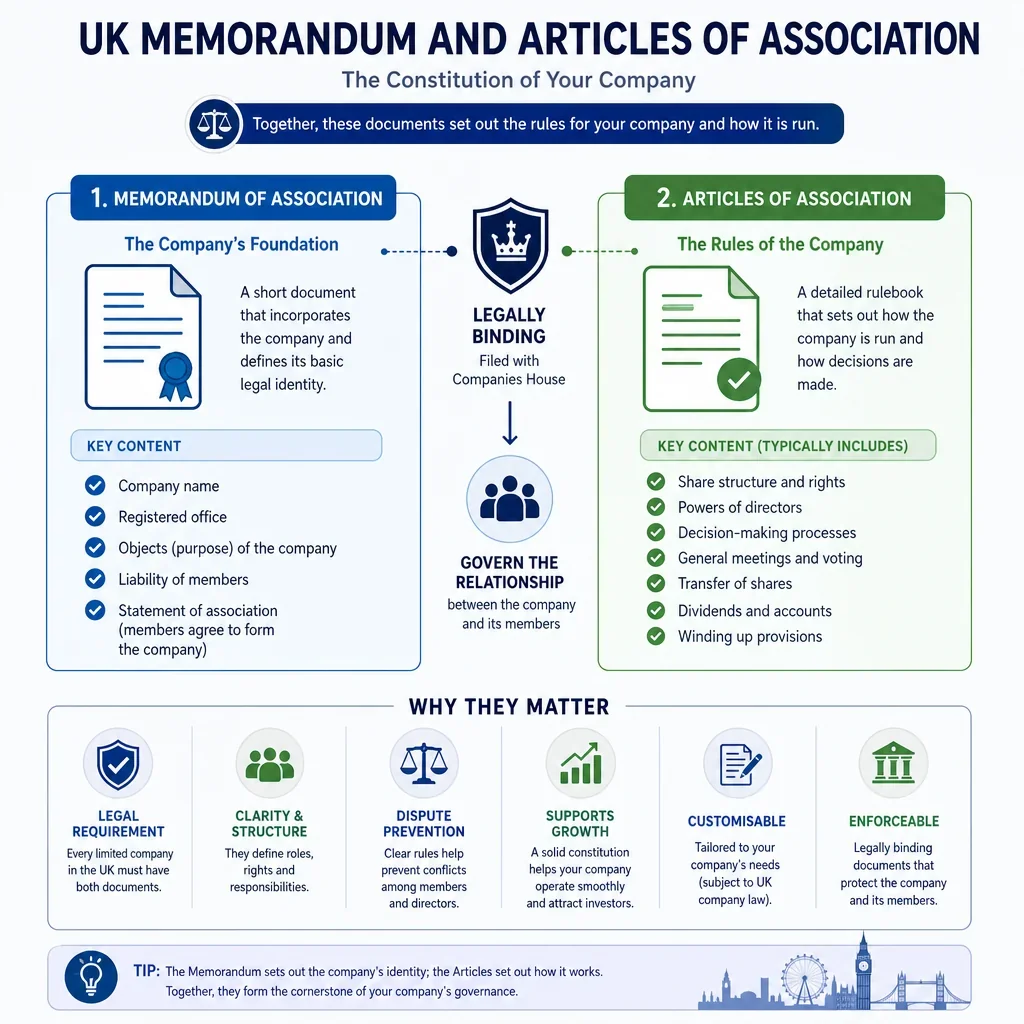
Articles treated as binding company constitution | All companies because articles bind company and members as constitution. | Medium | Creates enforceable constitutional rights between company and members. | Not every private commercial obligation is best placed in articles. |
When Should A UK Company Use Model Articles Instead Of Custom Articles?
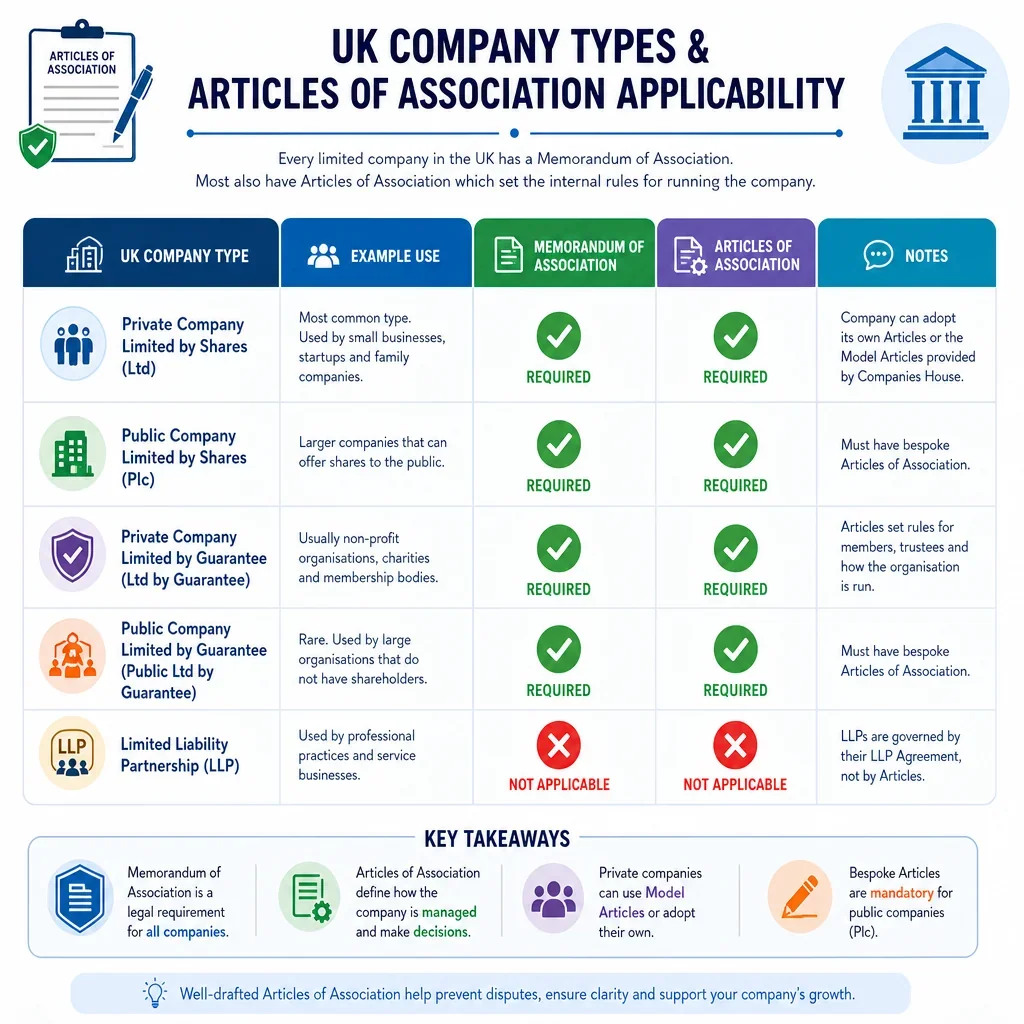
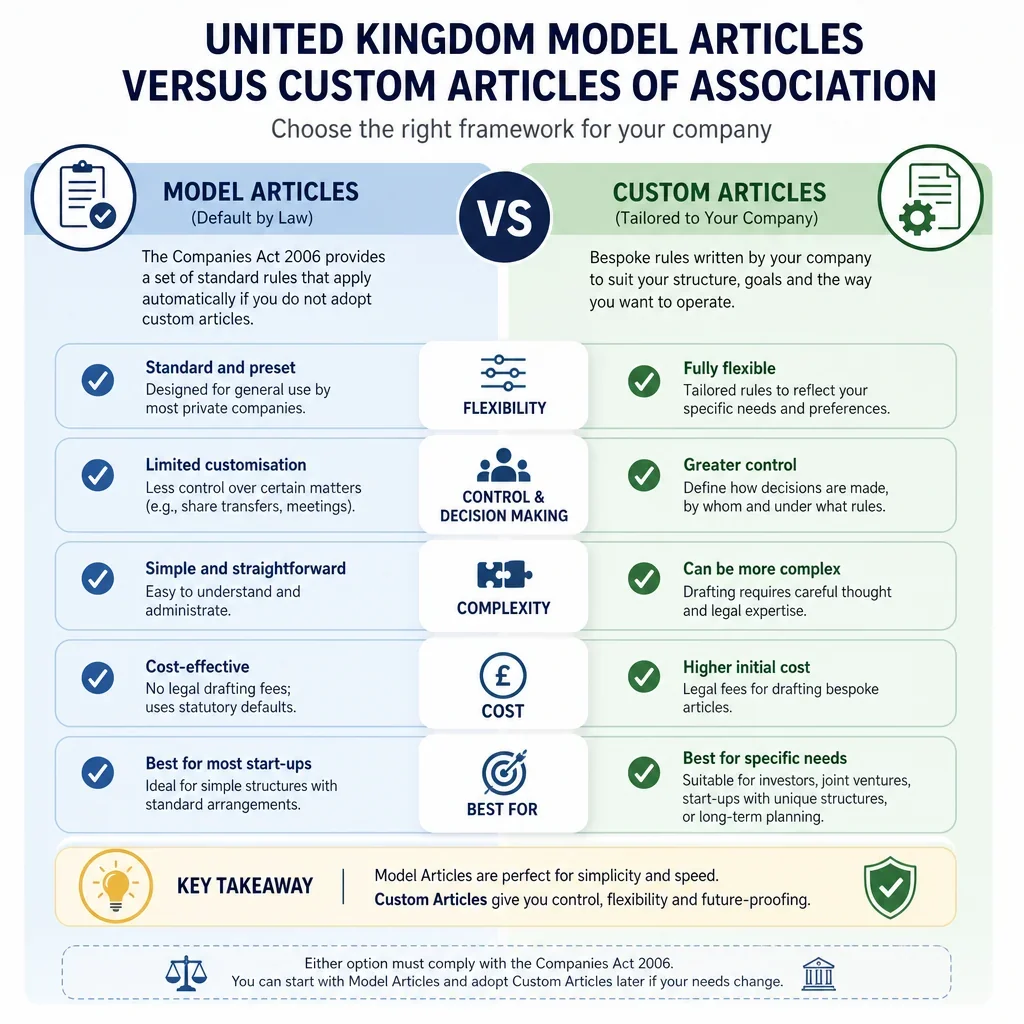
Model articles are usually the quickest and cheapest option for a straightforward private company limited by shares, especially where there is one shareholder or a small owner-managed team with simple governance needs. They are prescribed under the Companies Act 2006 framework and apply by default where a company does not register its own articles.
When Are Bespoke Articles Worth The Extra Drafting?
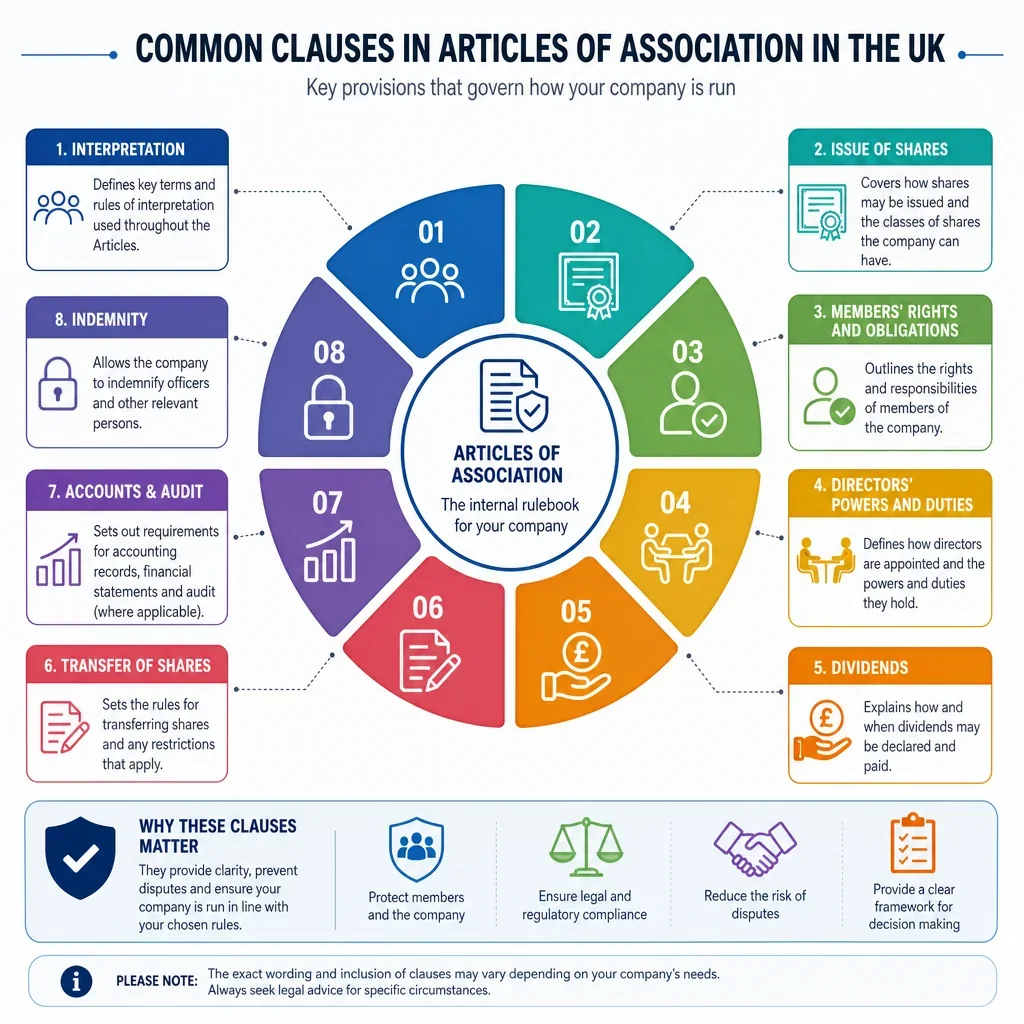
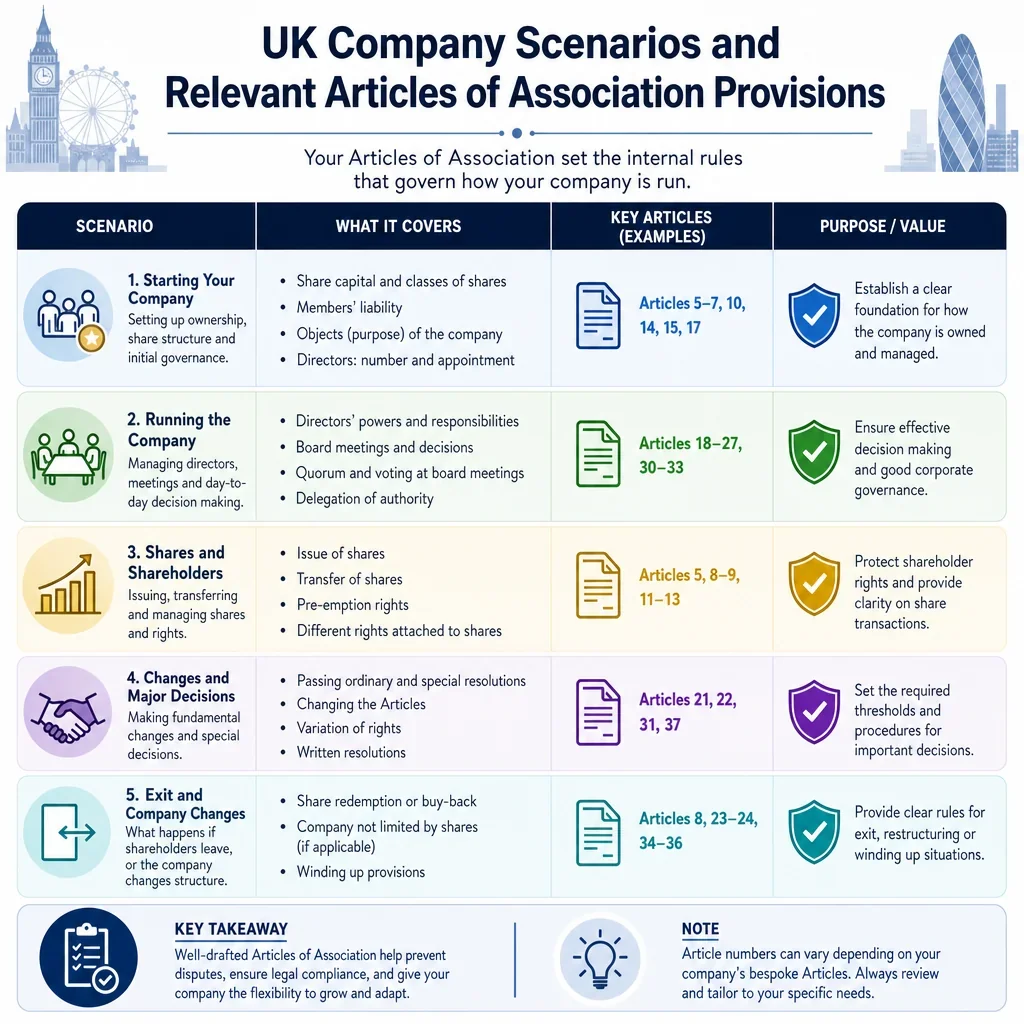
Bespoke articles are most useful where the company needs rules that the default model articles do not handle well, such as investor consent rights, different share classes, compulsory transfer rules, director appointment rights, detailed quorum rules, employee share arrangements or deadlock provisions. These issues are common in startups, joint ventures, family companies and investor-backed companies.
What Is The Main Risk Of Relying On Unamended Model Articles?
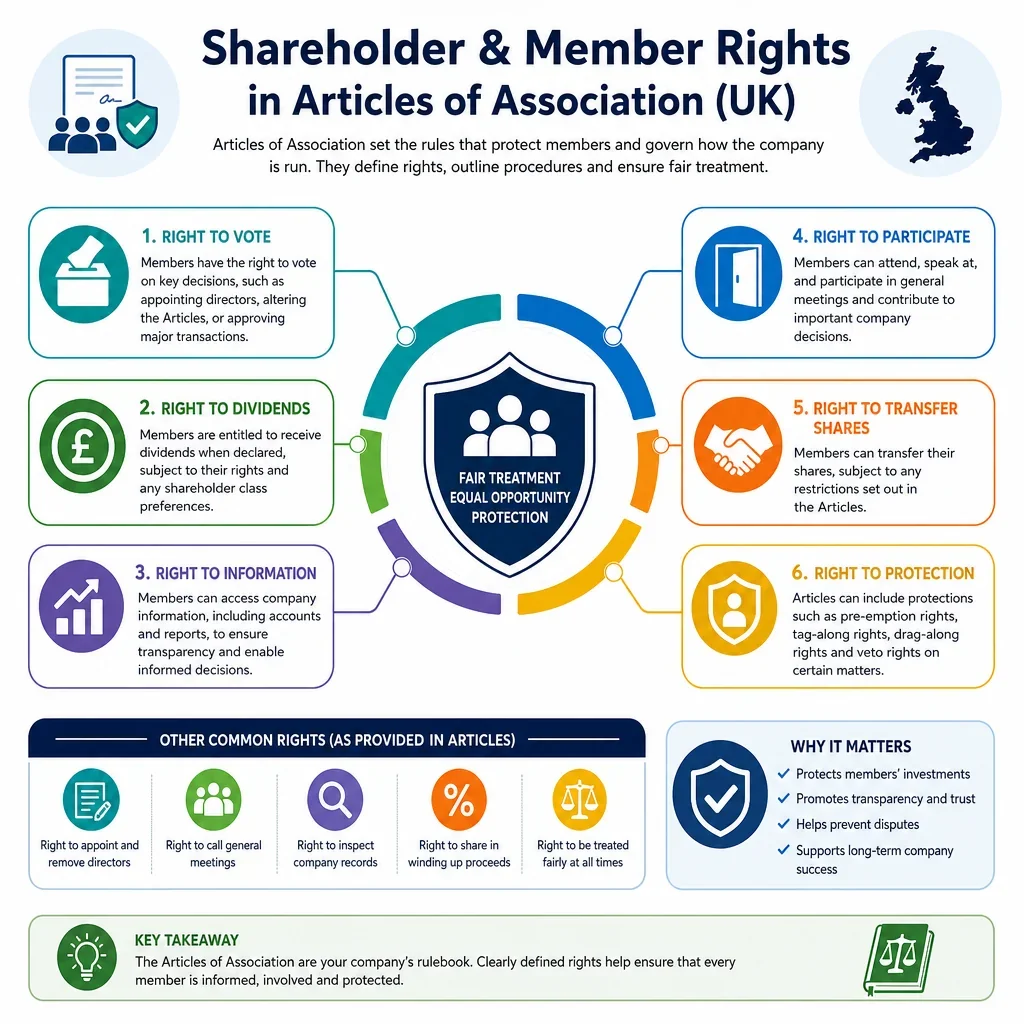
The main risk is that the articles may not reflect the commercial bargain between shareholders. For example, they may not contain pre-emption rights on share transfers, leaver provisions, veto matters, drag-along rights or tailored voting rules. If these matters are important, they usually need amended model articles, bespoke articles and often a shareholders' agreement.
Why Do Older UK Companies Need To Check Legacy Articles?
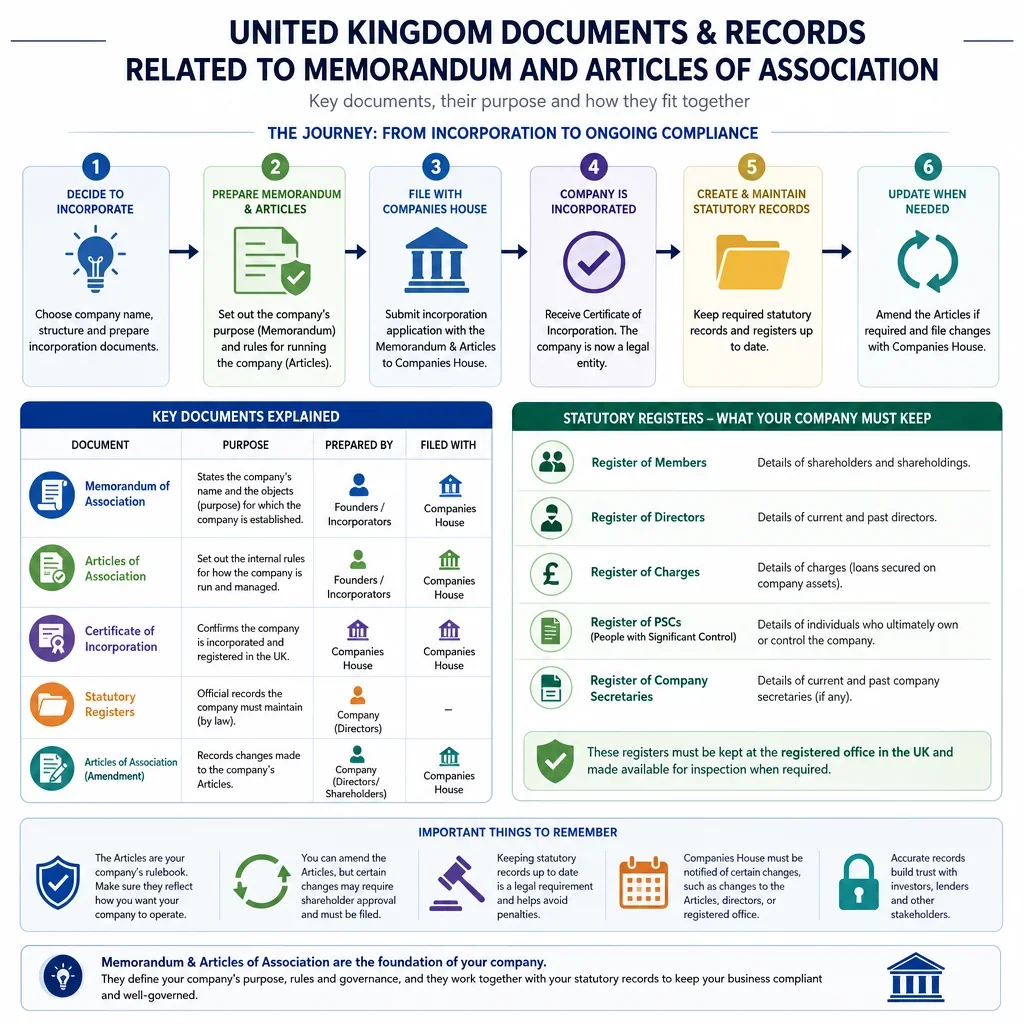
Companies incorporated before the current model articles regime may still have older constitutional documents based on Table A or bespoke legacy provisions. Those documents can contain outdated terminology, unnecessary objects clauses or governance rules that no longer match the Companies Act 2006. A review can reduce uncertainty before fundraising, sale, succession planning or share restructuring.
How Should Articles Be Chosen In Practice?
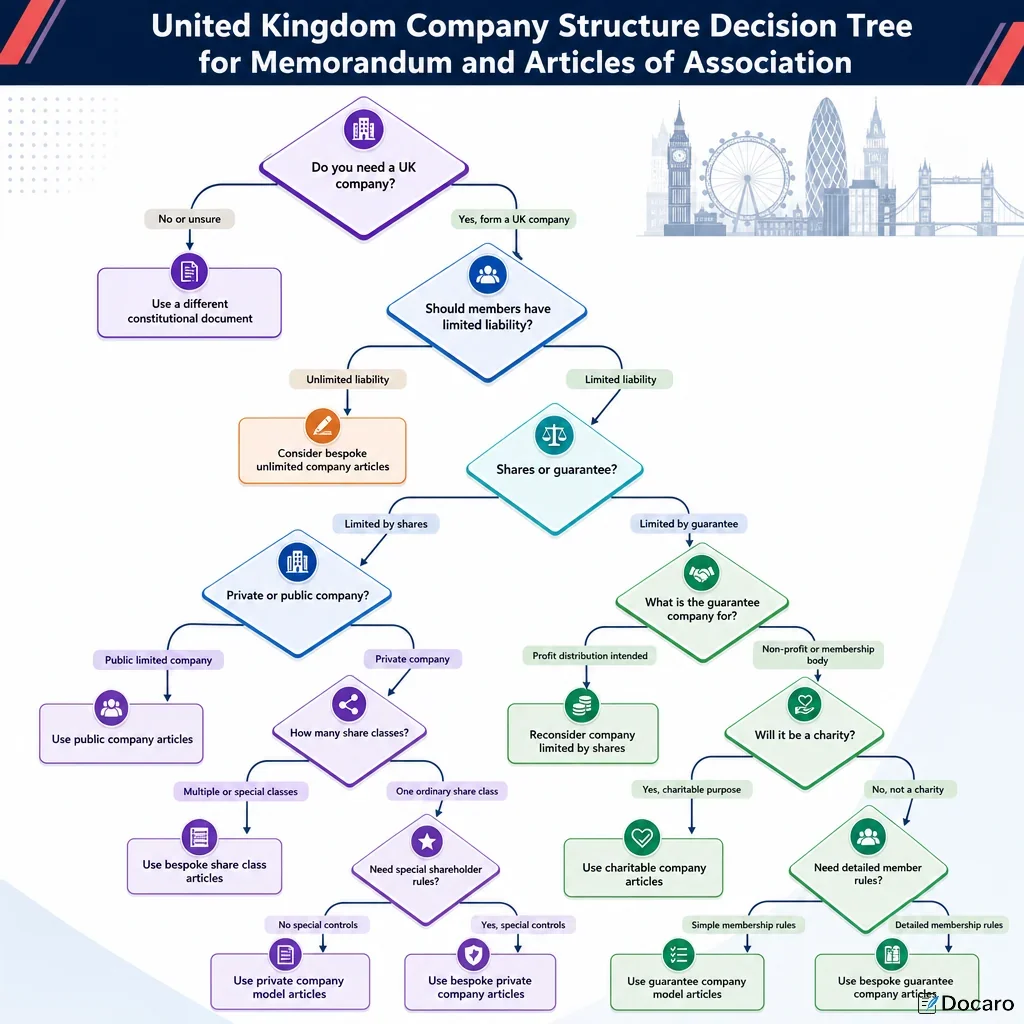
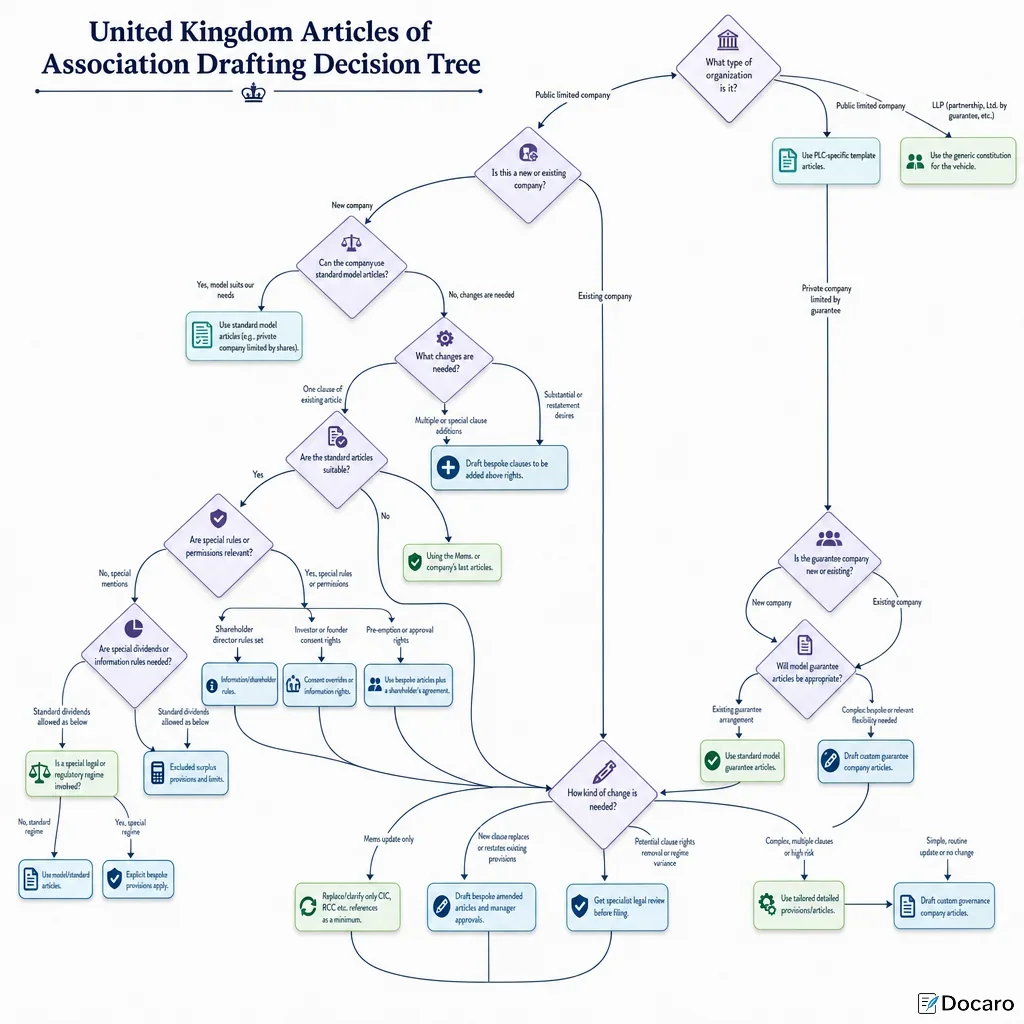
- Use model articles for simple, low-risk companies with standard governance.
- Use amended model articles where only limited changes are needed, such as share transfer restrictions or bespoke quorum rules.
- Use bespoke articles for investment, joint venture, family ownership, multiple share classes or complex decision-making structures.
- Review legacy articles before major transactions because historic provisions can conflict with current expectations or modern company law practice.
FAQs
You Might Also Be Interested In