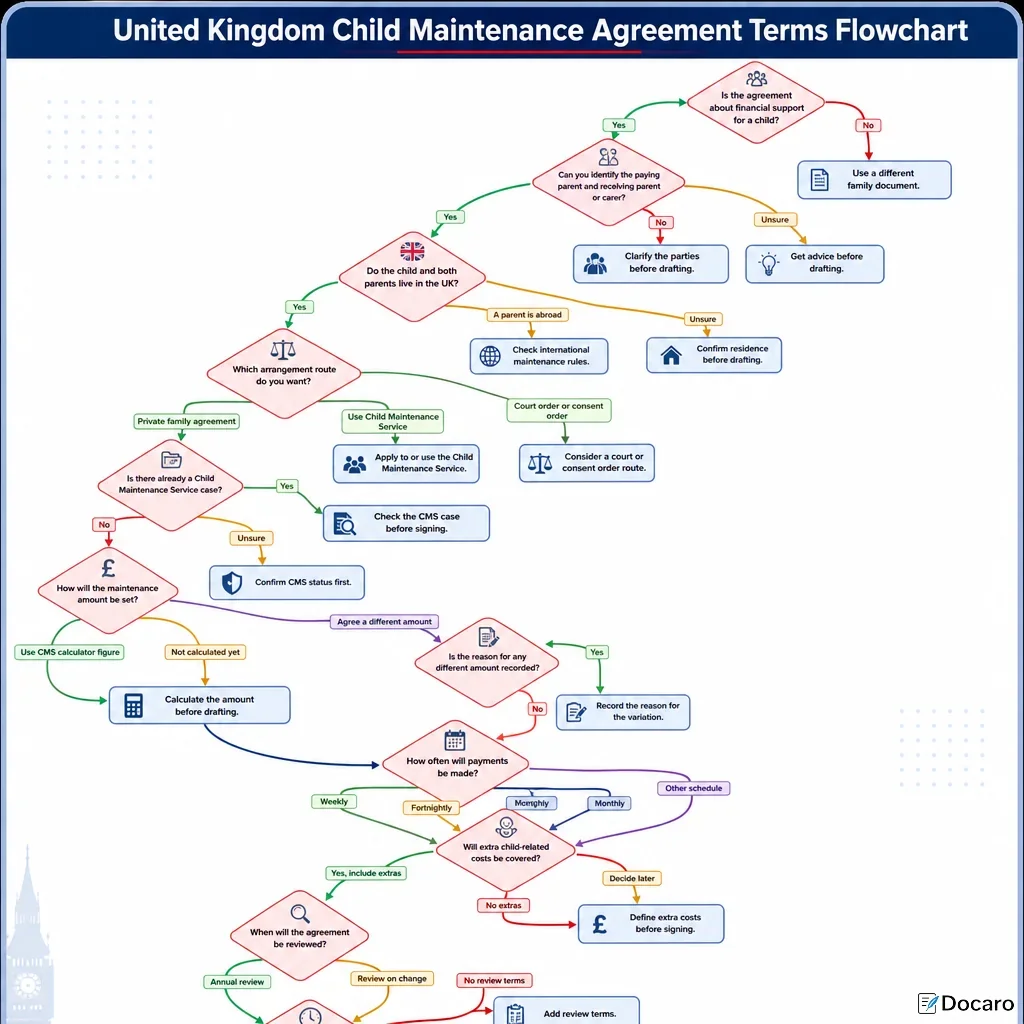
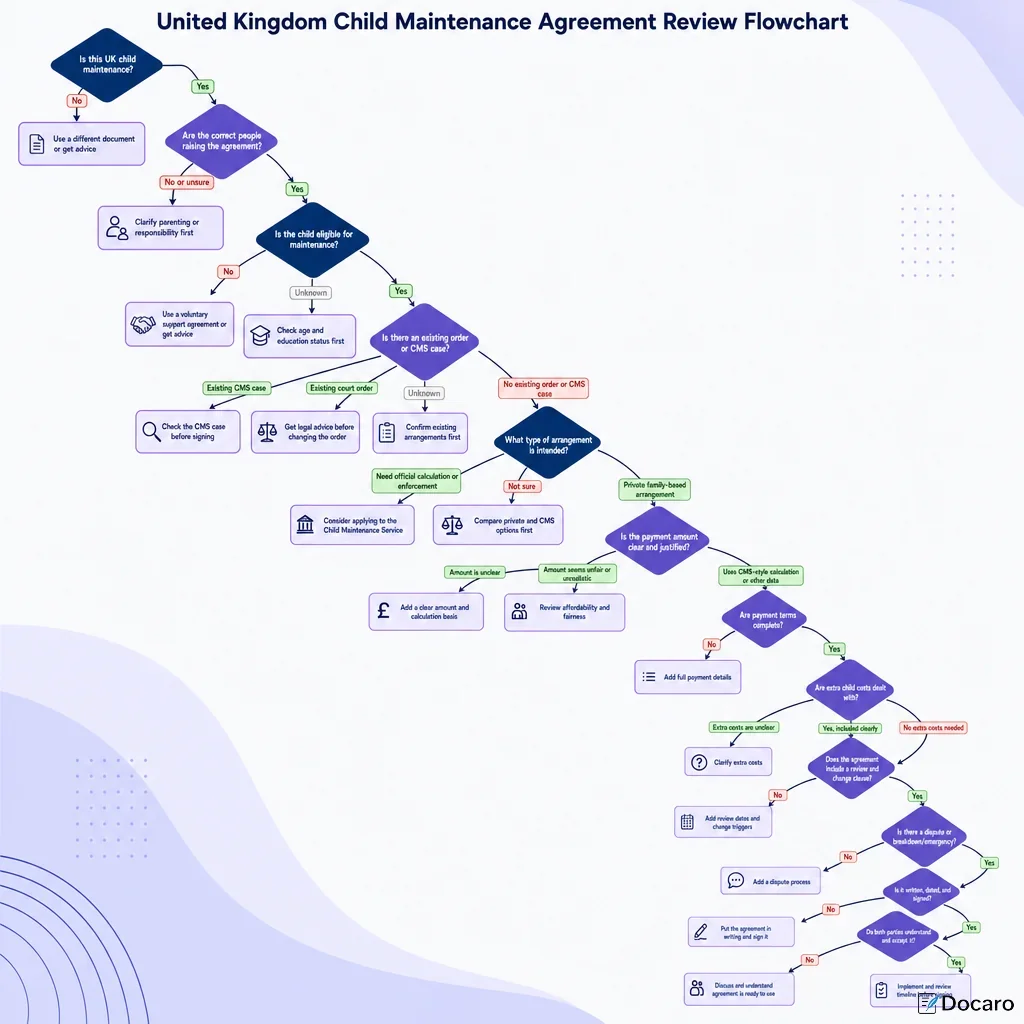
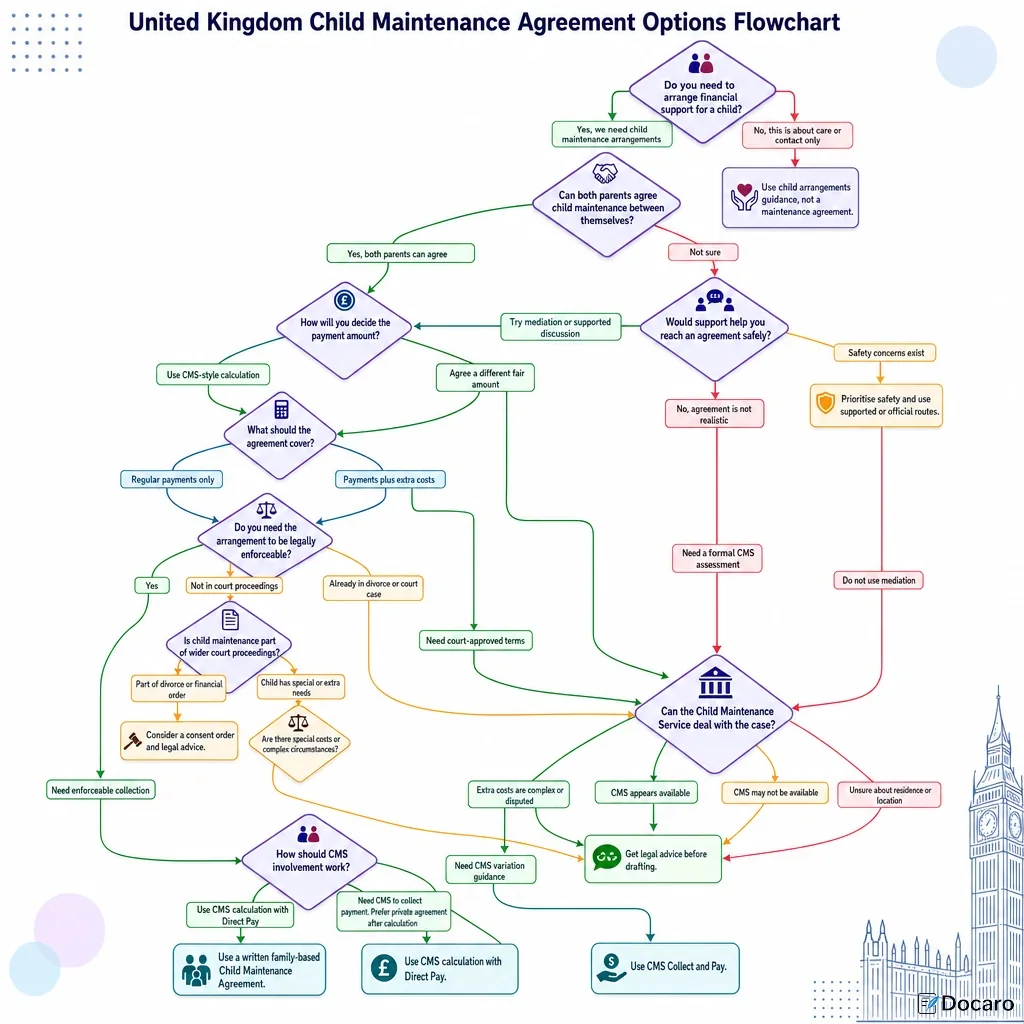
United Kingdom Child Maintenance Agreement Options Flowchart
Do you need to arrange financial support for a child?
Why Is Choosing The Right Child Maintenance Agreement Important In The UK?
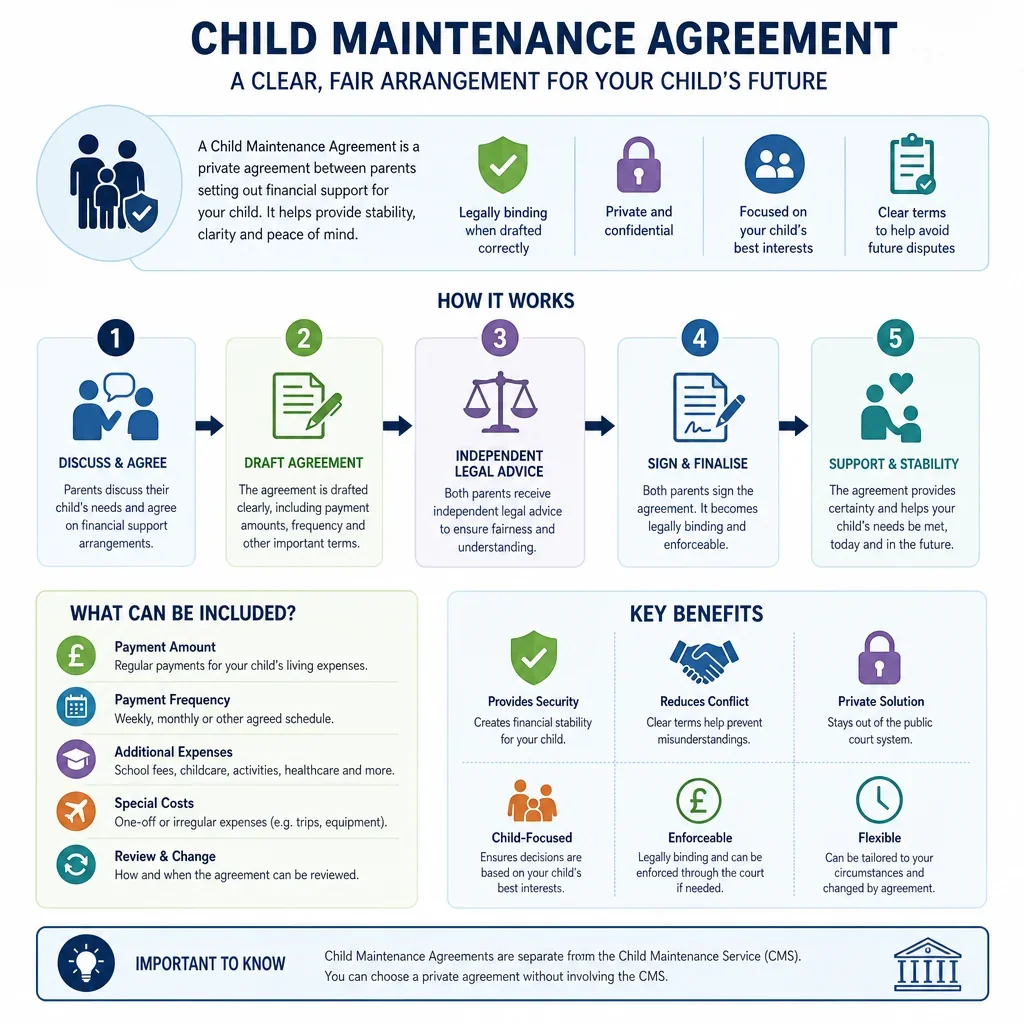
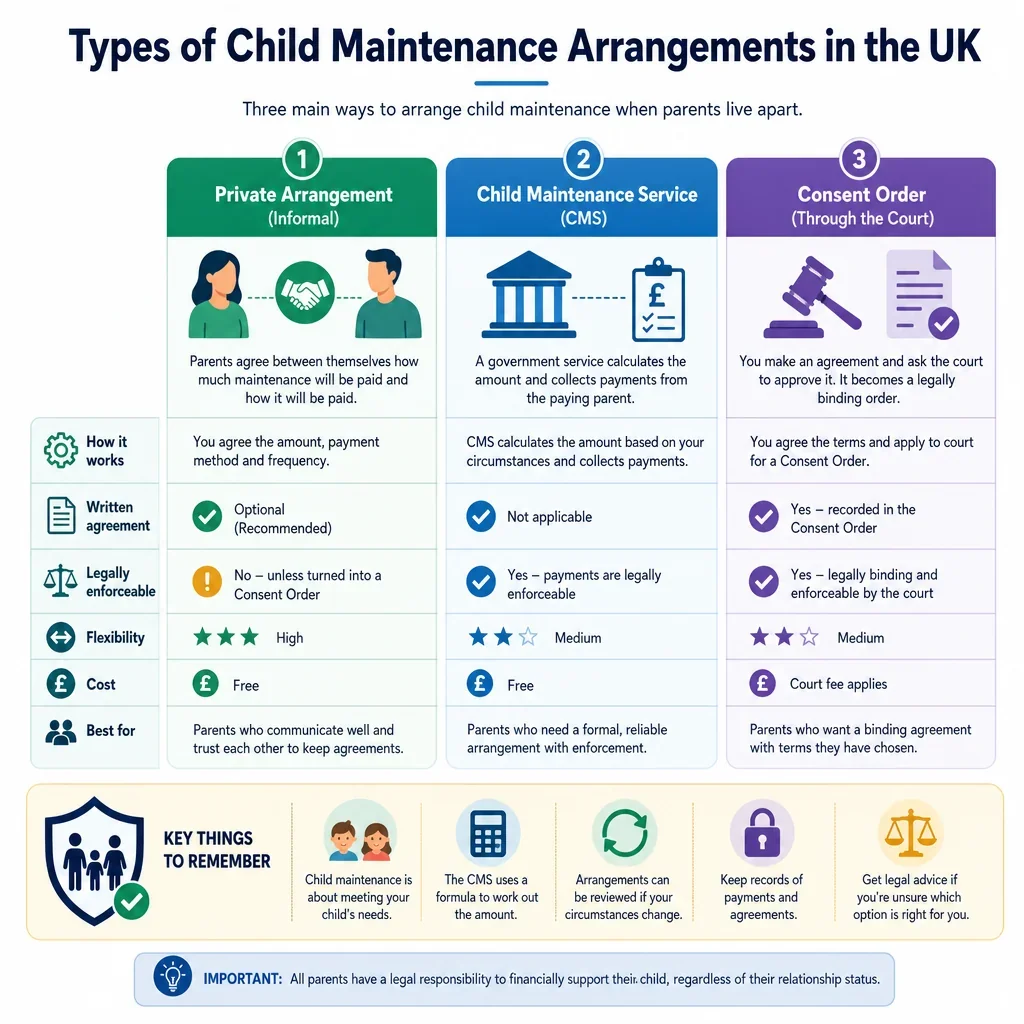
Choosing the right child maintenance route helps ensure a child receives consistent financial support while reducing conflict between separated parents. In the United Kingdom, parents may use a private family-based arrangement, the Child Maintenance Service, or in some cases court-approved terms. Each option has different levels of flexibility, cost, privacy, and enforceability.
What Can Go Wrong With The Wrong Child Maintenance Option?
- Missed payments: An informal agreement may be hard to enforce if the paying parent stops paying.
- Unclear terms: Vague wording can cause disputes about dates, extra costs, school expenses, or reviews.
- Incorrect amounts: Not checking the official calculation can lead to unfair or unrealistic payments.
- Wrong forum: Some cases should be handled by CMS, while others may need court or legal advice.
- Safety risks: Direct negotiation may be unsuitable where there is domestic abuse or coercive control.
When Is A Written Child Maintenance Agreement Useful?
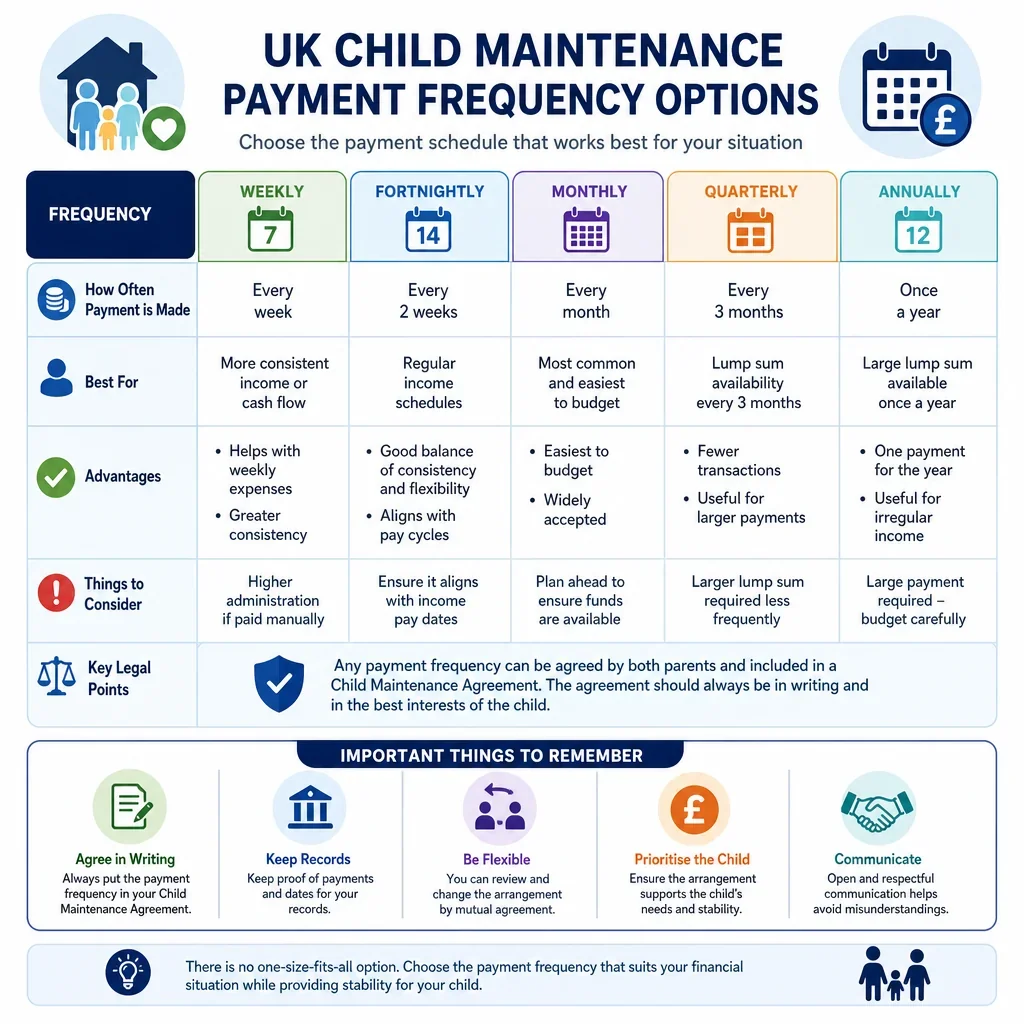
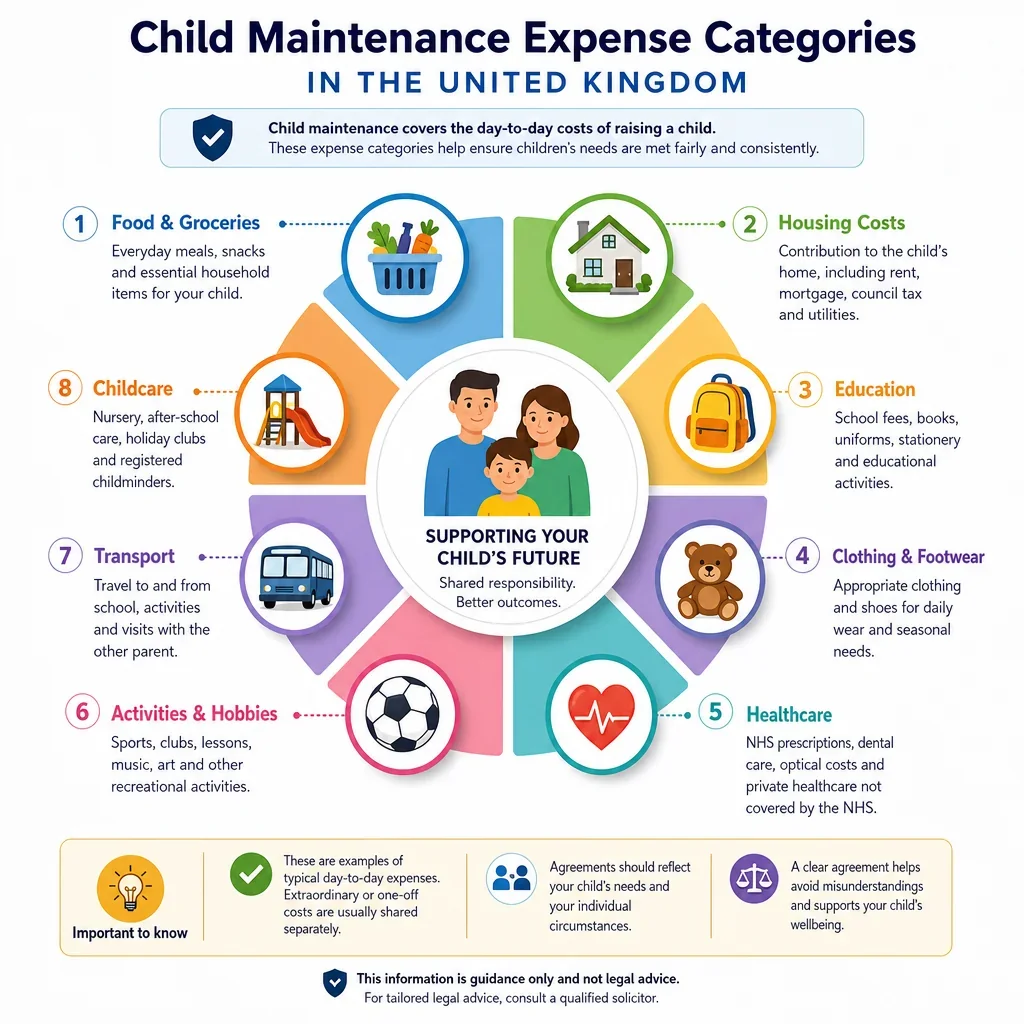
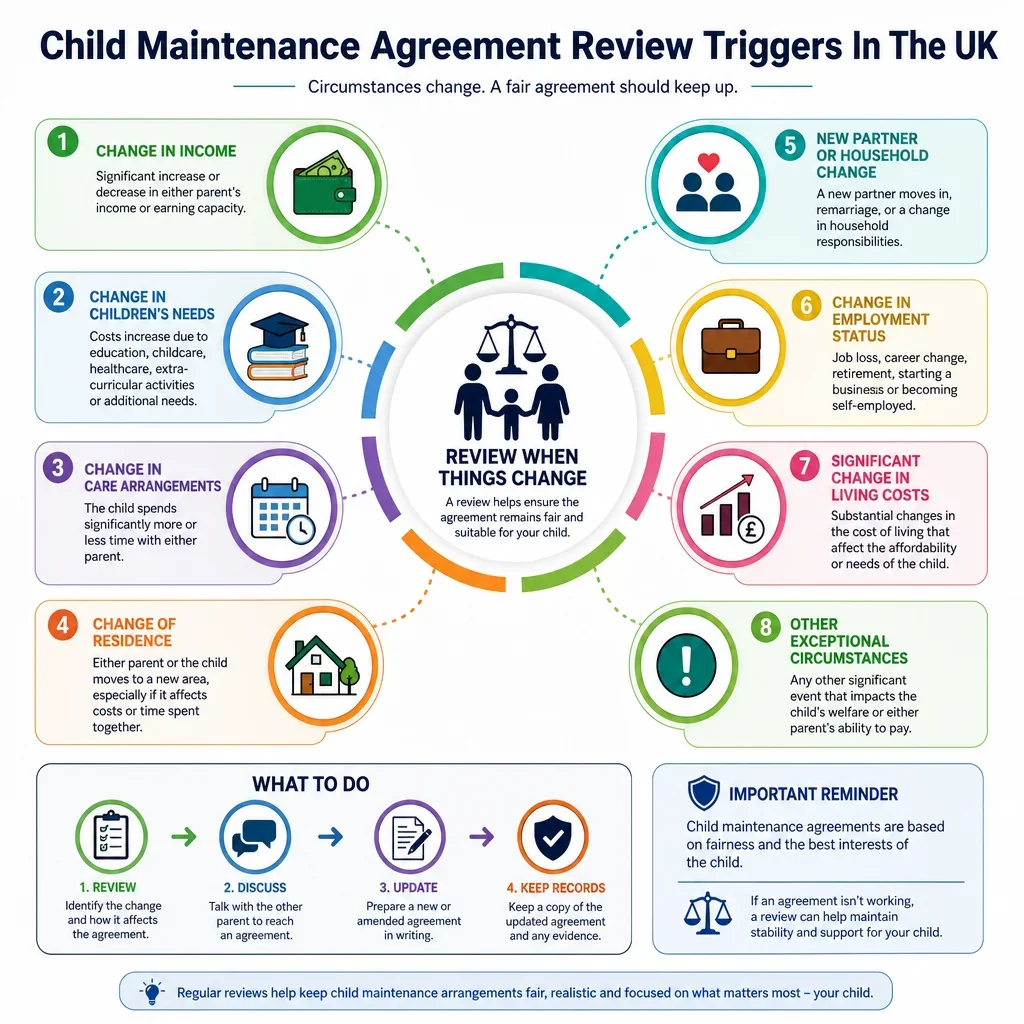
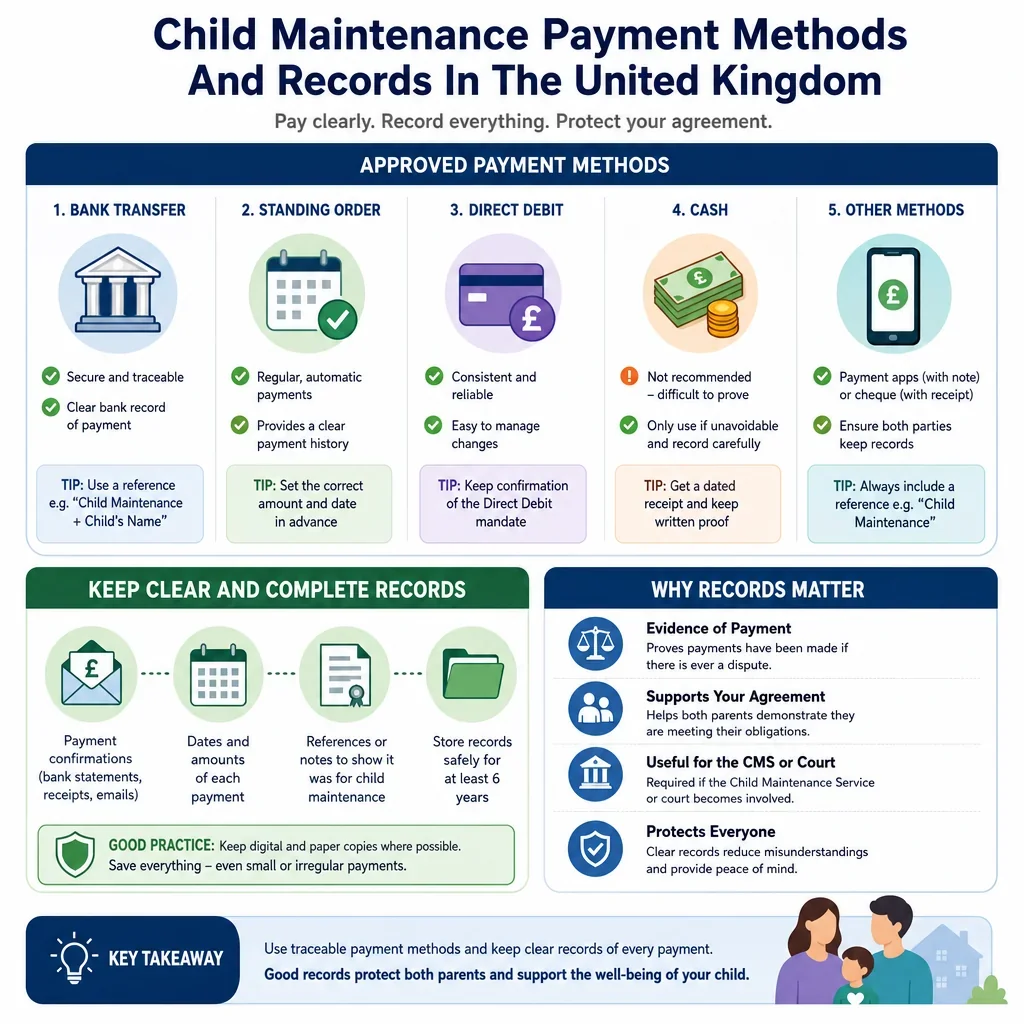
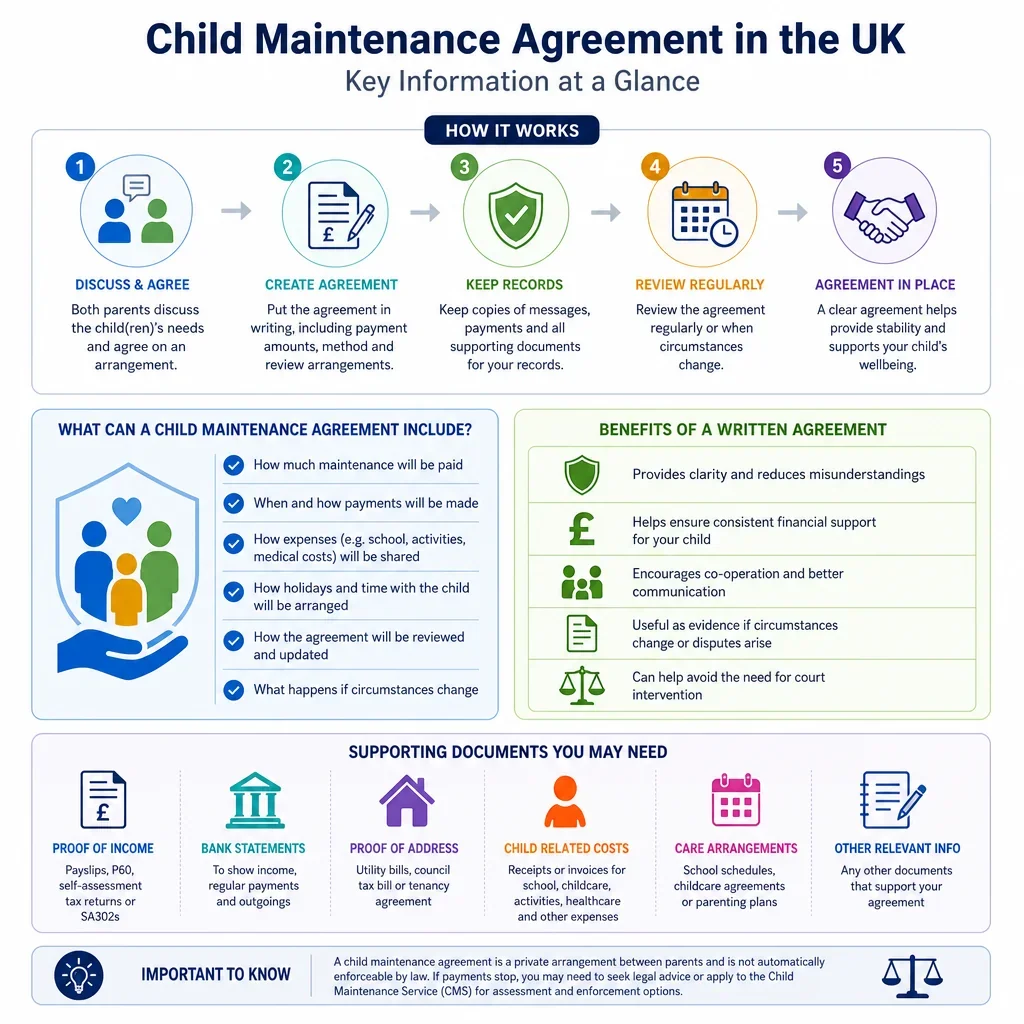
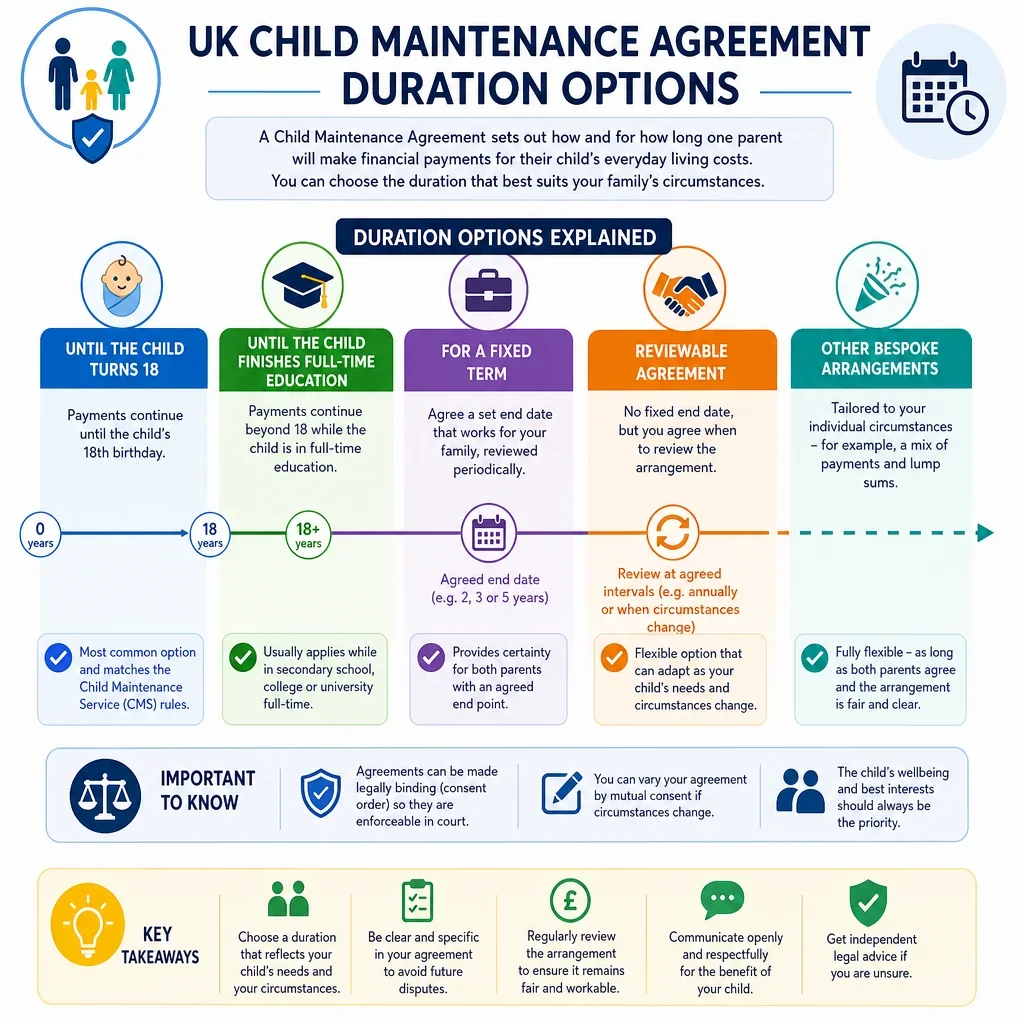
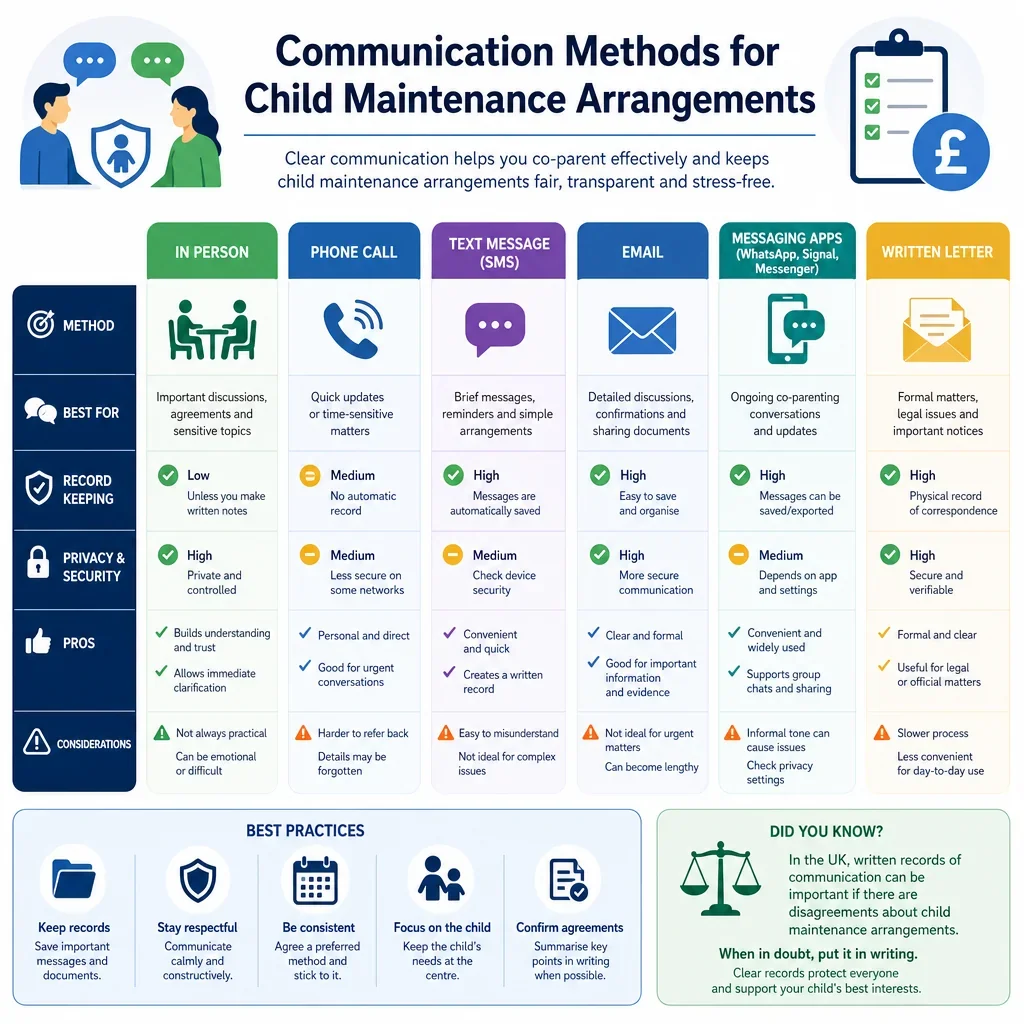
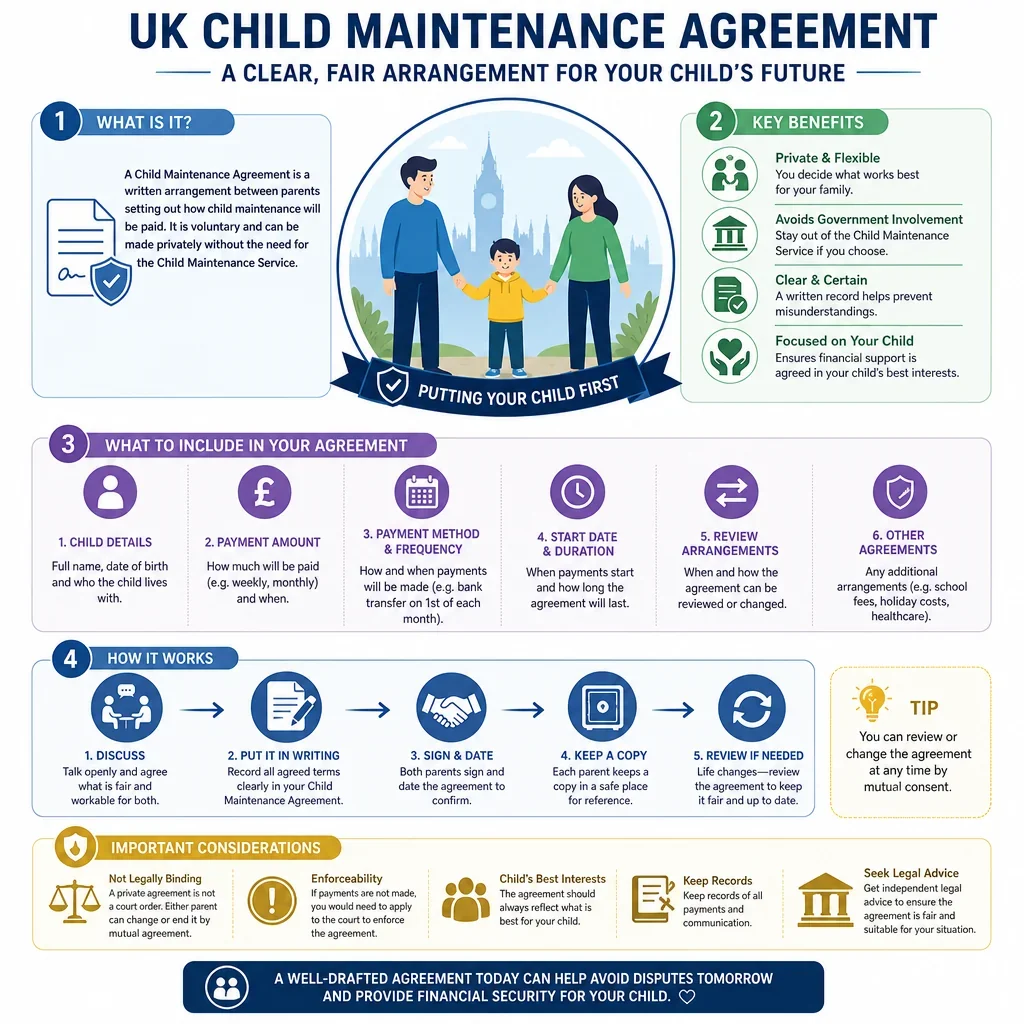
A written agreement is useful where both parents can cooperate and want a flexible record of what they have decided. It can cover the amount, payment method, payment date, annual reviews, and agreed extra costs. Although a private agreement is not usually enforced in the same way as CMS collection or a court order, it can provide clarity and reduce misunderstanding.
When Should Parents Use The Child Maintenance Service?
Parents should consider the Child Maintenance Service where they cannot agree, need an official calculation, or need help collecting payments. CMS can calculate maintenance, support Direct Pay, and in some cases use Collect and Pay if payments are not made. Checking the official child maintenance calculator is often a sensible first step.
When Should Legal Advice Be Considered?
Legal advice is important where there are complex finances, international issues, high income, special educational or disability costs, court proceedings, or safety concerns. Getting the route right can protect the child, reduce future disputes, and avoid relying on an agreement that does not achieve what the parents expect.
FAQs
You Might Also Be Interested In