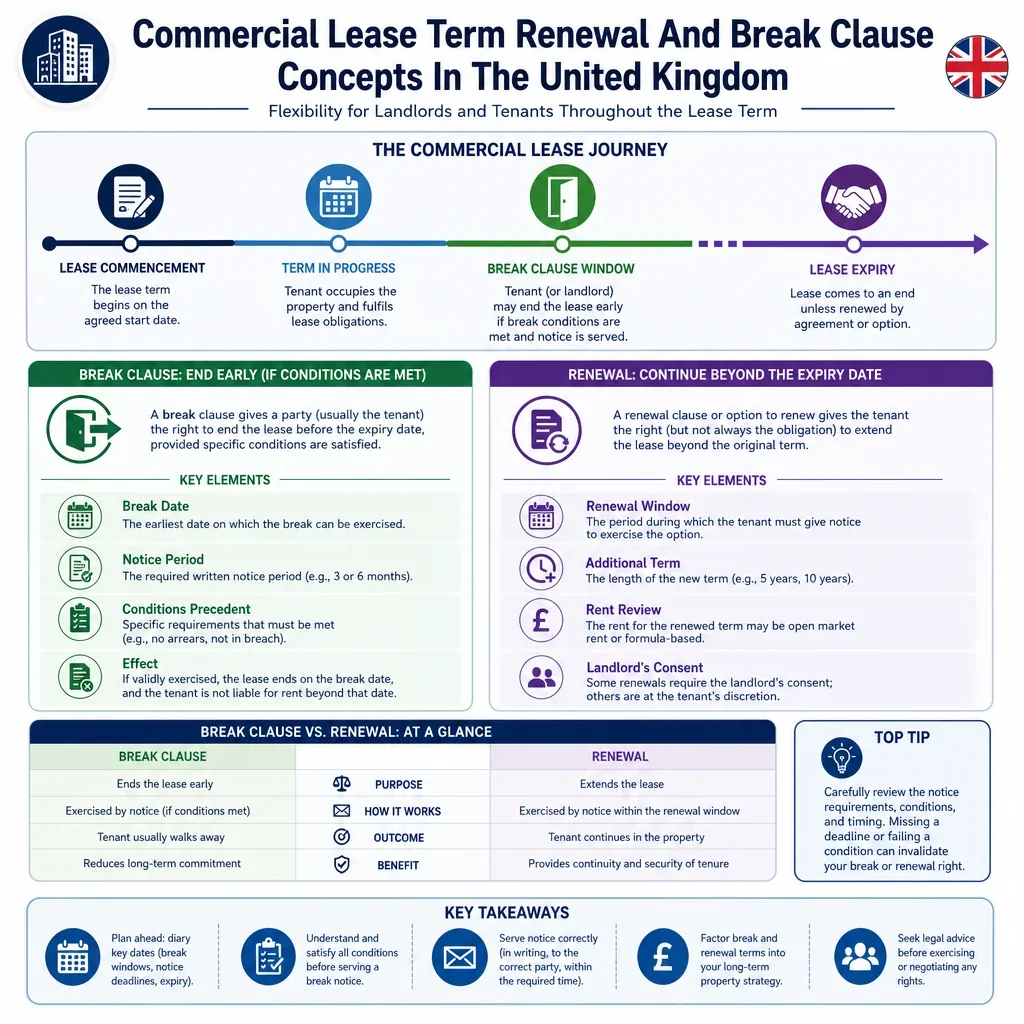
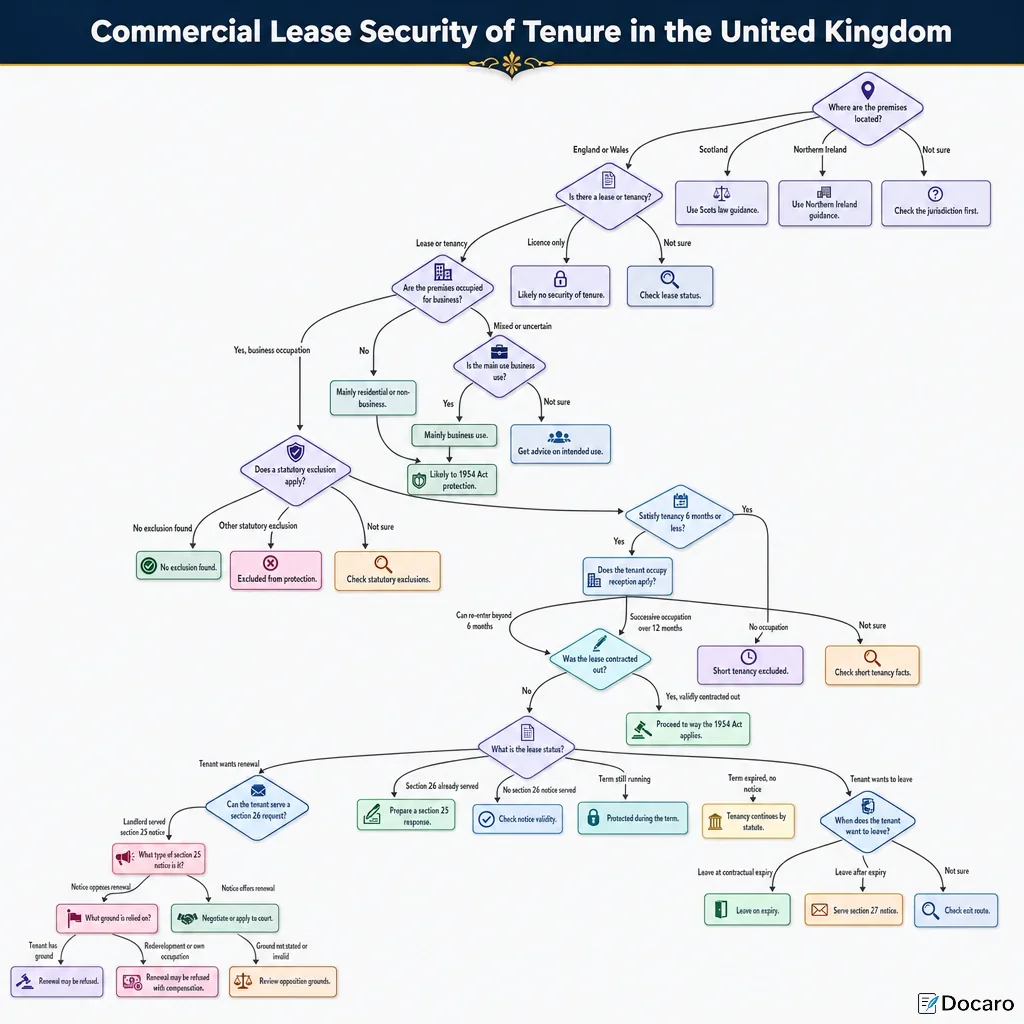
United Kingdom Commercial Lease Permitted Use Categories
Permitted use | Example activities | Lease considerations | Regulatory considerations | Tailoring level |
|---|---|---|---|---|
Office | ||||
General office use | Administrative offices, professional services, headquarters, back-office teams | Control hours, data cabling, signage, fit-out, meeting rooms and service charge use. | Often within Class E(g)(i) in England check planning history and building compliance. | Low |
Serviced office or flexible workspace | Co-working desks, private offices, meeting rooms, business lounges | May need permission for sharing occupation, desk licences, visitor access and reception services. | Usually office use, but occupation structure may affect business rates and fire management. | High |
Call centre | Customer support, telesales, helplines, booking centres | Address shift working, staff density, telecoms, power load, noise and break areas. | Check planning for office use and workplace health and safety obligations. | Medium |
Research and development office | Software development, product design, testing, technical consultancy | Define whether any testing, equipment, chemicals or prototypes are allowed. | Class E(g)(ii) may apply where processes can be carried out in a residential area without detriment. | Medium |
Retail | ||||
Retail shop | Clothing, books, gifts, electronics, household goods | Control shopfronts, signage, display windows, deliveries, opening hours and exclusivity. | Shops commonly fall within Class E(a) in England advertisement consent may be needed for signage. | Low |
Convenience store | Groceries, newspapers, household essentials, packaged food | Consider chilled plant, deliveries, waste, long hours, ATM and alcohol restrictions. | Alcohol sales require a premises licence food business registration may apply. | Medium |
Retail, Health and wellbeing | ||||
Pharmacy | Dispensing medicines, retail healthcare products, consultation room | Permit secure storage, consultation rooms, controlled drugs storage and regulated signage. | Pharmacies require GPhC registration and may fall within Class E(a) or E(e). | Medium |
Hairdresser or barber | Hair cutting, styling, colouring, shaving, product sales | Allow water supply, drainage, ventilation, chemical storage and customer waiting areas. | Usually Class E local registration may apply for special treatments or skin piercing. | Medium |
Health and wellbeing, Retail | ||||
Beauty salon | Nails, facials, waxing, massage, tanning, cosmetic treatments | Specify treatments allowed, ventilation, drainage, treatment rooms and hazardous products. | Local licensing may apply for massage, skin piercing, lasers or special treatments. | High |
Food and drink | ||||
Café | Coffee, cakes, sandwiches, light meals, takeaway drinks | Address cooking limits, extraction, grease traps, waste, outdoor seating and odours. | Class E(b) may apply for food mainly consumed on premises food business registration required. | Medium |
Restaurant | Table service, commercial kitchen, dining, private dining | Require detailed controls for extraction, grease, odour, pests, deliveries, waste and hours. | Usually Class E(b) in England alcohol requires premises licence. | High |
Hot food takeaway | Pizza, fried chicken, kebabs, delivery kitchen, takeaway counter | Control extraction, grease, litter, riders, late hours, odours and delivery access. | Hot food takeaways are sui generis in England and may need specific planning permission. | High |
Pub or bar | Alcohol sales, drinking area, bar food, live sport, events | Address licensing hours, noise, security, beer ties, cellar, smoking areas and entertainment. | Public houses and drinking establishments are sui generis premises licence required for alcohol. | High |
Wine bar or cocktail bar | Alcohol sales, cocktails, late opening, small plates, events | Include noise, capacity, licensing compliance, security, waste glass and late access controls. | Alcohol sales and regulated entertainment are controlled under the Licensing Act 2003. | High |
Industrial | ||||
Light industrial workshop | Assembly, repairs, small-scale manufacturing, printing, craft production | Define processes, machinery, floor loading, noise, waste, fumes and operating hours. | Class E(g)(iii) may apply where compatible with a residential area. | Medium |
General industrial use | Manufacturing, processing, fabrication, engineering, production lines | Require controls for plant, emissions, loading, utilities, waste, hazardous materials and reinstatement. | Often Class B2 environmental permits may be required for regulated activities. | High |
Storage and logistics | ||||
Warehouse storage | Bulk storage, racking, stock holding, order picking | Address racking, floor loading, forklifts, fire systems, insurance and goods exclusions. | Usually Class B8 storage or distribution fire risk assessment duties apply. | Low |
Distribution centre | Goods distribution, vehicle loading, cross-docking, parcel sortation | Control HGV access, yard use, hours, loading bays, traffic, noise and security. | Usually Class B8 transport impacts and planning conditions should be checked. | Medium |
Self-storage facility | Individual storage units, customer access, lockers, packaging sales | Address customer licences, access hours, prohibited goods, security and insurance. | Likely storage use fire safety and business rates treatment should be checked. | High |
Cold storage | Refrigerated warehousing, frozen food storage, chilled distribution | Specify refrigeration plant, energy use, condensation, backup systems and reinstatement. | Food hygiene rules apply for food storage refrigerant and environmental controls may apply. | High |
Health and wellbeing | ||||
Medical clinic | GP services, outpatient consultations, minor procedures, diagnostics | Permit clinical rooms, sharps waste, privacy, accessibility, patient access and regulated alterations. | Certain healthcare providers must register with the CQC in England. | High |
Dental practice | Dental consultations, hygienist services, x-rays, minor dental surgery | Address surgeries, compressors, x-ray rooms, clinical waste, ventilation and water systems. | Dental services may require CQC registration and professional regulation. | High |
Health and wellbeing, Other commercial use | ||||
Veterinary surgery | Animal consultations, treatment, surgery, pharmacy, short-term kennelling | Control animals, noise, odours, clinical waste, medicines, overnight care and biosecurity. | Veterinary surgeons and premises are regulated by the RCVS practice standards framework. | High |
Health and wellbeing | ||||
Gym or fitness studio | Fitness classes, weights, personal training, yoga, spin studio | Address noise, vibration, showers, hours, member access, floor loading and music. | Indoor sport and fitness can fall within Class E(d) music licensing may be needed. | High |
Physiotherapy or therapy clinic | Physiotherapy, osteopathy, counselling, rehabilitation, treatment rooms | Permit treatment rooms, patient access, privacy, signage and clinical waste if relevant. | Check whether regulated healthcare activities require CQC registration. | Medium |
Other commercial use | ||||
Nursery or childcare setting | Day nursery, preschool, childcare, after-school club | Address safeguarding, outdoor play, toilets, drop-off, noise, security and alterations. | Childcare providers in England may need Ofsted registration. | High |
Office, Other commercial use | ||||
Training centre | Classrooms, professional training, workshops, exams, seminars | Control visitor numbers, hours, classroom fit-out, accessibility and shared facilities. | Planning may differ from ordinary office where education use is substantial. | Medium |
Retail, Mixed use | ||||
Showroom | Furniture displays, bathroom showroom, trade counter, product demonstrations | Define ancillary sales, storage, demonstrations, customer parking and delivery access. | May be retail Class E(a) or mixed with B8 depending on storage and trade counter use. | Medium |
Retail, Storage and logistics, Mixed use | ||||
Trade counter | Builders merchant counter, plumbing supplies, electrical supplies, click and collect | Address customer access, yard use, loading, racking, forklifts and retail sales limits. | Planning may combine retail and B8 elements check existing permission and conditions. | High |
Retail, Other commercial use | ||||
Car showroom | Vehicle sales, display, test drives, finance desk, handover bays | Control forecourt, signage, vehicle storage, test drives, valeting and finance activities. | Consumer credit broking may require FCA authorisation or permissions. | High |
Industrial, Other commercial use | ||||
Vehicle repair workshop | MOT prep, servicing, mechanical repairs, tyres, diagnostics | Address oils, noise, vehicle storage, lifts, waste, drainage, compressors and hours. | Waste oil, tyres and emissions may trigger environmental and waste duties. | High |
MOT testing station | MOT testing, vehicle inspection, testing bay, ancillary repairs | Permit testing equipment, inspection pits, signage, DVSA requirements and customer parking. | MOT centres must be authorised by DVSA. | High |
Other commercial use | ||||
Car wash or valeting centre | Hand car wash, detailing, valeting, jet washing | Control water use, drainage, chemicals, queues, signage, noise and surface damage. | Trade effluent consent may be needed for discharge to public sewer. | High |
Industrial, Office, Other commercial use | ||||
Laboratory | Scientific testing, diagnostics, analysis, biotech research | Define permitted substances, ventilation, waste, containment, plant, power and reinstatement. | COSHH duties apply where hazardous substances are used or stored. | High |
Food and drink, Industrial | ||||
Dark kitchen | Delivery-only food preparation, multiple virtual brands, rider collection | Address extraction, rider waiting, waste, odour, hours, fire risk and delivery traffic. | Planning may not be ordinary restaurant use food registration and hygiene compliance required. | High |
Food and drink, Retail, Mixed use | ||||
Bakery production and shop | Baking, bread sales, café counter, wholesale orders | Define production scale, ovens, extraction, early deliveries, flour dust and retail sales. | Food business registration and hygiene rules apply planning depends on retail and production balance. | High |
Food and drink, Industrial, Mixed use | ||||
Microbrewery or taproom | Beer production, storage, tasting room, direct sales, events | Address brewing plant, alcohol storage, drainage, odour, licensing, events and public access. | Alcohol production and sales may require HMRC approval and premises licensing. | High |
Other commercial use, Food and drink, Mixed use | ||||
Hotel | Guest bedrooms, reception, breakfast room, bar, conference rooms | Include guest accommodation, services, licensing, branding, FF&E, access and fire compliance. | Hotels fall within Class C1 in England alcohol and events may need licences. | High |
Other commercial use, Mixed use | ||||
Serviced apartments or aparthotel | Short-stay serviced accommodation, reception, housekeeping, guest services | Define maximum stay, residential risk, services, planning compliance and visitor management. | Planning classification can be fact-specific between hotel, residential and sui generis use. | High |
Other commercial use, Food and drink | ||||
Event venue | Weddings, conferences, exhibitions, private parties, ticketed events | Control capacity, noise, security, catering, alcohol, hours, parking and clean-up. | Regulated entertainment and alcohol require licensing under the Licensing Act 2003. | High |
Cinema | Film screenings, concessions, auditoria, private screenings | Address auditorium fit-out, soundproofing, licensing, concessions, access and reinstatement. | Cinemas are sui generis in England film exhibition is licensable. | High |
Other commercial use | ||||
Theatre or performance space | Plays, comedy, music, rehearsals, ticketed performances | Control noise, audience capacity, backstage areas, rigging, hours and entertainment licensing. | Regulated entertainment may require a premises licence unless an exemption applies. | High |
Retail, Other commercial use | ||||
Art gallery | Exhibitions, art sales, private views, workshops | Permit exhibitions, sales, events, hanging systems, lighting and security. | Planning may be retail, cultural or mixed depending on sales and events. | Medium |
Retail, Office | ||||
Estate agency | Property marketing, client meetings, lettings, sales office | Allow window displays, signage, client visits and office administration. | Often Class E(c)(iii) for services appropriate in a commercial area. | Low |
Bank or financial services branch | Banking hall, advice rooms, cash machines, financial services | Address secure areas, ATM, counters, shutters, alarms and customer access. | Financial services are regulated by the FCA and PRA depending on activities. | Medium |
Other commercial use, Retail | ||||
Funeral director | Funeral arrangements, chapel of rest, vehicle storage, administration | Specify chapel use, mortuary facilities, vehicles, privacy, refrigeration and signage. | Planning status can be sensitive environmental health and local requirements should be checked. | High |
Retail, Other commercial use | ||||
Launderette or dry cleaner | Self-service laundry, dry cleaning, pressing, alterations | Address machines, ventilation, chemicals, drainage, heat, water use and hours. | Dry cleaning solvents may require environmental permitting or pollution controls. | High |
Storage and logistics, Office, Other commercial use | ||||
Data centre | Server hosting, network operations, backup power, cooling plant | Detailed provisions for power, cooling, uptime, security, generators, access and alterations. | Planning, energy, generator emissions and fire safety requirements should be checked. | High |
Office, Other commercial use | ||||
Recording or media studio | Podcasting, music recording, filming, editing, photography | Address soundproofing, equipment, visitor access, sets, lighting and hours. | Planning depends on intensity, visitors and noise music licensing may apply for public use. | Medium |
Office, Other commercial use, Mixed use | ||||
Community hub or charity office | Advice services, meetings, outreach, workshops, administrative office | Define public access, events, safeguarding, shared occupation and funding-related break rights. | Planning may vary where public meetings or welfare services are significant. | Medium |
Mixed use, Retail, Office | ||||
Mixed retail and office use | Ground-floor shop with office, showroom with admin, sales and support teams | Allocate areas, control ancillary uses, signage, access, services and assignment flexibility. | May sit within broad Class E, but check planning conditions and lawful use evidence. | Medium |
Mixed use | ||||
Any use within Class E | Shop, office, café, clinic, gym, crèche, light industrial use | Broad wording increases tenant flexibility but needs exclusions for nuisance, food, alcohol or medical uses. | Class E covers multiple commercial, business and service uses in England. | High |
How Should Permitted Use Be Drafted In A UK Commercial Lease?
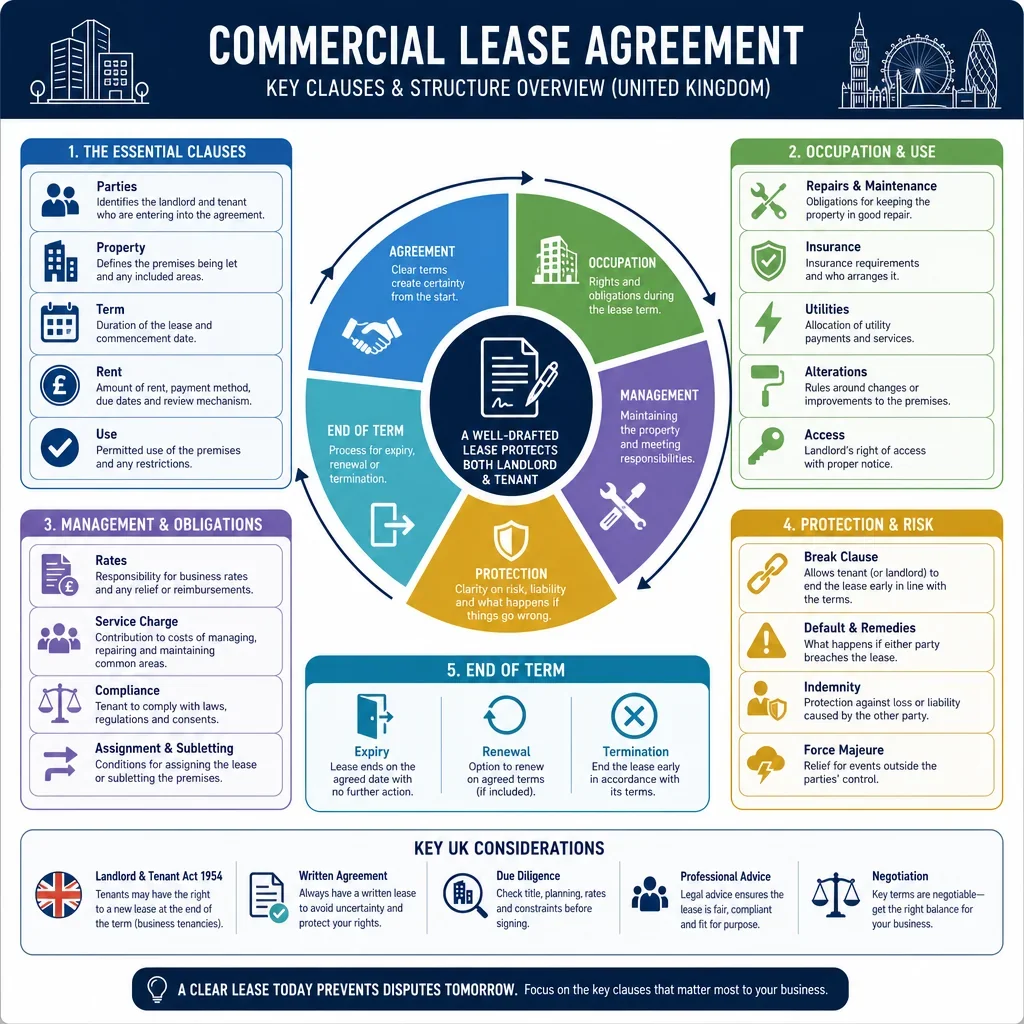
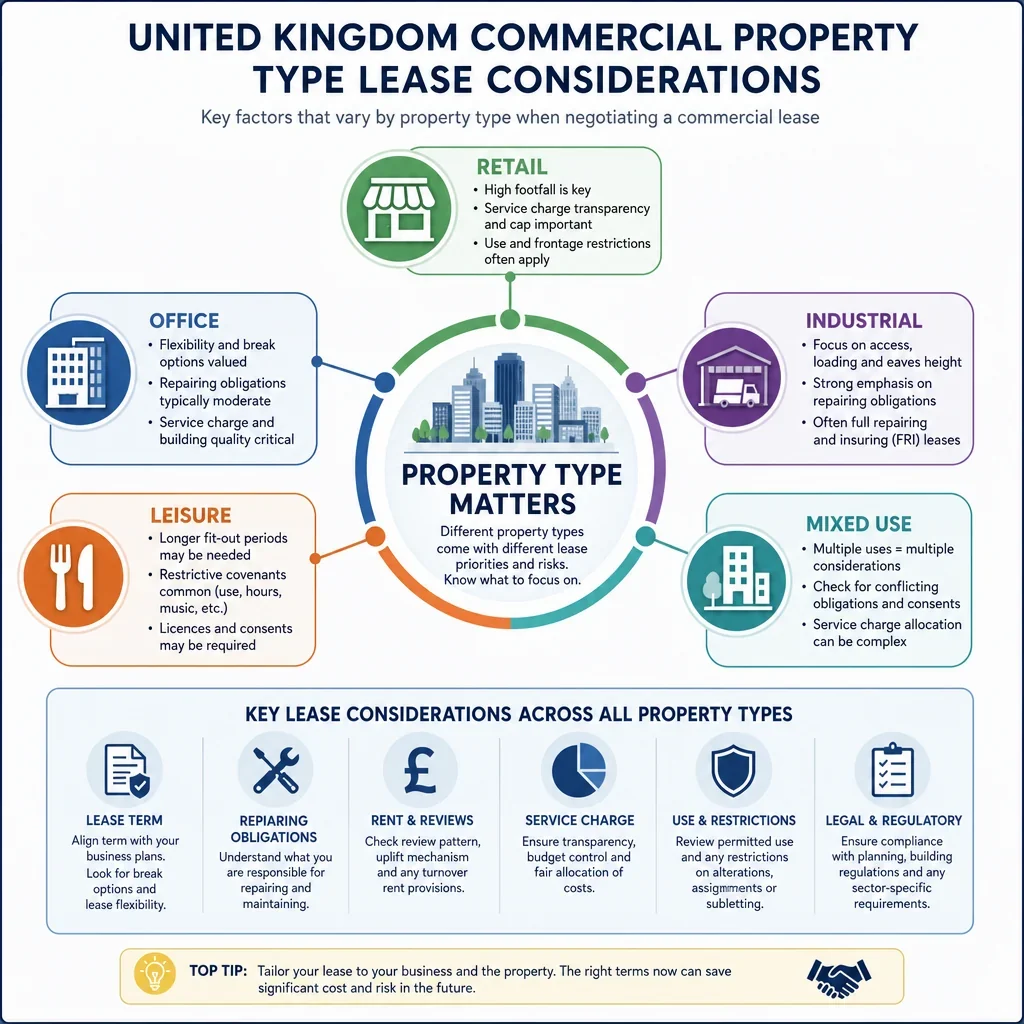
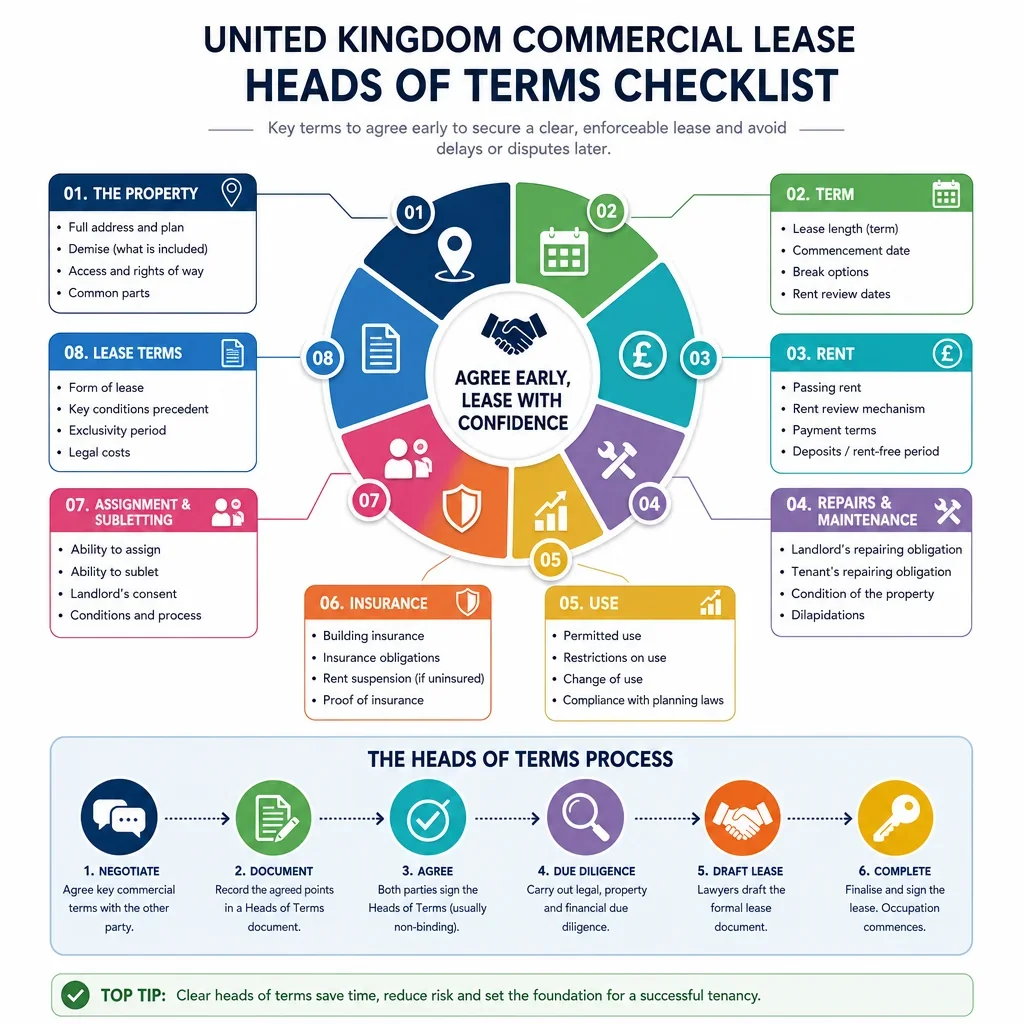
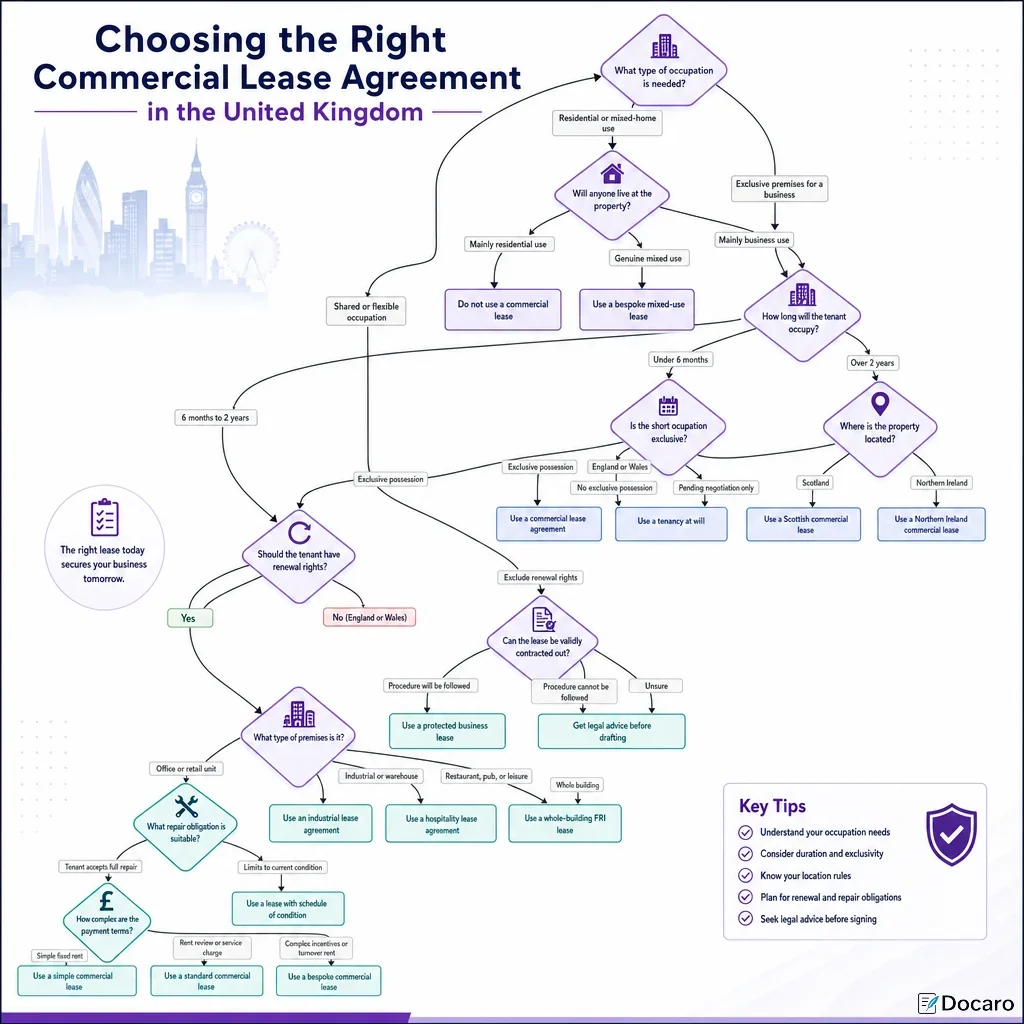
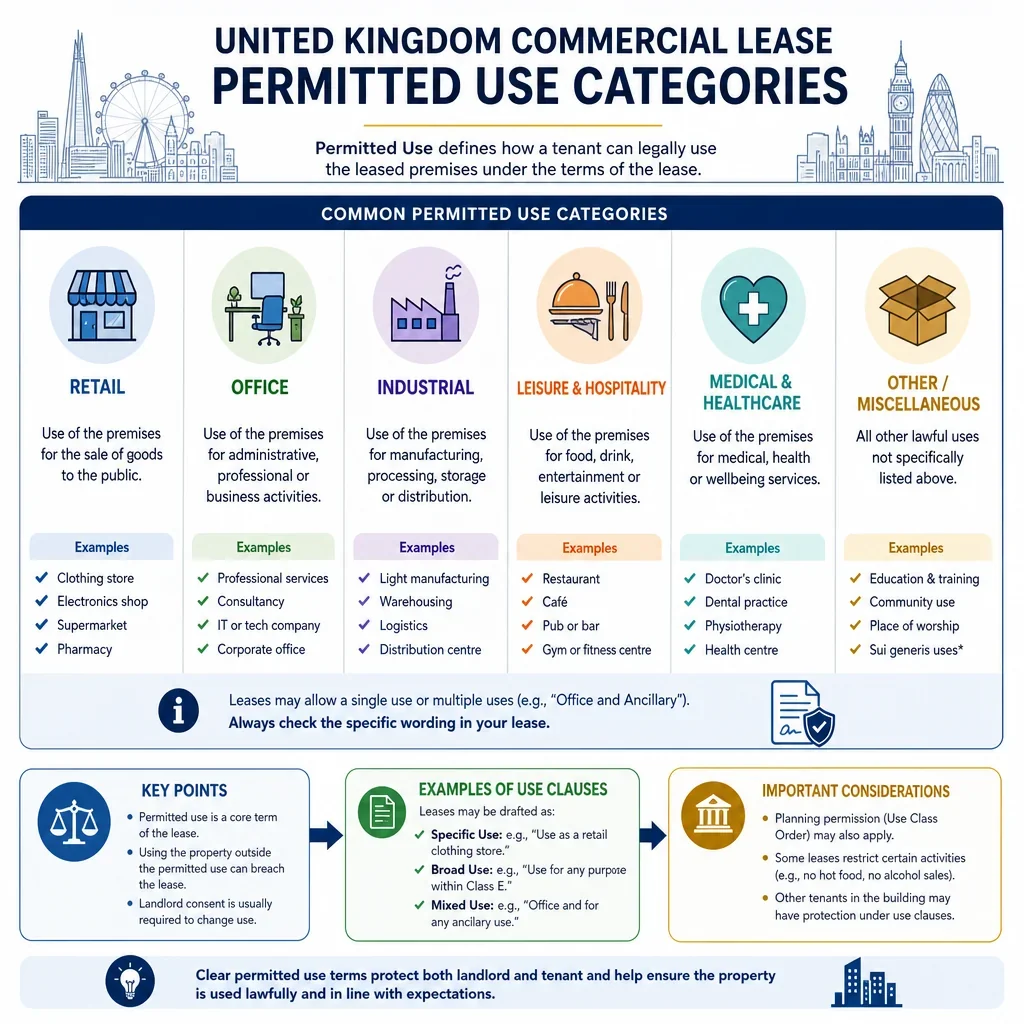
Permitted use wording should be specific enough to control risk, but not so narrow that ordinary business changes require landlord consent. Office, retail and storage uses often need relatively simple wording, while restaurants, licensed premises, healthcare, gyms, childcare, laboratories, motor trade, hotels and mixed-use premises usually need more bespoke drafting.
When Does Planning Use Matter For A Commercial Lease?
Many common commercial activities fall within planning use classes in England, including Class E for a broad range of shops, offices, cafés, clinics, gyms and light industrial uses, Class B2 for general industrial use, and Class B8 for storage or distribution. However, pubs, hot food takeaways, cinemas, hotels and some leisure uses are often outside Class E and may need more careful planning checks.
Which Uses Need Extra Licences Or Operational Controls?
- Food, alcohol and late-night uses commonly require food registration, premises licences or late night refreshment permissions.
- Healthcare, childcare and education uses may involve CQC, Ofsted, safeguarding, accessibility and professional regulation requirements.
- Industrial, laboratory and motor trade uses often need controls on hazardous substances, emissions, waste, noise, drainage, fire safety and environmental permits.
- Gyms, clinics, salons and event venues may need lease wording dealing with hours, noise, customer access, signage, odours and plant.
Why Can Broad Uses Create Problems For Landlords And Tenants?
A broad permitted use such as any use within Class E can give flexibility, but may allow materially different activities such as retail, office, café, clinic or gym use. Landlords often restrict nuisance, food preparation, alcohol sales, medical procedures, subletting, alterations and compliance costs. Tenants should check that the lease wording, planning status and licences all allow the intended business before signing.
FAQs
You Might Also Be Interested In