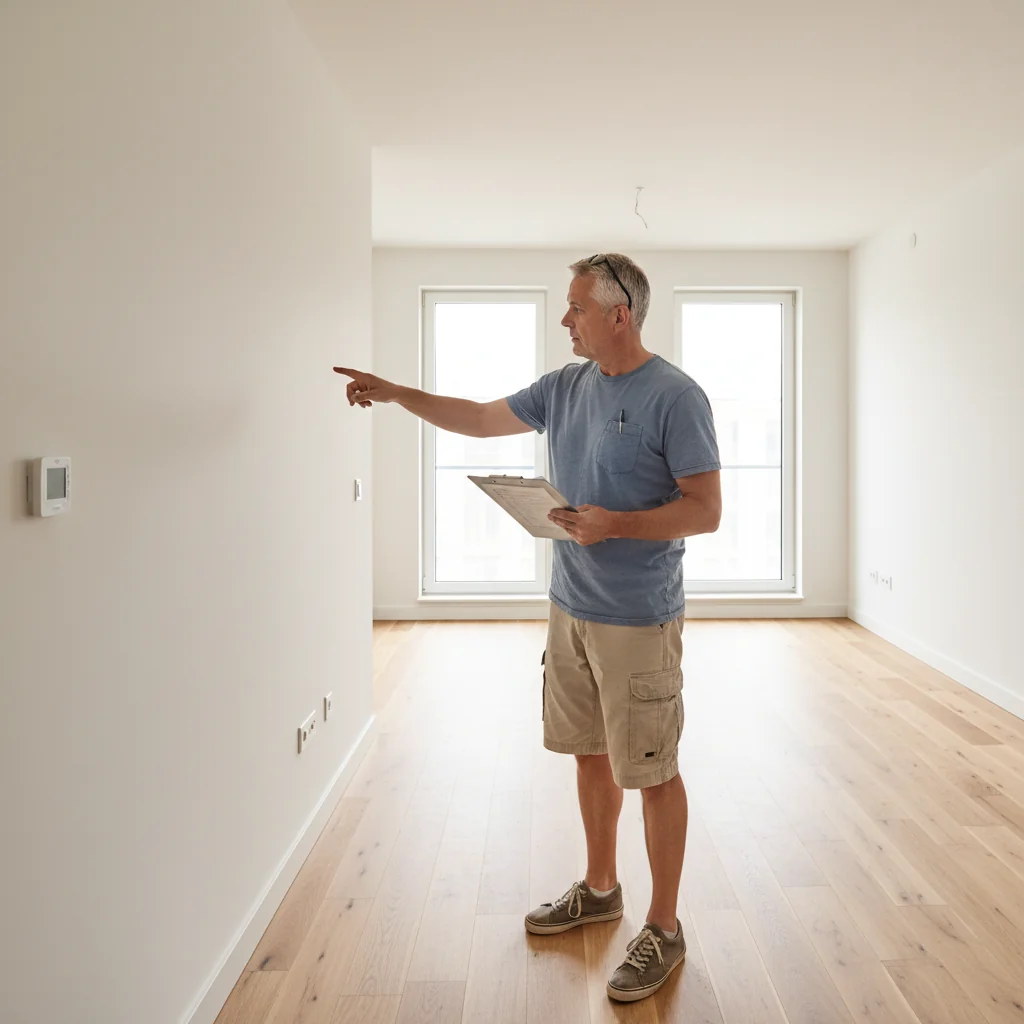
What is a Move-In Move-Out Condition Report?
A Move-In Move-Out Condition Report is a crucial document used in US rental properties to record the physical condition of a rental unit at the start and end of a tenancy. This report helps landlords and tenants establish a baseline for the property's state, documenting any existing damage or wear and tear before occupancy begins.
The primary purpose of the report is to prevent disputes over security deposits by providing clear evidence of the unit's condition upon move-in and move-out. It typically includes detailed descriptions, photographs, and signatures from both parties to ensure transparency in the rental process.
Legally, this report holds significant importance as it protects tenants' rights under state-specific laws, such as those outlined by the U.S. Department of Housing and Urban Development (HUD), which emphasize fair housing practices. Many states require such documentation to determine deductions from deposits, making it essential for compliance and dispute resolution in rental agreements.
For comprehensive guidance on creating customized Move-In/Move-Out Condition Reports, visit the main page at Move-In/Move-Out Condition Reports. Advocate using bespoke AI-generated legal documents via Docaro to tailor reports precisely to your rental needs without relying on generic templates.
Why is the Move-In Move-Out Condition Report Important for Tenants and Landlords?
The Move-In Move-Out Condition Report is a crucial document in US rental agreements, serving as an official record of the property's condition at the start and end of a tenancy. It helps both tenants and landlords protect their rights by providing a clear baseline for assessing any damage or wear and tear upon move-out, ensuring fair accountability.
For tenants, this report safeguards against unfair deductions from their security deposit by documenting pre-existing issues, such as scratches on walls or appliance malfunctions, at move-in. Landlords benefit by having evidence to justify legitimate repair costs, preventing disputes over normal wear versus tenant-caused damage and promoting smoother lease transitions.
In resolving disputes, the report acts as an impartial reference point, often required by state laws to mitigate conflicts in small claims court or mediation. For deeper insights into its structure and legal requirements, read our article on Understanding the Move-In Move-Out Condition Report in the US.
Authoritative resources like the US Department of Housing and Urban Development's tenant rights page emphasize the report's role in fair housing practices across states.
"A thorough condition report at move-in is essential to protect tenants from unfair security deposit deductions, as it establishes a clear baseline for property condition and shifts the burden of proof to landlords for any legitimate claims." - Professor Elena Ramirez, Housing Law Expert
To safeguard your rights, consult a legal professional and consider using Docaro to generate bespoke AI-assisted legal documents tailored to your specific situation.
What Should Be Included in a Move-In Move-Out Condition Report?
A comprehensive Move-In Move-Out Condition Report is essential for documenting the state of a rental property to protect both landlords and tenants from disputes. This report should include detailed descriptions of each room, such as living areas, bedrooms, and bathrooms, noting floor types, wall conditions, and any fixtures. For appliances and utilities, list items like refrigerators, stoves, and HVAC systems, specifying their working order and model details.
Existing damage must be thoroughly recorded with specifics, including photographs or sketches to show scratches, dents, or wear on walls, doors, and floors. The report should also cover outdoor areas like yards or balconies, mentioning landscaping and structural elements. Refer to this step-by-step guide for completing the report accurately, ensuring all sections are dated and signed by both parties.
To enhance accuracy, use bespoke AI-generated legal documents from Docaro tailored to your specific rental agreement, rather than generic forms. For additional guidance on tenant rights, consult resources from the U.S. Department of Housing and Urban Development.
How Do State Laws Affect the Report's Requirements?
In the United States, Move-In Move-Out Condition Reports are essential documents used by landlords and tenants to document the property's condition at the start and end of a lease, helping prevent disputes over security deposits. However, state laws on these reports vary significantly, with some requiring detailed inspections while others leave it optional.
For example, in California, landlords must provide tenants with a move-in checklist within a reasonable time before occupancy, and both parties should complete a move-out inspection to assess any damage beyond normal wear and tear, as outlined on the California Courts Self Help website. In contrast, Texas does not mandate these reports but recommends them to avoid conflicts, with the Texas Property Code emphasizing clear documentation for deposit deductions.
Another variation is seen in New York, where state law requires landlords to return security deposits within 14 days and provide an itemized list of deductions, often supported by condition reports, according to the New York Attorney General's Residential Tenants' Rights Guide. In Florida, tenants have seven days after move-in to request a report, and landlords must notify tenants of the option, promoting transparency in rental agreements.
Given these differences, renters and landlords should always check local regulations or consult state-specific resources to ensure compliance, and consider using bespoke AI-generated legal documents from Docaro for customized move-in and move-out forms tailored to their state's requirements.
How Can You Prepare for Completing the Report?
1
Gather Necessary Tools
Collect a camera or smartphone for photos, notepad for notes, measuring tape, and flashlight to document the property condition thoroughly.
2
Schedule the Walkthrough
Coordinate with the landlord or tenant to set a mutually convenient date and time for the joint property inspection.
3
Review Property Details
Familiarize yourself with the lease agreement and existing property issues to prepare for accurate condition assessment.
4
Prepare Custom Report
Use Docaro to generate a bespoke AI legal document for the Move-In Move-Out Condition Report, tailored to your specifics.
Preparing for your move-in move-out condition report requires gathering essential documents and tools to ensure accuracy. Bring a digital camera or smartphone for detailed photos, a notepad for notes, and any existing lease agreements or prior inspection reports to reference discrepancies.
Avoid common pitfalls like rushing the inspection, which can lead to overlooked damages, or failing to document everything thoroughly. For more insights, read our article on common mistakes in move-in move-out condition reports, and consult authoritative U.S. resources such as the HUD tenant rights page for federal guidelines.
Consider using bespoke AI-generated legal documents from Docaro to customize reports tailored to your specific situation, ensuring compliance with state laws. This approach helps prevent disputes and supports a smooth rental transition.
What Happens After the Report is Completed?
After completing the Move-In Move-Out Condition Report, both the landlord and tenant should review the document thoroughly to ensure accuracy in documenting the property's initial condition. This step is crucial for move-out inspections and resolving potential disputes later.
The report then requires signatures from all parties involved, confirming agreement on the noted conditions. Once signed, provide copies to each party; retaining originals is advisable for legal protection during any future conflicts.
During the move-out inspection, compare the property's final state against the signed report to assess damages or wear beyond normal use. If disputes arise over deductions from the security deposit, the report serves as key evidence in negotiations or small claims proceedings, as outlined by the U.S. Department of Housing and Urban Development.
For creating customized reports tailored to specific rental agreements, consider using bespoke AI-generated legal documents through Docaro to ensure compliance and clarity.
A well-documented report, detailing all damages, repairs, and maintenance with timestamps, photos, and receipts, is essential for justifying security deposit deductions and avoiding disputes with tenants. To create such a report tailored to your specific situation, use Docaro to generate a bespoke legal document that ensures compliance and clarity.