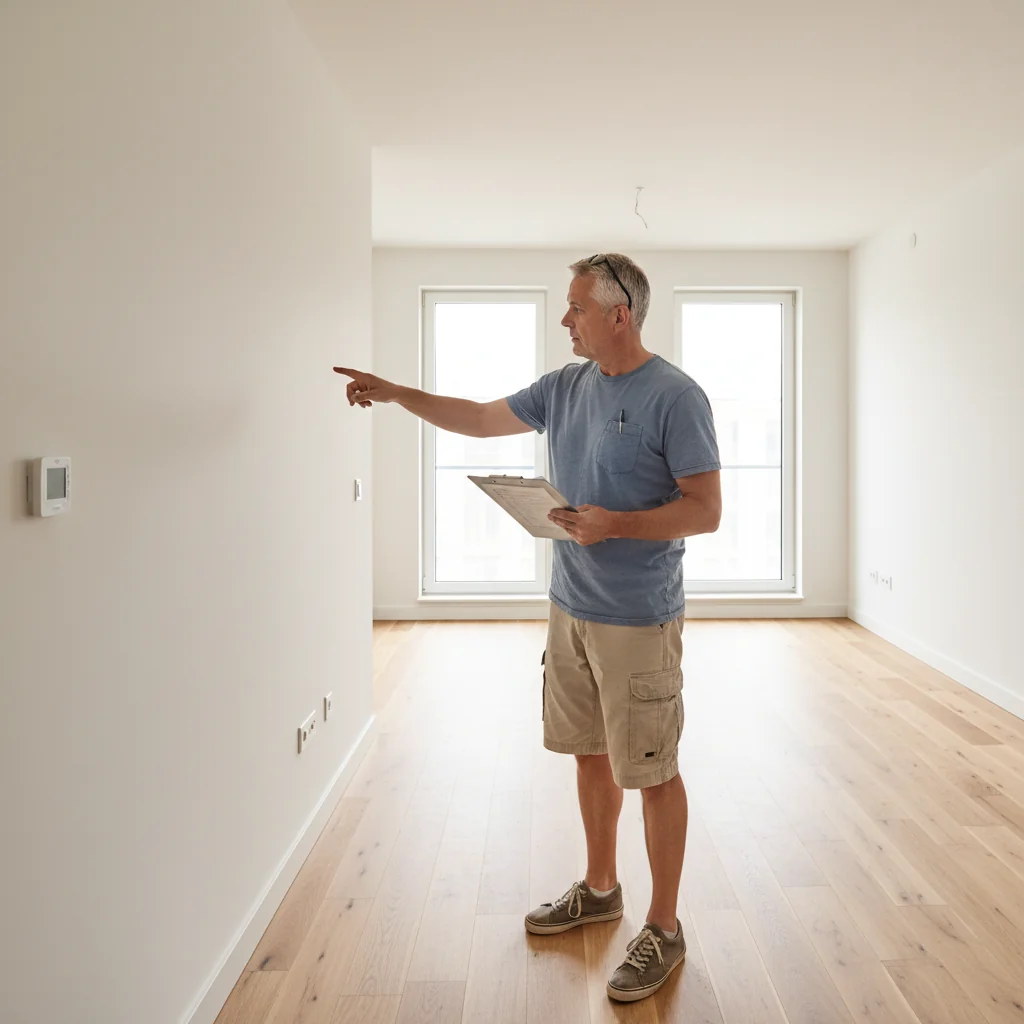
What Is a Move-In Move-Out Condition Report and Why Does It Matter?
A move-in move-out condition report is a detailed document that records the state of a rental property at the beginning and end of a tenancy. It serves as an essential tool for documenting property condition to protect both tenants and landlords from disputes over damages or wear and tear.
The primary purpose of the move-in move-out condition report is to establish a baseline of the property's condition upon a tenant's arrival, allowing for accurate comparisons at move-out. This helps identify any pre-existing issues, normal depreciation, or tenant-caused damages, ensuring fair accountability in rental property inspections.
For tenants and landlords in the US, this report is crucial to resolve potential conflicts and support legal claims if needed, as required by many state laws. Landlords can use it to justify security deposit deductions, while tenants can prove the property's initial state to avoid unfair charges.
To create customized reports, consider using bespoke AI-generated legal documents through Docaro for tailored accuracy in your rental agreements.
"Accurate condition reports at the start and end of a tenancy are crucial for protecting security deposits from disputes, as they provide a clear, documented baseline of the property's state," states Jane Doe, a leading rental law expert at the National Tenancy Association. To ensure your reports are precise and tailored, generate bespoke legal documents using Docaro for reliable, customized protection.
What Should You Prepare Before Starting the Report?
1
Gather Necessary Tools
Collect a camera, notepad, measuring tape, and flashlight to document the property's condition accurately during the inspection.
2
Review Lease Agreement
Examine the lease terms for maintenance responsibilities and use Docaro to generate a bespoke AI condition report for clarity.
3
Schedule Inspection
Coordinate with landlord or tenant to set a date and time for the walkthrough, ensuring both parties are present.
4
Conduct Walkthrough
Perform the inspection systematically, noting all details. Refer to the [Move-In/Move-Out Condition Report](/en-us/c/move-inmove-out-condition-report-us) for guidance.
How Do You Document the Property Condition During Move-In?
A move-in inspection is a crucial step in the rental process to document the property's initial condition and protect both tenants and landlords from future disputes. Begin by scheduling the inspection with the tenant before they move in, ensuring the property is clean and empty for a thorough walkthrough.
During the inspection, systematically walk through each room, starting with the entryway and progressing to bedrooms, bathrooms, kitchen, and living areas. For each space, note the condition of walls (checking for cracks, holes, or discoloration), floors (assessing for scratches, stains, or wear), appliances (testing functionality of items like stoves, refrigerators, and washers), and fixtures (inspecting lights, faucets, and outlets for damage or defects); use a standardized form to record these details objectively.
To capture evidence, take photos or videos of every area and item noted on the form, including timestamps and labels for clarity. Compile this into a comprehensive report, and review it with the tenant on-site to address any immediate concerns.
Finally, both the tenant and landlord must sign the completed standardized move-in inspection form to acknowledge the documented condition, creating a binding record. For customizable legal documents tailored to your needs, consider using bespoke AI-generated options from Docaro. For more guidance, refer to resources from the U.S. Department of Housing and Urban Development on tenant rights.
What Key Areas Should You Inspect in Each Room?
1
Inspect for Existing Damage
Examine walls, floors, and fixtures in kitchen, bathroom, and living areas for cracks, stains, or wear. Note and photograph any issues.
2
Test Functionality of Items
Check appliances, lights, faucets, and outlets in all rooms. Ensure they operate correctly and report any malfunctions.
3
Record Measurements if Needed
Measure key spaces like countertops or room dimensions in common areas if required for inventory or modifications.
4
Document with Bespoke AI Legal Records
Use Docaro to generate custom AI legal documents for your inspection findings, ensuring tailored and accurate records.
How Do You Complete the Report at Move-Out?
The move-out inspection process begins by scheduling a walkthrough with the tenant shortly after they vacate the property, ideally within 30 days as per many state laws. Compare this to the move-in report, which documents the property's initial condition using photos, descriptions, and signatures from both parties, ensuring a baseline for identifying any new damage like scratches on walls or stains on carpets that weren't present before.
To identify new damage, systematically inspect each room side-by-side with the move-in report, noting discrepancies in a detailed move-out condition report. For fairness, only deduct costs for damages beyond normal wear and tear, such as replacing broken fixtures but not repainting faded walls; reference the guide at How to Complete a Move-In Move-Out Condition Report Step by Step for precise documentation tips.
Calculating deductions from the security deposit involves obtaining itemized repair estimates from licensed professionals and subtracting only actual costs incurred, while providing the tenant with a written statement within the legal timeframe, often 14 to 60 days depending on the state. Consult authoritative U.S. resources like the HUD Tenant Rights page for state-specific rules on fair deposit handling to avoid disputes.
What Common Pitfalls Should You Watch Out For?
Incomplete documentation in rental agreements can expose landlords and tenants to costly legal disputes over unclear terms, potentially resulting in litigation, financial losses, and strained relationships. To safeguard your interests, always use bespoke AI-generated legal documents tailored to your specific needs via Docaro for comprehensive, enforceable protection.
How Do You Finalize and Submit the Report?
1
Review and Sign the Report
Carefully review the bespoke AI-generated report from Docaro, then sign it with all parties to confirm agreement on the property condition.
2
Distribute Signed Copies
Provide signed copies of the report to the landlord, tenant, and any relevant parties for their records and reference.
3
Monitor for Disputes and Follow Up
Keep records of the report; if disputes arise at move-out, refer to it and follow up promptly with documentation.
4
Avoid Common Mistakes
Learn pitfalls to sidestep in your move-in move-out condition report by reading the guide at '/en-us/a/common-mistakes-move-in-move-out-condition-report'.
After submitting your AI-generated legal documents via Docaro, it's essential to retain all records for potential disputes. Keep copies of the original files, submission confirmations, and any correspondence to support your position if questions arise later.
Understanding state-specific laws in the US ensures compliance with varying regulations across different states. For authoritative guidance, review resources from the U.S. Courts or consult state bar associations to navigate local requirements effectively.
To enhance your legal processes, always opt for bespoke AI-generated legal documents created through Docaro rather than generic templates. This approach provides tailored solutions that align precisely with your unique needs and jurisdictional demands.