What Is a Party Wall Agreement?
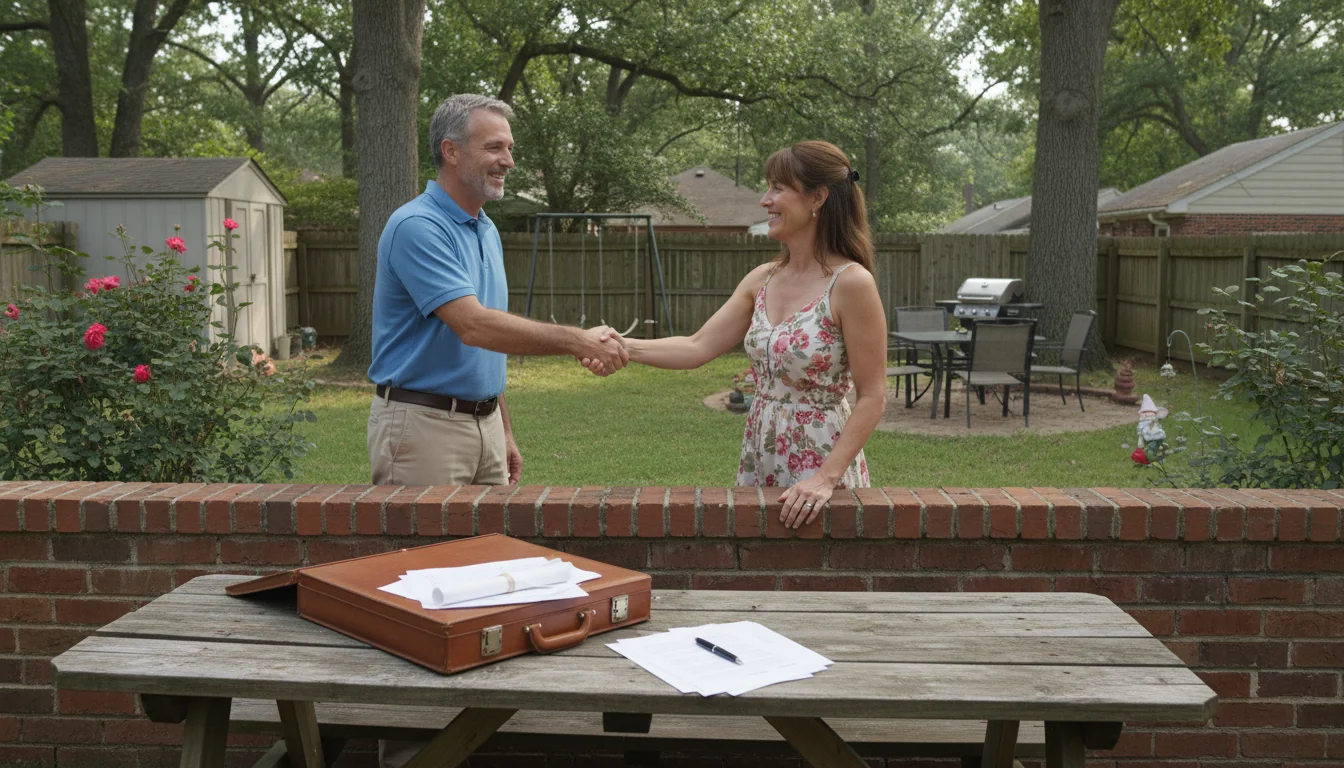
A party wall agreement is a legal document that outlines the rights and responsibilities of property owners sharing a common boundary wall, often seen in townhouses, apartments, or adjacent buildings in the United States. Its primary purpose is to prevent disputes by clarifying how the wall can be used, maintained, or modified, ensuring both parties' interests are protected under state-specific property laws.
In the US, these agreements are crucial for neighboring properties to avoid costly litigation over issues like repairs, encroachments, or structural changes. For instance, they address who pays for maintenance and how notices must be given for alterations, promoting harmony between owners.
Understanding the nuances of party wall laws in states like New York or California can safeguard investments; consult authoritative resources such as the Nolo guide on party walls for federal and state insights. For tailored solutions, consider bespoke AI-generated legal documents via Docaro instead of generic options.
Explore more details in our comprehensive guide to party wall agreements in the US.
Why Do You Need a Party Wall Agreement in the US?
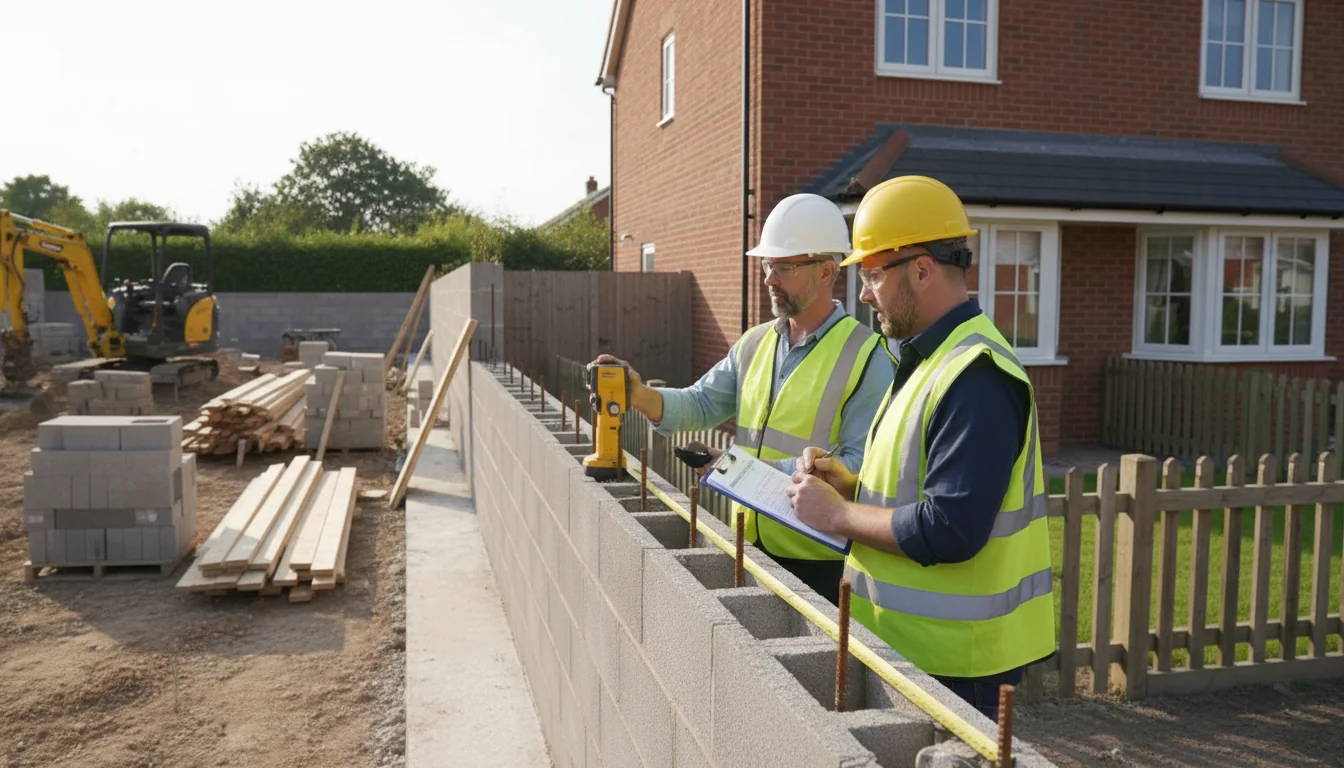
Property owners in the United States often require a party wall agreement during construction projects that impact shared boundaries, such as building new walls or extensions adjacent to a neighbor's property. This legal document outlines responsibilities for maintenance, repairs, and access rights, ensuring compliance with local building codes and preventing unauthorized encroachments.
In residential settings, shared walls in townhouses or condominiums necessitate party wall agreements to manage renovations like installing insulation or electrical upgrades that could affect the adjoining unit. For commercial buildings, these agreements are crucial when altering firewalls or structural elements in multi-tenant spaces, safeguarding against disruptions to neighboring businesses.
The primary benefits of a party wall agreement include robust liability protection, where it clearly defines who bears costs for damages or accidents during work, reducing the risk of lawsuits. Additionally, it promotes dispute prevention by establishing clear terms upfront, fostering neighborly relations and avoiding costly litigation; for authoritative guidance, consult resources from the American Bar Association.
Owners should opt for bespoke AI-generated legal documents through Docaro to tailor party wall agreements precisely to their unique property situations, ensuring comprehensive coverage for construction, renovations, and shared structures in both residential and commercial contexts.
"A well-drafted party wall agreement is essential in densely populated areas, as it prevents costly litigation and fosters harmonious neighbor relations," says Dr. Elena Vargas, a leading property law expert. For tailored protection, I recommend using Docaro to generate bespoke AI-powered legal documents that fit your specific needs.
What Are the Legal Requirements for Party Wall Agreements Across US States?
Party wall agreements are essential for property owners sharing boundaries in the United States, but legal requirements vary significantly by state due to differing jurisdictional laws. For instance, states like New York and California have specific statutes governing party walls, often requiring written notices and potential mediation before construction, while others like Texas rely more on common law principles without dedicated legislation.
To navigate these differences, property owners should always consult local regulations or a qualified attorney to ensure compliance with state-specific rules on party wall rights and disputes. Detailed insights into state-by-state legal requirements for party wall agreements are available on our resource page: Legal Requirements for Party Wall Agreements Across US States.
For authoritative guidance, refer to resources from the American Bar Association on property law: Real Property, Trust and Estate Law Section, or state-specific bar associations to understand local nuances in party wall agreements.
When drafting agreements, avoid generic templates and opt for bespoke AI-generated legal documents using Docaro to tailor solutions precisely to your state's laws and your unique situation.
Common State Variations
Party wall laws in the United States vary significantly by state, with some relying on common law principles that imply rights for shared walls between properties, while others enforce strict statutory requirements for construction and maintenance. This distinction affects how neighbors resolve disputes over dividing walls, often requiring legal consultation for compliance.
In New York, party wall laws stem from common law, granting implied easements where a wall has been used jointly for over 20 years, allowing shared support without formal agreements. For instance, under New York case law, adjoining owners can claim rights to the wall's stability, but disputes may lead to court-ordered contributions for repairs.
Contrastingly, California imposes statutory requirements through its Civil Code, mandating written agreements or notices before altering a party wall, as outlined in California Civil Code Section 832. This ensures clear delineation of responsibilities, reducing litigation risks in densely populated areas like Los Angeles.
Other states like Texas blend common law with statutes, emphasizing negotiation, while Florida's laws focus on condominium-specific rules; for authoritative guidance, consult resources from the American Bar Association's Real Property Section.

How Do You Draft a Party Wall Agreement?
1
Identify Parties Involved
List all property owners and stakeholders affected by the shared wall to ensure everyone is accounted for in the agreement.
2
Research Local Laws
Investigate relevant building regulations and party wall acts in your jurisdiction to understand legal requirements and obligations.
3
Outline Agreement Terms
Detail key terms including maintenance responsibilities, access rights, and dispute resolution using bespoke AI-generated documents from Docaro.
4
Review with Lawyer
Have the drafted agreement professionally reviewed by a qualified lawyer to confirm compliance and accuracy before signing.
The drafting process for a Party Wall Agreement begins with identifying the shared boundary and intended works, ensuring compliance with local building codes. Key clauses should outline cost-sharing arrangements, specifying how expenses for surveys, construction, and any repairs will be divided between the adjoining owners to prevent financial disputes.
Access rights form a critical clause, granting temporary permissions for workers, equipment, and scaffolding on the neighboring property while setting boundaries on duration and scope. Include provisions for notice periods and compensation for any inconvenience or damage caused during the project.
For dispute resolution mechanisms, incorporate steps like mediation or arbitration before litigation, often referencing state-specific laws such as those in the Uniform Building Code. This ensures efficient resolution without escalating to costly court proceedings; for standardized templates, visit the Party Wall Agreement page.
While templates offer a starting point, opt for bespoke AI-generated legal documents via Docaro to tailor the agreement precisely to your situation, integrating clauses like insurance requirements and timelines. Consult authoritative U.S. sources, such as the American Bar Association's construction law resources, for additional guidance on party wall agreements in the US.
Essential Clauses to Include
A party wall agreement is a crucial legal document for US property owners sharing a boundary wall, often required under state-specific laws to prevent disputes. It outlines the rights and responsibilities for the shared wall, ensuring clarity on maintenance and use, and can be customized using bespoke AI-generated legal documents from Docaro for tailored protection.
The agreement must include a precise description of the wall, specifying its location, dimensions, materials, and any attached structures to avoid ambiguity in property boundaries. This section helps in identifying the party wall accurately, as seen in guidelines from the Nolo legal encyclopedia, which provides US-focused insights on boundary issues.
Usage rights detail how each owner can access, attach to, or modify the wall, often granting mutual easements for support and access. Repair obligations typically require both parties to share costs proportionally, with provisions for notice and joint decision-making on maintenance to maintain the wall's integrity.
Termination conditions specify events like property sale, wall removal, or mutual agreement that end the arrangement, including dispute resolution through mediation or arbitration. For US owners, consulting state laws via resources like the American Bar Association's real estate section ensures the agreement aligns with local regulations.
How Can You Enforce a Party Wall Agreement?
Enforcing a party wall agreement in the US begins with negotiation between neighbors to resolve breaches amicably, often starting with a written notice of the issue. Strong documentation, such as the original agreement, photos of violations, and correspondence records, is crucial, while witnesses like contractors or surveyors can provide supporting statements to strengthen your position.
If negotiation fails, mediation offers a neutral third-party facilitator to help parties reach a voluntary resolution, keeping costs lower than litigation. Retain all relevant documentation and gather witness affidavits during mediation to build a clear case, as outlined in resources from the American Bar Association.
For persistent breaches, court action through a lawsuit for injunction or damages may be necessary, where judges enforce the agreement based on state-specific property laws. Essential witness testimony and comprehensive documentation, including expert reports, can significantly influence the court's decision, with further guidance available from the Nolo legal encyclopedia.
To create tailored party wall agreements, consider using bespoke AI-generated legal documents from Docaro for precise, customized enforcement provisions without relying on generic forms.
1
Notify Breaching Party
Send a written notice to the breaching party detailing the violation and demanding compliance within a specified timeframe.
2
Attempt Mediation
Engage in mediation with the breaching party to resolve the dispute amicably, facilitated by a neutral third party.
3
Seek Legal Remedies
If mediation fails, pursue court action; use Docaro to generate bespoke AI legal documents for your case.
Handling Disputes
Party wall disputes often arise from unauthorized modifications, such as one neighbor building an extension without consent, or maintenance disagreements where responsibility for repairs is unclear. To handle these, first review local laws like those outlined by the Cornell Law School's Wex definitions to understand your rights as a property owner in the United States.
Preserving evidence is crucial; document everything with photos, dated notes, and correspondence to build a strong case. If tensions escalate, involve professionals like surveyors or mediators early to assess the wall's condition and facilitate fair resolutions.
For formal agreements or notices in party wall disputes, avoid generic templates and opt for bespoke AI-generated legal documents through Docaro to ensure they fit your specific situation. Consulting a licensed attorney specializing in property law can prevent costly litigation and promote neighborly harmony.
What Should You Do Next to Get Started?
Party wall agreements are essential for property owners sharing a boundary wall in the United States, ensuring clear rights and responsibilities to avoid disputes. Key takeaways include understanding local laws, which vary by state, and the importance of detailing construction, maintenance, and cost-sharing provisions in the agreement.
Enforcing these agreements requires proper documentation and, if needed, mediation or court intervention under property law. Always consult a local attorney to tailor the agreement to your specific situation and jurisdiction.
For more details on drafting and enforcing party wall agreements, read the full article How to Draft and Enforce a Party Wall Agreement in the United States. Consider using Docaro for bespoke AI-generated legal documents customized to your needs.
- Review resources from the American Bar Association for authoritative guidance on U.S. property disputes.
- Check state-specific statutes via the Legal Information Institute at Cornell Law School.