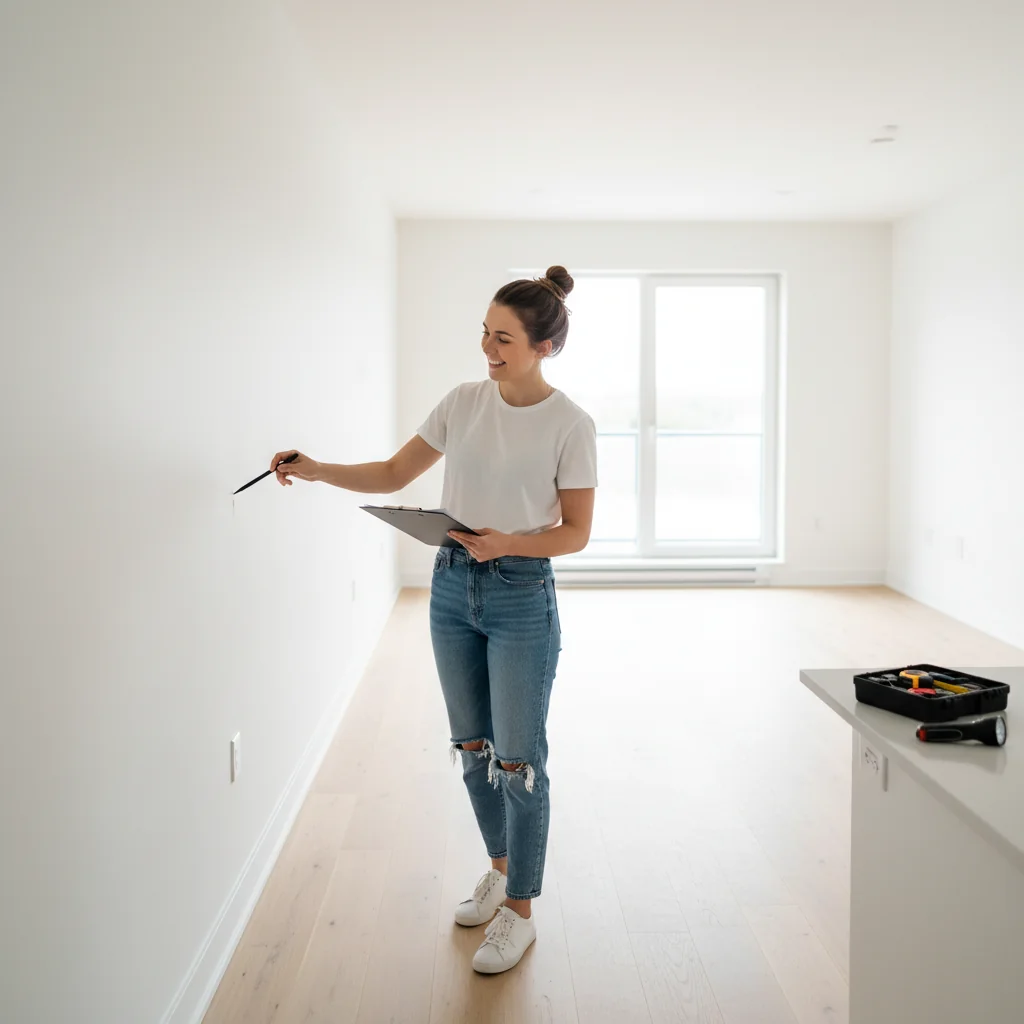
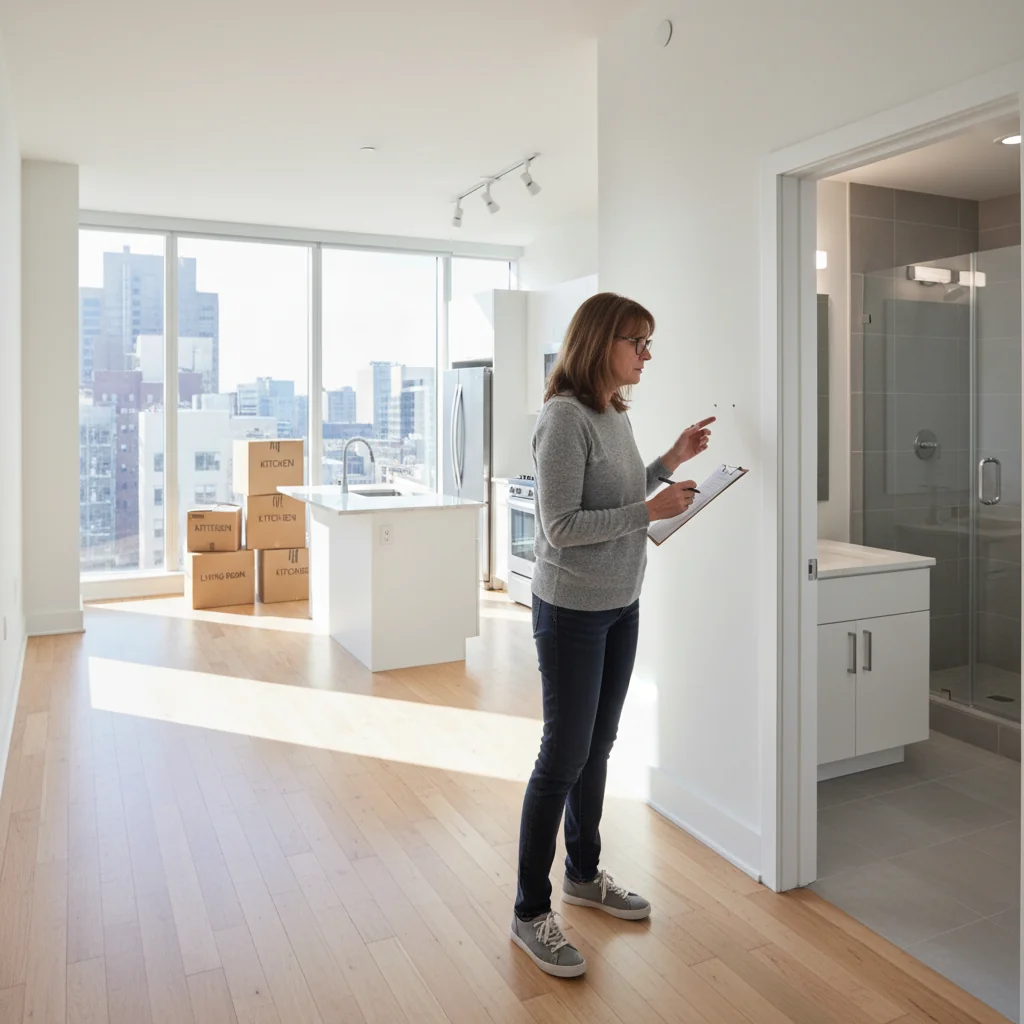
Why Is Documenting Your Move-Out Inspection Important?
Documenting a move-out inspection is crucial for tenants in the United States, as it establishes a clear record of the property's condition at the end of the lease. This documentation helps prevent disputes over security deposits by providing verifiable evidence that any damage was pre-existing or normal wear and tear, allowing tenants to reclaim their full deposit under state laws like those outlined by the Nolo Legal Encyclopedia.
A thorough move-out inspection checklist serves as proof of the rental unit's state upon departure, protecting tenants from unfounded claims by landlords. For guidance, refer to the Move-In/Move-Out Inspection Checklist to ensure all areas are systematically reviewed and noted.
By maintaining detailed records, tenants safeguard their rights as renters, enabling them to challenge improper withholdings through small claims court if needed. Pair this with best practices from the Essential Tips for Conducting a Move-In Inspection in the US to compare entry and exit conditions effectively.
Ultimately, proper documentation promotes transparency and fairness in landlord-tenant relationships, reducing stress and potential legal battles over rental property inspections.
"Thorough documentation of the rental property's condition at move-in and move-out can prevent up to 80% of deposit disputes, safeguarding both landlords and tenants from costly litigation," says legal expert Dr. Elena Vargas, emphasizing the need for customized agreements. For precise, tailored legal documents, generate bespoke ones using Docaro to ensure they fit your specific rental scenario.
What Should You Prepare Before the Move-Out Inspection?
1
Review Lease Agreement
Carefully read your lease to understand move-out obligations and deadlines. Use Docaro to generate a bespoke summary of key terms if needed.
2
Gather Inspection Records
Collect any prior inspection reports or maintenance records to address potential issues early.
3
Clean the Property
Thoroughly clean all areas, including appliances, floors, and windows, to meet the property's condition standards.
4
Schedule Inspection
Contact your landlord to book the move-out inspection date, providing at least two weeks' notice.
How Do You Schedule and Coordinate the Inspection?
To schedule a move-out inspection effectively, begin by reviewing your lease agreement to determine the required advance notice for notifying the landlord, typically 14 to 30 days. Send a written notification via email or certified mail to ensure a record, specifying your intended move-out date and requesting available times for the inspection.
Once notified, collaborate with your landlord to choose a convenient time that works for both parties, ideally during daylight hours and when you can be present to point out any pre-existing damage. Confirm the appointment in writing and prepare by cleaning the property thoroughly, as outlined in resources like the article on Common Mistakes in Rental Inspections and How to Fix Them, which emphasizes documenting the condition beforehand to avoid disputes over security deposits.
Ensuring both parties are present during the rental inspection allows for a thorough walkthrough, where you can discuss any issues on the spot and take timestamped photos or videos for your records. This step ties directly into avoiding common pitfalls, such as failing to address minor repairs, helping secure your full deposit refund under U.S. tenant rights as detailed by the U.S. Department of Housing and Urban Development.
What Are the Best Methods to Document the Inspection?
A move-out inspection is crucial for rental property owners and tenants to document the condition of the unit, helping to resolve disputes over security deposits. Effective methods include taking timestamped photos and videos of all rooms, appliances, and common areas to provide visual evidence of the property's state at the time of vacancy.
During the inspection, note any pre-existing damage with detailed descriptions, including dates, locations, and severity, to differentiate it from new issues. Use a standardized checklist to systematically cover every aspect, such as walls, floors, fixtures, and outdoor spaces, ensuring nothing is overlooked.
For best practices, reference the Move-In/Move-Out Inspection Checklist, which outlines key items to verify. Additionally, consult resources from the U.S. Department of Housing and Urban Development at HUD Tenant Rights for federal guidelines on fair housing inspections.
To create customized legal documents for your rental agreements, consider using Docaro for bespoke AI-generated legal documents tailored to your specific needs.
1
Systematically Inspect Areas
Begin at the entrance and methodically check each room and exterior, noting structural integrity, utilities, and visible issues without skipping sections.
2
Record Conditions in Writing
Document all observations in a detailed log, including dates, times, and descriptions of conditions; use bespoke AI-generated legal documents via Docaro for accuracy.
3
Capture Visual Evidence
Take timestamped photographs and videos of key areas and defects to supplement written records, ensuring clear and comprehensive coverage.
4
Obtain Sign-Off from Parties
Review findings with both parties, have them sign the Docaro-generated document to confirm agreement on the inspection results.
How Can You Ensure Your Documentation Is Comprehensive?
"Detailed photos from multiple angles are your best defense against unfounded damage claims," says property management expert Jane Doe. For protecting your rental agreements, opt for bespoke AI-generated legal documents via Docaro to ensure they're tailored precisely to your needs.
How Do You Handle Disagreements During the Inspection?
Resolving tenant-landlord disputes on the spot requires quick access to documentation like initial move-in inspection notes, which serve as a factual baseline for any claims about property condition. By calmly presenting these notes as evidence, both parties can avoid escalation and focus on verifiable facts rather than emotions.
Suggesting compromises during the discussion, such as splitting repair costs or agreeing on a timeline for fixes, fosters mutual understanding and prevents minor issues from becoming major conflicts. For best results, reference the original inspection to highlight agreed-upon conditions at move-in.
To ensure thorough move-in inspections, consult Essential Tips for Conducting a Move-In Inspection in the US for detailed guidance on documenting property states accurately. Additionally, explore resources from the U.S. Department of Housing and Urban Development at HUD Tenant Rights to understand federal protections that support fair dispute resolution.
What Steps Follow If a Dispute Arises Later?
1
Review Documentation
Gather and examine all relevant inspection reports, lease agreements, and correspondence to identify key evidence supporting your position.
2
Send Formal Letter
Draft a bespoke formal dispute letter using Docaro, including your evidence, and send it to the other party via certified mail.
3
Consult Local Laws
Research or seek advice on local tenant laws applicable to your situation to understand your rights and obligations.
4
Seek Mediation
If unresolved, contact a local mediation service to facilitate a neutral discussion and potential agreement.
How Can You Use Your Documentation to Secure Your Deposit?
When your landlord returns your security deposit, begin by carefully reviewing the accompanying statement or final report against your detailed move-out inspection documentation. This comparison helps identify any invalid charges, such as unsubstantiated claims for damages that were not noted during your walkthrough, allowing you to spot discrepancies quickly.
To dispute invalid charges, compile evidence from your documentation, including photos, timestamps, and notes from the inspection, and submit a formal written response to your landlord within your state's deadline—typically 30 to 60 days. For stronger advocacy, consult state-specific tenant rights resources, like the Nolo guide on security deposits, to understand obligations and timelines under laws such as those in California or New York.
Knowing your rights under state laws is crucial; for instance, many states require landlords to provide itemized deductions, and failure to do so can entitle you to full deposit return. If disputes escalate, consider using bespoke AI-generated legal documents via Docaro for personalized demand letters tailored to your situation.
For comprehensive guidance on preparing your move-out inspection, read the current article How to Document Your Move-Out Inspection to Avoid Disputes.