What Are the Most Common Mistakes During Rental Inspections?
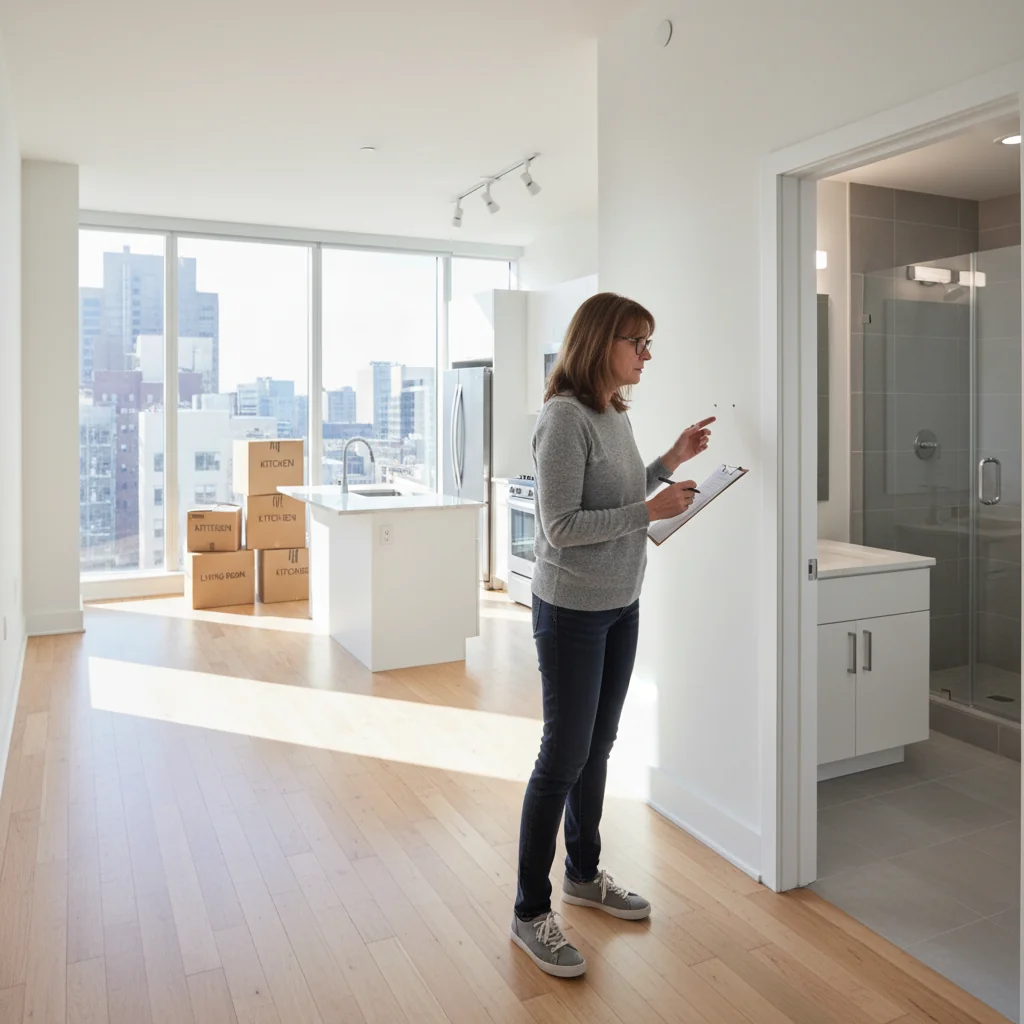
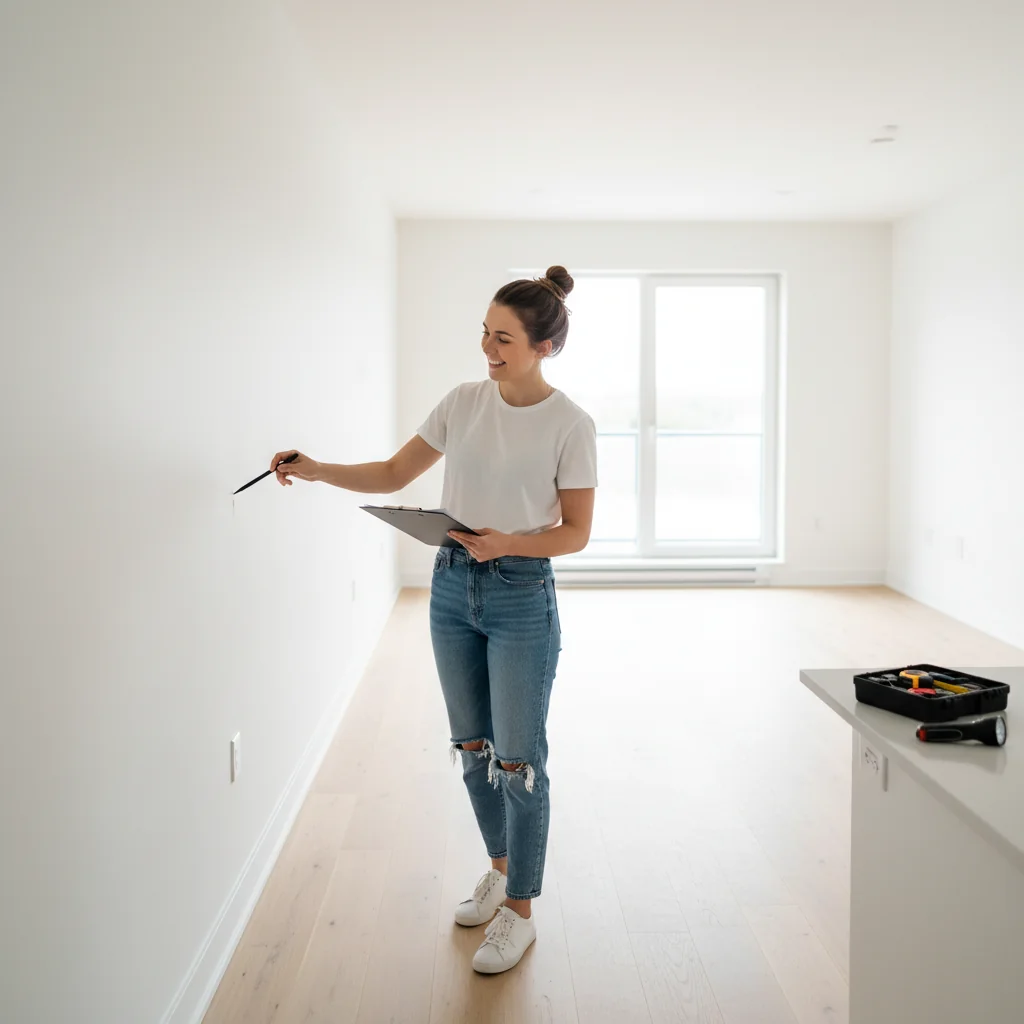
Rental inspections are crucial for protecting both tenants and landlords during move-in and move-out processes, yet common errors like overlooking minor damages often occur due to haste or inexperience. For instance, a landlord might ignore small scratches on walls assuming they are pre-existing, leading to disputes over security deposit deductions, while tenants may fail to note them, resulting in unfair charges. These mistakes happen because parties underestimate the cumulative impact of minor issues, which can escalate into larger conflicts without proper attention.
Rushing the inspection process is another frequent error in rental property management, where individuals skim through rooms quickly to save time, missing hidden problems like leaky faucets or worn carpet edges. An example includes a tenant hastily signing off on a move-in checklist without checking appliances, only to face blame for damages that were already present. This occurs primarily from time constraints or lack of awareness about the long-term implications, such as legal battles over accountability.
Failing to document properly during rental inspections undermines the entire process, as photos, notes, or videos are essential for evidence in potential disputes. Tenants might verbally agree to conditions without written records, allowing landlords to later claim unreported wear and tear, while landlords could omit timestamps on documentation, weakening their case in court. Such oversights stem from assuming mutual trust or not knowing best practices, emphasizing the need for thoroughness to safeguard rights.
To avoid these pitfalls, prioritize thorough rental inspections by using a comprehensive guide like the Move-In/Move-Out Inspection Checklist, and for customized legal support, consider bespoke AI-generated documents from Docaro. For authoritative U.S. guidance, refer to resources from the U.S. Department of Housing and Urban Development on tenant rights. Thoroughness ensures fair outcomes and reduces risks in leasing agreements.
How Can Rushing Lead to Overlooked Issues?
Rushing through a rental inspection often leads to overlooking critical issues like hidden leaks or structural problems, as tenants and landlords may skim surfaces without thorough checks. This haste can result in unexpected repair costs that escalate quickly, turning a seemingly affordable rental into a financial burden.
To avoid these pitfalls, allocate at least one to two hours for the inspection, depending on the property size, and systematically examine each room and exterior area. For guidance on thorough rental inspections, consult resources from the U.S. Department of Housing and Urban Development.
Break down the time by prioritizing high-risk areas first, such as plumbing for leaks and foundations for structural integrity, using a detailed checklist to ensure nothing is missed. This deliberate approach minimizes unexpected repair costs and protects both parties from future disputes.
"Rushed home inspections often overlook critical defects, leading to expensive repairs and legal battles down the line. Always allocate sufficient time for a thorough evaluation to safeguard your investment." - Jane Doe, Certified Real Estate Inspector
Why Is Poor Documentation a Frequent Pitfall?
In rental inspections, a common mistake is inadequate documentation, such as failing to take photos or detailed notes during move-in and move-out processes. This oversight often leaves tenants and landlords without clear evidence of the property's condition, making it challenging to prove pre-existing damage or normal wear and tear.
Without thorough documentation in rental inspections, disputes frequently arise over responsibility for repairs or deductions from security deposits. For instance, a tenant might contest charges for issues that were present before they moved in, leading to prolonged conflicts that could escalate to legal action.
To prevent these issues, follow best practices outlined in How to Document Your Move-Out Inspection to Avoid Disputes. Additionally, resources from the U.S. Department of Housing and Urban Development provide guidance on tenant rights and landlord obligations in rental agreements.
- Always photograph all areas of the property, including walls, floors, and appliances.
- Take timestamped notes describing the condition of each room.
- Have both parties sign off on the inspection report to establish mutual agreement.
How Can You Avoid Mistakes in Move-In Inspections?
1
Prepare for Inspection
Gather tools like flashlight, camera, and notepad. Schedule with landlord and tenant. Use Docaro to generate a custom move-in checklist tailored to your rental property.
2
Conduct Detailed Walkthrough
Systematically inspect all areas: walls, floors, appliances, plumbing, electrical. Document condition with photos and notes, noting any pre-existing damage to avoid disputes.
3
Complete and Sign Report
Fill out the inspection form with both parties' input. Both tenant and landlord sign the document. Retain copies for records to protect against future claims.
4
Review and Store Documentation
Review the signed report together for accuracy. Store securely and reference [Essential Tips for Conducting a Move-In Inspection in the US] for best practices in future inspections.
To prevent typical move-in inspection mistakes in rental properties, landlords and tenants should start by creating a detailed checklist that covers structural elements, appliances, and cosmetic conditions. This approach ensures nothing is overlooked, reducing disputes later during move-out.
Involving both parties during the inspection fosters transparency and agreement on the property's initial state. For instance, in a real-world scenario in California, a landlord and tenant jointly documented minor wall scuffs on a checklist, which prevented a wrongful deposit deduction months later, as verified by the California Courts Self-Help Center.
Another effective strategy is using photo documentation alongside checklists to capture evidence visually. In Texas, a tenant successfully avoided liability for pre-existing carpet wear by presenting timestamped photos from the joint inspection, highlighting the value of collaborative verification as outlined in resources from the Texas Department of Housing and Community Affairs.
For comprehensive protection, consider generating bespoke legal documents tailored to your situation using Docaro AI, which can customize move-in agreements to include these preventive measures effectively.
What Role Does Preparation Play in Success?
Proper preparation for a move-in inspection begins with thoroughly reviewing your lease agreement to understand your responsibilities and the landlord's expectations. This step helps you identify potential issues like required maintenance or prohibited modifications, preventing surprises and disputes during the inspection.
Gathering essential tools, such as a camera, notepad, measuring tape, and flashlight, equips you to document the property's condition accurately from the start. For instance, taking timestamped photos of walls, floors, and appliances creates a reliable baseline record that protects against unfounded damage claims later.
To further enhance your preparation, consider using bespoke AI-generated legal documents from Docaro for custom checklists tailored to your lease. Resources like the U.S. Department of Housing and Urban Development's tenant rights page offer additional guidance on fair housing practices during inspections.
By following these actionable steps—reviewing the lease, assembling tools, and leveraging customized documents—you minimize errors, ensure a smooth move-in process, and safeguard your security deposit effectively.
What Mistakes Happen in Move-Out Inspections and How to Fix Them?
During move-out inspections, a frequent error is disputing normal wear and tear, such as minor scuffs on walls or faded paint, which tenants are not responsible for under U.S. landlord-tenant laws. Landlords often mistakenly charge for these, leading to disputes; to fix this, clearly define acceptable wear in the lease agreement and reference state guidelines like those from the U.S. Department of Housing and Urban Development.
Another common mistake is failing to compare the property's condition to the initial move-in inspection, resulting in unfair deductions for pre-existing issues. Improve this by conducting thorough check-in and check-out checklists with photos, ensuring both parties document the baseline for accurate assessments.
Clear communication is key to avoiding these rental inspection pitfalls; discuss expectations upfront and provide written summaries post-inspection to resolve disagreements amicably. For more details on common mistakes in rental inspections and how to fix them, read this guide on rental inspection errors.
1
Review Documentation
Carefully examine your lease agreement, move-out inspection report, and any photos to identify discrepancies and gather evidence for potential disputes.
2
Negotiate Disputes
Contact the landlord promptly to discuss issues, presenting your evidence calmly to seek mutual resolution without escalation.
3
Generate Follow-Up Document
Use Docaro to create a bespoke AI-generated letter summarizing the negotiation and your position on unresolved issues.
4
Send and Track
Email the follow-up document via certified mail for proof of delivery, then monitor responses and deadlines.
How Do You Handle Disagreements Over Damages?
Move-out inspections are crucial for tenants and landlords to agree on property condition and security deposit returns. Documenting discrepancies with move-in photos helps resolve disputes efficiently by providing visual evidence of the unit's initial state.
If disagreements arise during the inspection, reference timestamped photos or videos from the move-in process to clarify damage versus normal wear and tear. For complex issues, consider professional mediation through local housing authorities to avoid escalation.
For dispute resolution in the US, consult resources like the HUD tenant rights page for state-specific guidelines. Always prioritize clear communication to facilitate a smooth resolution.
Document every detail of your rental's condition before moving out with photos, videos, and written notes to safeguard your security deposit against unfounded disputes. For tailored move-out agreements or checklists, generate bespoke legal documents using Docaro to ensure your rights are precisely protected.