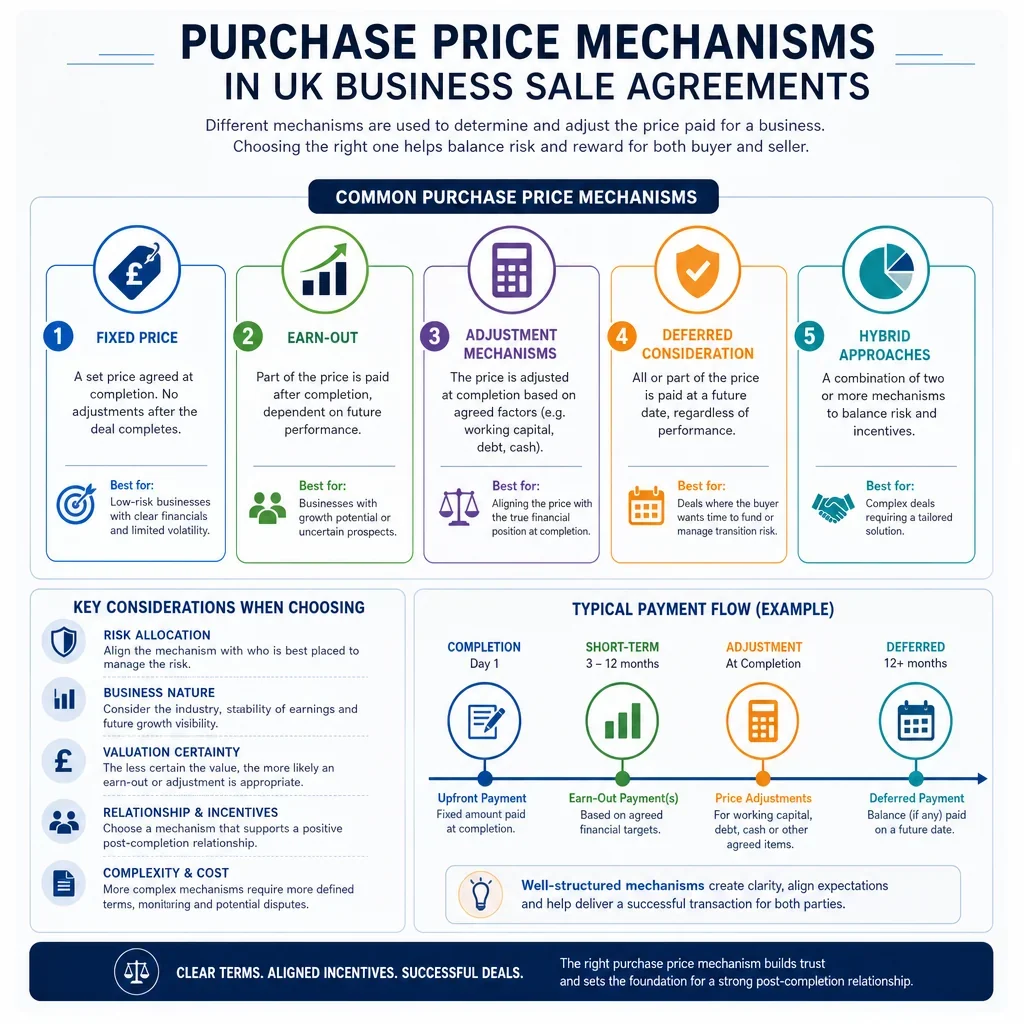
Purchase Price Mechanisms In UK Business Sale Agreements
Price Mechanism | How It Works | Key Agreement Provisions | Risk Allocation |
|---|---|---|---|
Fixed price | |||
Fixed cash price | Buyer pays an agreed cash amount at completion with no post-completion adjustment. | Payment mechanics, completion deliverables, warranties, indemnities and no-adjustment wording. | Buyer risk |
Fixed price with assumed liabilities | Headline price is fixed, but buyer also assumes specified business liabilities. | Liability schedule, novations, creditor consents, indemnities and excluded liabilities. | Shared risk |
Nominal consideration sale | Buyer pays a token price because liabilities, rescue funding or uncertainty drive value. | Clear assumption of liabilities, exclusions, insolvency risks and limited warranties. | Buyer risk |
Completion accounts | |||
Cash-free debt-free price | Enterprise value is adjusted at completion for actual cash, debt and working capital. | Definitions of cash, debt, working capital, accounting policies and dispute resolution. | Shared risk |
Working capital adjustment | Price rises or falls by comparing completion working capital with a target amount. | Target working capital, sample calculation, accounting hierarchy and objection timetable. | Shared risk |
Net asset adjustment | Price adjusts to reflect actual net assets at completion against an agreed target. | Asset and liability inclusions, valuation rules, accounting policies and expert determination. | Shared risk |
Net debt adjustment | Price is reduced or increased for actual net debt or cash at completion. | Debt-like items, cash-like items, intra-group balances and repayment mechanics. | Shared risk |
Estimated price with post-completion true-up | Buyer pays an estimated amount at completion, then adjusts after final accounts. | Estimated statement, final statement, payment deadline, interest and expert process. | Shared risk |
Pound-for-pound adjustment | Each pound of variance from the agreed target changes the price by one pound. | Adjustment formula, target value, included balances and payment mechanics. | Shared risk |
Collar and cap adjustment | Adjustments apply only outside a tolerance band and may be capped. | Collar, cap, whether adjustment is from zero or excess only, and examples. | Depends on drafting |
Minimum cash adjustment | Seller must leave a specified cash amount shortfall reduces the purchase price. | Cash definition, trapped cash, bank balances, cut-off timing and evidence. | Seller risk |
Debt-free completion adjustment | Seller repays debt at or before completion unrepaid debt reduces price. | Debt payoff letters, release of security, completion payments and indemnities. | Seller risk |
Stock valuation adjustment | Price adjusts after a completion stocktake against agreed inventory value assumptions. | Stocktake process, obsolete stock rules, valuation basis and attendance rights. | Shared risk |
Debtor collection adjustment | Price is adjusted if specified trade debtors are not collected after completion. | Debtor schedule, collection period, buyer collection duties and set-off rules. | Seller risk |
Fixed price | |||
Asset allocation price schedule | Total price is allocated among assets such as goodwill, stock and equipment. | Allocation schedule, VAT treatment, apportionments and tax cooperation. | Depends on drafting |
Locked box | |||
Locked box fixed equity price | Price is fixed by reference to accounts at a pre-completion locked box date. | Locked box accounts, leakage covenant, permitted leakage and leakage indemnity. | Buyer risk |
Locked box with ticking fee | Fixed price increases by agreed interest or daily amount until completion. | Accrual rate, start date, stop date, tax treatment and leakage interaction. | Shared risk |
No-leakage locked box | Seller covenants that no value leaves the business except permitted leakage. | Leakage definition, permitted leakage, notification, indemnity and limitation period. | Seller risk |
Locked box with permitted leakage | Known payments to sellers are allowed and priced into the fixed price. | Permitted leakage schedule, caps, timing, payees and evidential requirements. | Depends on drafting |
Deferred consideration | |||
Fixed deferred instalments | Part of the price is paid after completion on fixed future dates. | Payment dates, interest, acceleration, set-off rights and security. | Seller risk |
Vendor loan notes | Buyer issues loan notes to seller instead of paying all cash at completion. | Loan note instrument, interest, redemption, transfer restrictions and subordination. | Seller risk |
Secured deferred consideration | Deferred price is backed by security, guarantee or other credit support. | Security documents, Companies House filings, guarantor covenants and enforcement triggers. | Shared risk |
Deferred consideration with set-off | Buyer may deduct warranty, indemnity or adjustment claims from deferred sums. | Set-off scope, notice process, disputed claims and escrow alternative. | Seller risk |
Consent-dependent deferred price | Part of the price becomes payable only when key contracts, leases or licences transfer. | Conditions, longstop date, cooperation duties and consequences of refusal. | Depends on drafting |
Milestone payments | Additional fixed payments are made when specified commercial milestones occur. | Milestone definition, evidence, deadline, dispute process and anti-avoidance protections. | Depends on drafting |
Earn-out | |||
Revenue earn-out | Seller receives extra consideration if post-completion revenue targets are achieved. | Revenue definition, period, accounting policies, reporting and conduct covenants. | Shared risk |
EBITDA earn-out | Extra price is calculated by reference to post-completion EBITDA performance. | EBITDA formula, add-backs, group charges, audit rights and dispute mechanism. | Depends on drafting |
Net profit earn-out | Seller receives additional price if agreed profit measures exceed thresholds. | Profit definition, cost allocations, exceptional items and accounting consistency. | Depends on drafting |
Gross margin earn-out | Extra consideration is tied to achieved gross margin after completion. | Margin formula, direct cost treatment, discounts, returns and audit rights. | Depends on drafting |
Customer retention earn-out | Additional price depends on retaining named customers or recurring revenue. | Customer list, retention test, churn rules, replacement contracts and evidence. | Shared risk |
Contract win earn-out | Seller is paid extra if specified contracts or tenders are won after completion. | Target contracts, win criteria, minimum value, timing and buyer effort standard. | Depends on drafting |
Deferred consideration, Earn-out | |||
Regulatory approval milestone | Extra price becomes payable when a licence, approval or permission is obtained. | Approval definition, responsible party, cooperation duties, costs and longstop date. | Depends on drafting |
Earn-out | |||
Management seller earn-out | Seller-managers receive additional price tied to business performance and often continued involvement. | Performance formula, employment leaver rules, tax treatment and conduct protections. | Shared risk |
Capped earn-out | Earn-out can increase price only up to an agreed maximum amount. | Cap, formula, payment timing, dispute process and anti-manipulation covenants. | Buyer risk |
Uncapped earn-out | Additional consideration increases with performance without a contractual maximum. | Formula, payment frequency, audit rights, buyer conduct limits and tax treatment. | Buyer risk |
Cliff earn-out | No earn-out is paid unless a threshold is met, then a payment is triggered. | Threshold, cliff effect, partial periods, evidence and dispute procedure. | Seller risk |
Sliding scale earn-out | Earn-out increases progressively as performance exceeds agreed bands or targets. | Bands, worked examples, rounding, payment timing and accounting policies. | Shared risk |
Multi-year earn-out | Earn-out is tested across several post-completion accounting periods. | Measurement periods, cumulative or annual tests, carry-forward and audit rights. | Shared risk |
Accelerated earn-out | Earn-out becomes payable early if buyer sells, restructures or breaches covenants. | Acceleration events, deemed performance, notice, payment date and exclusions. | Buyer risk |
Retention or escrow | |||
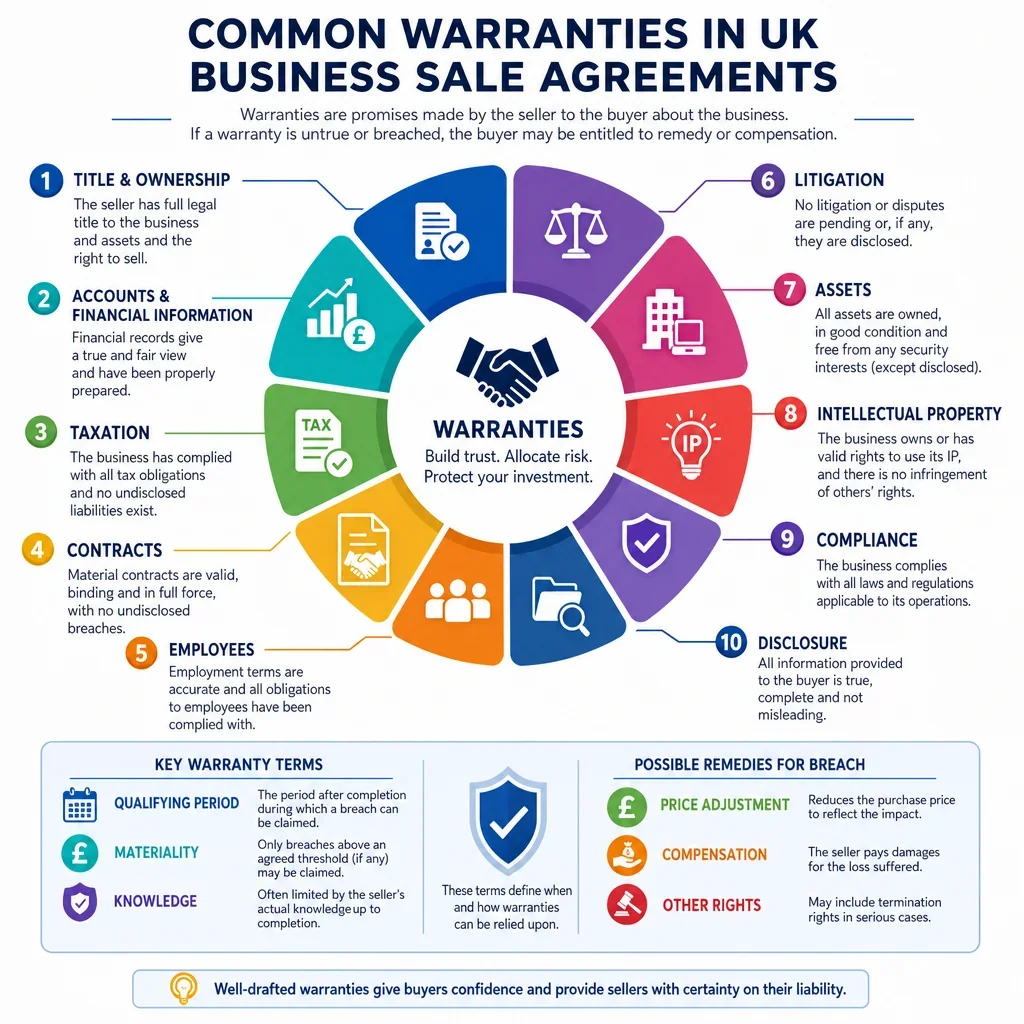
Warranty escrow | Part of the price is held by an escrow agent to secure warranty claims. | Escrow amount, claim notice, release dates, interest and agent instructions. | Shared risk |
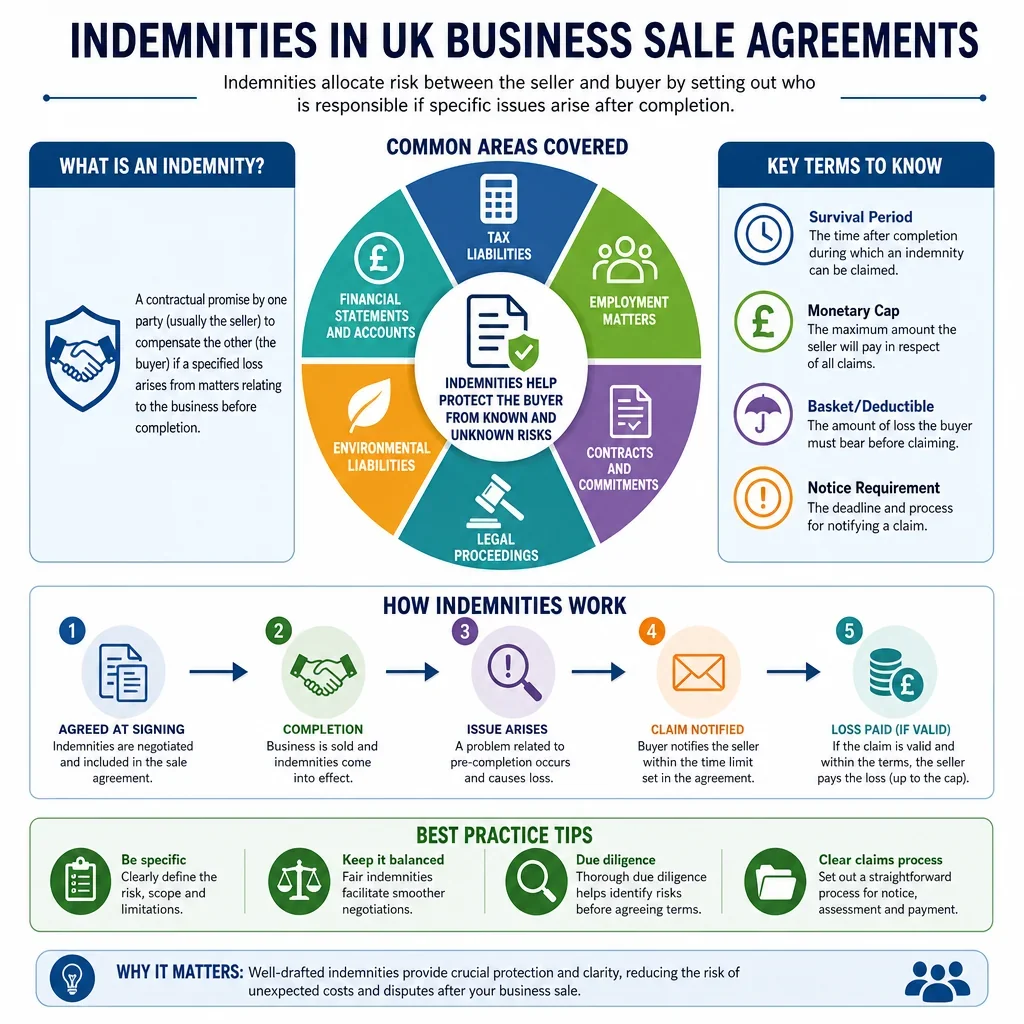
Specific indemnity escrow | Escrow secures a known tax, litigation, property or regulatory exposure. | Covered liability, claim control, release trigger and excess responsibility. | Seller risk |
Buyer retention | Buyer withholds part of the price and releases it if no claims arise. | Retention amount, release schedule, set-off, interest and insolvency risk. | Seller risk |
Retention or escrow, Completion accounts | |||
Adjustment escrow | A portion of price is escrowed to fund post-completion price adjustments. | Escrow cap, adjustment claim process, release timing and shortfall liability. | Shared risk |
Retention or escrow | |||
Tax covenant escrow | Funds are held to secure pre-completion tax liabilities or tax covenant claims. | Tax covenant scope, escrow amount, HMRC claim timing and release mechanics. | Seller risk |
TUPE liability retention | Part of the price secures employee liabilities connected with a business transfer. | Employee liability information, apportionment, indemnities, release dates and claims process. | Depends on drafting |
VAT retention for TOGC risk | Funds are retained until VAT treatment of the business transfer is confirmed. | TOGC assumptions, VAT gross-up, invoices, option to tax and HMRC correspondence. | Depends on drafting |
Lease apportionment retention | Part of price is held for rent, service charge or dilapidations apportionments. | Apportionment date, landlord statements, dilapidations cap and release mechanism. | Depends on drafting |
Earn-out, Retention or escrow | |||
Earn-out escrow holdback | Funds are reserved to support future earn-out payments if targets are met. | Funding amount, target tests, release waterfall and buyer top-up obligations. | Shared risk |
Deferred consideration | |||
Completion payment plus deferred balance | Buyer pays part at completion and pays a fixed balance later. | Initial payment, deferred schedule, default interest, security and set-off. | Seller risk |
Completion accounts, Earn-out | |||
Completion accounts plus earn-out | Price is adjusted for completion balance sheet and later increased by performance. | Separate adjustment formula, earn-out formula, accounting consistency and dispute routes. | Shared risk |
Locked box, Earn-out | |||
Locked box plus earn-out | Base price is fixed at locked box date future performance may add price. | Leakage protections, earn-out formula, conduct covenants and information rights. | Shared risk |
Locked box, Retention or escrow | |||
Locked box with warranty escrow | Fixed locked box price is partly escrowed to secure buyer claims. | Leakage covenant, escrow agreement, claim limits and release timetable. | Shared risk |
Fixed price, Locked box | |||
Pre-completion covenant adjustment | Price or claim amount adjusts if seller breaches agreed pre-completion conduct rules. | Ordinary course covenant, consent matters, breach consequences and indemnity. | Seller risk |
Completion accounts | |||
Capital expenditure adjustment | Price adjusts for agreed capex underspend, overspend or unpaid capex at completion. | Capex budget, permitted spend, unpaid invoices and adjustment formula. | Shared risk |
Retention or escrow | |||
Pension deficit retention | Part of the price secures pension deficit, contribution or scheme-related liabilities. | Pension indemnity, actuarial estimate, regulator risk and escrow release conditions. | Seller risk |
Environmental liability retention | Funds are held to cover known or suspected environmental liabilities. | Covered sites, remediation standard, claim control and release conditions. | Seller risk |
Completion accounts, Deferred consideration | |||
Insurance proceeds adjustment | Price is adjusted or deferred payment made when pre-completion insurance proceeds are received. | Relevant claims, pursuit obligation, costs, timing and proceeds allocation. | Depends on drafting |
Completion accounts | |||
Debt-like items adjustment | Price is reduced for specified liabilities treated like debt. | Debt-like items schedule, tax liabilities, bonuses, leases and intra-group debt. | Seller risk |
Cash-like items adjustment | Price is increased for specified assets treated like cash at completion. | Cash-like items definition, trapped cash, deposits, cheques and bank cut-off. | Buyer risk |
Completion accounts, Locked box | |||
Intra-group balance adjustment | Amounts owed between seller group and target are settled or adjust price. | Balance schedule, settlement mechanics, releases, leakage treatment and tax effects. | Depends on drafting |
Completion accounts | |||
Income and expense apportionment | Price or completion payments allocate income and costs before and after completion. | Apportionment date, accrual rules, prepaid items, deferred income and statements. | Shared risk |
Deferred income adjustment | Price adjusts for customer payments received before completion for post-completion work. | Deferred income definition, fulfilment cost assumptions and working capital treatment. | Seller risk |
Customer deposit adjustment | Price reflects deposits held for obligations the buyer must perform after completion. | Deposit schedule, liability treatment, refunds and post-completion service obligations. | Seller risk |
Deferred consideration | |||
Seller-financed deferred price | Seller effectively finances part of the price, repaid with interest after completion. | Interest rate, repayment schedule, covenants, events of default and security. | Seller risk |
Deferred consideration, Fixed price | |||
Equity rollover consideration | Seller receives or retains equity in the buyer group as part of the price. | Share rights, valuation, leaver provisions, transfer restrictions and tax treatment. | Shared risk |
Deferred consideration | |||
Litigation outcome contingent price | Part of the price depends on outcome of specified claims or disputes. | Relevant proceedings, control rights, settlement consent and payment formula. | Depends on drafting |
Receivables recovery contingent price | Seller receives extra price if old receivables are collected after completion. | Receivables list, collection duties, costs, bad debt rules and payment timing. | Shared risk |
Fixed price | |||
Pre-completion liability price chip | Price is reduced for specified adverse findings discovered before completion. | Material adverse findings, calculation method, notice and termination rights. | Seller risk |
Deferred consideration, Fixed price | |||
Key contract consent price adjustment | Price is reduced or deferred if important contracts do not transfer or continue. | Key contract list, consent standard, cooperation, deferred sum and longstop. | Depends on drafting |
Retention or escrow | |||
W&I insurance retention structure | Escrow or retention is reduced because buyer relies partly on W&I insurance. | Policy exclusions, seller liability cap, deductible and escrow release interaction. | Depends on drafting |
Completion accounts | |||
Independent accountant determination | Unresolved completion accounts disputes are decided by an independent accountant. | Appointment process, expert jurisdiction, submissions, costs and binding effect. | Shared risk |
Accounting policies hierarchy | Completion accounts are prepared using an agreed priority order of accounting rules. | Specific policies first, then past practice, then UK GAAP or IFRS. | Depends on drafting |
Fixed price, Retention or escrow | |||
Deposit on exchange | Buyer pays a deposit at signing, credited against completion price or forfeited on default. | Deposit holder, forfeiture, interest, completion credit and default remedies. | Buyer risk |
Retention or escrow, Fixed price | |||
Completion funds escrow | Completion money is released by escrow agent when completion conditions are satisfied. | Escrow instructions, release conditions, failed completion and interest allocation. | Shared risk |
Completion accounts, Retention or escrow | |||
Grant clawback adjustment | Price is reduced or funds retained for potential repayment of grants or subsidies. | Grant schedule, clawback triggers, consent duties and indemnity or escrow. | Seller risk |
Completion accounts | |||
Regulatory capital adjustment | Price adjusts if regulated business capital or client money positions differ from target. | Capital target, regulatory rules, evidence, client money treatment and consents. | Shared risk |
Deferred consideration, Retention or escrow | |||
Seller guarantee of receivables | Seller compensates buyer if listed receivables are not collected by a deadline. | Guaranteed debts, collection obligations, deadline, shortfall payment and exclusions. | Seller risk |
Completion accounts | |||
Net current asset adjustment | Price adjusts by comparing completion net current assets with agreed normal level. | Included current assets, current liabilities, target, policies and disputes. | Shared risk |
Completion accounts, Locked box | |||
Excess cash sweep | Seller extracts or receives value for cash above the agreed required level. | Required cash level, extraction timing, leakage treatment and bank evidence. | Depends on drafting |
Completion accounts | |||
Accrued payroll adjustment | Price reflects unpaid wages, holiday pay, commission or bonuses accrued before completion. | Accrual method, employee schedule, payroll taxes, holiday pay and bonus plans. | Seller risk |
Retention or escrow, Deferred consideration | |||
Handover services retention | Part of price is released after seller provides agreed transition support. | Services scope, service period, release criteria, deductions and employment status. | Seller risk |
Fixed price | |||
Negative purchase price | Seller pays buyer or contributes funds to take on a distressed business. | Funding amount, liability assumption, insolvency analysis and creditor consents. | Buyer risk |
Completion accounts | |||
Tax liability adjustment | Price is reduced for pre-completion tax liabilities included in completion accounts. | Tax liability definition, deferred tax treatment, tax covenant interaction and estimates. | Seller risk |
Deferred consideration, Retention or escrow | |||
Deferred price secured over assets | Seller takes security over sold assets or buyer assets for unpaid price. | Security agreement, priority, registration, enforcement and permitted disposals. | Shared risk |
Which Purchase Price Mechanism Is Usually Best For A UK Business Sale?
Completion accounts are commonly used where working capital, debt or cash can change materially before completion, but they create post-completion dispute risk and need precise accounting policies, deadlines and expert determination provisions.
Locked box pricing gives greater price certainty by fixing value at a historical balance sheet date, but the buyer relies heavily on financial due diligence and strong leakage covenants, permitted leakage carve-outs and interest or value accrual provisions.
Earn-outs and deferred consideration can bridge valuation gaps, especially where future trading performance is uncertain, but sellers should negotiate conduct protections and buyers should avoid operational restrictions that make integration difficult.
Retentions and escrows do not usually set the enterprise value; they secure claims or adjustments. UK sellers should check release dates, claim thresholds and whether escrow funds are the buyer's sole remedy for relevant claims.
- Use a fixed price only where the buyer is comfortable that financial position changes and undisclosed liabilities are already priced into the deal.
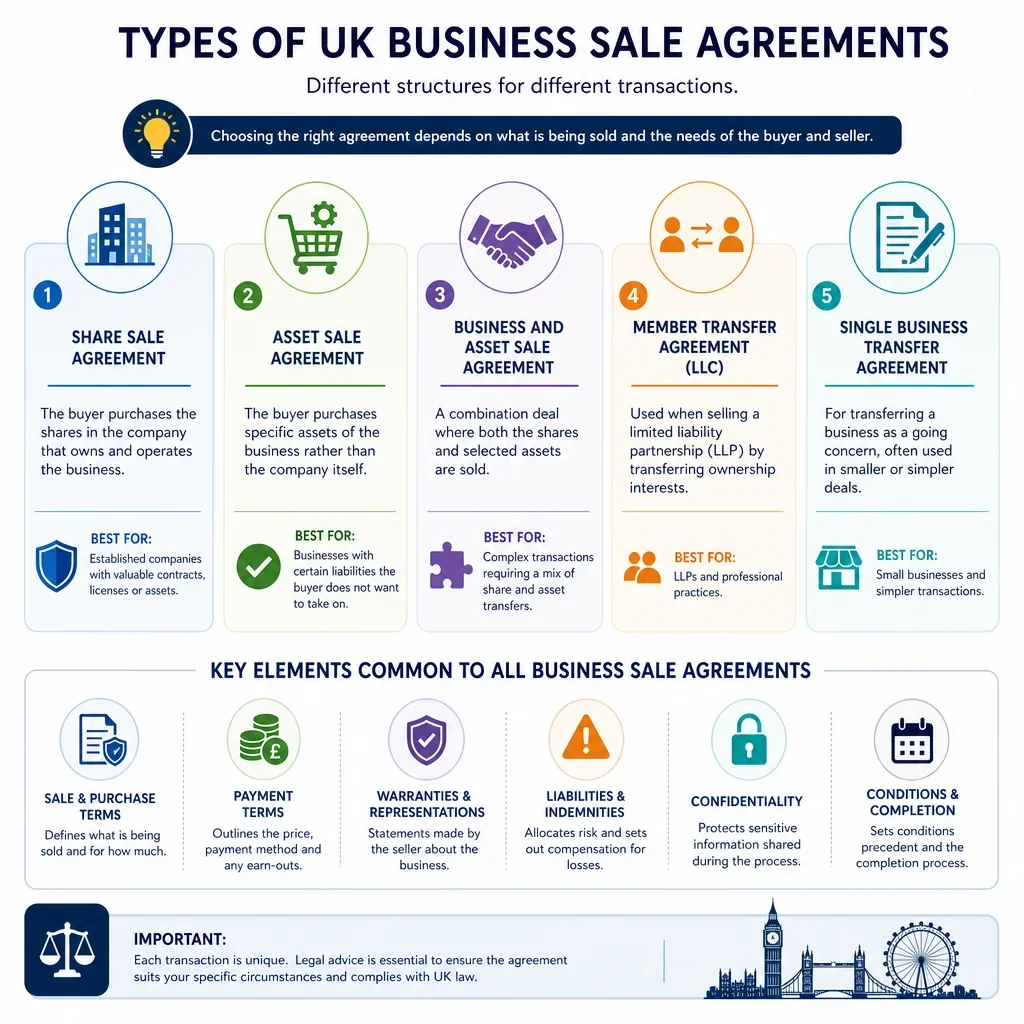
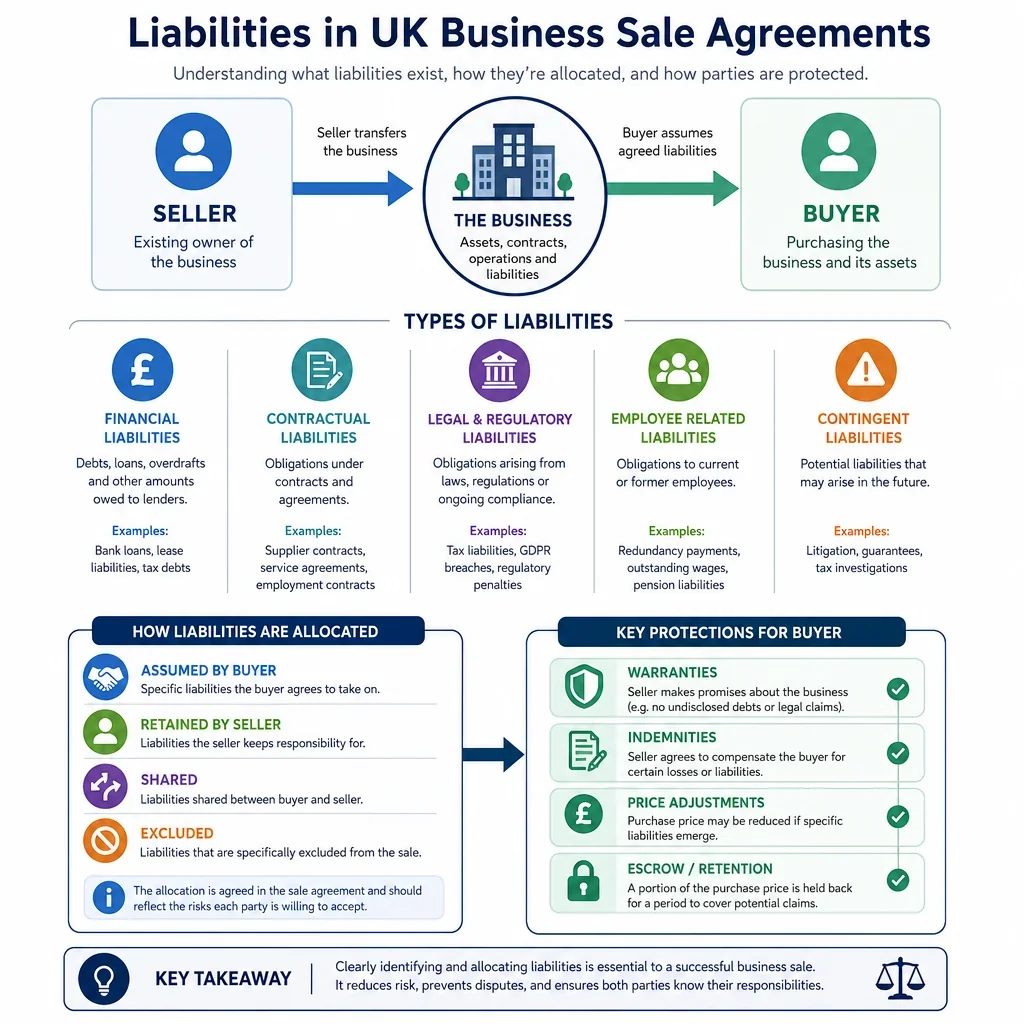
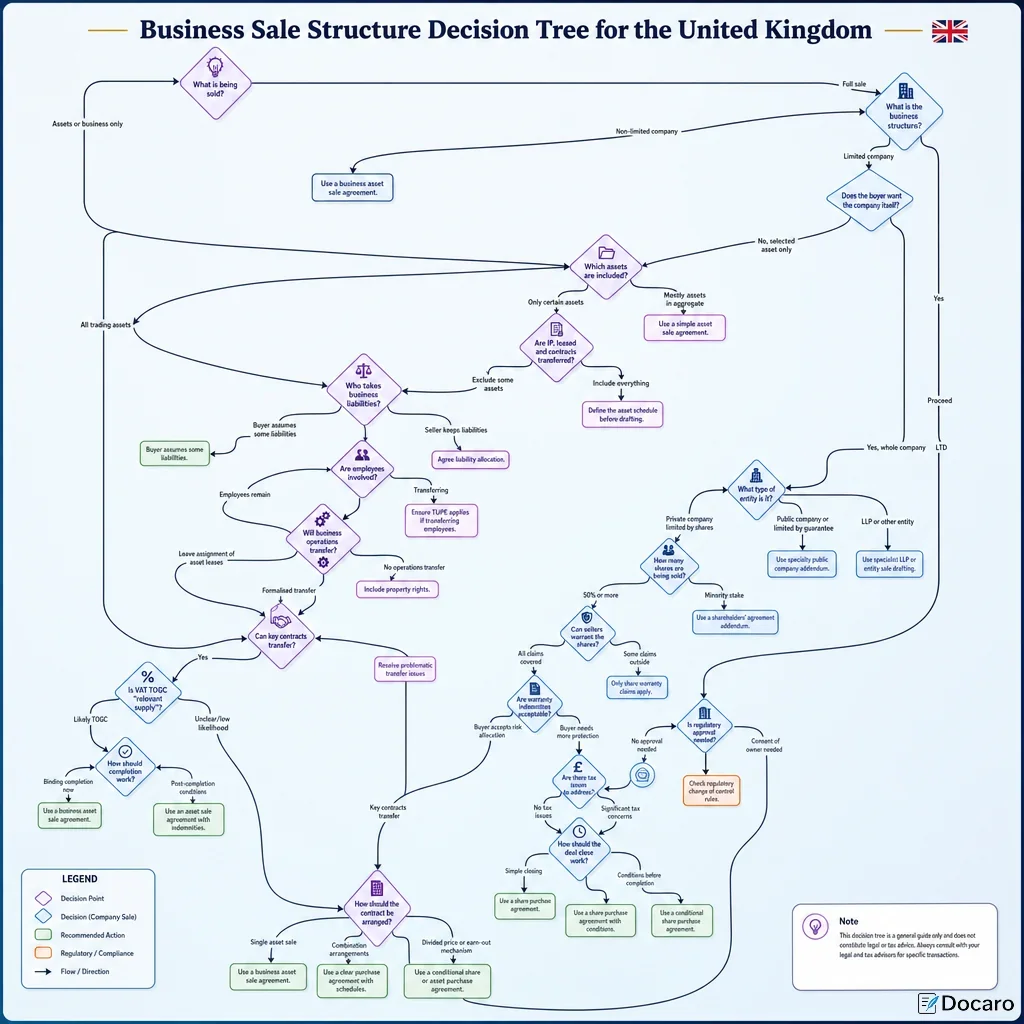
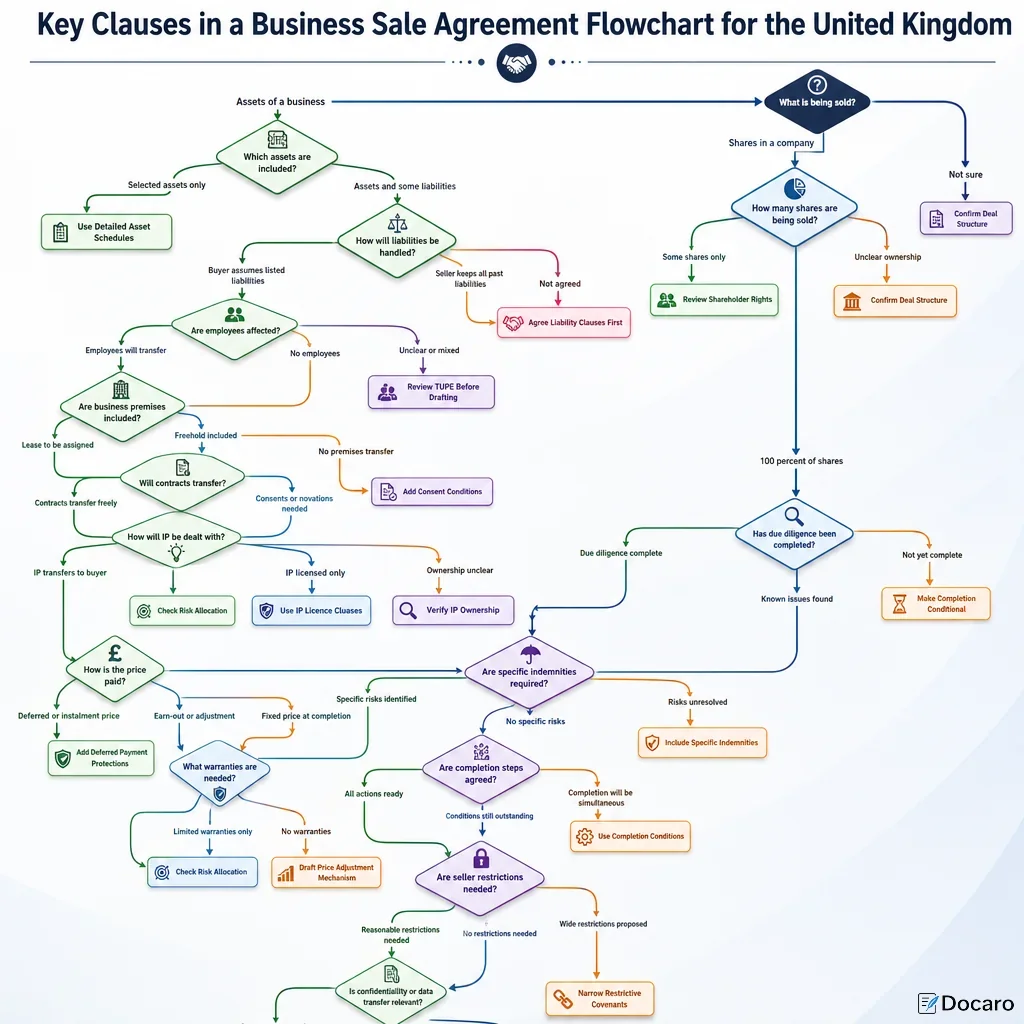
- For asset sales, specify whether the buyer assumes any liabilities; unlike a share sale, liabilities do not automatically transfer unless assigned, novated or otherwise assumed.
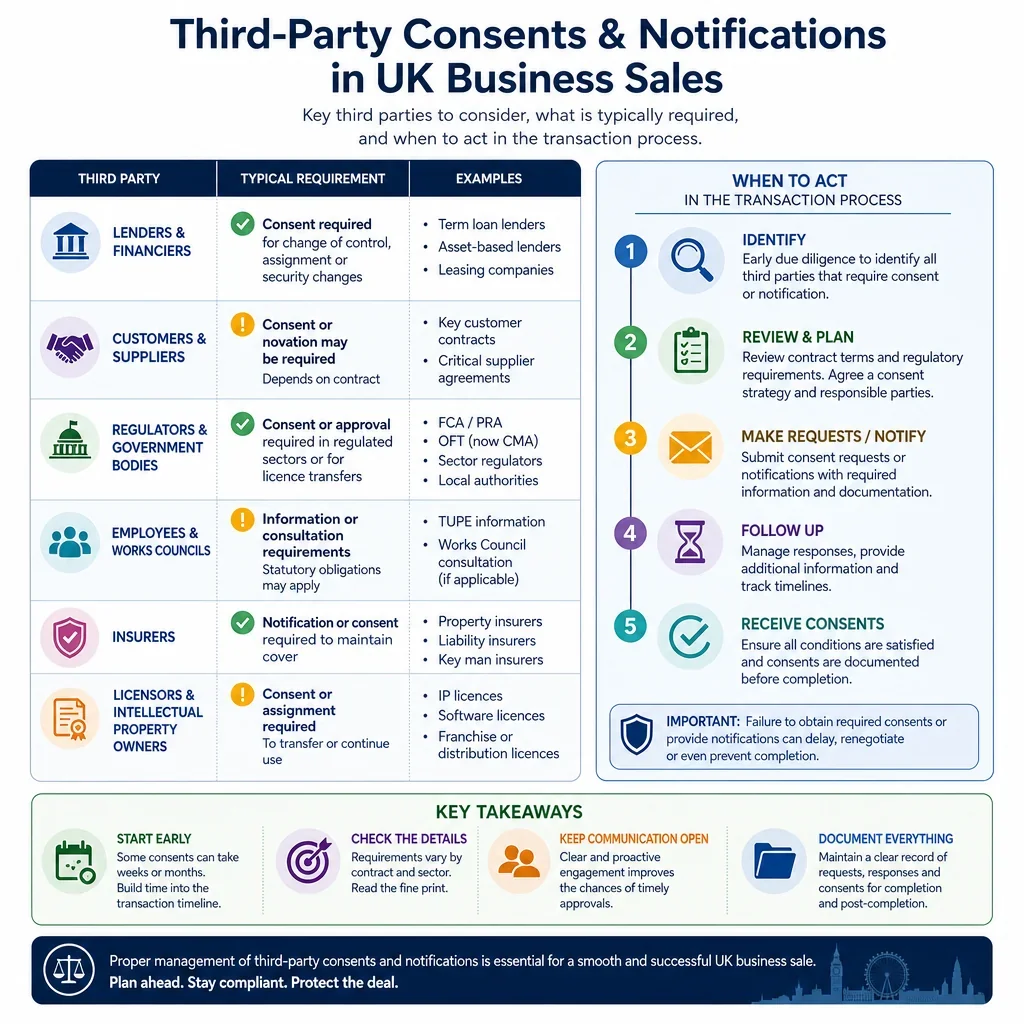
- If the transaction involves VAT, employees, pensions, property, regulated activities or overseas elements, the price mechanism should align with tax, TUPE, consent and apportionment provisions.
FAQs
You Might Also Be Interested In