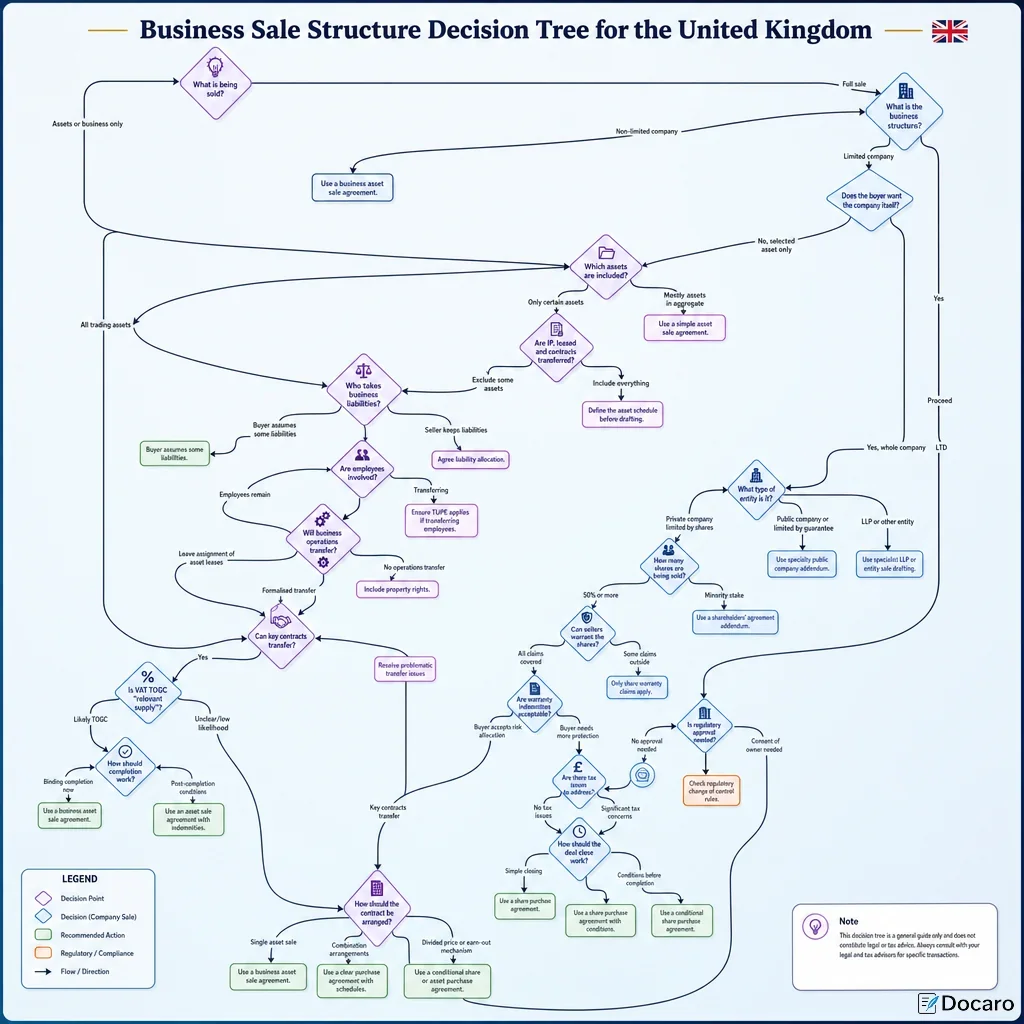
Business Sale Structure Decision Tree For The United Kingdom
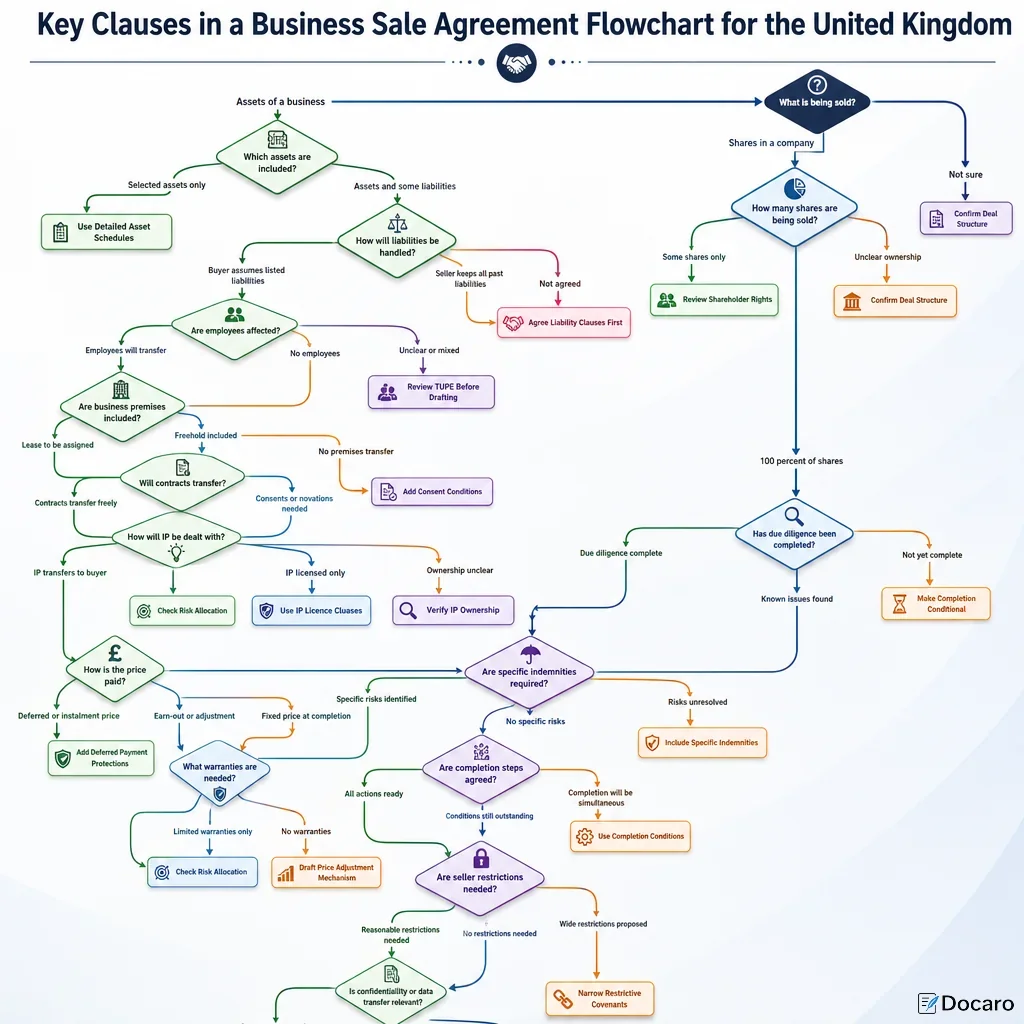
What is being sold?
Why Is The Right UK Business Sale Structure Important?
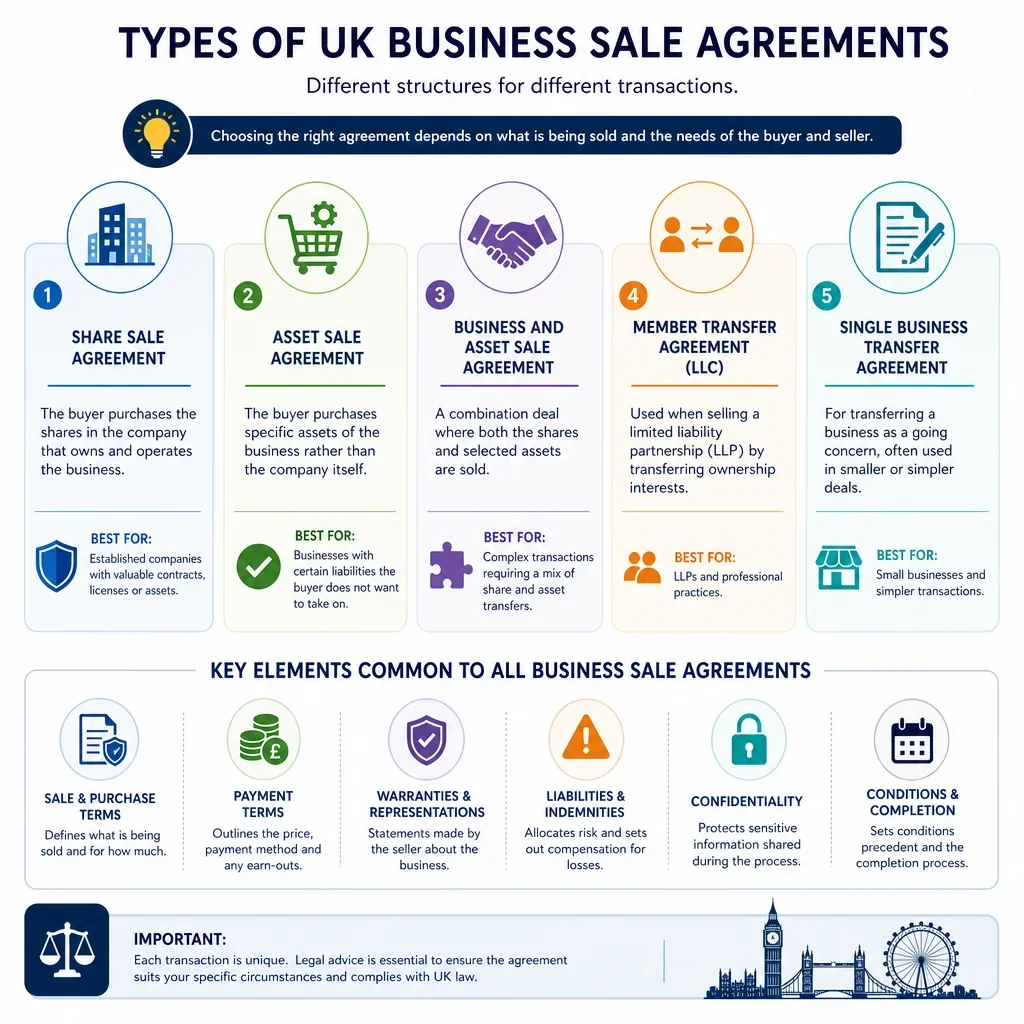
Choosing the right structure for a United Kingdom business sale affects what the buyer receives, what the seller remains liable for, how employees are treated and how tax is calculated. The key choice is often between an asset sale and a share sale, but property, contracts, regulation and VAT can change the correct route.
How Does Structure Affect Risk In A UK Business Sale?
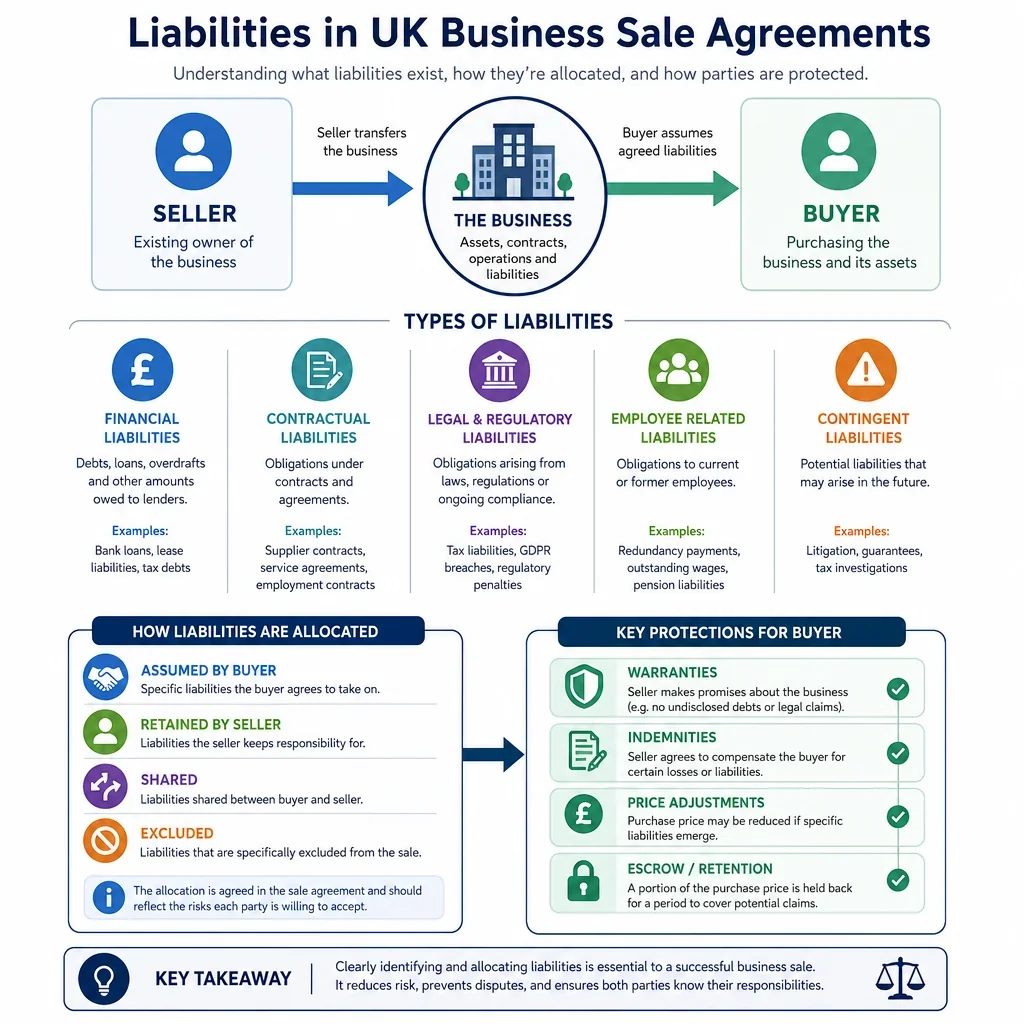
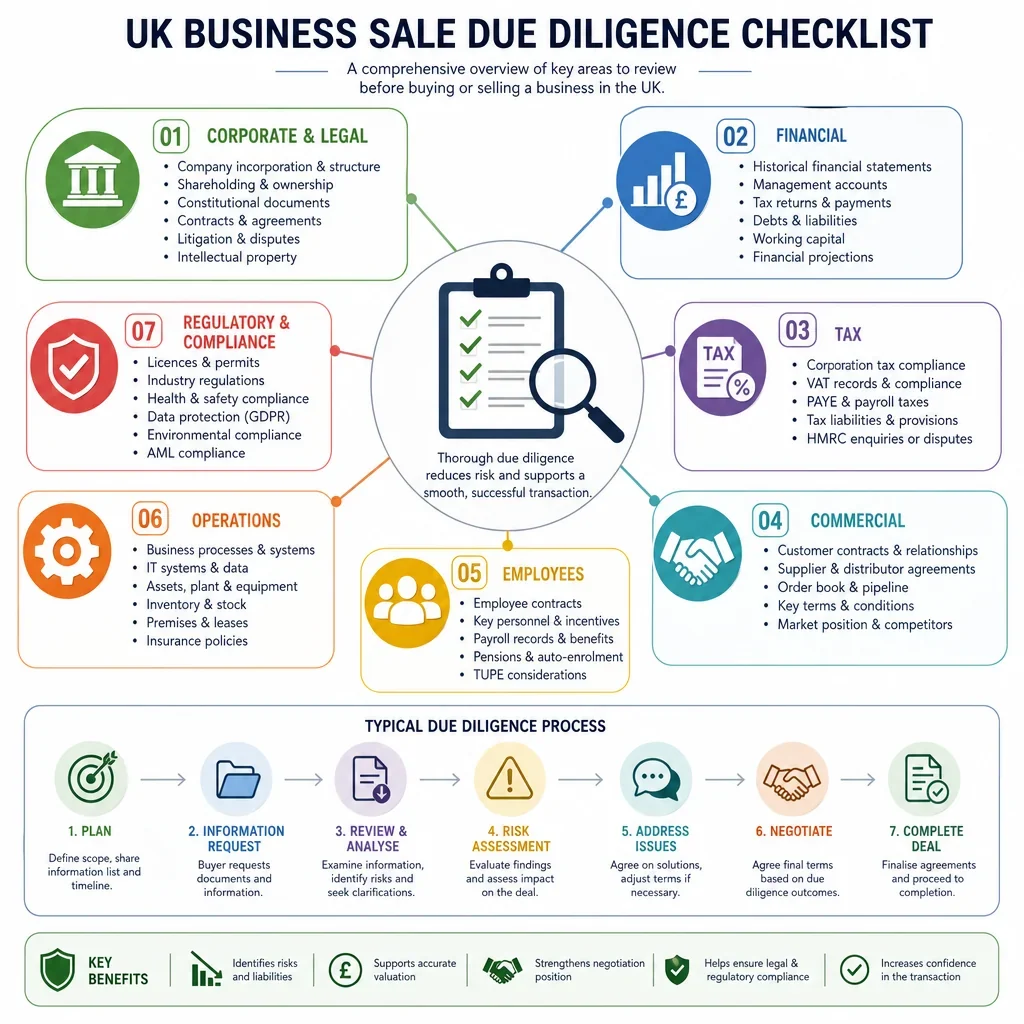
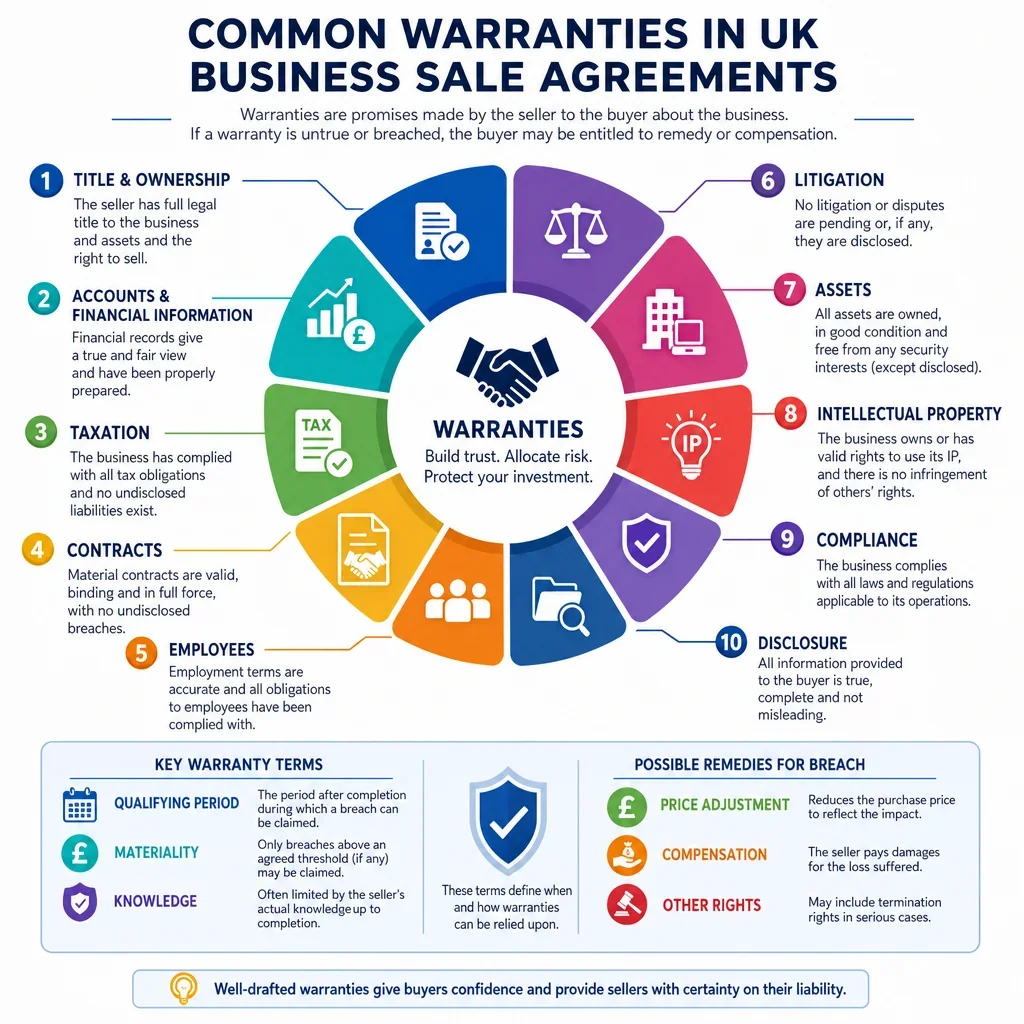
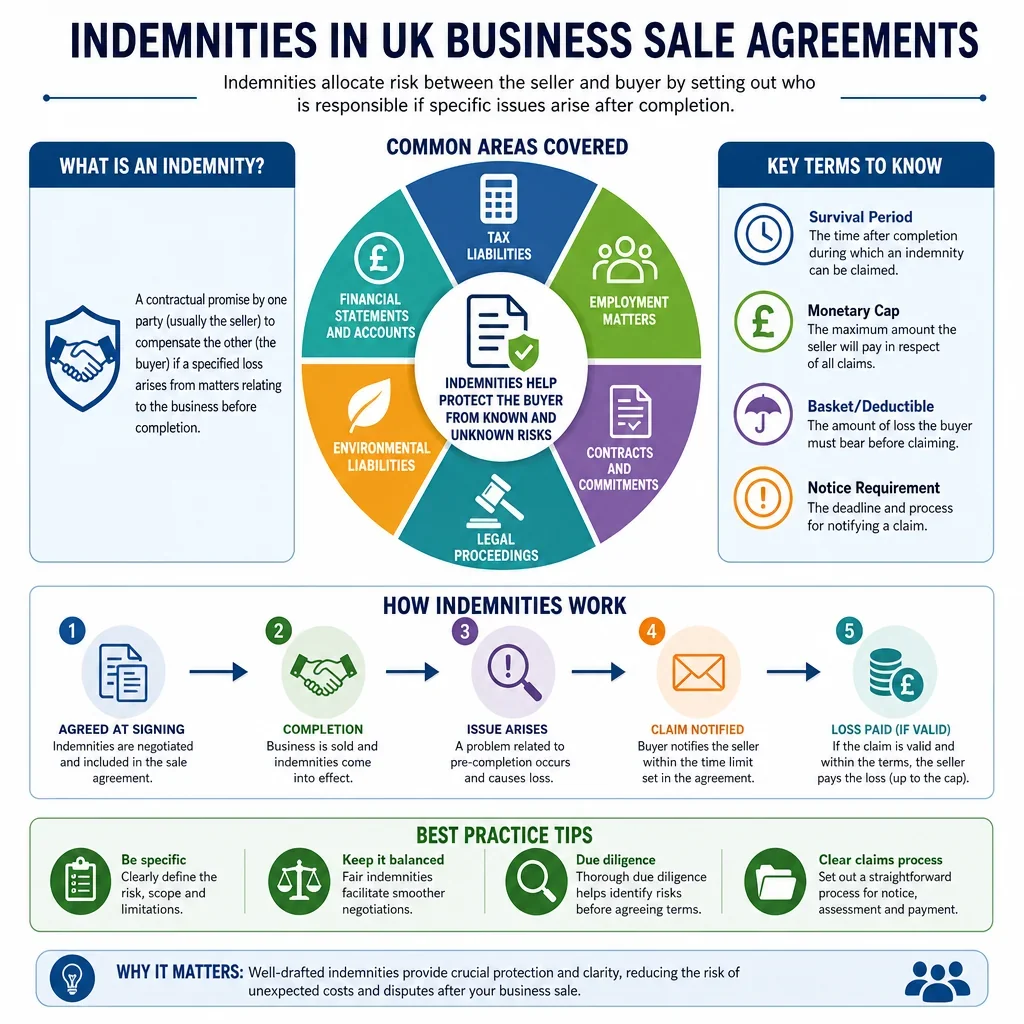
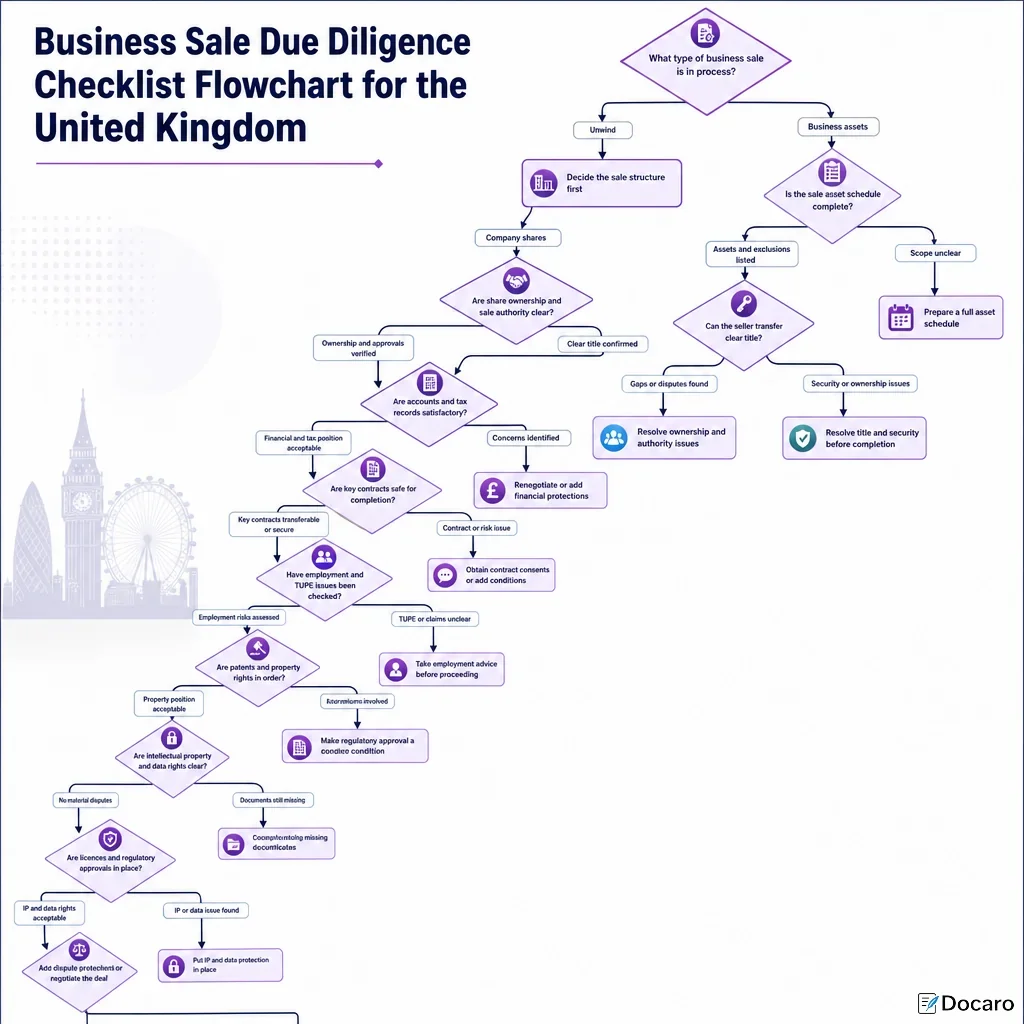
In an asset sale, the buyer usually chooses specific assets and may leave many historic liabilities with the seller, subject to negotiated terms and rules such as TUPE. In a share sale, the buyer acquires the company itself, so the company generally keeps its assets, contracts, employees, tax history, debts and disputes. This makes due diligence, warranties, indemnities and disclosure especially important.
Why Do Contracts, Employees And Premises Matter?
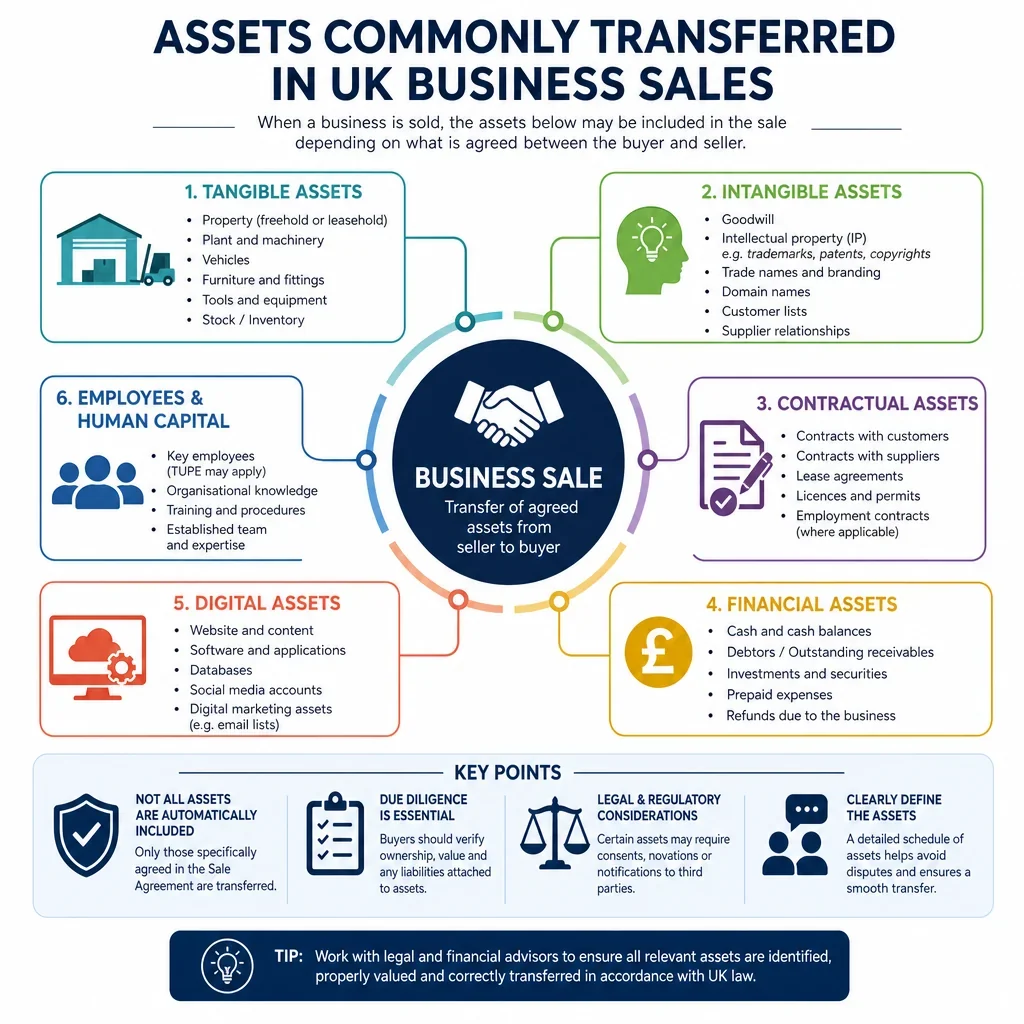
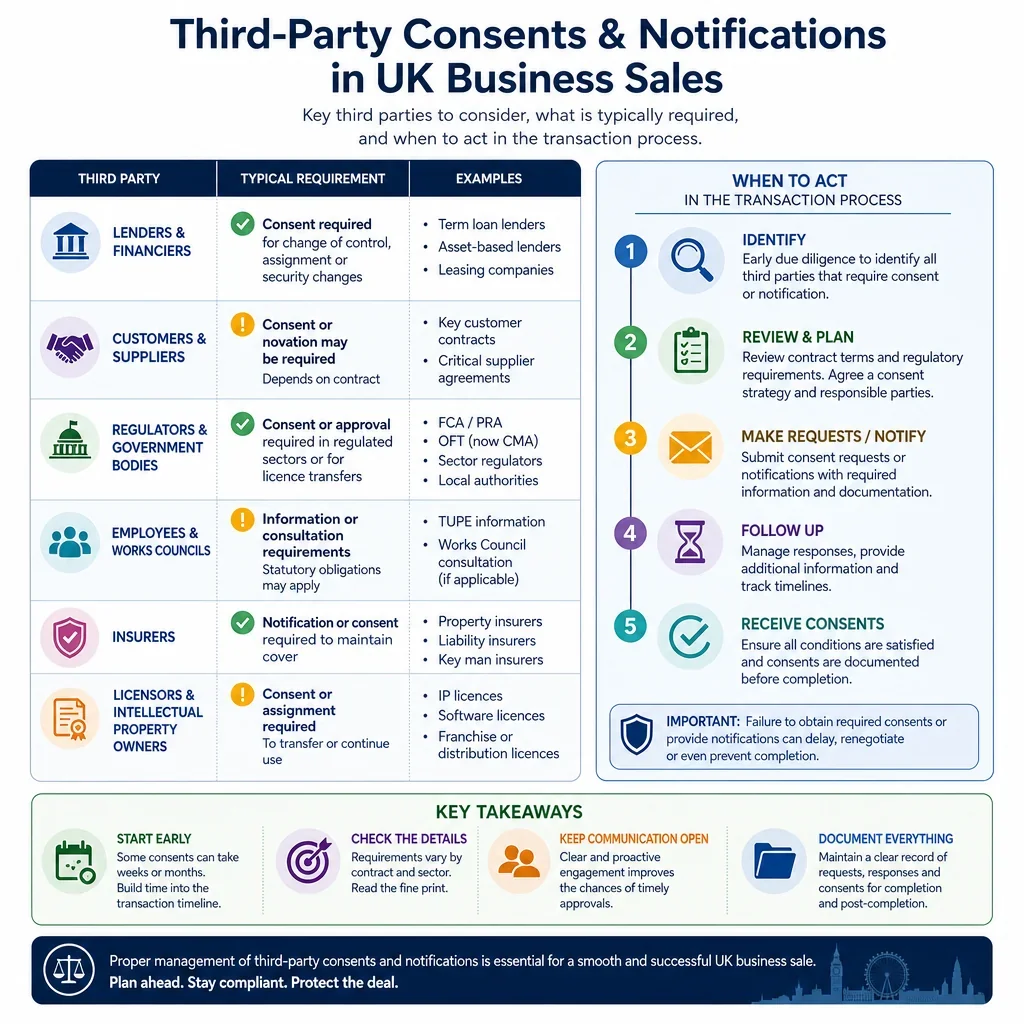
Many UK business sales depend on practical transfer issues. Customer and supplier contracts may need consent or novation. Employees may transfer automatically under TUPE. Business premises may require landlord consent, lease assignment or a new lease. If these points are missed, the buyer may not be able to operate the business after completion.
What Tax Issues Should Be Checked Before Signing?
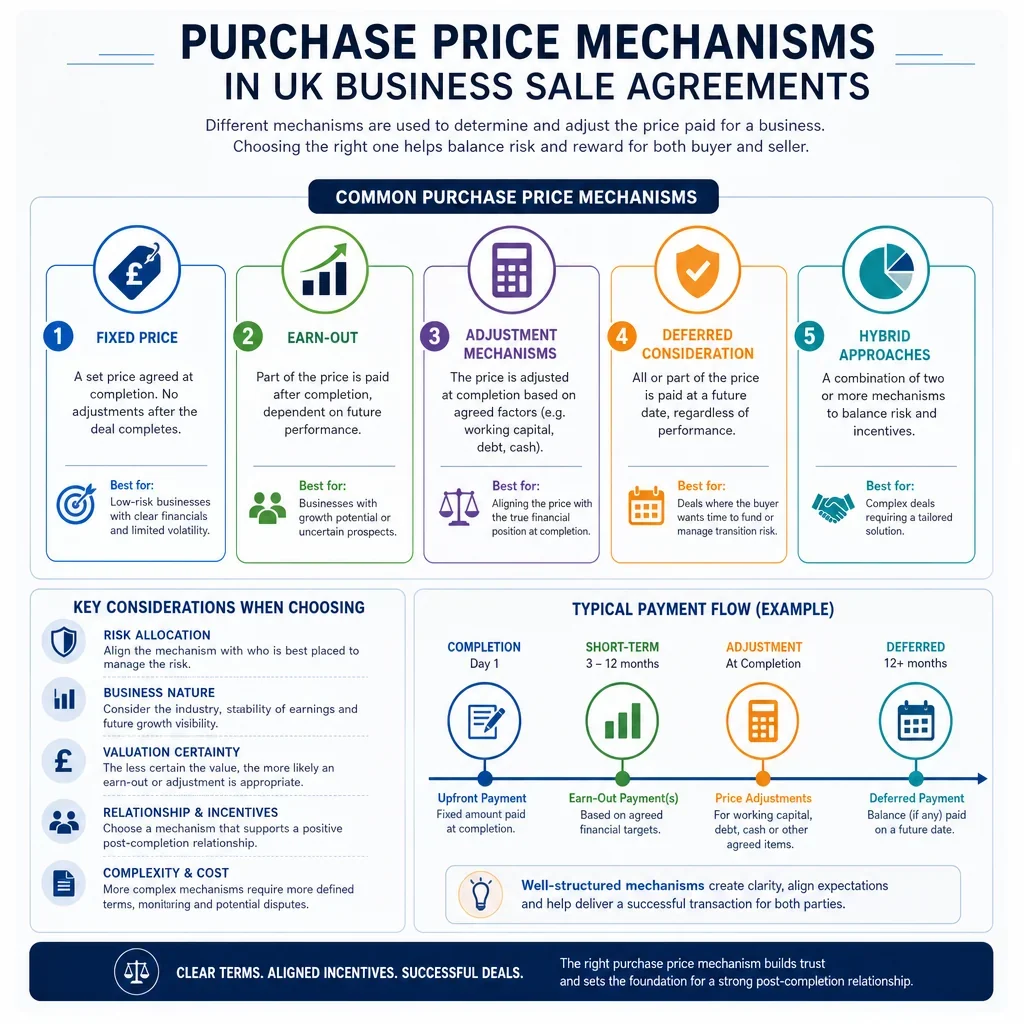
UK tax treatment can affect the price and the drafting of the agreement. An asset sale may qualify as a transfer of a going concern for VAT purposes, while a share sale may involve stamp duty for the buyer. Sellers should also consider capital gains tax, corporation tax and possible reliefs such as Business Asset Disposal Relief.
What Should A Good Business Sale Agreement Cover?
- Sale structure: asset sale, share sale, partial sale or investment.
- Assets and exclusions: goodwill, stock, equipment, intellectual property, data and premises.
- Liabilities: debts, tax, employees, warranty claims and indemnities.
- Conditions: landlord consent, contract novation, regulatory approval and finance release.
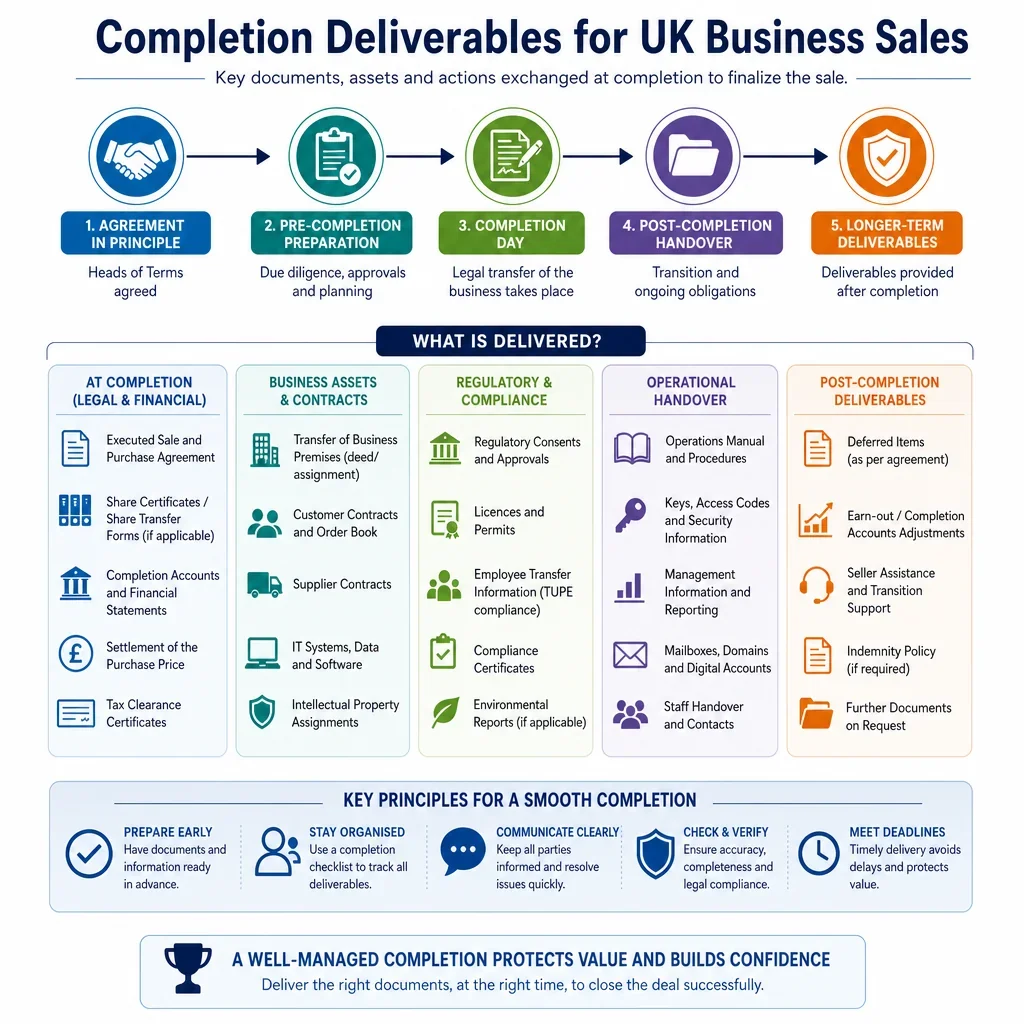
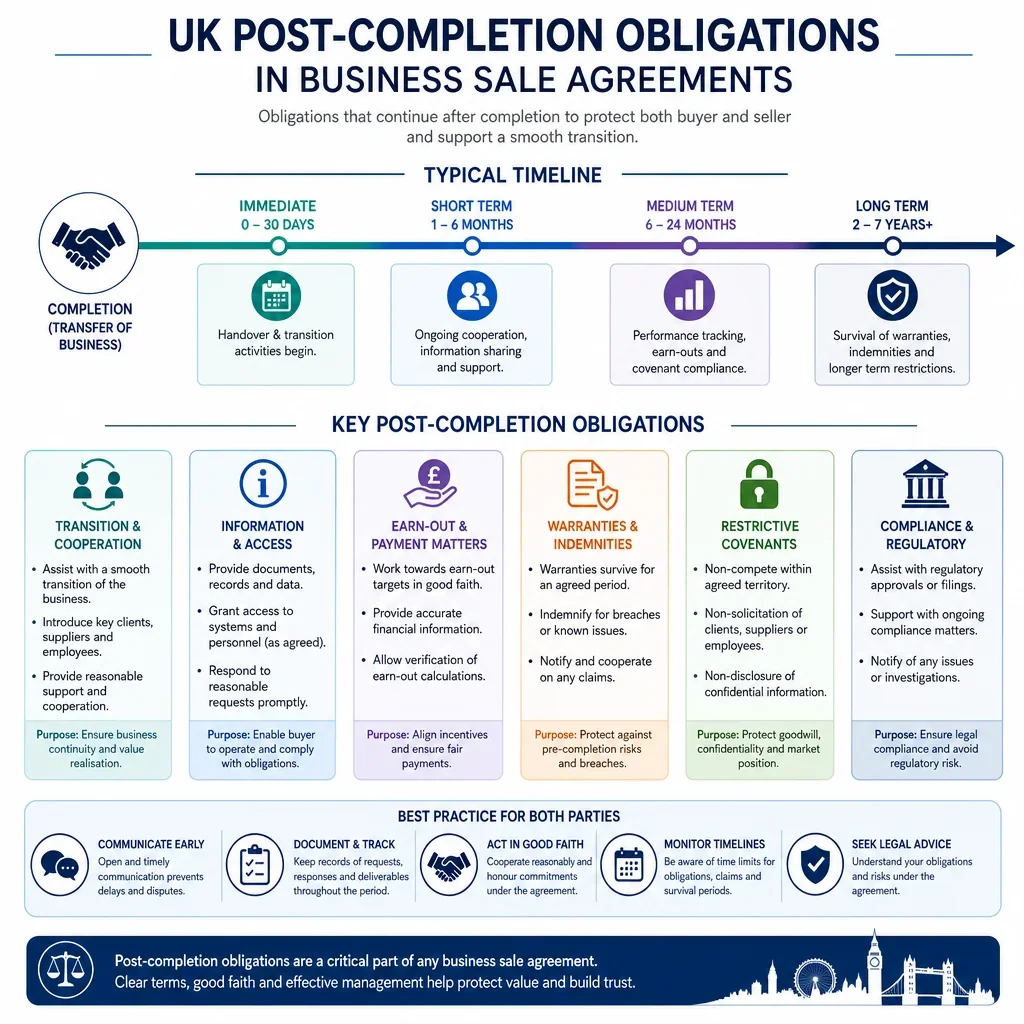
- Completion: payment, documents, filings, handover and post-completion support.
Getting the structure right helps ensure the business sale agreement reflects the commercial deal, reduces unexpected liabilities and gives both parties a clearer route to completion under UK law.
FAQs
You Might Also Be Interested In