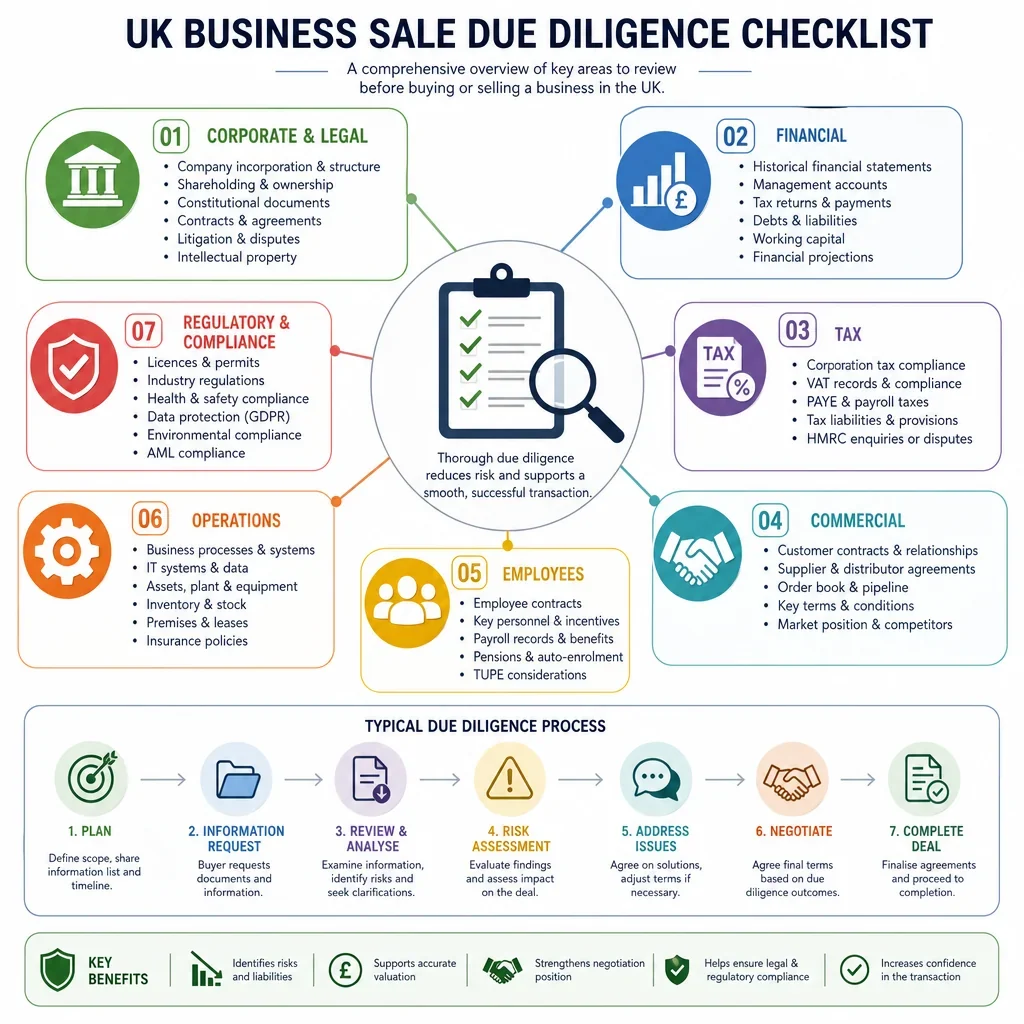
Business Sale Due Diligence Checklist Flowchart For The United Kingdom
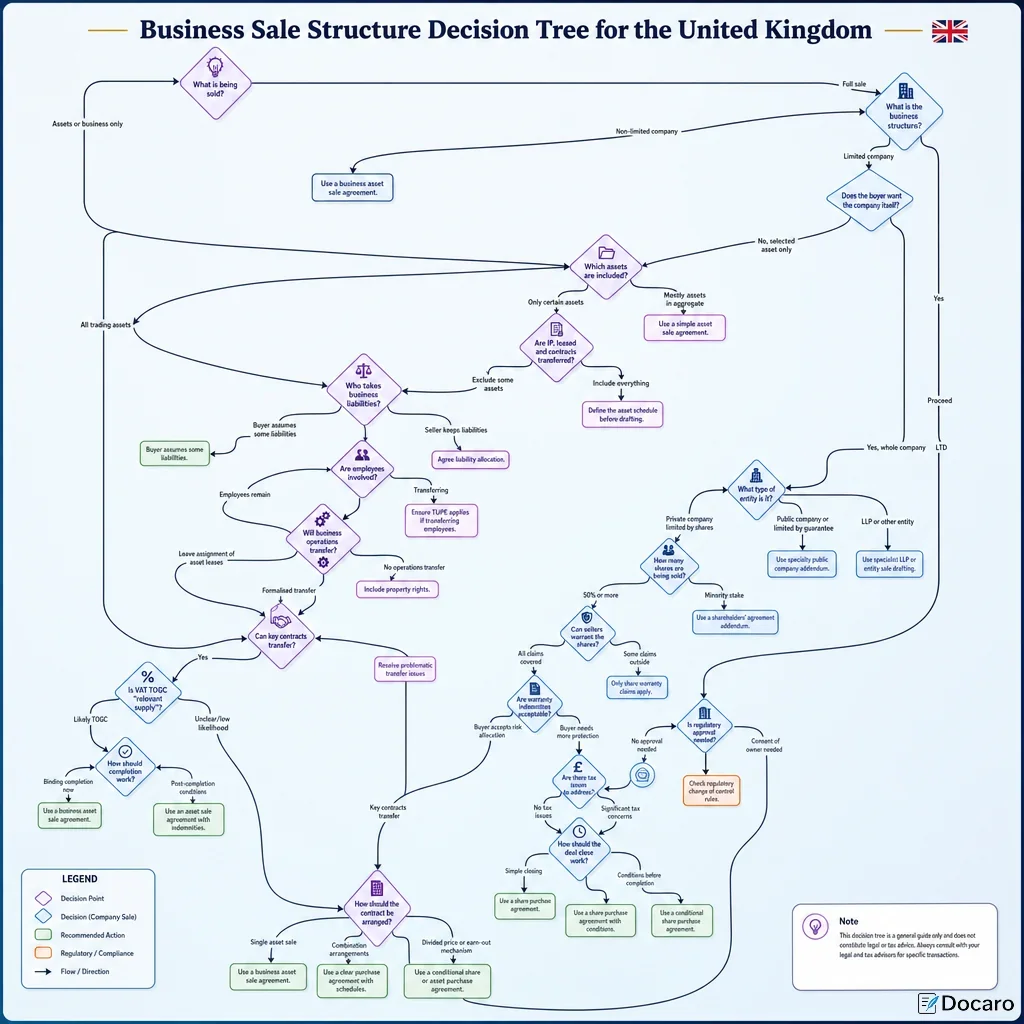
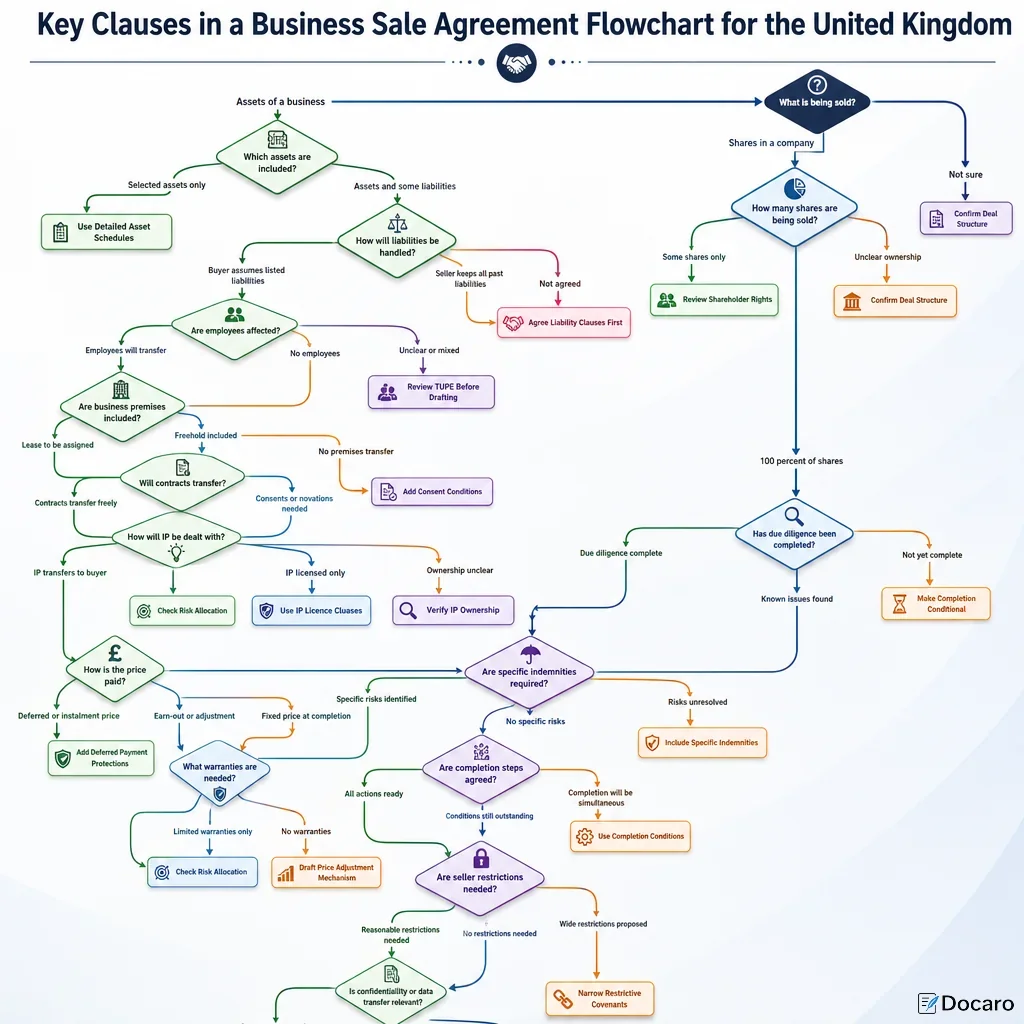
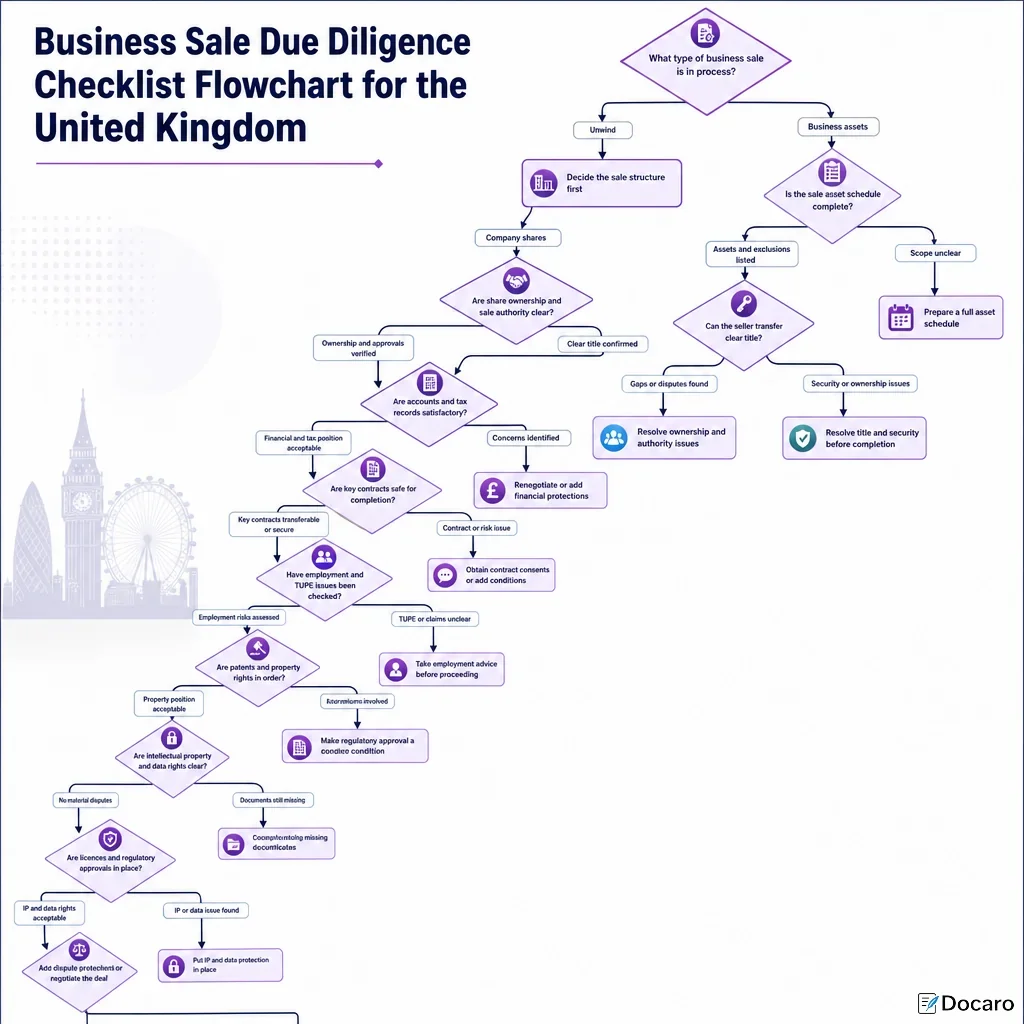
What type of business sale is proposed?
Why Is Business Sale Due Diligence Important In The UK?
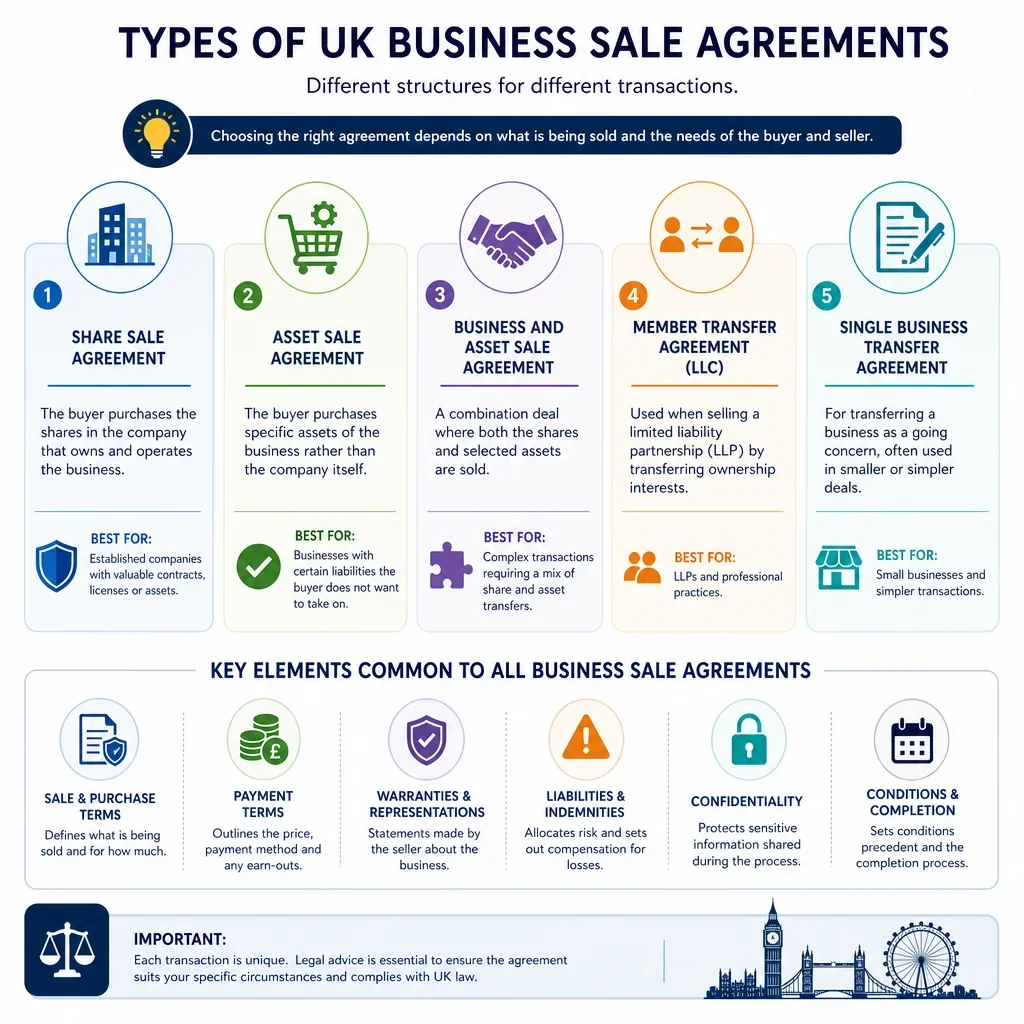
Business sale due diligence helps a buyer understand exactly what is being acquired and helps a seller prepare accurate disclosures. In the United Kingdom, the right checklist depends on whether the deal is a share sale or an asset sale, because liabilities, tax treatment, employee rights, property consents, and transfer documents can differ significantly.
What Can Go Wrong Without A Due Diligence Checklist?
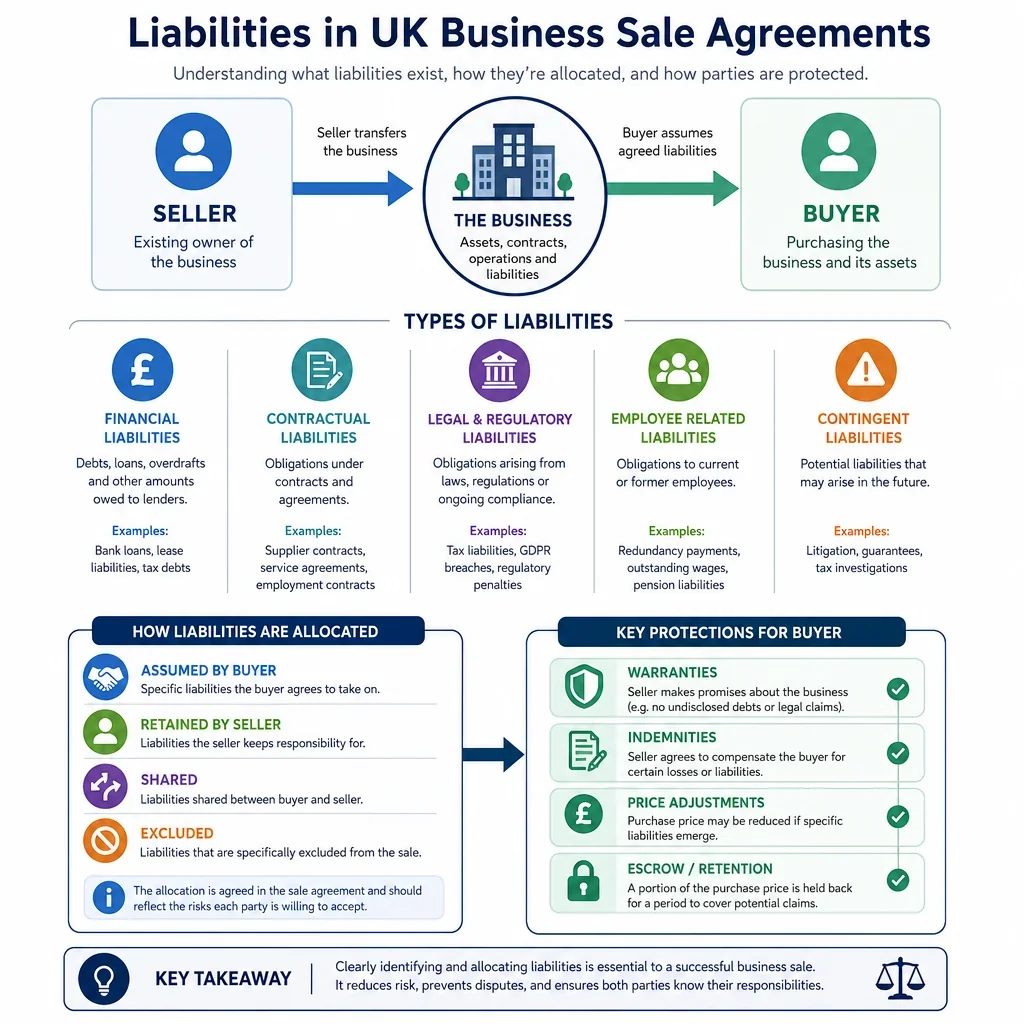
- Hidden liabilities: unpaid tax, employee claims, debts, litigation, or regulatory breaches may reduce the value of the business.
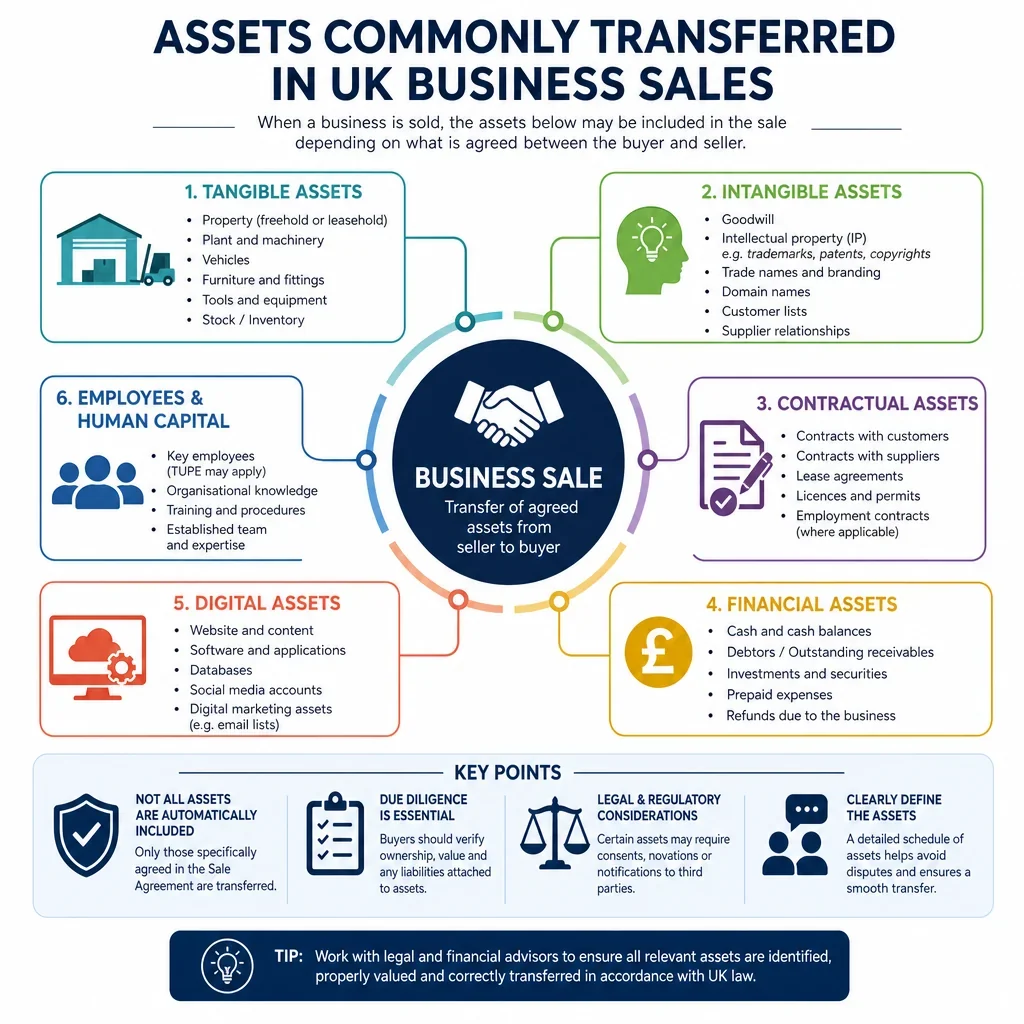
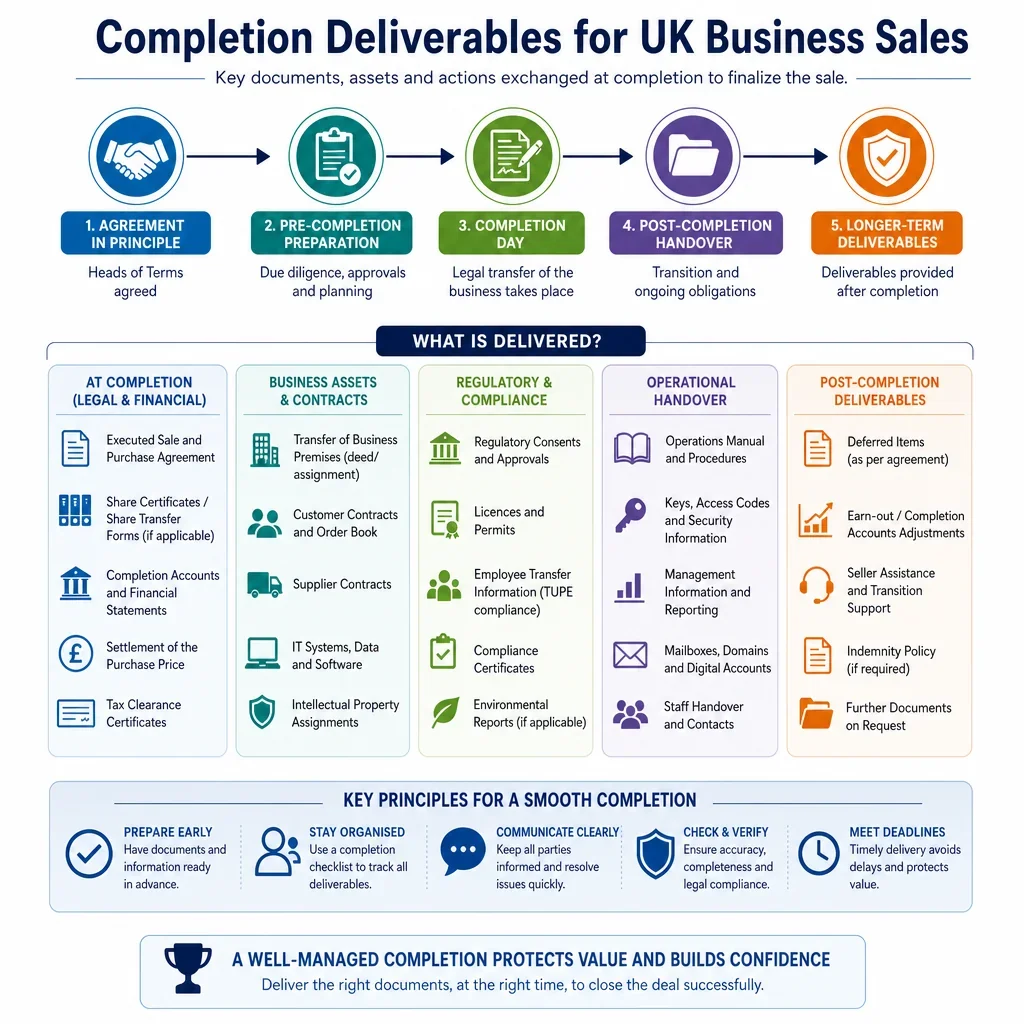
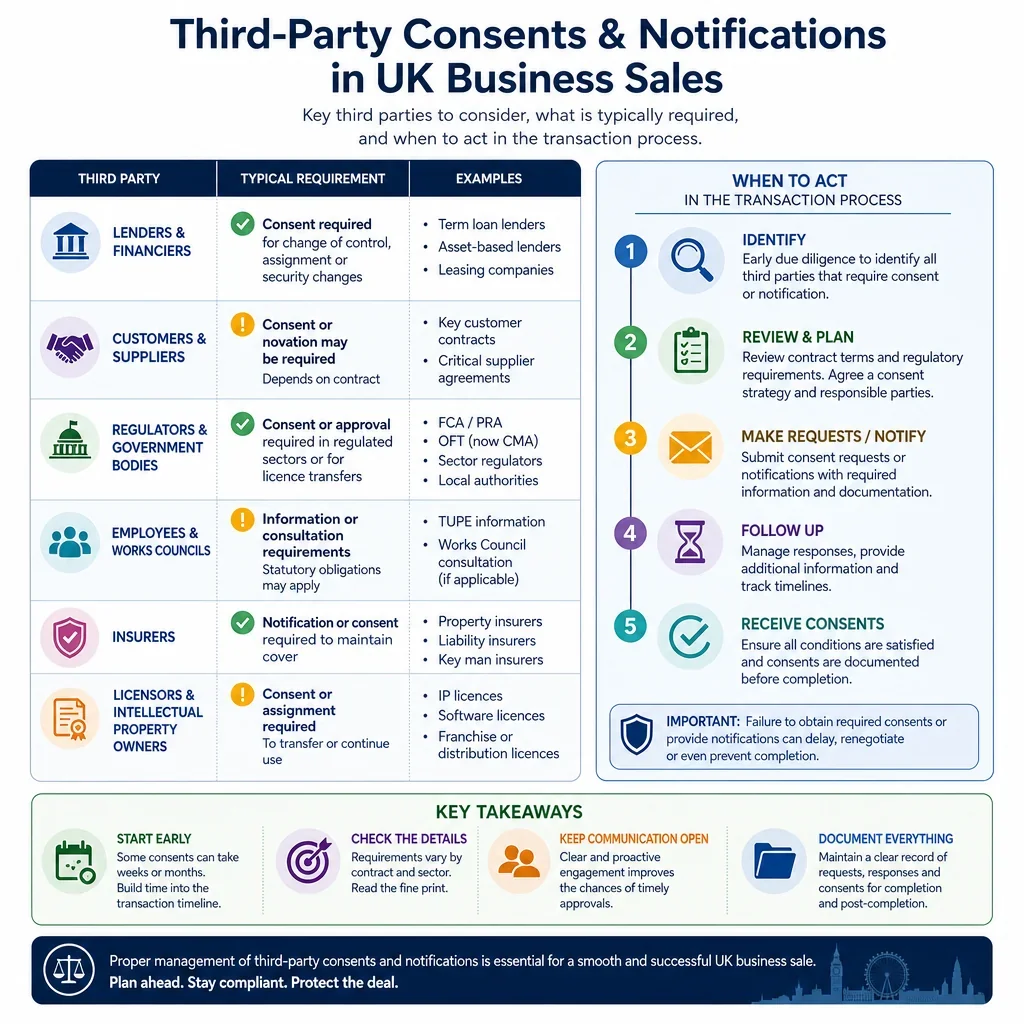
- Transfer problems: key contracts, leases, licences, intellectual property, or data may not transfer automatically.
- TUPE risk: employees may transfer automatically on an asset sale, creating consultation and liability issues.
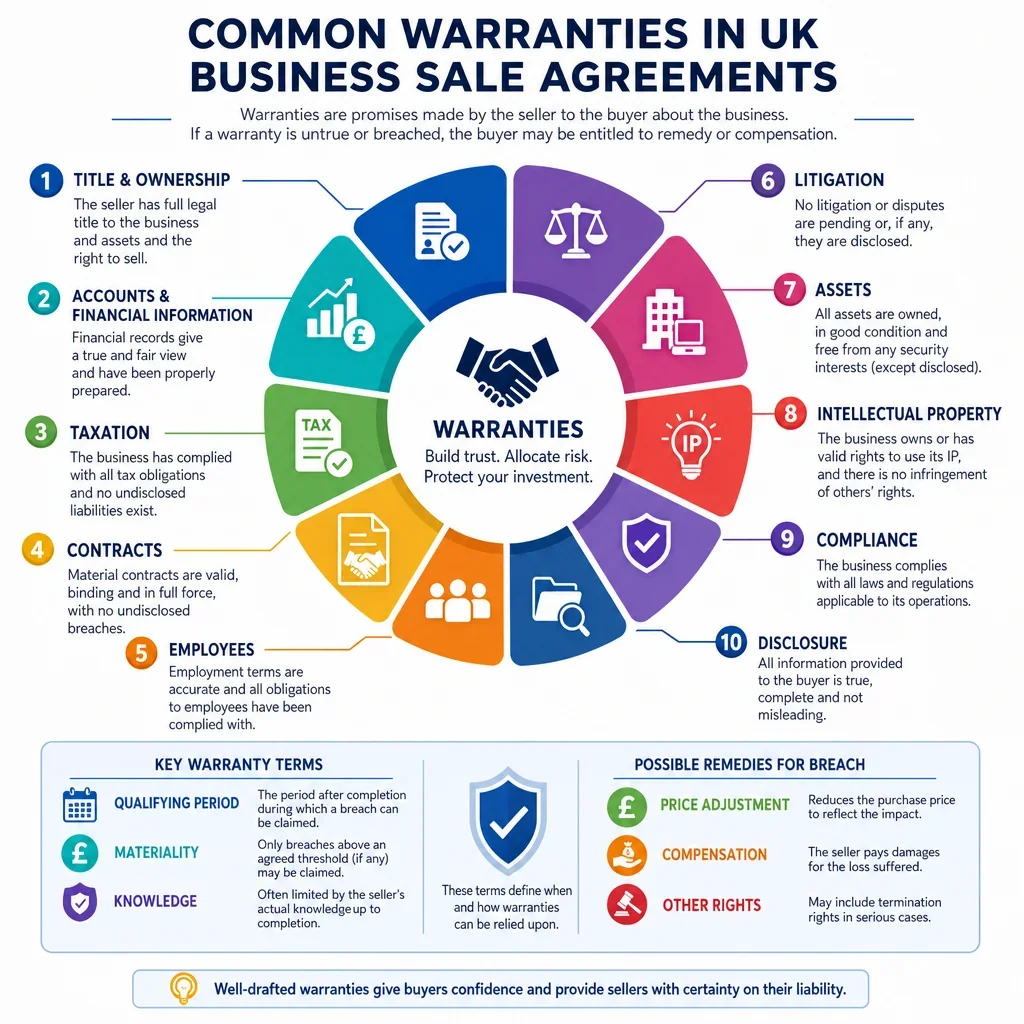
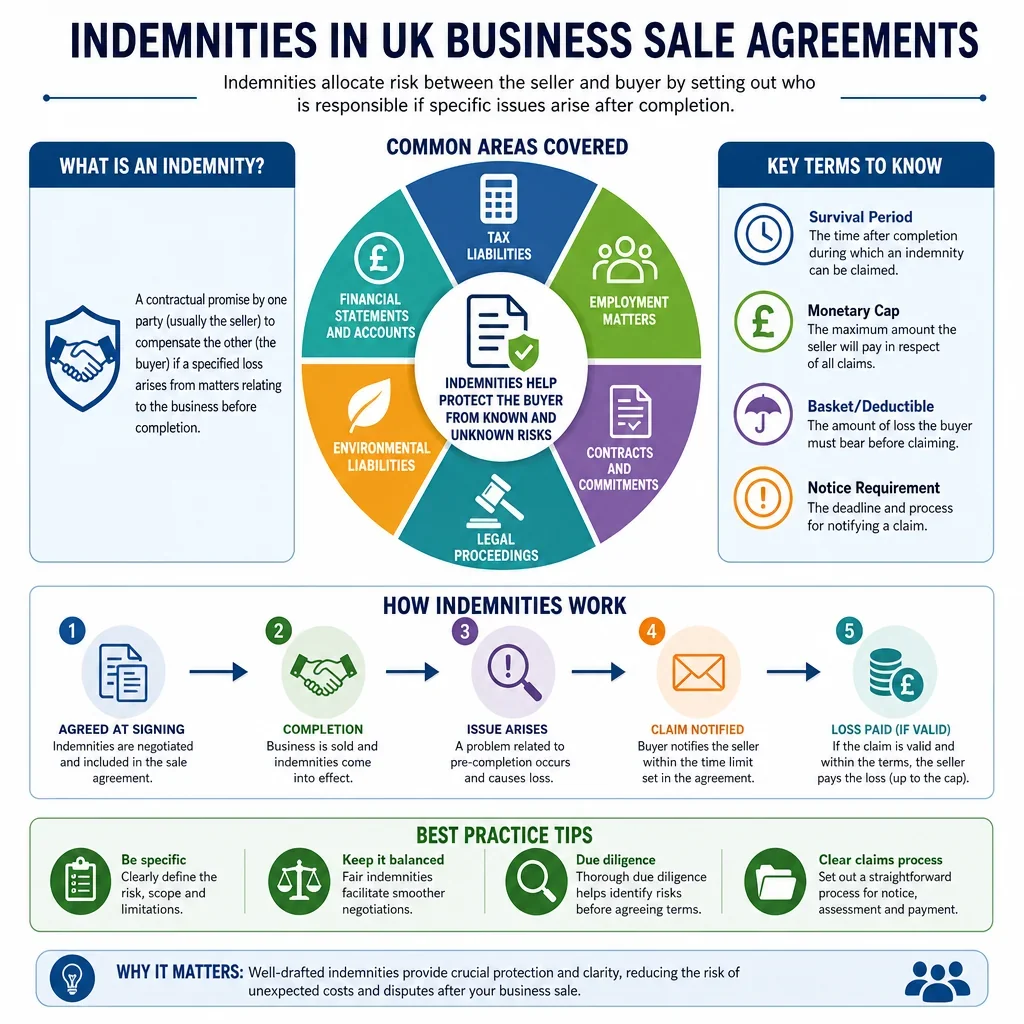
- Weak legal documents: missing due diligence can lead to inadequate warranties, indemnities, disclosures, and completion conditions.
How Does Due Diligence Improve A Business Sale Agreement?
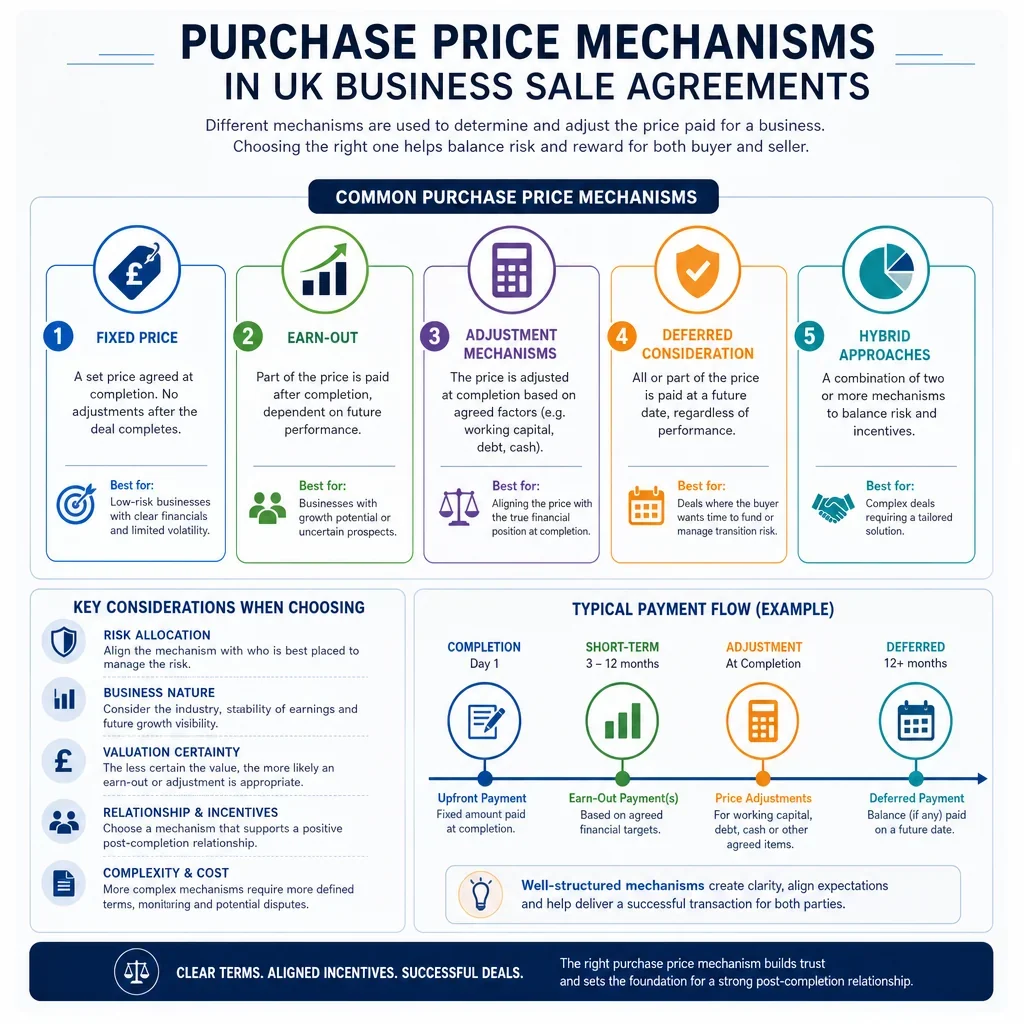
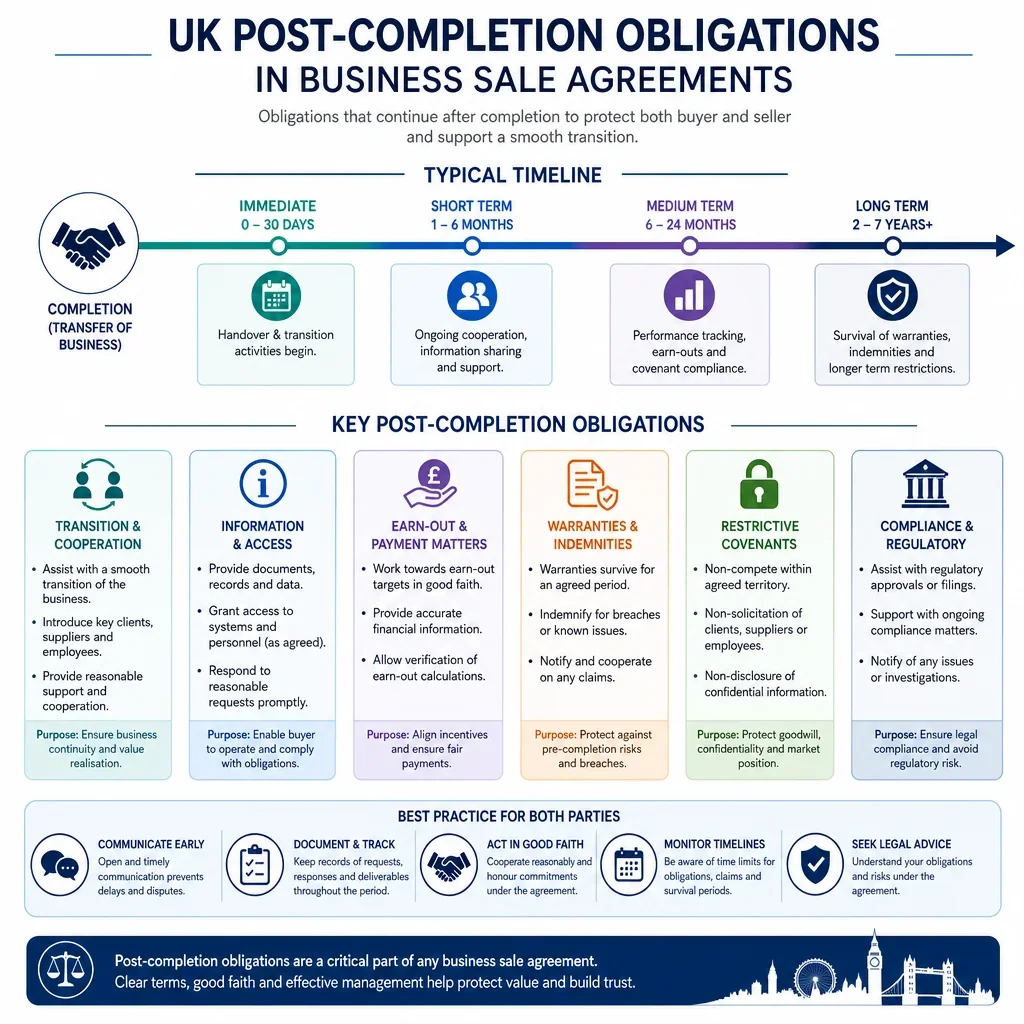
A properly completed checklist allows the business sale agreement to match the actual risk in the transaction. The parties can deal with consents, price adjustments, completion accounts, tax clauses, disclosure letters, indemnities, and post-completion obligations before signing.
When Should UK Buyers And Sellers Take Advice?
Legal, tax, accounting, employment, and regulatory advice should be considered where the sale involves complex assets, employees, premises, regulated activity, intellectual property, personal data, finance, or known disputes. Official guidance from GOV.UK, HMRC, Acas, the ICO, and Companies House can support the process, but transaction-specific advice is often needed.
FAQs
You Might Also Be Interested In