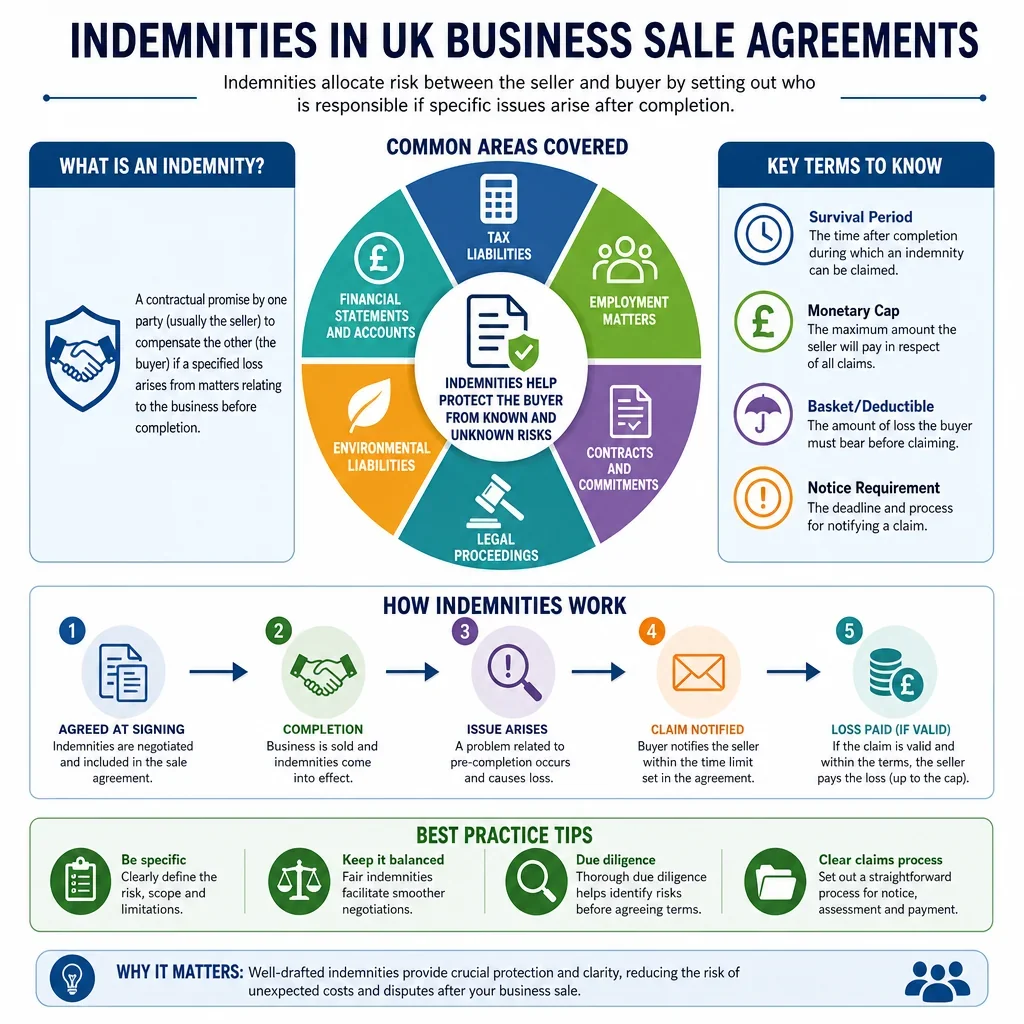
Indemnities In UK Business Sale Agreements
Covered Risk | Indemnity Provider | Typical Limitations | Frequency |
|---|---|---|---|
Pre-completion tax | |||
Tax liabilities arising before completion, including corporation tax, PAYE, VAT and interest. | Seller gives indemnity | Often separate cap time limit commonly 6-7 years excludes tax disclosed, provided for, or arising from buyer acts. | Very common |
VAT | |||
Historic VAT underpayments, incorrect VAT treatment, penalties and interest. | Seller gives indemnity | Tax cap and tax claim period excludes buyer-caused VAT changes after completion. | Common |
PAYE and NIC | |||
Unpaid PAYE income tax, employee NIC, employer NIC, penalties and interest. | Seller gives indemnity | Usually within tax covenant 6-7 year period excludes amounts already accrued in accounts. | Common |
IR35/off-payroll working | |||
Tax, NIC and penalties from misclassified contractors or personal service companies. | Seller gives indemnity | Often uncapped or tax-capped time limit aligned with tax claims may exclude disclosed contractors. | Common |
Pre-completion employment claims | |||
Claims by employees or workers arising from acts before completion. | Seller gives indemnity | Usually capped 6-24 month notice period excludes claims caused by buyer conduct after completion. | Very common |
TUPE employee transfer | |||
Employee liabilities transferring under TUPE, including failure to inform and consult. | Mutual indemnity | Seller covers pre-transfer liabilities buyer covers post-transfer liabilities consultation claims often specifically addressed. | Very common |
Redundancy costs | |||
Statutory and contractual redundancy payments linked to pre-completion decisions or restructuring. | Seller gives indemnity | Usually limited to identified employees and specified redundancy plan short claim period. | Occasional |
Unpaid wages and benefits | |||
Accrued salary, holiday pay, commission, bonuses, pensions or benefits due before completion. | Seller gives indemnity | Often deducted from price or capped at undisclosed amounts excludes liabilities in completion accounts. | Common |
Pension liabilities | |||
Unpaid pension contributions, auto-enrolment failures, scheme deficits and regulatory penalties. | Seller gives indemnity | Often separate cap longer claim period may exclude disclosed scheme deficits priced into deal. | Common |
Data protection breach | |||
ICO fines, claims, remediation costs and losses from pre-completion UK GDPR or Data Protection Act breaches. | Seller gives indemnity | Separate cap excludes buyer misuse after completion notice and mitigation obligations. | Common |
Cyber incident | |||
Losses from malware, ransomware, unauthorised access or compromised systems before completion. | Seller gives indemnity | Often capped excludes inadequate buyer security after completion insurance recovery credited. | Occasional |
Environmental contamination | |||
Clean-up costs, regulatory notices and third-party claims for historic contamination. | Seller gives indemnity | Often site-specific separate cap long survival excludes contamination caused by buyer after completion. | Occasional |
Asbestos or hazardous materials | |||
Survey, removal, management, fines and injury claims relating to asbestos or hazardous materials. | Seller gives indemnity | Usually limited to identified premises and pre-completion conditions excludes buyer disturbance works. | Occasional |
Health and safety breach | |||
Fines, investigation costs and injury claims from pre-completion workplace safety breaches. | Seller gives indemnity | May exclude non-indemnifiable criminal fines capped for civil claims prompt notice required. | Occasional |
Product liability | |||
Claims, recalls and losses from defective products supplied before completion. | Seller gives indemnity | Often capped excludes buyer modifications or post-completion products insurance recoveries credited. | Occasional |
Product recall | |||
Recall, replacement, notification, logistics and customer compensation costs for pre-completion products. | Seller gives indemnity | Usually limited to specified product lines or batches conduct of recall procedure required. | Occasional |
Existing litigation | |||
Damages, settlement, costs and expenses from identified claims or disputes. | Seller gives indemnity | Often pound-for-pound for named matters settlement requires seller consent excludes buyer admission of liability. | Common |
Threatened claims | |||
Losses from claims threatened before completion but not yet issued. | Seller gives indemnity | Usually limited to disclosed threats capped notice period 12-24 months. | Occasional |
Undisclosed trade creditors | |||
Supplier debts, invoices or liabilities not shown in completion accounts or disclosed records. | Seller gives indemnity | Usually capped at undisclosed amount excludes liabilities reflected in price adjustment. | Common |
Borrowing and debt | |||
Bank debt, loans, overdrafts, guarantees or finance leases not discharged at completion. | Seller gives indemnity | Often uncapped for specified debt completion discharge evidence required. | Very common |
Seller personal guarantee release | |||
Liability under seller or director guarantees continuing after completion. | Buyer gives indemnity | Usually limited to guaranteed obligations after completion ends on formal release or replacement guarantee. | Common |
Buyer payment default | |||
Losses from buyer failing to pay deferred consideration, completion monies or assumed liabilities. | Buyer gives indemnity | Usually tied to unpaid amount plus interest and enforcement costs may be secured by guarantee or charge. | Common |
Lease liabilities | |||
Rent, service charge, dilapidations or covenant breaches relating to leased premises. | Mutual indemnity | Seller covers pre-completion period buyer covers post-completion period excludes amounts apportioned at completion. | Common |
Dilapidations | |||
Repair, reinstatement or terminal schedule claims for disrepair at leased premises. | Seller gives indemnity | Often limited to pre-completion disrepair survey evidence excludes buyer alterations. | Occasional |
Business rates | |||
Unpaid non-domestic rates, penalties and interest for premises before completion. | Seller gives indemnity | Usually apportioned at completion excludes rates accruing after completion. | Common |
Planning/building control breach | |||
Enforcement action, remediation costs or use restrictions from pre-completion planning breaches. | Seller gives indemnity | Often property-specific excludes buyer development or change of use after completion. | Occasional |
IP infringement | |||
Claims that pre-completion products, software, branding or content infringe third-party IP rights. | Seller gives indemnity | Often capped excludes buyer modifications or use outside agreed field conduct of defence required. | Common |
Open-source software | |||
Losses from non-compliant use of open-source code in target software. | Seller gives indemnity | Typically limited to identified software excludes buyer-added code remediation procedure included. | Occasional |
Defective title to assets | |||
Losses where assets sold are not owned, are encumbered, or cannot be transferred. | Seller gives indemnity | Often fundamental and uncapped or high cap survives longer than ordinary warranties. | Very common |
Undischarged security | |||
Losses from charges, liens, retention of title or security interests not released at completion. | Seller gives indemnity | Often uncapped for specified encumbrances release documents required excludes disclosed permitted security. | Common |
Customer claims | |||
Refunds, complaints, warranty claims or service credits for pre-completion goods or services. | Seller gives indemnity | Usually limited to pre-completion sales excludes goodwill gestures approved by buyer only. | Common |
Supplier disputes | |||
Claims, termination fees or disputed invoices arising from seller-period supplier contracts. | Seller gives indemnity | Often limited to named suppliers or disclosed disputes capped settlement consent required. | Occasional |
Change of control consent | |||
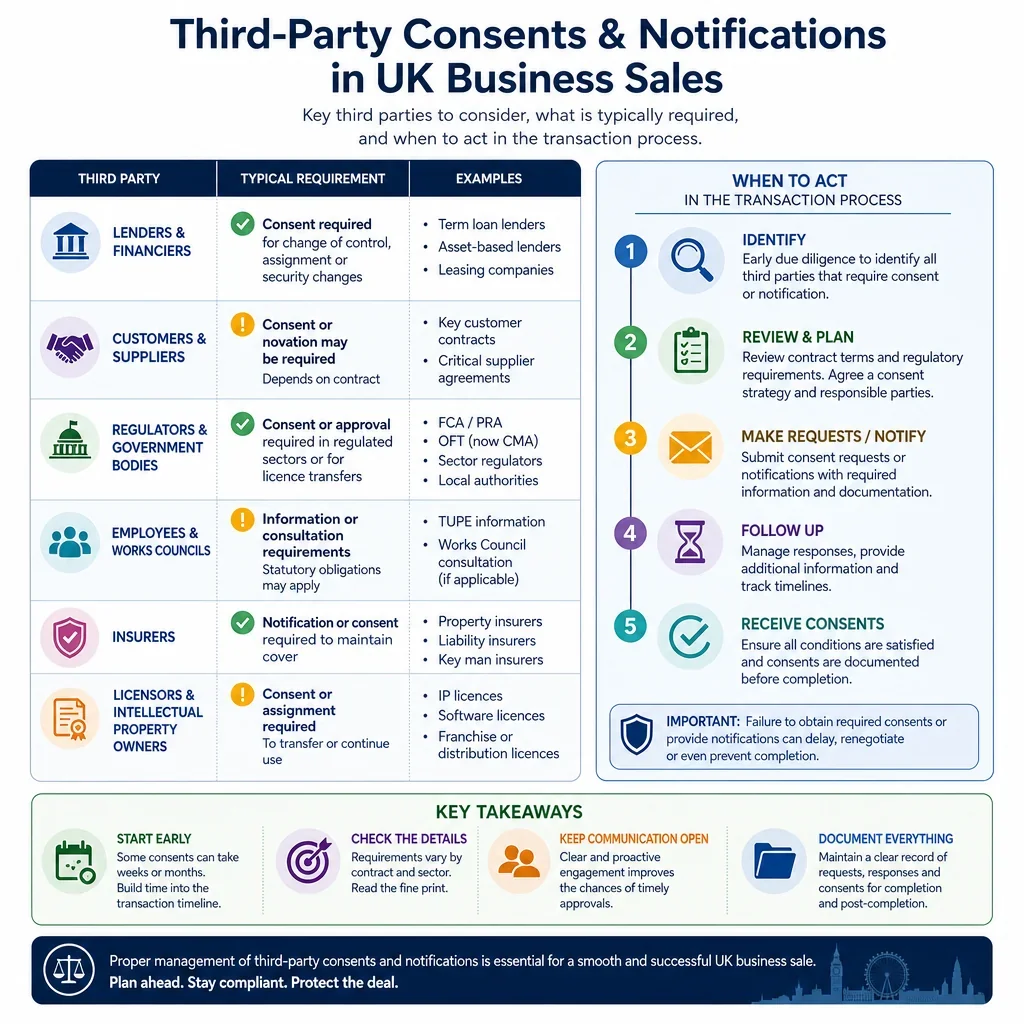
Losses from termination, penalties or lost contracts where required consent was not obtained. | Seller gives indemnity | Usually limited to identified contracts may exclude buyer failure to cooperate in consent process. | Common |
Licences and permits | |||
Fines, closure costs or losses from missing, invalid or non-transferable operational licences. | Seller gives indemnity | Usually limited to required licences disclosed in due diligence excludes buyer failure to apply post-completion. | Occasional |
Regulatory investigation | |||
Investigation costs, penalties or remediation from pre-completion regulatory non-compliance. | Seller gives indemnity | Often separate cap excludes penalties legally unrecoverable by indemnity conduct rights heavily negotiated. | Occasional |
Bribery and corruption | |||
Losses, investigations and penalties from pre-completion bribery, facilitation payments or corrupt practices. | Seller gives indemnity | Often separate cap or uncapped for fraud excludes buyer continuation of unlawful conduct. | Occasional |
Sanctions breach | |||
Fines, blocked payments or contract losses from pre-completion sanctions violations. | Seller gives indemnity | Often uncapped for unlawful conduct excludes buyer dealings with sanctioned parties after completion. | Occasional |
Competition law breach | |||
Fines, damages actions and investigation costs from pre-completion anti-competitive conduct. | Seller gives indemnity | Often separate cap excludes buyer participation after completion conduct of defence provisions critical. | Occasional |
Consumer law breach | |||
Refunds, enforcement, damages or complaints from pre-completion consumer law non-compliance. | Seller gives indemnity | Usually capped limited to pre-completion sales excludes buyer-changed terms or practices. | Occasional |
Bad debt/receivables | |||
Shortfall where stated receivables are uncollectable or disputed after completion. | Seller gives indemnity | Often limited to aged debt schedule buyer must use reasonable collection efforts excludes credit notes agreed by buyer. | Common |
Defective or obsolete stock | |||
Losses from unsaleable, obsolete, damaged or overvalued inventory included in the sale. | Seller gives indemnity | Usually limited to completion stock count excludes deterioration after completion price adjustment alternative common. | Common |
Plant and equipment defects | |||
Repair or replacement costs for machinery defects existing at completion. | Seller gives indemnity | Usually capped excludes fair wear and tear short inspection or claim period. | Occasional |
Insurance gaps | |||
Losses from pre-completion events not covered due to lapsed, invalid or inadequate insurance. | Seller gives indemnity | Usually limited to disclosed policies and known events credit for insurance proceeds. | Occasional |
Run-off insurance premiums | |||
Cost of run-off cover for pre-completion professional, product or cyber liabilities. | Mutual indemnity | Often shared or priced into deal limited to agreed policy, premium and duration. | Occasional |
Locked-box leakage | |||
Value leakage to seller or connected persons between locked-box date and completion. | Seller gives indemnity | Usually pound-for-pound excludes permitted leakage claim period often 6-12 months. | Common |
Completion accounts adjustment | |||
Losses from misstated cash, debt, working capital or net assets at completion. | Mutual indemnity | Usually governed by accounting dispute procedure exclusions for double recovery. | Very common |
Earn-out manipulation | |||
Losses from actions that unfairly reduce or inflate earn-out consideration. | Mutual indemnity | Usually tied to agreed earn-out formula causation and accounting rules specified. | Occasional |
Non-assigned contracts | |||
Losses where business contracts cannot be assigned or novated to buyer. | Seller gives indemnity | Usually limited to specified contracts buyer must seek consent or replacement contract. | Common |
Contractual breach | |||
Claims or losses arising from breaches of customer, supplier or finance contracts before completion. | Seller gives indemnity | Often limited to material or disclosed contracts capped excludes buyer breach after completion. | Common |
Tax gross-up on indemnity payments | |||
Recipient being taxed on indemnity payment so recovery is reduced. | Mutual indemnity | Usually applies only if payment is taxable excludes tax from recipient’s voluntary act. | Common |
Right to work breach | |||
Civil penalties, claims and disruption from employing workers without right to work before completion. | Seller gives indemnity | Usually capped limited to pre-completion workers excludes buyer failure to re-check after completion. | Occasional |
National Minimum Wage arrears | |||
Wage arrears, penalties and reputational consequences from historic underpayment. | Seller gives indemnity | Often tax/employment cap excludes post-completion pay practices introduced by buyer. | Occasional |
Holiday pay arrears | |||
Historic unpaid or miscalculated holiday pay and associated employee claims. | Seller gives indemnity | Usually limited to pre-completion arrears excludes amounts accrued in accounts or apportioned at completion. | Common |
Discrimination claims | |||
Employee, worker or customer discrimination claims arising before completion. | Seller gives indemnity | Usually capped claim notice period often 6-24 months excludes buyer post-completion acts. | Occasional |
Shareholder or director claims | |||
Claims by former shareholders, directors or officers relating to pre-completion conduct or entitlements. | Seller gives indemnity | Often uncapped for seller-connected claims excludes claims caused by buyer after completion. | Occasional |
Companies House filing default | |||
Penalties or remediation costs for late, incorrect or missing statutory company filings before completion. | Seller gives indemnity | Usually capped limited to pre-completion filings excludes buyer failure to file after completion. | Occasional |
Insolvency challenge | |||
Claims that pre-completion transactions were preferences, undervalue transactions or unlawful distributions. | Seller gives indemnity | Often separate cap long enough to cover insolvency challenge periods excludes buyer insolvency caused post-completion. | Occasional |
Unlawful dividends/distributions | |||
Repayment, tax or claims arising from unlawful pre-completion dividends or distributions. | Seller gives indemnity | Usually uncapped for seller benefit excludes permitted leakage and disclosed distributions. | Occasional |
Connected-party liabilities | |||
Amounts owed to or claims by sellers, directors, group companies or connected persons. | Seller gives indemnity | Often uncapped for undisclosed connected-party claims excludes amounts expressly retained or priced. | Common |
Transaction adviser fees | |||
Broker, finder, accountant, solicitor or corporate finance fees incurred by seller side. | Mutual indemnity | Each party covers its own advisers usually uncapped for unauthorised broker claims. | Very common |
Confidentiality breach | |||
Losses from unauthorised disclosure or misuse of confidential business information. | Mutual indemnity | Often uncapped or higher cap excludes information public or lawfully received independently. | Common |
Restrictive covenant breach | |||
Losses from breach of non-compete, non-solicit or non-dealing obligations after completion. | Seller gives indemnity | Must be reasonable to be enforceable often injunctive relief plus uncapped losses for breach. | Common |
Transitional services | |||
Losses from failures in agreed post-completion IT, payroll, accounting or operational support. | Mutual indemnity | Usually capped at fees or agreed amount excludes indirect losses service standards specified. | Occasional |
Post-completion trading liabilities | |||
Liabilities arising from buyer’s operation of the business after completion. | Buyer gives indemnity | Usually limited to post-completion period excludes seller fraud or pre-completion matters. | Very common |
Assumed liabilities | |||
Buyer’s agreed responsibility for specified liabilities transferred with an asset sale. | Buyer gives indemnity | Limited to expressly assumed liabilities excludes excluded liabilities and seller-period obligations. | Very common |
Excluded liabilities | |||
Seller’s retained liabilities not taken over by buyer in an asset sale. | Seller gives indemnity | Usually broad and uncapped or high cap expressly excludes liabilities assumed by buyer. | Very common |
Unauthorised cash extraction | |||
Cash, assets or value removed from target without buyer approval before completion. | Seller gives indemnity | Often pound-for-pound excludes agreed dividends, salaries or permitted payments. | Common |
Fraud or deliberate concealment | |||
Losses caused by fraudulent statements, concealment or dishonest conduct by seller side. | Seller gives indemnity | Usually not subject to contractual caps or disclosure limits limitation exclusions may be unenforceable for fraud. | Common |
Buyer misrepresentation | |||
Seller losses from buyer statements about funding, authority, approvals or intentions being false. | Buyer gives indemnity | Usually capped except fraud claim period tied to contractual limitation provisions. | Occasional |
Authority and capacity | |||
Losses if a party lacks power, authority or approval to enter or complete the sale. | Mutual indemnity | Often fundamental higher cap or uncapped fraud and wilful breach excluded from limits. | Common |
Third-party claim costs | |||
Legal costs, expert fees and expenses incurred defending indemnified third-party claims. | Mutual indemnity | Usually recoverable if reasonable conduct and settlement control provisions apply. | Very common |
Tax clearance failure | |||
Tax cost arising because expected HMRC clearance or treatment is unavailable. | Seller gives indemnity | Usually limited to named transaction step excludes buyer deviation from clearance facts. | Occasional |
Stamp duty or SDLT | |||
Stamp duty, SDLT, penalties or interest payable on share or property transfer documents. | Buyer gives indemnity | Buyer usually pays transaction stamp taxes excludes seller-caused historic tax liabilities. | Common |
Share option or EMI liabilities | |||
Tax, NIC, claims or dilution from employee share options or incentive schemes. | Seller gives indemnity | Usually limited to pre-completion awards tax claim period excludes buyer-created incentive changes. | Occasional |
What Indemnities Are Most Important In A UK Business Sale Agreement?
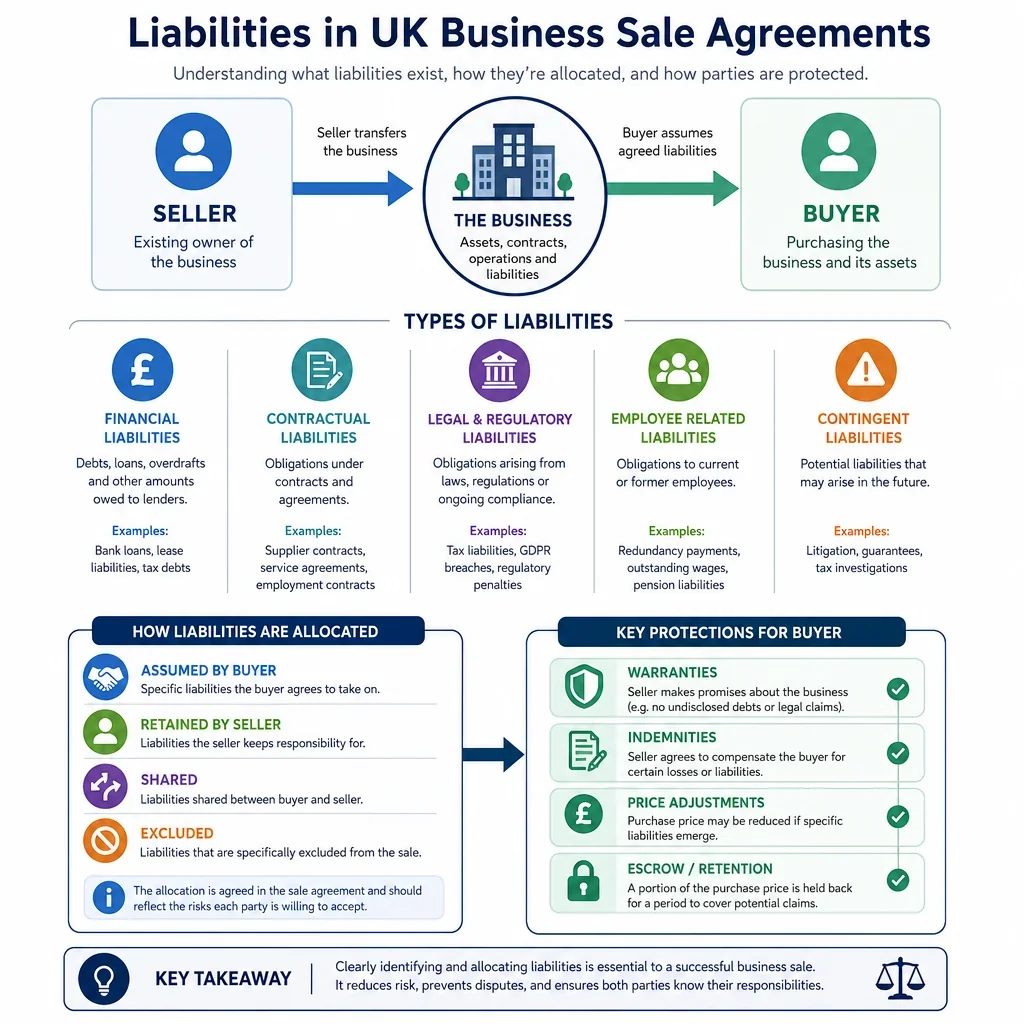
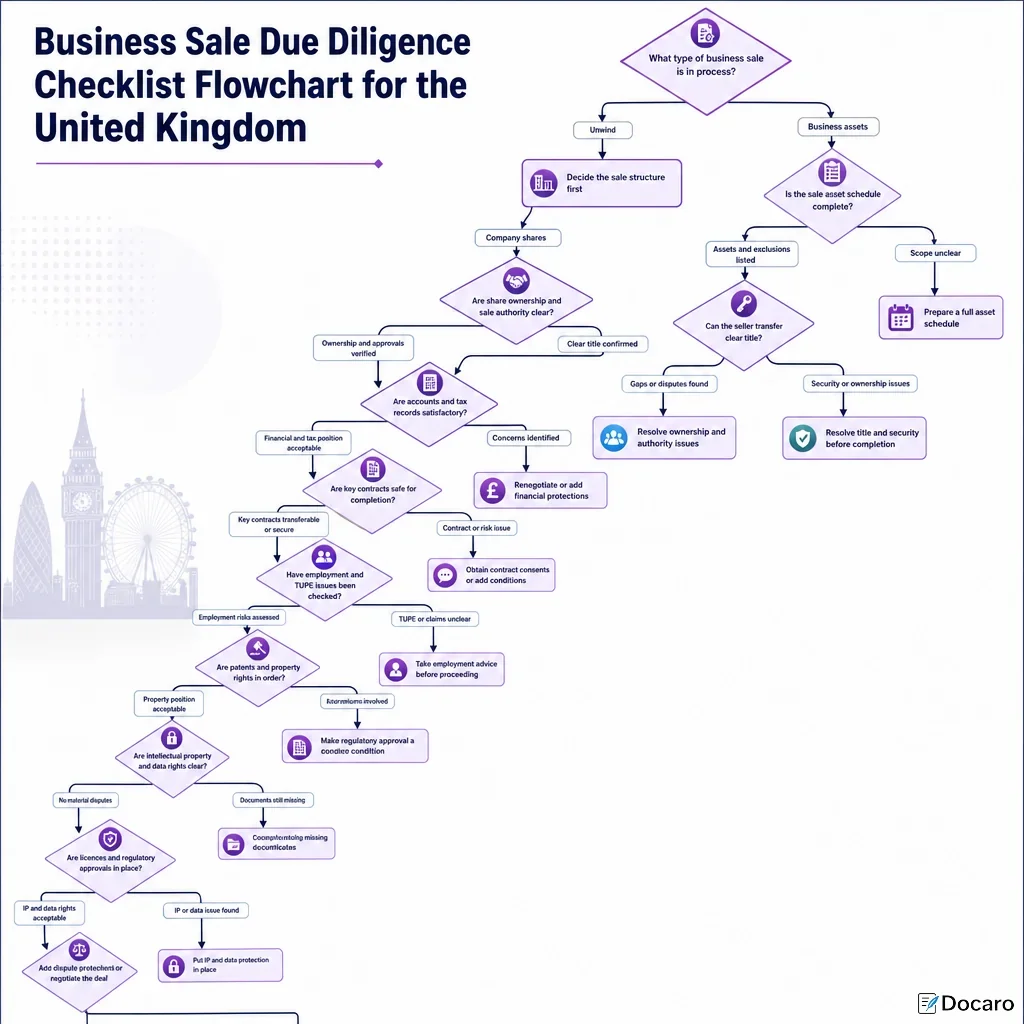
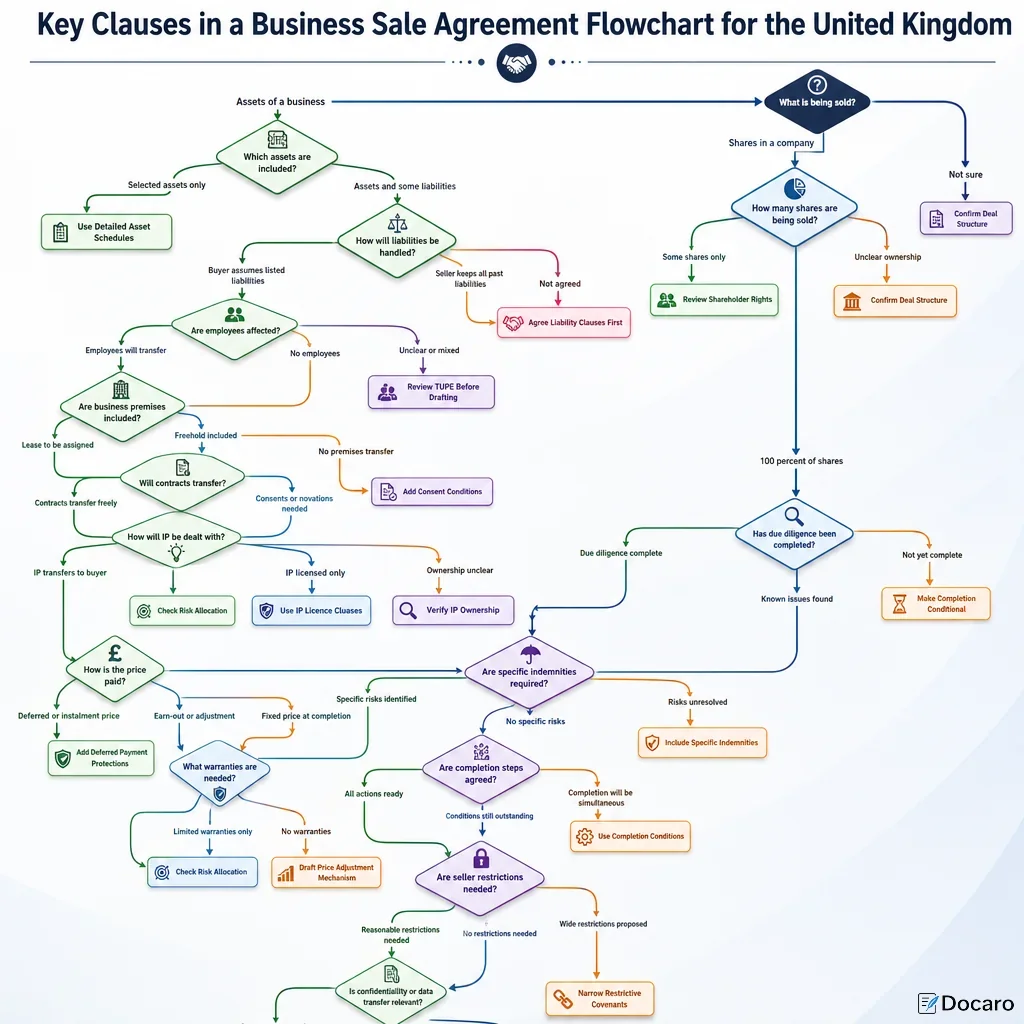
Tax, employment, data protection, environmental, property, litigation and debt indemnities are among the most negotiated indemnities in UK business sales because they allocate specific known or high-impact risks that may not be adequately covered by general warranties.
Who Usually Gives Indemnities In A UK Business Sale?
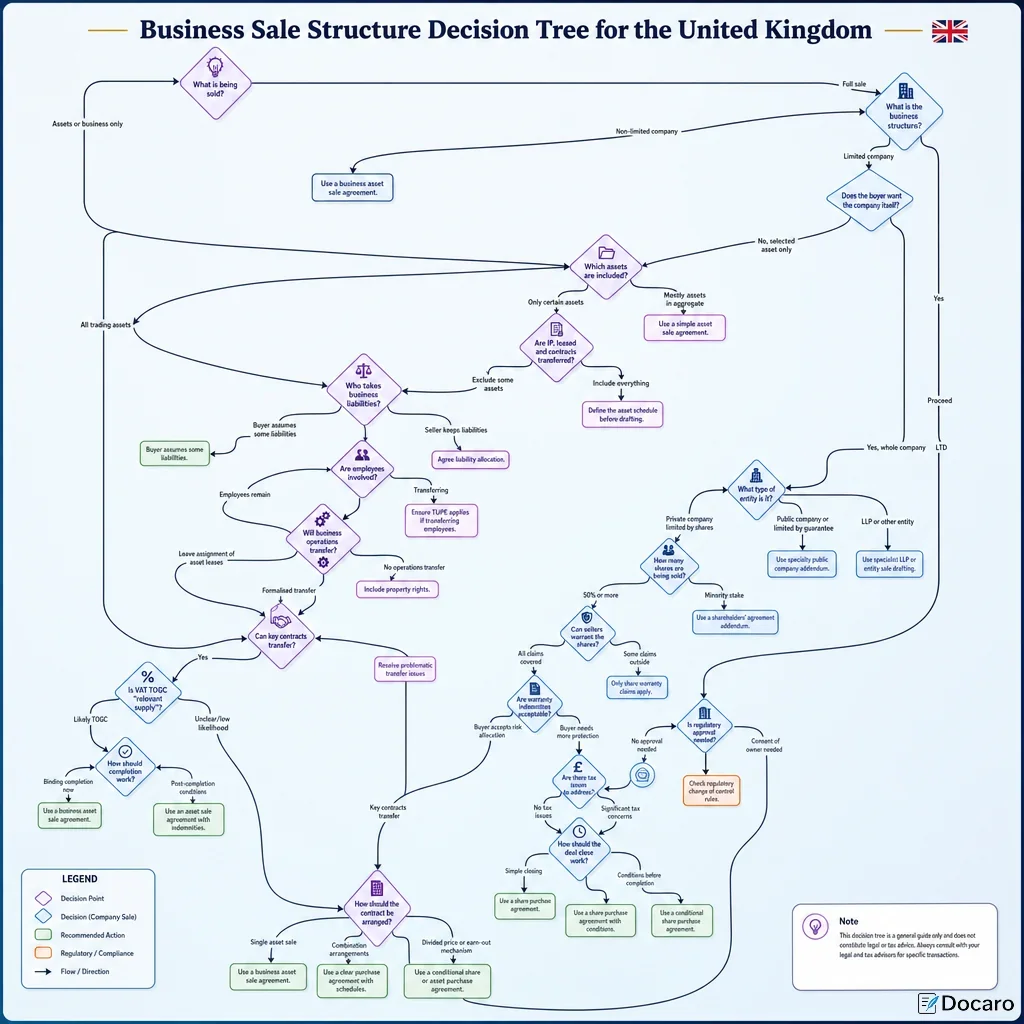
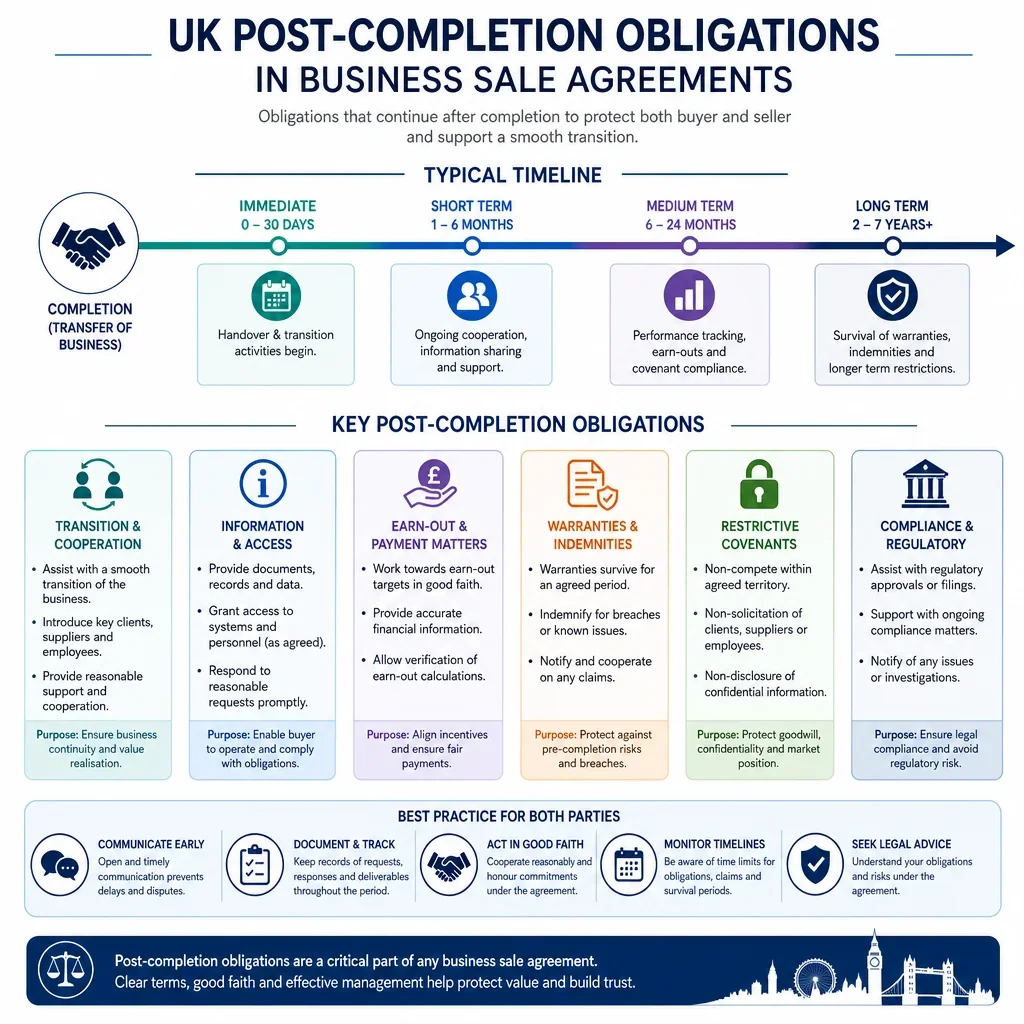
Most indemnities are given by the seller, especially where the risk arose before completion or relates to the target business under the seller’s ownership. Buyer indemnities are more common where the risk arises after completion, such as post-completion trading, use of seller information, or assumption of certain liabilities.
How Are Indemnities Usually Limited?
- Specific caps and time limits are often negotiated separately from general warranty limits.
- Tax indemnities commonly have longer limitation periods because HMRC may assess historic tax liabilities over several years.
- Known risks, such as existing litigation or overdue PAYE, are often covered pound-for-pound and may be excluded from general disclosure-based warranty protection.
- Conduct of claims provisions are important because the indemnity provider will often want control or consultation rights before settlement.
Why Do Indemnities Matter More Than Warranties For Known Risks?
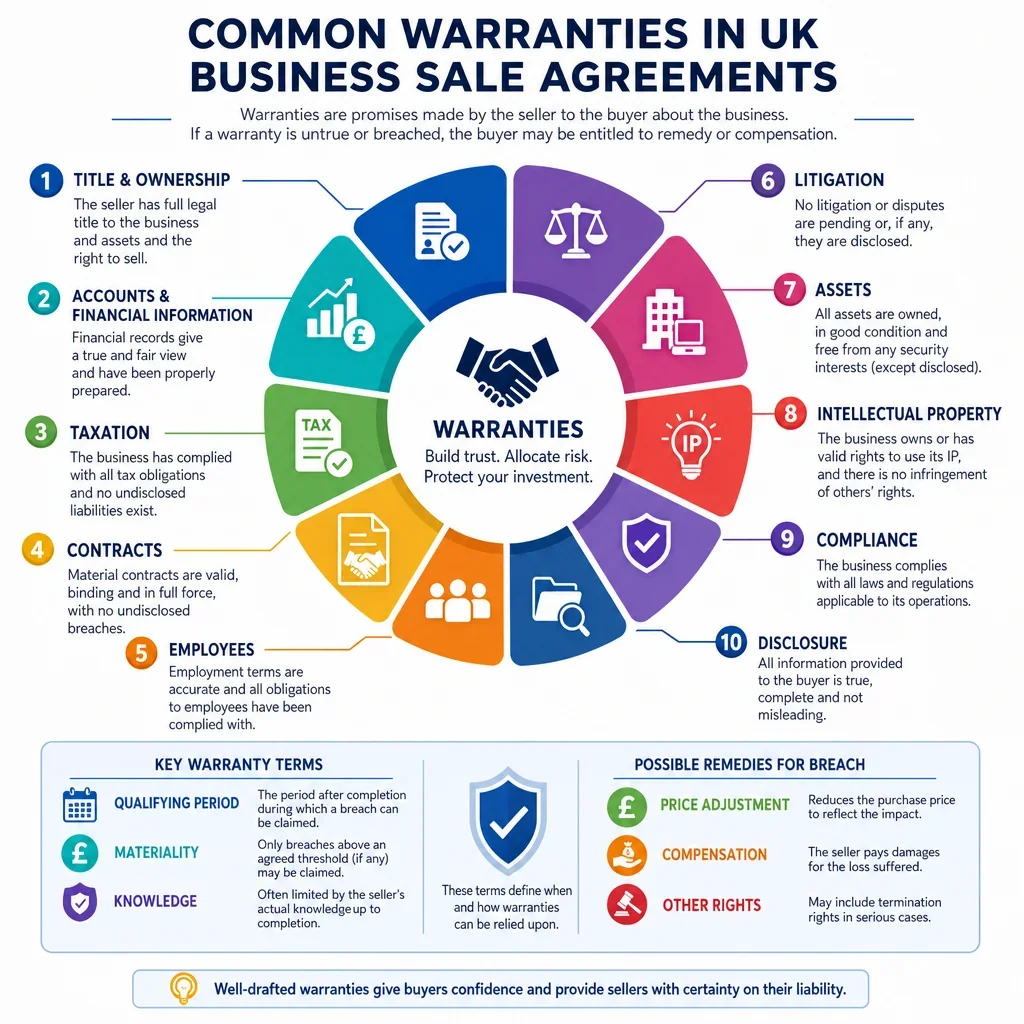
A warranty claim usually requires proof of breach and loss, while an indemnity is designed to reimburse a defined liability or loss if the specified event occurs. For that reason, UK business sale agreements often use indemnities for identified liabilities, statutory exposures and transaction-specific risks.
FAQs
You Might Also Be Interested In