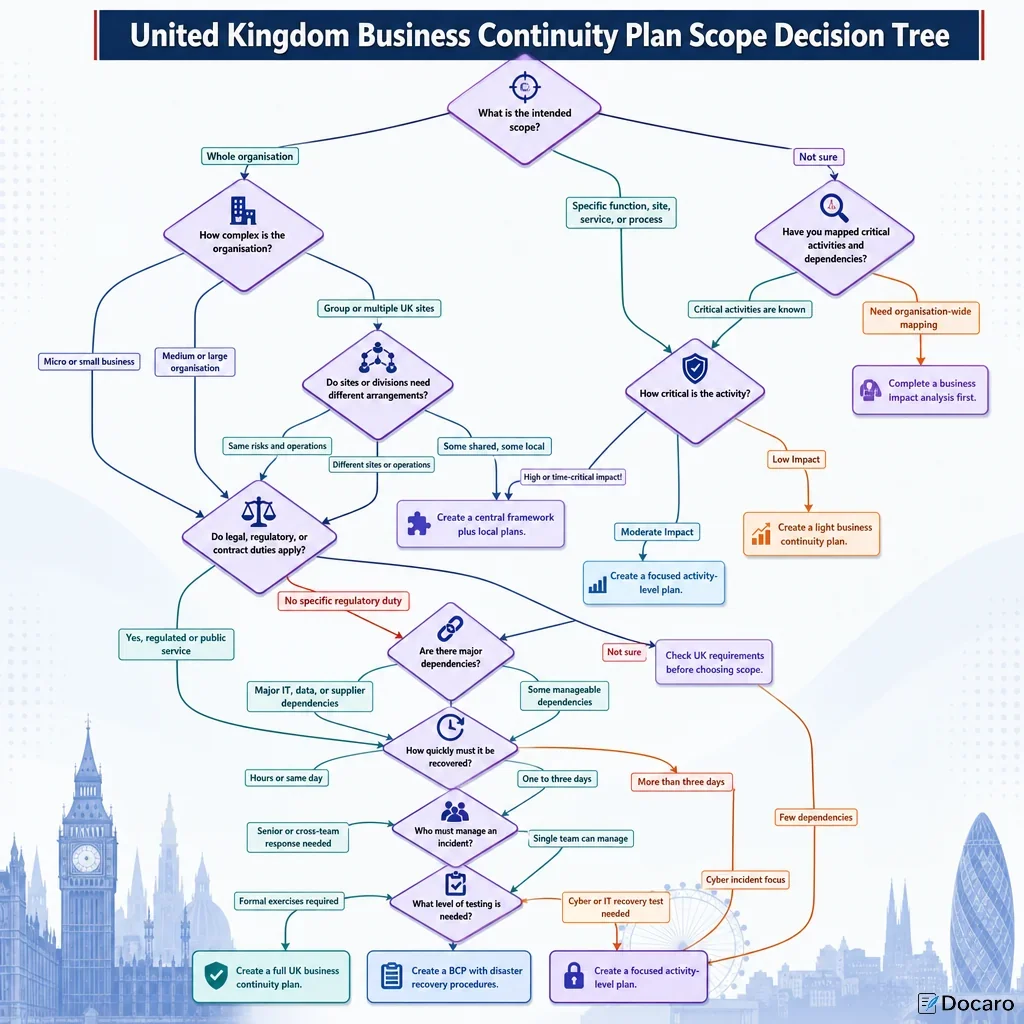
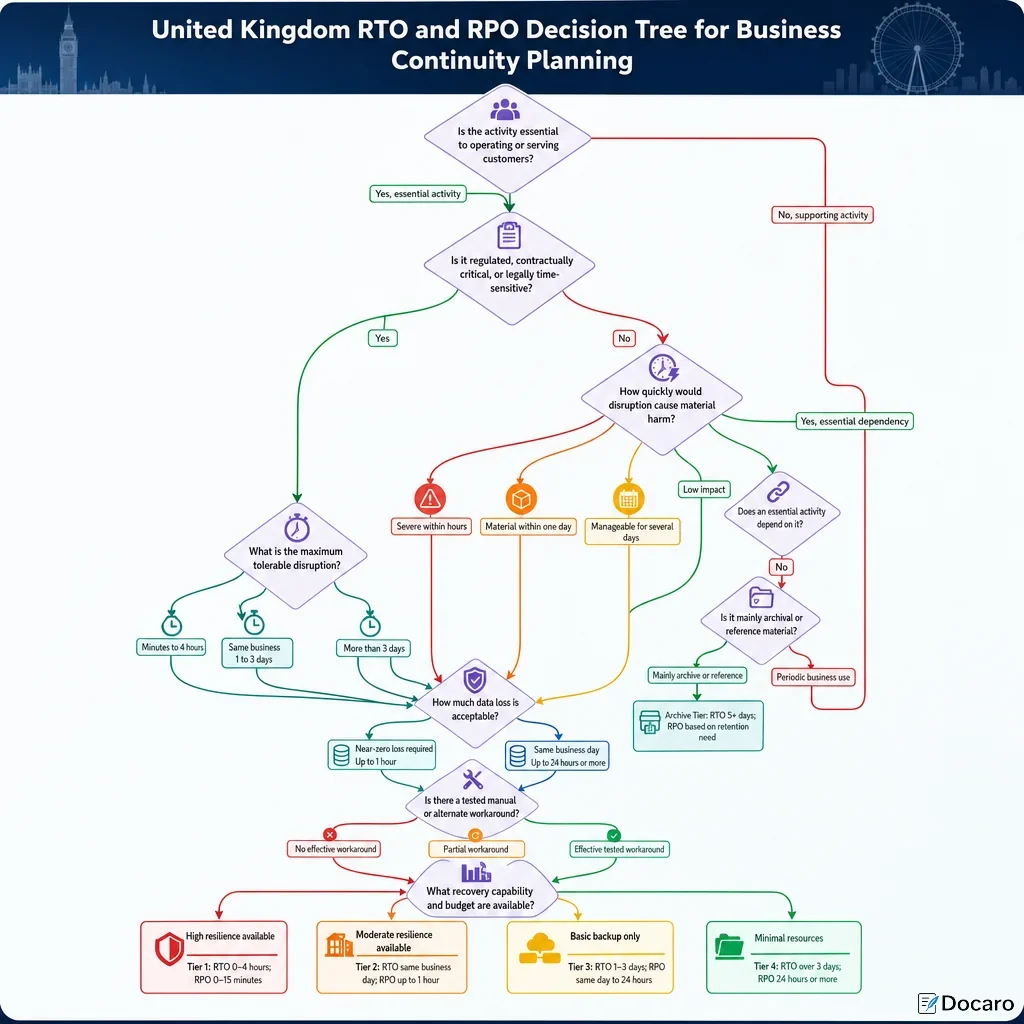
United Kingdom RTO And RPO Decision Tree For Business Continuity Planning
Is the activity essential to operating or serving customers?
Why Are RTO And RPO Important In A UK Business Continuity Plan?
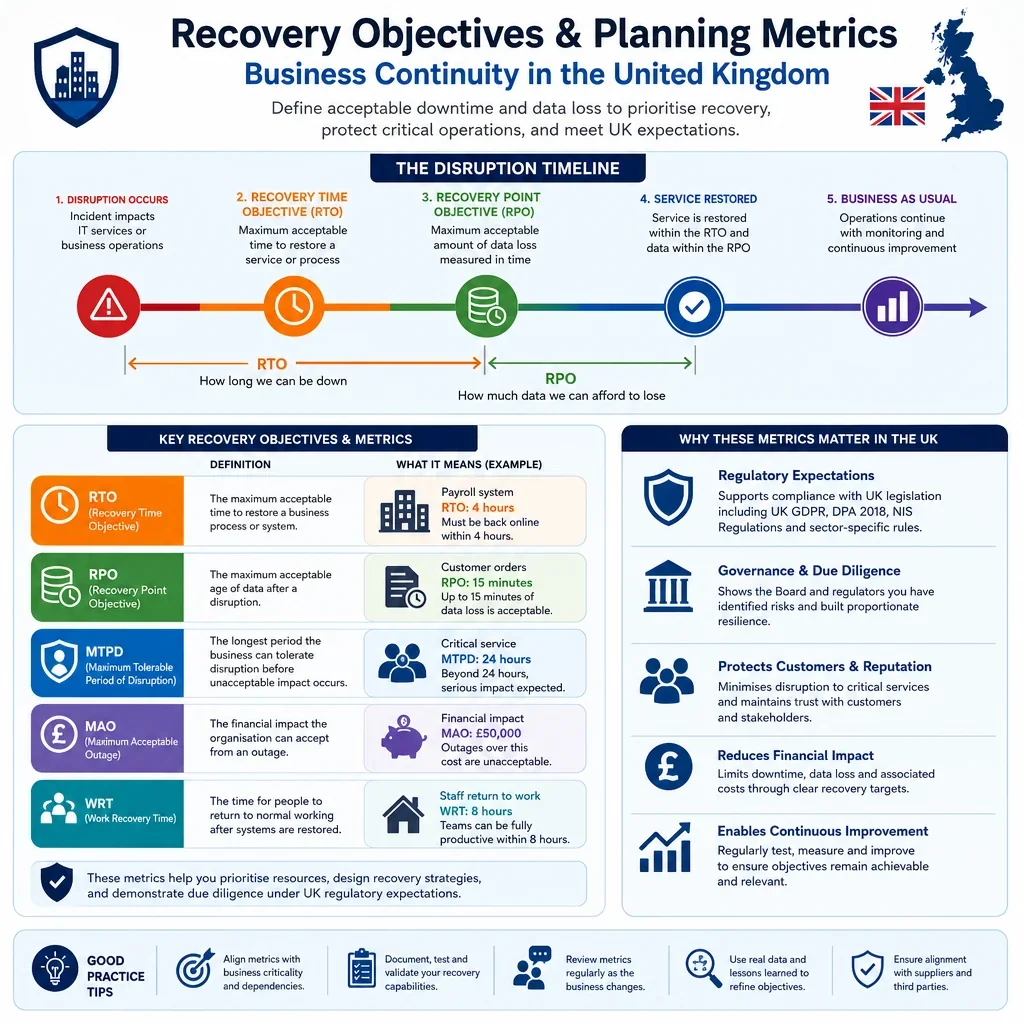
Recovery Time Objective and Recovery Point Objective turn a business continuity plan from a general statement into a practical recovery standard. RTO defines how quickly a service should be restored. RPO defines how much data loss is acceptable. In the United Kingdom, these decisions can affect customer service, contractual performance, regulatory compliance, staff productivity, and legal record keeping.
How Do The Right Targets Reduce Business Interruption?
Setting realistic RTO and RPO targets helps a UK organisation prioritise systems, people, suppliers, and documents during an incident. Without clear targets, teams may restore low-value services first while customer-facing or legally sensitive work remains unavailable. Good targets help align backup schedules, cloud resilience, manual workarounds, supplier service levels, and incident response plans.
What Happens If RTO Or RPO Is Set Too Low?
If targets are too strict, the organisation may commit to recovery times that it cannot afford or deliver. Very short RTOs and near-zero RPOs usually require additional infrastructure, replication, monitoring, testing, and supplier commitments. Unrealistic targets can create false assurance and expose gaps during cyber incidents, outages, flood, fire, or supplier failure.
What Happens If RTO Or RPO Is Set Too High?
If targets are too relaxed, the organisation may accept avoidable downtime, data loss, customer harm, or missed deadlines. This can be especially serious where UK regulators, customers, or contracts expect important services to remain available. For personal data, organisations should also consider the UK GDPR requirement to protect the confidentiality, integrity, and availability of personal data.
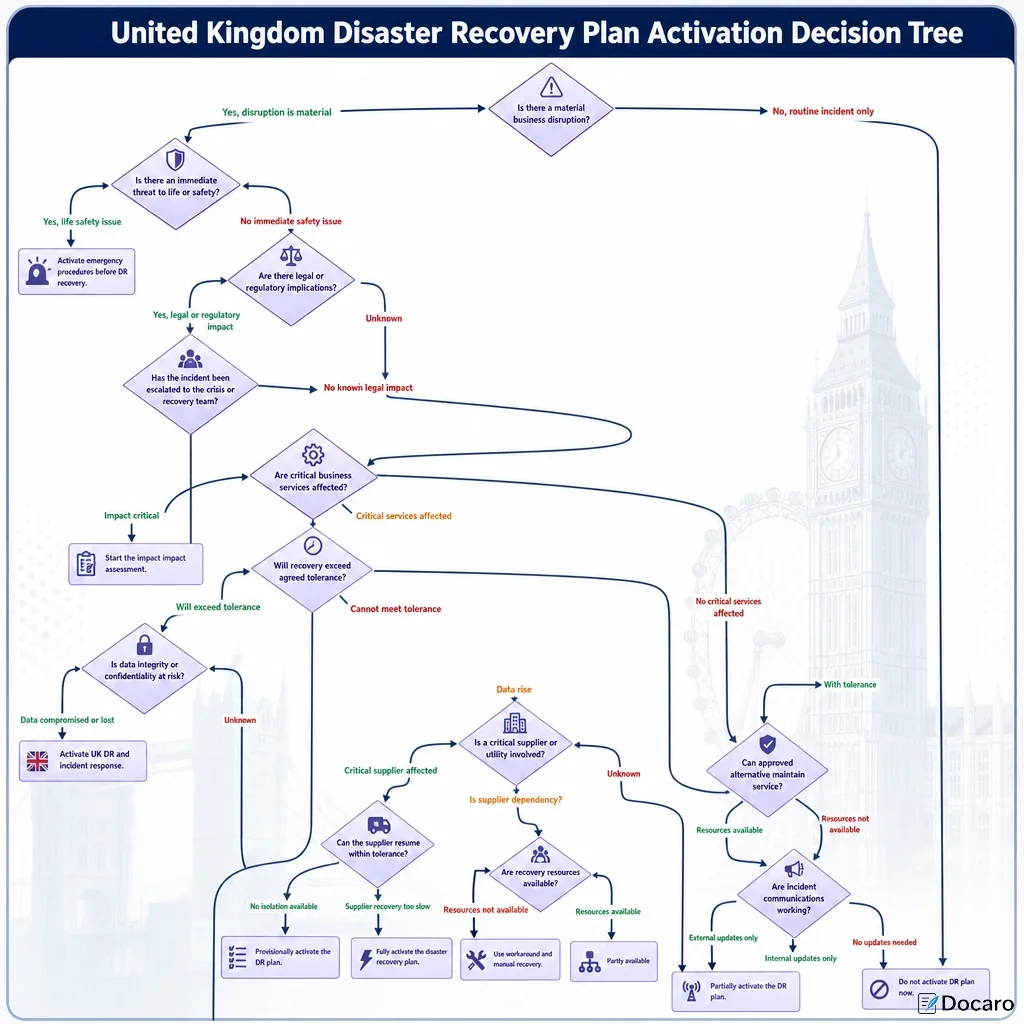
How Should UK Organisations Use This Decision Tree?
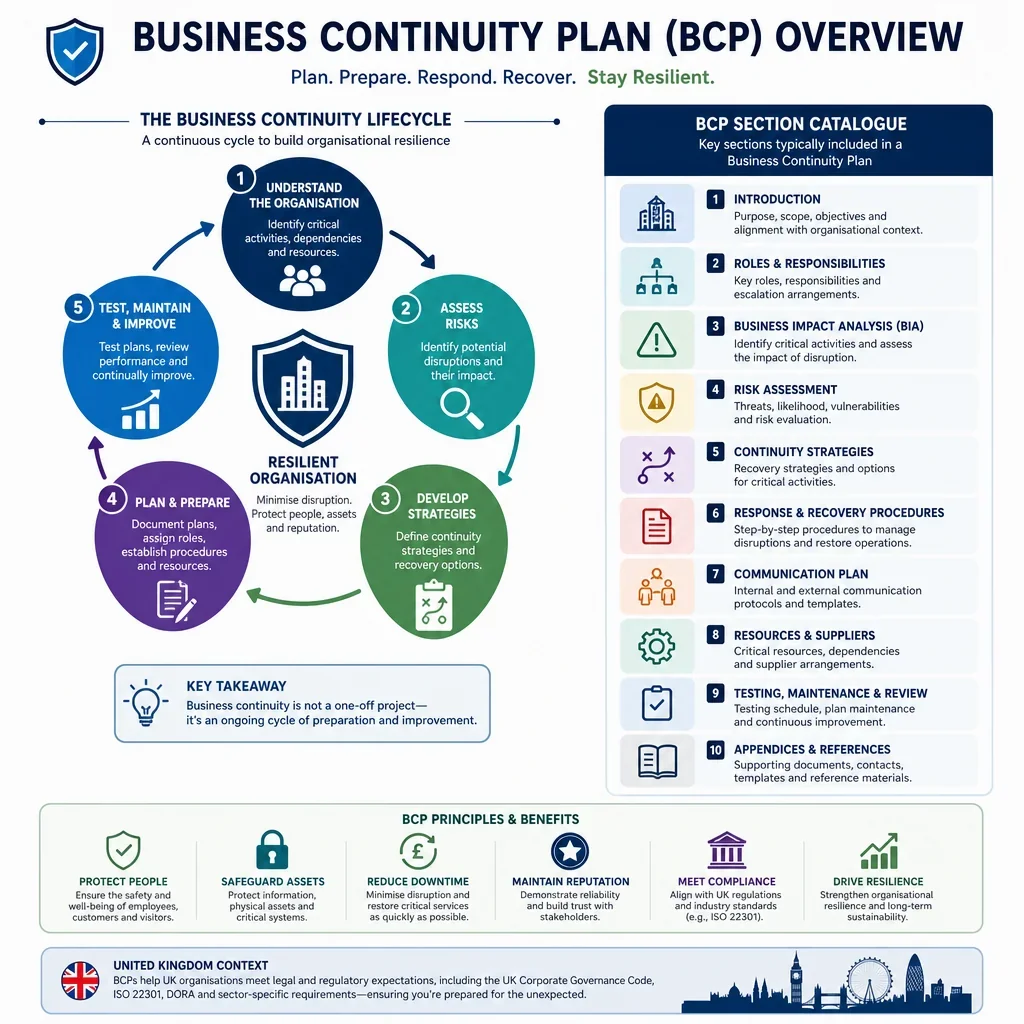
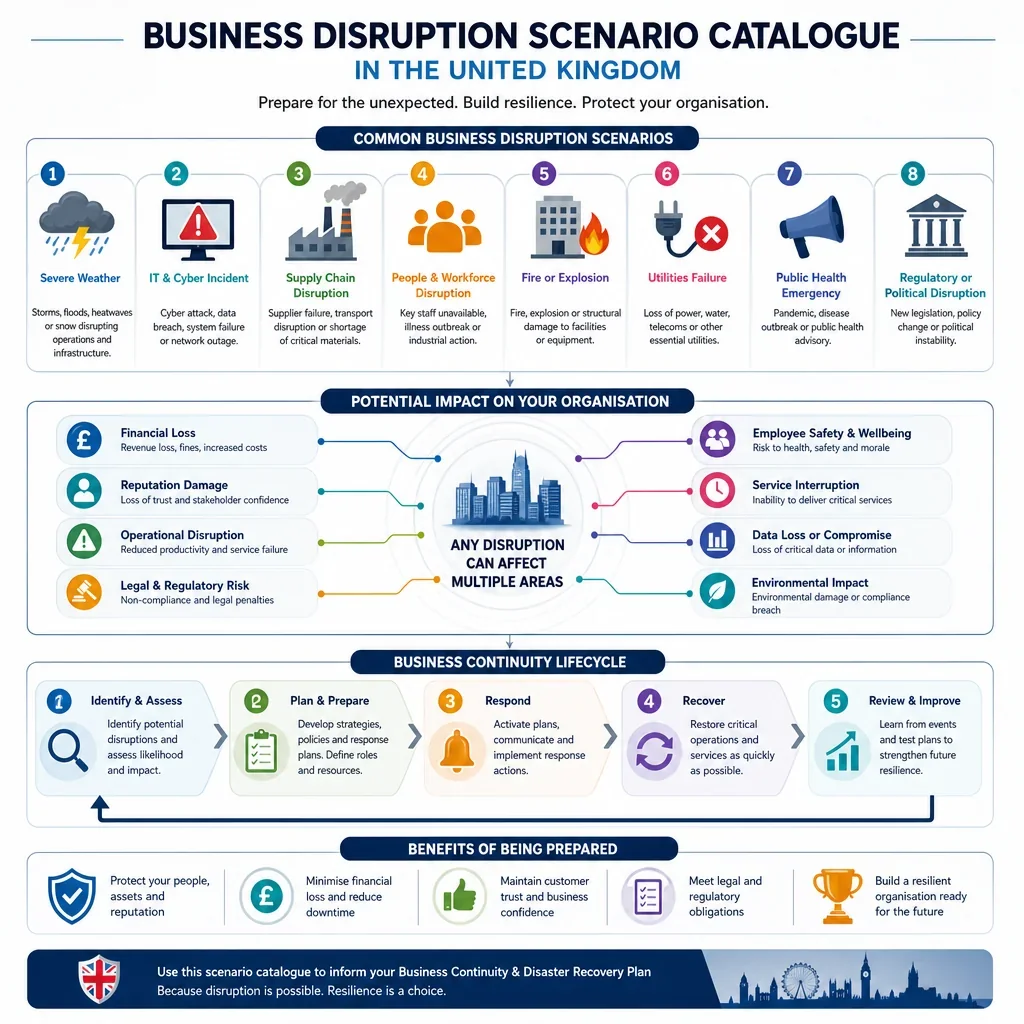
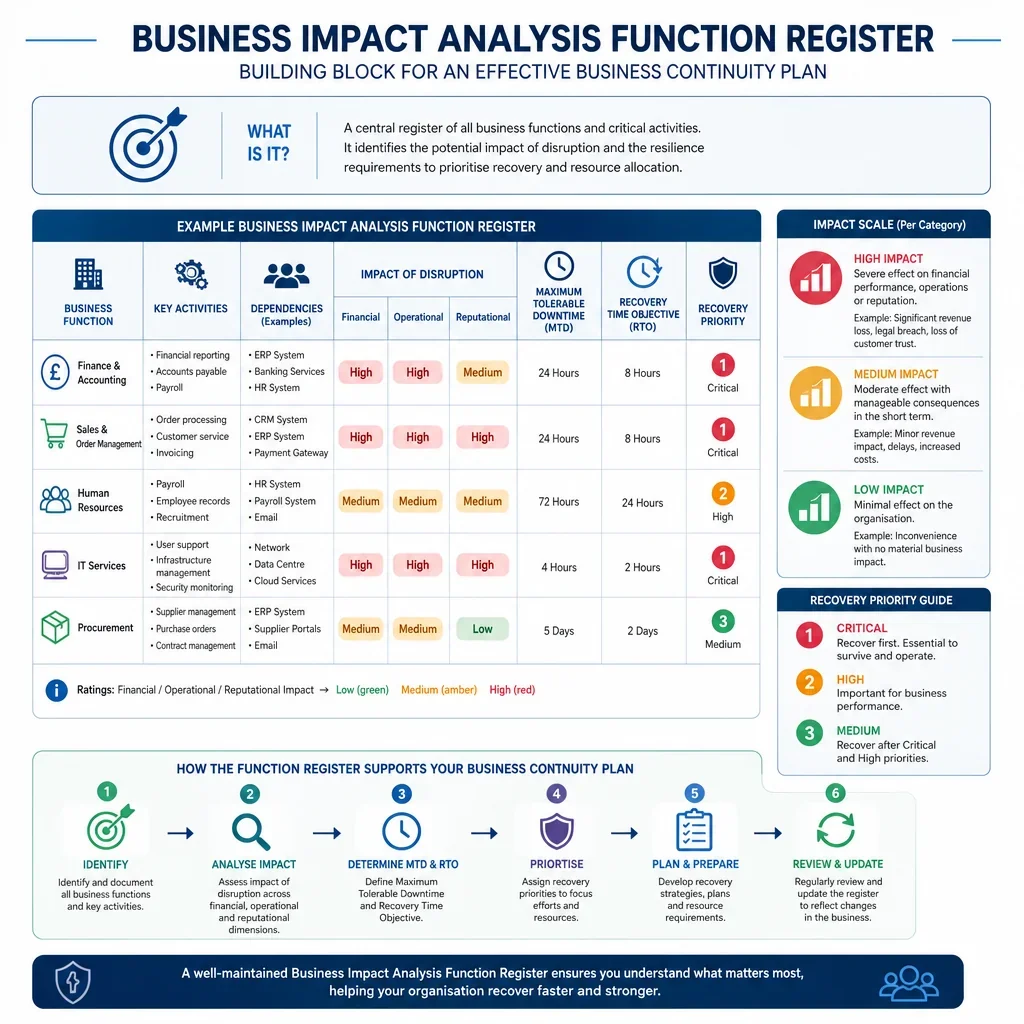
This decision tree should support a wider business impact analysis and business continuity planning process. It is most useful when applied to each important service, system, supplier process, and document workflow. The result should be recorded in the business continuity plan, tested through exercises, and reviewed when operations, suppliers, technology, or legal obligations change.
For further guidance, see the UK Government Business Continuity Management Toolkit, the National Cyber Security Centre ransomware recovery guidance, and the ICO UK GDPR security guidance.
FAQs
You Might Also Be Interested In