Recovery Objectives And Planning Metrics In The United Kingdom
Recovery Objective | Definition | Example Targets | Planning Use | Evidence Sources |
|---|---|---|---|---|
Time-based | ||||
Recovery Time Objective (RTO) | Target time for restoring a process, system or service after disruption. | 15 minutes 4 hours 1 business day 5 working days. | Sets recovery priority and required response resources. | Business impact analysis, SLAs, customer contracts, system dependency maps. |
Data-based | ||||
Recovery Point Objective (RPO) | Maximum tolerable data loss measured back from the incident. | Zero data loss 5 minutes 1 hour previous business day. | Determines backup frequency, replication and data recovery design. | Data criticality, transaction volume, legal records duties, user tolerance. |
Time-based | ||||
Maximum Tolerable Period of Disruption (MTPD) | Longest disruption period before unacceptable harm occurs. | 2 hours for payments 24 hours for customer support 7 days for reporting. | Defines impact thresholds and sets outer recovery limits. | BIA workshops, regulatory deadlines, cashflow analysis, reputational impact. |
Service-based, Capacity-based | ||||
Minimum Business Continuity Objective (MBCO) | Minimum acceptable service or product level during disruption. | Process urgent orders only 60 percent normal output statutory services only. | Shapes workaround scope and temporary operating model. | Customer needs, legal duties, revenue analysis, operational capacity data. |
Time-based | ||||
Maximum Acceptable Outage (MAO) | Maximum outage duration acceptable for a system or activity. | 30 minutes for website checkout 8 hours for HR portal. | Supports system tiering and escalation triggers. | Service owner input, outage history, incident records, user impact data. |
Work Recovery Time (WRT) | Time needed after IT restoration to clear backlog and resume normal work. | 2 hours validation 1 day backlog clearance 3 days reconciliation. | Prevents RTOs understating full operational recovery time. | Backlog rates, staffing levels, manual workaround logs, reconciliation steps. |
Incident Response Time Objective | Target time to detect, triage and start incident response. | 15 minutes for cyber alerts 1 hour for critical outages. | Sets alerting, on-call and escalation requirements. | Monitoring logs, SOC contracts, call-out rosters, incident playbooks. |
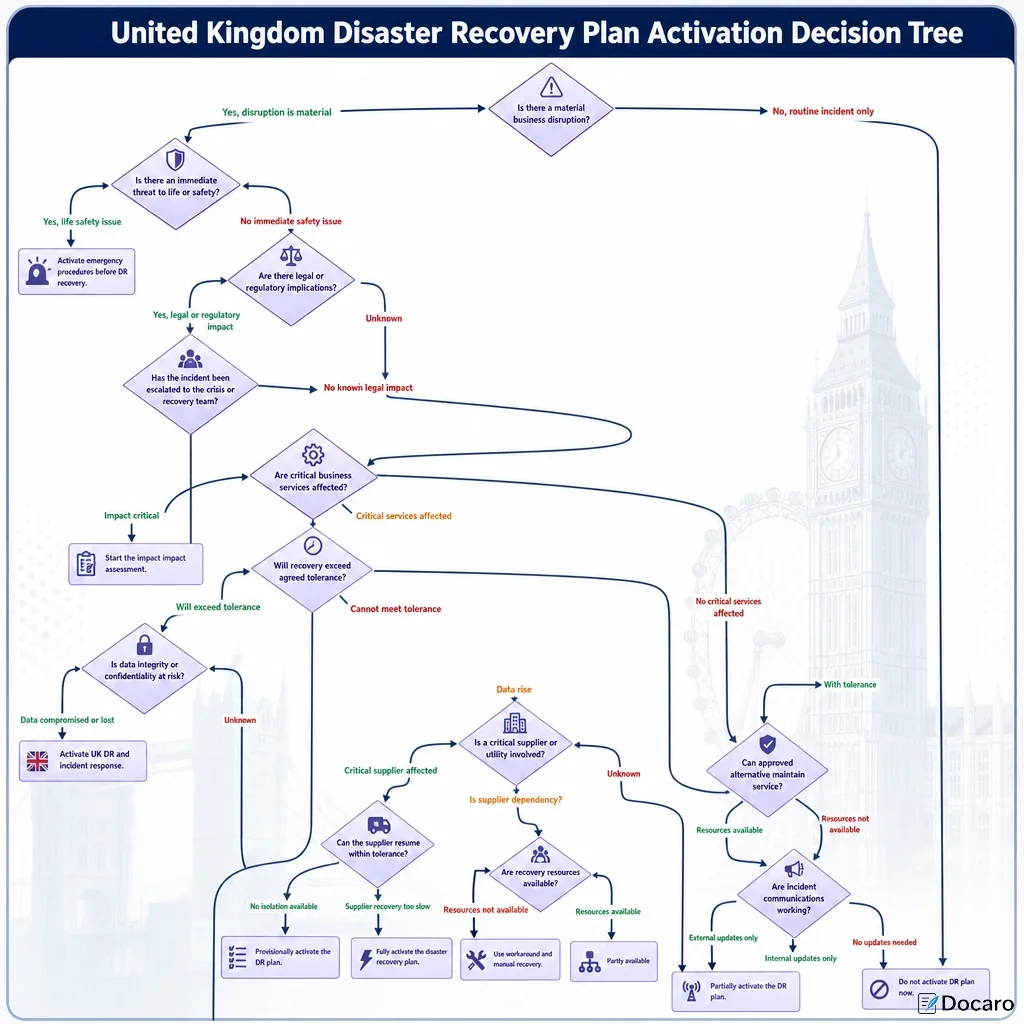
Plan Activation Time | Target time to declare an incident and activate the plan. | 30 minutes during office hours 2 hours out of hours. | Defines authority, triggers and escalation routes. | Crisis roles, escalation matrix, test exercise timings, incident logs. |
Crisis Team Mobilisation Time | Target time for decision-makers to join the crisis response. | 30 minutes virtual 2 hours on site 4 hours regional team. | Checks rota, deputies and meeting arrangements. | Contact trees, rota data, exercise reports, travel assumptions. |
Time-based, Service-based | ||||
Stakeholder Communication Time | Target time to issue approved updates to key stakeholders. | Staff update within 1 hour customer holding statement within 2 hours. | Defines communication templates, approvers and channels. | Comms plan, customer contracts, regulator notification rules, media risk analysis. |
Personal Data Breach Notification Deadline | Deadline for notifying the ICO of certain personal data breaches. | Assess immediately notify ICO within 72 hours where required. | Adds legal escalation and evidence capture to cyber and data plans. | Breach logs, DPIAs, incident records, ICO guidance, legal advice. |
Time-based, Data-based, Service-based | ||||
Personal Data Availability Objective | Ability to restore availability and access to personal data promptly. | Restore critical personal data access within 4 hours payroll within 1 day. | Links backup recovery with UK GDPR security obligations. | Records of processing, backup tests, DPIAs, retention schedules, supplier terms. |
Time-based, Data-based | ||||
Backup Restoration Test Frequency | How often backups are tested by restoring usable data. | Monthly sample restore quarterly full restore annual disaster recovery test. | Provides assurance that RPO and RTO are achievable. | Restore logs, backup reports, test evidence, audit findings. |
Data-based, Time-based | ||||
Backup Retention Period | Length of time recoverable backup versions are retained. | 14 daily versions 12 monthly versions 7-year archive where required. | Balances ransomware recovery, legal retention and storage cost. | Retention policy, legal requirements, backup configuration, data owner input. |
Data-based, Capacity-based | ||||
Immutable Backup Coverage | Proportion of critical data protected from alteration or deletion. | 100 percent Tier 1 data 90 percent production databases. | Improves resilience to ransomware and insider deletion. | Backup architecture, storage policies, access controls, ransomware risk assessment. |
Service-based | ||||
System Availability Target | Expected percentage of time a system remains available. | 99.5 percent 99.9 percent 99.95 percent excluding planned maintenance. | Aligns resilience investment with service expectations. | SLAs, uptime monitoring, user demand, service criticality ratings. |
Service-based, Capacity-based | ||||
Degraded Mode Service Level | Service level accepted while normal operations are unavailable. | Answer urgent calls only online orders paused manual quotes within 24 hours. | Defines customer commitments and temporary process scope. | Customer segmentation, contract terms, complaints data, manual process capacity. |
Capacity-based | ||||
Minimum Staffing Level | Minimum number or percentage of staff needed to run priority activities. | 2 payroll staff 50 percent contact centre 1 qualified first aider per site. | Sets rota, cross-training and redeployment needs. | Skills matrices, rota data, legal safety needs, process maps, HR records. |
Key Role Cover Ratio | Number of trained deputies available for each critical role. | Two deputies per critical role one alternate approver per finance control. | Reduces single points of failure in people and authority. | Training records, authority matrix, holiday cover, succession plans. |
Time-based, Capacity-based | ||||
Alternate Site Readiness Time | Time to make a fallback workplace usable. | Hot site within 2 hours serviced office within 24 hours remote work immediate. | Tests premises, access, equipment and connectivity assumptions. | Lease terms, access plans, VPN capacity, equipment inventory, test visits. |
Capacity-based, Service-based | ||||
Remote Working Capacity | Number or percentage of staff able to work remotely securely. | 80 percent office staff 100 percent crisis team 50 concurrent VPN users. | Sizes VPN, devices, licences and support capacity. | Device inventory, VPN logs, licence counts, HR role analysis, cyber controls. |
Time-based, Service-based | ||||
Network Recovery Time | Target time to restore essential network connectivity. | 30 minutes failover 4 hours ISP repair 1 day new circuit workaround. | Defines failover, routing and telecoms supplier requirements. | Network diagrams, ISP SLAs, monitoring data, failover tests, dependency maps. |
Time-based, Data-based, Service-based | ||||
Cloud Service Recovery Objective | Recovery target for hosted platforms, SaaS or cloud infrastructure. | SaaS admin access within 4 hours cloud workload failover within 1 hour. | Aligns internal plan with cloud provider resilience and backup terms. | Cloud contracts, shared responsibility model, provider status history, architecture. |
Time-based, Service-based | ||||
Critical Application RTO | Target restoration time for applications supporting critical activities. | ERP 4 hours CRM 8 hours finance system next business day. | Prioritises IT recovery runbooks and application dependencies. | Application catalogue, BIA results, service owners, dependency mapping, SLAs. |
Communications Platform RTO | Target time to restore email, messaging or collaboration tools. | Email within 4 hours crisis chat immediately via alternate channel. | Ensures staff can coordinate during disruption. | Messaging dependency analysis, licence data, supplier SLAs, crisis exercises. |
Telephony Recovery Time | Target time to restore inbound and outbound voice communications. | Main number diverted within 30 minutes contact centre within 4 hours. | Defines call diversion, softphone and provider failover actions. | Call volumes, telecoms contracts, IVR configuration, diversion tests. |
Website Recovery Objective | Target time and service level for restoring public web services. | Status page within 30 minutes checkout within 2 hours brochure site within 1 day. | Prioritises customer-facing journeys and public communications. | Web analytics, revenue data, hosting SLA, uptime monitoring, customer journeys. |
Time-based, Data-based, Service-based | ||||
Payment Processing Recovery Objective | Recovery target for taking, sending or reconciling payments. | Card payments within 1 hour BACS file same day reconciliation within 24 hours. | Protects cashflow, customers and financial control. | Payment provider SLAs, finance controls, transaction volumes, FCA expectations if regulated. |
Capacity-based, Service-based | ||||
Customer Contact Capacity | Minimum customer enquiries that can be handled during disruption. | 70 percent call volume urgent tickets only response within 1 business day. | Sets call routing, scripts, staffing and self-service priorities. | Call data, ticket volumes, customer contracts, complaints trends, staffing rotas. |
Time-based, Capacity-based, Service-based | ||||
Order Fulfilment Recovery Objective | Target for restoring order processing and dispatch capability. | Priority orders same day 50 percent dispatch within 48 hours full capacity in 5 days. | Defines fulfilment priorities and warehouse workarounds. | Order volumes, warehouse capacity, carrier SLAs, customer delivery promises. |
Time-based, Capacity-based | ||||
Production Restart Time | Target time to restart safe production after disruption. | Safety checks within 4 hours pilot run in 1 day 80 percent output in 3 days. | Coordinates safety, maintenance, materials and quality controls. | Maintenance plans, HSE risk assessments, quality procedures, supplier lead times. |
Critical Stock Cover | Duration or quantity of critical stock available during supply disruption. | 7 days safety stock 30 days medical consumables 2 weeks packaging. | Sets stockholding, reorder and alternative sourcing rules. | Demand forecasts, supplier lead times, inventory reports, seasonality data. |
Time-based, Data-based, Service-based | ||||
Critical Supplier Recovery Alignment | Extent to which supplier recovery targets meet internal needs. | Supplier RTO no longer than internal RTO supplier RPO within 1 hour. | Identifies contract gaps and supplier contingency needs. | Supplier BCPs, contracts, audit reports, exit plans, service reviews. |
Time-based, Service-based | ||||
Supplier Replacement Time | Time needed to switch to an alternate supplier or workaround. | Courier within 24 hours payroll bureau within 2 weeks cloud exit within 3 months. | Supports exit planning and procurement contingencies. | Framework agreements, procurement data, exit plans, market analysis, onboarding steps. |
Time-based, Service-based, Capacity-based | ||||
Impact Tolerance | Maximum tolerable disruption to an important business service. | No intolerable harm after 4 hours process 80 percent of critical transactions. | Used by UK regulated firms to set operational resilience limits. | Important business service mapping, scenario testing, customer harm analysis. |
Time-based, Service-based | ||||
Important Business Service Recovery Target | Recovery target for a service whose disruption could cause intolerable harm. | Restore customer withdrawals within 2 hours claims service within same day. | Focuses resources on externally important services, not just internal systems. | Service maps, customer harm assessments, FCA or PRA policy, outsourcing records. |
Time-based, Service-based, Capacity-based | ||||
Patient Critical Service Continuity Target | Recovery target for services affecting patient safety or care continuity. | Urgent care continuous appointments rebooked within 48 hours e-prescribing within 4 hours. | Prioritises clinical risk, patient communications and manual safety procedures. | Clinical risk assessments, NHS guidance, patient volumes, system dependency maps. |
Time-based, Service-based | ||||
Utility Service Restoration Time | Target time to restore electricity, water, gas or heating needed for operations. | UPS 30 minutes generator 8 hours mains power within 24 hours. | Determines generators, UPS, site closure and relocation triggers. | Utility SLAs, site risk assessments, generator tests, consumption data. |
Safe Occupancy Restoration Target | Target for confirming premises are safe before reoccupation. | Do not reoccupy until competent safety sign-off inspection within 4 hours. | Ensures recovery actions do not bypass UK health and safety duties. | Fire risk assessment, facilities checks, HSE guidance, landlord reports. |
Cyber Containment Time | Target time to isolate affected systems and stop further compromise. | Isolate endpoint within 15 minutes disable account within 30 minutes. | Links cyber incident response with business continuity decisions. | EDR logs, SIEM alerts, playbooks, access management records, exercises. |
Time-based | ||||
Cyber Eradication Time | Target time to remove attacker access or malicious code. | Critical servers cleaned within 24 hours full environment within 7 days. | Prevents unsafe restoration before compromise is understood. | Forensic reports, vulnerability scans, incident tickets, recovery approvals. |
Time-based, Service-based | ||||
Identity Service Recovery Time | Target time to restore authentication and access management. | Admin access within 1 hour user login within 4 hours MFA reset within 1 day. | Prioritises identity systems needed to recover other services. | IAM architecture, break-glass records, MFA provider SLA, access logs. |
Service-based, Capacity-based | ||||
Emergency Access Availability | Availability of controlled emergency accounts for recovery work. | Two break-glass accounts access tested quarterly approval within 30 minutes. | Ensures recovery is possible if normal identity tools fail. | Privileged access records, vault logs, test evidence, approval workflows. |
Time-based, Data-based | ||||
Data Integrity Validation Time | Time required to verify recovered data is complete and trustworthy. | Critical database checks within 2 hours finance reconciliation within 1 day. | Adds validation steps before returning services to users. | Checksums, reconciliation reports, audit trails, data owner sign-off. |
Time-based, Capacity-based | ||||
Backlog Clearance Objective | Target time to process work accumulated during disruption. | Clear urgent backlog in 24 hours full backlog in 5 business days. | Sizes extra staffing, overtime and prioritisation after restoration. | Daily volumes, staffing productivity, manual logs, queue reports. |
Capacity-based, Service-based | ||||
Manual Workaround Capacity | Volume of work that can be completed without normal systems. | 100 orders per day 30 invoices per hour urgent cases only. | Tests whether paper, spreadsheets or phone procedures are realistic. | Workaround tests, process timings, forms, staff training records, error rates. |
Time-based, Data-based | ||||
Critical Records Access Time | Target time to access records needed for priority operations. | Contracts within 4 hours payroll records within 1 day statutory records within 2 days. | Ensures vital records are identified, backed up and accessible. | Information asset register, retention schedule, document management system, legal team. |
Company Records Recovery Target | Target for recovering statutory company books and records. | Register access within 1 business day board minutes within 2 business days. | Supports continuity of governance and statutory administration. | Company registers, board portal, Companies House filings, legal records policy. |
Time-based, Data-based, Service-based | ||||
Payroll Continuity Objective | Target for paying staff accurately and on time during disruption. | Monthly payroll on normal pay date emergency salary advance within 48 hours. | Prioritises payroll data, approvals, banking and bureau access. | Payroll calendar, HMRC obligations, bank access, bureau SLA, HR records. |
Time-based, Data-based | ||||
Tax Reporting Deadline Recovery Target | Target for restoring data and processes needed for HMRC deadlines. | VAT data within 2 days PAYE submission before statutory deadline. | Avoids missed tax submissions and penalties after disruption. | Tax calendar, accounting system data, HMRC guidance, adviser input. |
Time-based, Capacity-based | ||||
Minimum Cash Operating Period | Period the organisation can meet essential payments during disruption. | 2 weeks payroll and rent 30 days critical supplier payments. | Informs finance contingencies, credit lines and payment priorities. | Cashflow forecasts, bank facilities, accounts payable, insurance cover. |
Time-based, Data-based | ||||
Insurance Evidence Capture Time | Target time to capture loss evidence needed for insurance claims. | Photographs same day loss log within 24 hours claim notice within policy deadline. | Preserves evidence for business interruption and property claims. | Insurance policy, broker advice, incident logs, financial loss records. |
Legal Hold Preservation Time | Target time to preserve documents relevant to a dispute or investigation. | Issue hold notice within 24 hours suspend deletion within 4 hours. | Prevents recovery actions deleting potentially relevant evidence. | Legal team instructions, litigation risk register, retention tools, audit logs. |
Time-based, Service-based | ||||
Emergency Change Approval Time | Target time to approve urgent recovery changes safely. | Critical fix approved within 30 minutes retrospective review within 2 days. | Balances rapid recovery with control over risky changes. | Change policy, CAB records, incident approvals, audit requirements. |
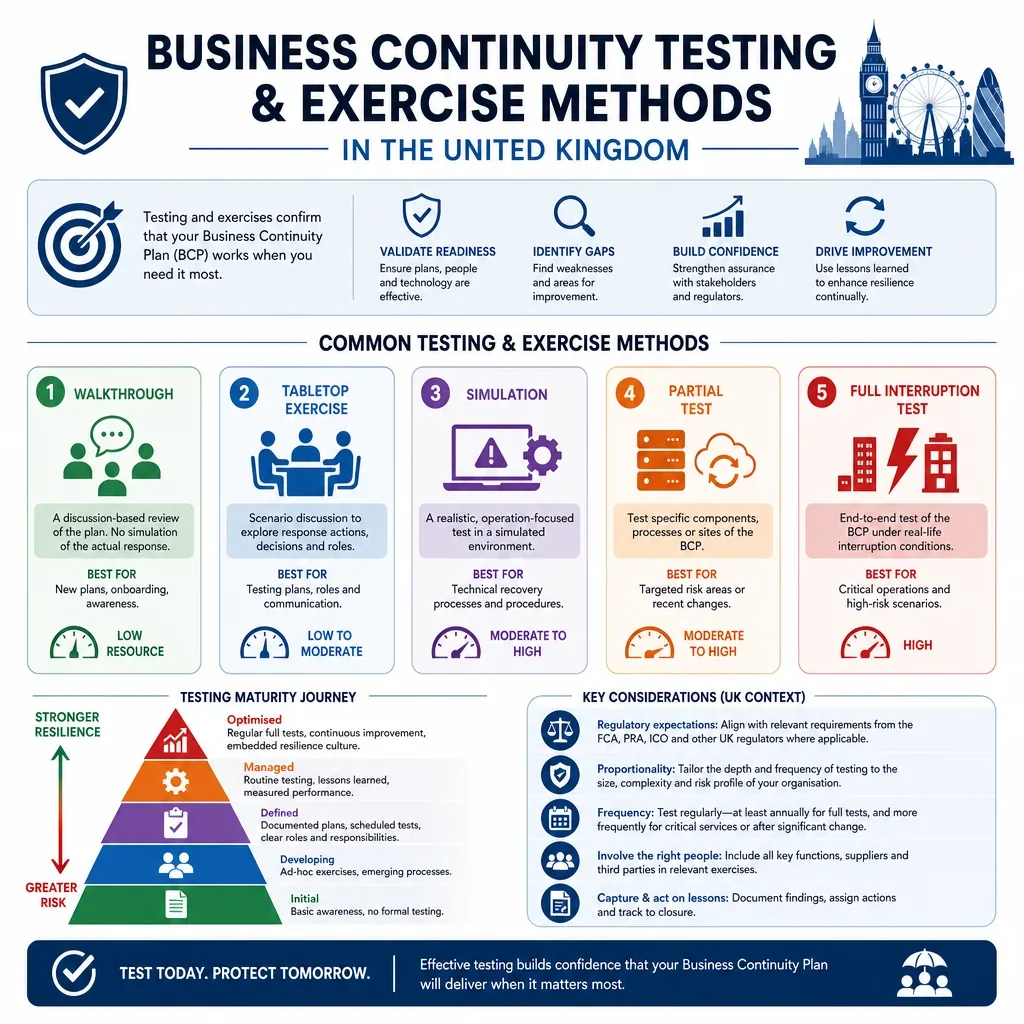
Exercise Completion Frequency | How often continuity and recovery arrangements are exercised. | Tabletop twice yearly technical recovery annually supplier exercise annually. | Validates whether documented targets can be achieved. | Exercise schedule, test reports, lessons learned, audit actions. |
Service-based, Capacity-based | ||||
Exercise Target Achievement Rate | Percentage of tested recovery objectives achieved during exercises. | 90 percent objectives met no critical unresolved actions after 30 days. | Shows whether plan targets are realistic and improving. | Exercise logs, action trackers, audit reports, management reviews. |
Time-based | ||||
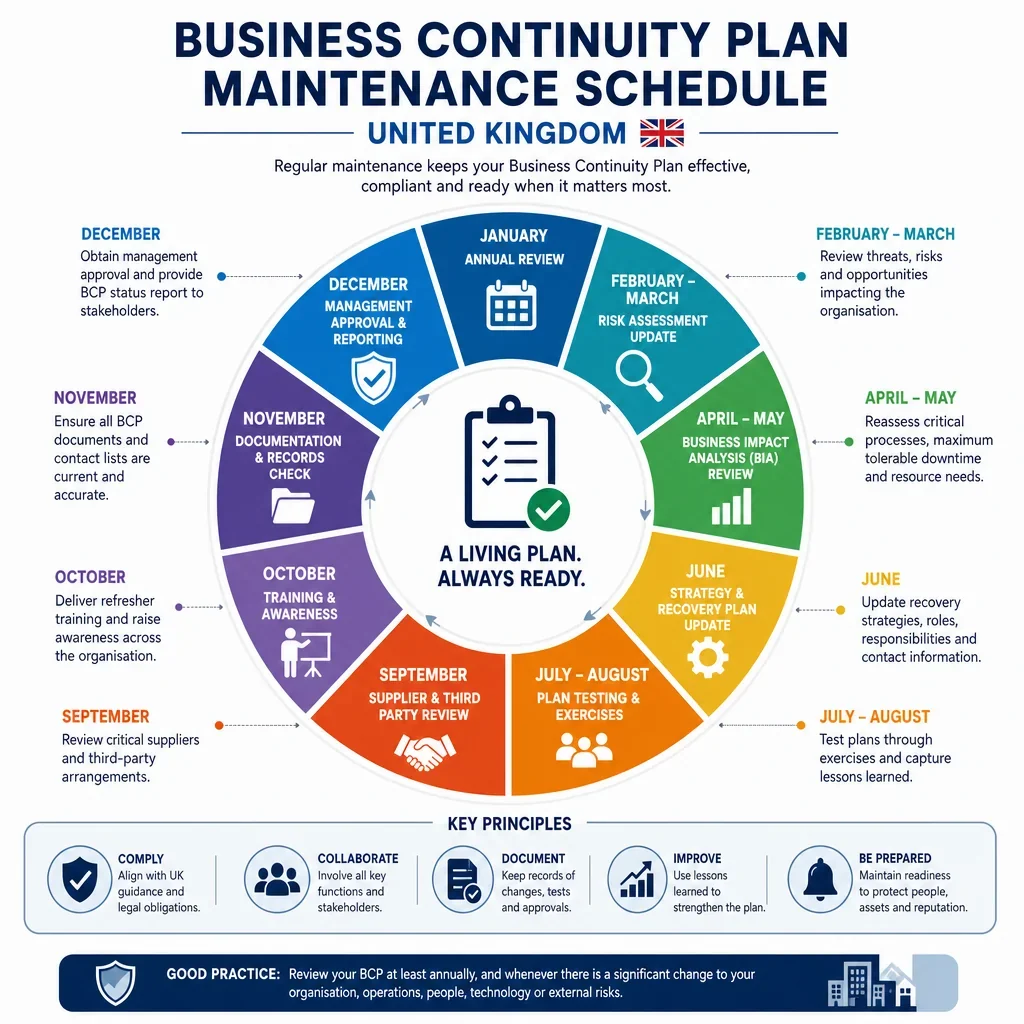
Plan Review Frequency | How often recovery objectives and plan content are reviewed. | Annual review after major change after incident or exercise. | Keeps targets aligned with operations, systems and contracts. | Change records, BIA updates, incident reports, supplier changes, board minutes. |
Capacity-based, Service-based | ||||
Dependency Mapping Coverage | Proportion of critical services with mapped people, process, technology and supplier dependencies. | 100 percent important services 90 percent Tier 1 applications. | Reveals single points of failure and sequencing constraints. | CMDB, process maps, supplier register, service maps, staff interviews. |
Time-based, Service-based | ||||
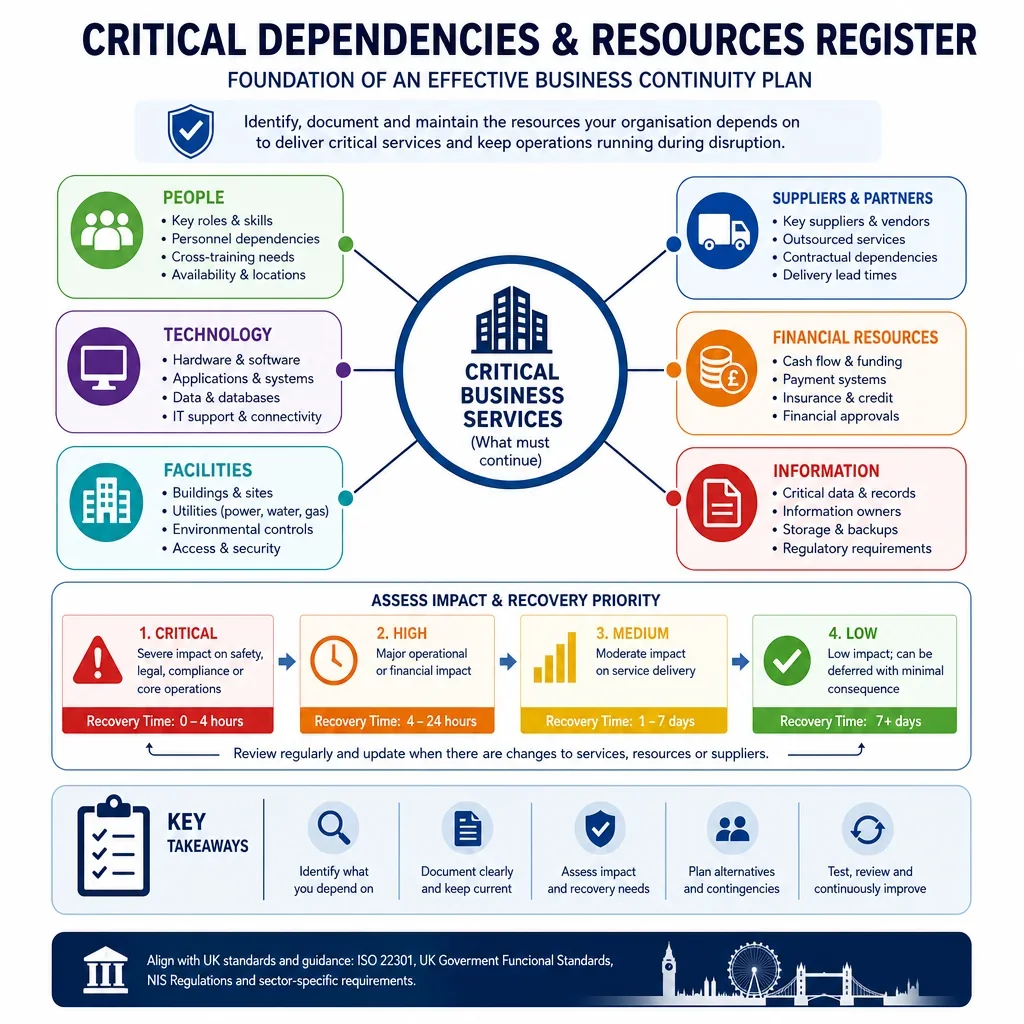
Recovery Prioritisation Tier | Priority grouping used to sequence recovery of activities and systems. | Tier 0 immediate Tier 1 within 4 hours Tier 2 within 24 hours Tier 3 within 5 days. | Creates clear order of recovery when resources are limited. | BIA scoring, dependencies, customer impact, revenue impact, legal deadlines. |
Maximum Queue Age | Oldest acceptable unprocessed item during degraded operations. | Urgent tickets under 4 hours standard cases under 3 business days. | Controls service deterioration during prolonged incidents. | Workflow reports, customer SLAs, complaints data, regulatory response times. |
Priority Request Response Time | Target response time for high-priority customer or internal requests. | Critical requests within 1 hour vulnerable customer contact same day. | Defines triage rules and service promises during disruption. | SLAs, customer risk categories, CRM data, complaints and incident history. |
Vulnerable Customer Service Objective | Recovery target for services affecting customers in vulnerable circumstances. | Priority contact within same day essential support channels maintained. | Helps regulated and consumer-facing firms reduce customer harm. | Customer vulnerability data, complaints, conduct risk assessments, service maps. |
Data-based, Service-based | ||||
Emergency Contact Accuracy | Percentage of emergency contacts that are current and usable. | 95 percent staff contacts verified quarterly all crisis contacts verified monthly. | Ensures escalation and staff welfare communications work. | HR records, call-tree tests, supplier contacts, out-of-hours rota. |
Time-based, Service-based | ||||
Staff Welfare Check Time | Target time to check safety and availability of affected staff. | Account for site staff within 1 hour remote staff check within 4 hours. | Supports duty of care and realistic staffing assumptions. | HR records, access logs, travel records, line manager reports, welfare calls. |
Evacuation Accountability Time | Target time to account for people after evacuation. | Assembly roll-call within 10 minutes missing person escalation immediately. | Links continuity response to fire safety and emergency procedures. | Fire risk assessment, visitor logs, access control records, drill reports. |
Critical Facility Access Time | Target time to regain safe access to essential facilities or assets. | Server room access within 2 hours warehouse access within 24 hours. | Defines keys, passes, landlord contacts and access contingencies. | Access control logs, landlord agreements, facilities plans, security procedures. |
Time-based, Capacity-based | ||||
Critical Equipment Replacement Time | Time needed to replace or repair equipment required for priority activities. | Laptops within 24 hours production machine parts within 72 hours scanners same day. | Informs spares, leasing, maintenance and procurement arrangements. | Asset register, warranty terms, supplier lead times, maintenance logs. |
Time-based, Service-based | ||||
Print And Mail Recovery Time | Target time to restore essential printing, mailing or document dispatch. | Regulatory letters within 24 hours bulk mail within 3 days. | Supports legal notices, invoices and customer communications. | Mail volumes, outsourced print contracts, legal notice requirements, postage arrangements. |
Time-based, Data-based, Service-based | ||||
Data Subject Rights Response Continuity | Target for maintaining responses to UK GDPR rights requests during disruption. | Identify requests daily restore case records within 48 hours meet one-month deadline. | Ensures disruption does not cause missed statutory response deadlines. | DSAR log, privacy mailbox, records of processing, ICO guidance, legal review. |
Time-based, Service-based | ||||
Complaint Handling Recovery Target | Target for continuing complaint intake, assessment and response. | Complaint capture same day urgent complaints triaged within 24 hours. | Protects customer outcomes and regulatory response processes. | Complaint procedure, regulator rules, CRM data, case volumes, ombudsman deadlines. |
Time-based, Data-based | ||||
Financial Close Recovery Time | Target for restoring month-end or year-end financial reporting processes. | Month-end within 3 extra days statutory accounts data within 5 days. | Prioritises finance systems, reconciliations and approval workflows. | Close calendar, audit timetable, Companies House deadlines, finance system dependencies. |
Time-based, Data-based, Service-based | ||||
Regulatory Reporting Recovery Target | Target for restoring processes needed to submit regulatory reports. | Critical returns data within 24 hours submission before regulator deadline. | Ensures continuity plans reflect sector-specific reporting obligations. | Regulatory calendar, compliance register, reporting systems, legal advice. |
Time-based, Service-based | ||||
Media Response Time | Target time to approve and issue external media messages. | Holding statement within 1 hour spokesperson briefing within 2 hours. | Controls reputational risk and avoids inconsistent public messaging. | Crisis communications plan, press office rota, legal approvals, scenario scripts. |
Service Status Update Frequency | How often customers or users receive service status updates. | Initial update within 30 minutes updates every 60 minutes until resolved. | Sets communication cadence during outages. | Status page policy, customer SLAs, incident communications logs, service desk data. |
Maximum Call Waiting Time In Disruption | Longest acceptable call wait during degraded contact centre operations. | Urgent line under 5 minutes standard line call-back within 1 business day. | Determines triage, recorded messages and overflow staffing. | Call analytics, abandonment rates, SLA terms, customer vulnerability analysis. |
Data-based, Time-based | ||||
Replication Lag Tolerance | Maximum acceptable delay between primary and replicated data. | Synchronous under 5 seconds under 15 minutes hourly replication. | Translates RPO into technical replication design. | Database monitoring, replication configuration, transaction volumes, architecture diagrams. |
Time-based, Service-based | ||||
Failover Time Objective | Target time to switch to standby systems or sites. | Automatic within 60 seconds manual within 30 minutes regional failover within 2 hours. | Defines automation, DNS, runbooks and decision authority. | Failover tests, architecture, DNS settings, runbook timings, monitoring data. |
Time-based, Data-based, Service-based | ||||
Failback Time Objective | Target time to return from contingency systems to normal operations. | Within 24 hours after stabilisation next maintenance window 5 business days. | Plans safe return, synchronisation and customer impact controls. | Runbooks, data reconciliation plans, change records, maintenance calendars. |
Capacity-based | ||||
Recovery Resource Availability | Availability of people, tools, funds and facilities needed for recovery. | 24-hour crisis room access 10 spare laptops emergency budget approved within 1 hour. | Confirms recovery targets are resourced, not aspirational. | Asset inventory, budget authority, facilities plans, rota, supplier agreements. |
Time-based, Service-based, Capacity-based | ||||
Service Desk Recovery Time | Target for restoring IT or operational support desk capability. | Critical incidents channel within 30 minutes normal ticketing within 1 day. | Controls user support, triage and incident logging during recovery. | Ticket volumes, support rota, ITSM tool SLA, out-of-hours contract. |
Data-based, Capacity-based | ||||
Critical Asset Inventory Accuracy | Accuracy of records for assets required for recovery. | 98 percent critical assets recorded owner and location verified quarterly. | Improves speed of recovery and dependency analysis. | CMDB, asset scans, procurement records, owners, audit reports. |
Data-based | ||||
Configuration Recovery Point | Maximum tolerable loss of system configuration changes. | Network configs backed up daily infrastructure-as-code committed immediately. | Ensures systems can be rebuilt consistently after loss. | Configuration backups, repositories, change tickets, build documentation. |
Time-based, Service-based | ||||
Security Monitoring Restoration Time | Target time to restore logging, alerting and monitoring capability. | Critical alerting within 1 hour central logging within 4 hours. | Ensures recovery does not operate blind after cyber disruption. | SIEM coverage, alert rules, SOC SLA, log source inventory, test records. |
Physical Security Restoration Time | Target time to restore access control, alarms and guarding. | Temporary guarding within 2 hours access control within 8 hours. | Protects people, premises and assets during recovery. | Security contracts, alarm logs, access control records, site risk assessment. |
Data-based, Service-based | ||||
Manual Processing Error Tolerance | Acceptable error level when using manual or temporary processes. | Zero payment errors under 2 percent non-critical data entry errors. | Sets checking, segregation and reconciliation controls. | Quality records, internal controls, audit findings, error logs, risk appetite. |
Capacity-based, Time-based | ||||
Maximum Tolerable Financial Loss | Financial loss level beyond which disruption becomes unacceptable. | No more than £10,000 per day no covenant breach maintain payroll funds. | Helps justify resilience spending and prioritise revenue-critical services. | Profit margins, revenue by service, cashflow forecasts, insurance limits, covenants. |
Service-based, Time-based | ||||
Reputational Impact Escalation Trigger | Threshold for escalating disruption due to public or customer perception risk. | Media enquiry received major customer affected social complaints exceed threshold. | Triggers executive and communications involvement. | Media monitoring, social listening, customer account data, complaints dashboard. |
Time-based, Service-based | ||||
Legal Deadline Protection Objective | Target to prevent disruption causing missed legal or court deadlines. | Identify deadlines same day recover deadline diary within 4 hours. | Prioritises legal calendars, notices, filings and delegated authority. | Compliance register, legal diary, contracts, court orders, statutory filing calendar. |
Environmental Control Restoration Time | Target time to restore controls preventing environmental harm. | Spill containment immediate waste storage controls within 2 hours. | Ensures recovery covers pollution prevention and site controls. | Environmental permits, spill plans, COSHH records, facilities inspections. |
Time-based, Service-based, Capacity-based | ||||
Temperature-Controlled Storage Tolerance | Allowed time or temperature deviation before stock is unsafe or unusable. | Chilled food under 8°C generator within 30 minutes relocate stock within 2 hours. | Prioritises power, refrigeration, stock checks and disposal decisions. | Temperature logs, HACCP records, stock values, supplier and regulator guidance. |
Time-based, Service-based | ||||
Food Safety Critical Control Recovery | Target for restoring food safety controls after disruption. | HACCP monitoring restored before production unsafe stock isolated immediately. | Ensures continuity workarounds maintain food hygiene obligations. | HACCP plan, temperature records, cleaning logs, Food Standards Agency guidance. |
Telecoms Incident Reporting Objective | Target for reporting certain security compromises affecting public electronic communications networks or services. | Assess immediately notify Ofcom as required keep incident evidence. | Adds Ofcom reporting steps for telecoms providers and relevant suppliers. | Incident logs, network monitoring, Ofcom guidance, legal and regulatory records. |
NIS Incident Notification Objective | Target for notifying competent authorities of reportable network and information system incidents. | Assess impact promptly notify within sector rules where required. | Applies to relevant UK essential service operators and digital service providers. | NIS scope assessment, incident records, competent authority guidance, service impact data. |
Time-based, Service-based, Capacity-based | ||||
Teaching Continuity Objective | Target for maintaining or restoring teaching and safeguarding activities. | Safeguarding contact same day remote teaching within 48 hours exams prioritised. | Prioritises pupils, safeguarding, exams and learning platforms. | Timetables, safeguarding records, exam calendar, learning platform SLAs. |
Time-based, Service-based | ||||
Safeguarding Response Continuity Target | Target for maintaining safeguarding referrals and escalation during disruption. | Urgent concern escalated immediately safeguarding records accessible within 1 hour. | Ensures continuity arrangements protect children or adults at risk. | Safeguarding policy, case management system, duty rota, local authority contacts. |
Document Production Service RTO | Target time to restore document creation, review and delivery workflows. | Urgent legal documents within 4 hours standard generation within 1 business day. | Prioritises templates, AI systems, storage, approvals and customer delivery. | Order data, customer SLAs, template library, AI platform SLA, document repository. |
Time-based, Data-based, Service-based | ||||
AI Platform Continuity Objective | Recovery target for AI services used in business operations. | Fallback model within 2 hours manual drafting route within 4 hours. | Identifies fallback providers, prompt stores and human review workarounds. | AI provider SLA, model dependency map, prompt repository, manual process tests. |
Data-based | ||||
Template Library Recovery Point | Maximum acceptable loss of document templates, clauses and drafting assets. | No approved template loss clause updates backed up daily. | Protects document quality and legal consistency after disruption. | Version control, document management system, legal approvals, backup logs. |
Time-based, Service-based, Capacity-based | ||||
Quality Review Continuity Target | Target for maintaining essential quality checks during degraded operations. | Critical outputs reviewed before release 25 percent sample review during outage. | Prevents rushed recovery from creating unsafe or defective outputs. | Quality procedures, review logs, error rates, customer complaints, risk assessment. |
How Should UK Organisations Set Recovery Objectives In A Business Continuity Plan?
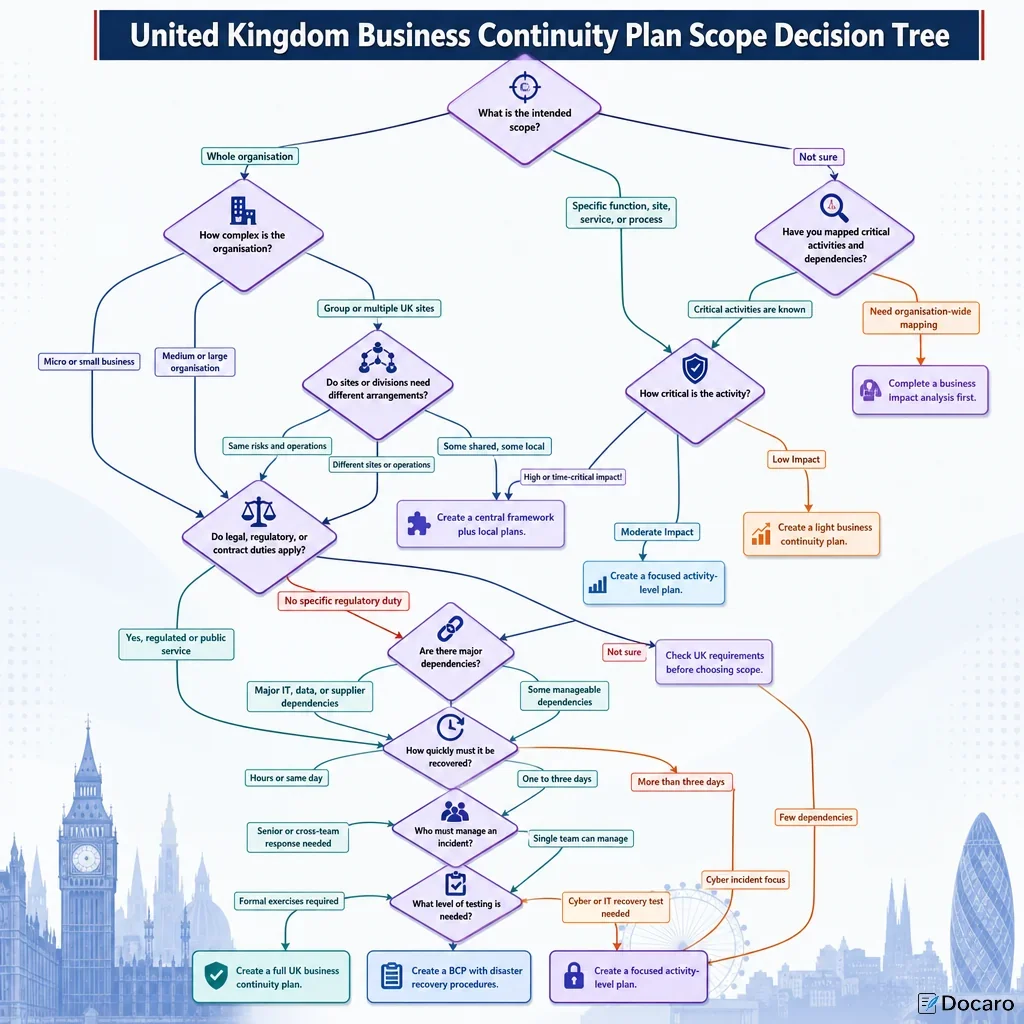
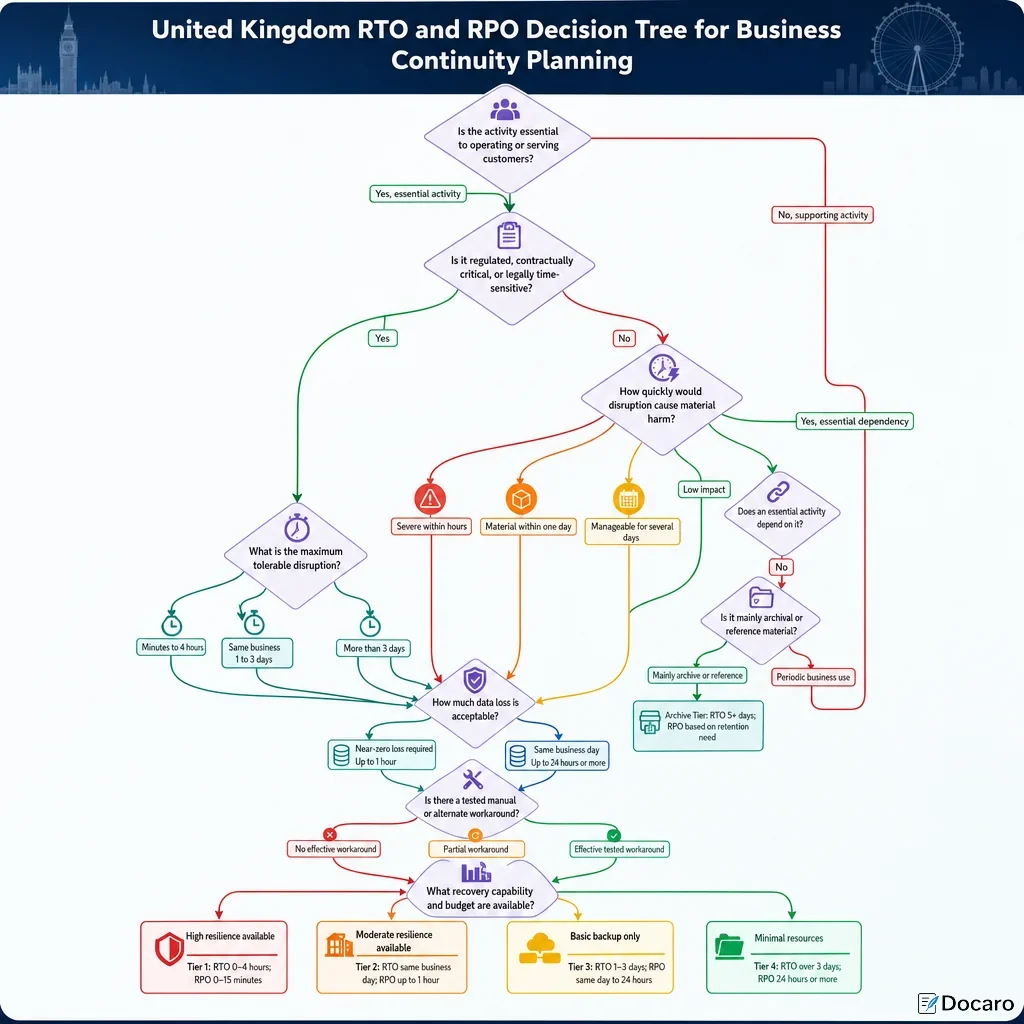
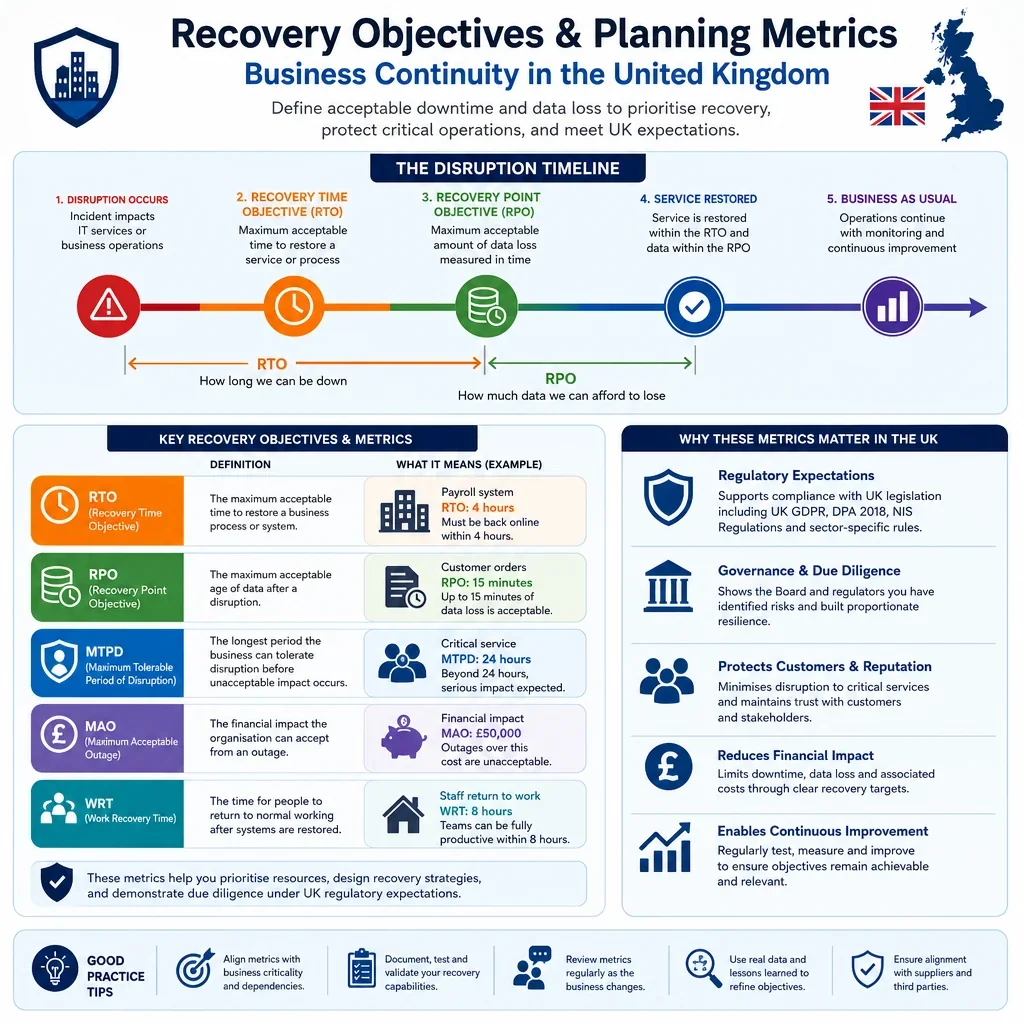
UK business continuity plans should separate time targets, such as RTO and MTPD, from data targets, such as RPO, because they drive different controls: staffing, workarounds and premises for time targets, and backup, replication and data retention for data targets.
Which Recovery Metrics Matter Most For UK Compliance And Contracts?
- Regulated services need tighter evidence. Financial services, telecoms, health and data-heavy organisations should link recovery objectives to regulatory expectations, contractual service levels and supplier commitments, not just internal preferences.
- Personal data recovery must reflect UK GDPR duties. Backup, restoration and data loss tolerances should support confidentiality, integrity, availability and resilience of processing systems under UK GDPR Article 32.
- Supplier objectives must be checked, not assumed. Cloud, IT, payroll, payments, telecoms and logistics providers should have recovery targets that match the organisation's required RTO, RPO and minimum service levels.
What Is The Practical Difference Between RTO, RPO And MTPD?
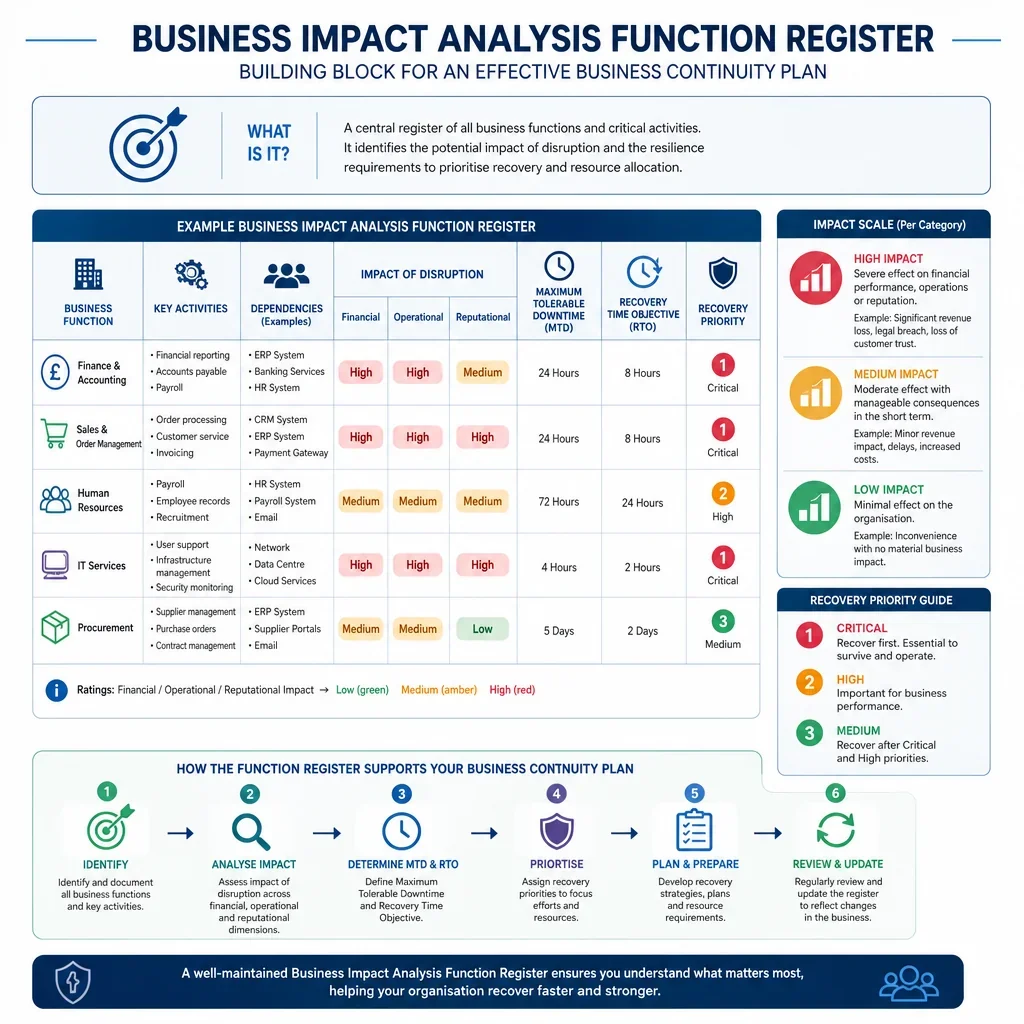
RTO is how quickly a process or system should be restored. RPO is how much data loss is tolerable. MTPD is the maximum period of disruption before serious harm occurs. A credible plan normally sets MTPD first in the business impact analysis, then sets RTO shorter than MTPD and RPO according to operational, legal and customer impact.
How Can These Metrics Improve A Business Continuity Plan?
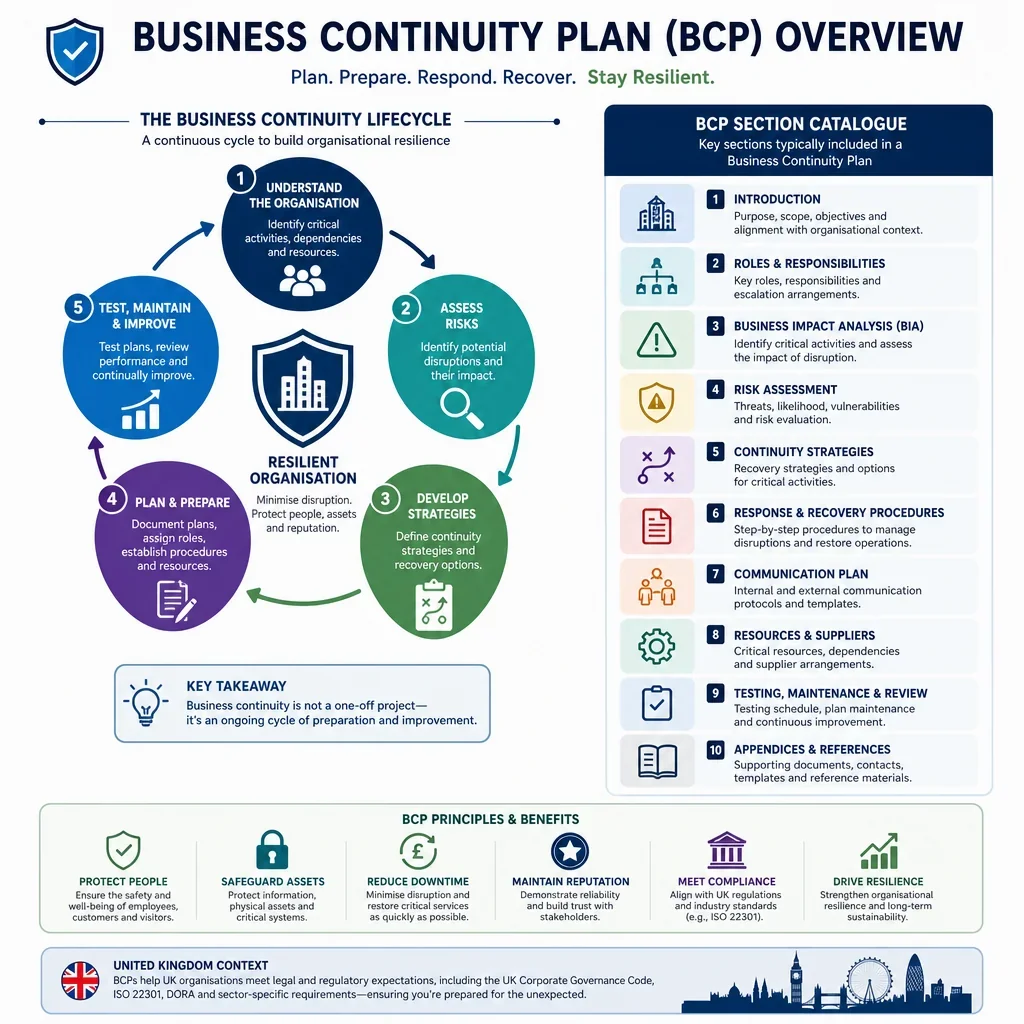
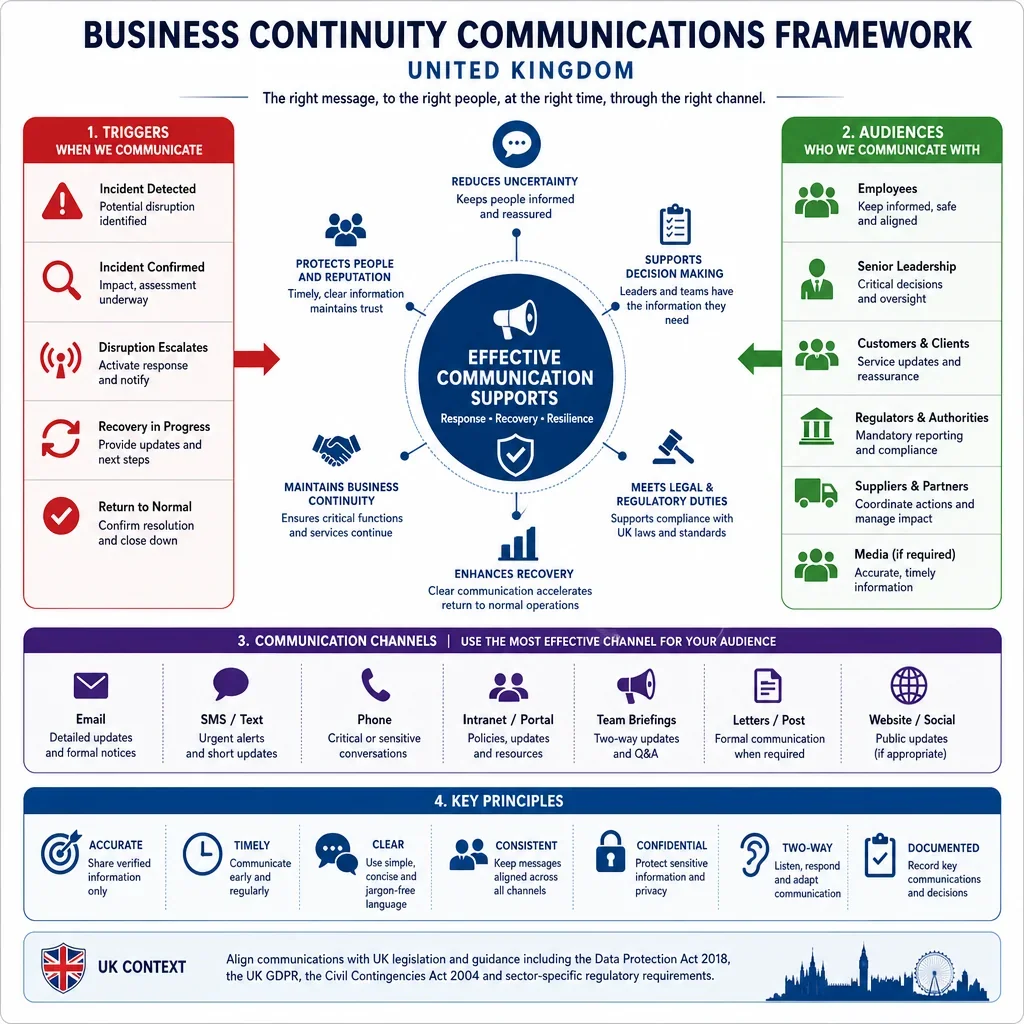
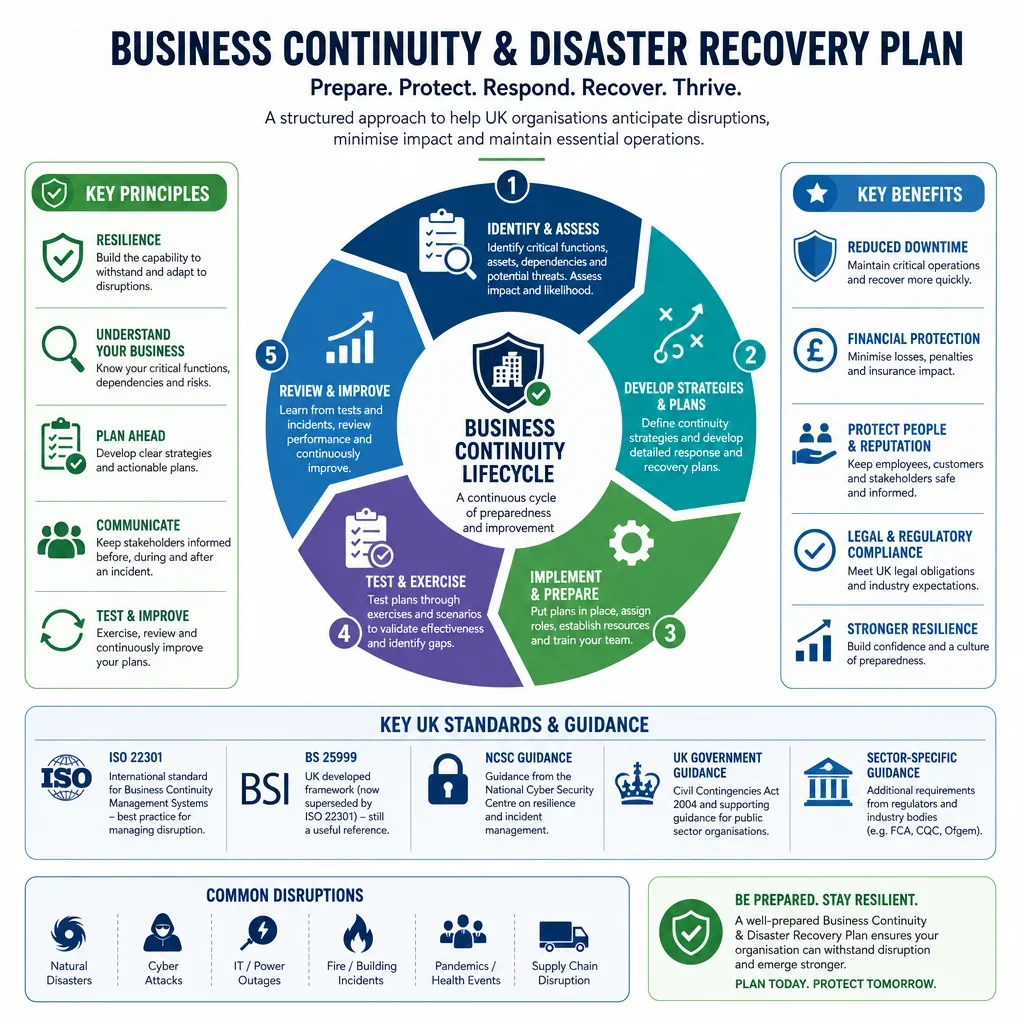
The metrics in this dataset help turn a Business Continuity Plan from a narrative document into an actionable plan with measurable priorities. They define which activities are recovered first, how much capacity is acceptable during disruption, what evidence is needed for board approval, and what must be tested in exercises.
FAQs
You Might Also Be Interested In