What Is a Rent Increase Notice and Why Does It Matter?
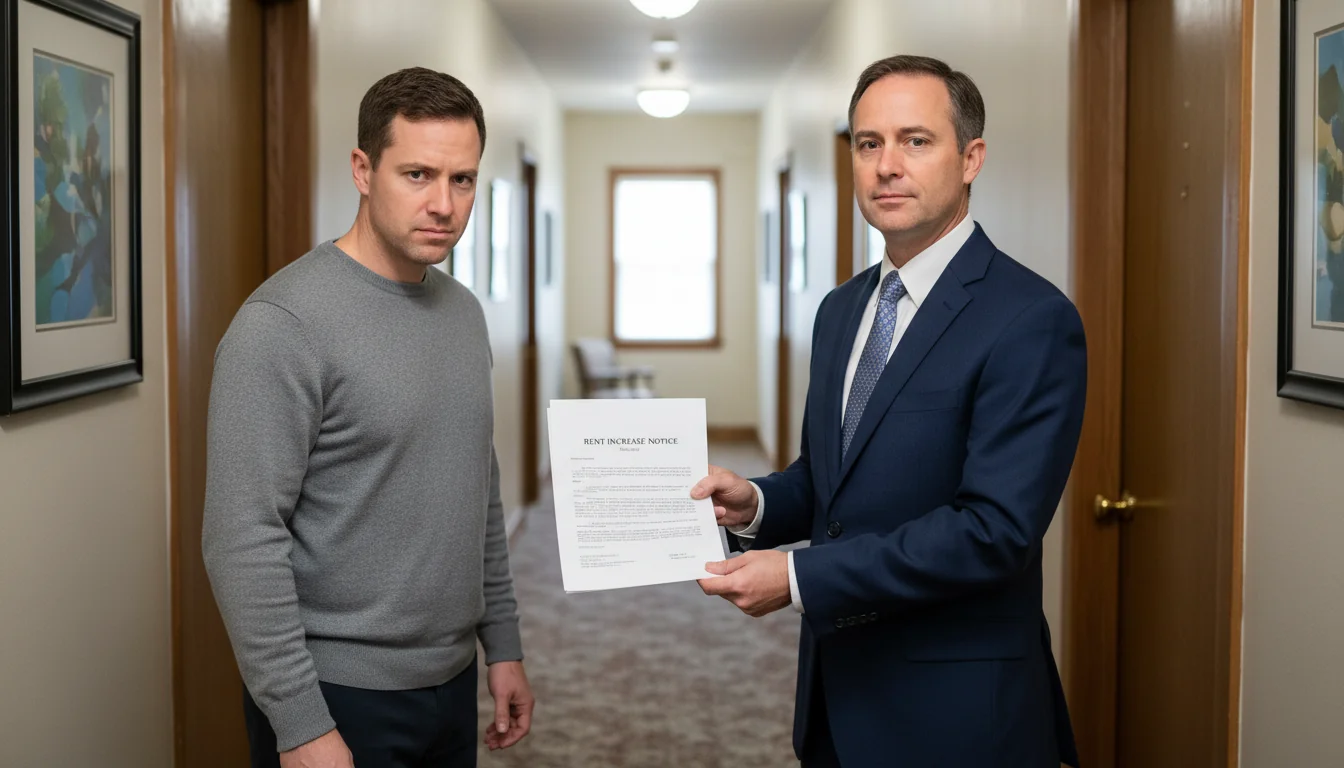
A rent increase notice is a formal communication from a landlord to tenants announcing an upcoming adjustment in rental payments, typically due to rising costs or market conditions. This notice informs tenants of the new rent amount, the effective date of the change, and any other relevant details to ensure transparency in the rental process. Proper delivery of the notice, often via mail or in person, helps tenants prepare financially and avoid surprises in their housing expenses.
Legal protections for tenants vary by jurisdiction, but most states require landlords to provide advance warning, such as 30 to 60 days, before implementing a rent hike. These protections prevent abrupt increases and allow time for tenants to negotiate, seek alternatives, or understand their rights under local laws. For authoritative guidance, refer to resources like the U.S. Department of Housing and Urban Development (HUD) website.
Complying with state-specific rent control laws is crucial for landlords to avoid disputes, potential lawsuits, or invalidation of the increase. Failure to follow notice periods or caps on annual increases can lead to tenant challenges and financial penalties, emphasizing the need for legal consultation. Landlords should:
- Review local statutes on rent increase regulations before issuing notices.
- Document all communications to protect against claims of improper procedure.
- Consider tenant circumstances to maintain positive landlord-tenant relationships.
How Do Federal Laws Influence Rent Increase Notices?
Federal guidelines on anti-discrimination rules in rent hikes are primarily enforced through the Fair Housing Act (FHA), which prohibits discrimination based on race, color, national origin, religion, sex, familial status, and disability in all housing-related transactions, including rent increases. These nationwide rules ensure that landlords cannot selectively raise rents to target protected classes, promoting fair housing practices across the United States. For more details, refer to the HUD's Fair Housing Act overview.
These federal anti-discrimination laws interact with state-specific requirements by setting a minimum standard that states can build upon, such as California's additional protections against discrimination based on source of income or marital status in rent adjustments. While federal rules apply uniformly, states like New York may impose stricter rent control measures that complement FHA guidelines, ensuring comprehensive tenant protections without conflicting with national mandates. This layered approach helps address local housing market dynamics while upholding fair housing nationwide.
In practice, compliance involves landlords documenting rent hike decisions to avoid disparate impact claims under federal law, while also adhering to state caps on increases, like those in Oregon limiting annual hikes to 7%. Violations can lead to investigations by the Department of Housing and Urban Development (HUD) at the federal level or state agencies, emphasizing the importance of understanding both layers for rent increase regulations. Consult CFPB's Fair Housing resources for guidance on interactions between federal and state rules.
Key Federal Protections for Tenants
"While federal law establishes a minimum standard for tenant protections, the specifics of rent increase notices—including timing, form, and limits—are governed by state statutes, requiring landlords to ensure compliance with applicable local regulations." – American Bar Association Housing Guide, 2023. Recommendation: Always consult your state's landlord-tenant laws or a local attorney before issuing a rent increase notice to avoid legal pitfalls.
What Are the General Requirements for Issuing Rent Increase Notices Across States?
In landlord-tenant law across the US, 30-60 day notice periods are standard requirements for rent increases, allowing tenants sufficient time to adjust to changes in housing costs. Most states mandate at least a 30-day notice for month-to-month tenancies, while fixed-term leases may require 60 days or more, especially for increases exceeding certain percentages. These periods ensure fairness and compliance with local rent control regulations, helping landlords avoid legal disputes.
Written notices are essential for rent increase notifications to create a clear, verifiable record of the intent to raise rent, as verbal agreements are often insufficient in court. The notice must include details like the new rent amount, effective date, and any applicable state-specific information to be legally binding. For a detailed process, refer to our How to Legally Serve a Rent Increase Notice in the US: Step-by-Step Guide.
Methods of service for these rent increase notices typically include personal delivery, certified mail, or posting on the door if the tenant is absent, with some states allowing email for established electronic communication. Landlords should retain proof of service, such as signed receipts or affidavits, to demonstrate compliance. For authoritative guidance, consult resources from the U.S. Department of Housing and Urban Development (HUD), which outlines federal and state variations in serving notices.
Variations in Notice Periods by State
Which States Have Rent Control Laws Affecting Notice Requirements?
Rent control jurisdictions in the United States impose strict regulations on how much landlords can increase rents, aiming to protect tenants from excessive hikes in housing costs. These areas, often found in major cities like New York City and San Francisco, typically feature caps on rent increases tied to inflation rates or fixed percentages, such as a maximum of 5% plus the Consumer Price Index annually. For a detailed overview of rent control laws by location, refer to the full guide at State-by-State Rules for Rent Increase Notices in the United States.
Special notice provisions require landlords to provide advance written warnings before implementing any rent hikes, ensuring tenants have time to plan or negotiate. In rent-controlled areas, these notices often must be given 30 to 60 days in advance, depending on the jurisdiction and the amount of the increase, as outlined by state and local housing authorities. For authoritative details, visit the U.S. Department of Housing and Urban Development (HUD) website, which covers tenant rights and rent stabilization policies nationwide.
Understanding these rent control jurisdictions and their rules is crucial for both renters and property owners navigating the rental market. While not all states have rent control, those that do often combine caps with notice requirements to promote fair housing practices. This article offers a high-level summary; for comprehensive rent increase notice rules, explore the linked state-by-state resource or consult local legal experts.
Examples from Rent-Controlled States
How Do Notice Requirements Differ in Non-Rent-Controlled States?
In freer market states like Texas and Florida, rent control regulations are minimal, allowing landlords greater flexibility in setting rental prices. This environment fosters higher rent increases compared to more regulated areas, but even here, laws mandate proper notice, typically 30 days, to protect tenants from abrupt changes. Such policies balance market freedom with tenant rights, promoting economic growth in the rental housing market.
Compared to stricter states like California or New York, where caps limit annual hikes to around 5%, Texas and Florida's approach encourages investment in property development. For instance, Florida's lack of statewide rent control enables quicker adjustments to demand, though local ordinances may vary. This pro-market stance has led to robust housing supply growth, as evidenced by data from the U.S. Census Bureau.
- Texas rent laws: Require 30-day notice for increases over 10%.
- Florida rental flexibility: No caps, but 15-30 days notice standard.
- Benefits include faster market response to inflation and demand surges.
State-Specific Notice Periods in Free-Market States
What Are Common Mistakes in Rent Increase Notices and How to Avoid Them?
Landlords often encounter errors like insufficient notice time or improper delivery when issuing rent increase notices, which can lead to legal disputes and invalidation of the increase. Insufficient notice time occurs when the required period—typically 30 to 60 days depending on the state—is not adhered to, leaving tenants unprepared and potentially violating lease agreements. Improper delivery, such as using unverified methods like email without confirmation, fails to prove that the tenant received the notice, amplifying risks in eviction or rent dispute scenarios.
State laws significantly amplify these issues by imposing strict requirements tailored to local regulations, making nationwide compliance challenging for property managers. For instance, California's Civil Code mandates at least 30 days' notice for increases under 10%, while New York requires 30 to 90 days based on tenancy length, and non-compliance can result in fines or tenant lawsuits. These variations highlight the need for landlords to research jurisdiction-specific rules to avoid amplified penalties, such as doubled damages under some statutes.
To navigate these pitfalls, landlords should consult resources like Common Mistakes to Avoid When Issuing a Rent Increase Notice for practical guidance. Additionally, authoritative sources such as the Nolo Legal Encyclopedia provide detailed state-by-state breakdowns to enhance understanding of rent increase notice laws. By prioritizing proper notice and delivery, landlords can minimize legal risks and maintain positive tenant relationships.
1
Identify Your State's Housing Authority
Search for your state's official housing or tenant rights agency website to access reliable resources on rent regulations.
2
Review State and Local Statutes
Examine your state's landlord-tenant laws and any city-specific ordinances for rent increase notice periods and limits.
3
Consult a Legal Expert
If rules are unclear or complex, seek advice from a real estate attorney or legal aid service for compliance.
4
Document All Communications
Keep records of notices sent to tenants, including dates, methods, and content, to ensure legal protection.
Consequences of Non-Compliance by State
How Can Tenants Respond to a Rent Increase Notice?
Tenant rights empower renters to negotiate rent increases and challenge unfair practices, especially in states with strong tenant protections. For instance, in California, the Tenant Protection Act limits annual rent hikes to 5% plus inflation, allowing tenants to negotiate or refuse excessive increases. Seeking legal advice from organizations like the California Department of Consumer Affairs can help tenants understand their options and protect against retaliatory actions by landlords.
When facing unfair rent increases, tenants can challenge them through formal complaints or small claims court, depending on state laws. In New York, the Rent Stabilization Law provides guidelines for allowable increases, and tenants can contact the New York State Attorney General's office for guidance. Resources such as Nolo's guide to New York tenant rights offer detailed insights into eviction protections and dispute resolution processes.
To enhance tenant advocacy, consider joining local tenant unions or using free legal aid services tailored to your state. For example, Massachusetts tenants benefit from the Attorney General's fair housing division, which enforces limits on rent control in certain areas. Always document communications with landlords and explore mediation before escalating to legal action, as outlined in authoritative sources like HUD's tenant rights page.