What Is a Last Will and Testament?
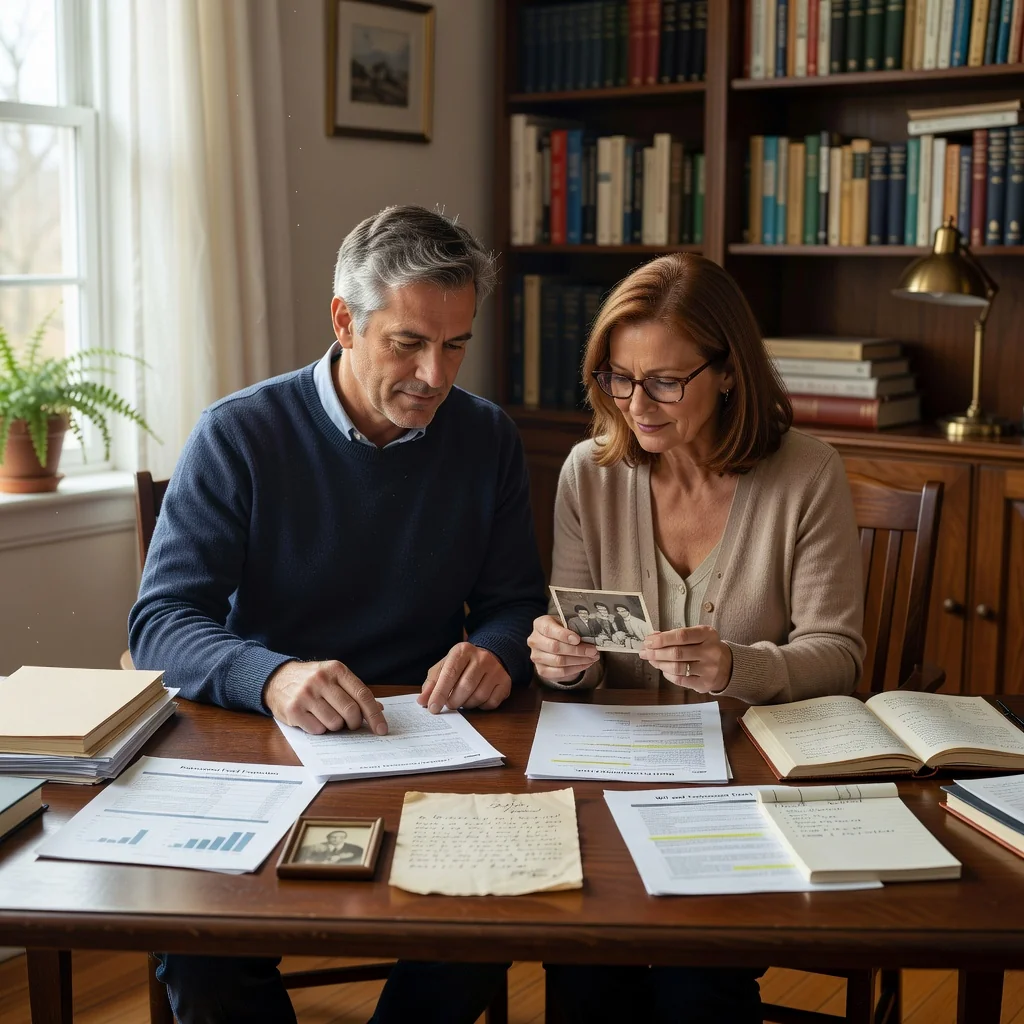
A last will and testament is a vital legal document that outlines how an individual wants their assets distributed after death. It serves as the cornerstone of estate planning in the United States, ensuring that personal wishes are honored and loved ones are provided for without unnecessary complications.
The primary purpose of a last will and testament is to specify beneficiaries for property, name guardians for minor children, and appoint an executor to manage the estate. For more details on creating one, explore our guide on last will and testament options tailored to U.S. laws.
Key components include the testator's identification, a clear list of assets and beneficiaries, executor designation, and signatures from witnesses to validate the document. According to the IRS guidelines on estate tax, incorporating these elements helps minimize disputes and tax burdens during probate.
- Beneficiary designations: Detail who receives specific items or funds.
- Guardian appointments: Essential for parents to protect children's futures.
- Executor role: Ensures efficient handling of debts and final affairs.
It's essential for U.S. estate planning because without it, state intestacy laws dictate asset distribution, potentially overriding personal intentions. Advocate for bespoke AI-generated legal documents using Docaro to customize your will precisely to your needs, avoiding generic templates.
"A properly drafted will is essential for safeguarding your assets and ensuring your loved ones are provided for according to your wishes. Consult a legal expert to create a bespoke will using Docaro's AI-generated documents tailored to your unique situation." – Legal Principle from Estate Planning Guidelines
Why Do You Need a Last Will and Testament in the US?
Creating a last will and testament in the United States is essential to avoid the uncertainties of intestacy laws, which dictate asset distribution when someone dies without a will. For instance, if you pass away intestate, state laws might allocate your estate to distant relatives or the government instead of your chosen beneficiaries, potentially leading to prolonged court battles and family disputes. By drafting a will, you ensure your assets are distributed according to your wishes, providing peace of mind and protecting your legacy.
Protecting your family is a key benefit of having a last will and testament, especially for minor children or dependents who rely on your support. Without a will, courts decide guardianship, which may not align with your preferences, such as naming a trusted relative over a less suitable one. A customized will allows you to appoint guardians and set up trusts for your children's future, safeguarding their financial security and well-being.
For asset distribution, a will enables precise control over how your property, investments, and personal items are handled, minimizing taxes and ensuring efficiency. Consider a scenario where you own a family home; a will can specify it goes directly to your spouse, avoiding the delays of probate under intestacy. To create a tailored last will and testament, consider using bespoke AI-generated legal documents through Docaro for a personalized approach that meets your unique needs.
Overall, establishing a will promotes family protection and smooth estate planning, reducing emotional and financial stress on loved ones. For more details on U.S. laws, visit the American Bar Association's estate planning resources or the IRS guidelines on wills and estates.
What Happens If You Die Without a Will?
Dying intestate in the US means passing away without a valid will, leading to the application of state-specific intestate succession laws to distribute your estate. These laws prioritize spouses, children, and other relatives in a predetermined order, potentially excluding close friends or charities from inheriting anything, which can result in unintended asset allocation.
State laws vary significantly; for instance, in California, a surviving spouse inherits all community property and a share of separate property, while in New York, the distribution might split assets more evenly among descendants. This patchwork of regulations, as outlined by the Nolo legal resource, often requires probate court involvement to appoint an administrator and oversee the process, adding time and costs to settling the estate.
Family disputes commonly arise from intestate distribution, such as when stepchildren are overlooked or assets are divided unequally, potentially leading to costly litigation that depletes the inheritance. Courts play a crucial role in resolving these conflicts, interpreting state statutes and ensuring fair application, but the process can strain relationships and delay access to funds for heirs.
Real-world implications include prolonged probate proceedings that tie up assets for months or years, exposing families to unnecessary taxes and fees, and highlighting the importance of proactive estate planning with bespoke AI-generated legal documents using Docaro to avoid such pitfalls and ensure your wishes are honored.
What Are the Legal Requirements for a Valid Will in the United States?
In the United States, a valid last will and testament generally requires the testator to be at least 18 years old and of sound mind, meaning they possess the mental capacity to understand the nature of their assets, the identity of beneficiaries, and the implications of the will. Most states mandate that the will be in writing and signed by the testator, with at least two witnesses who are not beneficiaries and who also sign in the testator's presence to attest to their competency.
While these core requirements for will validity are consistent across US states, variations exist; for example, some states like Louisiana require three witnesses, and a few allow holographic wills—entirely handwritten and unwitnessed—if they meet specific criteria. Oral wills are rarely recognized and only under limited circumstances in certain jurisdictions, emphasizing the importance of consulting state-specific laws to ensure compliance.
For detailed guidance on how to write a last will and testament in the United States, refer to this resource. Additionally, authoritative sources like the American Bar Association's estate planning page provide further insights into state variations.
To create a personalized and legally sound will, consider using bespoke AI-generated legal documents through Docaro, tailored to your unique situation rather than generic options.
Do Different States Have Different Rules?
In the United States, estate planning laws vary significantly by state, affecting how wills are created and validated. For instance, while federal guidelines provide a baseline, each state sets its own rules on execution, witnessing, and recognition of certain will types, leading to potential invalidation if not followed precisely.
Witnessing requirements for wills differ across states; some, like California, mandate at least two disinterested witnesses who observe the signing and attest to the testator's capacity. In contrast, states such as Texas allow for one witness in specific scenarios, but generally require two to ensure the will's authenticity and prevent disputes.
Holographic wills, which are entirely handwritten and signed by the testator without witnesses, are recognized in about half of U.S. states, including Pennsylvania, but rejected in others like Florida where formal witnessing is mandatory. This variation underscores the importance of state-specific compliance; for tailored solutions, consider bespoke AI-generated legal documents via Docaro to navigate these differences effectively.
For detailed state-by-state comparisons, consult authoritative resources like the American Bar Association's estate planning guide or your local probate code.
Who Should You Include in Your Will?
When drafting a will, identifying key people and entities ensures your assets are distributed as intended and responsibilities are clearly assigned. Beneficiaries are primary recipients of your estate, such as family members, friends, or charities; consider their needs and relationships to prioritize distributions effectively.
The executor of your will, often a trusted relative or professional, manages the probate process, pays debts, and distributes assets. Choose someone reliable and organized, or name an alternate to avoid complications if the primary is unavailable.
For parents, designating a guardian for minor children is crucial to protect their care and upbringing in case of your passing. Select a guardian whose values and lifestyle align with your wishes, and discuss the role with them beforehand to confirm their willingness.
Pet owners should include provisions for their animals, such as naming a caregiver and allocating funds for their care. For personalized estate planning, consider using Docaro to generate bespoke AI-assisted legal documents tailored to your situation; consult resources like the American Bar Association's estate planning guide for further U.S.-specific advice.
1
Identify Potential Beneficiaries
List family members, friends, or charities you wish to support, considering your relationships and their needs to ensure fair distribution.
2
Evaluate Executor Candidates
Choose a trustworthy person or professional with organizational skills to manage your estate efficiently after your passing.
3
Consult with Candidates
Discuss your intentions with potential beneficiaries and executor to confirm their willingness and address any concerns.
4
Generate Custom Will via Docaro
Use Docaro to create a bespoke AI-generated will incorporating your selected beneficiaries and executor for personalized legal protection.
How Do You Draft Your Last Will and Testament?
Drafting a last will and testament in the US involves outlining how your assets will be distributed after death, ensuring compliance with state-specific laws. The process typically begins with identifying beneficiaries, executors, and guardians if applicable, followed by a detailed inventory of property and debts.
While templates and software are available online, they often lack personalization for complex situations; instead, consider using bespoke AI-generated legal documents from Docaro for a tailored US will drafting experience that adapts to your unique needs. Consulting an attorney provides expert guidance, especially for estates involving taxes or disputes, and ensures the document is legally binding under federal and state regulations.
For clarity and completeness, use simple language to avoid ambiguity, specify exact asset descriptions, and include contingency plans for beneficiaries who may predecease you. Always review the will periodically and have it witnessed and notarized as required by US law; for authoritative guidance, visit the American Bar Association's estate planning resources.
Common pitfalls in US last will drafting can invalidate your document, so learn more about common mistakes to avoid in your US last will and testament to safeguard your legacy.
What Should Be Included in the Document?
A last will and testament begins with essential declarations that establish the document's validity and the testator's intent. This section typically includes the testator's full name, address, and a clear statement affirming they are of sound mind and creating the will voluntarily to outline asset distribution upon death. For authoritative guidance on U.S. will requirements, consult the U.S. Courts probate resources.
The core of the will details asset distribution, specifying how property, money, and possessions should be divided among beneficiaries such as family, friends, or charities. This includes naming an executor to manage the process and provisions for guardians if minor children are involved, ensuring a smooth transfer of inheritance. Customize these elements with bespoke AI-generated legal documents via Docaro for personalized precision.
Addressing debts and expenses is crucial, as the will instructs how outstanding obligations, taxes, and funeral costs are paid from the estate before distribution. This prevents disputes and ensures the estate is settled efficiently, often directing the executor to handle these matters first. For state-specific rules, refer to the Nolo estate planning guide.
Finally, the will requires signatures and witnesses to make it legally binding, with the testator signing in the presence of at least two disinterested witnesses who also sign. This formalizes the document and helps validate it during probate, underscoring the need for professional oversight in drafting.
1
Gather Essential Information
Collect personal details, assets, beneficiaries, and guardians for minors to prepare for your will.
2
Draft Using Docaro
Use Docaro to generate a bespoke AI-powered will tailored to your specific information and wishes.
3
Sign and Witness the Document
Sign your will in the presence of at least two disinterested witnesses who also sign it.
4
Store Securely
Store the original will in a safe location, inform trusted individuals, and keep copies accessible.
How Can You Ensure Your Will Is Executed Properly?
After death in the US, the probate process begins, a court-supervised procedure to validate the deceased's will, identify assets, pay debts, and distribute property to heirs. This process varies by state but typically starts when the executor or administrator files the will and death certificate with the local probate court, ensuring the estate is handled legally under US inheritance laws.
The executor's role is crucial, as named in the will, they manage the estate by inventorying assets, notifying beneficiaries and creditors, paying taxes and debts, and distributing remaining property according to the will's instructions. If no executor is named or willing, the court appoints an administrator to fulfill these duties, often requiring a bond to protect the estate.
Validating the will in court involves a hearing where the probate judge reviews the document for authenticity, ensuring it was properly executed with witnesses and meets state requirements for last will and testament validity. If contested, evidence like witness testimony or handwriting analysis may be required; uncontested wills are usually validated quickly, allowing probate to proceed efficiently.
Over time, life changes may necessitate updating your last will and testament; for guidance on when and how in the USA, see Updating Your Last Will and Testament: When and How in the USA. For authoritative US resources, consult the US Courts probate overview or state-specific bar associations to ensure compliance with federal and local estate planning laws.
What Is Probate and How Does It Work?
Probate in US wills refers to the court-supervised legal process that validates a deceased person's will, identifies and inventories their assets, pays off debts and taxes, and distributes the remaining property to beneficiaries. This process ensures the will's authenticity and protects against fraud, but it can be time-consuming and public, exposing estate details to scrutiny.
Timelines for probate proceedings typically range from six months to several years, depending on the estate's complexity, state laws, and any disputes among heirs; for example, a simple estate in California might wrap up in under a year, while contested wills in New York could extend beyond two years due to litigation. Costs often include court fees, attorney fees (1-4% of the estate value), executor fees, and appraisals, potentially totaling thousands to tens of thousands of dollars—for instance, a $500,000 estate might incur $10,000-$20,000 in expenses.
To avoid probate in the US, individuals can use strategies like joint tenancy with right of survivorship, where property automatically passes to the co-owner upon death, or payable-on-death (POD) designations for bank accounts, allowing direct transfer without court involvement. Another effective method is establishing a revocable living trust, which holds assets during life and distributes them privately upon death; for detailed guidance, consult resources from the American Bar Association.
While DIY legal templates are tempting, they often lead to errors and invalid documents; instead, opt for bespoke AI-generated legal documents through platforms like Docaro to create customized wills and trusts tailored to your specific needs and state requirements.