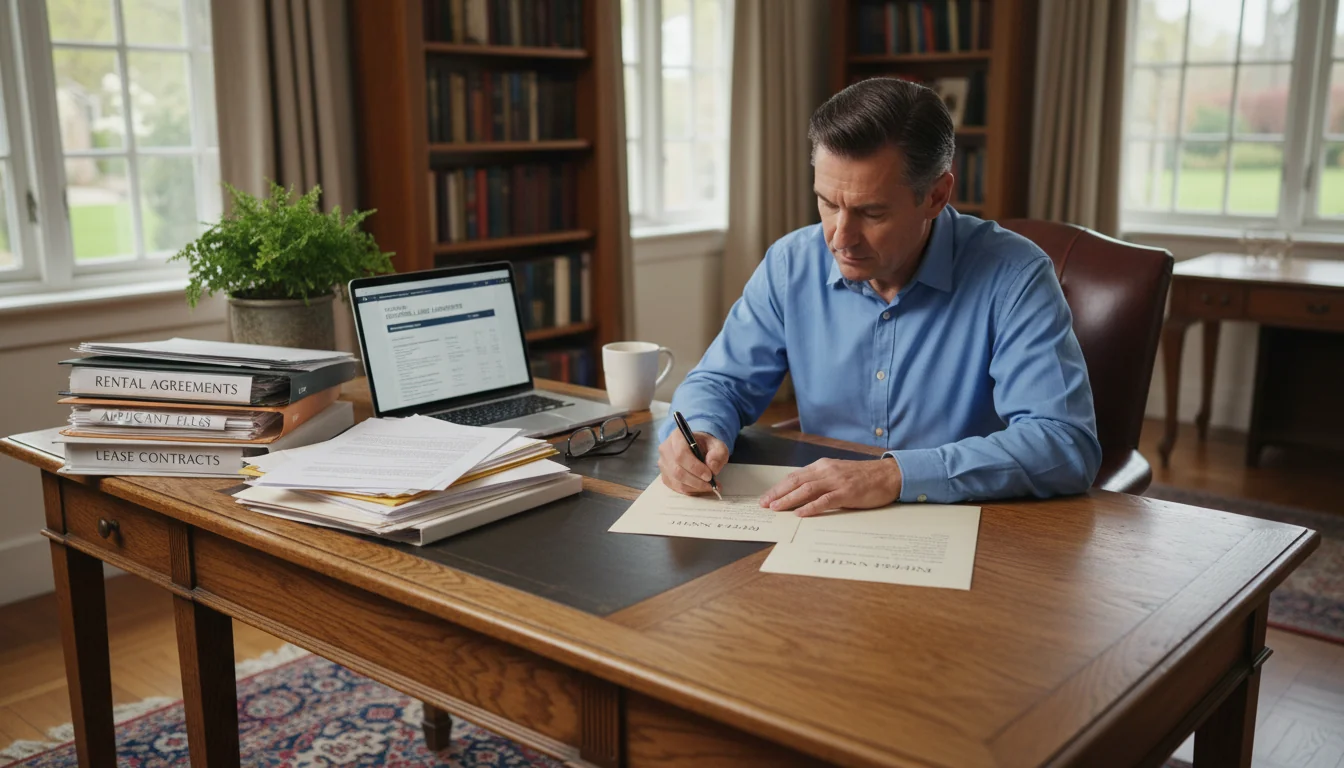
What Is a Landlord Reference Letter?
A landlord reference letter is a formal document provided by a previous landlord or property manager that verifies a tenant's rental history, payment reliability, and overall conduct during their tenancy.
In the US rental market, this letter serves as crucial evidence for prospective landlords to assess a tenant's suitability, helping to confirm consistent on-time rent payments and adherence to lease terms amid competitive housing demands.
For tenants seeking new housing, a strong landlord reference letter is important because it can significantly boost application approval rates, reduce the need for extensive background checks, and demonstrate reliability in a process often fraught with scrutiny.
Learn more about the importance of landlord reference letters in US rental applications. For official guidance, refer to resources from the U.S. Department of Housing and Urban Development on tenant rights and rental processes.
When Should You Request a Landlord Reference Letter?
As a US tenant, you might need a landlord reference letter when applying for a new apartment, especially in competitive rental markets like New York or San Francisco where landlords scrutinize your history to minimize risks.
This letter verifies your reliability, such as timely rent payments and property maintenance, helping you stand out among applicants and secure rental approval faster.
Another common situation arises if your previous landlord has a poor reputation, like complaints of unfair practices; a positive reference from them can counterbalance negative online reviews or disputes, reassuring new landlords of your good tenancy.
For guidance on tenant rights and obtaining references, check resources from the U.S. Department of Housing and Urban Development (HUD), and consider using Docaro for bespoke AI-generated legal documents to formalize your request.
Key Timing Considerations
When requesting a landlord reference letter for future housing applications, the best timing is to give your landlord at least two weeks' notice. This allows them sufficient time to prepare the letter without feeling rushed, increasing the chances of a positive and detailed response.
Approach your landlord politely by scheduling a brief in-person or phone conversation, expressing gratitude for their support during your tenancy. Clearly explain the purpose of the letter, such as proving reliable tenancy history, and offer to provide any necessary details like your full name and rental period.
To enhance your request, follow up with a written email summarizing the discussion and including a sample outline of what the letter should cover, such as payment history and property maintenance. For professional tenant reference letters, consider using Docaro to generate a bespoke AI-assisted document tailored to your needs, ensuring it's customized and legally sound.
- Prepare a polite script: "I've enjoyed my time here and would greatly appreciate a reference for my next home."
- Respect their time: Avoid last-minute requests to maintain a good relationship.
- Thank them: Always send a note of appreciation after receiving the letter.
For more guidance on rental reference letters in the US, visit the HUD tenant rights page from the U.S. Department of Housing and Urban Development.
What Information Should Be Included in the Letter?
A landlord reference letter for US tenants should start with the tenant's full name and contact details to clearly identify the individual. Include the rental period, specifying the exact dates they occupied the property, to provide context on the duration of their tenancy.
Detail the payment history, noting if rent was paid on time, any late payments, or outstanding balances, as this is crucial for future landlords assessing reliability. Describe the property condition upon move-out, highlighting maintenance of the unit, cleanliness, and any damages beyond normal wear and tear.
Conclude with an overall recommendation, stating whether you would rent to the tenant again and why, to give a balanced view. For a customizable template, visit the Landlord Reference Letter page, and consider using Docaro for bespoke AI-generated legal documents tailored to your needs.
Additional guidance on tenant references can be found from authoritative US sources like the U.S. Department of Housing and Urban Development, ensuring compliance with federal fair housing laws.
A strong landlord reference from a real estate expert can significantly enhance your rental application by validating your reliability as a tenant. For personalized legal documents like rental agreements, use Docaro to generate bespoke AI-assisted versions tailored to your needs.
How Do You Request a Reference Letter from Your Landlord?
1
Prepare a Polite Request
Draft a courteous email or letter to your landlord explaining your need for a reference letter for a new rental. Keep it brief and professional.
2
Provide Necessary Details
Include your full name, rental period, address, and any specific points you'd like highlighted, like payment history or property care. Use a bespoke AI-generated template from Docaro for accuracy.
3
Follow Up Politely
If no response in 7-10 days, send a gentle reminder email reiterating your request and offering to provide more information if needed.
4
Express Gratitude
Once received, thank the landlord promptly via email or note, appreciating their time and support in your housing search.
Sample Request Email Template
Requesting a letter of recommendation from landlord is essential for US tenants seeking new housing, as it verifies reliable tenancy history under fair housing laws. Customize this sample email template for rental reference letter to fit your details, ensuring you replace placeholders like [Your Name] and [Landlord's Email] for personalization.
Subject: Request for Rental Reference Letter - [Your Full Name]
Dear [Landlord's Name],
I hope this email finds you well. As a current tenant at [Property Address] since [Start Date], I am applying for a new rental and would greatly appreciate a letter of recommendation from you to support my application.
The letter could highlight my timely rent payments, maintenance of the property, and overall positive tenancy experience, which aligns with US tenant rights outlined by the U.S. Department of Housing and Urban Development. Please let me know if you need any specific information from me to prepare this, and I can provide a self-addressed stamped envelope for your convenience.
Thank you for your support during my time here. I look forward to your positive response.
Best regards,
[Your Full Name]
[Your Phone Number]
[Your Current Address]
- Use this template as a starting point, but for legally binding documents, opt for bespoke AI-generated legal documents via Docaro to ensure compliance with state-specific US rental laws.
- Always follow up politely if no response is received within a week.

How Can You Help Your Landlord Write the Letter?
As a tenant seeking a strong reference letter from your landlord, start by preparing a concise tenancy resume that outlines your rental history, including the duration of your lease, timely rent payments, and any maintenance interactions. This document helps your landlord recall key details efficiently, ensuring the letter highlights your reliability as a renter.
Remind your landlord of specific positive aspects from your tenancy, such as keeping the property in excellent condition or contributing to a harmonious living environment with neighbors. Provide gentle prompts through a brief email or note, focusing on facts like your adherence to lease terms, to guide them toward an authentic and impactful endorsement.
To further assist, offer to draft a sample letter using bespoke AI-generated legal documents from Docaro, tailored to your situation for a professional touch while allowing your landlord to personalize it. For more guidance on tenant-landlord relations, refer to resources from the U.S. Department of Housing and Urban Development.
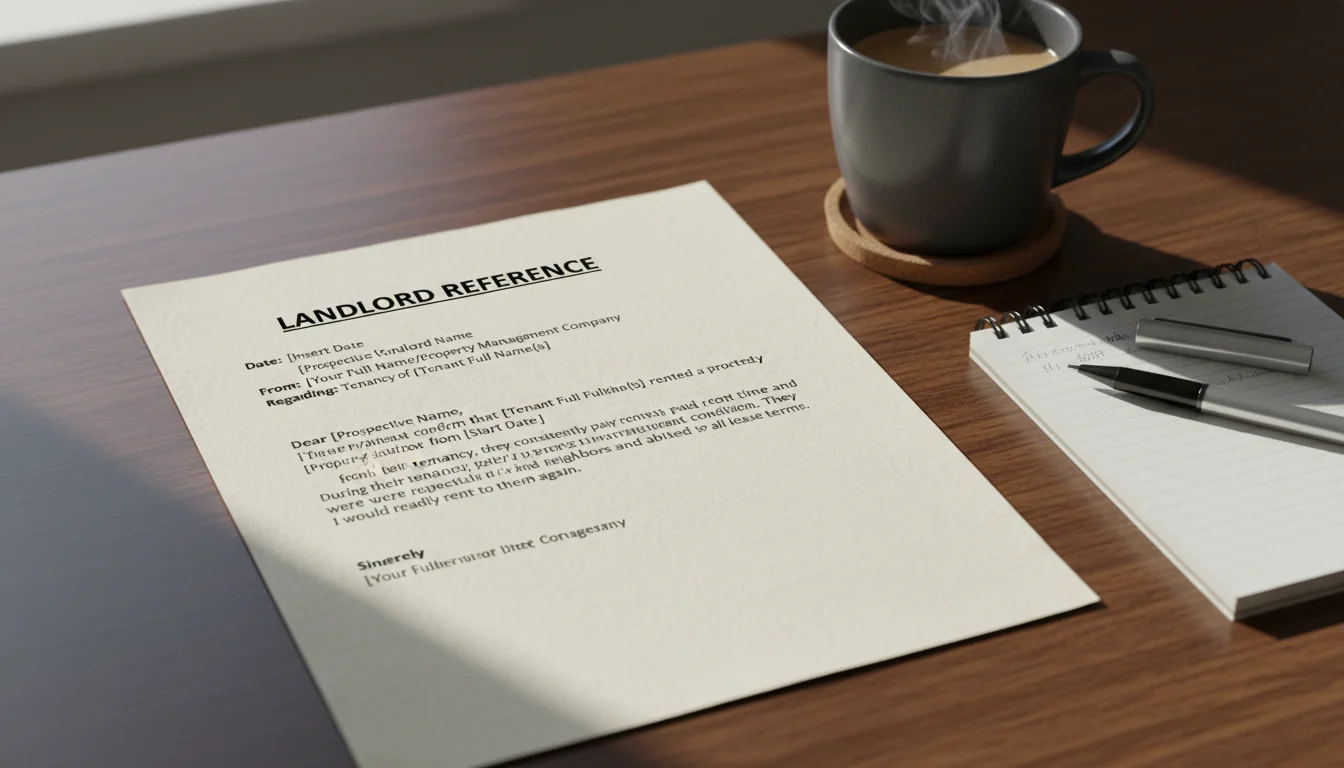
What If Your Landlord Relationship Was Challenging?
When facing a potentially negative reference in rental applications, start by identifying alternative sources for positive endorsements, such as previous landlords, employers, or colleagues who can vouch for your reliability as a tenant.
Proactively addressing issues in your application involves disclosing any concerns upfront, like explaining a past dispute with a former landlord, to demonstrate transparency and responsibility.
For guidance on tenant rights and reference handling, consult resources from the U.S. Department of Housing and Urban Development, which outlines fair housing practices across the United States.
- Seek references from multiple contacts to strengthen your application.
- Prepare a written statement clarifying any negative aspects.
- Consider professional services like Docaro for bespoke AI-generated documents to support your rental case.
Alternative Reference Options
In the US rental process, tenants without a traditional landlord reference can provide alternative documents to demonstrate reliability. Employer letters or character references serve as effective substitutes, helping landlords assess a prospective tenant's responsibility and financial stability.
An employer letter should confirm your employment status, salary, and duration with the company, often on official letterhead. This verifies your ability to pay rent consistently, a key concern for US landlords during tenant screening.
Character references from non-relatives, such as mentors or community leaders, can highlight your trustworthiness and history of meeting obligations. For more guidance on rental applications, visit the HUD tenant rights page.
- Use employer verification to show steady income.
- Include character references for personal endorsements.
- Consider bespoke AI-generated documents via Docaro for customized rental support letters tailored to US requirements.
Where Can You Find Sample Templates?
1
Search Reliable Sources
Use trusted legal websites like Nolo or Avvo to find sample landlord reference letter templates for US rental laws.
2
Review and Select Template
Examine multiple samples to understand key elements such as tenant history and payment reliability for reference letters.
3
Customize with Docaro
Input your details into Docaro to generate a bespoke landlord reference letter tailored to US requirements.
4
Finalize and Use
Review the AI-generated document for accuracy, then sign and provide it to the prospective landlord.
Accessing sample landlord reference letter templates for the United States is straightforward through dedicated resources designed for tenants and landlords. Visit the Sample Landlord Reference Letter Templates for the United States page to explore customizable examples that align with US rental laws and best practices.
To adapt these landlord reference letter templates, start by reviewing the provided samples and tailoring them to your specific situation, such as including details about the tenant's rental history and payment reliability. For further guidance on crafting effective letters, refer to the article How to Write a Landlord Reference Letter for US Tenants, which offers step-by-step insights.
While templates provide a helpful starting point, consider using bespoke AI-generated legal documents via Docaro for personalized landlord reference letters that meet unique needs without relying on generic forms. This approach ensures compliance with US regulations, as supported by authoritative sources like the US Department of Housing and Urban Development's tenant rights page.