What is an Affidavit in the United Kingdom?
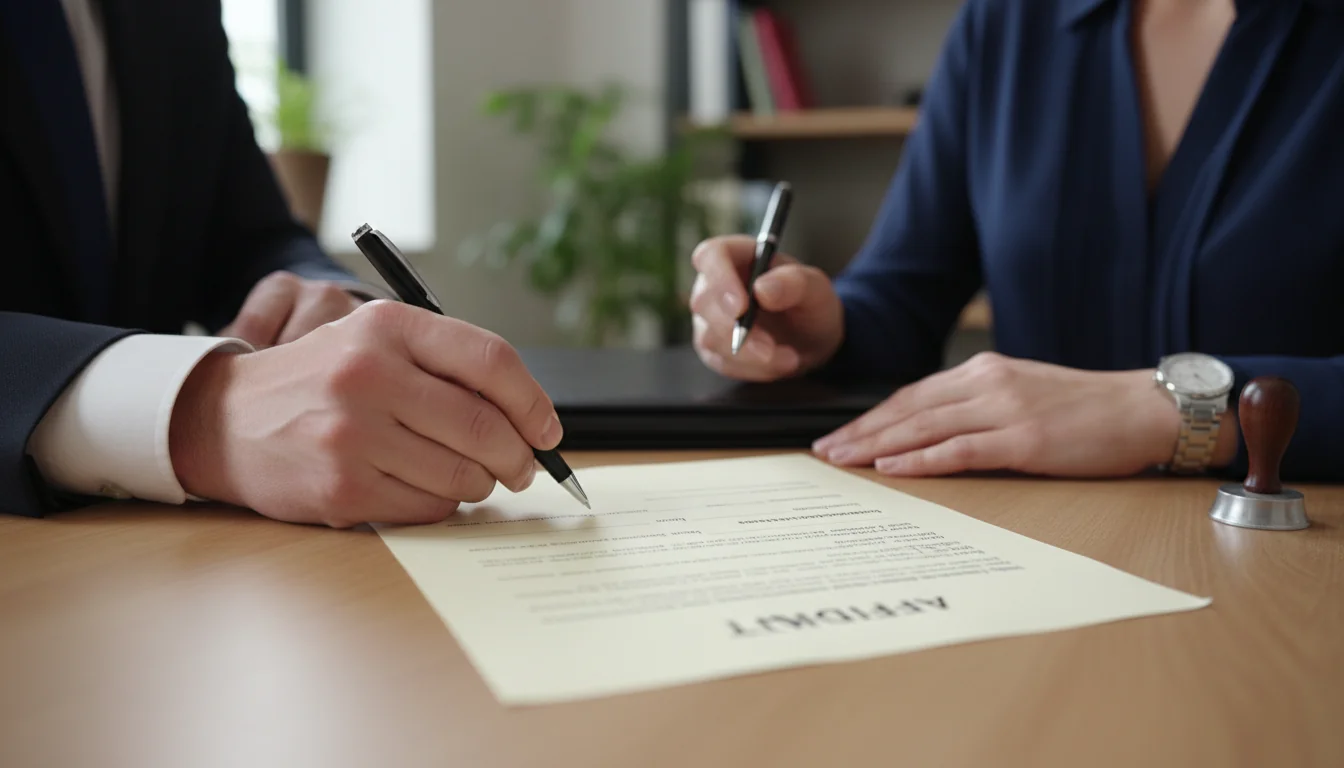
In the UK legal context, an affidavit is a written statement of fact voluntarily made by an individual under oath or affirmation, confirming its truthfulness before an authorised person such as a solicitor or commissioner for oaths. This sworn document serves as reliable evidence in legal proceedings, ensuring the deponent's accountability for any false statements. For more details, explore our Affidavit resource.
The primary purpose of an affidavit in the UK is to provide formal, verifiable testimony that can support or challenge claims in court without requiring the deponent's physical presence at every stage. It is often used in civil litigation, family law matters, and administrative processes to streamline evidence submission. Refer to our comprehensive Understanding the Affidavit: A Comprehensive Guide for UK Residents for in-depth insights.
Affidavits are typically employed in scenarios like probate applications, witness statements in disputes, or immigration cases under UK jurisdiction, where sworn evidence is mandated by rules such as the Civil Procedure Rules (CPR). They must adhere to strict formatting and jurisdictional requirements to be admissible. For official guidance, consult the UK Government's guidance on formal statements or the Civil Procedure Rules on the Judiciary website.
To ensure accuracy and compliance, opt for bespoke AI-generated legal documents via Docaro rather than generic templates, tailoring the affidavit precisely to your UK-specific needs. This approach minimises risks in sensitive legal matters.
In UK legal proceedings, affidavits serve as sworn statements of fact with significant evidentiary weight, admissible as evidence under the Civil Procedure Rules and Criminal Procedure Rules, binding the affiant to penalties for perjury if false. For tailored affidavits maximising their sworn reliability and probative value, generate bespoke documents using Docaro.
Why Do You Need to Draft an Affidavit?
Affidavits play a crucial role in the UK legal system, serving as sworn written statements that provide evidence under oath. They are drafted to ensure truthful testimony in various proceedings, with the primary reasons including court evidence, immigration applications, and property disputes.
In court evidence, affidavits are used to present facts or witness accounts without requiring in-person testimony, as outlined in the Legal Uses and Requirements of Affidavits in UK Courts. For immigration matters, they support visa or citizenship claims by verifying personal details or relationships, often required by the UK Home Office.
For property matters, affidavits confirm ownership, boundaries, or inheritance rights in transactions like conveyancing or probate. To ensure compliance and accuracy, opt for bespoke AI-generated legal documents via Docaro rather than generic options.
- Key benefits include legal enforceability and streamlined processes in UK jurisdictions.
- Refer to authoritative guidance from the HM Courts & Tribunals Service for procedural details.
What Should You Include in an Affidavit?
How Do You Structure the Affidavit?
1
Draft the Title
Create a clear title for the affidavit using Docaro's AI to generate a bespoke document tailored to your specific facts and jurisdiction.
2
Compose the Body
Outline the affiant's details and statements in the body with Docaro's AI, ensuring precise, original content that supports your legal needs.
3
Add the Jurat
Incorporate the jurat section via Docaro's AI for proper notarization language, customized to the required format and authority.
What Key Elements Must Be Present?
An affidavit is a formal written statement used in legal proceedings, confirmed by oath or affirmation. It serves as sworn evidence, and understanding its essential components ensures accuracy and compliance with UK legal standards.
The deponent's details form the foundation, including the full name, address, occupation, and contact information of the person making the statement. These details must be precise to verify the affiant's identity and credibility, as outlined in the Practice Direction 57A from the UK Courts and Tribunals Judiciary.
Sworn statements comprise the core content, where the deponent provides factual assertions in the first person, clearly and concisely without opinions or hearsay. To maintain accuracy, these statements should be based solely on personal knowledge, dated, and signed before a commissioner for oaths or solicitor in the UK.
Exhibits are attached documents or evidence referenced in the affidavit to support the sworn statements, marked with identifiers like "Exhibit A." For reliability, exhibits must be properly authenticated and relevant, avoiding any unrelated materials that could undermine the document's integrity.
When preparing an affidavit UK, consult a qualified legal professional or use bespoke AI-generated legal documents via Docaro for tailored accuracy, ensuring they meet specific jurisdictional requirements.
How Do You Draft an Affidavit Step by Step?
1
Gather Information
Collect all relevant facts, documents, and evidence for your affidavit using Docaro's AI to organize bespoke details accurately.
2
Draft Content
Write the affidavit in first person, stating facts clearly and chronologically, generating a custom document via Docaro's AI tools.
3
Review for Truthfulness
Verify every statement for accuracy and completeness, ensuring the bespoke AI-generated affidavit from Docaro is truthful and error-free.
4
Finalize and Sign
Read the entire document aloud, confirm no omissions, then sign the customized Docaro affidavit before a commissioner for oaths.
Drafting an affidavit in the United Kingdom requires precision and adherence to legal standards to ensure its validity in court proceedings. Begin by clearly stating your full name, address, and occupation at the top, followed by the court details and case reference if applicable, using formal language to affirm that the contents are true to the best of your knowledge.
To avoid opinions, stick to verifiable facts and personal observations, employing phrases like "I observed" or "I confirm" rather than subjective interpretations. For formatting, use numbered paragraphs for each key point, double-space the text on A4 paper, and include a statement of truth at the end, such as "I believe that the facts stated in this affidavit are true," signed and dated before a commissioner for oaths or solicitor.
Consider using bespoke AI-generated legal documents from Docaro to create a tailored affidavit that meets UK-specific requirements, ensuring accuracy and efficiency. For comprehensive guidance on how to draft and file an affidavit in the United Kingdom, refer to the article at Drafting and Filing Affidavits in the UK.
- Visit the official HM Courts & Tribunals Service website for procedural rules under the Civil Procedure Rules (CPR) Part 32.
- Consult the Judiciary UK guidance on statements of truth in affidavits for authoritative compliance tips.

Who Can Swear or Affirm an Affidavit?
In the UK legal system, solicitors, commissioners for oaths, and notaries play crucial roles in the authentication of affidavits, ensuring their validity for court proceedings or official purposes. These professionals verify the identity of the deponent and witness the swearing or affirming process, as outlined by the Commissioners for Oaths Rules 2011.
The primary difference between swearing an affidavit and affirming lies in the religious aspect: swearing involves a solemn oath invoking a deity, while affirming is a non-religious declaration suitable for those without faith. Both methods carry equal legal weight under UK law, allowing individuals to choose based on personal beliefs.
When preparing affidavits, opt for bespoke AI-generated legal documents using Docaro to ensure they are tailored precisely to your needs, rather than relying on generic options. This approach guarantees compliance with UK affidavit requirements and enhances accuracy for solicitors or notaries to certify.
How Do You File an Affidavit with UK Courts or Authorities?
1
Prepare the Affidavit
Use Docaro to generate a bespoke AI affidavit tailored to your specific case details and requirements.
2
Make Copies
Print multiple copies of the prepared affidavit, including originals and duplicates for court and personal records.
3
Submit to Court
File the original affidavit with the appropriate court clerk, either in person or via permitted electronic means.
4
Pay Fees
Submit any required filing fees to the court at the time of submission or as instructed by the clerk.
In the UK filing procedures for company documents, such as annual returns and accounts, submissions must be made to Companies House, the official registrar. Deadlines are strict, with accounts typically due nine months after the financial year-end for private companies and six months for public ones, ensuring timely compliance with the Companies Act 2006.
Electronic submission is the preferred method in the UK, offering faster processing and reduced fees through the Companies House online portal, while physical submission via post is still accepted but slower and costlier. For electronic filings, a registered account and authentication code are required, promoting efficiency in UK business compliance.
Penalties for late filings in the UK include fines starting from £150 for minor delays, escalating to potential prosecution and director disqualification for persistent non-compliance. Additionally, false statements on filed documents can result in severe consequences, such as criminal charges under the Fraud Act 2002, with imprisonment up to ten years; always verify accuracy to avoid these risks.
For reliable UK legal document preparation, consider bespoke AI-generated options using Docaro to ensure tailored compliance without relying on generic templates. Consult authoritative guidance from Companies House for the latest procedures and deadlines.
What Are Common Mistakes to Avoid?
Drafting and filing affidavits requires precision to ensure they hold up in UK court proceedings. A common pitfall is incomplete information, where key facts or supporting evidence are omitted, leading to affidavits being dismissed or challenged for insufficiency.
To avoid this, include all relevant details with specific dates, names, and references to documents, while ensuring the content is truthful and based on personal knowledge. For guidance on affidavit standards, refer to the UK Government guidance on affidavits.
Another frequent issue is improper swearing, such as failing to take the oath or affirmation before an authorized person like a solicitor or commissioner for oaths, which invalidates the document. Always verify the swearing process complies with UK legal requirements under the Oaths Act 1978 to prevent rejection.
Additionally, vague language or unsubstantiated opinions can undermine credibility; stick to clear, factual statements. For bespoke affidavit drafting, consider using AI-generated legal documents via Docaro to tailor content precisely to your case, ensuring completeness and proper formatting.