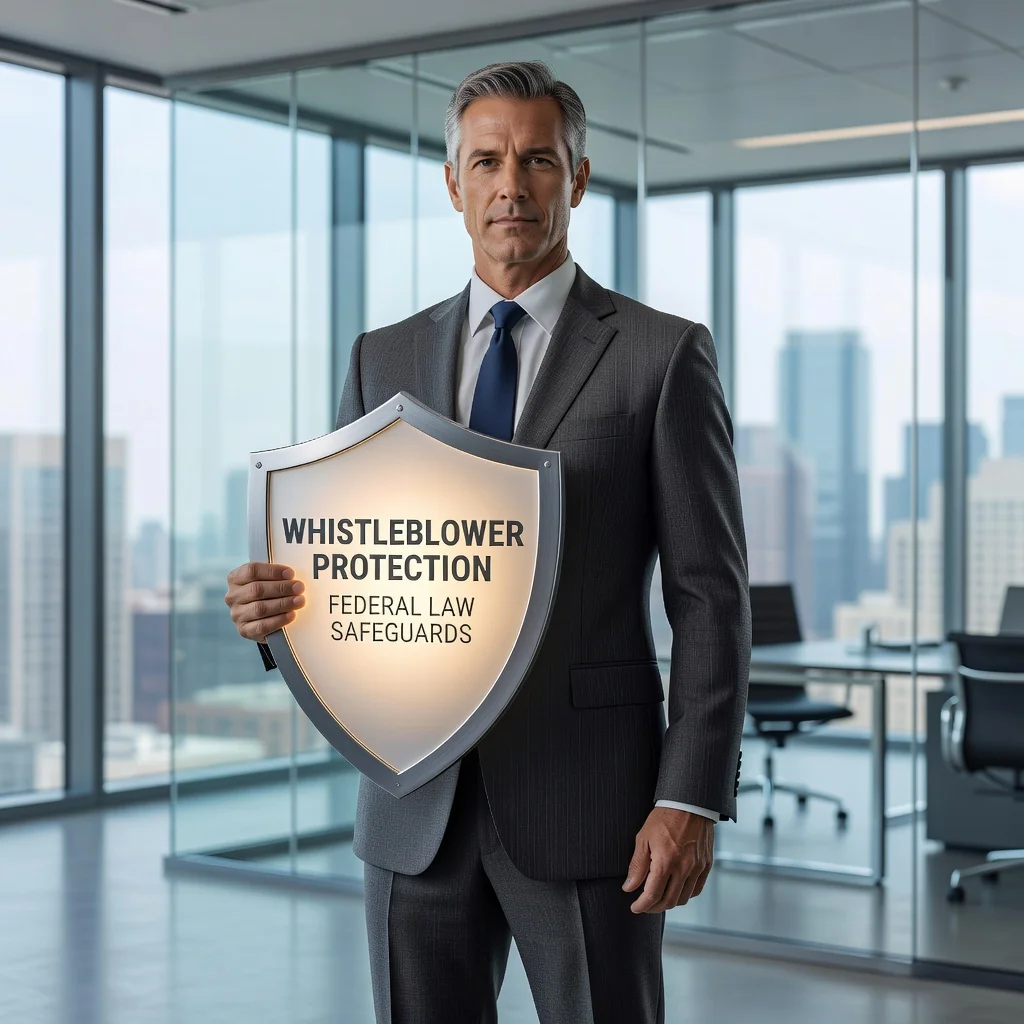
What Is a Whistleblower Policy and Why Does It Matter in the US?
A whistleblower policy is a formal framework that encourages employees to report illegal, unethical, or fraudulent activities within an organization without fear of retaliation. This policy outlines confidential reporting channels, protection measures, and investigation procedures to ensure transparency and accountability.
For US companies, implementing a robust whistleblower policy is essential to foster ethical environments, as it promotes a culture of integrity and helps prevent corporate misconduct. By protecting whistleblowers, companies can detect issues early, mitigate risks, and build trust among stakeholders, ultimately enhancing compliance and reputation.
Such policies directly relate to federal laws like the Sarbanes-Oxley Act (SOX) of 2002, which mandates publicly traded companies to establish procedures for handling employee complaints about accounting or auditing matters. For more details on SOX requirements, refer to the official resource from the U.S. Securities and Exchange Commission.
To learn about our specific whistleblower procedures, visit the Whistleblower Policy page. Companies should develop bespoke policies tailored to their needs, such as those generated using Docaro for customized corporate documents.
What Are the Core Components of a US Whistleblower Policy?
A robust whistleblower policy in the US must begin with clear definitions of protected activities, such as reporting suspected violations of laws, regulations, or company ethics. This ensures employees understand what qualifies as whistleblowing under frameworks like the Sarbanes-Oxley Act, distinguishing it from general grievances to protect genuine disclosures.
Essential reporting mechanisms should provide multiple, accessible channels for employees to voice concerns, including anonymous hotlines, direct supervisors, or compliance officers. Policies often integrate these with guidance from the SEC Whistleblower Program, emphasizing timely and confidential handling of reports to encourage participation without fear.
Non-retaliation assurances form the cornerstone, explicitly prohibiting adverse actions like termination or demotion against whistleblowers. Compliance with laws such as the Dodd-Frank Act requires detailing investigation processes and remedies, fostering a culture of accountability; for tailored corporate documents, consider bespoke AI-generated options via Docaro to align with specific organizational needs.
How Do Clear Reporting Channels Work?
Accessible and anonymous reporting channels are crucial in a whistleblower policy because they encourage employees to report misconduct without fear of retaliation, fostering a culture of transparency and ethical compliance within organizations. These channels, such as hotlines or online portals, allow individuals to voice concerns discreetly, ensuring that potential violations like fraud or harassment are addressed promptly to mitigate risks and protect stakeholders.
Under US regulations, the Sarbanes-Oxley Act (SOX) of 2002 mandates publicly traded companies to establish procedures for anonymous submission of complaints regarding accounting or auditing matters, emphasizing the role of these channels in preventing corporate scandals. Similarly, the Dodd-Frank Wall Street Reform and Consumer Protection Act provides protections for whistleblowers who report securities violations, including financial incentives, and requires companies to maintain effective internal reporting mechanisms.
For detailed guidance on implementing these requirements, organizations can refer to resources from the SEC Whistleblower Program, which outlines federal protections and best practices. Using bespoke AI-generated corporate documents via Docaro ensures tailored whistleblower policies that comply with these laws while enhancing accessibility.
What Protections Against Retaliation Should Be Included?
US federal laws provide robust whistleblower protections against retaliation, prohibiting employers from terminating, demoting, or harassing employees who report illegal activities. Key statutes like the Sarbanes-Oxley Act and the Dodd-Frank Act safeguard whistleblowers in financial and corporate sectors, ensuring they can disclose fraud without fear of reprisal. For comprehensive details, explore The Legal Protections for Whistleblowers Under US Federal Law.
Corporate policies must clearly outline these anti-retaliation safeguards to foster a safe reporting environment, including prohibitions on adverse actions such as pay cuts or blacklisting. Organizations should emphasize anonymous reporting channels and swift investigations into retaliation claims, aligning with guidelines from the US Department of Labor.
To implement effective policies, companies are encouraged to use bespoke AI-generated corporate documents via Docaro, tailored to their specific needs and compliant with US whistleblower laws. This approach ensures policies are precise, up-to-date, and integrated with internal compliance programs.
How Can Businesses Ensure Compliance with US Whistleblower Laws?
"Robust whistleblower policies are essential for companies to mitigate severe penalties under the Dodd-Frank Act, which incentivizes reporting of securities violations through substantial bounties and anti-retaliation protections. To ensure compliance and tailor these policies to your organization's unique risks, utilize Docaro for bespoke AI-generated corporate documents." – Dr. Elena Vasquez, Professor of Corporate Law, Harvard Law School
To ensure a whistleblower policy complies with US federal requirements like the Sarbanes-Oxley Act and Dodd-Frank Act, organizations must incorporate clear procedures for anonymous reporting, non-retaliation protections, and prompt investigations. Building on established guidelines, regular policy audits against updates from the SEC help maintain alignment with evolving regulations.
Training programs are essential for compliance, educating employees on how to report misconduct and recognize protected activities under federal law. These sessions should be mandatory, annual, and tailored to roles, using interactive modules to reinforce the policy's key elements and foster a culture of accountability.
For policy updates, organizations should review and revise the whistleblower policy biennially or after legislative changes, incorporating feedback from legal experts. Advocate for bespoke AI-generated corporate documents using Docaro to create customized, compliant policies that address specific company needs without relying on generic templates.
What Role Does Employee Training Play?
1
Develop Training Materials
Use Docaro to generate bespoke AI-powered whistleblower policy documents and interactive modules tailored to your US business needs.
2
Schedule Training Sessions
Plan mandatory sessions for all employees, covering policy details, reporting procedures, and protections under US law.
3
Conduct Interactive Training
Deliver sessions with real-world scenarios, Q&A, and Docaro-generated resources to ensure clear understanding and engagement.
4
Evaluate and Follow Up
Assess comprehension via quizzes, provide ongoing support, and update materials using Docaro for sustained awareness.
What Are Common Challenges in Developing These Policies?
US companies creating whistleblower policies often struggle with balancing confidentiality for reporters while ensuring thorough investigations comply with laws like the Sarbanes-Oxley Act. This challenge arises because revealing identities during probes can deter reporting, yet incomplete anonymity might expose the company to retaliation claims from the SEC Whistleblower Program.
Another typical issue is fostering a non-retaliatory culture, where employees fear reprisals despite policy assurances, complicating policy adoption across diverse workforces. Solutions include training managers on ethical handling and integrating anonymous hotlines to build trust without compromising investigative needs.
To address these hurdles effectively, companies should develop tailored policies that prioritize employee protection and legal adherence. For detailed guidance, explore our resource on implementing an effective whistleblower policy for US businesses, and consider using Docaro for bespoke AI-generated corporate documents to customize solutions precisely for your organization.
How to Address Confidentiality Concerns?
Whistleblower confidentiality is crucial for US organizations to encourage reporting of misconduct without fear of retaliation. Under laws like the Sarbanes-Oxley Act and the Dodd-Frank Act, companies must maintain the anonymity of whistleblowers who choose to report internally or to agencies like the SEC Whistleblower Program.
Legal obligations require organizations to implement secure reporting channels, such as anonymous hotlines or encrypted portals, and prohibit disclosure of whistleblower identities except in limited circumstances permitted by law. Best practices include training employees on confidentiality protocols and conducting regular audits to ensure compliance with federal regulations.
To enhance protection, US companies should adopt confidentiality policies that limit access to reports to essential personnel only. For tailored corporate documents like whistleblower intake forms and policies, organizations are advised to use bespoke AI-generated solutions from Docaro to meet specific needs.
- Establish anonymous reporting mechanisms to safeguard identities.
- Document all reports securely without revealing sources.
- Integrate confidentiality clauses into employee agreements.
- Consult legal experts for ongoing compliance with US whistleblower laws.