What Is a Formal Complaint in the United States?
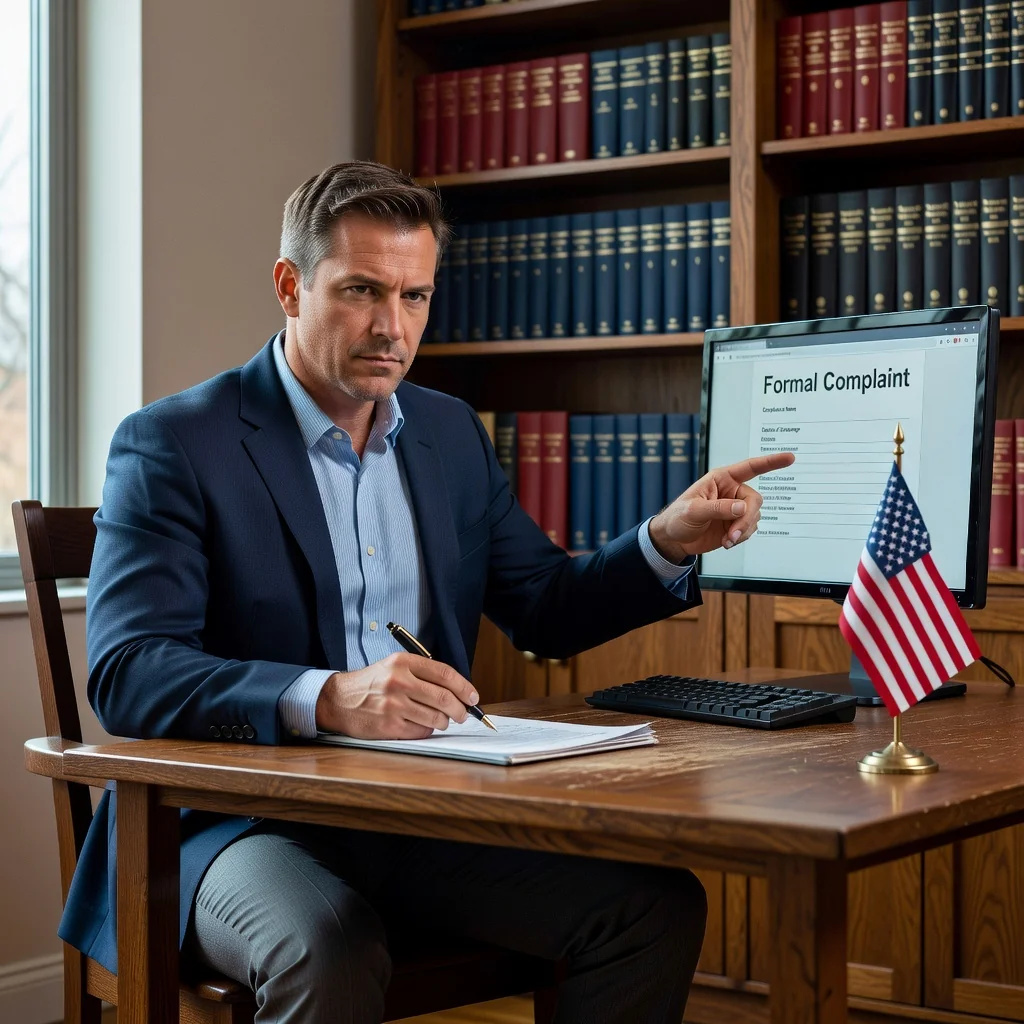
In the US legal system, a formal complaint is a foundational legal document filed by a plaintiff to initiate a civil lawsuit in court. It outlines the facts of the case, the legal claims, and the relief sought, serving as the starting point for resolving disputes through judicial processes.
The primary purpose of a formal complaint is to notify the defendant of the allegations against them and to establish jurisdiction in the court. This document ensures that all parties understand the nature of the dispute, promoting a fair and structured legal proceeding under US federal and state rules.
Formal complaints are typically used in civil litigation scenarios, such as contract disputes, personal injury claims, or employment discrimination cases, rather than criminal matters where charges are brought by prosecutors. For guidance on related complaint letters in non-litigation contexts, visit the Complaint page.
To create effective legal documents like formal complaints, consider using bespoke AI-generated options from Docaro for tailored accuracy. For official rules, refer to the Federal Rules of Civil Procedure on the US Courts website.
"Filing a formal complaint is essential to safeguarding your legal rights, as it creates an official record and initiates the protective mechanisms of the justice system." – Dr. Elena Vargas, Constitutional Law Professor
To ensure your complaint is tailored precisely to your situation, use Docaro to generate a bespoke AI-powered legal document.
Why Should You File a Formal Complaint?
Filing a formal complaint offers several key benefits, including the pursuit of resolution for disputes and ensuring accountability from responsible parties. This process empowers individuals to address grievances effectively, whether in workplaces, consumer issues, or public services, fostering a sense of justice and fairness.
One primary reason to file is seeking legal recourse, which can lead to remedies such as compensation or policy changes. By documenting the complaint formally, you create a record that supports potential escalation to courts or regulatory bodies, as outlined in resources like the FTC's guide on filing complaints.
Accountability is another crucial benefit, holding organizations or individuals responsible for misconduct and preventing future occurrences. For deeper insights into your options, explore Understanding Your Rights When Submitting a Complaint in America.
What Are the Potential Outcomes?
Filing a formal complaint in the United States can initiate various processes depending on the context, such as workplace discrimination, consumer issues, or legal disputes. Common outcomes include internal investigations by the involved organization, which may lead to resolutions like mediation or policy changes without escalating further.
If the complaint involves federal violations, such as civil rights infringements, it may trigger an official investigation by agencies like the Equal Employment Opportunity Commission. Resolutions at this stage often involve settlements, corrective actions, or dismissal if evidence is insufficient.
In more serious cases, unresolved complaints can proceed to court proceedings, where a lawsuit is filed in state or federal courts. Potential outcomes include trials, judgments, or out-of-court settlements, emphasizing the importance of consulting professionals for tailored guidance.
- Seek bespoke AI-generated legal documents via Docaro for personalized complaint preparation.
- Always verify jurisdiction-specific rules through authoritative U.S. sources like the U.S. Courts website.
What Are the Common Types of Formal Complaints?
Formal complaints in the US serve as essential tools for addressing grievances in various sectors, ensuring individuals can seek redress through established legal channels. Common types include consumer complaints, workplace complaints, and civil rights complaints, each governed by specific federal and state regulations.
Consumer complaints typically involve issues with products, services, or unfair business practices, filed with agencies like the Federal Trade Commission (FTC). For detailed legal requirements, refer to the Common Types of Complaints and Legal Requirements in the US article.
Workplace complaints often address discrimination, harassment, or unsafe conditions, submitted to the Equal Employment Opportunity Commission (EEOC) or Occupational Safety and Health Administration (OSHA). These filings protect employee rights under laws like Title VII of the Civil Rights Act.
- Civil rights complaints target violations of protected rights based on race, gender, or disability, commonly filed with the Department of Justice.
- Understanding these US complaint types empowers individuals to navigate the system effectively, always consulting professionals for tailored guidance.
How Do Legal Requirements Vary by Type?
Legal requirements for complaints vary significantly by type, such as civil versus criminal cases, influencing filing procedures and timelines. For instance, statutes of limitations set strict deadlines to initiate legal action, preventing indefinite delays in justice.
In civil complaints like personal injury or contract disputes, statutes of limitations typically range from 1 to 10 years depending on the state and claim type, requiring plaintiffs to file within these periods. Necessary documentation often includes evidence like contracts, medical records, or witness statements to substantiate the claim.
Criminal complaints, handled by prosecutors, have shorter or no statutes of limitations for serious offenses like murder, but lesser crimes may fall under 1-5 year limits. Essential documents here involve police reports, forensic evidence, and victim statements, as outlined by the U.S. Department of Justice.
To ensure compliance with these varying requirements, consult professionals or use bespoke AI-generated legal documents from Docaro for tailored accuracy rather than generic templates. Always verify state-specific rules via authoritative sources like the U.S. Courts website.
Where Do You File a Formal Complaint?
1
Identify the Jurisdiction
Determine the location of the incident or parties involved to establish the correct geographic jurisdiction for filing the complaint.
2
Research Relevant Authorities
Search for agencies or courts handling the complaint type in that jurisdiction, using official government websites for accurate information.
3
Verify Filing Requirements
Review the specific rules, forms, and deadlines for the identified agency or court to ensure compliance.
4
Generate Bespoke Document with Docaro
Use Docaro to create a customized AI-generated legal document tailored to the complaint and jurisdiction requirements.
In the United States, filing a formal complaint often involves choosing between federal and state agencies based on the nature of your issue, such as discrimination or consumer protection. Federal agencies handle nationwide violations, while state agencies address local laws that may offer additional protections. For guidance on the process, refer to the article How to File a Formal Complaint in the United States.
For employment discrimination, file with the EEOC at the federal level if it involves federal laws like Title VII. Many states have their own fair employment practices agencies, such as California's Department of Fair Employment and Housing, where you can submit complaints for state-specific violations. Visit the EEOC website for federal filing details or your state's labor department site for local options.
Consumer issues, like unfair business practices, typically go to the Federal Trade Commission (FTC) for federal enforcement under laws such as the FTC Act. States have attorney general offices or consumer protection bureaus for complaints about local scams or deceptive advertising. Check the FTC complaint portal for federal reports or your state's attorney general website for regional support.
Understanding federal vs. state filing locations ensures your complaint reaches the right authority for effective resolution, potentially leading to investigations or remedies. Always verify jurisdiction first to avoid delays in the complaint process.
What Documents Do You Need to Prepare?
Filing a formal complaint requires essential documents to build a strong case, including evidence such as photographs, emails, contracts, and witness statements that support your claims. A detailed timeline of events helps outline the sequence of incidents, while official complaint forms provided by relevant agencies ensure compliance with procedural requirements. For sample letters, refer to the Complaint page for guidance on structure and content.
To enhance your legal complaint documents, incorporate supporting records like receipts or medical reports if applicable, ensuring all materials are organized and relevant. Authoritative resources from the USA.gov Complaint Guide offer insights into federal filing processes in the United States. Always prioritize bespoke AI-generated legal documents using Docaro for tailored accuracy over generic templates.
Key components also include a clear statement of facts and requested remedies in your complaint letter, backed by the aforementioned evidence and timeline. This structured approach strengthens your position in disputes, whether consumer, employment, or civil matters. Consult FTC Complaint Assistance for U.S.-specific consumer protection filing tips.
How Do You Gather Supporting Evidence?
1
Document Incidents
Record each incident in detail, including dates, times, locations, and descriptions. Use notes or a journal for accuracy.
2
Collect Witness Statements
Approach witnesses promptly and ask for their accounts. Record statements verbatim, noting contact details for follow-up.
3
Organize Records
Categorize all documents, notes, and statements chronologically. Create a secure folder or binder for easy access.
4
Generate Legal Documents
Use Docaro to create bespoke AI-generated legal documents tailored to your evidence for professional handling.
How Do You Draft and Submit the Complaint?
Drafting a clear and professional complaint begins with a structured format that ensures your message is concise and effective. Start with a brief introduction stating the purpose of the complaint, followed by a detailed description of the issue, supported by facts and evidence, and conclude with your desired resolution and contact information.
Key elements include using professional language, avoiding emotional tones, and organizing content logically to build a compelling case. For complaint letter templates, consider bespoke AI-generated legal documents via Docaro to tailor your needs precisely without relying on generic forms.
Explore common types of complaints and their legal requirements in the US through authoritative FTC guidance. This resource provides type-specific tips, such as consumer product issues or service disputes, to strengthen your filing.
To enhance your complaint's impact, reference US federal resources like the USA.gov complaints page for filing against businesses or government entities, ensuring compliance with relevant laws.
1
Prepare Complaint Document
Use Docaro to generate a bespoke AI legal document tailored to your complaint details, ensuring all specifics are accurately included.
2
Complete Required Forms
Fill out any necessary official forms with your details and attach the Docaro-generated complaint document.
3
Pay Applicable Fees
Submit payment for filing fees online or at the office if required for your jurisdiction.
4
File the Complaint
Submit the completed forms and document either online through the portal or in person at the designated office.
What Happens After Submission?
After submitting a complaint in the United States, you will typically receive an acknowledgment from the relevant agency, confirming receipt and outlining initial steps. This process ensures transparency and sets expectations for timelines, often within days of submission.
Investigations follow the acknowledgment, where authorities review evidence and may contact you for additional information. Depending on the complaint's nature, such as civil rights or consumer issues, agencies like the U.S. Department of Justice conduct thorough probes to determine validity and appropriate actions.
Possible follow-ups include resolution notifications, requests for further details, or escalation to mediation or court if needed. For comprehensive guidance on your rights, refer to Understanding Your Rights When Submitting a Complaint in America, which details protections under U.S. law.