What Should Be Included In A Commercial Underlease Agreement In The United Kingdom?
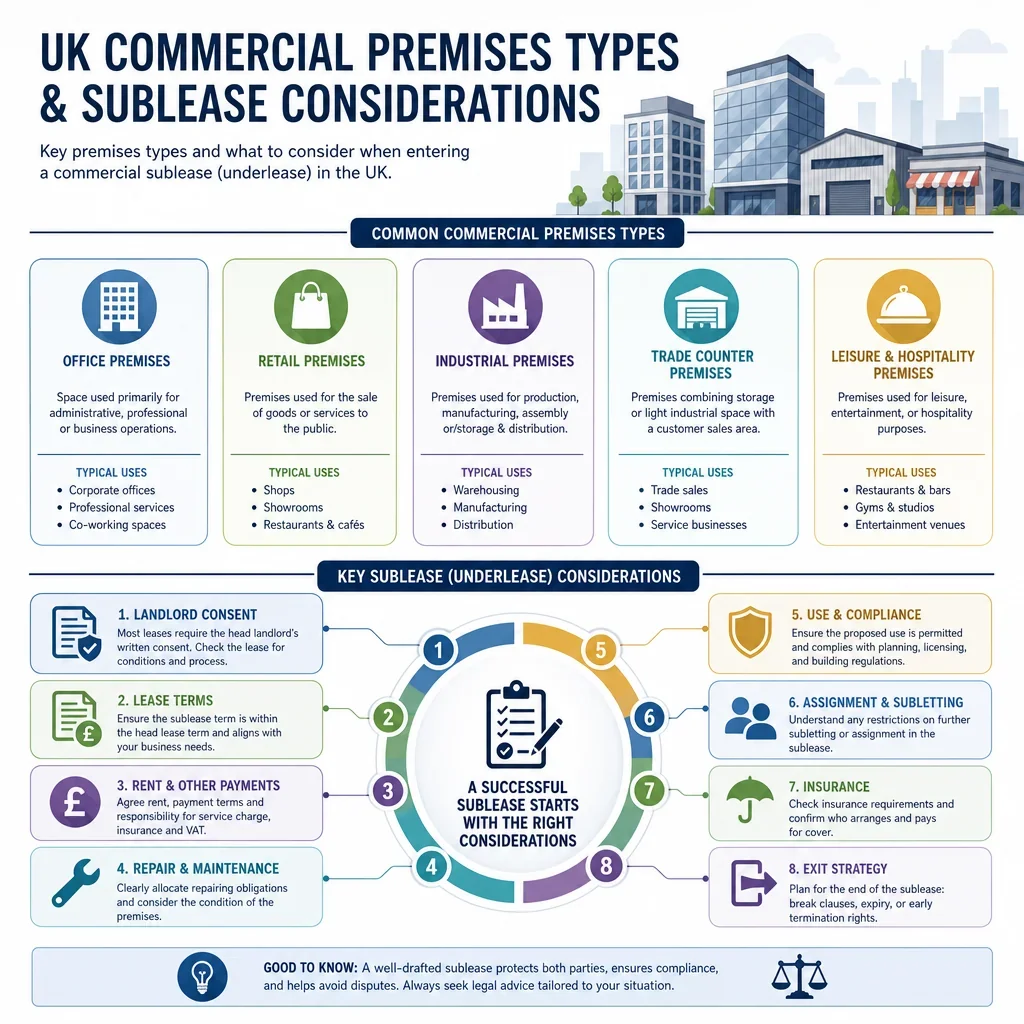
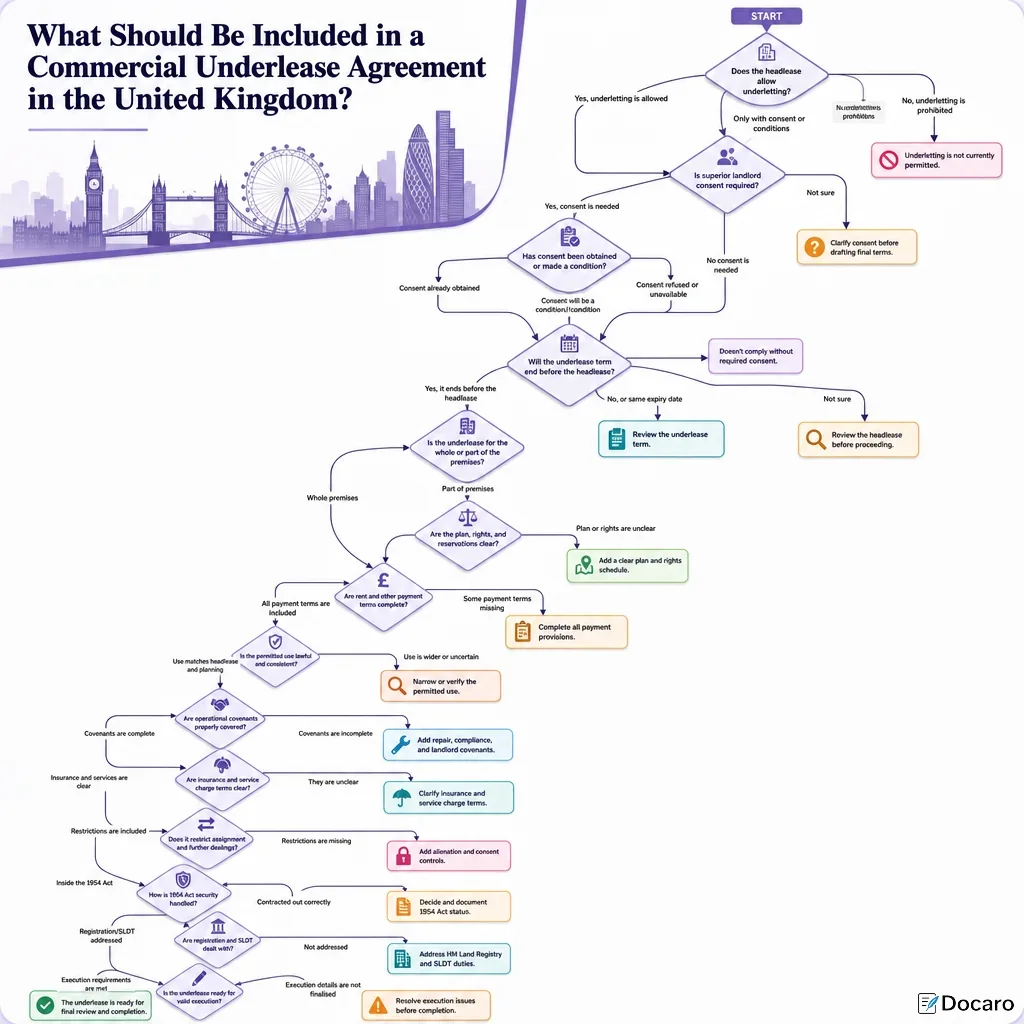
Does the headlease allow underletting?
Why Is A Commercial Underlease Agreement Important In The United Kingdom?
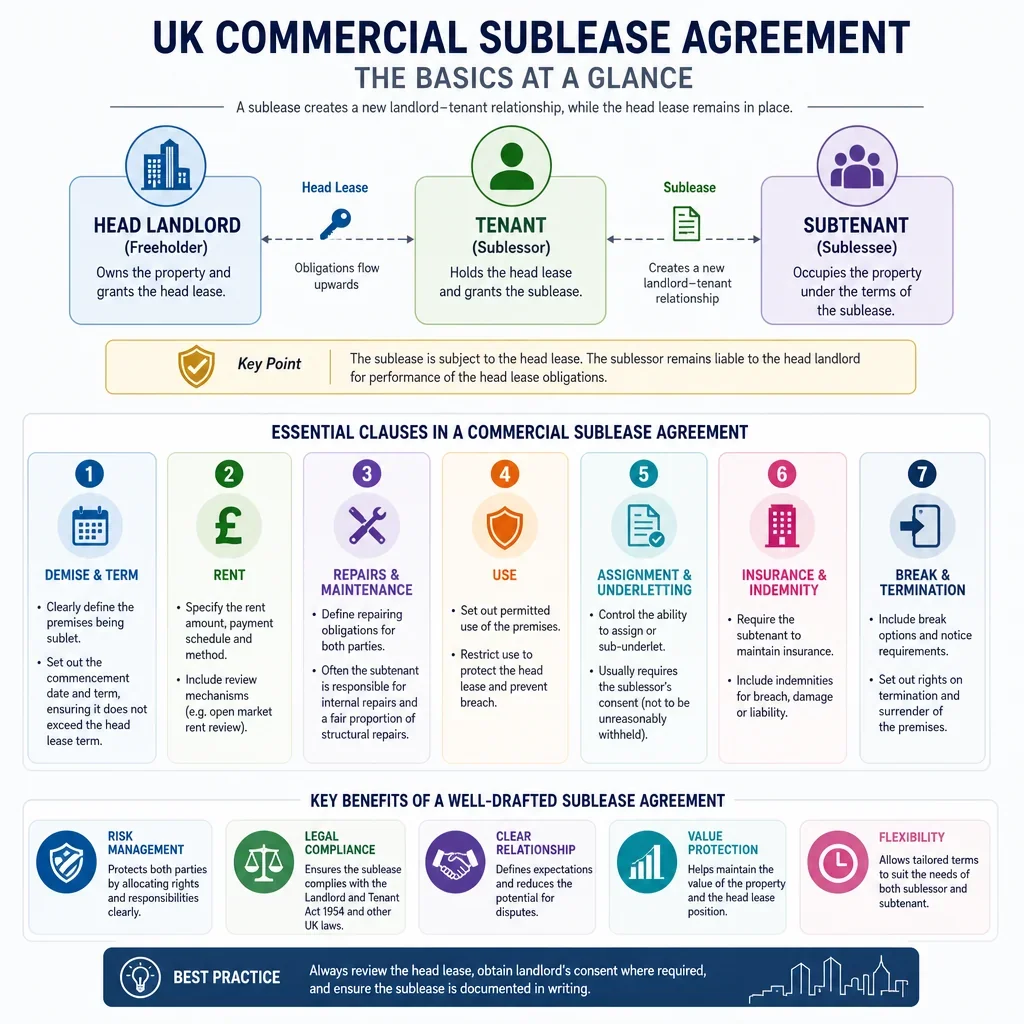
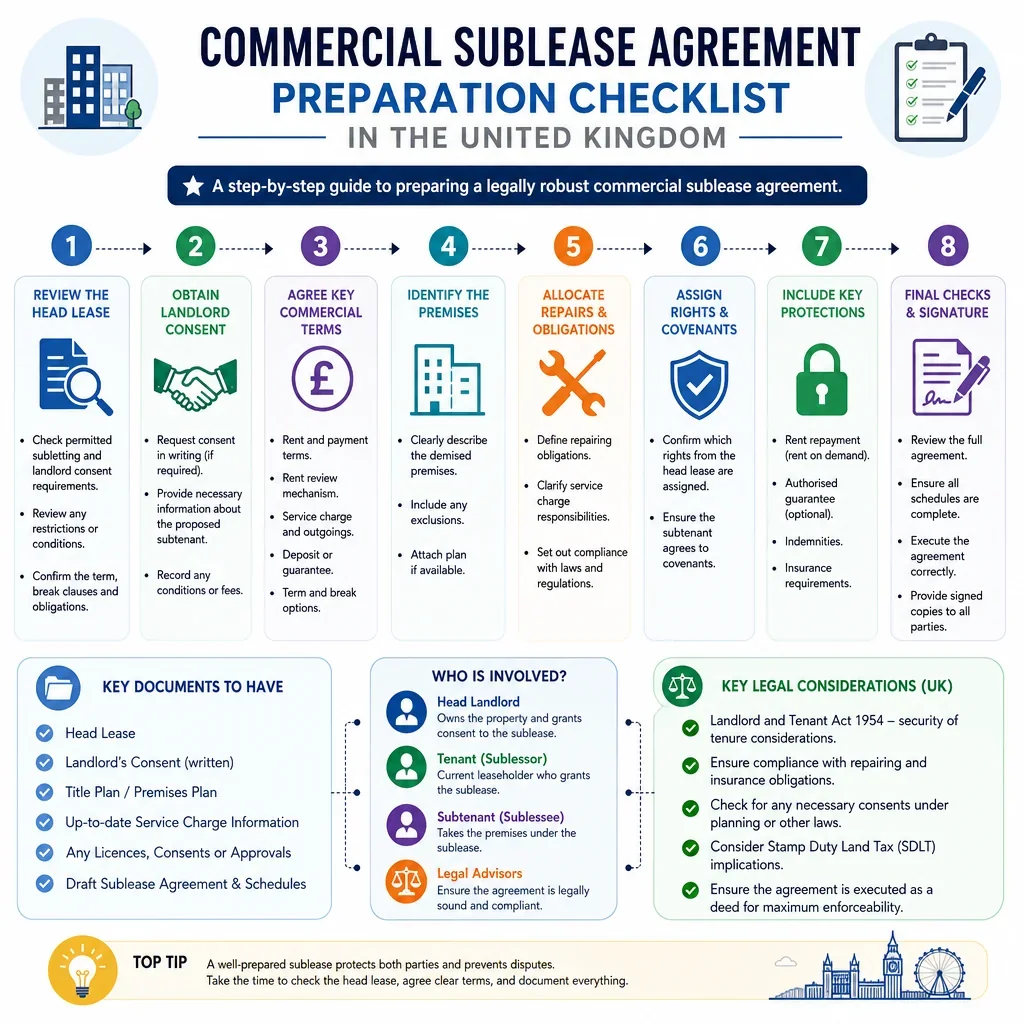
A commercial underlease agreement sets out the legal relationship between an existing tenant and an undertenant. In the United Kingdom, it must work alongside the superior lease, property law, tax rules, registration requirements, and any landlord consent procedure. Getting these points right reduces the risk of breach, delay, unexpected costs, and disputes.
What Happens If A Commercial Underlease Conflicts With The Headlease?
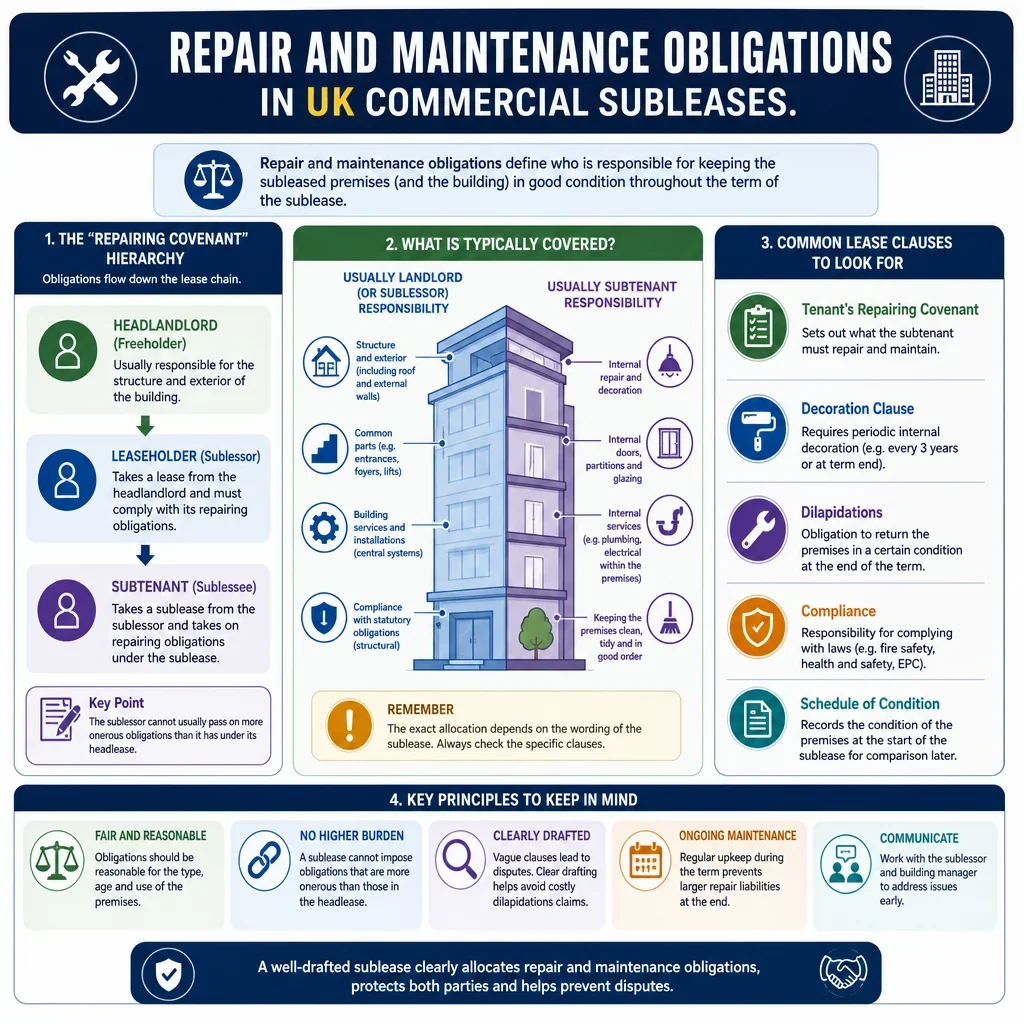
If the underlease gives the undertenant rights that the tenant does not have, the tenant may breach the headlease. This can lead to enforcement action by the superior landlord, refusal of consent, financial claims, or in serious cases forfeiture. The underlease should therefore mirror the headlease where needed, especially for use, alterations, repair, assignment, insurance, and service charge obligations.
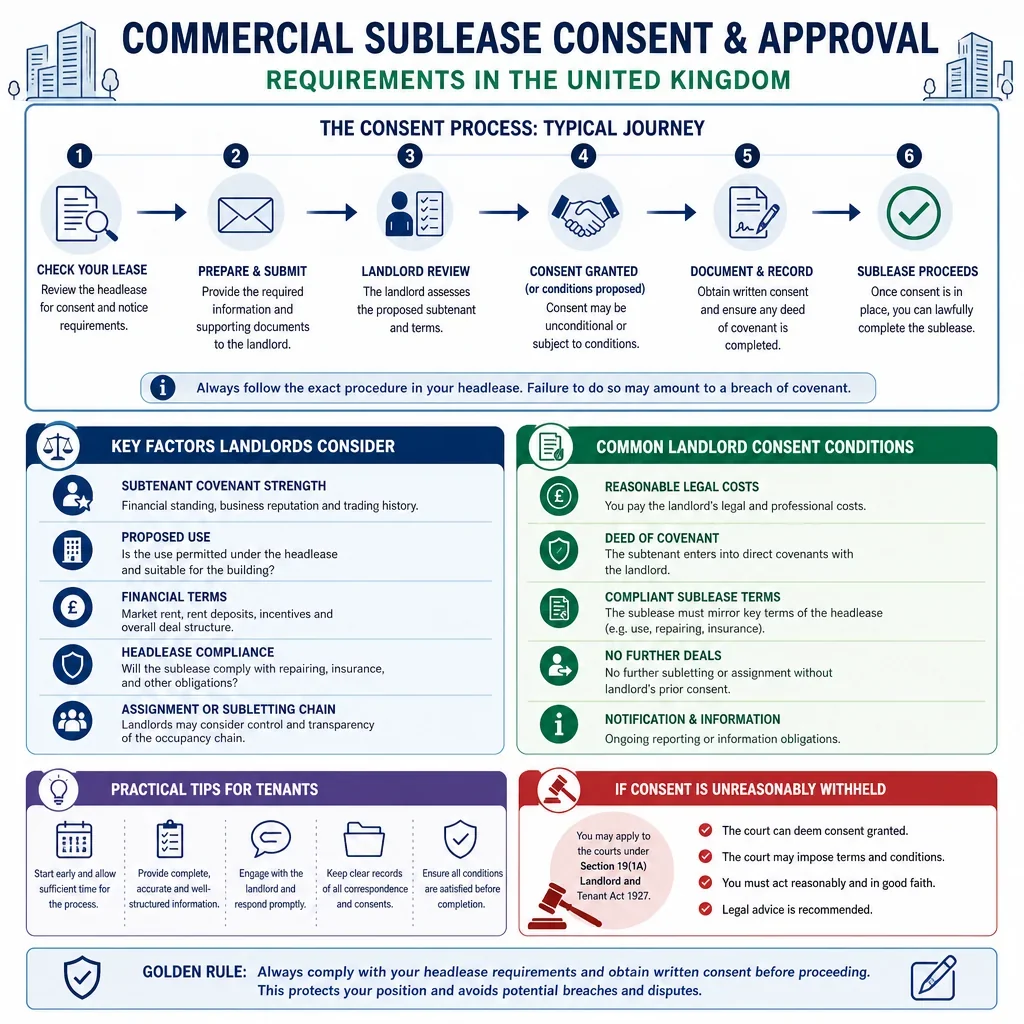
Why Should Landlord Consent Be Checked Before Signing?
Many commercial leases require written consent before underletting. Under the Landlord and Tenant Act 1988, consent procedures can have important legal consequences. Completing an underlease without required consent may create a serious breach, even if the undertenant has already taken occupation.
Why Does The 1954 Act Status Matter?
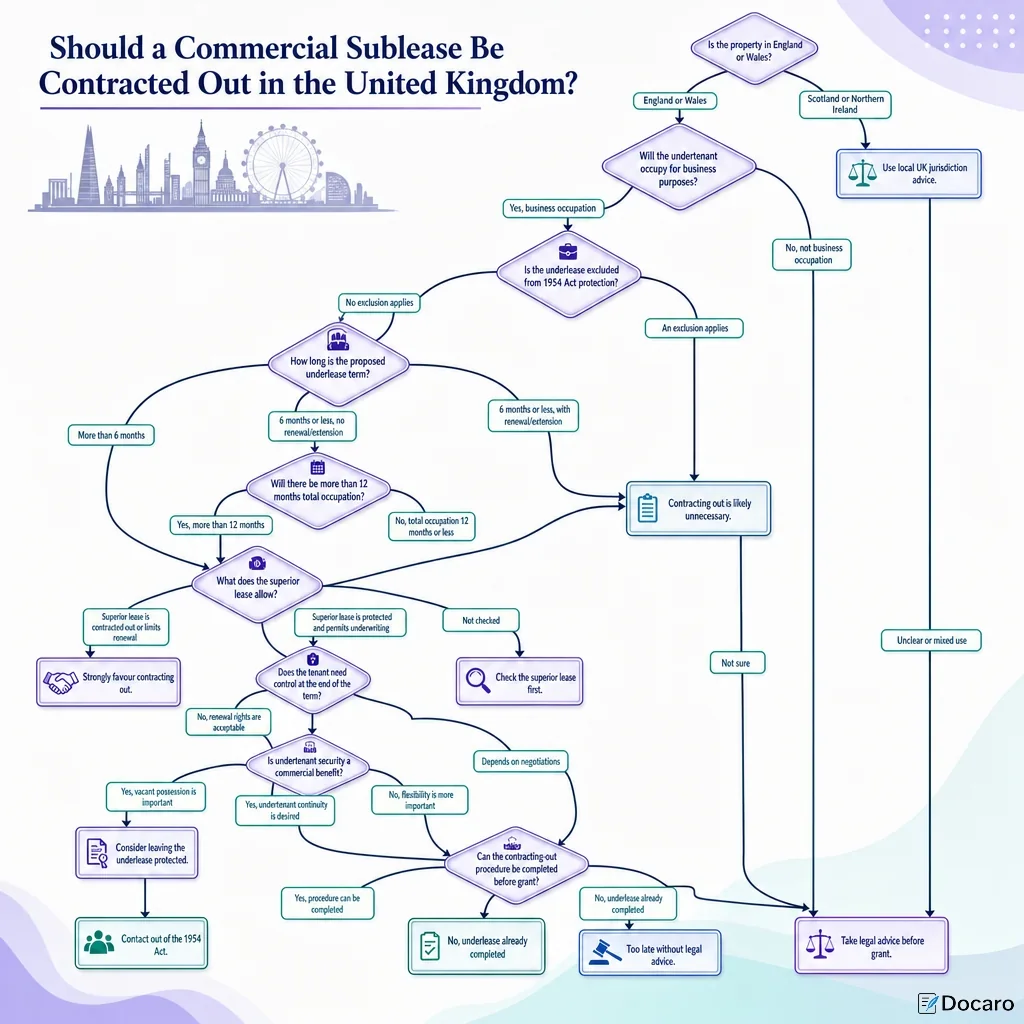
Business tenants may receive security of tenure under the Landlord and Tenant Act 1954. If the parties want the underlease to be contracted out, the correct notice and declaration process must be completed before the lease is granted. If this is missed, the undertenant may have renewal rights at the end of the term.
What Tax And Registration Issues Should Be Considered?
Some underleases need registration at HM Land Registry, particularly leases granted for more than 7 years. Stamp Duty Land Tax may also be relevant depending on the rent, premium, term, and reliefs. Guidance from HM Land Registry and HMRC should be considered before completion.
How Does A Clear Underlease Reduce Commercial Risk?
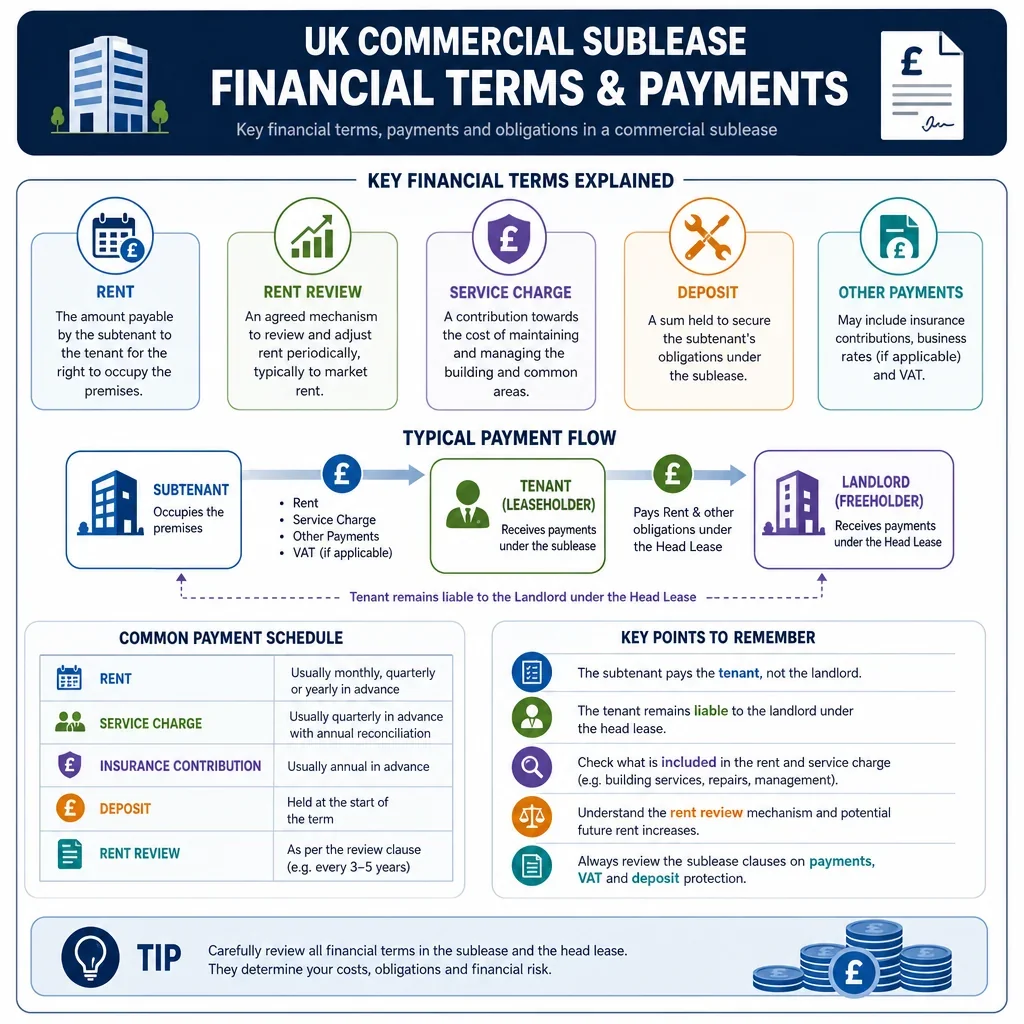
A well-drafted underlease makes the undertenant responsible for the right rent, service charge, insurance contributions, repairs, compliance duties, and end-of-term obligations. This protects the tenant from being left liable to the superior landlord without a clear contractual recovery route from the undertenant.
FAQs
You Might Also Be Interested In