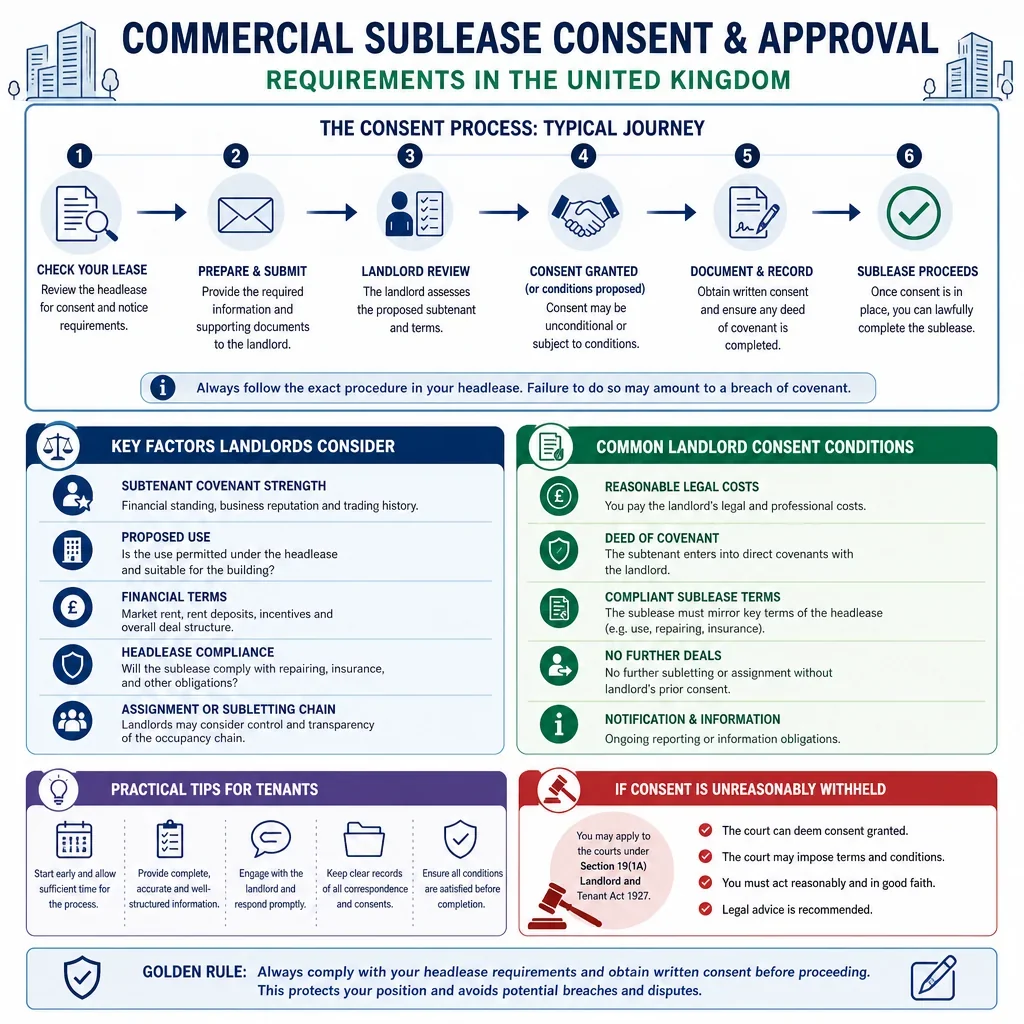
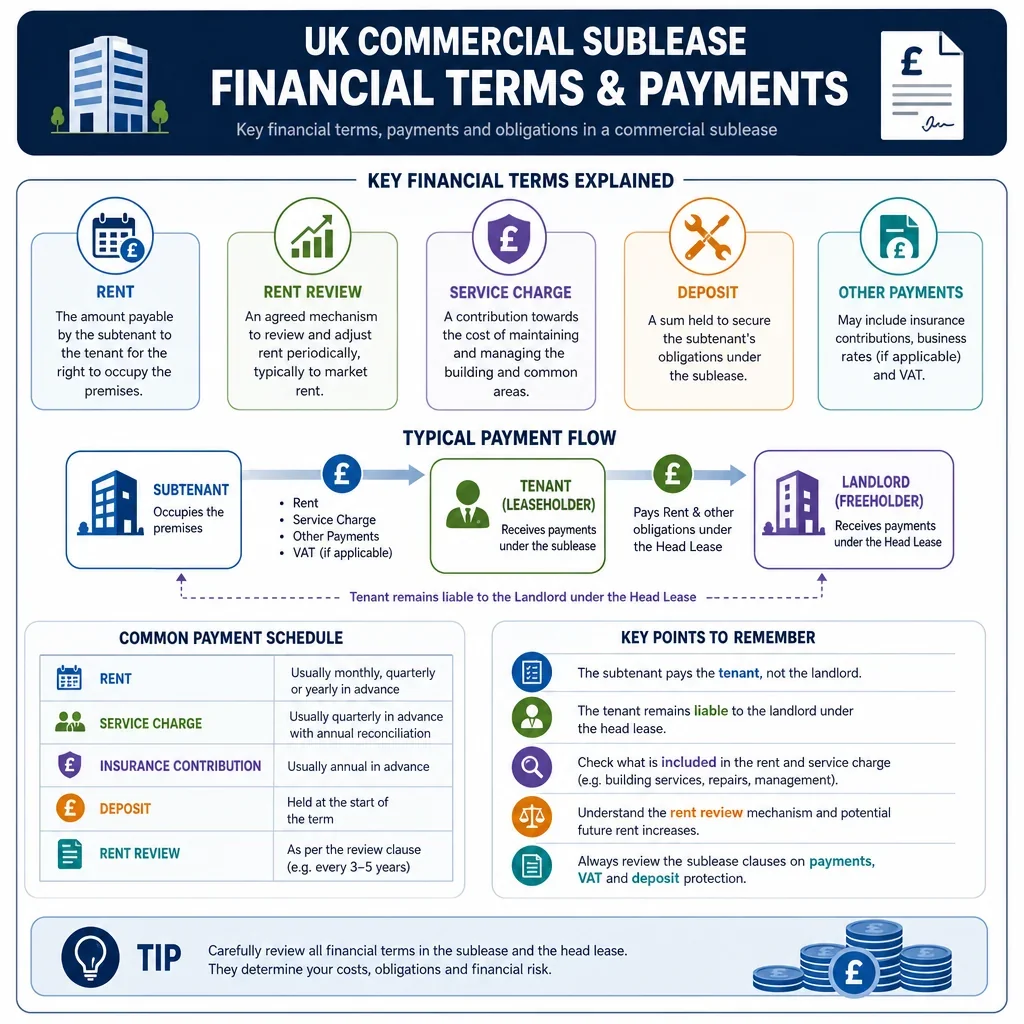
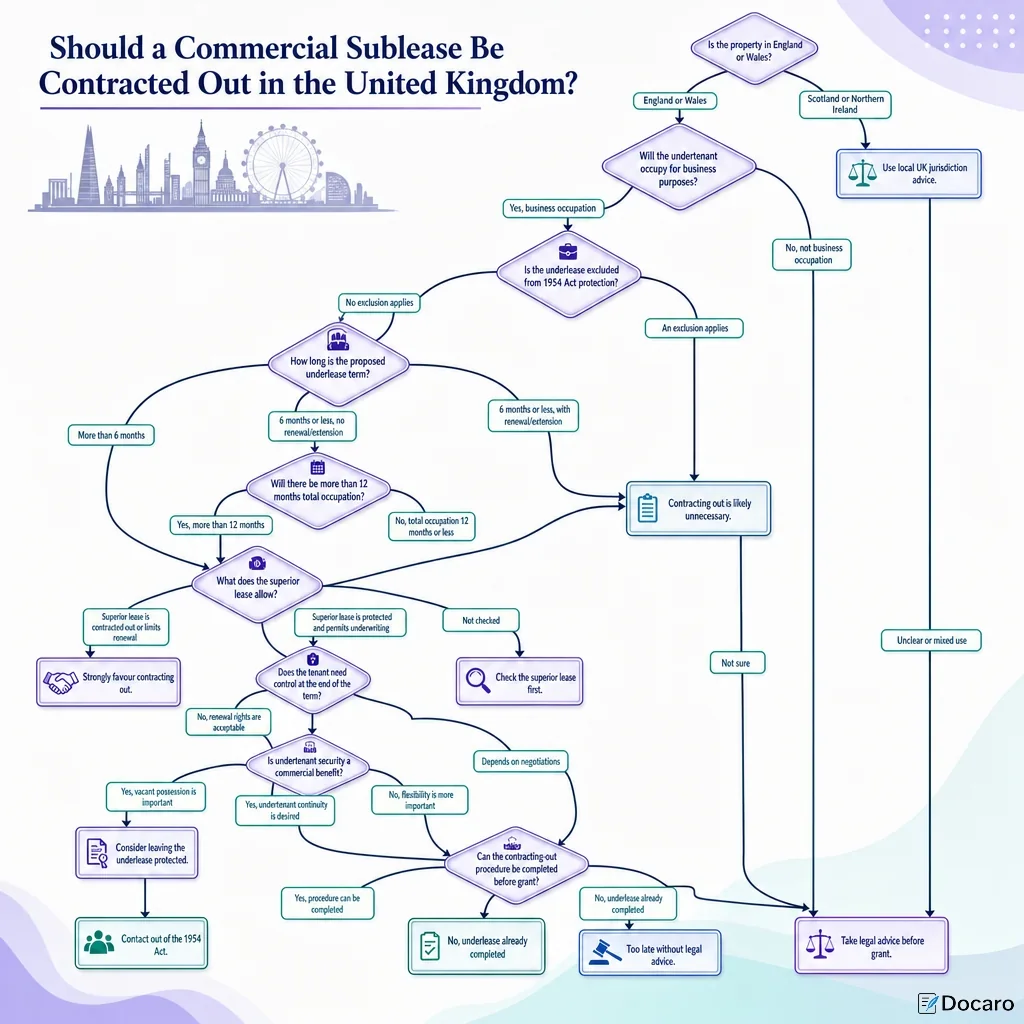
Repair And Maintenance Obligations In United Kingdom Commercial Subleases
Obligation | Typical responsible party | Practical significance | Explanation | Drafting points |
|---|---|---|---|---|
Internal repair | ||||
Keep internal non-structural parts in good repair | Subtenant | High | Covers walls, floors, ceilings and internal surfaces within the sublet area during the term. | Define the demise precisely and limit liability by a schedule of condition where appropriate. |
Put and keep premises in repair where wording requires it | Subtenant | High | A full repairing covenant can require improvement from a poor starting condition to a state of repair. | Use condition wording such as "no better than shown in the schedule of condition". |
Internal repair, End of term obligations | ||||
Comply with schedule of condition limits | Subtenant, Sublandlord | High | Limits repair and yield up liability by reference to documented condition at grant. | Attach dated photographs and narrative, and state it overrides conflicting repairing wording. |
Internal repair, Decoration | ||||
Maintain and replace carpets, tiles and floor coverings | Subtenant | Medium | Requires worn or damaged floor finishes in the sublet area to be kept usable and presentable. | State whether fair wear and tear is excluded and whether matching replacement is required. |
Internal repair | ||||
Repair internal doors, partitions and glazing | Subtenant | Medium | Covers damage to internal layouts, meeting rooms, shopfront internals and non-load-bearing partitions. | Distinguish landlord fixtures from tenant alterations and include reinstatement wording. |
Internal repair, Services and systems | ||||
Keep sanitary fittings and kitchenettes in repair | Subtenant | Medium | Applies to WCs, sinks, taps, small kitchens and related pipework serving the sublet area only. | Separate exclusive facilities from shared risers, mains drains and common washrooms. |
Internal repair, External repair | ||||
Repair internal faces of windows and window furniture | Subtenant, Depends on headlease | Medium | Responsibility may differ between glass, frames, internal handles and external window structure. | Define whether glass replacement, seals and external frames are included in the demise. |
Internal repair, External repair, Services and systems | ||||
Maintain shopfronts, display glazing and shutters | Subtenant, Depends on headlease | High | Retail subtenants often maintain frontage, entrance doors, signage fittings and security shutters. | Check planning, estate rules, superior landlord consent and insured damage carve-outs. |
External repair | ||||
Repair structural frame, foundations and load-bearing elements | Superior landlord, Sublandlord, Depends on headlease | High | Major structural obligations usually sit outside a simple internal underlease and may be service charged. | Exclude structure from subtenant covenant unless expressly intended and align with headlease. |
Repair roof, roof coverings, gutters and downpipes | Superior landlord, Sublandlord, Shared or apportioned, Depends on headlease | High | Roof defects can cause leaks, business interruption and large service charge demands. | Specify who repairs, who pays, and whether historic or capital works can be recharged. |
Maintain external walls, cladding and façade | Superior landlord, Sublandlord, Shared or apportioned, Depends on headlease | High | Façade and cladding defects may involve major works, safety compliance and service charge recovery. | Review service charge wording, exclusions for improvements and building safety cost provisions. |
Common parts | ||||
Maintain common entrances, lobbies and reception areas | Superior landlord, Sublandlord, Shared or apportioned | Medium | Shared access areas are usually maintained by the landlord and funded through service charge. | Reserve rights of access and define service charge proportion, standards and exclusions. |
Repair shared staircases, corridors and escape routes | Superior landlord, Sublandlord, Shared or apportioned | High | Disrepair in shared circulation areas can affect safety, access and fire escape compliance. | Link maintenance to fire safety duties and prohibit obstruction by the subtenant. |
Common parts, External repair | ||||
Maintain car parks, yards and loading bays | Superior landlord, Sublandlord, Shared or apportioned, Depends on headlease | Medium | Covers surfacing, markings, gates, lighting and loading areas used by one or more occupiers. | State whether use is exclusive or shared and allocate resurfacing and security costs. |
Maintain landscaping, planted areas and external estate areas | Superior landlord, Sublandlord, Shared or apportioned | Low | Estate landscaping costs are commonly recovered from occupiers through service charge. | Define estate services and cap unusual improvement or enhancement costs if needed. |
Common parts, External repair, Services and systems | ||||
Contribute to repair costs through service charge | Subtenant, Shared or apportioned | High | The subtenant may pay a share of building or estate repair costs incurred by superior interests. | Check caps, apportionment, reserve funds, major works, management fees and headlease pass-through. |
Services and systems | ||||
Maintain heating, ventilation and air-conditioning systems | Subtenant, Sublandlord, Shared or apportioned, Depends on headlease | High | HVAC repair and statutory inspection costs can be substantial, especially for older plant. | Identify exclusive plant, shared plant, servicing frequency, replacement liability and records. |
Maintain electrical installations and distribution boards | Subtenant, Sublandlord, Shared or apportioned, Depends on headlease | High | Electrical systems must be kept safe and may require inspection, testing and remedial works. | Separate fixed wiring from tenant equipment and require compliance certificates where relevant. |
Test and maintain portable electrical appliances | Subtenant | Low | Subtenants usually manage safety of their own plug-in equipment and appliances. | Require safe use but avoid implying unnecessary fixed testing intervals unless intended. |
Services and systems, Internal repair | ||||
Maintain plumbing, water pipes and drainage within the demise | Subtenant, Depends on headlease | Medium | Covers leaks, blockages and pipework serving only the sublet premises. | Distinguish exclusive pipework from shared risers, mains, sewers and landlord plant. |
Services and systems, Common parts | ||||
Maintain lifts and lifting equipment | Superior landlord, Sublandlord, Shared or apportioned | High | Lift maintenance, examination and replacement costs are commonly recovered through service charge. | Clarify whether lift replacement, modernisation and statutory inspection costs are recoverable. |
Services and systems | ||||
Maintain gas installations and appliances | Subtenant, Sublandlord, Depends on headlease | High | Commercial gas equipment must be safely maintained by the party controlling it. | Require competent contractors, certificates and clear allocation for exclusive and shared systems. |
Services and systems, Common parts | ||||
Maintain fire alarms, emergency lighting and detection systems | Subtenant, Sublandlord, Superior landlord, Shared or apportioned | High | Fire systems may serve the premises only or the whole building and require regular maintenance. | Align with fire risk assessment duties and require cooperation between occupiers and landlords. |
Internal repair, Common parts, Services and systems | ||||
Maintain fire doors, compartmentation and escape signage | Subtenant, Sublandlord, Superior landlord, Shared or apportioned | High | Fire safety features must not be damaged, removed or obstructed during occupation. | Prohibit alterations affecting fire safety without consent and evidence of compliance. |
Services and systems, Common parts, Internal repair | ||||
Comply with workplace fire safety maintenance duties | Subtenant, Sublandlord, Superior landlord, Shared or apportioned | High | The responsible person must take general fire precautions for non-domestic premises. | Include cooperation, access, information sharing and no-obstruction obligations. |
Internal repair, External repair, Services and systems, Alterations | ||||
Manage asbestos-containing materials and avoid disturbance | Sublandlord, Subtenant, Superior landlord, Shared or apportioned, Depends on headlease | High | Dutyholders for non-domestic premises must manage asbestos risk and maintenance works may trigger surveys. | |
Services and systems | ||||
Maintain water systems to control legionella risk | Subtenant, Sublandlord, Shared or apportioned, Depends on headlease | High | Water systems under an occupier's control may require risk assessment and maintenance controls. | Allocate responsibility for tanks, showers, cooling systems and shared pipework. |
Internal repair, Common parts, Services and systems | ||||
Keep premises safe for employees, visitors and contractors | Subtenant, Sublandlord, Superior landlord, Shared or apportioned | High | Occupiers and employers may have duties to maintain safe premises and systems of work. | Do not rely only on lease wording include cooperation and access for safety works. |
Internal repair, External repair, Alterations | ||||
Comply with construction safety rules for repair works | Subtenant, Sublandlord, Superior landlord, Depends on headlease | Medium | Construction, repair and maintenance projects can trigger CDM 2015 client and contractor duties. | Require competent contractors, method statements, consents and compliance with site rules. |
Decoration | ||||
Redecorate internal surfaces at stated intervals | Subtenant | Medium | Requires repainting or redecorating internal areas during the term or before expiry. | Specify intervals, colours, quality of materials and whether final decoration is required. |
Decoration, External repair | ||||
Carry out external decoration to exposed parts | Sublandlord, Superior landlord, Subtenant, Depends on headlease | Medium | May apply to shopfronts, doors, fascia boards or external joinery included in the demise. | State colours, consent requirements and coordination with estate-wide decoration cycles. |
Decoration, Alterations, End of term obligations | ||||
Maintain signs, fascia panels and branding installations | Subtenant | Medium | Subtenant signage must be kept safe, lawful and in good visual condition. | Require planning or advertisement consent, superior landlord consent and removal at expiry. |
Alterations, Internal repair | ||||
Maintain authorised alterations and fit-out works | Subtenant | High | Fit-out installed by the subtenant normally remains its responsibility during the term. | Record permitted works, standards, plans, approvals and whether removal is required. |
Alterations, Reinstatement | ||||
Remedy unauthorised alterations or damage caused by works | Subtenant | High | Works carried out without required consent can lead to reinstatement, enforcement and cost recovery. | Make superior landlord consent a condition where the headlease requires it. |
Alterations, External repair, Services and systems | ||||
Obtain statutory and landlord consents before repair or alteration works | Subtenant, Sublandlord, Depends on headlease | High | Works may require planning, building control, listed building or superior landlord approval. | State who applies, who pays, and that consent does not remove compliance duties. |
Alterations, Internal repair, Common parts | ||||
Maintain accessibility features and avoid discriminatory barriers | Subtenant, Sublandlord, Superior landlord, Shared or apportioned | Medium | Service providers and employers may need reasonable adjustments affecting premises or access routes. | Allow applications for reasonable works while preserving consent and reinstatement controls. |
Services and systems, Alterations, Internal repair | ||||
Maintain energy efficiency equipment and comply with MEES constraints | Sublandlord, Subtenant, Depends on headlease | High | Energy performance rules may affect subletting and works to lighting, heating and insulation. | Allocate EPC data access, improvement costs and restrictions on works reducing rating. |
Internal repair, External repair, Reinstatement | ||||
Exclude insured damage from ordinary repairing covenant | Sublandlord, Superior landlord, Depends on headlease | High | Damage covered by building insurance is usually reinstated by the landlord, not repaired by the tenant. | Carve out insured risks unless policy money is unavailable due to subtenant default. |
External repair, Internal repair, Reinstatement | ||||
Allocate responsibility for uninsured or uninsurable damage | Sublandlord, Subtenant, Superior landlord, Depends on headlease | High | Flood, terrorism, subsidence or exclusions may leave gaps in reinstatement funding. | Mirror headlease uninsured risk provisions and include rent suspension or termination rights. |
Internal repair, Common parts, External repair | ||||
Repair damage caused by subtenant, staff, contractors or visitors | Subtenant | High | The subtenant is usually liable for damage caused by those it allows onto the premises. | Extend liability to common parts misuse and require prompt notification of incidents. |
Internal repair, Common parts, End of term obligations | ||||
Keep premises clean and remove trade waste | Subtenant | Medium | Waste accumulation can cause nuisance, pests, fire risk and breach estate rules. | Specify waste storage areas, collection rules and prohibition on blocking common parts. |
Internal repair, Common parts, Services and systems | ||||
Prevent and treat pest infestation caused by occupation | Subtenant, Sublandlord, Shared or apportioned | Medium | Food, waste or poor maintenance can lead to infestation and remedial cleaning costs. | Allocate costs by cause and require cooperation with estate-wide pest treatment. |
Internal repair, Services and systems, Common parts | ||||
Maintain premises to avoid nuisance to other occupiers | Subtenant | Medium | Poor maintenance may cause leaks, smells, noise, vibration or obstruction affecting neighbours. | Include prompt repair, indemnity and compliance with building regulations or occupier handbook. |
Internal repair, Services and systems, End of term obligations | ||||
Allow inspection of repair condition and compliance | Subtenant, Sublandlord | Medium | The sublandlord may need access to inspect and comply with the headlease. | Reserve entry on notice, emergency access, surveyor access and right to serve repair notices. |
Comply with repair notices within a stated period | Subtenant | High | Failure to remedy notified disrepair may allow the sublandlord to enter, repair and recover costs. | Set notice periods, emergency exceptions, cost recovery and interest on unpaid sums. |
External repair, Common parts, Services and systems | ||||
Notify sublandlord of defects affecting retained parts or services | Subtenant | Medium | Prompt reporting helps the landlord pursue superior landlord repairs and prevent wider damage. | Require immediate notice for leaks, structural issues, fire safety faults and service failures. |
Internal repair, External repair, Common parts, Services and systems, Decoration, Alterations, Reinstatement, End of term obligations | ||||
Observe headlease repair and maintenance covenants affecting the premises | Subtenant, Sublandlord, Depends on headlease | High | A sublease commonly passes down relevant headlease obligations to protect the sublandlord. | Incorporate only relevant headlease clauses and avoid impossible obligations over retained parts. |
Internal repair, External repair, Common parts, Services and systems | ||||
Permit superior landlord access to carry out repairs | Subtenant, Superior landlord | Medium | The superior landlord may need access to maintain structure, services or adjoining premises. | Reserve access rights matching the headlease, with notice, reinstatement and emergency exceptions. |
Internal repair, External repair, Services and systems, Alterations | ||||
Comply with statutory notices requiring works to the premises | Subtenant, Sublandlord, Superior landlord, Depends on headlease | High | Public authorities may require works for safety, planning, environmental or building control reasons. | Allocate responsibility by cause, notify other parties, and require cooperation on appeals. |
Internal repair, External repair, Reinstatement, End of term obligations | ||||
Remediate contamination caused by subtenant operations | Subtenant | High | Industrial, storage or waste activities can create clean-up liability and reinstatement costs. | Include use restrictions, spill controls, indemnities, surveys and end-of-term decontamination. |
Internal repair, Services and systems, End of term obligations | ||||
Maintain areas used for hazardous substances safely | Subtenant | High | Storage of chemicals, fuels or solvents may require bunding, ventilation and specialist cleaning. | Require consent, risk controls, compliance evidence and removal of residues at expiry. |
Services and systems, Alterations | ||||
Maintain alarms, access control and CCTV serving the premises | Subtenant, Sublandlord, Shared or apportioned | Medium | Security equipment may be part of the fit-out or a shared building system. | Allocate maintenance, data compliance, access codes and removal or handover at expiry. |
Services and systems, Alterations, Reinstatement, End of term obligations | ||||
Maintain and remove data cabling and telecoms installations | Subtenant | Medium | Cabling installed for the subtenant may become redundant or obstruct future occupation. | State whether redundant cabling must be removed and penetrations made good. |
Reinstatement, Internal repair, End of term obligations | ||||
Make good holes, fixings and service penetrations | Subtenant | Medium | Removal of shelves, cabling, signs or plant often leaves damage requiring repair. | Require making good to a defined standard and matching surrounding finishes. |
Reinstatement, End of term obligations, Alterations | ||||
Reinstate alterations at or before expiry if required | Subtenant | High | The subtenant may have to remove its fit-out and return the original layout. | State whether reinstatement is automatic or only if notice is served by a deadline. |
End of term obligations, Reinstatement, Decoration, Internal repair | ||||
Yield up premises in required repair, decoration and condition | Subtenant | High | At expiry, the subtenant must return the premises in the condition required by the underlease. | Tie yield up wording to repair covenant, decoration covenant and schedule of condition. |
End of term obligations | ||||
Give vacant possession free of occupiers and belongings | Subtenant | High | The premises must normally be returned empty and capable of occupation by the next occupier. | Require removal of stock, chattels, occupiers, waste and tenant fixtures unless agreed otherwise. |
Reinstatement, End of term obligations | ||||
Remove tenant fixtures and repair resulting damage | Subtenant | Medium | Tenant-installed counters, racking, machinery or displays may need removal at expiry. | List items to remain, items to be removed and ownership of fixtures after expiry. |
End of term obligations | ||||
Clear rubbish, stock and redundant materials at expiry | Subtenant | Medium | Leaving waste can delay handback and create disposal charges or environmental issues. | Require lawful disposal, evidence for controlled waste and cost recovery for items left behind. |
End of term obligations, Internal repair, Decoration, Reinstatement | ||||
Pay or remedy terminal dilapidations | Subtenant | High | A dilapidations claim seeks the cost of breaches of repair, decoration and reinstatement covenants. | Use clear covenants, records of condition, access for surveys and dispute procedure wording. |
End of term obligations, Internal repair, External repair | ||||
Limit damages for disrepair by statutory valuation cap | Subtenant, Sublandlord | High | Damages for breach of repair covenant may be limited by diminution in reversion value. | Consider section 18 when assessing terminal dilapidations and settlement strategy. |
End of term obligations, Reinstatement | ||||
Avoid paying for repairs superseded by demolition or redevelopment | Subtenant, Sublandlord | High | Repair damages may be reduced if the landlord intends structural alterations making repairs valueless. | Request evidence of future works when negotiating terminal dilapidations. |
Internal repair, Services and systems, End of term obligations | ||||
Reimburse landlord for self-help repairs after default | Subtenant | High | If the subtenant fails to repair, the sublandlord may carry out works and recover costs. | Include notice, emergency entry, cost certification, administration fees and interest provisions. |
Internal repair, Decoration, End of term obligations | ||||
Allocate risk of fair wear and tear | Depends on headlease, Subtenant, Sublandlord | Medium | Some covenants exclude deterioration from ordinary use full repairing covenants often do not. | State expressly whether fair wear and tear is excepted from repair or yield up duties. |
Internal repair, External repair, Services and systems | ||||
Allocate responsibility for inherent or latent defects | Sublandlord, Superior landlord, Depends on headlease | High | Defects in design, construction or materials can be costly and may not be caused by occupation. | Exclude latent defects from subtenant liability unless specifically priced and intended. |
Clarify whether repair includes replacement of worn-out components | Depends on headlease, Subtenant, Sublandlord | High | Plant, roofs or fixtures may be beyond economic repair, raising replacement cost disputes. | State whether replacement, renewal, improvement and obsolescence costs are included or excluded. |
External repair, Services and systems, Common parts | ||||
Exclude improvements unless reasonably incidental to repair | Subtenant, Shared or apportioned, Depends on headlease | High | Service charge disputes often arise where works improve rather than merely repair the building. | Define recoverable costs and exclude enhancements unless required by law or agreed. |
Common parts, External repair, Services and systems | ||||
Contribute to reserve or sinking funds for future repairs | Subtenant, Shared or apportioned | Medium | A subtenant may fund future major works even if they occur after its term. | Check headlease wording, accounting rules, refunds and term length fairness. |
External repair, Common parts, Services and systems | ||||
Cooperate with landlord repair works despite business disruption | Subtenant, Sublandlord, Superior landlord | Medium | Access, scaffolding or service shutdowns may interfere with trading or office use. | Include notice, reasonable working methods, emergency rights and any rent abatement triggers. |
End of term obligations, Services and systems | ||||
Return keys, fobs, access cards and alarm codes | Subtenant | Low | Access items and codes must be handed back so the premises can be secured and relet. | List required items and allow lock or code replacement costs for missing items. |
Reinstatement, Services and systems, End of term obligations | ||||
Reinstate changed locks, access controls and security devices | Subtenant | Low | Security changes may need removal or integration with building systems at expiry. | Require consent for lock changes and immediate supply of keys or access credentials. |
Services and systems | ||||
Maintain utility meters and pay for utility-related repairs within control | Subtenant, Sublandlord, Shared or apportioned, Depends on headlease | Medium | Meters, submeters and utility connections may serve only the premises or a wider building. | Identify metering, readings, standing charges, repair access and utility provider obligations. |
Internal repair, Services and systems | ||||
Maintain suspended ceilings, raised floors and internal service voids | Subtenant, Depends on headlease | Medium | Modern offices often include ceiling grids, raised floors and void services needing upkeep. | Define whether tiles, grid, floor boxes and landlord services in voids are included. |
Services and systems, Internal repair | ||||
Maintain internal lighting and replace lamps or fittings | Subtenant | Medium | Covers lighting serving the sublet area, including emergency fittings if within the demise. | Allocate ordinary relamping, LED upgrades, emergency lighting tests and landlord system interfaces. |
Maintain plant rooms and equipment exclusively serving the premises | Subtenant, Depends on headlease | High | Plant rooms may contain boilers, pumps, compressors or IT cooling equipment used by the subtenant. | Define ownership, access, servicing, replacement and compliance documentation. |
Services and systems, Common parts | ||||
Maintain sprinklers and fire suppression systems | Sublandlord, Superior landlord, Subtenant, Shared or apportioned | High | Sprinklers may be required for insurance or fire safety and can be shared across the building. | Prohibit interference and require compatible fit-out, access and testing cooperation. |
Internal repair, External repair, Services and systems, Common parts | ||||
Maintain premises to comply with insurance requirements | Subtenant, Sublandlord, Superior landlord, Depends on headlease | High | Insurance policies may require alarms, inspections, housekeeping or repair of known defects. | Pass down insurance conditions and make subtenant liable for losses caused by breach. |
Who Usually Repairs A Commercial Underlease Premises In The UK?
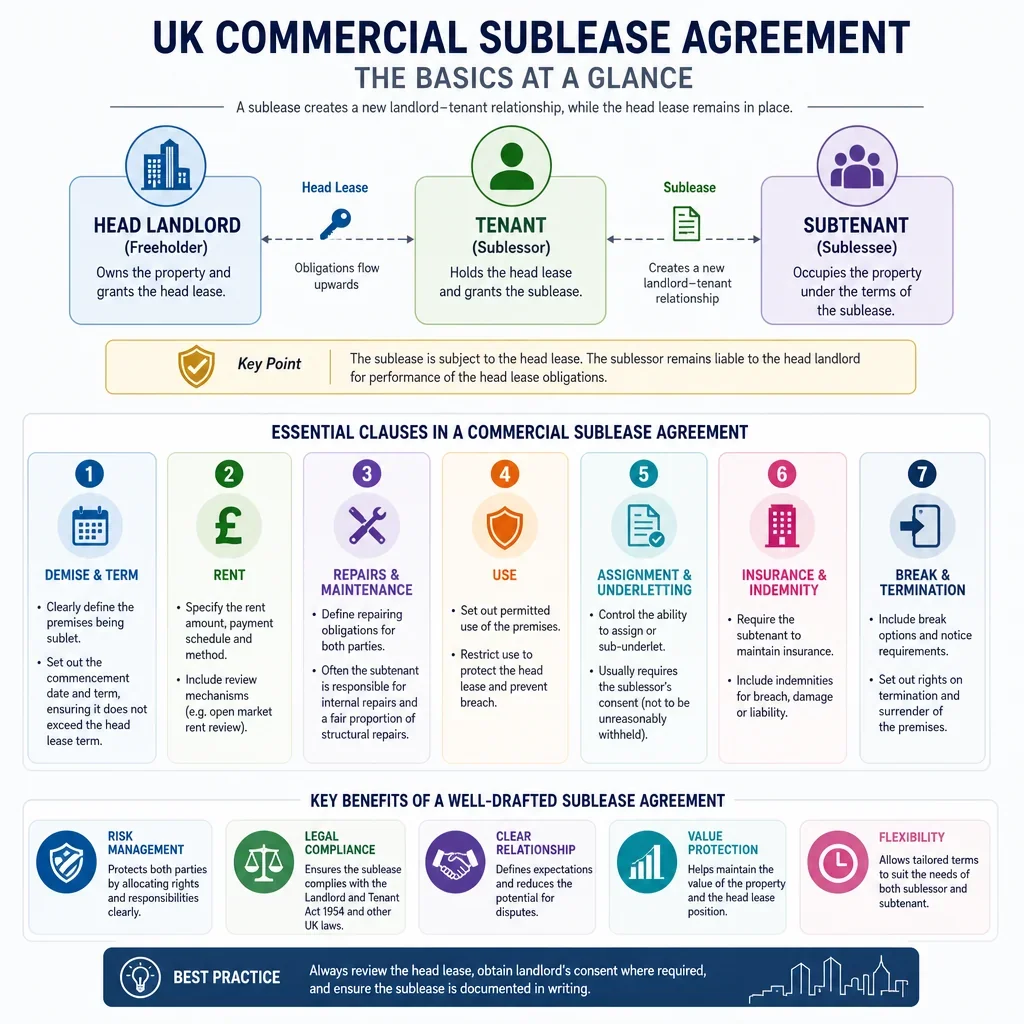
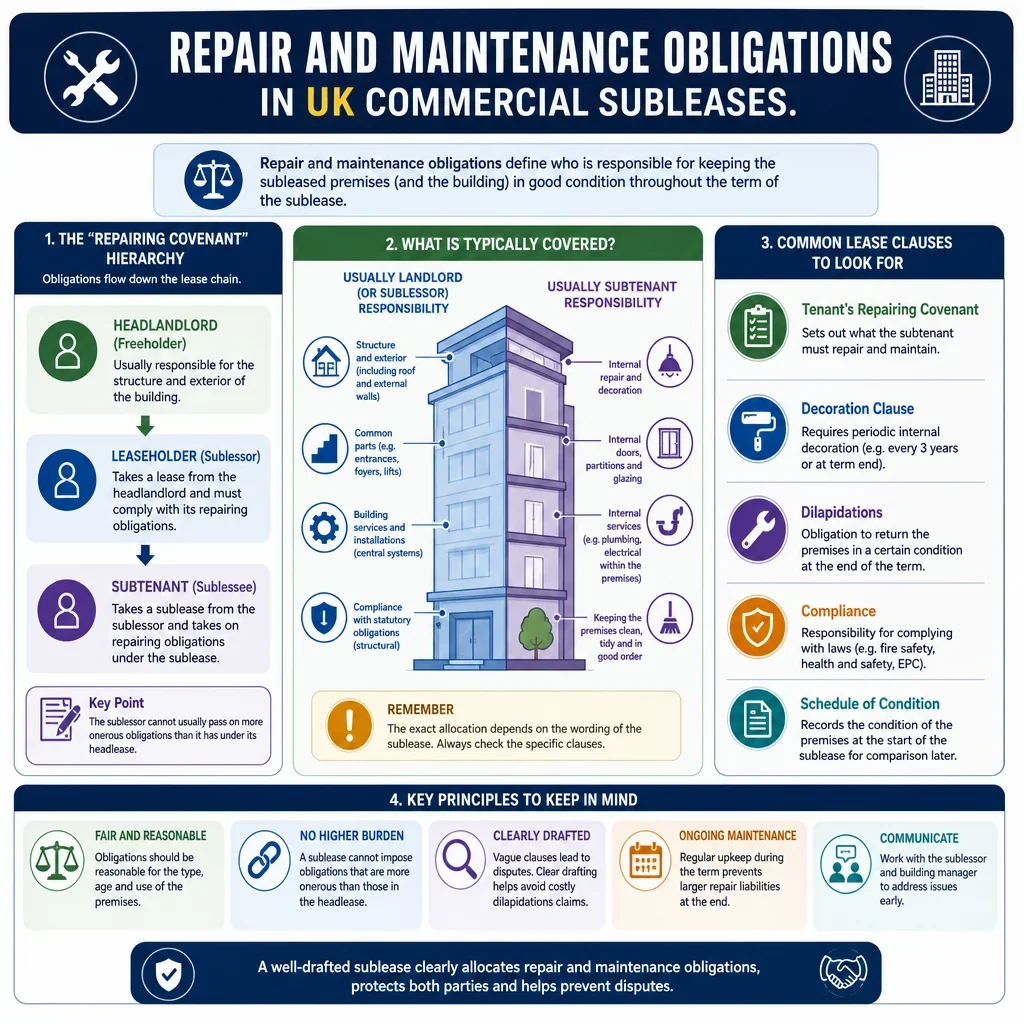
In most commercial subleases, the subtenant is responsible for the parts it exclusively occupies, while the sublandlord or superior landlord normally retains responsibility for structure, exterior, common parts and shared services, with the cost often recovered through a service charge. The exact split should mirror the headlease so the sublandlord is not left with obligations it cannot pass on.
Why Is A Schedule Of Condition Important For A Subtenant?
A full repairing obligation can require the subtenant to put premises into repair even if they were already defective at the start. A photographic schedule of condition, expressly limiting the repairing covenant, is one of the main protections against inheriting historic disrepair.
Which Repair Issues Create The Highest Financial Risk?
- Structural defects, roof works, HVAC systems, lifts, asbestos, fire safety systems and dilapidations are usually high-risk because costs can be large and may involve statutory compliance.
- Yield up and reinstatement clauses can create major end-of-term liabilities, especially where alterations must be removed or the premises returned to a defined condition.
- Service charge repair costs should be checked against the headlease so the subtenant understands whether capital works, reserve funds or major plant replacement can be recharged.
What Should A Commercial Sublease Say About Repairs And Maintenance?
The sublease should clearly define the demised premises, distinguish repair from improvement, incorporate any relevant headlease obligations, reserve inspection rights, require prompt notice of defects, regulate alterations, and specify the precise return condition at expiry. If consent is needed from a superior landlord, the document should say who obtains it and who pays the associated costs.
FAQs
You Might Also Be Interested In