United Kingdom Standard Clauses For Community Guidelines And Terms Of Service
Clause Name | Purpose | Inclusion Level | Drafting Considerations | Main Affected Party |
|---|---|---|---|---|
Account rules | ||||
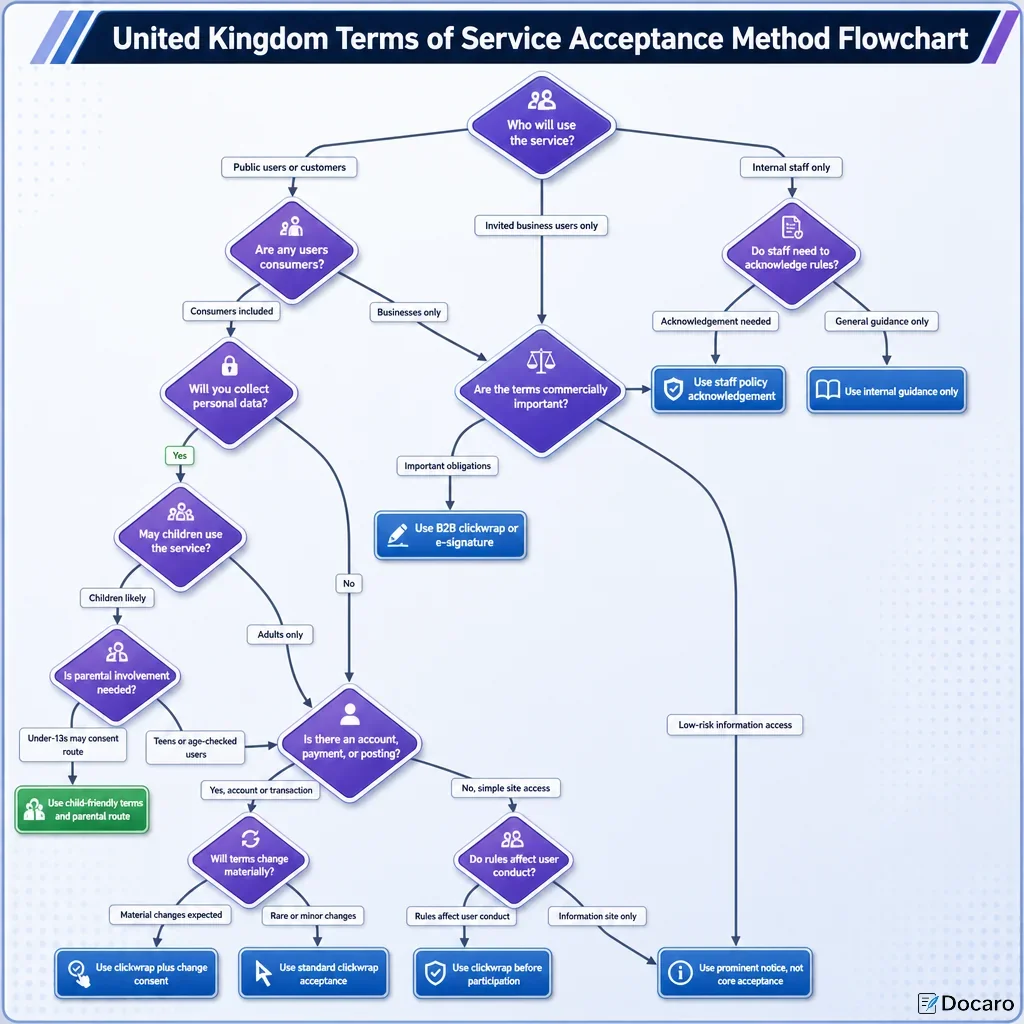
Eligibility And Minimum Age | Sets who may register and confirms legal capacity to accept the terms. | Usually essential | State minimum age, parental consent requirements and any business-user rules. Align with UK data protection age-consent rules where online services rely on consent. | Users |
Account Registration | Explains how users create accounts and what information must be provided. | Usually essential | Require accurate information, explain verification steps and avoid collecting unnecessary personal data. | Users |
Accurate Account Information | Requires users to keep registration and contact details accurate and up to date. | Commonly included | Explain consequences of inaccurate details, especially missed notices, failed verification or account restrictions. | Users |
Account Security And Passwords | Makes users responsible for protecting login details and reporting misuse. | Usually essential | Require strong credentials, prompt notice of compromise and reasonable security steps. Do not exclude liability for operator security failings. | Both parties |
No Account Sharing | Prevents users from sharing, selling or transferring accounts without permission. | Commonly included | Specify whether family, team or business accounts are exceptions. Avoid ambiguity where multi-user plans exist. | Users |
Identity Verification | Allows checks to confirm identity, age, eligibility or fraud risk. | Optional depending on service | Explain when verification is required, what data is checked and how privacy notices cover processing. | Users |
Usernames And Profile Names | Regulates usernames, handles, profile images and public account identifiers. | Commonly included | Prohibit impersonation, offensive names, trade mark misuse and misleading affiliations. Reserve renaming powers. | Users |
Business And Organisation Accounts | Covers users acting for companies, charities, clubs or other organisations. | Optional depending on service | Require authority to bind the organisation and clarify whether consumer protections apply only to consumers. | Both parties |
User conduct | ||||
Acceptable Use | Sets baseline rules for lawful, respectful and permitted use of the service. | Usually essential | Use clear examples, link to community rules and keep restrictions proportionate for the service type. | Users |
No Unlawful Use | Prohibits using the platform to break applicable laws or encourage others to do so. | Usually essential | Refer to applicable UK law without attempting to list every offence. Include cooperation with lawful authorities where appropriate. | Both parties |
Respectful Communication | Encourages civil interaction and prohibits abuse, intimidation and targeted harassment. | Usually essential | Define unacceptable conduct with examples such as threats, dogpiling, stalking and repeated unwanted contact. | Users |
Harassment And Bullying | Bans behaviour intended to alarm, distress, shame or silence others. | Usually essential | Include protected characteristics, persistent contact and off-platform coordination where it affects platform safety. | Users |
Content standards | ||||
Hate Speech And Discriminatory Conduct | Prohibits attacks, abuse or exclusionary content targeting protected or vulnerable groups. | Usually essential | Align definitions with UK equality concepts while preserving lawful expression and context-based moderation. | Users |
Threats, Violence And Incitement | Bans threats, glorification of violence and encouragement of real-world harm. | Usually essential | Cover credible threats, coded threats, extremist material and emergency reporting escalation. | Both parties |
Terrorism And Extremist Content | Prohibits terrorist material, support, recruitment, instruction or praise. | Commonly included | Use clear escalation and reporting processes. Avoid overbroad wording that captures legitimate news, education or counter-speech. | Both parties |
Child Sexual Abuse And Exploitation Material | Strictly bans child sexual abuse material and exploitative conduct. | Usually essential | Apply zero tolerance, immediate removal, account action and reporting to authorities where legally required or appropriate. | Both parties |
Adult And Sexual Content | Defines whether sexual, nudity or adult content is banned, restricted or age-gated. | Optional depending on service | Specify permitted contexts, age assurance, consent requirements and non-consensual intimate image bans. | Users |
Non-Consensual Intimate Images | Bans sharing or threatening to share intimate images without consent. | Usually essential | Include synthetic images, threats to share and fast removal routes for affected users. | Users |
Self-Harm And Suicide Content | Restricts content that encourages, instructs or glorifies self-harm or suicide. | Commonly included | Allow supportive recovery content while removing instructions, encouragement and graphic promotion. | Users |
Dangerous Goods And Regulated Items | Bans listing, promoting or trading prohibited or regulated goods through the platform. | Optional depending on service | List relevant categories such as weapons, drugs, medicines, alcohol, tobacco, animals or financial products. | Both parties |
Misinformation And Misleading Content | Addresses harmful false claims, scams, impersonation and materially misleading content. | Optional depending on service | Define priority topics such as health, elections, financial claims or emergencies. Preserve fair comment and satire where appropriate. | Users |
User conduct | ||||
Spam And Unsolicited Messaging | Prevents bulk, repetitive, deceptive or unwanted communications. | Usually essential | Cover mass posting, scraping contact details, automated messages and marketing without proper consent. | Users |
Fraud, Scams And Deception | Prohibits phishing, fake offers, deceptive schemes and financial exploitation. | Usually essential | Include impersonation, payment diversion, fake support accounts, fake prizes and requests for sensitive information. | Both parties |
Impersonation And False Affiliation | Bans pretending to be another person, organisation or platform representative. | Usually essential | Cover usernames, profile images, domains, badges, AI avatars and misleading endorsements. | Users |
Platform Manipulation | Prevents artificial engagement, fake accounts, coordinated abuse and ranking manipulation. | Commonly included | Define bots, fake reviews, vote manipulation, brigading and buying followers or engagement. | Platform administrators |
Bots, Scraping And Automation | Restricts automated access, scraping, crawling and high-volume interactions. | Commonly included | Permit search indexing or approved API use if desired. Address database rights and security impacts. | Business operator |
Security Interference | Bans hacking, malware, vulnerability exploitation and disruption of the service. | Usually essential | Distinguish malicious activity from authorised vulnerability disclosure or bug bounty testing. | Business operator |
Liability and disclaimers | ||||
Third-Party Links And Services | Explains that external websites, integrations or services are not controlled by the operator. | Commonly included | Disclose where third-party terms apply and avoid disclaimers that conflict with consumer statutory rights. | Users |
Intellectual property | ||||
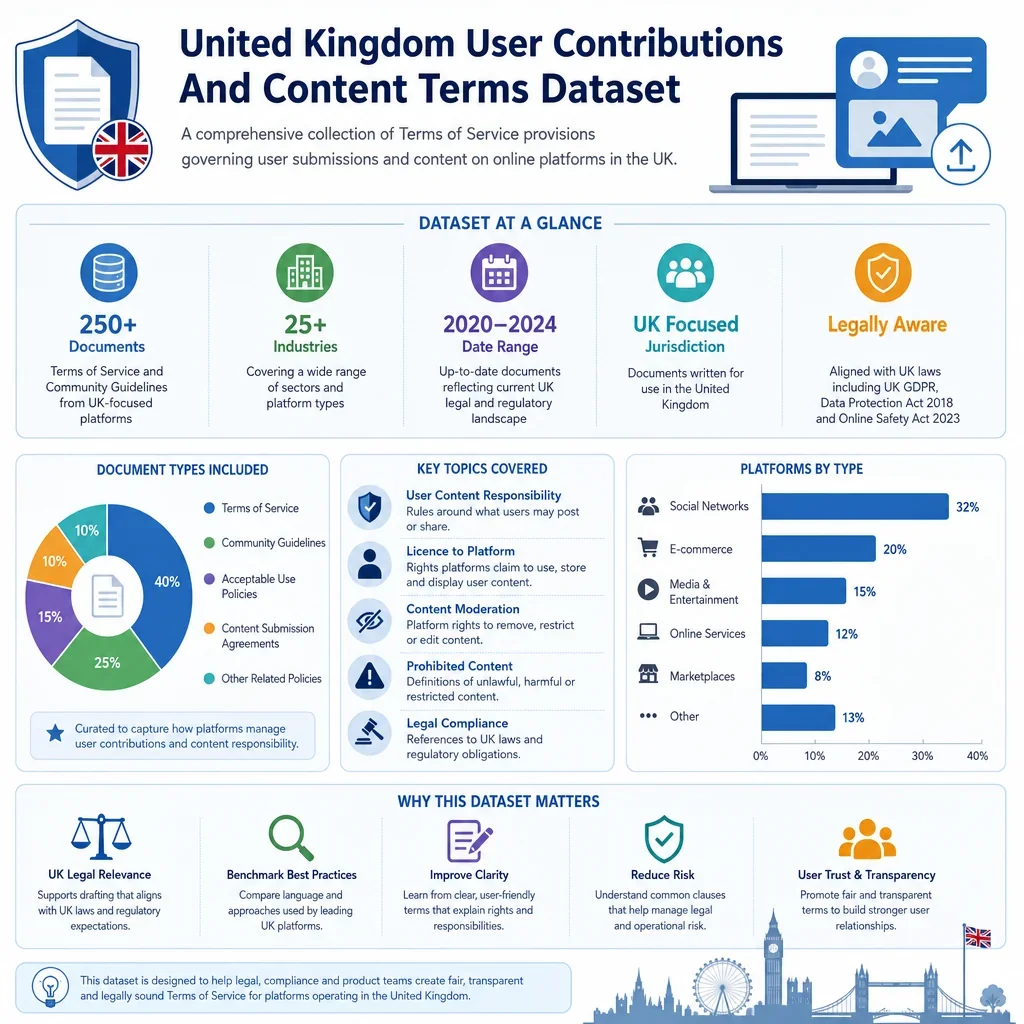
User Content Ownership | Confirms users retain ownership of content they upload, subject to licences granted. | Usually essential | Separate ownership from platform licence. Avoid implying users own third-party material they upload. | Users |
Licence To Use User Content | Grants the operator rights needed to host, display, distribute and promote user content. | Usually essential | State scope, duration, territory, sublicensing, deletion effects and whether content may be used in marketing or AI features. | Both parties |
User Content Warranties | Requires users to confirm they have rights to upload and share their content. | Usually essential | Cover copyright, performers' rights, trade marks, privacy, confidentiality and consents from people shown. | Users |
Platform Intellectual Property | Protects the operator's software, branding, design, content and documentation. | Usually essential | Define permitted use and restrictions on copying, reverse engineering, branding misuse and derivative works. | Business operator |
Complaints and disputes | ||||
Copyright Complaints | Provides a process for reporting alleged copyright infringement. | Commonly included | Request sufficient details, ownership evidence, location of content and contact information. Include counter-notice process if offered. | Both parties |
Trade Mark Complaints | Allows brand owners to report misuse of trade marks or confusing impersonation. | Optional depending on service | Ask for registration details, jurisdiction, evidence of confusion and content URLs. Consider nominative or fair descriptive use. | Both parties |
Intellectual property | ||||
Moral Rights And Attribution | Addresses attribution, integrity rights and whether waivers are requested where lawful. | Optional depending on service | UK moral rights can require attribution or protect against derogatory treatment. Waivers must be express and should be proportionate. | Users |
Feedback And Suggestions | Allows the operator to use user feedback without separate compensation or approval. | Commonly included | Clarify that feedback is voluntary and non-confidential unless a separate agreement applies. | Business operator |
Moderation and enforcement | ||||
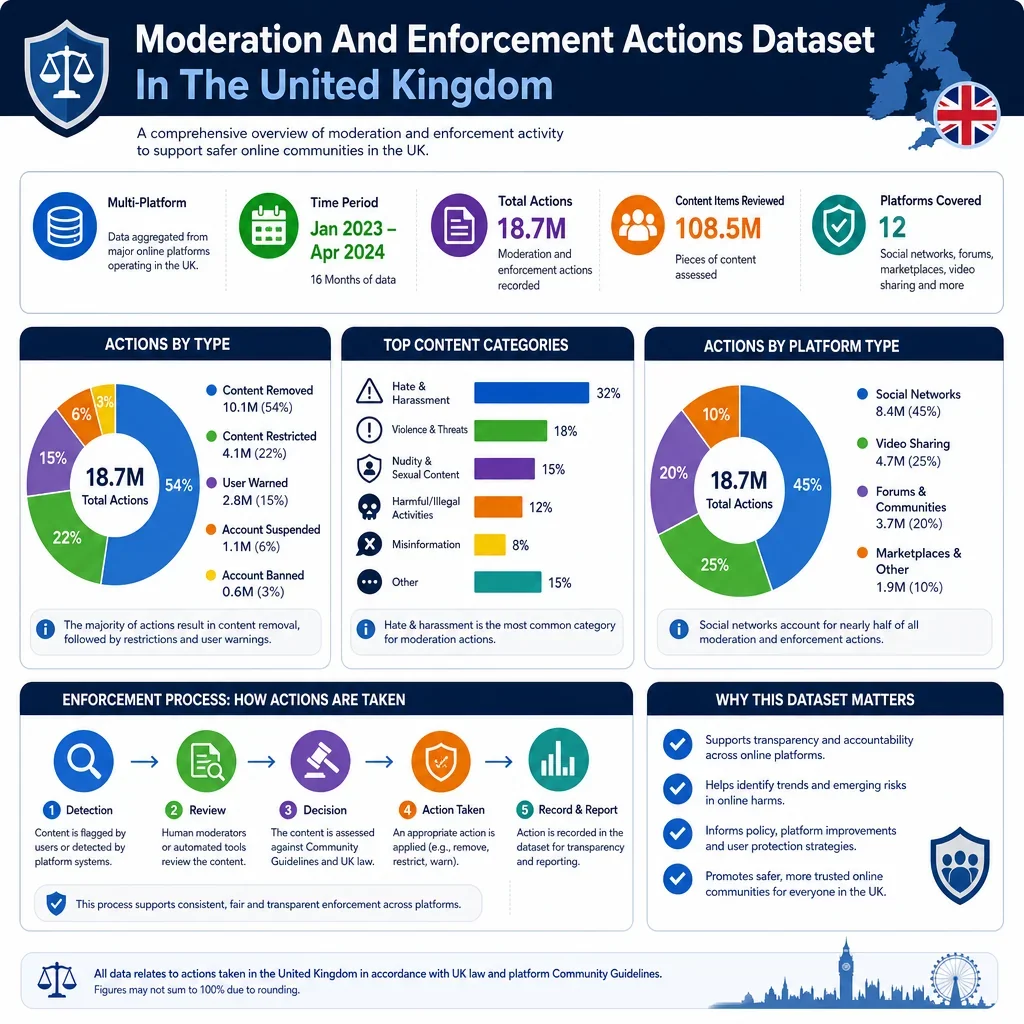
Content Moderation Rights | Reserves rights to review, restrict, label, remove or refuse content. | Usually essential | Describe moderation discretion clearly and fairly. Avoid unlimited hidden discretion for consumer-facing services. | Platform administrators |
Warnings, Restrictions And Enforcement Measures | Lists possible responses to breaches, from warnings to permanent bans. | Usually essential | Use proportionate stages where possible and preserve urgent action for serious harm, fraud or legal risk. | Both parties |
Complaints and disputes | ||||
Appeals Against Moderation Decisions | Allows users to challenge content removals, restrictions or account sanctions. | Commonly included | Set appeal routes, time limits, evidence requirements and expected response times. Larger regulated platforms may need more formal systems. | Users |
Reporting Content Or Conduct | Explains how users can report rule-breaking content, abuse or illegal material. | Usually essential | Provide accessible reporting channels, categories and supporting evidence requirements. Include urgent harm pathways. | Users |
General legal terms | ||||
Law Enforcement And Regulatory Requests | Explains when the operator may cooperate with lawful authority or regulator requests. | Commonly included | Avoid broad disclosure promises. Refer to lawful basis, privacy notice and legal obligations for disclosure. | Both parties |
Moderation and enforcement | ||||
Evidence Preservation | Allows retention of relevant records after removals, bans or legal reports. | Optional depending on service | Align retention periods with privacy notices, legal holds, crime prevention and data minimisation. | Business operator |
Payments and subscriptions | ||||
Fees And Payment Terms | Sets prices, payment timing, taxes and accepted payment methods. | Optional depending on service | Show total price, VAT position, renewal charges and pre-contract information clearly before purchase. | Users |
Subscriptions And Renewals | Explains recurring billing, renewal dates, plan periods and renewal notices. | Optional depending on service | Make auto-renewal prominent, explain cancellation steps and avoid unfair lock-ins or hidden charges. | Users |
Free Trials And Promotional Offers | Sets rules for trial periods, introductory pricing and promotional discounts. | Optional depending on service | Disclose when charging starts, eligibility limits, end dates and how to cancel before payment. | Users |
Refunds And Credits | Explains when refunds, credits or charge reversals are available. | Optional depending on service | Distinguish goodwill refunds from statutory cancellation, defective digital content and service remedies. | Users |
Consumer Cooling-Off Rights | Explains statutory cancellation rights for distance contracts where they apply. | Optional depending on service | Provide cancellation information before contract formation and handle digital content consent exceptions carefully. | Users |
Payment Processor Terms | Notifies users that third-party payment providers may process payments under separate terms. | Optional depending on service | Link processor terms and privacy information. Clarify whether the operator stores card details. | Users |
Chargebacks And Failed Payments | Explains consequences of failed payments, disputed charges or payment reversal abuse. | Optional depending on service | Permit service suspension for non-payment while preserving consumer rights and genuine dispute handling. | Both parties |
Liability and disclaimers | ||||
Service Availability | States that the service may be interrupted, updated or unavailable at times. | Commonly included | Avoid absolute no-availability promises unless offering an SLA. For consumers, do not remove statutory service quality rights. | Both parties |
General legal terms | ||||
Changes To The Service | Allows features, functionality or policies to be changed over time. | Commonly included | Explain notice for material changes and provide cancellation rights where changes disadvantage paying consumers. | Both parties |
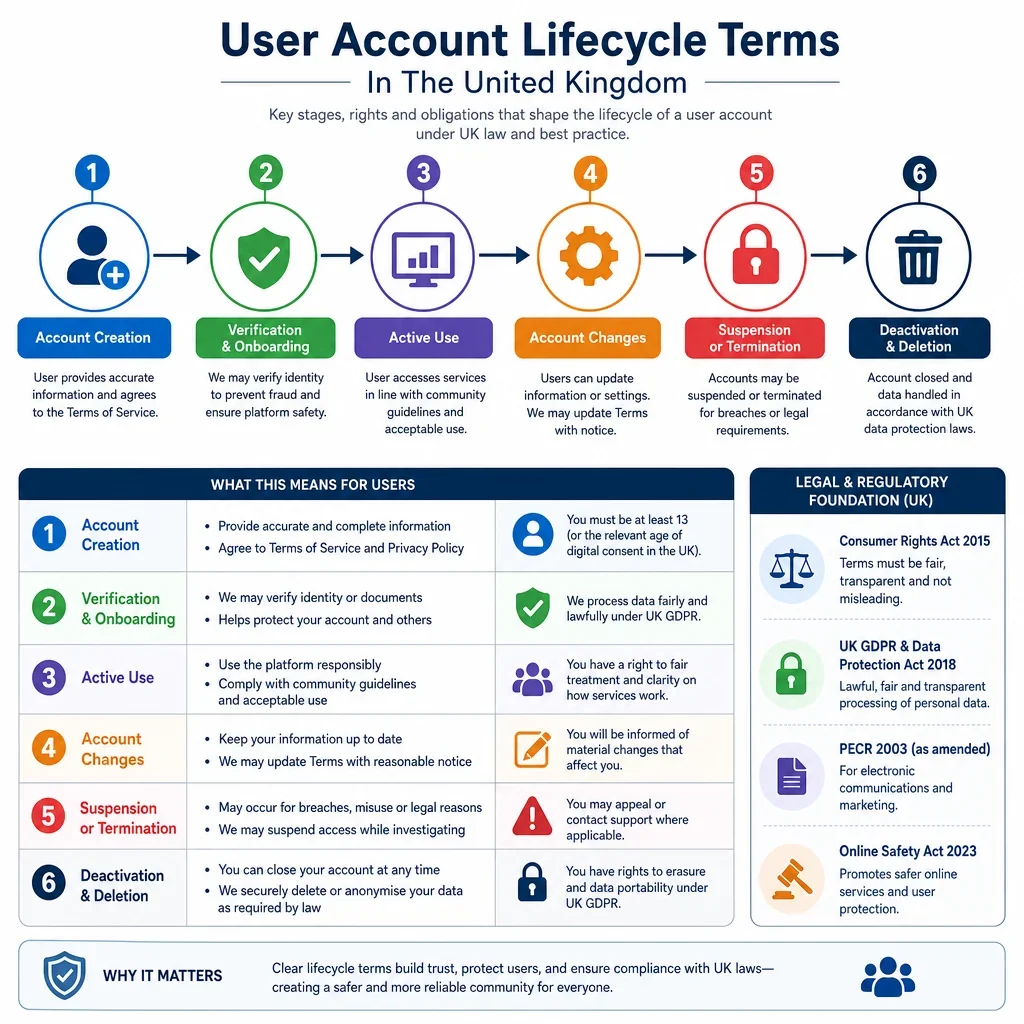
Changes To These Terms | Explains how the operator may update the terms and notify users. | Usually essential | Use fair variation reasons, reasonable notice and user rights to stop using or cancel paid services. | Both parties |
Liability and disclaimers | ||||
Beta And Experimental Features | Sets expectations for unfinished, test or preview features. | Optional depending on service | Label beta features clearly and warn that they may change, fail or be withdrawn. Do not exclude non-excludable rights. | Users |
AI-Generated Content And Automated Features | Explains limits and user responsibility for AI outputs, recommendations or automated tools. | Optional depending on service | Warn outputs may be inaccurate. Address user review, prohibited prompts, IP uncertainty and personal data input restrictions. | Both parties |
No Professional Advice | States that platform content is informational and not legal, medical, financial or other advice. | Optional depending on service | Tailor to service content. Avoid disclaimers that contradict marketed regulated or advisory services. | Users |
User Reliance On Content | Limits responsibility for decisions users make based on user posts or platform materials. | Commonly included | For consumer services, disclaimers must be fair, transparent and not exclude liability for paid digital content failing statutory standards. | Users |
Limitation Of Liability | Caps or limits the operator's financial responsibility where legally permitted. | Usually essential | Never exclude death or personal injury caused by negligence, fraud, or non-excludable consumer rights. Consider separate B2B and consumer wording. | Business operator |
Consumer Statutory Rights | Confirms that nothing in the terms affects rights that cannot legally be excluded. | Usually essential | Use especially where users may be consumers. Reference paid services, digital content and statutory remedies. | Users |
User Indemnity | Requires users to cover losses caused by their breaches or unlawful content. | Commonly included | For consumers, keep wording fair, proportionate and limited to losses caused by the user's breach or misconduct. | Users |
Termination | ||||
User Account Closure | Explains how users may close their account and what happens afterwards. | Usually essential | Distinguish account closure from data erasure, outstanding payments, active disputes and retained public content. | Users |
Account Suspension | Allows temporary account restriction during investigations, breaches or safety incidents. | Usually essential | Set triggers, notice approach, effect on paid access and review or appeal process. | Both parties |
Termination By The Operator | Allows the operator to end access for serious or repeated breaches. | Usually essential | Use clear grounds, proportionate process and refund treatment for paid services where appropriate. | Both parties |
Effects Of Termination | Explains what rights, obligations and content survive after account closure or termination. | Usually essential | Cover access loss, content removal or retention, outstanding sums, licences, liability limits and dispute clauses. | Both parties |
Inactive Or Dormant Accounts | Allows management, archiving or closure of unused accounts. | Optional depending on service | Give notice where possible and consider paid balances, content access and data retention duties. | Users |
Complaints and disputes | ||||
User Complaints Process | Sets out how users can complain about service issues, moderation or billing. | Usually essential | Provide contact method, information needed, response standards and escalation route. Keep process accessible. | Users |
Informal Dispute Resolution | Encourages users and the operator to try to resolve disputes before formal action. | Commonly included | Do not restrict statutory rights to bring claims or complain to regulators. State reasonable contact steps only. | Both parties |
Alternative Dispute Resolution | Explains whether unresolved consumer complaints may be referred to an ADR provider. | Optional depending on service | If the business is obliged or chooses to use ADR, provide required information and avoid misleading users. | Users |
General legal terms | ||||
Governing Law | States which country's law governs the terms. | Usually essential | For UK use, specify England and Wales, Scotland or Northern Ireland as appropriate. Preserve mandatory consumer protections. | Both parties |
Complaints and disputes | ||||
Jurisdiction And Courts | States which courts may hear disputes under the terms. | Usually essential | Consumer users may have rights to bring claims in their local UK courts. Avoid unfair exclusive jurisdiction clauses. | Both parties |
General legal terms | ||||
Notices And Communications | Explains how the operator and users send formal notices and service messages. | Commonly included | Use email, in-app notices or postal address where needed. Include company contact details required for online traders. | Both parties |
Operator Identity And Contact Details | Identifies the contracting business and provides required contact information. | Usually essential | Include legal name, trading name, registered office, company number, email and VAT number where applicable. | Business operator |
Privacy Notice Reference | Directs users to the privacy notice for information on personal data processing. | Usually essential | Keep privacy terms separate but linked. Do not use terms to obtain invalid bundled consent. | Users |
Cookies And Tracking Technologies | Refers users to information and choices about cookies, pixels and similar technologies. | Commonly included | Non-essential cookies generally need consent. Link to cookie notice and consent tool. | Users |
Confidential Information | Protects non-public information exchanged through beta, business or creator programmes. | Optional depending on service | Define confidential information, exclusions and permitted disclosures. Usually more relevant to business users. | Both parties |
Assignment And Transfer | Controls whether rights and obligations may be transferred to another person or company. | Commonly included | Allow business transfers while ensuring consumers are not disadvantaged without notice or rights to object where appropriate. | Both parties |
Severability | Keeps the rest of the terms effective if one part is invalid or unenforceable. | Commonly included | Use standard wording and avoid relying on severability to rescue deliberately overbroad clauses. | Both parties |
No Waiver | Prevents delay in enforcing rights from being treated as giving them up. | Commonly included | Keep concise. Ensure practical enforcement behaviour does not contradict stated policy. | Both parties |
Entire Agreement | States that the written terms are the full agreement between the parties. | Commonly included | Do not exclude liability for fraud or misleading pre-contract statements where consumer law applies. | Both parties |
Liability and disclaimers | ||||
Events Outside Our Control | Limits responsibility for delays or failures caused by events beyond reasonable control. | Commonly included | List examples such as outages, strikes, disasters and cyber incidents. Preserve rights where performance becomes impossible or prolonged. | Both parties |
General legal terms | ||||
Third-Party Rights | States whether anyone other than the user and operator can enforce the terms. | Commonly included | If excluding third-party enforcement, reference the Contracts Rights of Third Parties Act position clearly. | Both parties |
User conduct | ||||
Accessibility And Inclusive Use | Encourages accessible content and inclusive participation in the community. | Optional depending on service | Encourage alt text, captions and respectful accommodation. Avoid imposing unrealistic duties on ordinary users. | Users |
Moderation and enforcement | ||||
Moderators, Admins And Community Roles | Defines powers and responsibilities of moderators, admins, hosts or volunteer leaders. | Optional depending on service | Clarify authority, escalation, conflicts of interest, confidentiality and whether roles are employees, contractors or volunteers. | Platform administrators |
Payments and subscriptions | ||||
Creator Monetisation Rules | Sets eligibility, payout and conduct rules for creators earning money on the platform. | Optional depending on service | Address tax responsibility, payout thresholds, withheld payments, refunds, sanctions and advertising disclosure. | Users |
Content standards | ||||
Advertising, Sponsorship And Promotions | Requires users to disclose ads, sponsorships, affiliate links and paid promotions. | Optional depending on service | Require clear labels such as ad where relevant and compliance with CAP Code and consumer protection rules. | Users |
Reviews And Ratings | Sets rules for honest reviews, ratings, endorsements and testimonials. | Optional depending on service | Ban fake, incentivised, conflicted or manipulated reviews unless clearly disclosed and permitted. | Users |
Payments and subscriptions | ||||
User-To-User Transactions | Clarifies the platform's role where users buy, sell or exchange with each other. | Optional depending on service | State whether the operator is seller, agent, marketplace or venue. Disclose trader status information where applicable. | Both parties |
User Tax Responsibilities | States that users are responsible for taxes arising from sales, income or payouts. | Optional depending on service | Relevant for creators, sellers and affiliates. Avoid giving tax advice and refer users to HMRC guidance. | Users |
General legal terms | ||||
Sanctions And Export Controls | Prevents access or transactions involving sanctioned persons, countries or prohibited exports. | Optional depending on service | Important for payments, software, crypto, marketplaces and international services. Include screening and blocking powers. | Both parties |
Account rules | ||||
Age-Restricted Products Or Features | Restricts access to content, products or features requiring a minimum age. | Optional depending on service | Use age gates or assurance where needed for alcohol, gambling, adult content or other restricted features. | Users |
User conduct | ||||
Competitions And Prize Promotions | Sets rules for user-run or platform-run competitions, giveaways and prize draws. | Optional depending on service | Require clear eligibility, entry method, closing date, prize details and avoidance of unlawful lotteries. | Users |
Account rules | ||||
API And Developer Access | Controls technical access through APIs, keys, integrations and developer tools. | Optional depending on service | Set rate limits, security rules, data use limits, revocation rights and separate developer terms. | Platform administrators |
General legal terms | ||||
App Store Terms | Explains that app store rules may also apply to mobile app users. | Optional depending on service | Reference Apple, Google or other store terms and clarify conflicts, billing and app-specific licence provisions. | Users |
Liability and disclaimers | ||||
User Backups And Content Loss | Encourages users to keep copies of important content and explains content loss risks. | Commonly included | Do not exclude liability for losses that cannot be excluded. Provide export tools if important to the service. | Users |
Content standards | ||||
Public And Private Content Settings | Explains visibility settings and user responsibility for choosing who can view content. | Commonly included | Avoid promising absolute privacy for shared content. Link to privacy controls and explain screenshots or resharing limits. | Users |
Personal Data In User Content | Restricts uploading others' personal data without a lawful basis or consent where needed. | Commonly included | Ban doxxing, exposed contact details, sensitive data and private records. Explain reporting and removal routes. | Users |
Doxxing And Private Information | Bans sharing private information to expose, threaten, shame or harass someone. | Usually essential | Cover addresses, phone numbers, identity documents, financial data, medical data and location information. | Users |
Defamation And Reputational Harm | Prohibits false or harmful statements that may seriously damage reputation. | Commonly included | Provide complaint route and require enough information to assess disputed statements. Avoid acting as legal adviser. | Both parties |
Complaints and disputes | ||||
Illegal Content Notices | Provides a process for notifying the platform of allegedly illegal content. | Usually essential | Ask for content location, reasons, evidence and contact details. Prioritise urgent risk categories. | Both parties |
Moderation and enforcement | ||||
Repeat Offender Policy | Allows escalating sanctions for repeated breaches of the guidelines or legal rights. | Commonly included | Define repeated breach thresholds and preserve discretion for serious one-off misconduct. | Platform administrators |
Ban Evasion And Circumvention | Prevents banned or restricted users from bypassing enforcement measures. | Usually essential | Cover new accounts, proxy accounts, shared accounts, VPN abuse and third-party posting on behalf of banned users. | Platform administrators |
User conduct | ||||
Local Community Rules | Allows sub-communities, groups or forums to adopt additional rules. | Optional depending on service | Clarify hierarchy between platform-wide rules and local rules. Prohibit local rules that undermine safety or legal compliance. | Platform administrators |
Moderation and enforcement | ||||
Ranking, Recommendations And Feeds | Explains that content visibility may be affected by algorithms, safety rules or user settings. | Optional depending on service | Describe key ranking factors and controls in plain terms where relevant to user expectations or online safety duties. | Users |
Content Visibility Restrictions | Allows demotion, age-gating, warning labels or reduced distribution of content. | Commonly included | Be transparent about restriction types and appeal options. Avoid misleading users about content reach. | Platform administrators |
Content Labels And Warnings | Allows labels, interstitial warnings or context notes on sensitive or disputed content. | Optional depending on service | Set label categories and whether users can appeal or correct labels. Apply consistently. | Platform administrators |
User conduct | ||||
Offline Harm Connected To Platform Use | Allows action where off-platform behaviour creates platform safety risks. | Optional depending on service | Limit to conduct with a clear platform connection, such as threats, meetup abuse, stalking or coordinated harassment. | Both parties |
Events And Meetups | Sets behaviour, safety and responsibility rules for platform-related events. | Optional depending on service | Clarify whether events are user-organised or operator-hosted. Address safeguarding, venues, tickets and conduct. | Both parties |
Safeguarding And Vulnerable Users | Protects children, young people and vulnerable adults from exploitation or abuse. | Commonly included | Address grooming, manipulation, private messaging controls and reporting routes. Tailor to user age and service risk. | Users |
Content standards | ||||
Regulated Advice And Financial Promotions | Restricts regulated investment, credit, insurance or financial promotion content. | Optional depending on service | Relevant for finance communities. Require authorisation, fair risk warnings and removal of unauthorised promotions. | Both parties |
Health Claims And Medical Advice | Restricts dangerous health claims, diagnosis, treatment advice or medical misinformation. | Optional depending on service | Allow lived experience while banning harmful instructions, false cures and discouraging urgent care. | Users |
Political And Election Content | Sets rules for election misinformation, political advertising and voter interference. | Optional depending on service | Define manipulation, false voting information and paid political content labelling. Apply viewpoint-neutral rules. | Users |
Misleading Commercial And Environmental Claims | Prevents misleading sales claims, green claims and product representations. | Optional depending on service | Useful for marketplaces and creator platforms. Require evidence for objective claims and clear disclosures. | Users |
User conduct | ||||
Unauthorised Commercial Use | Restricts advertising, selling, solicitation or commercial activity without permission. | Commonly included | Define allowed creator, business or marketplace activity to avoid blocking legitimate use. | Business operator |
Intellectual property | ||||
Open Source Software Notices | Discloses that parts of the service may include open-source components under separate licences. | Optional depending on service | Link notices and comply with attribution, source code or licence text obligations where applicable. | Business operator |
User conduct | ||||
Vulnerability Disclosure | Sets rules for reporting security flaws responsibly. | Optional depending on service | Define authorised testing limits, reporting channels and prohibited data access or disruption. | Both parties |
Complaints and disputes | ||||
Content Deletion Requests | Explains when users can ask for their posts, media or profile content to be deleted. | Commonly included | Distinguish deletion of content from erasure of personal data and retained records for legal reasons. | Users |
Account rules | ||||
Content Export And Portability | Explains whether users can download account data or content before closing an account. | Optional depending on service | Align export tools with data portability rights and practical limits for non-personal or third-party content. | Users |
Children's Privacy And Safety | Sets additional safeguards for services likely to be accessed by children. | Optional depending on service | Consider the ICO Children's Code, privacy-by-default settings, profiling limits and age-appropriate explanations. | Users |
Moderation and enforcement | ||||
Online Safety Transparency | Explains safety measures, user reporting and risk controls for regulated user-to-user services. | Optional depending on service | Relevant to user-to-user or search services. Align with Online Safety Act duties and Ofcom guidance as applicable. | Platform administrators |
Content standards | ||||
Illegal File Sharing And Piracy | Bans uploading, linking to or distributing pirated software, media or circumvention tools. | Commonly included | Cover links, embeds, torrents, cracked software, licence keys and rights-holder reporting. | Both parties |
What Clauses Should UK Community Guidelines And Terms Of Service Usually Include?
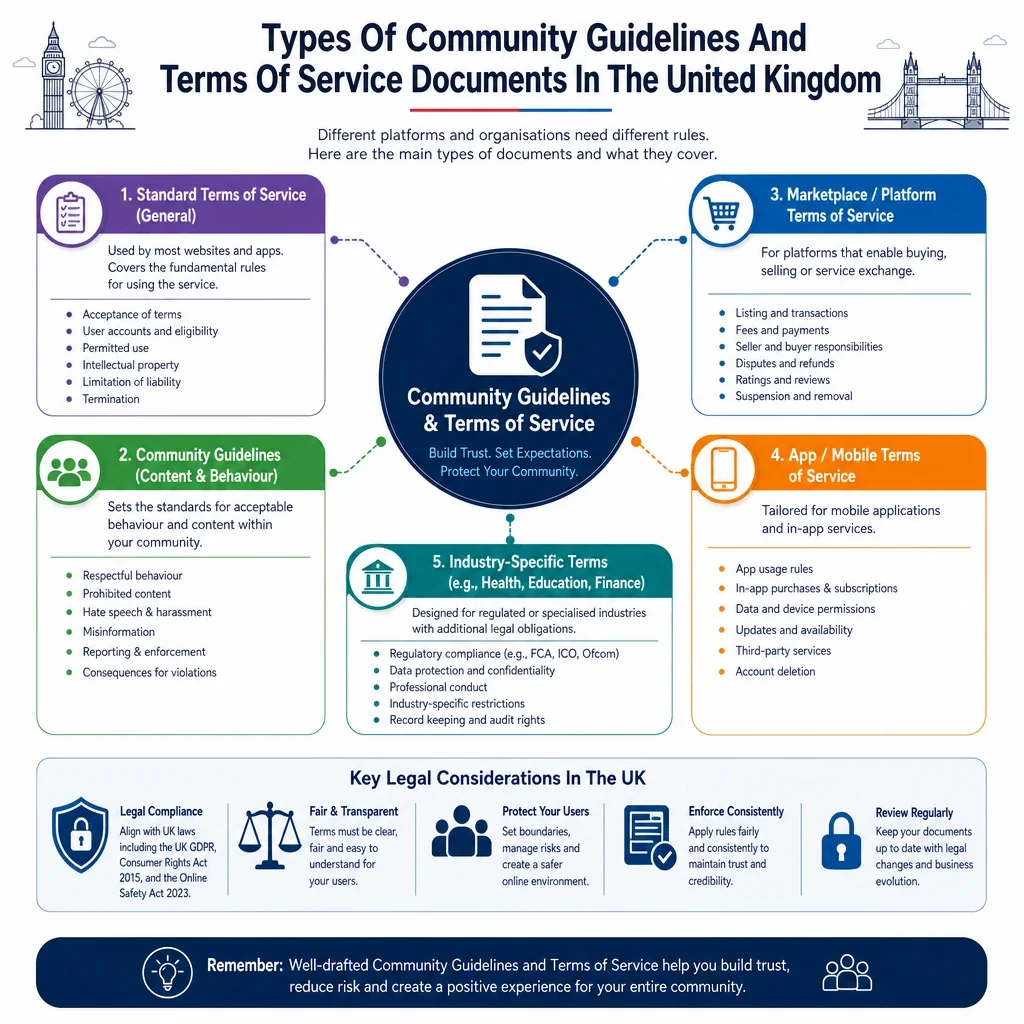
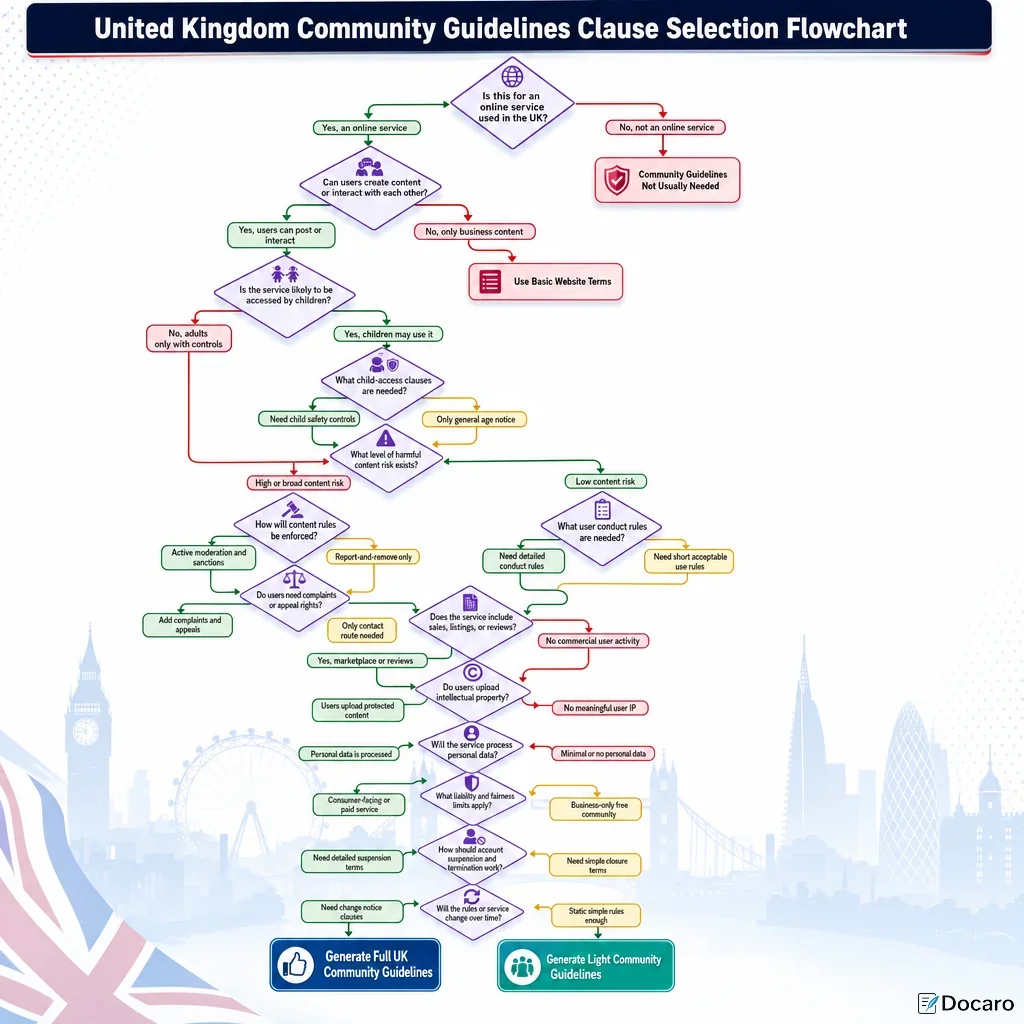
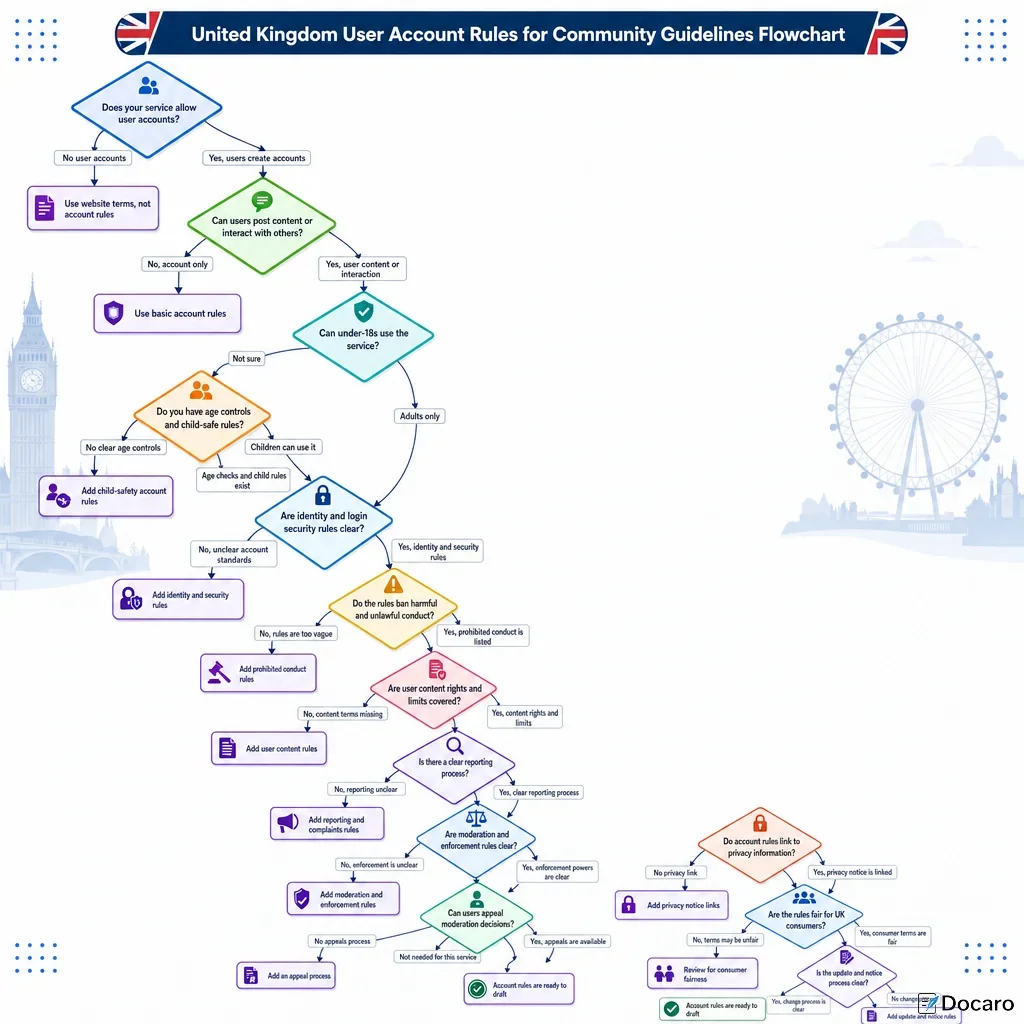
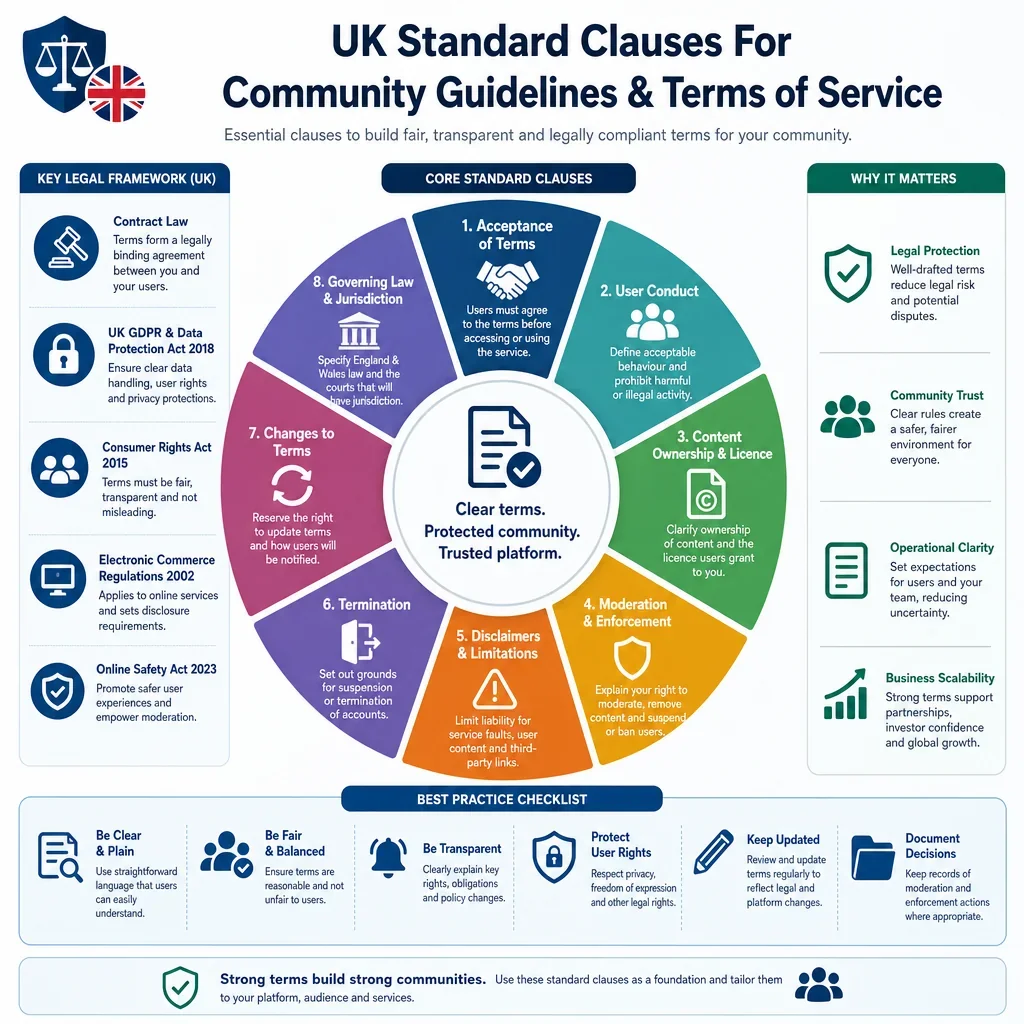
For UK-facing platforms, the most important clauses are those covering account eligibility, acceptable use, prohibited content, moderation powers, intellectual property licensing, liability limits, suspension or termination, complaints, governing law and changes to the terms. These clauses reduce uncertainty for users and help the operator show that platform rules are transparent and consistently enforceable.
How Do UK Legal Rules Affect Platform Terms?
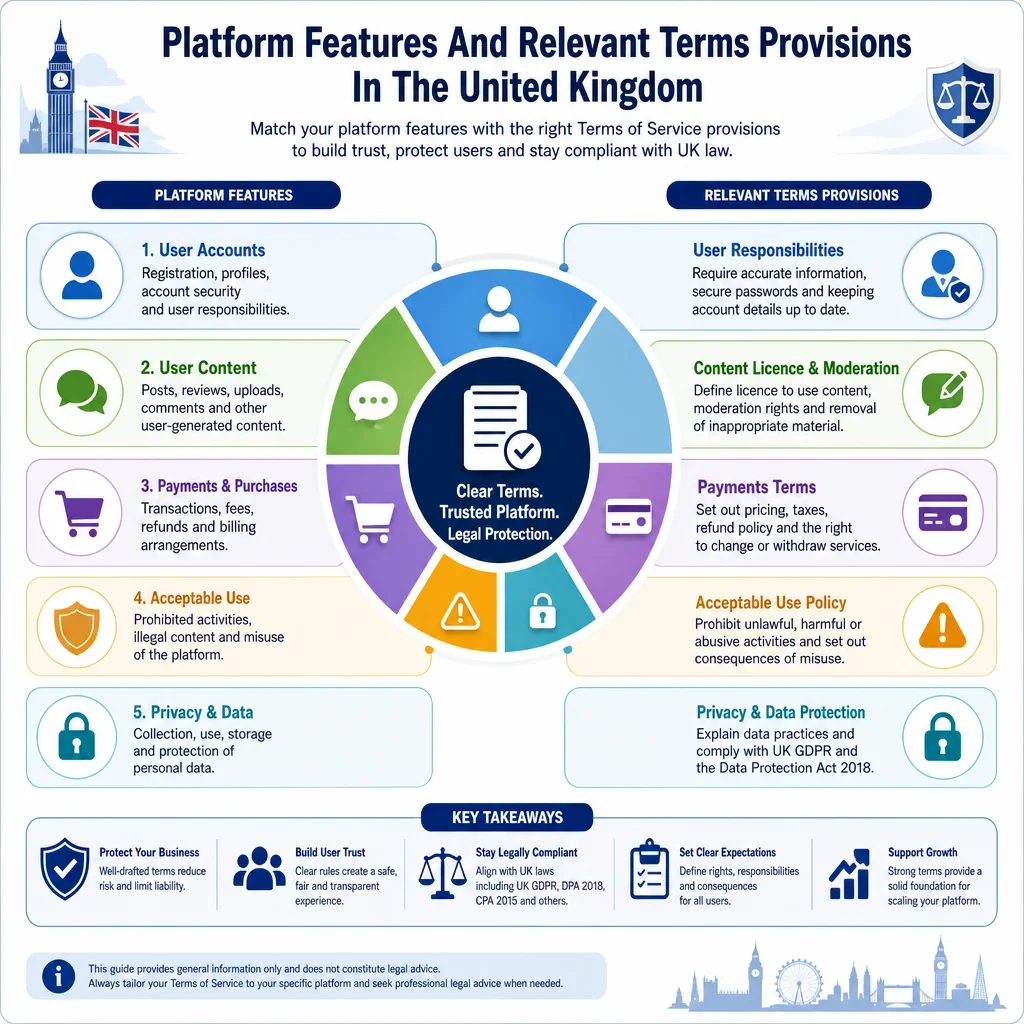
UK terms should be drafted with consumer fairness, data protection, online safety and e-commerce transparency in mind. Clauses that exclude liability, allow unilateral changes, remove content, ban users or renew subscriptions need particular care because they may be scrutinised under the Consumer Rights Act 2015, Data Protection Act 2018, UK GDPR and the Electronic Commerce Regulations 2002.
Which Clauses Need The Most Care For User-Generated Content?
- Content licence clauses should explain what rights the platform needs to host, display, promote or share user content.
- Illegal and harmful content clauses should reflect the platform\'s moderation model and, where relevant, duties under the Online Safety Act 2023.
- Copyright complaint clauses should provide a workable notice process and avoid promising outcomes the operator cannot guarantee.
- Enforcement clauses should describe warnings, content removal, restrictions, suspension, appeals and repeat offender action.
What Is The Practical Drafting Priority?
The safest approach is to separate community behaviour rules from legal terms, use plain English, avoid unfair discretion, and make cancellation, complaints, moderation and payment terms easy to find before a user signs up or pays.
FAQs
You Might Also Be Interested In