People And Roles In A United Kingdom Will
Role Name | Role Description | Usually Named in Will | Can Be Beneficiary | Selection Considerations |
|---|---|---|---|---|
Person making the Will | ||||
Testator | The person who makes and signs the Will. | Yes | Depends on jurisdiction or circumstances | Must have testamentary capacity and intend the Will to take effect. |
Testatrix | Older term for a female person making a Will. | Sometimes | Depends on jurisdiction or circumstances | Modern drafting usually uses the gender-neutral term testator. |
Person administering the estate | ||||
Executor | Collects assets, pays debts and tax, obtains probate, and distributes the estate. | Yes | Can usually be a beneficiary | Choose someone trustworthy, organised, willing, and able to handle probate work. |
Substitute Executor | Acts if the first-choice executor cannot or will not act. | Sometimes | Can usually be a beneficiary | Name backups to reduce delay if an executor dies, refuses, or lacks capacity. |
Joint Executor | One of two or more executors appointed to administer the estate together. | Sometimes | Can usually be a beneficiary | Use compatible people too many executors may slow decisions. |
Professional Executor | A solicitor, accountant, trust corporation, or probate professional appointed as executor. | Sometimes | Can usually be a beneficiary | Useful for complex estates, but check charging terms and conflicts. |
Person administering the estate, Person managing assets | ||||
Trust Corporation | A qualifying corporate body that may act as executor or trustee. | Sometimes | Can usually be a beneficiary | Consider for continuity, neutrality, and complex or long-running trusts. |
Person administering the estate | ||||
Administrator | Person appointed to administer an estate where there is no valid executor. | No | Can usually be a beneficiary | Priority is usually based on legal entitlement, not the Will-maker's choice. |
Person managing assets | ||||
Trustee | Holds and manages trust assets for beneficiaries under the Will. | Sometimes | Can usually be a beneficiary | Choose financially responsible people able to act impartially and keep records. |
Person administering the estate, Person managing assets | ||||
Executor-Trustee | Executor who also holds estate assets as trustee after administration. | Yes | Can usually be a beneficiary | Ensure they understand both probate duties and continuing trust duties. |
Person managing assets | ||||
Substitute Trustee | Steps in if an appointed trustee cannot continue or serve. | Sometimes | Can usually be a beneficiary | Useful for long trusts where original trustees may die or retire. |
Custodian Trustee | Holds trust property while managing trustees make trust decisions. | Sometimes | Can usually be a beneficiary | Consider where asset custody should be separated from day-to-day decisions. |
Person receiving a gift | ||||
Beneficiary | Person or organisation receiving money, property, or another benefit under the Will. | Yes | Can usually be a beneficiary | Identify clearly by full name, relationship, charity number, or class wording. |
Residuary Beneficiary | Receives the estate residue after debts, tax, expenses, and specific gifts. | Yes | Can usually be a beneficiary | Always include a residue clause and substitute residuary beneficiaries. |
Specific Beneficiary | Receives a particular item, asset, or property named in the Will. | Sometimes | Can usually be a beneficiary | Describe the asset precisely and say what happens if it no longer exists. |
Pecuniary Beneficiary | Receives a fixed sum of money under the Will. | Sometimes | Can usually be a beneficiary | Consider inflation, available estate funds, and priority against other gifts. |
Charitable Beneficiary | A charity receiving a gift under the Will. | Sometimes | Can usually be a beneficiary | Use the charity's full name, registered charity number, and address. |
Minor Beneficiary | Child beneficiary whose gift is usually held until they are old enough. | Sometimes | Can usually be a beneficiary | Name trustees and specify the age or conditions for receiving the gift. |
Life Tenant | Person entitled to income or use of trust property during their lifetime. | Sometimes | Can usually be a beneficiary | Define rights to occupy, income, repairs, insurance, and ending events. |
Remainderman | Person who receives trust property after a life tenant's interest ends. | Sometimes | Can usually be a beneficiary | Use clear substitution wording if the remainderman dies first. |
Discretionary Beneficiary | Person within a class who may benefit if trustees choose to appoint funds. | Sometimes | Can usually be a beneficiary | Define the class clearly and consider a non-binding letter of wishes. |
Class Beneficiary | Member of a group described in the Will, such as children or grandchildren. | Sometimes | Can usually be a beneficiary | Define whether the class includes adopted, step, unborn, or future children. |
Substitute Beneficiary | Receives a gift if the first-choice beneficiary dies or cannot take it. | Sometimes | Can usually be a beneficiary | Use to reduce partial intestacy and failed gifts. |
Predeceasing Beneficiary | A named beneficiary who dies before the testator. | No | Depends on jurisdiction or circumstances | State whether their descendants inherit or the gift passes elsewhere. |
Person receiving a gift, Person administering the estate | ||||
Surviving Spouse Or Civil Partner | Married or civil partner who may be named as beneficiary or executor. | Sometimes | Can usually be a beneficiary | Review after marriage, civil partnership, separation, or divorce. |
Unmarried Partner | Cohabiting partner who only benefits if named or otherwise legally entitled. | Yes | Can usually be a beneficiary | Name them expressly cohabitation alone does not create automatic intestacy rights. |
Person receiving a gift | ||||
Child | A son or daughter who may be beneficiary or within a class gift. | Sometimes | Can usually be a beneficiary | Clarify inclusion of adopted children, stepchildren, and children born later. |
Stepchild | Spouse's or partner's child who may not be covered unless clearly included. | Sometimes | Can usually be a beneficiary | Name stepchildren expressly or define them in any class gift. |
Adopted Child | Child whose legal family relationship may affect inheritance and class gifts. | Sometimes | Can usually be a beneficiary | Use clear wording if adoption status or birth family links matter. |
Unborn Or Future Child | A child not yet born who may be included by class wording. | No | Can usually be a beneficiary | Use class gifts such as "my children" and specify timing for entitlement. |
Grandchild | Descendant who may receive a direct gift or substitute share. | Sometimes | Can usually be a beneficiary | Decide whether grandchildren take only if their parent has died. |
Dependant | Person who may claim reasonable financial provision from the estate. | Sometimes | Can usually be a beneficiary | Consider financial dependency and risk of a 1975 Act claim if excluded. |
Disappointed Beneficiary | Person expecting a gift who receives less or nothing under the Will. | No | Depends on jurisdiction or circumstances | Exclusions should be deliberate, documented, and considered with claim risk. |
Person witnessing the Will | ||||
Attesting Witness | Witnesses the testator's signature and signs the Will to confirm execution. | No | Should not be a beneficiary | Use two independent adult witnesses present together when the testator signs. |
Independent Witness | Witness with no benefit under the Will and no close beneficiary conflict. | No | Should not be a beneficiary | Avoid beneficiaries and their spouses or civil partners as witnesses. |
Person witnessing the Will, Person receiving a gift | ||||
Spouse Or Civil Partner Of Witness | A beneficiary whose spouse or civil partner witnesses the Will risks losing the gift. | No | Should not be a beneficiary | Do not use a beneficiary's spouse or civil partner as a witness. |
Person witnessing the Will | ||||
Blind Or Visually Impaired Witness | Person who may be unsuitable if unable to see the testator sign. | No | Should not be a beneficiary | Choose witnesses who can clearly observe the signing formalities. |
Person Signing At Testator's Direction | Signs the Will for the testator when directed and in the testator's presence. | No | Depends on jurisdiction or circumstances | Use careful evidence where illness, disability, or illiteracy prevents signing. |
Person caring for children | ||||
Testamentary Guardian | Person appointed by Will to care for a child after the testator's death. | Sometimes | Can usually be a beneficiary | Choose someone willing, suitable, and aligned with the child's welfare needs. |
Substitute Guardian | Backup guardian if the first-choice guardian cannot act. | Sometimes | Can usually be a beneficiary | Name a backup and confirm their willingness before signing the Will. |
Parent With Parental Responsibility | Parent with legal rights and duties for a child, affecting guardian appointments. | Sometimes | Can usually be a beneficiary | Check who has parental responsibility before relying on a guardian clause. |
Surviving Parent | Living parent who may continue caring for the child after the testator's death. | Sometimes | Can usually be a beneficiary | A guardian appointment may not override a surviving parent with parental responsibility. |
Child's Carer | Person expected to provide day-to-day care for a child after death. | Sometimes | Can usually be a beneficiary | Coordinate with guardianship, housing, schooling, and child maintenance plans. |
Person managing assets | ||||
Property Trustee | Trustee responsible for holding or managing land or a home under a Will trust. | Sometimes | Can usually be a beneficiary | Choose someone able to manage insurance, repairs, occupation, and sale decisions. |
Trustee For Minor Beneficiaries | Manages assets left to children until they reach the specified age. | Sometimes | Can usually be a beneficiary | Prefer trustees who can invest prudently and work with the child's guardian. |
Discretionary Trustee | Trustee with discretion over when, how, and which beneficiaries receive funds. | Sometimes | Can usually be a beneficiary | Choose impartial decision-makers and support them with a letter of wishes. |
Life Interest Trustee | Manages assets balancing a life tenant's rights and remaindermen's interests. | Sometimes | Can usually be a beneficiary | Needs neutrality where spouse and children from different relationships benefit. |
Digital Executor | Person asked to help manage digital assets, accounts, and online records. | Sometimes | Can usually be a beneficiary | Choose someone tech-capable do not put passwords directly in the Will. |
Literary Executor | Manages copyrights, manuscripts, royalties, and publication decisions after death. | Sometimes | Can usually be a beneficiary | Choose someone with publishing knowledge and clear authority over IP assets. |
Person administering the estate, Person managing assets | ||||
Business Executor | Executor chosen for expertise in business shares, partnerships, or trading assets. | Sometimes | Can usually be a beneficiary | Coordinate with company articles, shareholder agreements, and succession plans. |
Person managing assets | ||||
Attorney Under Lasting Power Of Attorney | Acts during the donor's lifetime authority ends on death. | No | Can usually be a beneficiary | Do not confuse an attorney with an executor roles cover different periods. |
Court-Appointed Deputy | Court-appointed person managing affairs for someone lacking capacity during life. | No | Can usually be a beneficiary | Deputyship does not replace making a valid Will or appointing executors. |
Person administering the estate | ||||
Solicitor Or Will Drafter | Professional who drafts or advises on the Will but does not automatically administer it. | No | Depends on jurisdiction or circumstances | Consider professional advice for complex families, tax, trusts, or capacity concerns. |
Probate Practitioner | Professional helping executors apply for probate and administer the estate. | No | Depends on jurisdiction or circumstances | Useful for taxable, disputed, foreign, business, or administratively complex estates. |
Person managing assets | ||||
Valuer | Values estate assets for probate, tax, sale, or distribution purposes. | No | Depends on jurisdiction or circumstances | Use qualified valuations for property, businesses, shares, antiques, or unusual assets. |
Person administering the estate, Person managing assets | ||||
Accountant Or Tax Adviser | Advises executors or trustees on estate accounts and tax compliance. | No | Depends on jurisdiction or circumstances | Useful where inheritance tax, income tax, capital gains tax, or trusts apply. |
Person administering the estate | ||||
Personal Representative | General term for an executor or administrator who deals with the estate. | Sometimes | Can usually be a beneficiary | Understand whether authority comes from the Will or from court appointment. |
Person receiving a gift | ||||
Legatee | Traditional term for a person receiving a legacy under a Will. | Sometimes | Can usually be a beneficiary | Modern drafting usually uses beneficiary for clarity. |
Devisee | Traditional term for a person receiving real property under a Will. | Sometimes | Can usually be a beneficiary | Use clear modern wording for land, title number, and ownership share. |
Donee | Person who receives a gift, including a gift made by Will. | Sometimes | Can usually be a beneficiary | Prefer beneficiary unless technical drafting requires another term. |
Appointee Under A Power Of Appointment | Person selected to receive trust assets under a power in the Will or trust. | Sometimes | Can usually be a beneficiary | Define who can appoint, eligible recipients, and limits on the power. |
Person managing assets | ||||
Trust Protector | Person given oversight or consent powers over trustees in a specialist trust. | Sometimes | Depends on jurisdiction or circumstances | Use only with careful drafting of powers, duties, conflicts, and removal rights. |
Person receiving a gift | ||||
Person Entitled On Intestacy | Relative who may inherit if there is no valid Will or a gift fails. | No | Can usually be a beneficiary | Use a valid Will and residue clause to avoid unintended intestacy outcomes. |
Person administering the estate | ||||
Caveator | Person who enters a caveat to stop or delay a grant of probate. | No | Depends on jurisdiction or circumstances | Relevant where Will validity, executor authority, or entitlement is disputed. |
Renouncing Executor | Executor who formally gives up the right to act in the estate. | No | Can usually be a beneficiary | Discuss appointment in advance so chosen executors are willing to act. |
Executor With Power Reserved | Executor who does not apply initially but may join the probate process later. | No | Can usually be a beneficiary | Useful where one executor leads but others may need authority later. |
Person witnessing the Will, Person receiving a gift | ||||
Beneficiary Witness | Beneficiary who witnesses the Will and may lose their gift. | No | Should not be a beneficiary | Never use a beneficiary as a witness unless legal advice confirms no gift risk. |
Who Should Be Named In A UK Will?
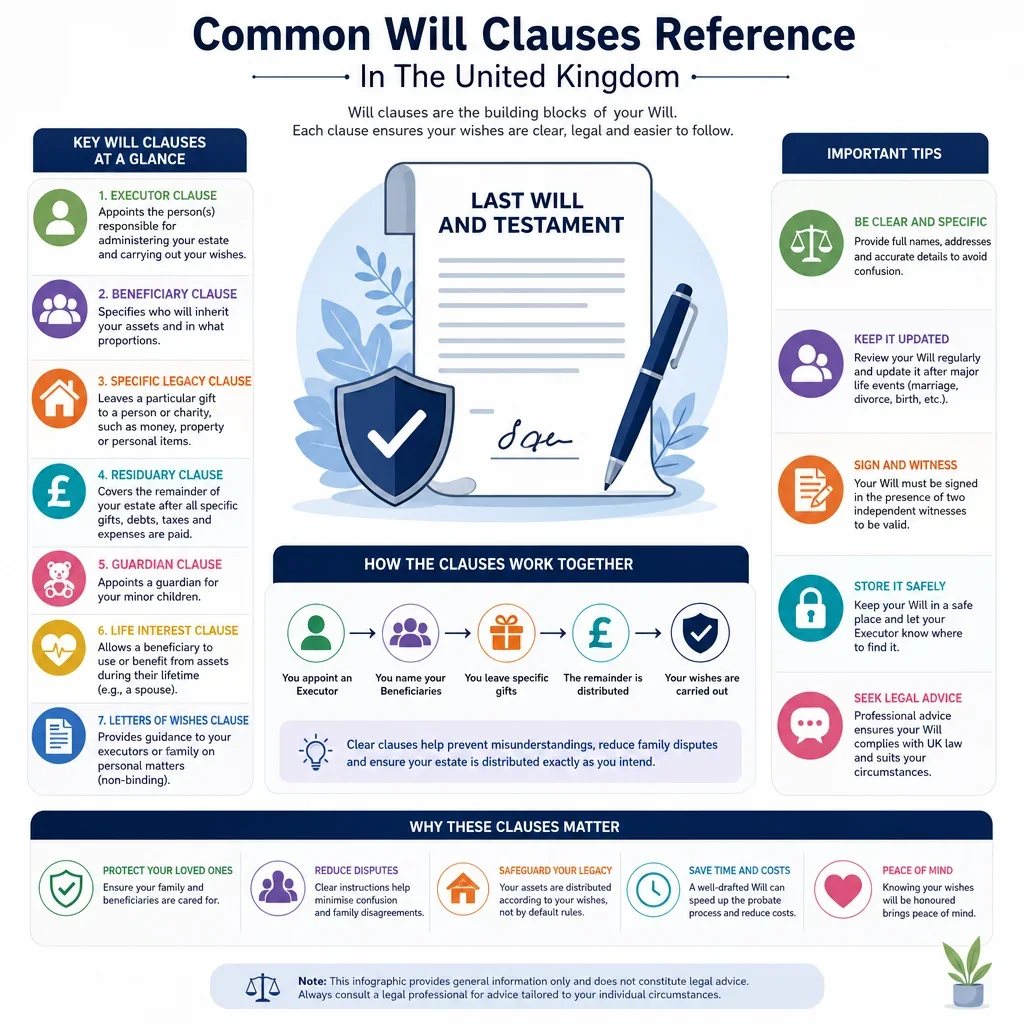
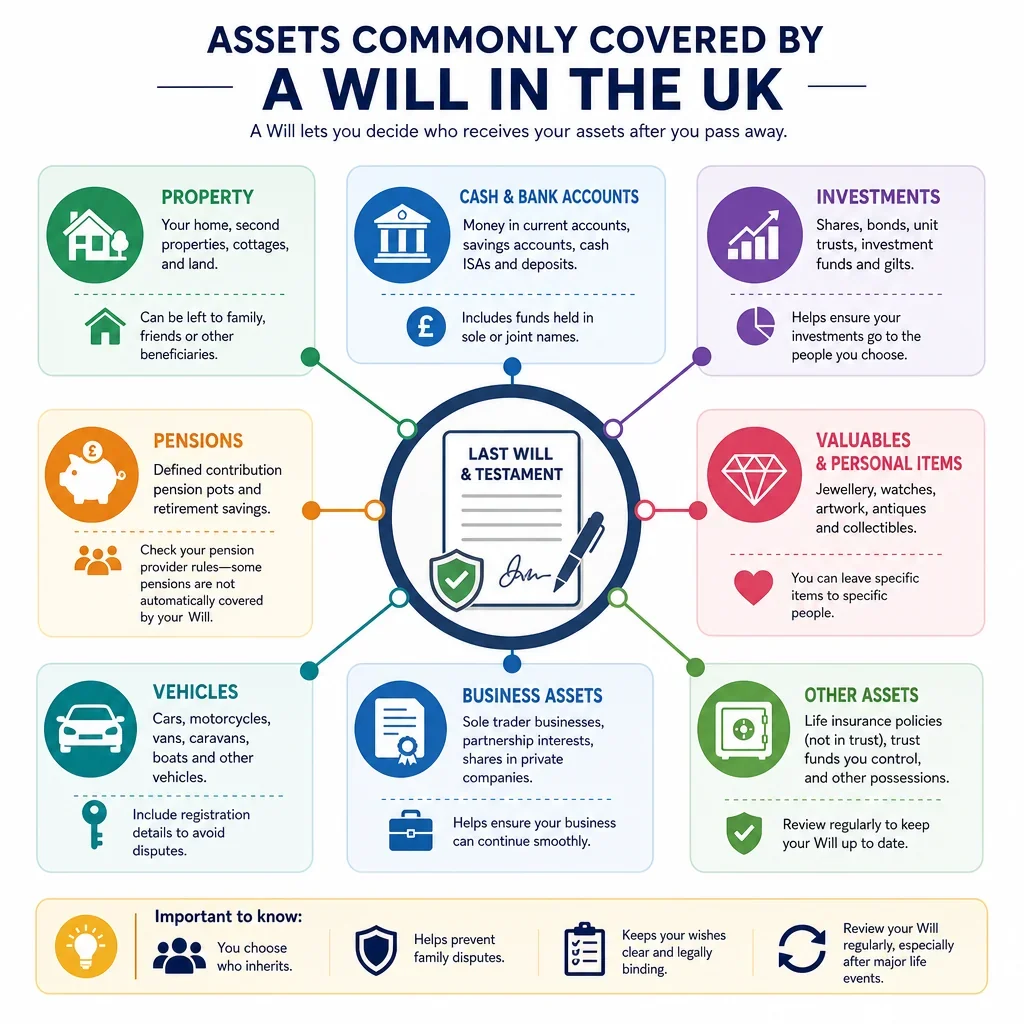
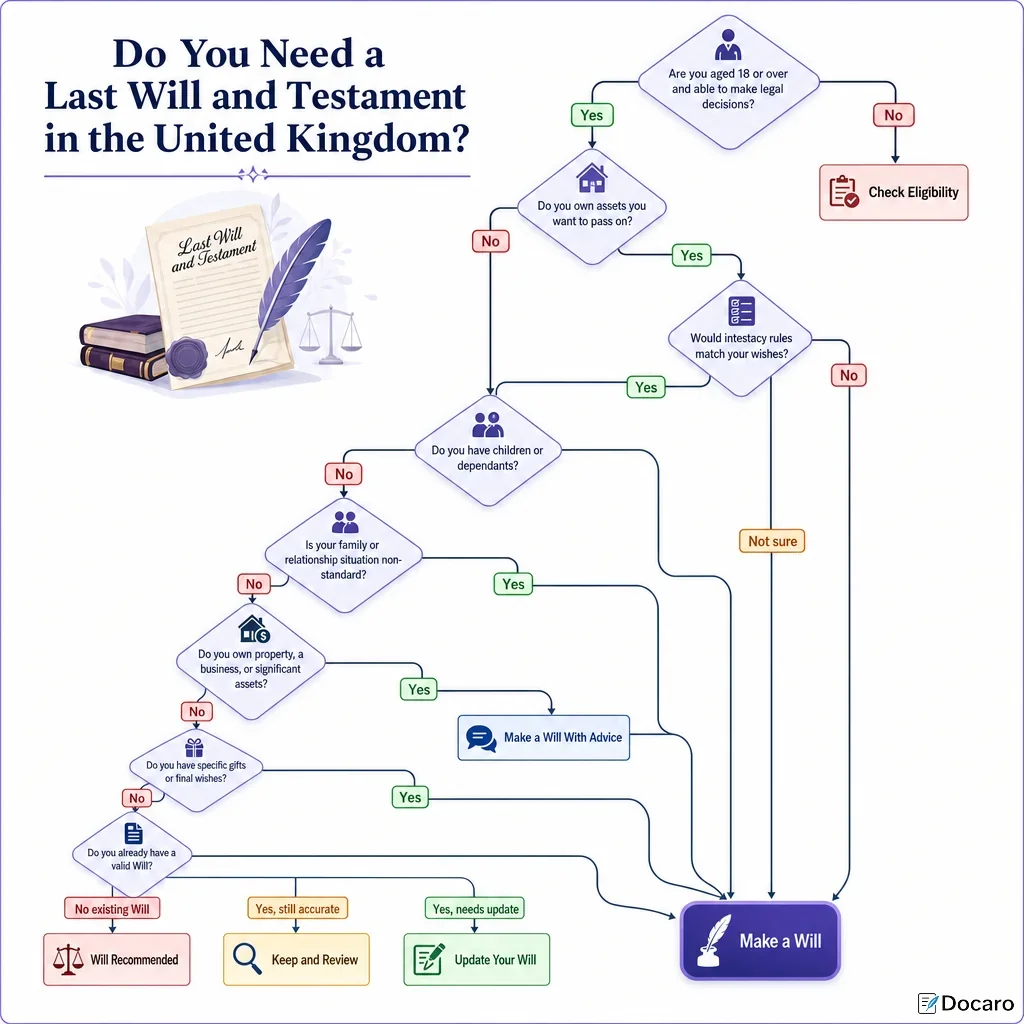
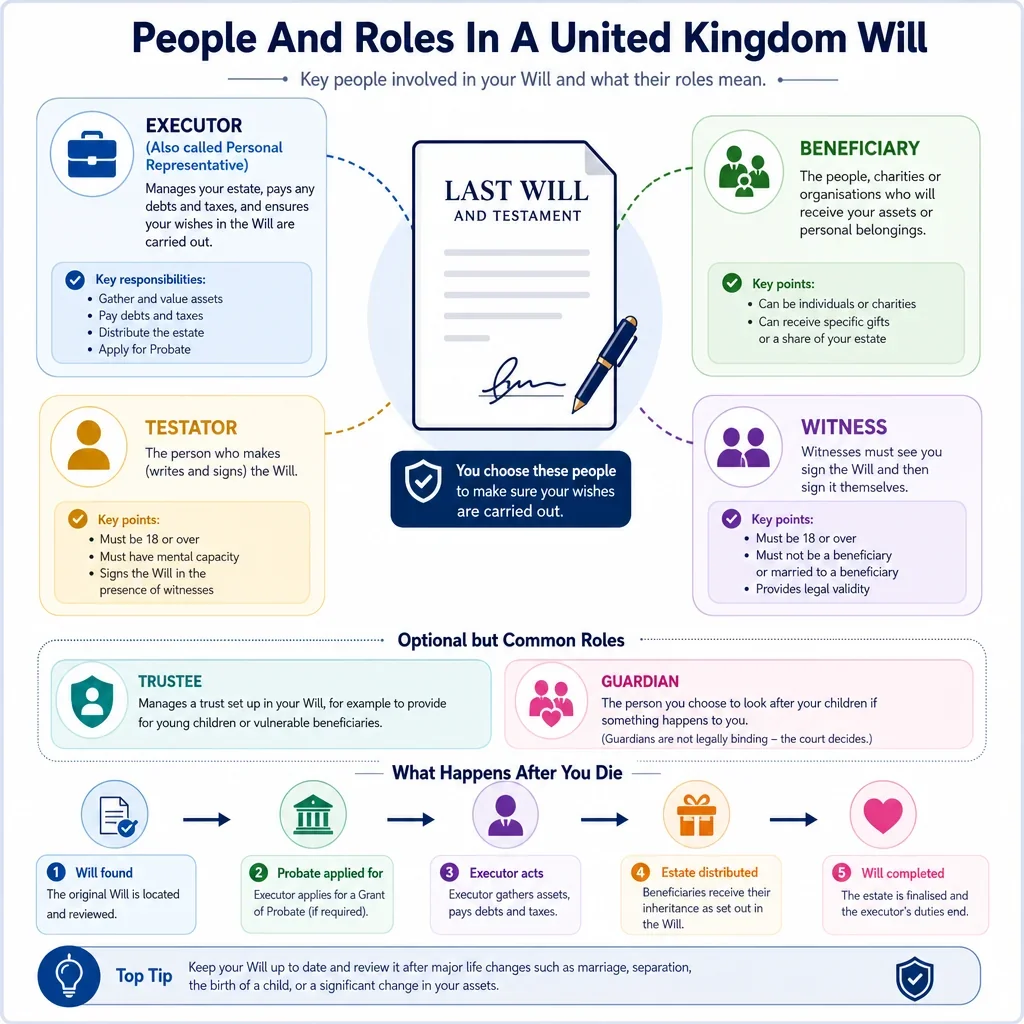
A UK Will should clearly identify the testator, the executors, key beneficiaries, and any guardians for children under 18. It may also name trustees where money or property is held for children, vulnerable people, life interests, discretionary trusts, or other delayed gifts.
Can An Executor Or Trustee Also Be A Beneficiary?
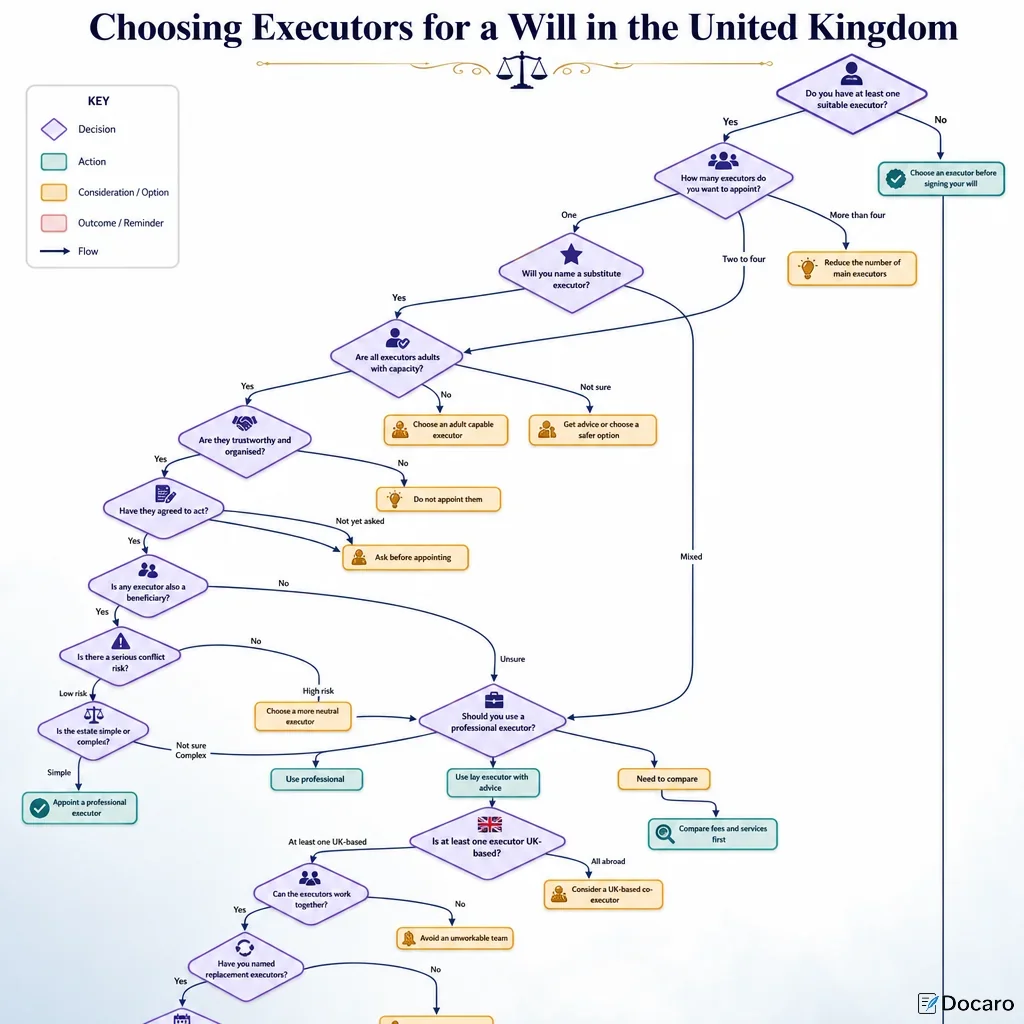
In England and Wales, an executor or trustee can usually also be a beneficiary, and this is common for spouses, civil partners, adult children, or close relatives. However, a witness or the witness's spouse or civil partner should not benefit from the Will, because the gift to that person may be void under section 15 of the Wills Act 1837.
Why Are Witnesses Different From Other Will Roles?
Witnesses are not estate decision-makers: their main role is to validly witness the testator's signature. In England and Wales, the Will must generally be signed by the testator in the presence of two witnesses present at the same time, and each witness must attest and sign the Will, under section 9 of the Wills Act 1837. Choose independent adults who are not beneficiaries and are not married to, or in a civil partnership with, a beneficiary.
When Are Guardians And Trustees Especially Important?
If the testator has children under 18, a Will can appoint testamentary guardians. If gifts are left to minors, someone will usually need authority to hold and manage those assets until the child can receive them. Executors may act as trustees, but a Will can name separate trustees if specialist financial management, neutrality, or continuity is needed.
What Should You Consider When Choosing Will Roles?
- Executors should be trustworthy, organised, willing to deal with probate, and preferably younger or similar in age to the testator.
- Trustees should be financially responsible and able to act jointly and impartially for all beneficiaries.
- Guardians should be chosen for parenting suitability, location, family relationships, and willingness to care for the children.
- Beneficiaries should be described clearly enough to avoid uncertainty, especially charities, stepchildren, unmarried partners, and substitute beneficiaries.
- Witnesses should be independent adults with no benefit under the Will to avoid invalidating gifts.
FAQs
You Might Also Be Interested In