Choosing Executors For A Will In The United Kingdom
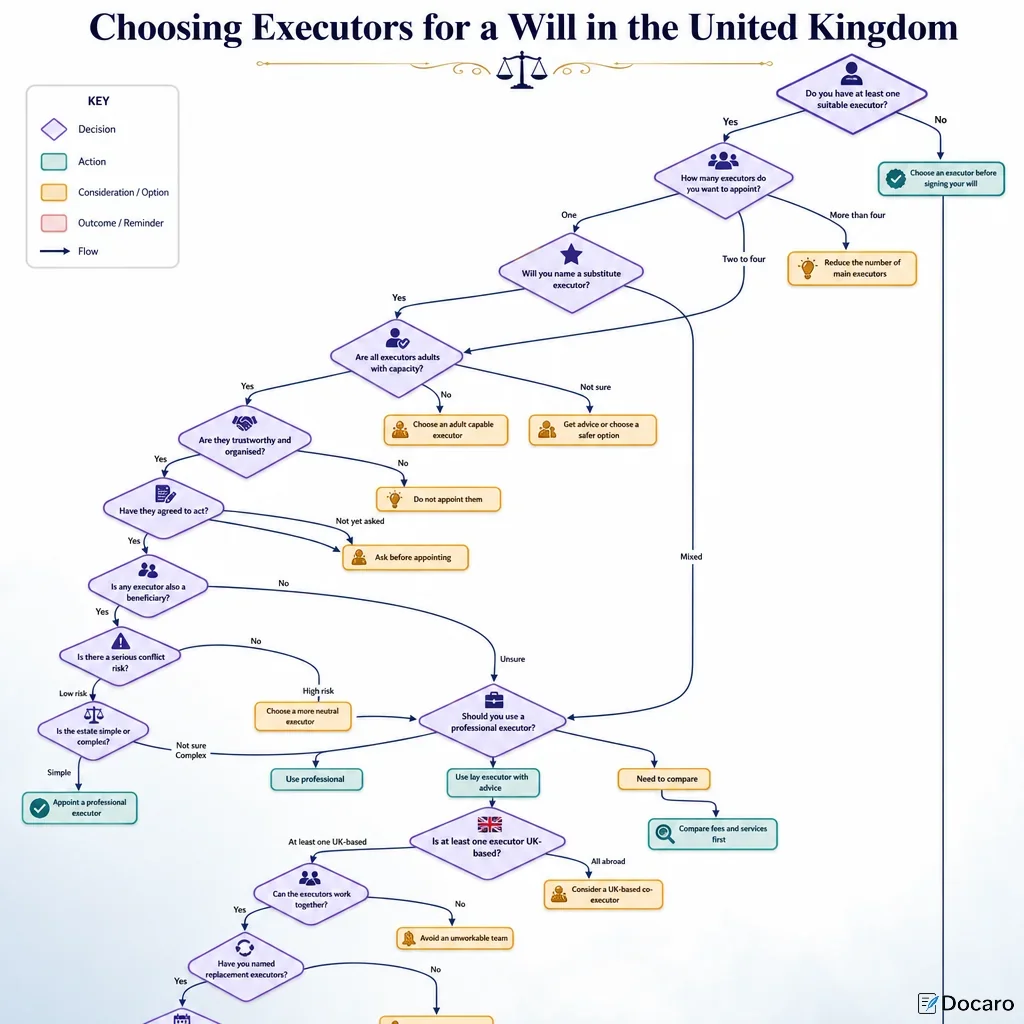
Do you have at least one suitable executor?
Why Is Choosing The Right Executor Important In The UK?
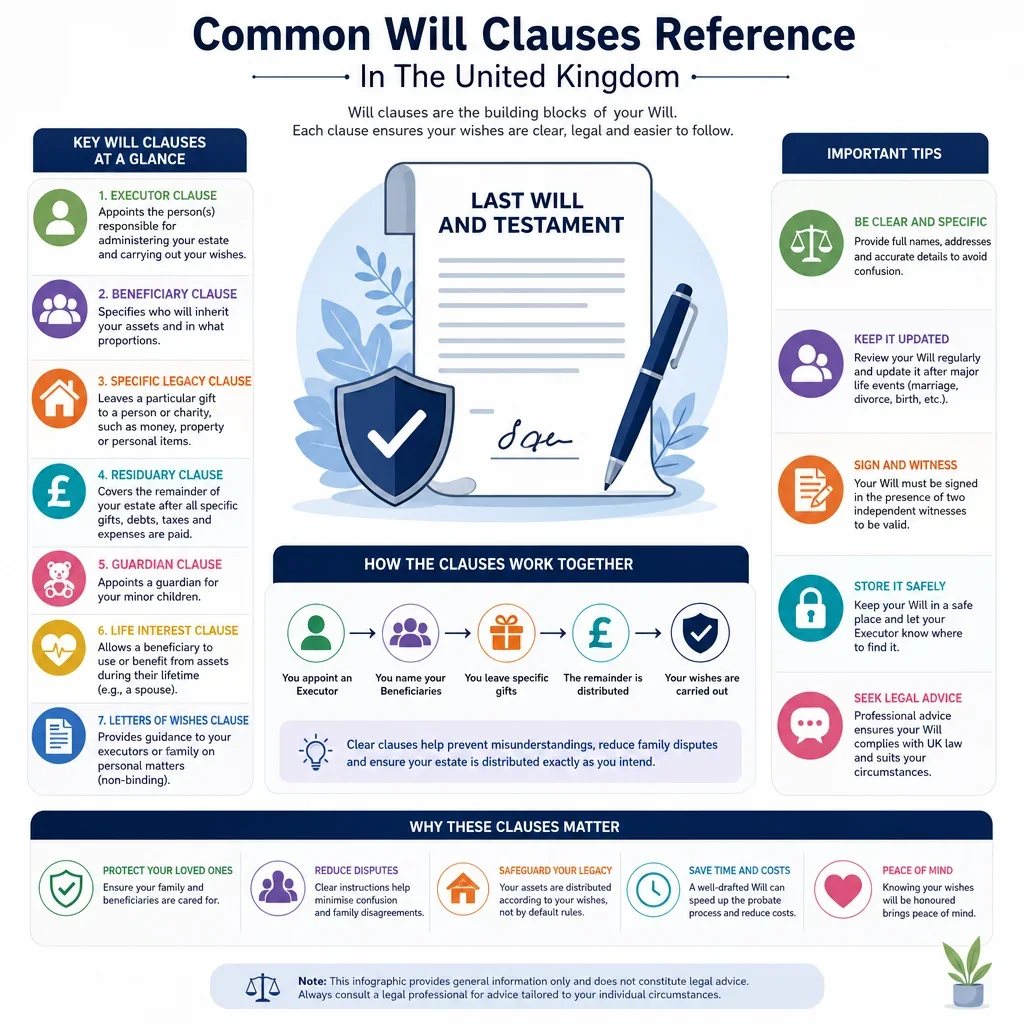
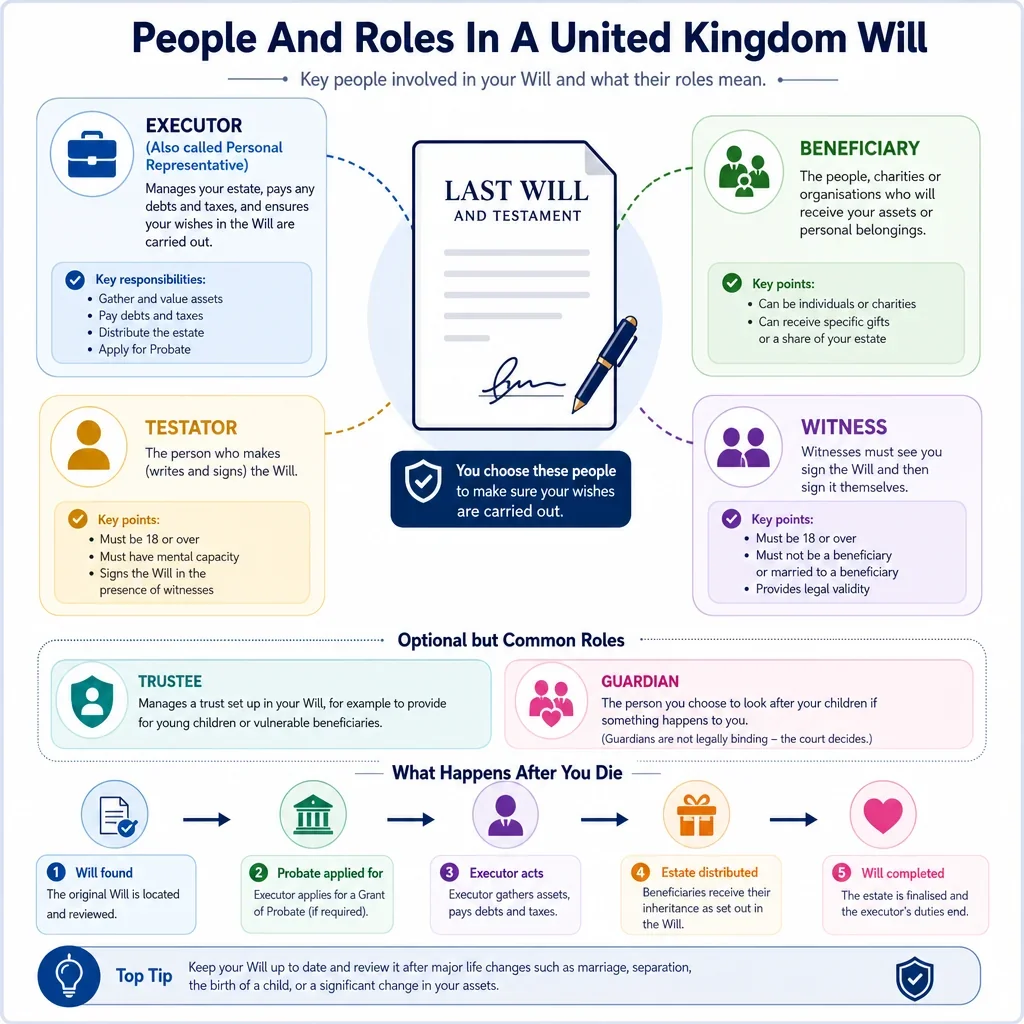
Choosing executors is one of the most important decisions in a UK Will. Executors are responsible for administering your estate, which can include valuing assets, paying debts, dealing with Inheritance Tax, applying for probate where needed, and distributing gifts to beneficiaries.
If the wrong person is appointed, the estate may face delay, extra cost, family conflict, or poor record keeping. A suitable executor should be trustworthy, organised, willing to act, and able to handle legal and financial responsibilities.
Can A Beneficiary Be An Executor In The UK?
Yes. In many UK Wills, a spouse, civil partner, adult child, or other beneficiary is also appointed as an executor. This can be practical because they may understand the family and the assets. However, it is important to consider whether there is any risk of conflict with other beneficiaries.
How Many Executors Should A UK Will Have?
Many people appoint two executors, with replacement executors as a backup. One executor can be valid, but a second trusted person can provide continuity if the first executor dies, loses capacity, or decides not to act. Appointing too many people can make decisions harder.
When Should You Consider A Professional Executor?
A professional executor may be appropriate where the estate is complex, includes trusts, business assets, overseas property, or is likely to be disputed. Professional executors usually charge fees, so it is important to understand the cost before naming one in your Will.
- Good executor choices help the estate run smoothly.
- Replacement executors reduce the risk of failure if someone cannot act.
- Regular reviews keep your Will aligned with your current circumstances.
For official guidance, see GOV.UK guidance on making a Will and GOV.UK guidance on applying for probate.
FAQs
You Might Also Be Interested In