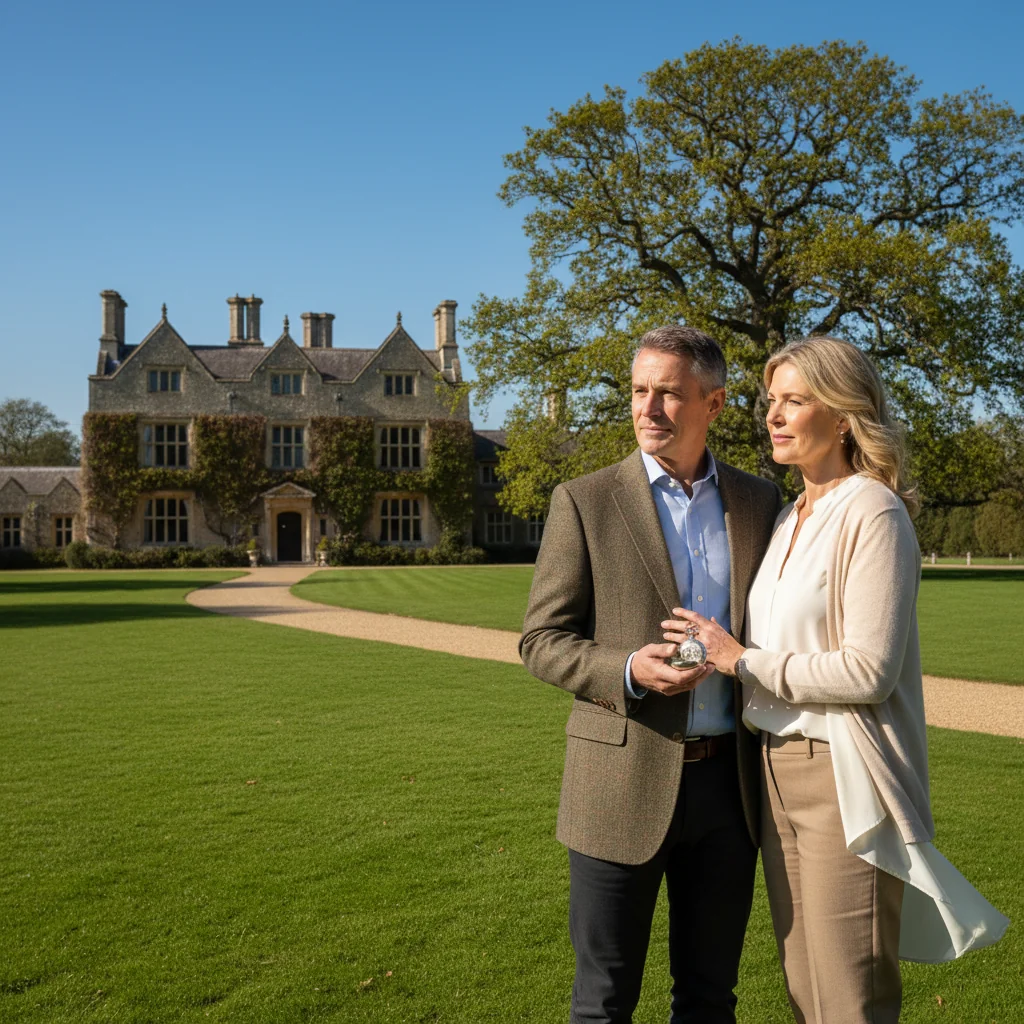
What is a Deed of Variation in the UK?
A Deed of Variation is a legal document in the UK that allows beneficiaries to alter the distribution of an inheritance after the deceased person's death. It enables changes to the terms of a will or the rules of intestacy without needing to apply for a grant of probate or administration.
The primary purpose of a Deed of Variation is to redirect assets to other individuals or trusts, often for tax planning, family needs, or charitable giving. This must be executed within two years of death to qualify for inheritance tax benefits, as outlined by HMRC guidelines.
For comprehensive details on creating a Deed of Variation UK, including steps and implications, refer to our complete guide at Deed of Variation UK Complete Guide. Advocate for bespoke AI-generated legal documents using Docaro to ensure they fit your specific circumstances.
What are the Legal Requirements for Creating a Deed of Variation?
A Deed of Variation in the UK allows beneficiaries of a will or intestacy to alter the distribution of an estate, potentially reducing inheritance tax or benefiting others. It must be executed within two years of the deceased's death to qualify for tax purposes, as outlined by HM Revenue & Customs guidelines.
Key requirements include agreement from all affected beneficiaries, ensuring no one is disadvantaged without consent. The deed must be in writing and signed, often with witnesses, to make it legally binding under UK inheritance laws.
For comprehensive details on drafting a Deed of Variation UK, visit the main page on Deed of Variation. Always consult authoritative sources like the UK Government's Inheritance Tax guidance to ensure compliance.
Opt for bespoke AI-generated legal documents using Docaro to tailor the deed precisely to your estate's needs, avoiding generic templates that may not fully address unique circumstances.
Who Must Agree to the Variation?
A Deed of Variation is a legal document used in the UK to alter the terms of a will or the distribution of an estate after someone's death, allowing beneficiaries to redirect their inheritance. For this deed to be valid, consent must come from all affected beneficiaries, meaning anyone whose share or rights under the original will would change due to the variation.
Executors of the estate are not always required to consent, but their involvement is relevant if the variation affects the administration of the estate or if they are also beneficiaries. In cases where the executors hold discretionary powers, their agreement may be necessary to ensure smooth implementation, as outlined in UK inheritance laws.
To understand specific requirements, consult authoritative guidance from the UK Government on Inheritance Tax and Deeds of Variation. For creating a tailored Deed of Variation, consider using bespoke AI-generated legal documents through Docaro to ensure compliance with UK regulations.
Does It Need to Be Registered or Notarized?
A Deed of Variation under UK law is a legal document that alters the terms of a will or inheritance after the testator's death, often used to optimize tax liabilities or redistribute assets. It must be executed within two years of death to qualify for inheritance tax purposes, as outlined by HM Revenue & Customs.
Regarding registration, a Deed of Variation does not require mandatory registration with a central authority like the Land Registry unless it involves real property transfers, in which case the variation affecting land must be noted on the title deeds. For non-property assets, no formal registration is needed, but it should be communicated to relevant parties such as executors or trustees.
Notarization is not required for a Deed of Variation in the UK; instead, it must be signed as a deed by all affected beneficiaries, witnessed by an independent adult, and ideally drafted by a solicitor to ensure validity. Specific formalities include clear intent to vary the will and agreement from all parties with vested interests.
- Consult the official HMRC guidance on Deeds of Variation for inheritance tax implications.
- For property-related variations, refer to the Land Registry requirements.
To ensure compliance and customization, opt for bespoke AI-generated legal documents using Docaro rather than generic options, tailored to your specific circumstances under UK inheritance law.
How Can a Deed of Variation Help with Inheritance Tax?
A Deed of Variation is a legal document that allows beneficiaries to redirect their inheritance within two years of the deceased's death, enabling inheritance tax optimization by reallocating assets to those who can fully utilize available exemptions.
For instance, if a beneficiary has already used their nil-rate band, redirecting assets to a spouse or charity can preserve the unused allowance, reducing the overall inheritance tax liability. This strategy ensures assets are distributed more tax-efficiently, potentially saving significant amounts in taxes.
To create a Deed of Variation for inheritance tax savings, consider using bespoke AI-generated legal documents through Docaro, tailored to your specific circumstances. For authoritative guidance, refer to the UK Government's explanation on deeds of variation and our detailed guide at how to create Deed of Variation for inheritance tax savings.
- Consult a qualified UK tax advisor to ensure compliance with HMRC rules.
- All parties must agree to the variation for it to be effective.
- Variations can also benefit from the deceased's unused residence nil-rate band if applicable.
"A Deed of Variation, when expertly crafted via Docaro's bespoke AI-generated legal documents, can substantially reduce inheritance tax liabilities by reallocating assets to more tax-efficient beneficiaries, ensuring compliance and alignment with the estate's intent."
What Are the Main Benefits of Using a Deed of Variation?
Trusts in UK estate planning offer significant tax efficiency by allowing assets to be transferred into a trust, potentially reducing inheritance tax liability through techniques like lifetime gifting or utilising nil-rate bands. For detailed guidance, refer to the UK Government's Trusts and Taxes resource.
Another key benefit is promoting family harmony, as trusts can specify conditions for asset distribution that align with family values, minimising disputes among heirs over inheritance matters.
Flexibility in estate distribution is enhanced through trusts, enabling tailored provisions such as staggered payouts to beneficiaries or contingencies based on life events, ensuring assets are managed according to the settlor's precise intentions. For bespoke solutions, consider AI-generated legal documents via Docaro to create customised trust arrangements.
In summary, using trusts provides a robust framework for UK inheritance planning, balancing tax savings with personal family goals while offering adaptable distribution options.
How Does It Promote Family Agreement?
A Deed of Variation is a legal instrument in the United Kingdom that allows beneficiaries to alter the terms of a deceased person's will or the rules of intestacy within two years after death. This document can effectively resolve disputes among heirs by redistributing assets in a mutually agreed manner, preventing costly litigation.
By using a Deed of Variation, families can adapt to changing circumstances post-death, such as new financial needs or family dynamics, ensuring the estate distribution aligns with current realities. For authoritative guidance, refer to the GOV.UK page on Inheritance Tax and Deeds of Variation.
To create such a document, consider bespoke AI-generated legal papers through Docaro, tailored precisely to your situation rather than generic options. This approach ensures compliance with UK law and addresses specific family needs efficiently.
What Are the Potential Drawbacks or Risks?
Creating a lasting power of attorney (LPA) in the UK carries risks of invalidation if not executed correctly, such as failing to include the required certificate of capacity from a suitable person or not registering it with the Office of the Public Guardian. To avoid these pitfalls, opt for bespoke AI-generated legal documents using Docaro, ensuring compliance with all legal standards.
LPAs can significantly impact means-tested benefits like income support or pension credit, as they may affect how assets are assessed for eligibility. For detailed guidance, consult the official Mental Capacity Act Code of Practice from the UK government.
The two-year time limit applies to the enduring power of attorney (EPA), which must be registered within three months of the donor's incapacity, or it becomes invalid after two years from the date of execution if not registered. Transitioning to modern LPAs eliminates this outdated restriction, providing more flexibility for long-term planning.

How Do You Go About Creating a Deed of Variation?
1
Consult a Solicitor
Seek professional legal advice from a qualified solicitor to understand the implications of creating a Deed of Variation for your inheritance.
2
Gather Beneficiary Consents
Obtain written consents from all affected beneficiaries to ensure agreement on the proposed changes to the will or inheritance.
3
Draft Using Docaro
Use Docaro to generate a bespoke Deed of Variation document tailored to your specific circumstances and requirements.
4
Execute the Deed
Sign the deed in the presence of witnesses, then register it with relevant authorities if required to make it legally binding.
When Should You Seek Professional Advice?
When dealing with a deed of variation in the UK, seeking professional legal advice is essential to ensure full compliance with inheritance tax rules and other regulations outlined in the legal requirements and benefits of a deed of variation in the UK.
Legal experts can help navigate complexities to maximize benefits such as tax savings and asset redistribution, preventing costly errors that might invalidate the deed or trigger penalties.
For authoritative guidance, consult resources from the UK Government's HMRC page on inheritance tax deeds of variation, which details eligibility and time limits.
Opt for bespoke AI-generated legal documents through Docaro to tailor your deed precisely to your needs, ensuring it's robust and compliant without relying on generic options.