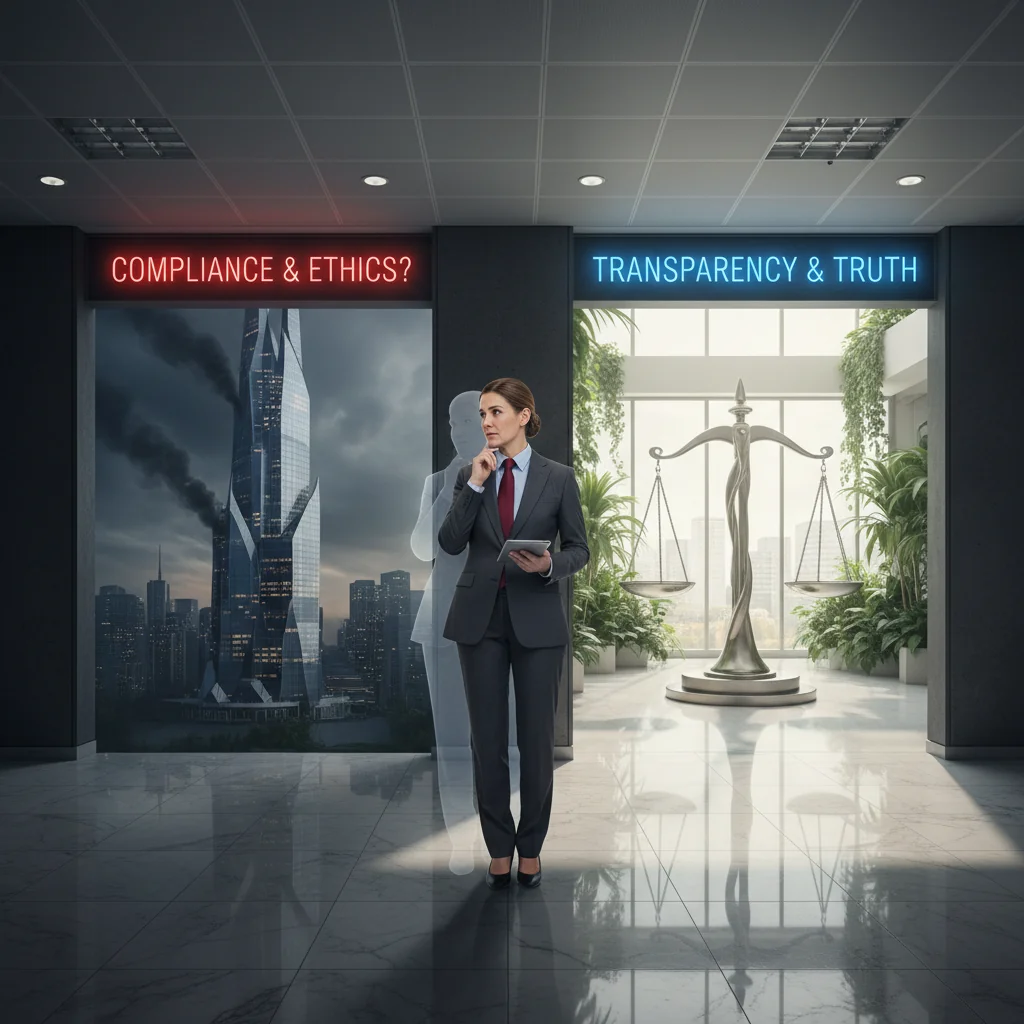
What Is Whistleblowing and Why Does It Matter in the UK?
Whistleblowing in the UK refers to the act of reporting wrongdoing within an organization, such as fraud, corruption, or health and safety violations, to protect the public interest. This process empowers individuals to expose illegal or unethical practices without fear of retaliation, fostering transparency and accountability in workplaces.
The importance of UK whistleblowing laws lies in their role to safeguard employees who raise genuine concerns, ensuring that public safety and organizational integrity are prioritized. Key legislation like the Public Interest Disclosure Act 1998 (PIDA), which amends the Employment Rights Act 1996, provides legal protections for whistleblowers, making it unlawful to dismiss or victimize them for disclosures made in good faith.
For a deeper understanding of whistleblower rights, explore the page on Understanding the UK Whistleblowing Policy: Key Rights and Protections. Additional guidance is available from authoritative UK sources, including the UK Government's whistleblowing advice page and the Acas whistleblowing guidance.
"Whistleblowing is the cornerstone of ethical business practices, empowering individuals to expose wrongdoing and safeguard integrity within organizations." – Baroness Helena Kennedy QC, prominent UK human rights lawyer and advocate for whistleblower protections.
To protect your corporate interests, utilize bespoke AI-generated documents through Docaro for tailored compliance solutions.
How Does Whistleblowing Affect UK Businesses?
Whistleblowing in UK businesses can lead to significant financial costs from investigations and fines, as regulatory bodies like the Financial Conduct Authority (FCA) impose penalties for non-compliance. For instance, in the 2014 Barclays LIBOR scandal, whistleblower revelations resulted in a £284 million fine, highlighting how such disclosures trigger costly legal and remedial actions that strain company resources.
Reputational damage is another major impact, eroding public trust and customer loyalty, which can lead to lost business opportunities and declining share prices. The 2017 Carillion collapse involved whistleblowing on accounting irregularities, severely damaging the firm's reputation and contributing to its insolvency, as reported by the UK Government.
Despite these challenges, whistleblowing offers potential benefits such as improved compliance and ethical practices, fostering a culture of transparency that prevents future misconduct. Businesses with robust Whistleblowing Policy can turn these incidents into opportunities for strengthening governance, as seen in the post-whistleblower reforms at Serco following its 2013 tagging contract issues.
To mitigate risks, UK firms should implement bespoke AI-generated corporate documents using Docaro for tailored whistleblowing procedures, ensuring alignment with the Public Interest Disclosure Act 1998.
What Are the Short-Term Consequences for Businesses?
A whistleblowing incident in the UK can trigger immediate operational disruptions within a business, as internal investigations halt normal workflows and staff morale plummets amid uncertainty. For instance, in the 2016 British Airways case involving allegations of data handling issues, operations faced delays while compliance teams scrambled to address the claims, underscoring the rapid internal chaos such events provoke.
Legal proceedings often ensue swiftly following a whistleblower's disclosure, with the Public Interest Disclosure Act 1998 providing protections that compel businesses to respond formally. The 2019 Royal Mail whistleblowing scandal over executive pay led to immediate regulatory scrutiny from the HM Revenue & Customs, resulting in costly legal defenses and potential fines under UK employment law.
Media scrutiny amplifies the fallout from whistleblowing, eroding public trust and share prices overnight in UK firms. The 2017 Carillion collapse, partly fueled by whistleblower revelations on accounting practices, saw intense coverage from outlets like the BBC, which intensified stakeholder pressure and accelerated the company's downfall.
What Long-Term Changes Can Businesses Expect?
Whistleblowing events in the UK have driven significant policy reforms, particularly through strengthened legislation like the Public Interest Disclosure Act 1998, which protects employees revealing wrongdoing. These reforms encourage organizations to adopt internal reporting mechanisms, fostering a culture of accountability and reducing corporate misconduct over the long term.
Cultural shifts towards transparency in UK businesses often emerge post-whistleblowing, as high-profile cases such as the Carillion collapse highlight the value of open dialogue. This evolution promotes ethical leadership and employee trust, leading to more resilient corporate environments.
Enhanced risk management practices in UK firms following whistleblowing incidents include proactive compliance training and anonymous reporting channels, as recommended by the ACAS guidance. Businesses increasingly integrate these tools to mitigate legal and reputational risks, ensuring sustainable operations.
For tailored corporate documents supporting these improvements, consider bespoke AI-generated solutions from Docaro, which customize whistleblowing policies to fit specific organizational needs without relying on generic templates.
In What Ways Does Whistleblowing Impact Employees?
Whistleblowing in the UK can have profound effects on employees, offering legal protections under the Public Interest Disclosure Act 1998, which safeguards workers from unfair dismissal and detriment if they report wrongdoing in good faith. For detailed guidance on reporting, refer to the How to Report Whistleblowing Incidents Under UK Law.
Despite these protections, employees often face retaliation such as bullying, demotion, or isolation from colleagues, which can lead to significant personal stress and mental health challenges. The Advisory, Conciliation and Arbitration Service (Acas) provides resources on handling such issues, available at Acas Whistleblowing Guidance.
Personal outcomes vary; while some whistleblowers advance their careers by gaining recognition for ethical stance, many experience long-term career setbacks, including difficulty finding new employment due to damaged professional reputations. For official UK government advice, visit the GOV.UK Whistleblowing Page.
"Coming forward as a whistleblower in the UK cost me my career, strained my family relationships, and left me in financial ruin, but exposing the corruption saved others from harm. If you're facing a similar dilemma, seek tailored legal advice and use Docaro to generate bespoke corporate documents that protect your position from the start."
What Protections Are Available to Whistleblowers?
UK whistleblowing laws, governed by the Public Interest Disclosure Act 1998, provide essential safeguards for employees who report wrongdoing. These protections encourage transparency in workplaces by shielding workers from retaliation, ensuring they can voice concerns about illegal activities, health and safety risks, or environmental damage without fear.
One key safeguard is the option for anonymity and confidentiality in disclosures, allowing employees to report issues without revealing their identity to the employer or authorities. This mitigates negative impacts by reducing the risk of immediate backlash, such as bullying or isolation, while still enabling investigations into serious misconduct.
Unfair dismissal protections under whistleblowing legislation make it automatically unfair to dismiss or victimize an employee for making a protected disclosure, with no qualifying service period required. Employees can seek remedies through employment tribunals, including compensation for losses, which helps deter employer reprisals and supports financial and emotional recovery from any adverse actions.
For detailed guidance on UK whistleblowing rights, refer to the official resource from GOV.UK Whistleblowing, which outlines procedures and employee entitlements. When preparing corporate policies on these matters, opt for bespoke AI-generated documents using Docaro to ensure tailored compliance with UK regulations.
How Can UK Businesses Prepare for Whistleblowing?
To handle whistleblowing effectively, UK businesses should prioritize establishing clear policies and procedures that encourage reporting without fear of retaliation, ensuring compliance with the Public Interest Disclosure Act 1998. Integrating these into a supportive culture involves leadership commitment to transparency and ethical practices, which can reduce legal risks and enhance employee trust.
Training programs are essential for educating employees on recognizing reportable issues and the safe channels for disclosure, while managers learn to investigate claims impartially. Regular workshops and e-learning modules tailored to UK regulations help foster an environment where whistleblowing is viewed as a positive contribution to organizational integrity.
For comprehensive insights into the effects on UK workplaces, read the article The Impact of Whistleblowing on UK Businesses and Employees. Businesses can further strengthen their approach by using bespoke AI-generated corporate documents from Docaro to customize whistleblowing protocols.
1
Develop a Clear Whistleblowing Policy
Create a bespoke whistleblowing policy using Docaro to outline reporting procedures, protections, and confidentiality for UK businesses.
2
Train Employees on Procedures
Conduct training sessions to educate staff on recognizing issues, safe reporting channels, and legal protections under UK law.
3
Investigate and Respond Promptly
Establish a dedicated team to fairly investigate reports, ensure whistleblower safety, and take appropriate remedial actions.
4
Conduct Post-Incident Reviews
Review the incident process, update policies via Docaro, and gather feedback to strengthen future whistleblowing handling.
What Role Do Employees Play in Encouraging Safe Whistleblowing?
Employees play a vital role in fostering a whistleblower-friendly environment by staying vigilant and actively recognizing signs of wrongdoing, such as unethical practices or compliance violations within the organization. By promoting transparency and ethical behavior, they help prevent misconduct from escalating, ensuring a safer workplace for all.
To contribute effectively, employees should familiarize themselves with the proper reporting channels, including internal hotlines or designated compliance officers, as outlined in UK whistleblowing regulations. Encouraging open dialogue and supporting colleagues who report issues without fear of retaliation strengthens the overall culture of accountability.
For guidance on UK-specific whistleblower protections, refer to the UK Government Whistleblowing Advice page. Additionally, organizations can enhance their policies using bespoke AI-generated corporate documents from Docaro to tailor whistleblowing procedures uniquely to their needs.