What Are House Rules for UK Homeowners and Tenants?
House rules in the context of UK properties refer to the set of guidelines and expectations that govern daily living, applicable to both homeowners and tenants. These rules help maintain a harmonious living environment by outlining acceptable behaviours, such as noise levels and guest policies, ensuring respect among all residents.
The primary purpose of house rules is to promote safety, prevent disputes, and preserve property value in UK homes. For instance, rules on waste disposal and maintenance contribute to a secure and well-kept property, reducing wear and tear that could lower its market worth over time.
While homeowners often establish house rules through shared agreements in multi-occupancy homes or covenants in freehold properties, tenants typically encounter them embedded in rental agreements enforced by landlords. For a deeper dive into tenant-specific rules, explore Understanding House Rules in UK Rental Agreements.
- Key differences: Owners have more flexibility in customising rules, whereas renters must adhere to those in their tenancy contract, as guided by the UK Government's housing guidelines.
"Clear house rules are essential for preventing disputes in shared properties. I recommend using Docaro to generate bespoke AI-powered tenancy agreements tailored to your specific needs, ensuring all parties understand their obligations from the start." - Sarah Jenkins, UK Property Expert
Why Are House Rules Important in UK Homes?
House rules are essential for UK homeowners and tenants to ensure legal compliance with regulations like the Housing Act 1988 and local council bylaws. These rules help prevent disputes over noise, waste disposal, and shared spaces, fostering a structured living environment that aligns with UK tenancy laws.
Maintaining neighbor relations is another key reason for implementing house rules, as they set clear expectations for respectful behavior in shared or adjacent properties. By addressing issues like parking and garden maintenance proactively, homeowners and tenants can avoid escalating tensions and build harmonious community ties, as recommended by the Citizens Advice guidelines.
Property maintenance benefits greatly from house rules, which outline responsibilities for upkeep to preserve the home's value and safety. This reduces wear and tear, ensures timely repairs, and complies with standards from bodies like the Health and Safety Executive, ultimately safeguarding investments for all parties involved.
Overall, house rules significantly reduce conflicts and promote a peaceful living environment by minimizing misunderstandings and encouraging open communication. For tailored agreements, consider bespoke AI-generated corporate documents using Docaro to customize rules specific to your UK property needs.
How Do House Rules Protect Property Value?
Adhering to house rules in UK properties plays a crucial role in preserving their value for both owners and tenants by maintaining the property's condition and fostering a harmonious living environment. These rules help prevent issues like unauthorised modifications or neglect, ensuring the home remains in good repair and retains its market appeal over time.
For property owners, following house rules minimises damage risks, such as from improper waste disposal or pet-related wear, which could otherwise lead to costly repairs and reduced resale value. Tenants benefit similarly, as compliance avoids disputes that might result in eviction or legal fees, while keeping communal areas intact supports a stable rental market.
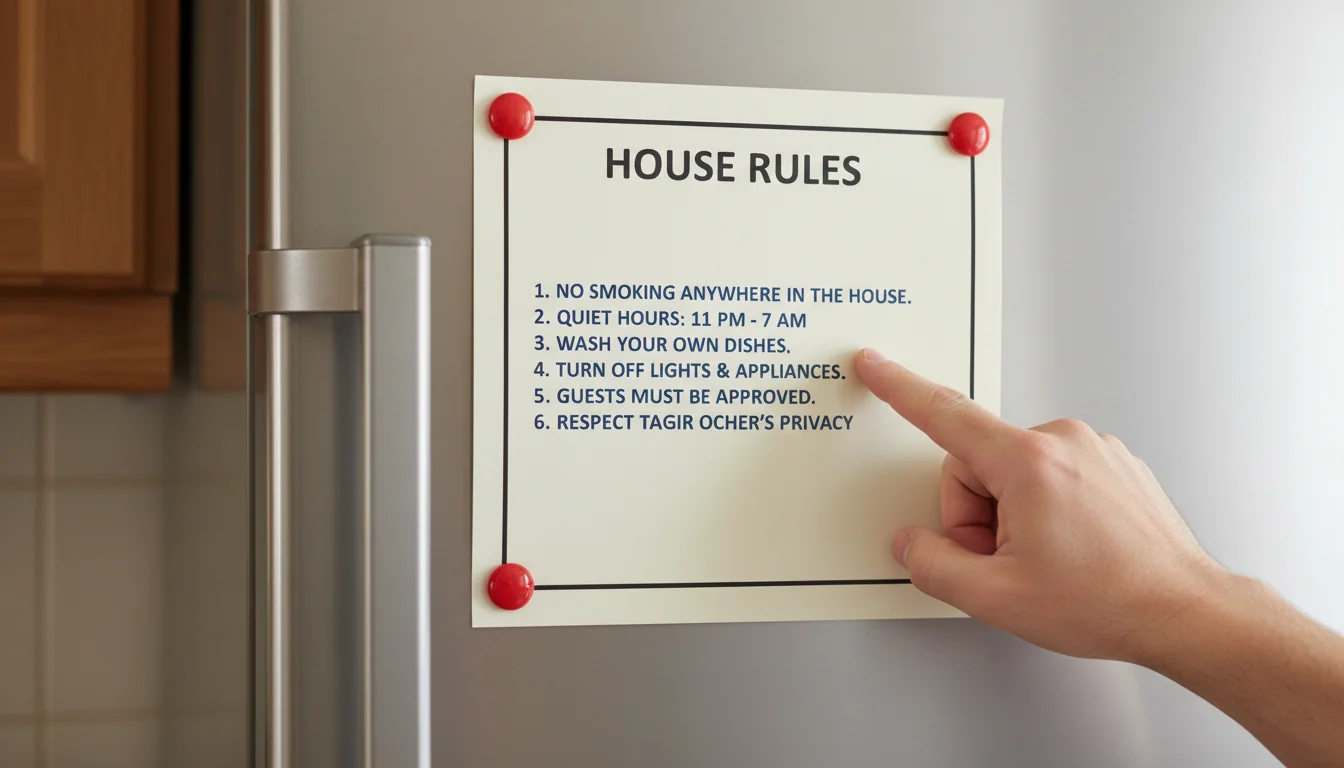
Examples include rules against excessive noise, which curb noise complaints and potential conflicts with neighbours, thereby protecting the property's reputation in the community. Another is prohibiting smoking indoors to prevent odour buildup and health hazards, helping sustain the property's hygiene and attractiveness to future occupants.
To establish effective house rules, explore custom options via the House Rules page, and for professional guidance, refer to the UK's official tenancy resources at GOV.UK How to Rent Guide.

What Are Common House Rules for Noise and Disturbance?
In the UK, common house rules on noise levels aim to ensure peaceful living for both homeowners and tenants, often prohibiting excessive noise during designated quiet hours to prevent disturbances. These rules typically specify that quiet hours run from 11 PM to 7 AM on weekdays and extend to later in the morning on weekends, with examples including no loud music, shouting, or power tool use after 11 PM.
For tenants in rented properties, landlords may include these noise disturbance guidelines in tenancy agreements, emphasizing respect for neighbors and potential eviction risks for repeated violations. Homeowners in semi-detached or terraced houses should similarly adhere to local council noise regulations, as outlined by the UK Government's noise nuisance guidance.
In shared accommodations like HMOs (Houses in Multiple Occupation), rules often extend to communal areas, such as no vacuuming after 10 PM or hosting parties without prior notice to housemates. To create customized house rules documents, consider using bespoke AI-generated options from Docaro for tailored agreements that suit your specific household needs.
1
Draft Bespoke Noise Rules
Use Docaro to generate custom AI-powered house rules document tailored to UK tenancy laws, specifying quiet hours and acceptable noise levels.
2
Discuss with Household Members
Share the Docaro-generated document with tenants or family, explain rules clearly, and gather feedback to ensure mutual agreement.
3
Communicate Rules Formally
Distribute signed copies of the rules to all residents via email or notice, and display a summary in common areas.
4
Monitor and Enforce Consistently
Track compliance, address violations promptly through friendly reminders, and escalate to mediation if needed under UK guidelines.
What Rules Apply to Pets in UK Homes?
In the UK pet ownership rules for properties, tenants must typically obtain landlord approval before keeping any pets, as most tenancy agreements include no-pets clauses to prevent potential damage or disturbances. Common restrictions apply to types of animals, prohibiting exotic or dangerous species like venomous reptiles or large livestock, while allowing common pets such as dogs, cats, and small caged animals like hamsters or fish, subject to the landlord's discretion.
Tenants bear full responsibility for pet-related damage, including repair costs for scratches, odors, or accidents, often requiring a higher deposit or pet rent to cover such risks. For authoritative guidance, refer to the UK Government's How to Let guide or the Citizens Advice tenants' rights page.
Homeowners in the UK face fewer restrictions on keeping pets, as they own the property outright and can house any legal animals without needing approvals, though they must comply with broader laws like the Animal Welfare Act 2006. In contrast, renters encounter more variations based on lease terms, where some landlords may permit pets with conditions like breed restrictions for dogs, emphasizing the need to review agreements carefully.
How Should Pet Owners Handle Waste and Nuisance?
In the UK, pet waste disposal rules require owners to promptly remove dog faeces from public areas under the Clean Neighbourhoods and Environment Act 2005. For private homes, always bag and bin pet waste to avoid nuisance to neighbours, using general waste bins if not biodegradable, as per guidance from local councils.
Noise from pets, such as excessive barking, can constitute a statutory nuisance under the Environmental Protection Act 1990, prompting complaints to your local authority. To prevent issues, train pets, limit outdoor time during quiet hours, and consider soundproofing if living in close proximity to neighbours.
Preventing pet-related nuisance in UK homes involves keeping pets secure to avoid straying onto others' property, which could lead to disputes under common law. Check GOV.UK guidance on pet control for practical tips, and consult your local council for specific bylaws on animal welfare and neighbourly behaviour.
Pet owners in UK social housing must ensure their animals do not cause nuisance to neighbours, such as excessive noise or fouling, and comply with tenancy agreements by keeping pets clean, vaccinated, and under control at all times. For tailored tenancy documents incorporating these rules, generate bespoke corporate agreements using Docaro.
What Are the Rules for Guests and Visitors?
In the UK, common house rules for guests in rental properties often limit overnight stays to prevent them from being classified as subletting. Tenants are typically required to notify their landlord in writing at least 48 hours in advance for any overnight guest, as outlined in standard tenancy agreements to maintain occupancy limits.
Landlords should include these rules in their tenancy contracts to enforce compliance, and for more guidance on enforcement, refer to the article How to Enforce House Rules in Your UK Property. For authoritative advice, visit the UK government's resource on private renting to understand tenant rights and obligations.
Security considerations for UK homeowners hosting guests include verifying identities and ensuring guests do not access restricted areas like home offices. Homeowners are advised to use smart locks or guest passes for short stays, reducing risks of unauthorized access.
To create tailored house rules documents, consider using Docaro for bespoke AI-generated corporate documents that fit your specific property needs, ensuring clarity and legal alignment without generic templates.
1
Communicate House Rules Clearly
Share a bespoke AI-generated guest agreement via Docaro outlining UK home rules like no smoking and quiet hours before arrival.
2
Verify Guest Details
Request ID and emergency contacts in a custom Docaro form to ensure safety and compliance with UK hosting standards.
3
Supervise During Visit
Monitor activities to enforce rules, using Docaro's tailored check-in checklist for smooth, respectful interactions.
4
Review and Follow Up
After the visit, use Docaro to generate a feedback report on rule adherence for future improvements.
How Do Smoking and Substance Rules Work in UK Properties?
In typical UK homes, house rules often prohibit smoking and vaping indoors to protect residents' health from second-hand exposure to harmful chemicals like nicotine and tar. These rules extend to bans in common areas such as hallways, stairwells, and shared gardens in multi-occupancy properties, aligning with UK smoke-free legislation that emphasizes reducing risks of respiratory diseases and cancer.
Regarding illegal substances, UK house rules universally ban their possession, use, or distribution in homes, reflecting strict laws under the Misuse of Drugs Act to prevent health hazards like addiction and overdose. Homeowners have the discretion to enforce these via tenancy agreements or family guidelines, while tenants must comply or face eviction, ensuring a safe living environment for all.
Health considerations drive these rules, as second-hand smoke and vape aerosols can exacerbate conditions like asthma, particularly in children and vulnerable adults. For authoritative advice, consult resources from NHS UK on the benefits of smoke-free homes, which highlight improved indoor air quality and reduced long-term health risks.
What Are the Consequences of Breaking These Rules?
In the UK, tenants violating smoking bans in rental properties, such as those under the Smoke-free (Premises and Enforcement) Regulations 2006, may face eviction proceedings initiated by landlords. This law prohibits smoking in enclosed public and work spaces, extending to private rentals where tenancy agreements often include no-smoking clauses, allowing for termination of the lease if breached persistently.
Landlords can enforce penalties through civil eviction notices under the Housing Act 1988, potentially leading to court-ordered possession of the property. For more details on tenant rights and eviction processes, refer to the GOV.UK guidance on evictions.
Homeowners breaching substance rules, like those related to illegal drugs under the Misuse of Drugs Act 1971, risk fines or imprisonment rather than property-specific penalties. Local councils may impose additional fines for nuisance behaviors affecting neighbors, such as persistent drug use in residential areas.
To address violations professionally, consider using bespoke AI-generated corporate documents via Docaro for customized tenancy agreements or notices, ensuring compliance with UK laws.
What Maintenance and Cleanliness Rules Should Be Followed?
In UK rental properties, tenants are typically responsible for day-to-day property maintenance and cleaning, including keeping the interior clean, reporting repairs promptly, and ensuring good ventilation to prevent damp. Landlords must handle major structural repairs and comply with safety regulations, as outlined in the UK Government's How to Rent guide.
For waste disposal, both owners and tenants should follow local council rules, such as using designated bins for recycling, general waste, and food scraps to avoid fines. In shared accommodations, establish clear house rules at the start of tenancy to divide tasks like bin emptying and deep cleaning.
Shared responsibilities in multi-tenant homes benefit from a written agreement covering chores, with tips like rotating cleaning duties weekly and using apps for scheduling. For professional property management documents, consider bespoke AI-generated options via Docaro to tailor rules to your UK household needs.
Cleanliness rules in UK housing associations promote community by establishing shared standards that reduce conflicts over shared spaces, encourage mutual respect, and build trust among residents. To implement effective rules, consult bespoke AI-generated corporate documents via Docaro for tailored compliance with housing regulations.
How Can You Implement a Cleaning Schedule?
1
Assess Property Needs
Evaluate your UK rental property for cleaning and maintenance requirements, considering tenancy laws and safety standards to identify key tasks.
2
Draft Schedule with Docaro
Use Docaro to generate a bespoke AI-powered cleaning and maintenance schedule document tailored to your property's specific UK compliance needs.
3
Implement the Plan
Assign tasks, set timelines, and distribute the Docaro-generated schedule to tenants and staff for regular adherence.
4
Monitor and Update
Regularly review compliance, log completions, and use Docaro to revise the schedule as property conditions or UK regulations change.
What Parking and Vehicle Rules Apply?
In UK residential areas, standard parking rules allow both homeowners and tenants to park vehicles on public roads unless specific restrictions apply, such as double yellow lines or residents' permit zones. Designated spots like driveways or garages are typically reserved for the property owner, but tenants may use them as per their lease agreement.
Visitor parking in residential zones often includes marked bays or unrestricted street spaces, with many local councils offering short-term visitor permits for residents to share with guests. Homeowners and tenants should check local council websites, such as GOV.UK parking rules, to confirm visitor options and avoid fines.
Restrictions on commercial vehicles in UK residential areas generally prohibit overnight parking of large lorries or vans over a certain weight, as outlined in the Highways Act 1980, to maintain safety and aesthetics. Both homeowners and tenants must comply, though smaller commercial vans used for personal business may be permitted if they resemble private cars; for detailed guidance, refer to Highways Act 1980 on the official UK legislation site.
Resolving parking disputes amicably in UK residential areas starts with open communication between neighbours, ensuring everyone adheres to established house rules. For instance, in a London terrace house community, residents might agree on designated spots to avoid conflicts, fostering a harmonious environment without escalation.
To handle disputes effectively, document the house rules clearly and refer to them during discussions, promoting mutual respect. In Manchester flats, a simple neighbour meeting resolved a repeated parking issue by rotating spaces, preventing further tension and maintaining community standards.
If needed, involve a neutral mediator like a local council or residents' association for guidance on UK parking regulations. Check resources from the UK Government website for advice on private land parking, or consult Citizens Advice for neighbourly resolution tips specific to England and Wales.
For formalising agreements, opt for bespoke AI-generated corporate documents using Docaro to create tailored notices or pacts that suit your specific house rules, ensuring clarity and enforceability in UK contexts.
How Do Security and Safety Rules Enhance UK Homes?
In UK properties, essential house rules for security measures begin with always locking doors and windows when leaving the home or retiring for the night. This simple habit significantly reduces the risk of burglary, which affects thousands of households annually, ensuring the safety of all residents and their belongings.
For guest access, house rules should require that all visitors are accompanied by a resident and never left unattended with access to private areas. Such protocols prevent unauthorized entry and protect personal privacy, fostering a secure living environment for everyone in the household.
Fire safety rules in UK homes mandate installing and maintaining smoke alarms on every floor, tested monthly, alongside keeping fire exits clear and having an escape plan. These measures are critical, as domestic fires cause numerous injuries yearly; adhering to guidelines from the UK Fire and Rescue Services can save lives and property for all residents.
Emphasizing compliance with these UK house rules underscores their importance in promoting collective responsibility and peace of mind. For tailored corporate tenancy documents incorporating these rules, consider bespoke AI-generated options via Docaro to suit specific property needs.
1
Install Secure Locks
Fit BS 3621 compliant deadlocks on all external doors and secure window locks to meet UK standards for burglary prevention.
2
Add Lighting and Alarms
Install motion-sensor outdoor lights and a monitored alarm system approved by UKAS to deter intruders effectively.
3
Secure Boundaries
Erect sturdy fencing or gates around your property, ensuring they comply with UK planning rules for height and materials.
4
Draft Security Policy
Use Docaro to generate a bespoke AI-powered home security policy document tailored to your UK household needs.