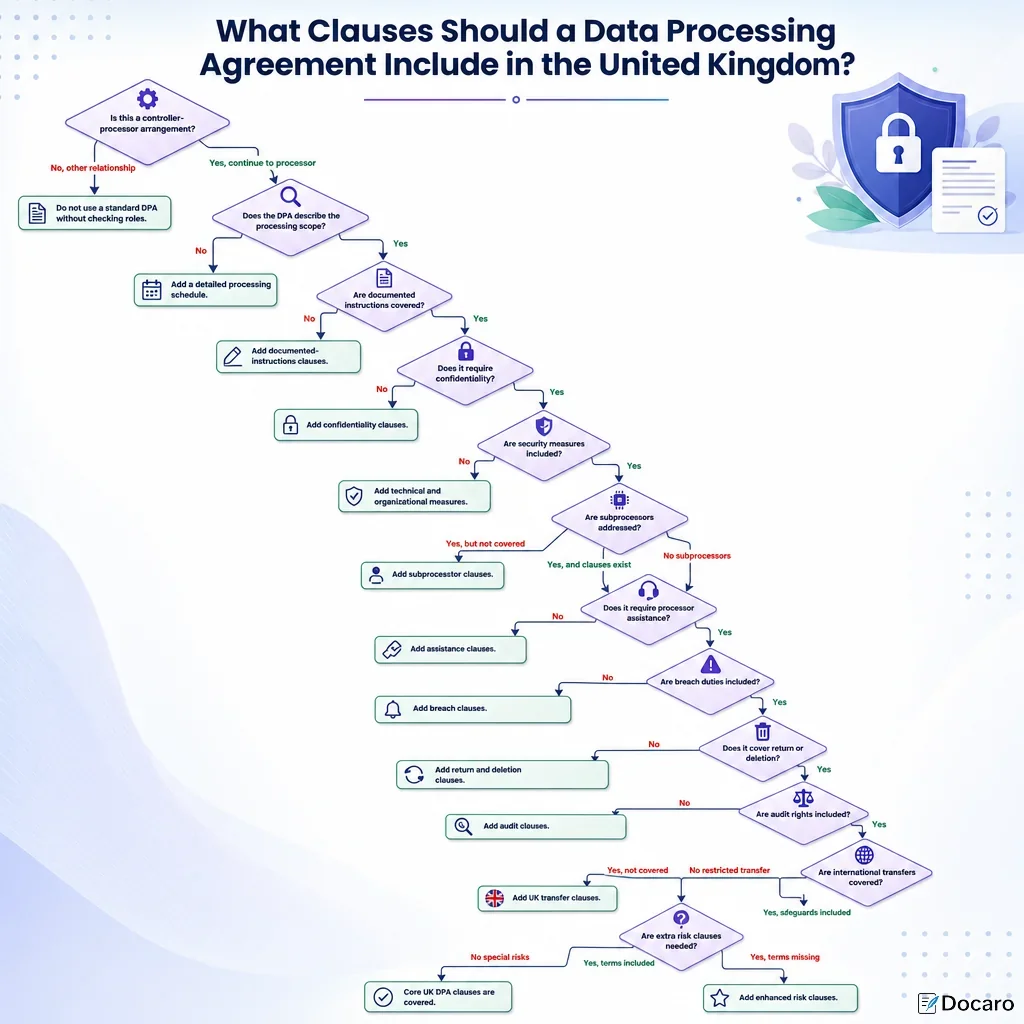
Do You Need A Data Processing Agreement In The United Kingdom?
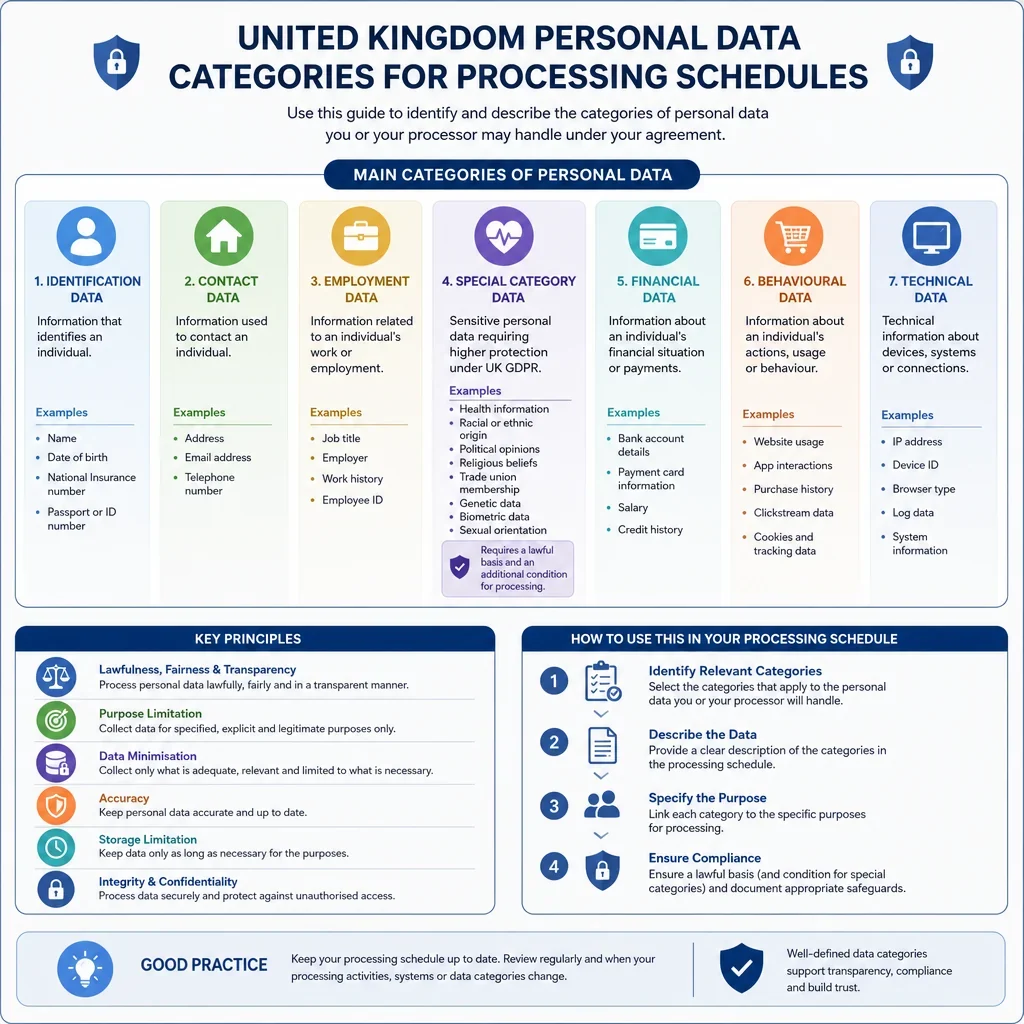
Will the activity involve personal data?
Do You Need A Data Processing Agreement In The UK?
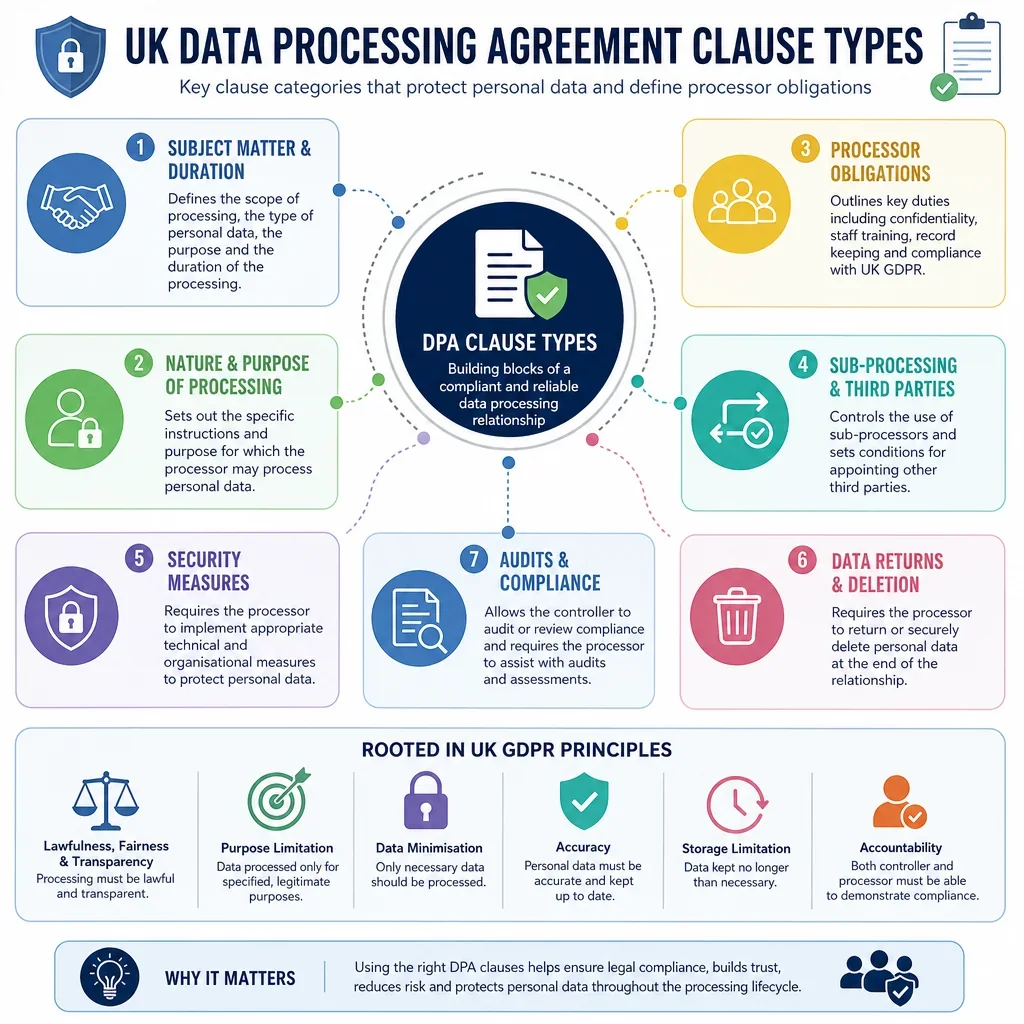
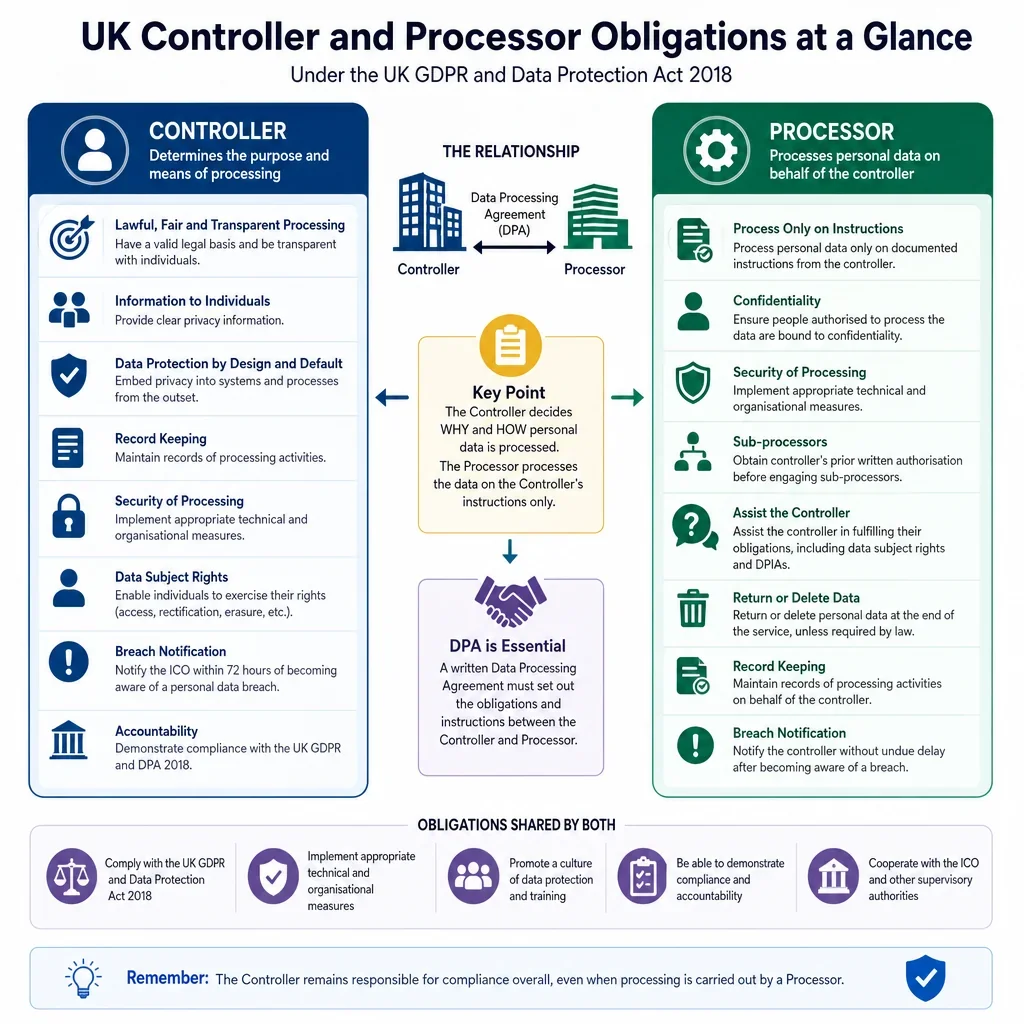
Making the right decision matters because the UK GDPR requires a written contract or other legal act whenever a processor processes personal data for a controller. This is usually called a data processing agreement or DPA. If the wrong document is used, the parties may fail to allocate responsibilities for security, instructions, sub-processors, data subject rights, deletion, audits, and breach support.
Why Is A UK DPA Important For Compliance?
A compliant DPA helps show accountability under the UK GDPR and the Data Protection Act 2018. It records what the processor may do with personal data, limits processing to documented instructions, and sets minimum standards for confidentiality and security. The ICO can take enforcement action where organisations fail to meet UK data protection obligations.
What Happens If You Use The Wrong Data Protection Document?
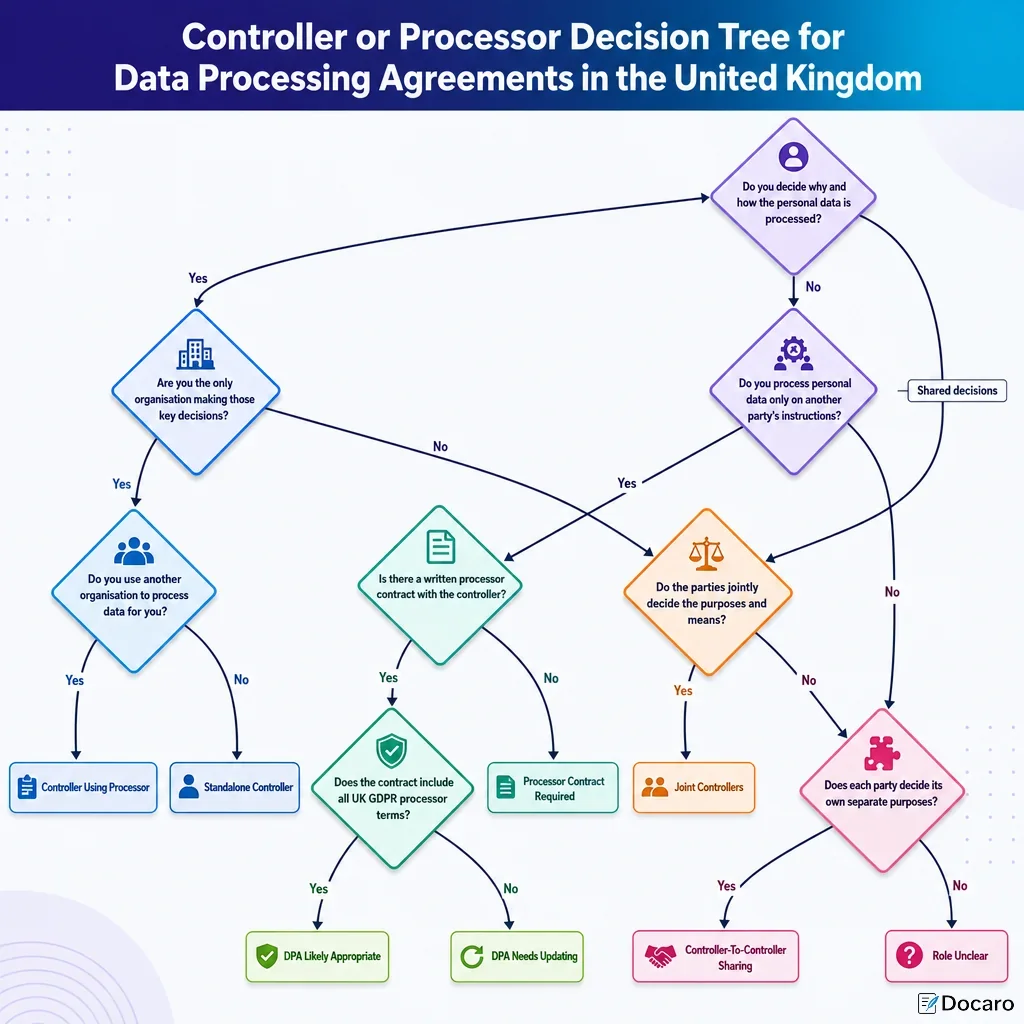
A controller-processor DPA is not always the correct agreement. Joint controllers may need an Article 26 arrangement, while independent controllers may need a data sharing agreement. Using the wrong document can create unclear responsibilities, weak audit rights, poor incident handling, and avoidable regulatory risk.
When Should UK Businesses Review DPA Terms?
- Before appointing a supplier that can access personal data.
- Before providing services as a processor for a customer.
- When adding cloud hosting, payroll, CRM, analytics, AI, or outsourced IT services.
- When personal data may be accessed from outside the UK.
- When sub-processors, special category data, or high-risk processing are involved.
For official guidance, see the ICO resources on controllers and processors, controller-processor contracts, and international transfers.
FAQs
You Might Also Be Interested In