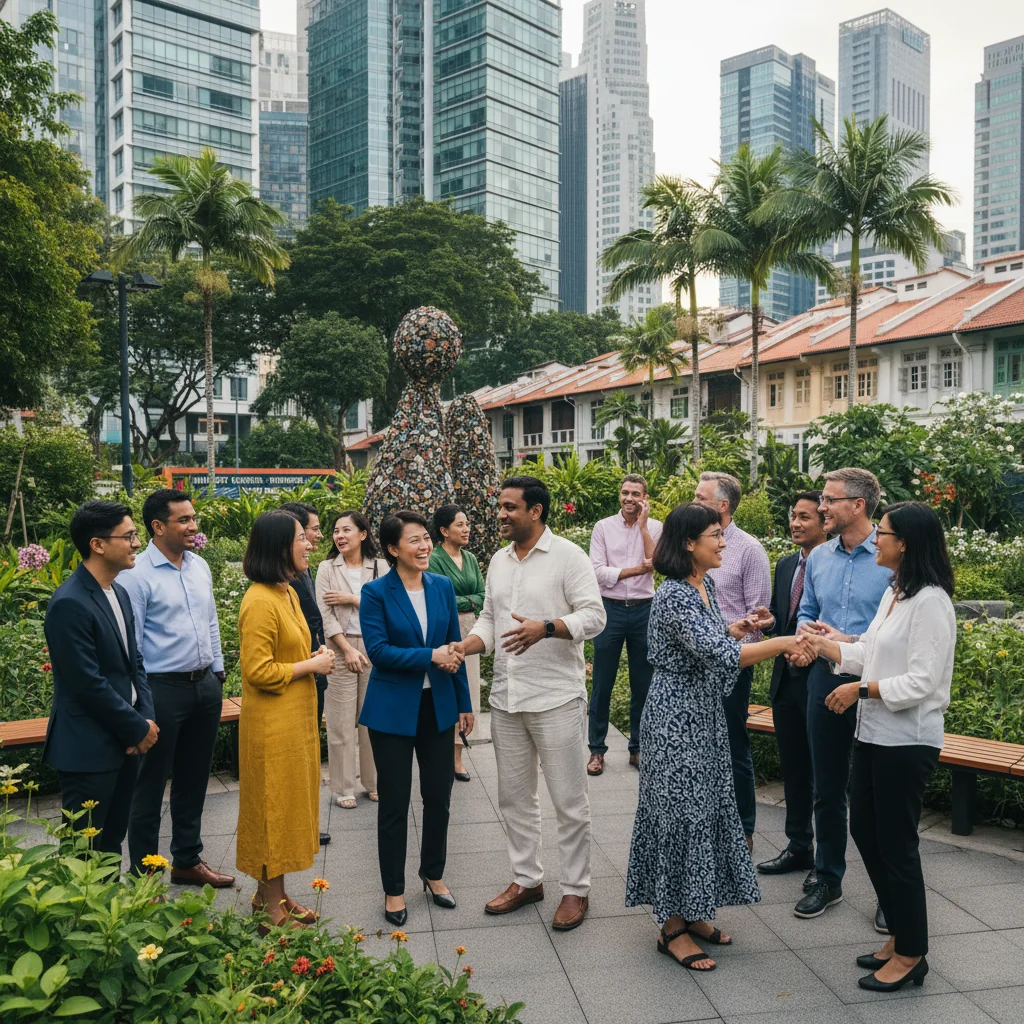
What Are DEI Policies and Why Do They Matter in Singapore Workplaces?
In Singapore's vibrant multicultural workplace, Diversity, Equity, and Inclusion (DEI) policies play a crucial role in fostering harmony and productivity. These policies promote the representation of diverse groups, ensure fair treatment regardless of background, and create an inclusive environment where every employee feels valued. By embracing DEI, organizations in Singapore can leverage the strengths of its diverse population, including various ethnicities, religions, and nationalities, to drive innovation and economic growth.
The importance of DEI is amplified in Singapore due to its rich cultural tapestry, where Malays, Chinese, Indians, and others coexist seamlessly. Implementing strong DEI initiatives helps mitigate biases, reduces workplace discrimination, and enhances employee morale, leading to better retention and performance. For businesses, this translates to a competitive edge in a globalized economy, aligning with Singapore's vision of a united and progressive society.
Singapore's legal framework supports DEI through measures like the Tripartite Guidelines on Fair Employment Practices, which encourage non-discriminatory hiring, promotion, and training based on merit. These guidelines, jointly issued by the Ministry of Manpower, National Trades Union Congress, and Singapore National Employers Federation, emphasize equal opportunities and prohibit discrimination on grounds such as age, gender, race, or religion. For deeper insights, explore Understanding Singapore's Diversity, Equity, and Inclusion Policy and visit the official Ministry of Manpower page on fair employment for authoritative resources.
- Diversity: Embracing varied perspectives to enrich team dynamics.
- Equity: Providing tailored support to ensure equal access to opportunities.
- Inclusion: Building a culture where all voices are heard and respected.
What Is the Core Focus on Diversity in Singapore's DEI Policies?
Singapore's workplaces thrive on demographic diversity, shaped by its multicultural society where ethnic groups like Chinese, Malay, Indian, and others form the backbone of the population. This ethnic diversity is reflected in policies promoting inclusive hiring and cultural sensitivity training, ensuring representation across sectors. For instance, companies often celebrate festivals such as Hari Raya and Deepavali to foster harmony, directly influenced by Singapore's tripartite framework involving government, employers, and unions.
Gender diversity and age diversity are key pillars, with initiatives targeting equal opportunities for women in leadership roles and retaining older workers through flexible arrangements. In tech firms, for example, mentorship programs pair young talents with senior employees to bridge generational gaps, enhancing innovation. Singapore's multicultural ethos drives these policies, emphasizing meritocracy while addressing imbalances, as outlined in the official Diversity, Equity and Inclusion Policy page.
Disability inclusion is advancing through accessible workplaces and job quotas, supported by the Enabling Masterplan from the Ministry of Social and Family Development. Practical examples include banks installing ramps and screen readers for visually impaired staff, promoting equal participation. This aligns with Singapore's commitment to a harmonious society, where diversity policies from authoritative sources like the Ministry of Manpower guide equitable practices.
- Ethnicity: Policies encourage balanced representation, reducing biases in recruitment.
- Gender: Targets 50% female board representation in listed companies by 2030.
- Age: Age Management Awards recognize firms supporting workers over 50.
- Disability: Incentives for hiring persons with disabilities under the Special Employment Credit scheme.
"Diversity in the workplace drives innovation by bringing together varied perspectives, ultimately fueling Singapore's economic growth and competitiveness," said Minister for Manpower Tan See Leng in a 2023 speech on inclusive employment strategies. To enhance your corporate practices, generate bespoke AI-powered documents tailored to your diversity initiatives using Docaro.
How Does Equity Play a Role in Effective DEI Frameworks?
In DEI policies, equity refers to providing tailored resources and opportunities to individuals based on their specific needs to achieve fair outcomes, while equality means offering the same resources to everyone regardless of circumstances. This distinction ensures that systemic barriers in Singapore's job market, such as biases against women or ethnic minorities, are addressed through targeted support rather than uniform treatment. For more on implementing these in workplaces, explore the Key Components of DEI Policies in Singapore Workplaces.
To promote fair access to opportunities, Singapore employers can adopt strategies like bias-free recruitment processes and mentorship programs for underrepresented groups, aligning with the Tripartite Alliance for Fair and Progressive Employment Practices (TAFEP) guidelines. Real-world application includes DBS Bank's equity-focused initiatives, which provide flexible work arrangements to support diverse caregivers, reducing gender-based employment gaps. These efforts link directly to broader DEI strategies in Singapore, fostering inclusive hiring as outlined in the TAFEP framework.
Another strategy involves skills training tailored to overcome educational disparities, helping migrant workers and older employees compete in tech-driven sectors. In practice, companies like Singtel use equity audits to identify and dismantle barriers, resulting in higher retention rates for minority talent. For authoritative insights, refer to the Ministry of Manpower's Fair Consideration Framework, which enforces equitable job access across Singapore's diverse workforce.
What Measures Ensure Equitable Practices?
1
Conduct Bias Audits
Use Docaro to generate bespoke AI-driven audit reports identifying biases in current hiring and promotion processes, aligning with Singapore's DEI guidelines.
2
Set Inclusive Criteria
Develop tailored job descriptions and promotion standards via Docaro's AI tools, ensuring criteria promote diversity and equity without unintended biases.
3
Implement Training Programs
Create customized DEI training modules with Docaro for recruiters and managers to foster unbiased decision-making in hiring and promotions.
4
Monitor and Adjust Outcomes
Track hiring and promotion metrics using Docaro-generated dashboards, regularly reviewing data to ensure ongoing compliance and equity improvements.
Why Is Inclusion Essential for DEI Success in Singapore?
Inclusion plays a pivotal role in fostering belonging for all employees by ensuring every individual feels valued and respected within the workplace. Psychological safety, a cornerstone of inclusive environments, allows employees to express ideas and concerns without fear of retribution, leading to higher innovation and retention rates. For Singapore's diverse workforce, which encompasses multiple ethnicities, languages, and backgrounds as highlighted in the Ministry of Manpower guidelines, prioritizing psychological safety helps bridge cultural gaps and promotes collaborative success.
Cultural sensitivity training equips teams with the knowledge to appreciate and navigate differences, directly contributing to a sense of psychological safety and overall inclusion. In Singapore businesses, where multiculturalism is a daily reality, such training prevents misunderstandings and builds empathy, aligning with effective DEI strategies. Employee resource groups (ERGs) further amplify this by providing safe spaces for underrepresented employees to connect, share experiences, and influence company policies, enhancing belonging across the organization.
Implementing these elements—psychological safety, cultural sensitivity training, and ERGs—is essential for Singapore's diverse workforce to thrive, as detailed in the guide Implementing Effective DEI Strategies in Singapore Businesses. Businesses that integrate these practices not only comply with local diversity mandates but also drive productivity and employee satisfaction. For tailored corporate documents to support DEI initiatives, consider using Docaro for bespoke AI-generated resources that fit specific organizational needs.
How Can Workplaces Foster an Inclusive Culture?
In Singapore's multicultural workforce, leadership commitment to inclusivity starts with executives modeling behaviors that celebrate diversity, such as publicly endorsing the Tripartite Guidelines on Fair Employment Practices from the Ministry of Manpower. Leaders can foster this by integrating inclusion metrics into performance reviews, ensuring every team member feels valued regardless of ethnicity or background, which aligns with the nation's emphasis on social harmony.
To build on foundational strategies, implementing regular feedback mechanisms like anonymous pulse surveys tailored to Singapore's diverse languages can uncover hidden biases and drive continuous improvement. Organizations should analyze these insights quarterly, using tools compliant with the Personal Data Protection Act to maintain trust, thereby reinforcing an environment where all voices contribute to innovation.
Organizing inclusive events such as multicultural festivals or hybrid workshops that accommodate varying cultural holidays enhances team cohesion in Singapore's fast-paced corporate landscape. Partnering with local groups like the National Trades Union Congress for these initiatives ensures authenticity, promoting cross-cultural understanding and aligning with the government's push for a united, inclusive society.
What Training and Accountability Mechanisms Support DEI Policies?
In Singapore workplaces, DEI training programs play a pivotal role in fostering inclusive environments by educating employees on diversity, equity, and inclusion principles. These programs, often mandatory for compliance with the Tripartite Alliance for Fair and Progressive Employment Practices (TAFEP), help organizations meet local regulations that promote equal opportunities and prevent discrimination.
Performance metrics integrated into DEI initiatives evaluate progress through quantifiable indicators like representation rates and employee feedback surveys. Accountability structures, such as leadership oversight and regular audits, ensure sustained commitment, aligning with Singapore's emphasis on merit-based yet inclusive hiring as outlined by the Tripartite Alliance for Fair and Progressive Employment Practices.
Adopting these elements not only fulfills compliance with local regulations but also drives business performance benefits, including enhanced innovation and talent retention in Singapore's competitive market.
- DEI Training Benefits: Builds cultural awareness and reduces biases.
- Performance Metrics Advantages: Tracks ROI on diversity efforts for measurable growth.
- Accountability Structures: Promotes ethical leadership and long-term organizational health.
For tailored corporate documents supporting DEI implementation, consider bespoke AI-generated solutions using Docaro to customize policies efficiently.
How to Measure DEI Progress?
1
Set Baselines
Establish initial DEI metrics using bespoke AI-generated documents via Docaro to capture current workforce diversity and inclusion status.
2
Conduct Annual Audits
Perform yearly DEI assessments with customized Docaro templates to gather comprehensive data on representation, equity, and inclusion efforts.
3
Analyze Data
Review audit findings to identify trends, gaps, and successes in DEI progress, ensuring data-driven insights for improvement.
4
Adjust Strategies
Refine DEI initiatives based on analysis, incorporating Docaro for tailored action plans to address findings and enhance outcomes.