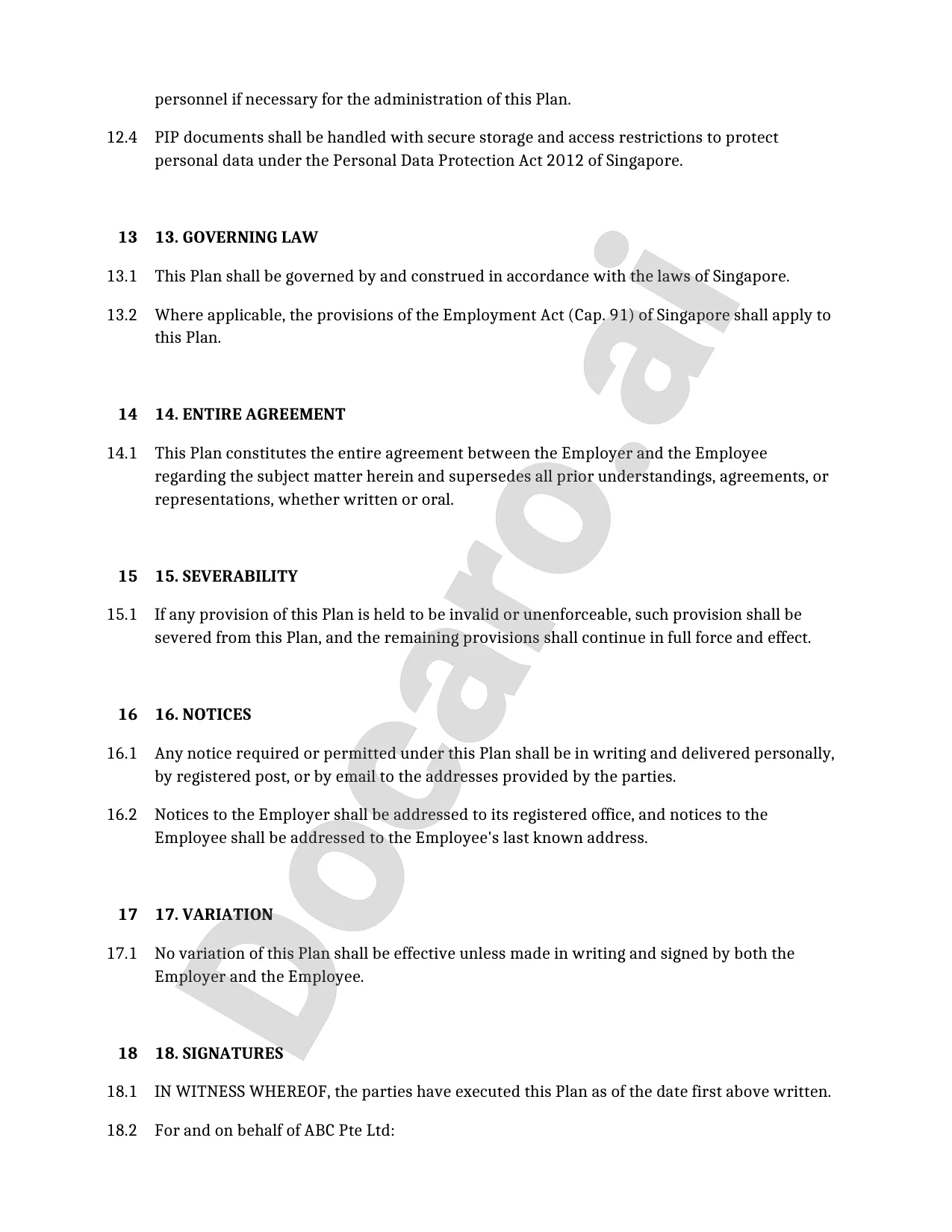
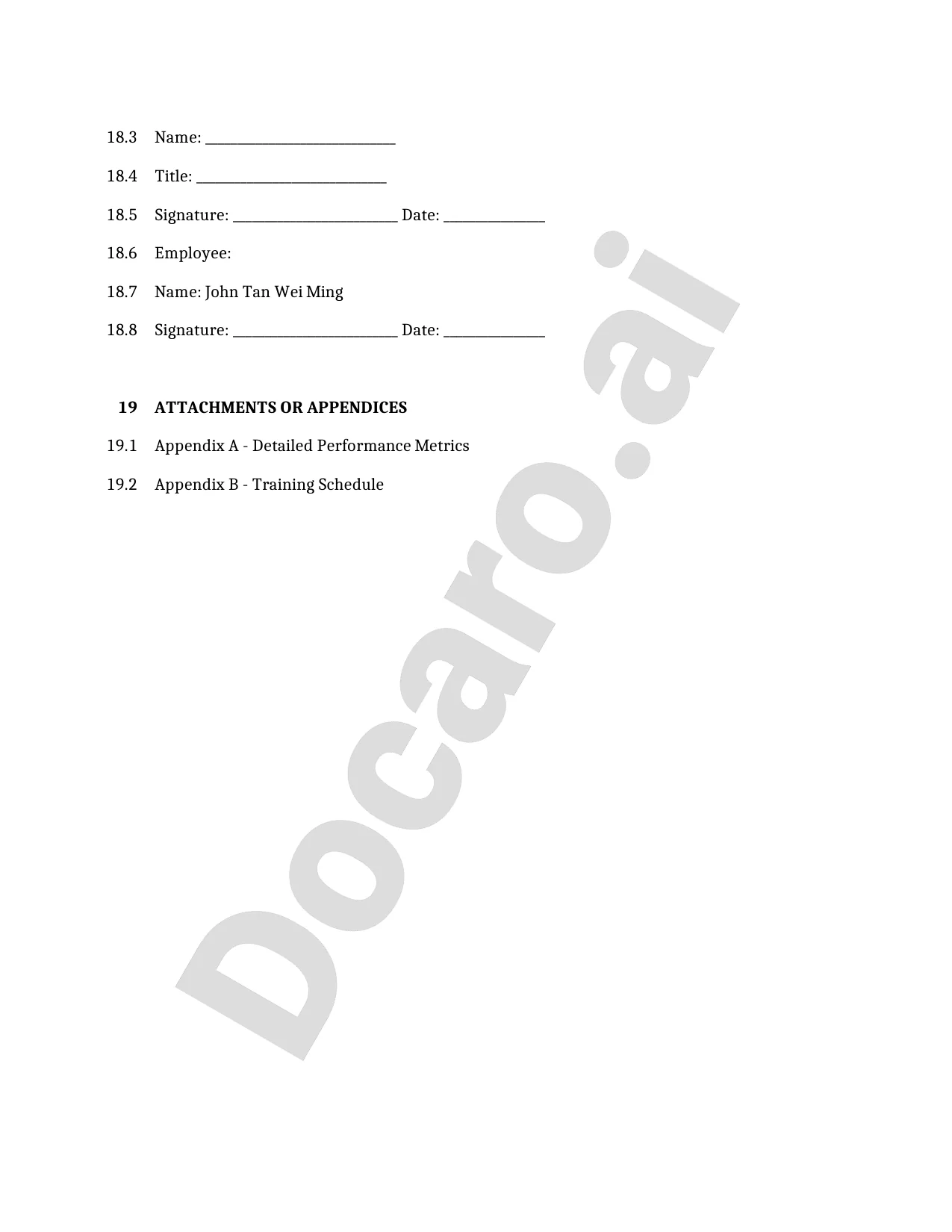
What is a Performance Improvement Plan Legal Document in Singapore?
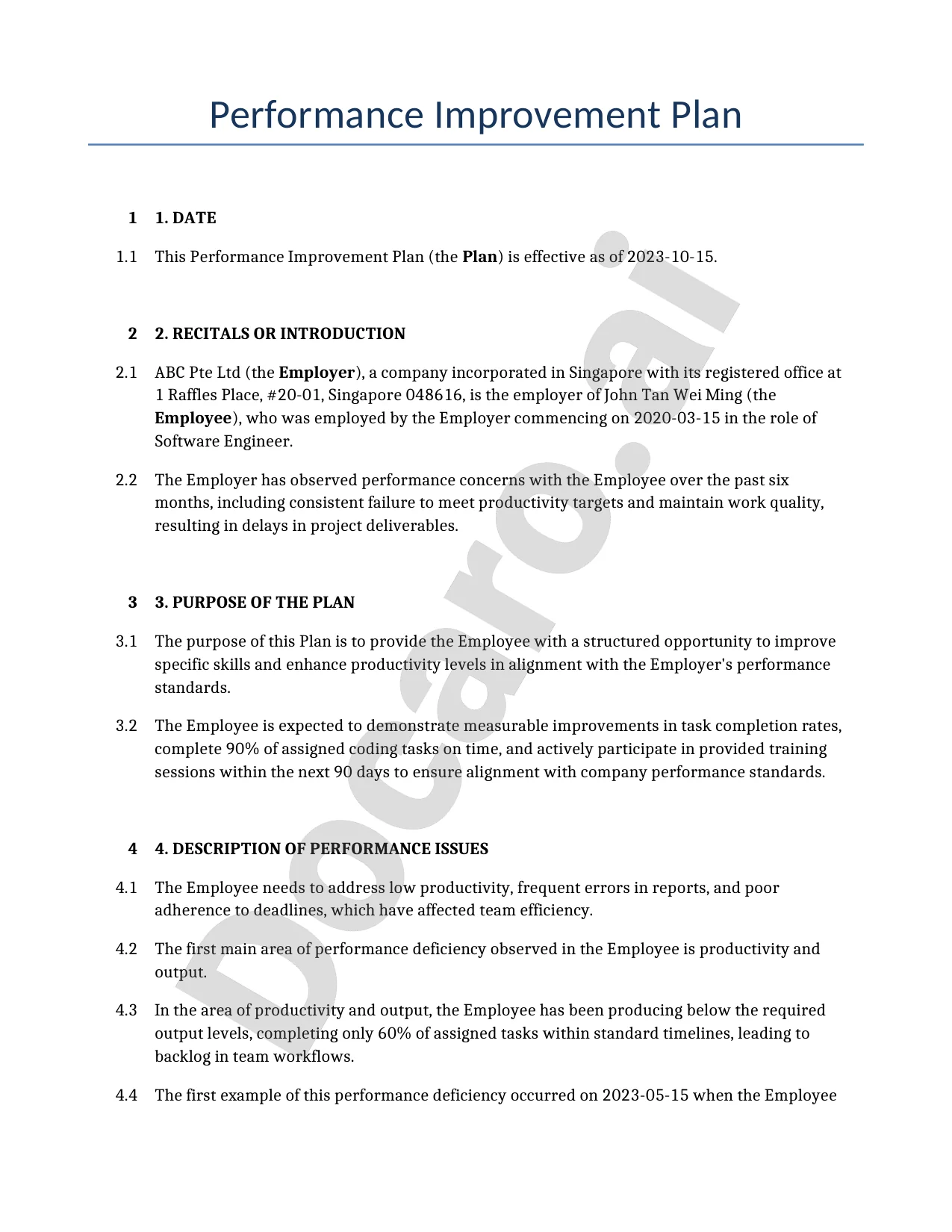
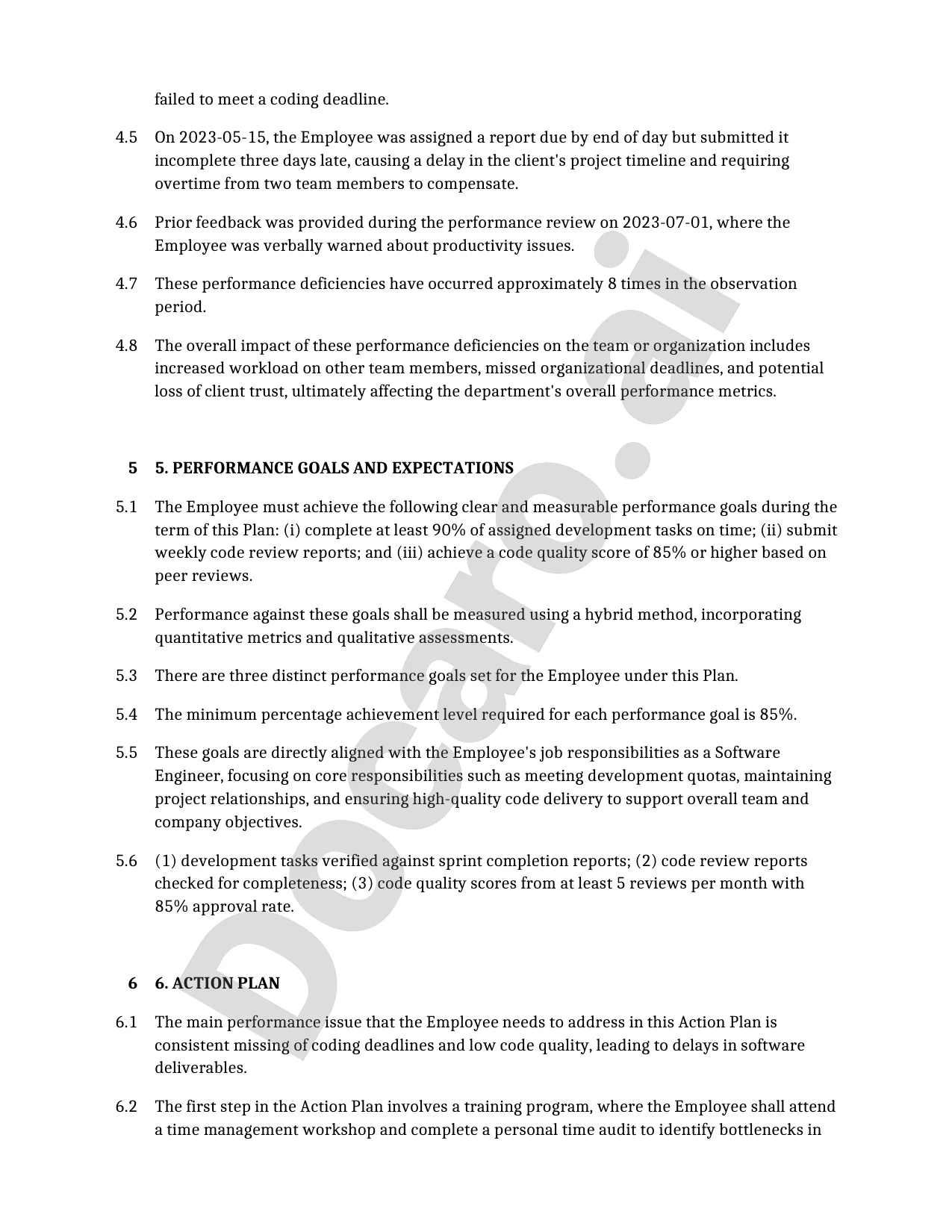
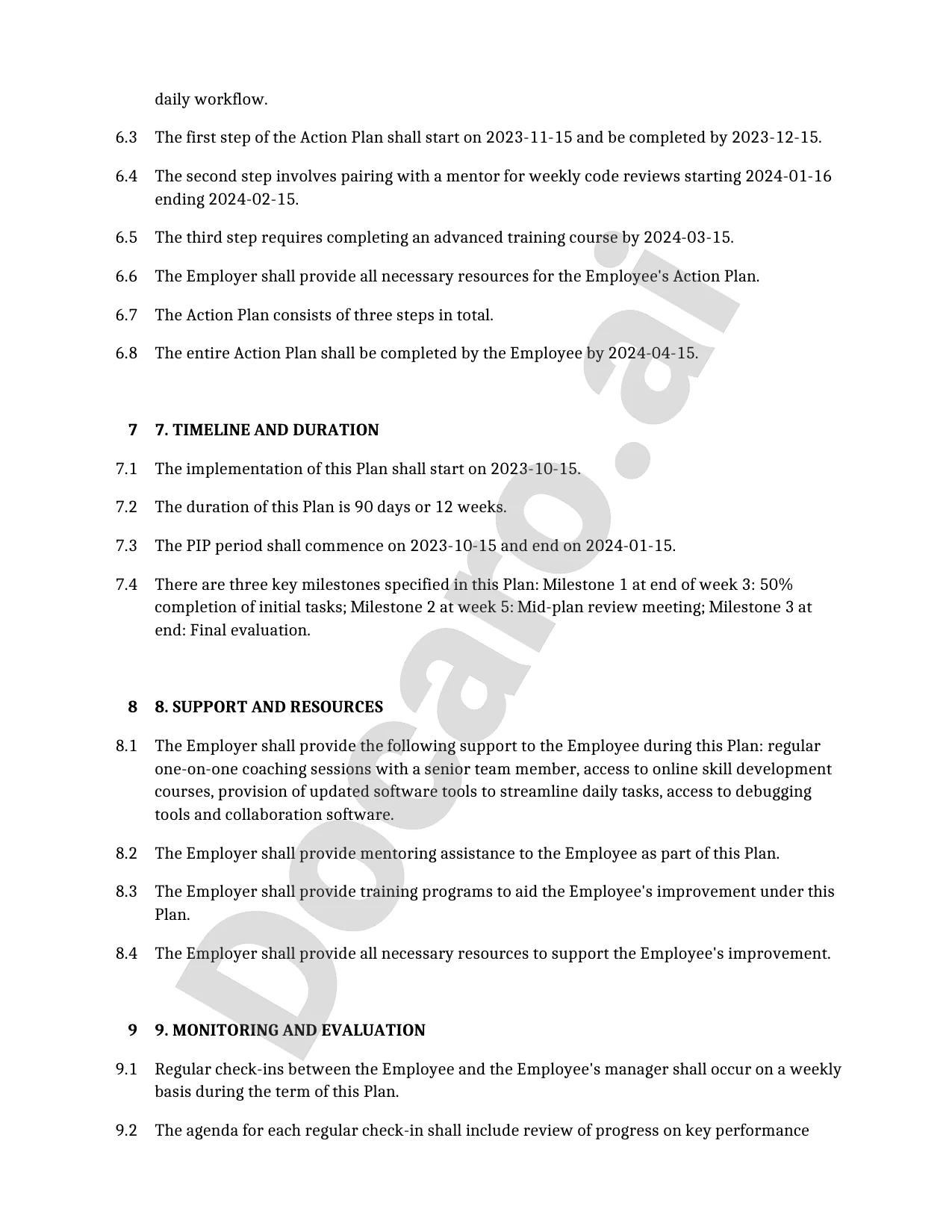
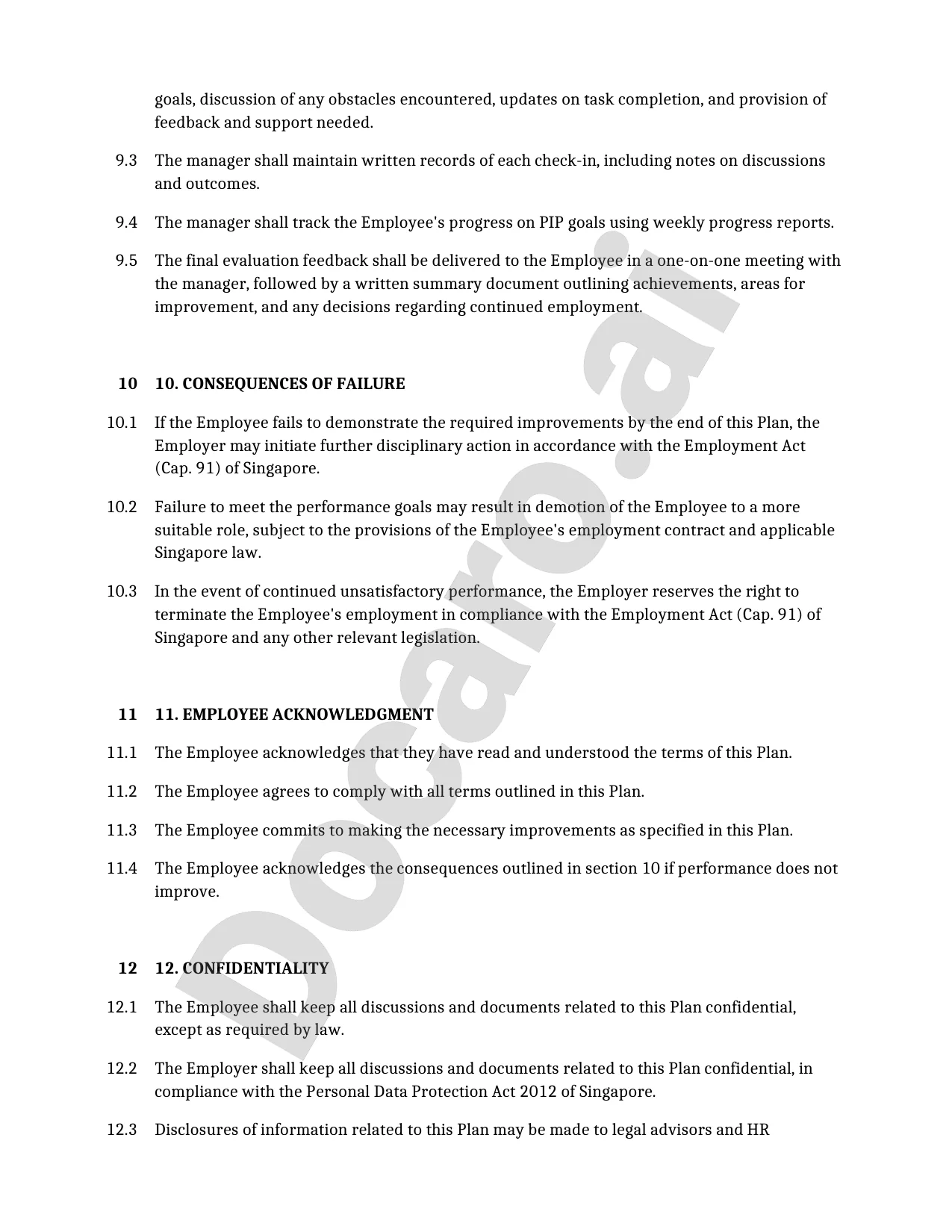
A Performance Improvement Plan (PIP) is a formal document used in Singapore's employment landscape to address employee underperformance systematically. It outlines specific performance issues, sets measurable goals, and provides a timeline for improvement, serving as a structured tool for employers to support and guide employees toward better productivity.
Under the Singapore Employment Act, which governs most private sector employees earning up to SGD 2,600 monthly, a PIP is not explicitly mandated but aligns with fair employment practices outlined in the Act's provisions on termination and disciplinary actions. For more details on the Employment Act, refer to the Ministry of Manpower's official guidelines, ensuring compliance with local labour laws.
The primary purpose of a PIP in Singapore is to give underperforming employees a clear opportunity to rectify issues before escalation to termination, promoting fairness and reducing disputes. It acts as a documented record, protecting both parties in potential employment tribunal cases by demonstrating reasonable efforts to resolve performance gaps.
- Identifies underperformance areas with concrete examples.
- Sets achievable targets and support mechanisms, like training.
- Establishes a review period, typically 30-90 days, for progress assessment.
For tailored PIP documents in the Singapore context, consider using bespoke AI-generated options through Docaro to ensure they fit your specific employment needs without relying on generic templates.
When Should You Use a Performance Improvement Plan Legal Document in Singapore?
In Singapore employment law, employers should implement a Performance Improvement Plan (PIP) as a formal legal document when an employee exhibits documented underperformance, such as failing to meet key performance indicators over multiple appraisal cycles. This structured approach helps address issues like missed deadlines or subpar work quality, providing a clear roadmap for improvement while protecting the employer from potential wrongful dismissal claims under the Employment Act.
A PIP becomes essential in cases of repeated issues despite feedback, where initial verbal or written warnings have not led to behavioral or output changes, signaling the need for escalation to avoid arbitrary termination disputes. For instance, if an employee continues to violate company policies after coaching sessions, a PIP outlines specific, measurable goals and timelines, fostering accountability and potentially salvaging the employment relationship.
Situations leading to potential termination warrant a PIP when underperformance risks business operations or team morale, serving as evidence of fair process if dismissal follows non-improvement. Best practices include timing the PIP after gathering objective data, such as performance metrics, and ensuring it lasts 30-90 days with bi-weekly reviews to track progress.
For documentation best practices in Singapore, maintain detailed records of all communications, goals, and outcomes in the PIP, consulting legal experts to customize it via bespoke AI-generated tools like Docaro for compliance with local regulations. Use bullet points in the PIP for clarity:
- Define clear, achievable objectives tied to job responsibilities.
- Specify support resources, like training, provided to the employee.
- Include consequences for failure, such as termination, while allowing appeals.
When Should You Avoid Using a PIP Legal Document?
A Performance Improvement Plan (PIP) in Singapore should not be used for minor performance issues that can be addressed through informal coaching. Such situations allow for quick resolution via feedback sessions, fostering employee growth without formal documentation, as recommended by the Ministry of Manpower (MOM).
In cases of discrimination or unfair treatment, implementing a PIP is inappropriate and may violate Singapore's employment laws. Instead, employers must investigate underlying biases to ensure compliance with the Tripartite Guidelines on Fair Employment Practices, avoiding escalation to wrongful dismissal claims.
When performance issues arise from health conditions or external factors like family emergencies, a PIP should be deferred until proper support is provided. This includes reasonable accommodations under the Disability Discrimination Act, promoting a supportive workplace environment in line with Singapore's progressive labor standards.
What Are the Key Clauses to Include in a Singapore PIP Document?
A Performance Improvement Plan (PIP) under Singapore law must begin with essential employee details, including the employee's full name, job title, department, and employment start date, to ensure clear identification and compliance with the Ministry of Manpower (MOM) guidelines on fair employment practices. This section should also reference the employment contract and any relevant company policies, emphasizing transparency in addressing performance issues such as specific examples of underperformance, backed by documented evidence to avoid disputes under the Employment Act.
Key to the PIP is outlining improvement goals that are SMART—specific, measurable, achievable, relevant, and time-bound—tailored to the identified issues, while incorporating timelines typically spanning 30 to 90 days for realistic progress tracking. Support measures, like additional training, mentoring, or resource allocation, must be detailed to demonstrate the employer's duty of care, aligning with MOM's advisory on progressive discipline to foster employee development.
The document should clearly state consequences of failure to meet goals, such as extension of the PIP, demotion, or termination, ensuring these align with Singapore's termination guidelines from MOM to prevent unfair dismissal claims. A structured review process is crucial, involving regular meetings (e.g., bi-weekly) for feedback, final evaluation at the end, and documentation of outcomes, promoting accountability and adherence to fair process under local labor laws.
For robust compliance, consult bespoke AI-generated legal documents via Docaro to customize PIPs to your organization's needs, ensuring they meet Singapore-specific requirements without relying on generic templates. This approach supports ethical HR practices and reduces legal risks in performance management.
"Clear, measurable goals in Performance Improvement Plan clauses are essential to prevent misunderstandings and legal disputes in Singapore employment law," says Dr. Lim Wei, a leading employment expert at the Singapore Institute of Labour Studies. "Employers should always use bespoke AI-generated legal documents via Docaro to tailor PIPs precisely to their specific needs, ensuring compliance and enforceability."
What Are the Key Rights and Obligations of Employers and Employees in a PIP?
In a Singapore Performance Improvement Plan (PIP) under the Employment Act, employers hold key obligations to ensure a fair process, including providing clear documentation of performance issues, setting achievable targets, and offering reasonable support such as training or resources. This duty to provide fair assessment helps employees understand expectations and receive constructive feedback throughout the PIP duration, typically 30 to 90 days.
Employees in a Singapore PIP process have the right to respond to the performance concerns raised, present their side during meetings, and appeal any decisions if they believe the assessment is unfair. These rights promote transparency and allow for dialogue, ensuring the process aligns with natural justice principles outlined in Singapore employment law.
Both parties share mutual obligations for good faith under the Employment Act, requiring employers to act reasonably without bias and employees to actively participate in improving performance. Failure to uphold good faith can lead to disputes, and for authoritative guidance, refer to the Ministry of Manpower's employment practices page or the Statutes Online for the Employment Act.
To create tailored PIP documents for Singapore workplaces, consider using bespoke AI-generated legal documents via Docaro, ensuring they fit specific employment scenarios without relying on generic templates.

Are There Recent or Upcoming Legal Changes Affecting PIP Documents in Singapore?
Singapore's employment law framework for Performance Improvement Plans (PIPs) remains stable under the Employment Act, with no major updates announced in 2023 or planned for the near future. The Ministry of Manpower (MOM) continues to emphasize fair and documented processes in performance management to avoid wrongful dismissal claims, as outlined in their existing guidelines.
Employers must ensure PIPs include clear performance expectations, regular feedback, and reasonable timelines, typically 30 to 90 days, to comply with fair dismissal practices. Failure to follow these can lead to mediation or tribunal proceedings, highlighting the need for thorough documentation and objective criteria.
For ongoing compliance, businesses should review MOM's termination guidelines and consider bespoke AI-generated legal documents using Docaro to tailor PIP policies to specific organizational needs. This approach ensures alignment with Singapore's progressive wage model and anti-discrimination standards without relying on generic templates.

What Key Exclusions Should Be Considered in a PIP Document?
In Singapore PIP documents, a key exclusion is that they typically do not apply to probationary employees, as these individuals are still under evaluation and their performance issues are addressed through the probation process rather than formal improvement plans. This ensures compliance with employment laws outlined by the Ministry of Manpower (MOM), avoiding premature escalation of performance management.
Another important exclusion involves exempting certain performance factors like protected leaves, such as maternity or medical leave, from evaluation criteria in PIPs to prevent unfair assessments. Under Singapore's Employment Act, performance metrics must account for these statutory protections, ensuring that absences due to protected leaves do not negatively impact an employee's standing.
PIP clauses should avoid language that could imply constructive dismissal, such as overly punitive terms or unrealistic targets that might force resignation. This safeguards against legal claims, as advised in MOM guidelines on fair employment practices, emphasizing supportive rather than adversarial approaches in performance improvement.
For tailored Singapore PIP documents, consider using bespoke AI-generated legal options like Docaro to customize exclusions precisely to your organization's needs while adhering to local regulations.
How Can You Get Started with Drafting a PIP Legal Document in Singapore?
1
Review Employee Records
Gather and analyze the employee's performance history, feedback, and relevant documentation to identify specific issues objectively.
2
Consult HR or Legal Experts
Discuss the situation with HR professionals or legal advisors to ensure compliance with Singapore employment laws.
3
Outline Performance Metrics
Define clear, measurable goals and timelines for improvement, tailored to the employee's role and deficiencies.
4
Seek Employee Acknowledgment
Draft a bespoke PIP using Docaro's AI tools and obtain the employee's signed acknowledgment of the plan.
Where Can You Learn More About Performance Improvement Plans in Singapore?
For a deeper understanding of Performance Improvement Plans (PIPs) in Singapore, explore these essential resources that provide practical guidance on employment practices.
Additionally, consult the Ministry of Manpower (MOM) website for official guidelines on employment matters in Singapore, including fair dismissal procedures.
For personalized advice, consider engaging legal professionals or using Docaro to generate bespoke AI-assisted legal documents tailored to your specific Singapore workplace needs.
You Might Also Be Interested In
A Document Outlining Company Policies, Employee Rights, And Workplace Rules.
A Document Outlining Expected Behaviors, Ethical Standards, And Rules For Individuals Or Organizations To Ensure Integrity And Compliance.
A Corporate Policy Outlining Commitments To Fostering Diverse Workplaces, Ensuring Equitable Opportunities, And Promoting Inclusive Practices.
A Corporate Policy Outlining Guidelines For Employees Working Remotely, In-office, Or In A Hybrid Model To Balance Flexibility And Productivity.
A Corporate Policy Outlining Rules For Appropriate Use Of IT Resources And Systems.
A Policy Outlining How An Organization Manages, Stores, And Disposes Of Data And Records To Ensure Compliance And Efficiency.
A Corporate Policy Outlining Procedures For Employees To Report Misconduct, Ensuring Confidentiality And Protection Against Retaliation.
A Policy Document Outlining Procedures For Handling Employee Misconduct And Workplace Complaints In Singapore Companies.
A Corporate Document Outlining Policies, Procedures, And Guidelines To Ensure Employee Safety And Compliance With Health Regulations In The Workplace.
A Document Outlining The Responsibilities, Duties, Required Skills, And Qualifications For A Specific Job Role.
A Corporate Document Outlining The Principles And Approach To Employee Compensation, Including Pay Structures, Incentives, And Alignment With Business Goals.
A Corporate Document Outlining The Rationale And Justification For Promoting An Employee, Including Performance Details And Business Needs.
A Form Used By Companies To Gather Feedback From Departing Employees About Their Experiences And Reasons For Leaving.
A Documented Set Of Instructions Detailing How To Perform Routine Operations Consistently And Efficiently In An Organization.
A Document Outlining Procedures For Detecting, Responding To, And Recovering From Security Incidents In An Organization.
A Strategic Document Outlining Procedures To Maintain Operations During Disruptions And Restore Systems After Disasters.
A Corporate Document Outlining Rules, Procedures, And Responsibilities To Protect An Organization's Information Systems From Cyber Threats.
A Document Outlining Procedures And Standards To Ensure Product Or Service Quality In An Organization.
A Corporate Document Outlining A Company's Performance And Initiatives In Environmental, Social, And Governance Areas To Demonstrate Sustainability And Ethical Practices.