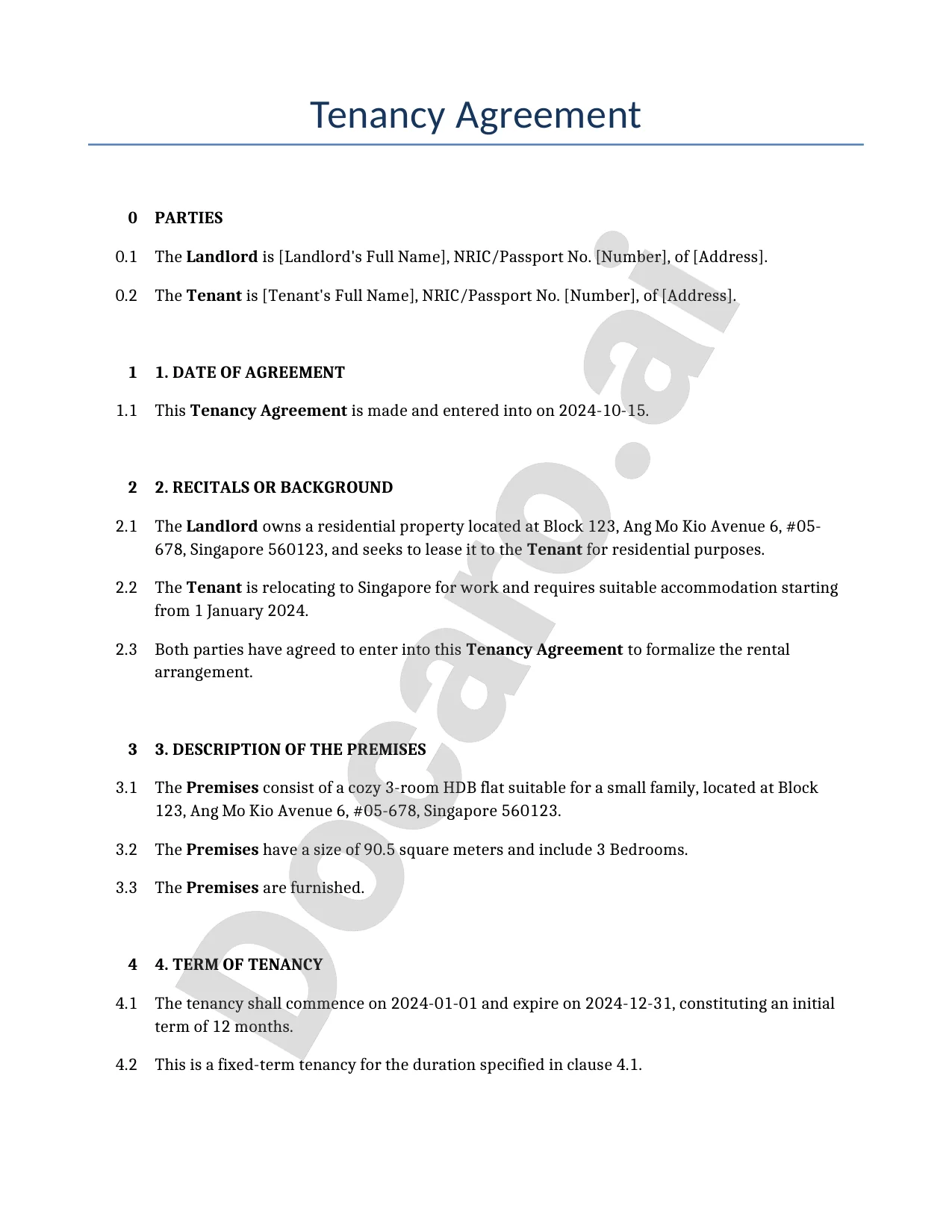
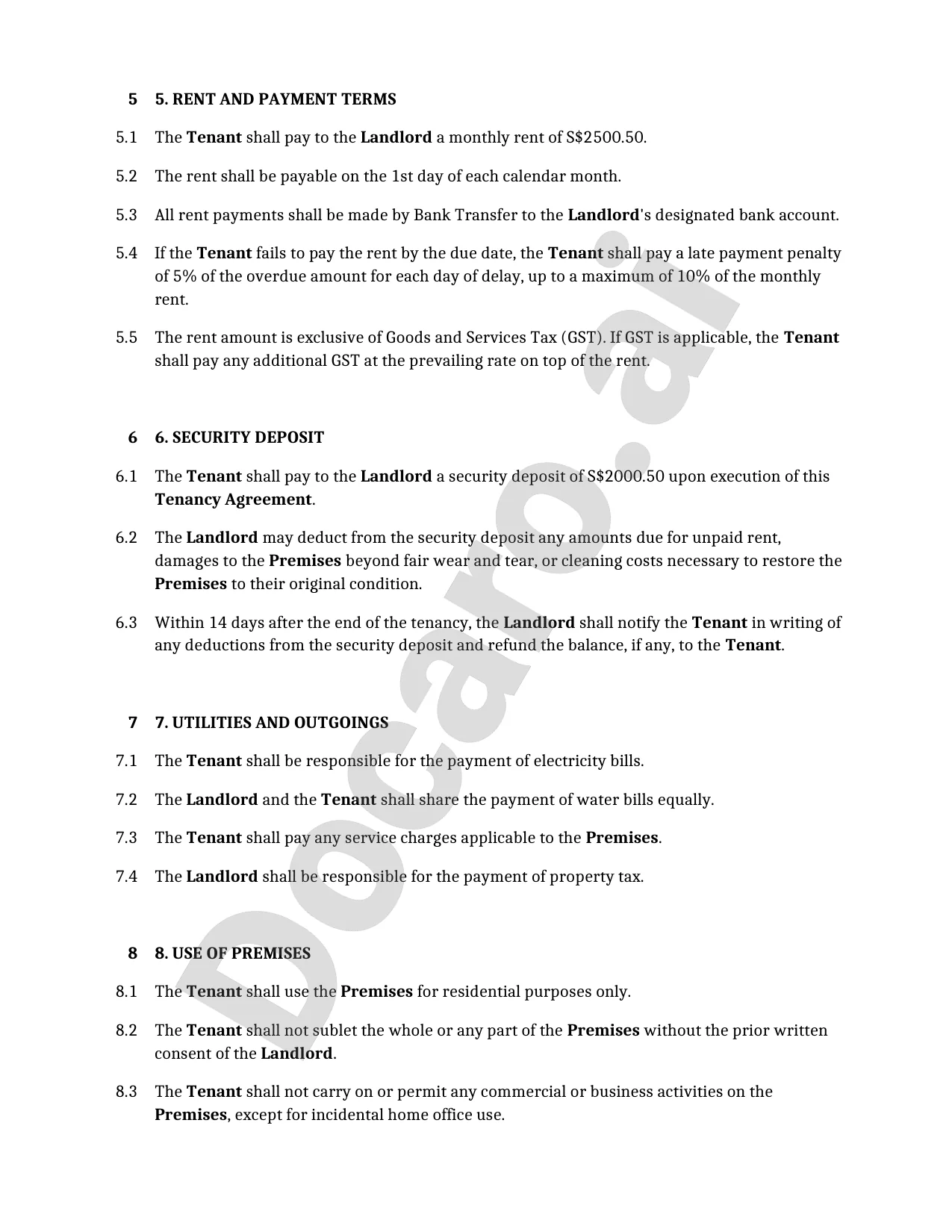
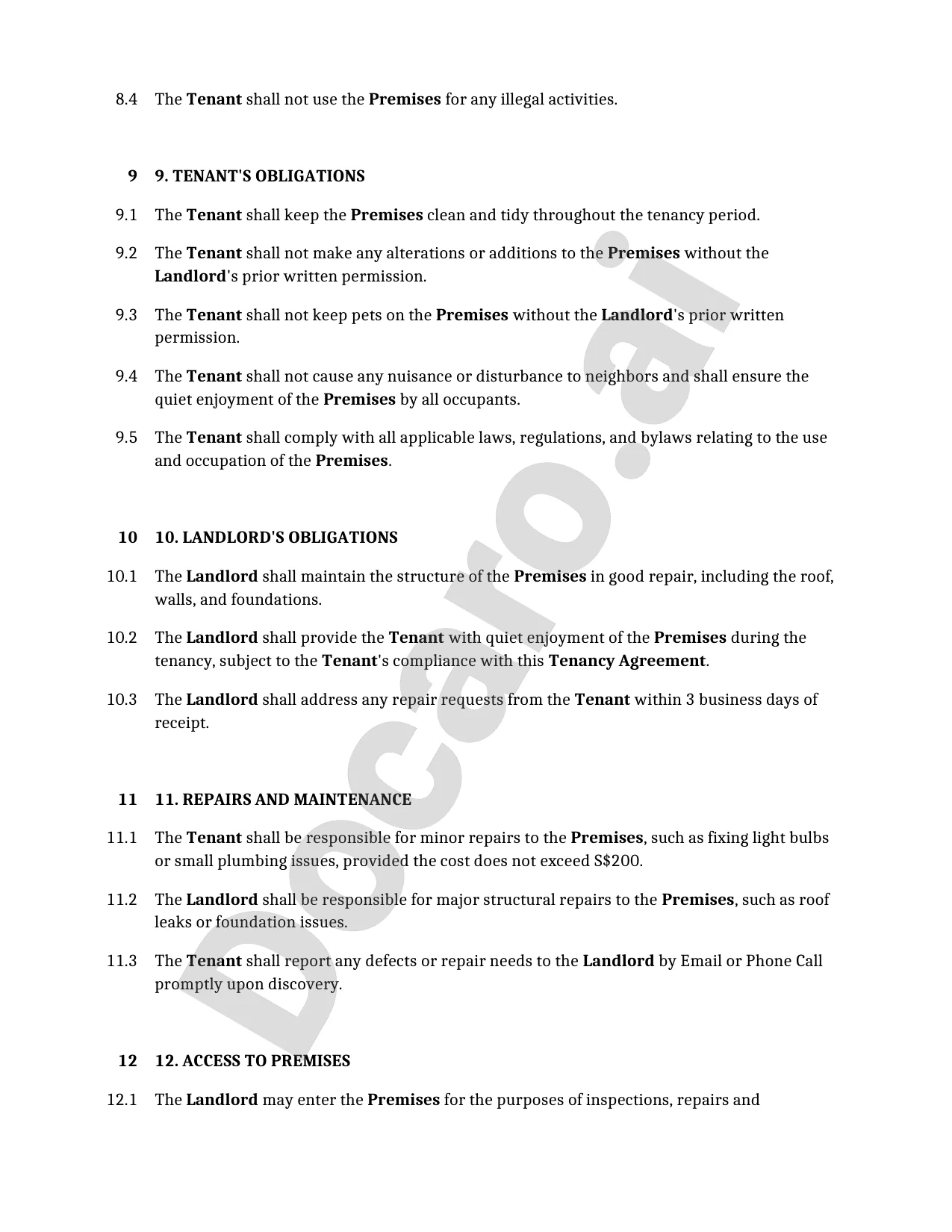
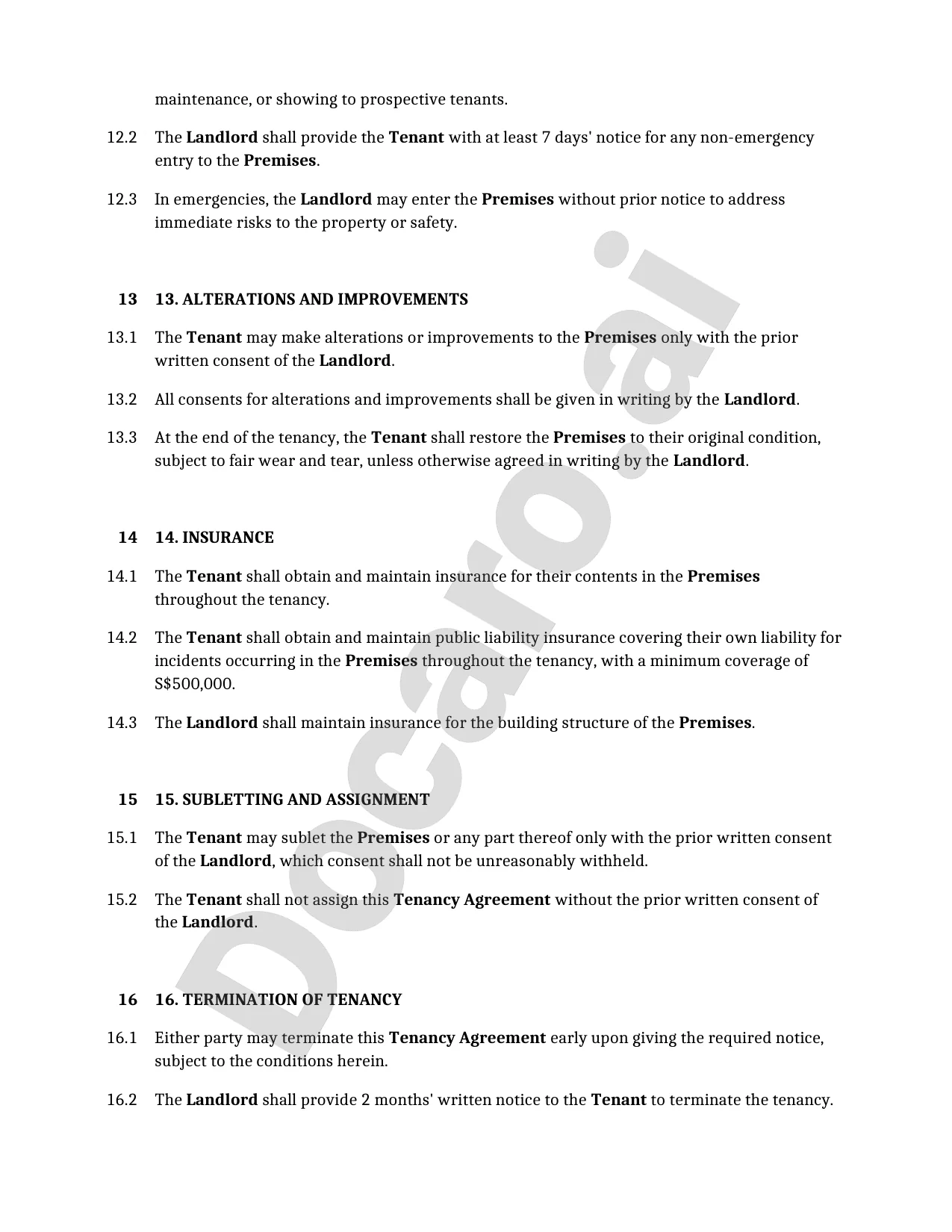
What is a Tenancy Agreement in Singapore?
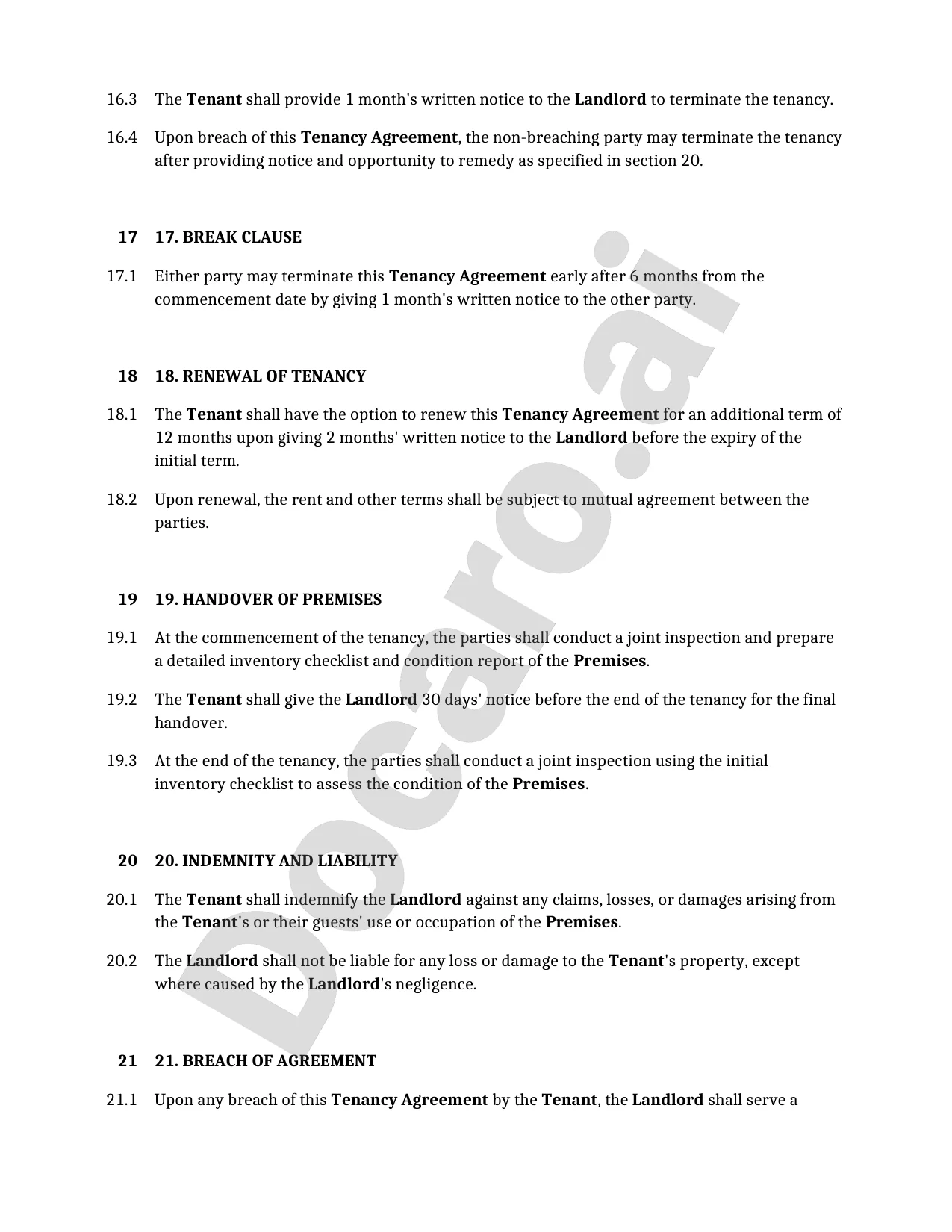
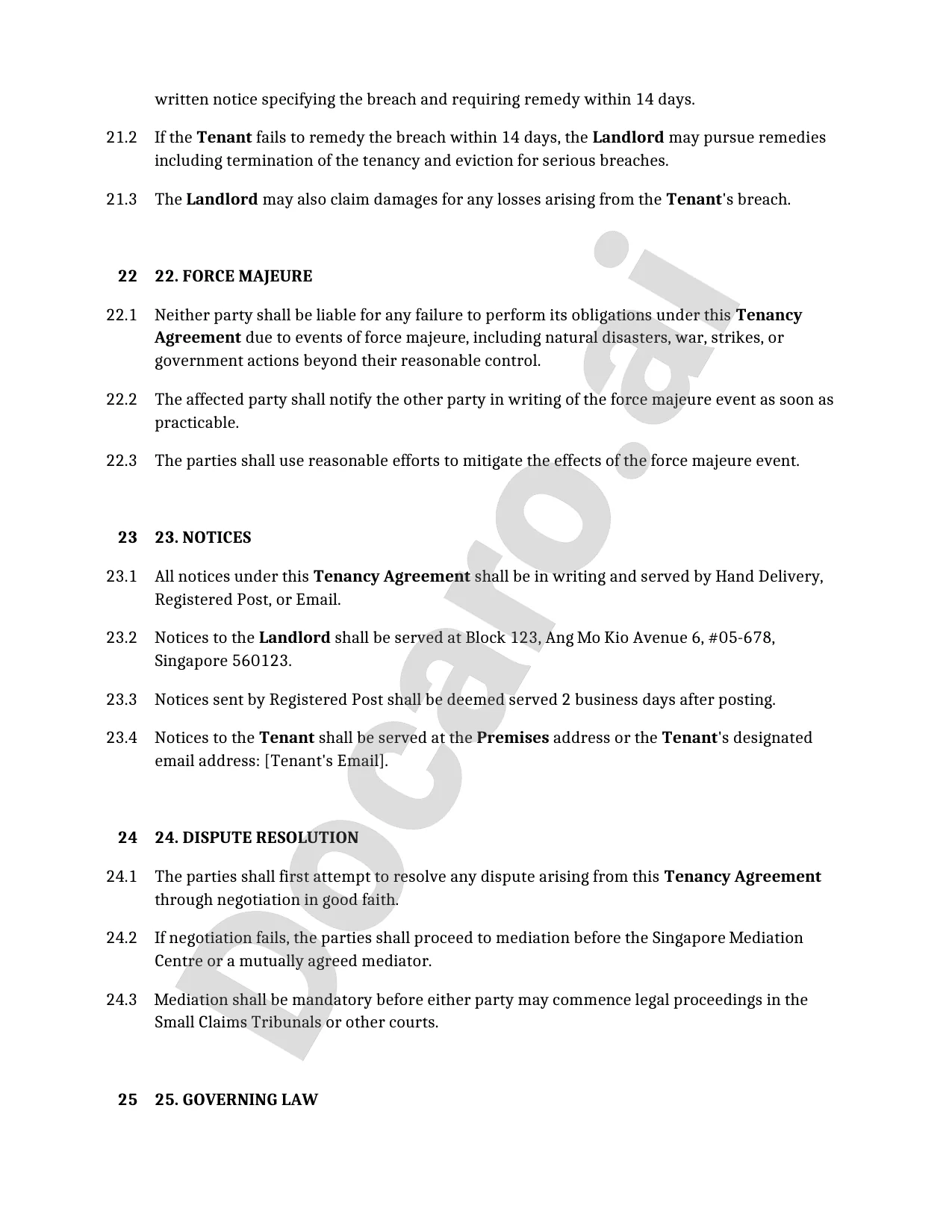
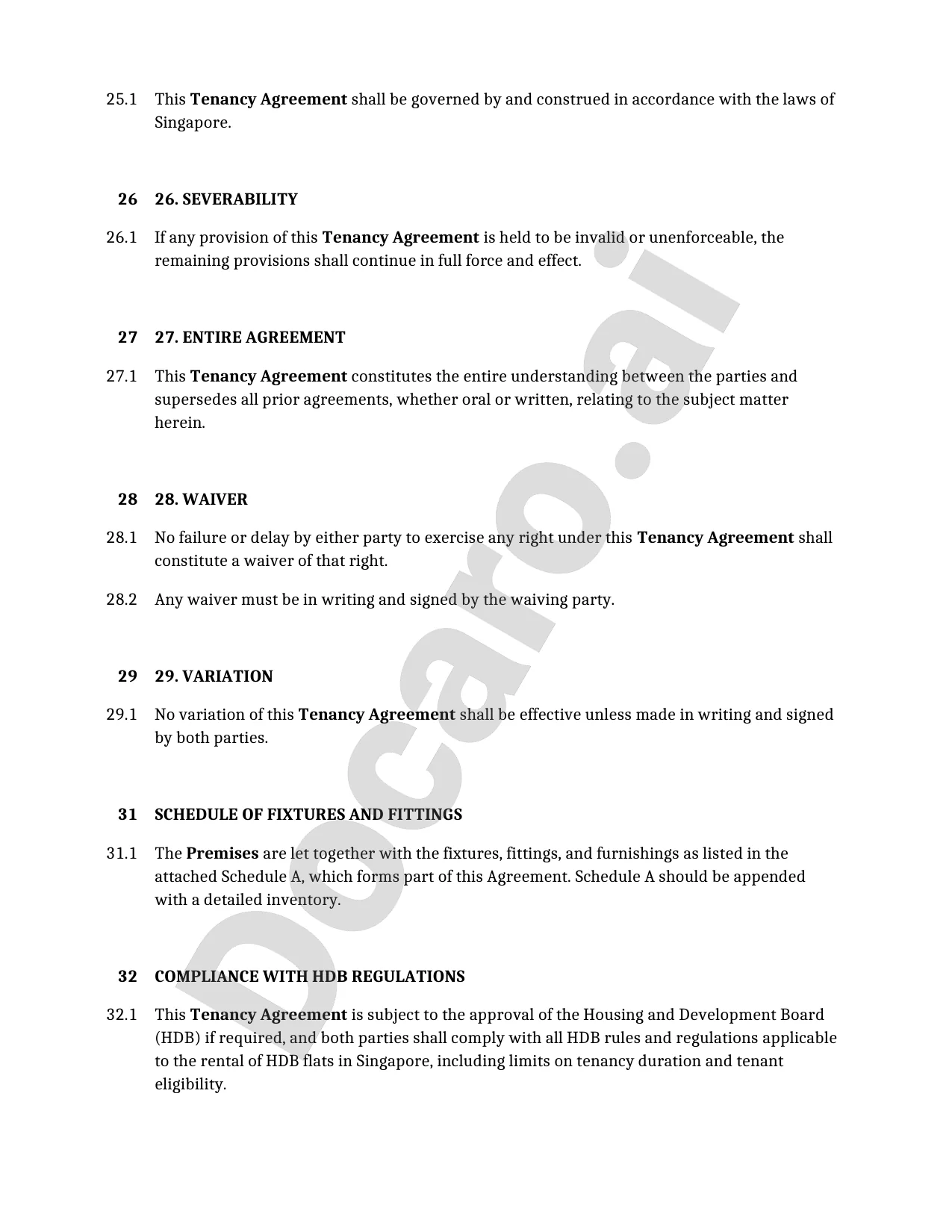
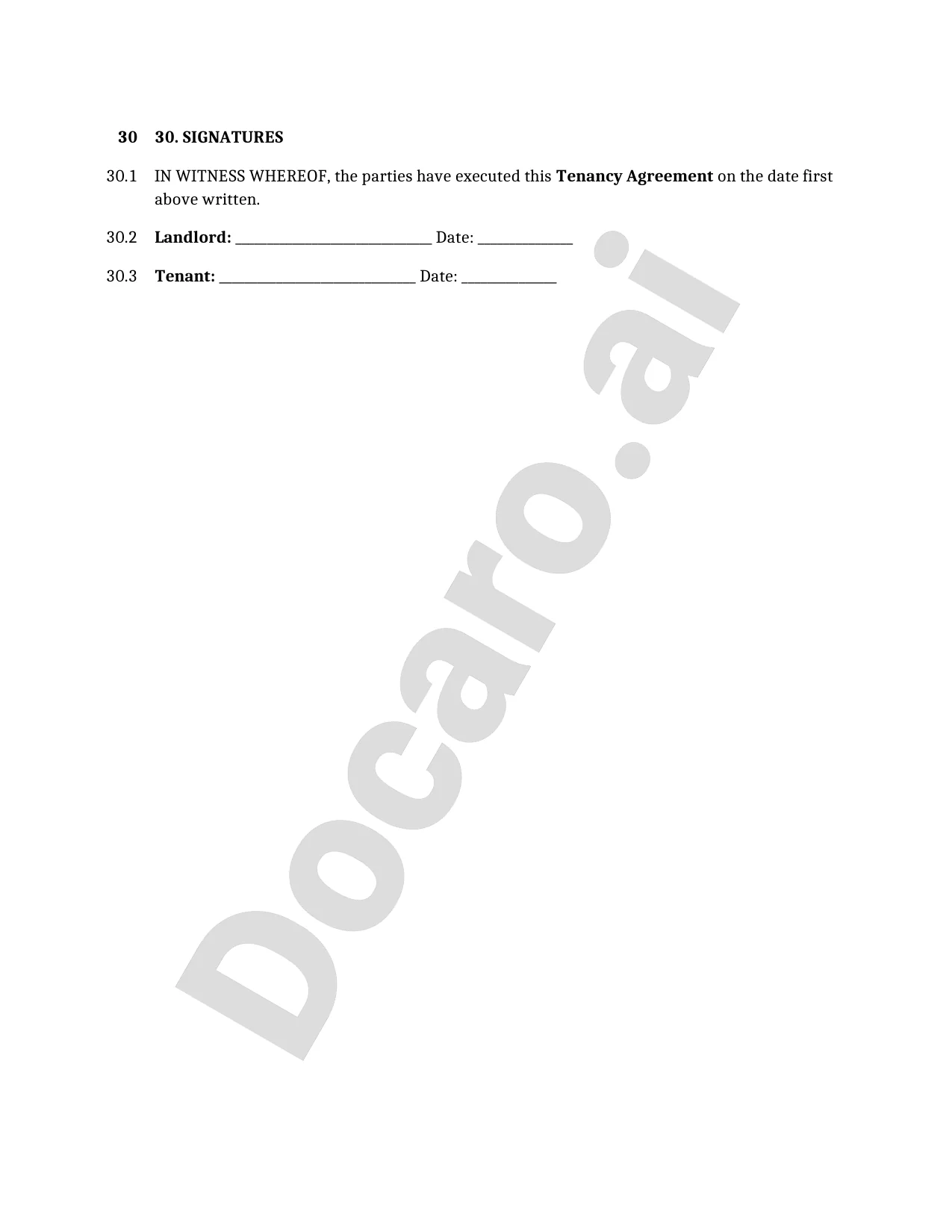
A tenancy agreement Singapore is a crucial legal contract that establishes the rights and obligations between a landlord and tenant for renting residential or commercial properties. It outlines essential terms such as rental duration, payment schedules, maintenance responsibilities, and conditions for termination, ensuring clarity and protection for both parties in the Singapore property rental market.
In Singapore, tenancy agreements are primarily governed by common law principles, with additional oversight from the Control of Rent Act for certain older properties, though most modern rentals fall under standard contractual rules. This framework promotes fair dealings and resolves disputes efficiently through bodies like the Small Claims Tribunals.
The importance of a tenancy agreement in Singapore's dynamic rental landscape cannot be overstated, as it safeguards against misunderstandings and provides legal recourse in case of breaches. For personalized protection, consider using Docaro AI legal documents to generate bespoke agreements tailored to specific needs, rather than generic options.
When should you use a Tenancy Agreement in Singapore?
A tenancy agreement is essential for formalizing rental arrangements in Singapore that last more than a month, providing a clear legal framework for residential or commercial leases. It protects both landlords and tenants by outlining rights, responsibilities, and terms like rent payments and maintenance, while ensuring compliance with Singaporean laws such as the Landlord and Tenant Act.
In commercial settings, a tenancy agreement safeguards business interests by specifying lease durations, renewal options, and dispute resolution mechanisms, which is crucial for long-term operations. For residential properties, it prevents misunderstandings over utilities, security deposits, and eviction procedures, promoting stable housing under Singapore's regulatory environment.
- Short-term stays under 3 months often qualify as licenses rather than tenancies, making a formal agreement unnecessary and potentially complicating simple arrangements.
- Informal family agreements, such as staying with relatives without rent, do not require a tenancy contract to avoid unnecessary legal formalities.
Instead of generic templates, opt for bespoke AI-generated legal documents using Docaro to tailor tenancy agreements precisely to your Singapore-specific needs, ensuring robust protection.
"A written tenancy agreement, tailored specifically to your needs using Docaro's bespoke AI generation, is essential to prevent disputes and protect both landlords and tenants in Singapore."
What are the key clauses to include in a Tenancy Agreement?
A Singapore tenancy agreement is a crucial legal document that outlines the rights and obligations of tenants and landlords in rental properties. Essential clauses ensure clarity on key aspects like rent, deposits, and responsibilities, protecting both parties under Singapore's tenancy laws.
Rent payment terms specify the monthly rental amount, due date (typically the first of each month), acceptable payment methods such as bank transfer or cheque, and consequences for late payments, including interest or penalties. These terms help maintain a smooth financial flow and prevent disputes in Singapore rental agreements.
The security deposit clause details the amount (often one to three months' rent), conditions for deductions like damages or unpaid rent, and the timeline for refund upon tenancy end, usually within 14 days after inspection. This protects landlords while ensuring tenants recover their funds promptly.
Maintenance responsibilities divide duties, with tenants handling minor repairs and daily upkeep, while landlords cover major structural issues and utilities unless specified otherwise. Clear allocation prevents misunderstandings and promotes property care in Singapore property rentals.
Termination conditions outline notice periods (e.g., one month's notice for periodic tenancies or as per fixed-term end), grounds for early termination like breaches, and procedures for vacating the premises. Subletting rules typically require landlord's written consent to avoid unauthorized occupants, ensuring control over the property.
For comprehensive guidance on these elements, explore key clauses in Singapore rental tenancy agreements. Advocate for bespoke AI-generated legal documents using Docaro to tailor agreements precisely to your needs, rather than relying on generic options.
How do recent legal changes affect Tenancy Agreements?
Singapore's tenancy laws remain governed by the Tenancy Agreement framework under the common law system, with no major amendments to the Residential Tenancies Act in recent years as of March 2026. The stability of these laws provides predictability for landlords and tenants, emphasizing fair practices in rental contracts without significant overhauls.
COVID-19 related eviction moratoriums, introduced in 2020, have expired, but their influence lingers in renewal clauses of tenancy agreements. These measures encouraged flexible renewals during the pandemic, and current agreements often incorporate similar protective language to mitigate future disruptions, ensuring tenants have clearer options for extensions.
For upcoming changes, no new legislation impacting Singapore tenancy agreements is anticipated in the near term, maintaining the Lease Act's balanced approach. Landlords and tenants should consult professionals for tailored advice, such as using Docaro for bespoke AI-generated legal documents to customize agreements effectively.
What are the key rights and obligations of landlords and tenants?
In a Singapore tenancy agreement, landlords hold primary rights such as collecting rent on time and accessing the property for inspections with reasonable notice, while tenants must fulfill obligations like paying rent promptly and keeping the premises clean and free from damage. Landlords are obligated to ensure the property remains habitable, including timely repairs for structural issues or essential services, to uphold their duty of care.
Tenants enjoy key rights, notably quiet enjoyment of the property, meaning undisturbed use without unreasonable interference from the landlord, and protection against unlawful eviction. Both parties are bound by obligations to comply with Singapore's tenancy laws, such as the Landlord and Tenant Act, ensuring fair dealings and dispute resolution through mediation if needed.
For a deeper dive into these aspects, explore Understanding Tenancy Agreements in Singapore: A Complete Guide, which outlines customization options. Consider using Docaro for bespoke AI-generated legal documents tailored to your specific tenancy needs in Singapore.
Are there any key exclusions in Tenancy Agreements?
In tenancy agreements, a common exclusion is for consequential damages, which limits the landlord's or tenant's liability for indirect losses like lost profits or additional expenses arising from a breach. Under Singapore law, such clauses are generally enforceable if they are reasonable and clearly stated, but they must comply with the Unfair Contract Terms Act to avoid being deemed unfair.
Another key limitation involves pre-existing property defects, where agreements often state that tenants accept the property "as is" and the landlord is not liable for issues present before the tenancy begins. In Singapore, this exclusion is relevant but does not absolve landlords from statutory duties under the Contracts (Rights of Third Parties) Act or building maintenance laws, emphasizing the need for thorough inspections.
Exclusions from certain warranties, such as implied warranties of habitability, may appear in tenancy contracts to restrict guarantees about the property's condition. Singapore's legal framework, including the Sale of Goods Act and common law principles, influences these, making it essential to seek professional legal advice for tailored protection.
For customized tenancy agreements in Singapore, consider using Docaro AI-generated legal documents to ensure they fit your specific needs, but always consult a qualified lawyer to review and validate the terms.
How can you draft and execute a Tenancy Agreement effectively?
1
Consult Docaro for Bespoke Template
Use Docaro to generate a custom tenancy agreement template tailored to Singapore regulations and your specific requirements.
2
Customize Key Clauses
Adapt the Docaro-generated document by adding or modifying clauses for rent, duration, and responsibilities to suit both parties' needs.
3
Review and Execute Agreement
Have landlord and tenant thoroughly review the document, then sign it in the presence of witnesses if necessary.
4
Register if Applicable and Avoid Pitfalls
Register the agreement with authorities for terms over one year. See <a href=\'/en-sg/a/common-mistakes-avoid-singapore-tenancy-agreements\'>Common Mistakes to Avoid in Singapore Tenancy Agreements</a> for guidance.
What common pitfalls should you avoid?
Common mistakes in tenancy agreements often include omitting renewal options, which can lead to unexpected evictions or disputes when leases expire. To avoid this, clearly specify automatic renewal clauses or notice periods for non-renewal in your agreement, ensuring both parties understand the terms for long-term stability.
Another frequent error is unclear dispute resolution processes, leaving tenants and landlords without a roadmap for handling conflicts like maintenance issues or rent disagreements. Drafting a bespoke tenancy agreement using Docaro's AI generation helps incorporate detailed mediation or arbitration steps tailored to your needs, preventing escalation to costly legal battles.
Overlooking pet policies or utility responsibilities in tenancy agreements can result in misunderstandings and financial surprises. Use Docaro to create customized documents that explicitly outline these rules, promoting a harmonious rental experience.
For a comprehensive list of common tenancy mistakes and expert avoidance tips, visit our dedicated page on tenancy pitfalls.
You Might Also Be Interested In
A Legal Contract Between A Landlord And Tenant Outlining The Terms For Renting A Residential Property In Singapore.
A Legal Contract Outlining The Terms For Renting A Specific Room Within A Shared Property, Including Rent, Duration, And Tenant Responsibilities.
A Legal Contract Outlining The Terms Under Which A Lodger Rents A Room In The Landlord's Home, Including Rent, Duration, And Responsibilities.
A Legal Document That Extends The Term Of An Existing Residential Tenancy Between Landlord And Tenant Under Singapore Law.
A Formal Notice Served By A Landlord To Terminate A Tenancy And Require The Tenant To Vacate The Premises.
A Formal Written Notification From A Landlord To A Tenant Announcing An Upcoming Increase In Rent Amount, Typically Specifying The New Rate And Effective Date.
A Document Acknowledging Receipt Of A Security Deposit, Typically Used In Rental Agreements To Protect Against Damages Or Unpaid Rent.
A Legal Document Recording The State Of A Rental Property At The Start And End Of A Tenancy To Protect Both Landlord And Tenant From Disputes Over Damages.
A Formal Notice Served By A Landlord Or Tenant To Terminate A Tenancy Agreement At The End Of The Lease Term.
A Document Used To Record The Condition Of A Rental Property At The Start And End Of A Tenancy To Assess Damages And Responsibilities.
A Form Submitted By Prospective Tenants To Apply For Renting A Residential Property, Including Personal And Financial Details For Landlord Review.
A Legal Document Outlining The Rights And Obligations Of Property Owners Regarding A Shared Wall Between Adjacent Properties.
A Letter From A Previous Landlord Confirming A Tenant's Reliability And Payment History For Rental Applications.
A Corporate Document Outlining Internal Policies, Procedures, And Guidelines For Employees.