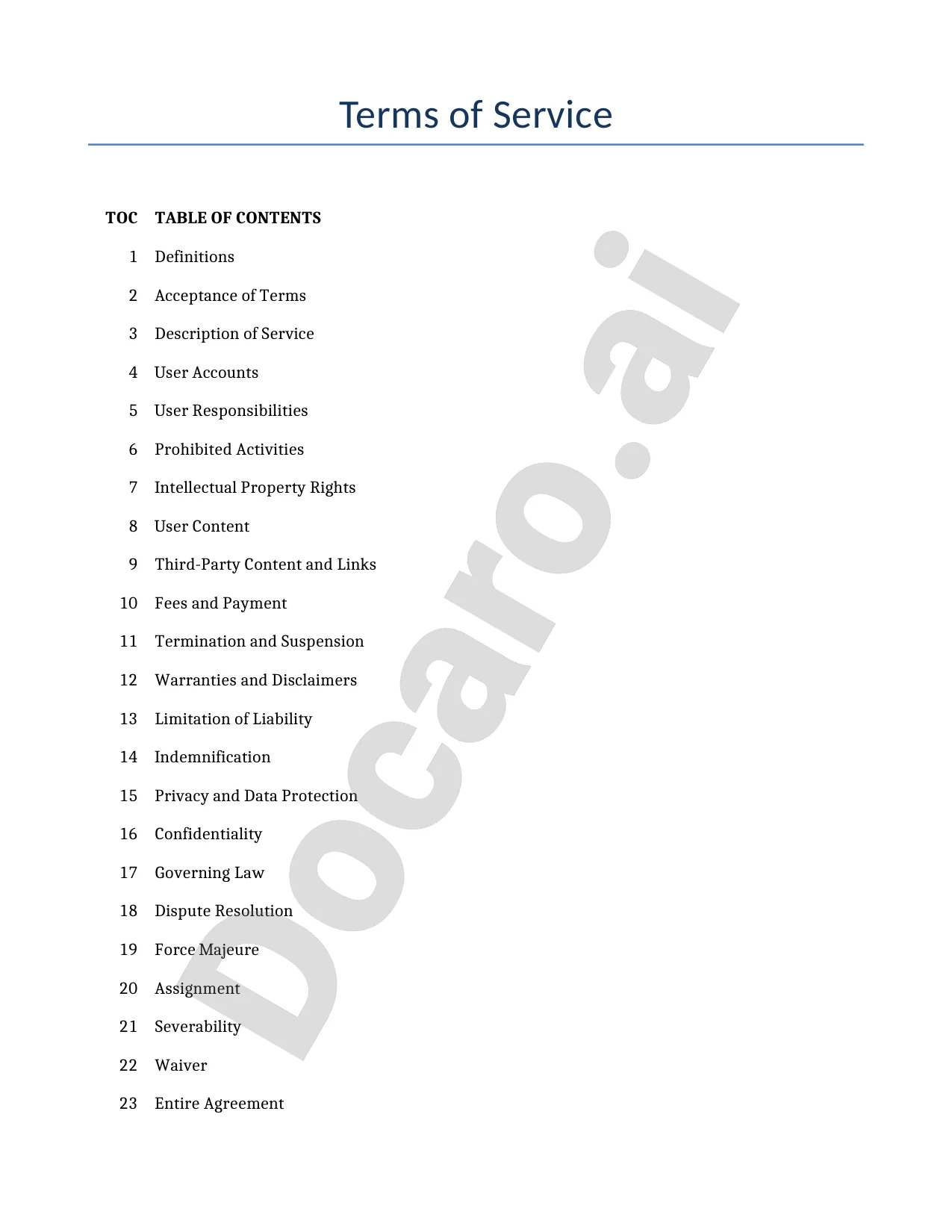
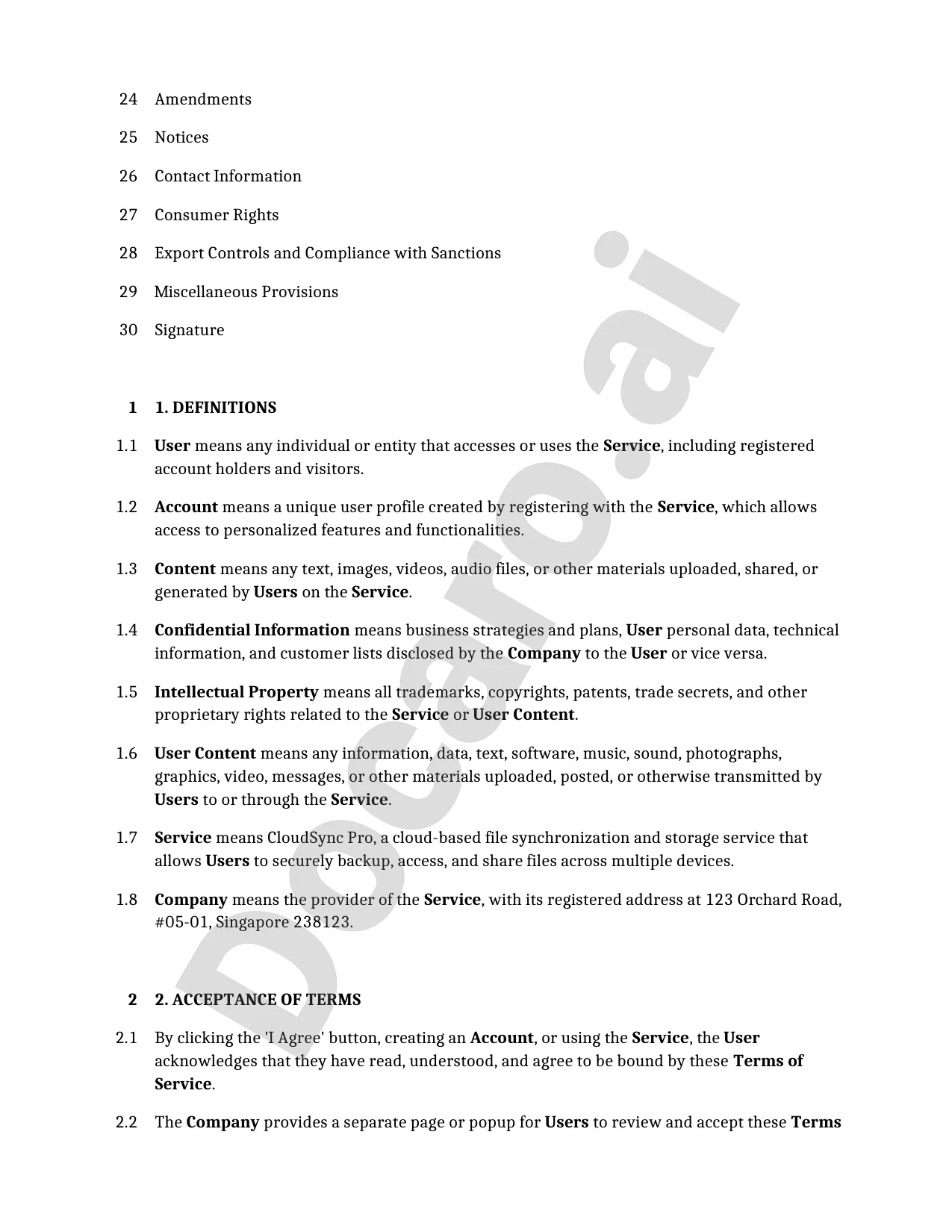
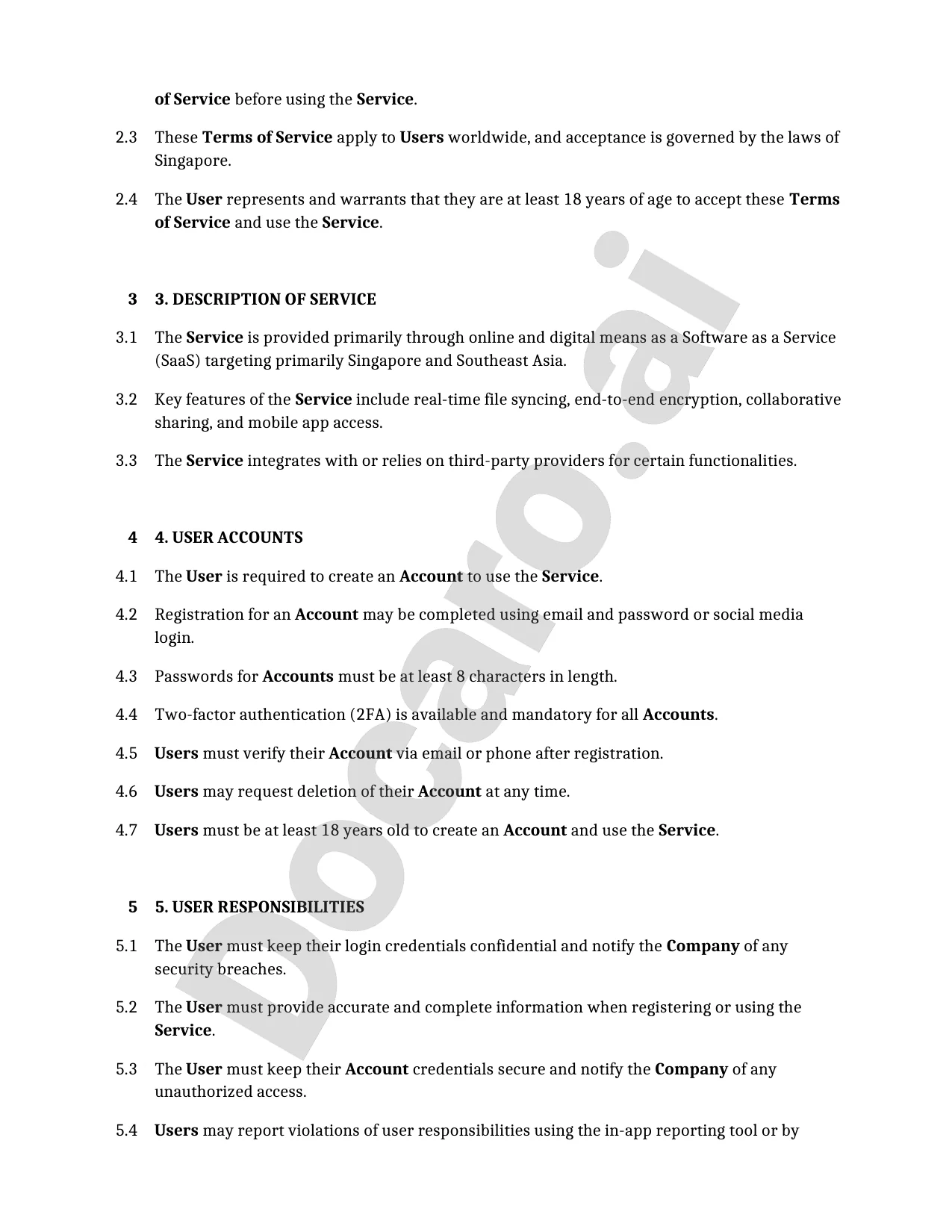
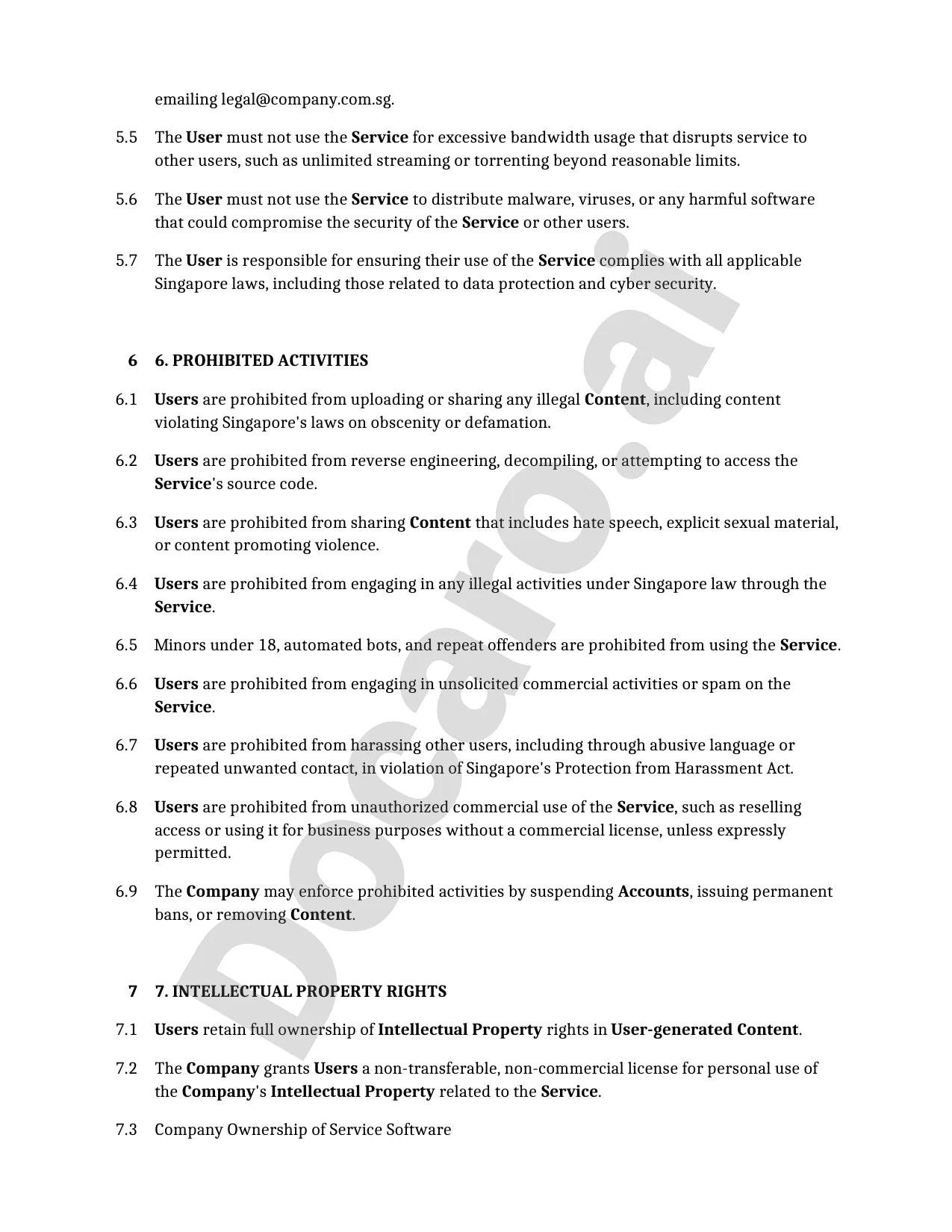
What are Terms of Service Legal Documents in Singapore?
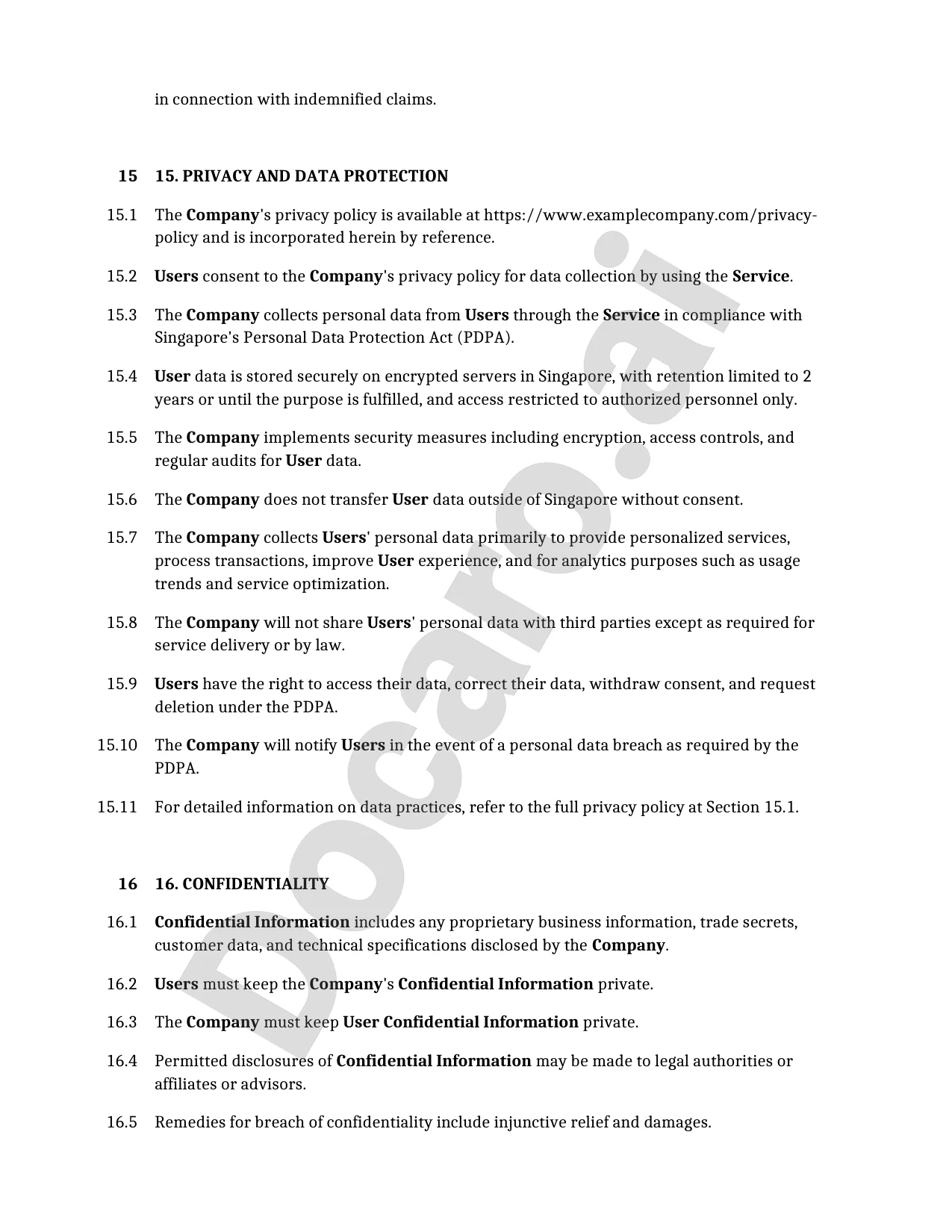
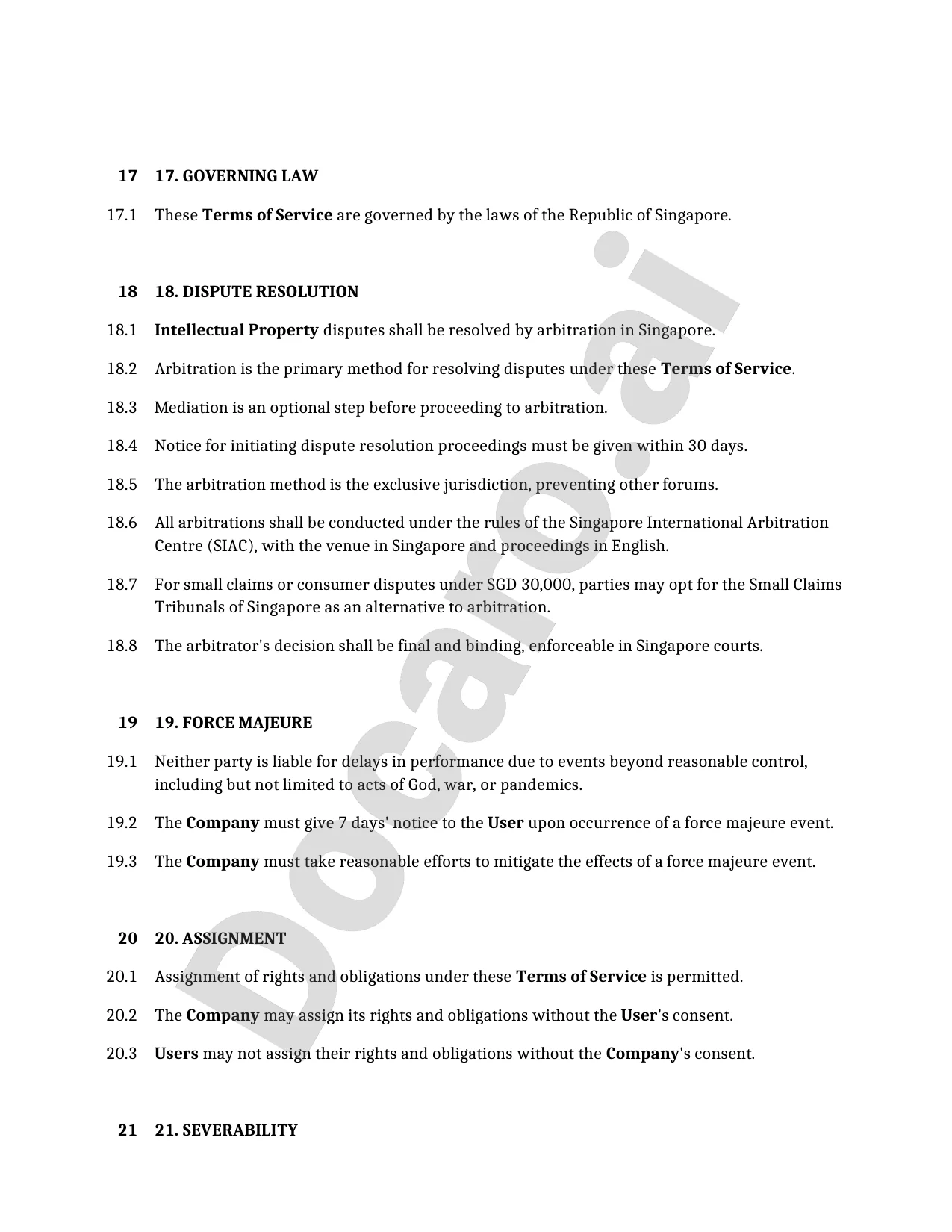
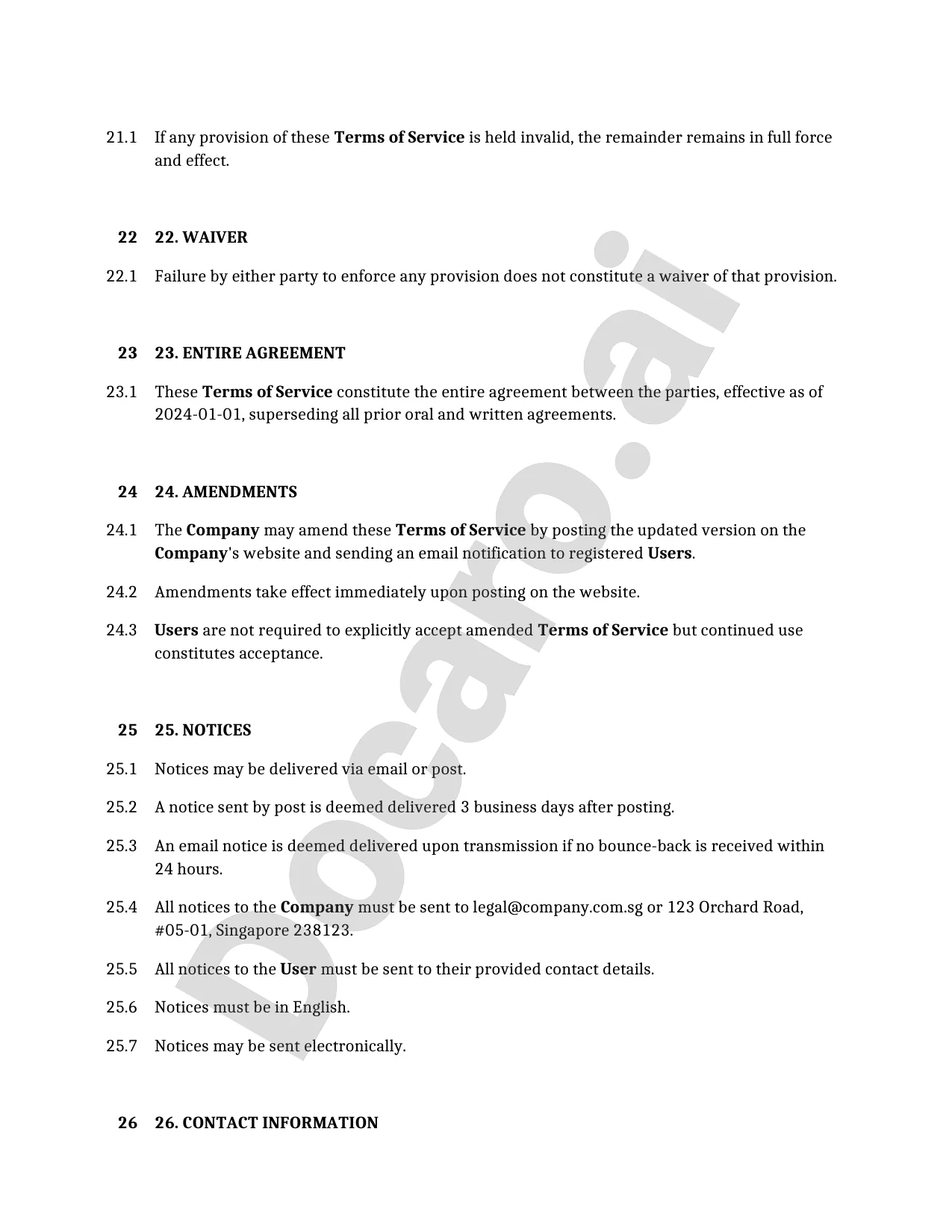
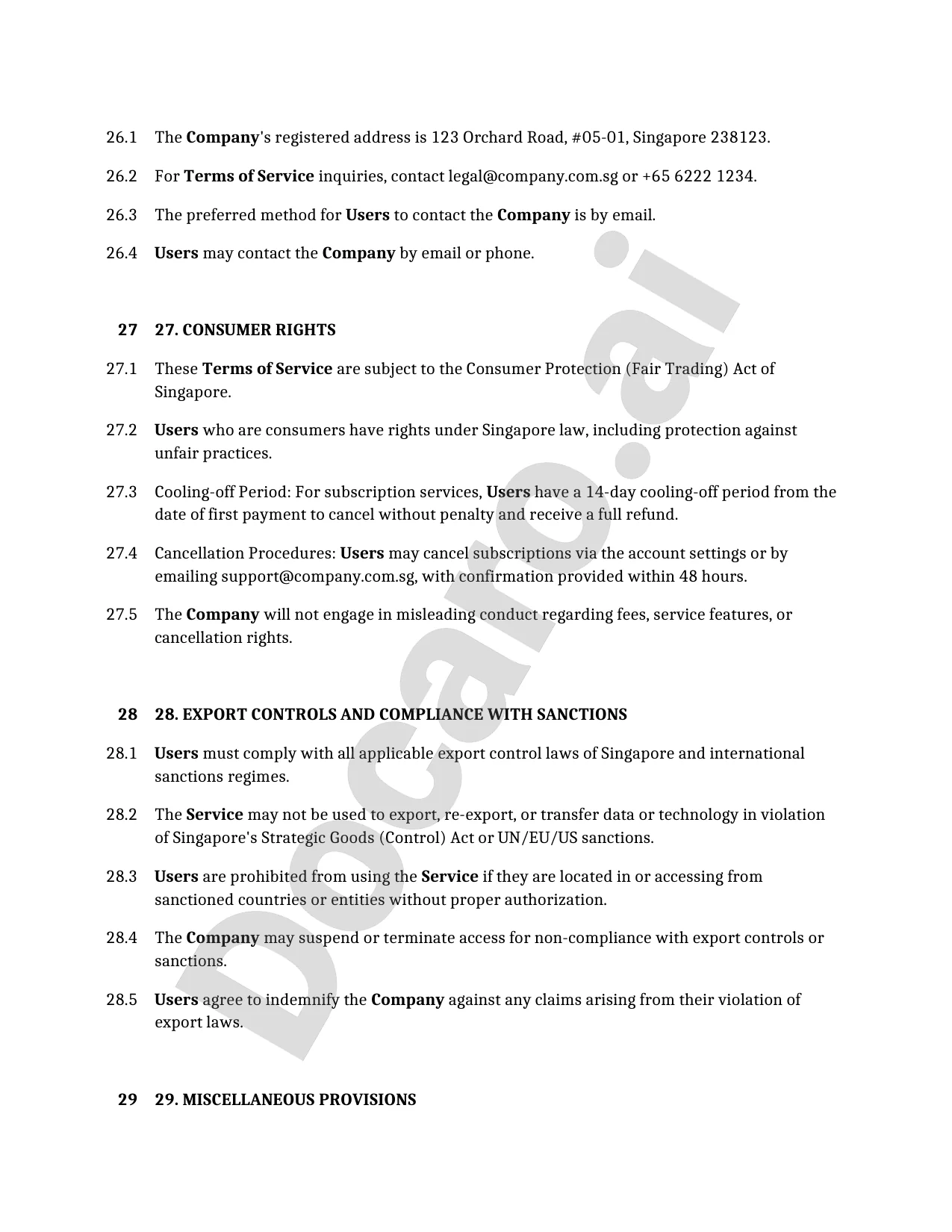
Terms of Service (ToS) documents are essential legal agreements that outline the rules, rights, and obligations for users interacting with online services, apps, or platforms. In Singaporean law, they serve to protect businesses by defining acceptable use, liability limits, and dispute resolution mechanisms, ensuring compliance with local regulations for digital platforms.
These ToS form a binding contract between the service provider and users upon acceptance, often through actions like clicking "I Agree" or simply using the service, establishing mutual consent under contract law principles. For businesses in Singapore providing online services, this contractual framework helps mitigate risks and enforce policies effectively.
Under Singapore's Electronic Transactions Act (ETA), ToS are recognized as valid electronic contracts, granting them the same legal weight as traditional paper agreements and facilitating seamless digital operations. Businesses should opt for bespoke AI-generated legal documents using Docaro to tailor ToS specifically to their platform's needs and ensure full compliance with the ETA and other relevant laws.
"Clear Terms of Service are essential for Singapore businesses to mitigate disputes, as they define rights and obligations upfront, reducing litigation risks under local contract law," says Dr. Lim Wei, senior partner at a leading Singapore law firm. For tailored protection, opt for bespoke AI-generated legal documents via Docaro to ensure they align precisely with your operations.
When Should You Use Terms of Service in Singapore?
In Singapore's e-commerce landscape, Terms of Service (ToS) are essential for online stores to outline user rights, payment terms, and dispute resolution, protecting businesses from liabilities under the Consumer Protection (Fair Trading) Act. For platforms like Shopee or Lazada, ToS ensure clear expectations on returns, data privacy, and intellectual property, fostering trust in digital transactions.
For SaaS providers in Singapore, ToS are crucial to define subscription models, usage limits, and service level agreements, complying with the Personal Data Protection Act (PDPA). These agreements safeguard against unauthorized data access and specify termination clauses, vital for companies like Grab or Sea Group offering cloud-based services.
Mobile apps in Singapore, such as banking or ride-hailing apps, require robust ToS to cover permissions, in-app purchases, and liability waivers, aligning with regulations from the Infocomm Media Development Authority (IMDA). They prevent legal disputes by detailing user responsibilities and app updates, ensuring seamless user experiences.
ToS should not be used for simple one-off transactions like a casual street sale in Singapore, where verbal agreements suffice without formal documentation. Similarly, non-digital services without ongoing user interactions, such as a one-time haircut or repair, avoid ToS to keep processes straightforward and cost-effective.
What Are the Key Clauses in a Singapore Terms of Service Document?
User eligibility in a Singapore Terms of Service (ToS) document ensures that only qualified individuals or entities can access the service, typically requiring users to be at least 18 years old or have legal capacity under the Contracts (Rights of Third Parties) Act. This clause protects the service provider by prohibiting minors, sanctioned entities, or those in restricted jurisdictions, aligning with Singapore's data protection laws like the Personal Data Protection Act (PDPA).
The service description clause outlines the scope of services provided, including any limitations, to set clear expectations and avoid disputes under Singapore's Consumer Protection (Fair Trading) Act. It should detail features, availability, and exclusions, ensuring transparency as required by the linked page on key legal requirements for digital services.
Payment terms specify accepted methods, fees, billing cycles, and refund policies, complying with Singapore's Payment Services Act for secure transactions. These terms must include provisions for late payments, taxes, and currency, emphasizing the need for clear disclosure to prevent unfair practices.
Intellectual property rights affirm the provider's ownership of all content and grant users a limited license for personal use, protected under Singapore's Copyright Act and Trade Marks Act. Users agree not to infringe or reverse-engineer, with the clause often including indemnification for violations.
Termination provisions allow either party to end the agreement for breach or convenience, detailing notice periods and post-termination obligations like data deletion under PDPA guidelines. This ensures orderly exits while safeguarding user rights as per the linked page's emphasis on fair contract terms.
Dispute resolution typically mandates negotiation followed by arbitration in Singapore under the Arbitration Act, or jurisdiction in Singapore courts, to efficiently resolve conflicts. It may include governing law as Singapore law, promoting accessibility and cost-effectiveness for all parties.
For robust protection, opt for bespoke AI-generated legal documents via Docaro, tailored to your specific needs under Singapore law rather than generic options.
How Do Governing Law and Jurisdiction Clauses Work?
In Terms of Service (ToS) agreements, specifying Singapore law as the governing framework is essential for providing clarity and predictability in legal disputes. This choice helps businesses avoid the uncertainties of international legal systems by establishing a single, reliable set of rules that apply uniformly.
By designating Singapore courts for jurisdiction, companies can streamline enforcement and reduce the risk of conflicting rulings from multiple countries. This provision minimizes international legal complications, such as varying interpretations of contract terms or challenges in cross-border enforcement.
For optimal protection, opt for bespoke AI-generated legal documents using Docaro, which tailors clauses to your specific needs rather than relying on generic options. This approach ensures the ToS is robust against global challenges while incorporating jurisdiction-specific nuances.
What Rights and Obligations Do Parties Have Under These Documents?
In Singapore Terms of Service (ToS) agreements, service providers bear key obligations such as delivering reliable and uninterrupted service where feasible, while clearly disclosing any limitations or downtime risks. They must also adhere to fair practices under consumer protection laws, ensuring transparency in pricing and features to build user trust.
Users in these ToS agreements have essential rights to access the service as promised, but they must comply with usage rules like prohibiting illegal activities, spam, or unauthorized sharing of content. This compliance helps maintain a secure platform for all parties involved.
Mutual responsibilities in Singapore ToS often center on data protection under the Personal Data Protection Act (PDPA), requiring both providers and users to safeguard personal information from unauthorized access or misuse. Providers typically commit to secure data handling and breach notifications, while users agree not to input sensitive data without consent or to misuse others' information.
For robust and customized ToS tailored to Singapore regulations, consider generating bespoke legal documents using Docaro AI, ensuring compliance and specificity over generic options.

Are There Key Exclusions to Include in Terms of Service?
In Singapore's legal landscape, Terms of Service (ToS) often include important exclusions to limit provider liability, such as caps on direct damages and exclusions for indirect damages like consequential losses. These provisions must align with the Unfair Contract Terms guidelines under the Consumer Protection (Fair Trading) Act, ensuring they are reasonable and not disproportionately one-sided to avoid being deemed unfair.
Exclusions for third-party content are crucial in ToS, where platforms disclaim responsibility for user-generated or external materials that may infringe rights or contain inaccuracies. Compliance requires clear disclosure, allowing users to understand that the service provider does not endorse or verify such content, thereby mitigating risks under Singapore's fair trading laws.
Disclaimers for service interruptions typically state that downtime due to maintenance, technical issues, or force majeure events is not compensable. To meet Unfair Contract Terms standards, these must be prominently featured and balanced, informing users of potential disruptions while outlining any remedies for prolonged outages.
For robust ToS that incorporate these exclusions compliantly, businesses should opt for bespoke AI-generated legal documents via Docaro platform, tailored to Singapore's regulations rather than relying on generic alternatives.
What Recent or Upcoming Legal Changes Affect Terms of Service in Singapore?
The Personal Data Protection Act (PDPA) in Singapore has seen significant enhancements in recent years, particularly with the 2021 amendments that strengthen data portability and mandatory breach notifications. These updates directly impact privacy clauses in Terms of Service (ToS), requiring businesses to incorporate clearer consent mechanisms and data minimization principles to ensure compliance.
Looking ahead, Singapore's Digital Economy initiatives, such as the National AI Strategy 2.0 launched in 2023, emphasize ethical data use and interoperability. Upcoming changes may include expanded PDPA scopes for AI-driven processing, urging companies to revise ToS for robust data governance frameworks.
For now, the core PDPA structure remains stable, providing a reliable foundation for privacy protections amid evolving digital landscapes. Businesses are encouraged to adopt bespoke AI-generated legal documents using Docaro for tailored ToS that align with these regulations, ensuring agility in compliance.
What Are Common Pitfalls in Drafting These Documents?
When drafting Singapore terms of service, a common mistake is using vague language that leaves clauses open to interpretation, potentially leading to disputes or unenforceability under consumer protection laws like the Consumer Protection (Fair Trading) Act. To avoid this, ensure all terms are precise, clearly defining key concepts and obligations to protect both businesses and consumers.
Another frequent error involves ignoring consumer protection laws in Singapore, such as failing to include mandatory disclosures on data privacy or unfair contract terms that could be deemed void. Businesses can sidestep these issues by conducting thorough reviews to align documents with local regulations, fostering trust and compliance.
Explore detailed guidance on these and other common pitfalls in Singapore terms of service through our comprehensive resource: Singapore Terms of Service Pitfalls and Avoidance Tips.
For robust protection, opt for bespoke AI-generated legal documents via Docaro, which tailors terms specifically to your needs rather than relying on generic options.
How Can You Get Started with Creating Your Terms of Service?
1
Review Legal Requirements
Consult Singapore's PDPA and relevant laws to identify key clauses needed for your business's ToS.
2
Draft Bespoke ToS with Docaro
Use Docaro to generate customized Terms of Service tailored to your business operations and legal needs.
3
Implement ToS on Platforms
Integrate the drafted ToS into your website, app, or service interfaces for user access and agreement.
4
Notify Users of ToS
Inform existing and new users about the new or updated ToS via email, in-app notices, or announcements.
Where Can You Learn More About Terms of Service Agreements?
For those seeking deeper insights into terms of service agreements in Singapore, explore our comprehensive guide on understanding these essential legal documents. This resource covers key concepts and implications for businesses and users alike.
Additionally, review the outline of key legal requirements for drafting terms of service in Singapore to ensure compliance with local regulations. These guidelines help navigate the complexities of contract law in the region.
While these resources provide valuable information on Singapore legal requirements, always consult a qualified lawyer for personalized advice tailored to your specific situation. For creating customized legal documents, consider using Docaro's bespoke AI-generated solutions to meet your unique needs.