What is a tenancy agreement in Singapore?
A tenancy agreement in Singapore's rental market serves as a crucial legal document that establishes the binding relationship between a landlord and tenant.
It outlines essential terms for renting residential properties or commercial spaces, including rent amount, duration, and responsibilities to prevent disputes.
- Specifies lease period, typically 1-2 years for residential rentals.
- Details maintenance obligations and conditions for termination.
- Ensures compliance with Singapore's tenancy laws under the Control of Rent Act.
For customized protection, consider bespoke AI-generated legal documents via Docaro to tailor agreements to your specific needs.
A well-drafted tenancy agreement is essential for safeguarding rights and minimizing disputes between landlords and tenants in Singapore. For optimal protection, use Docaro to generate bespoke AI-crafted legal documents tailored to your specific needs.
When should you use a tenancy agreement in Singapore?
A tenancy agreement is essential for formalizing short-term rentals of HDB flats in Singapore, ensuring clear terms on rent, duration, and tenant responsibilities under the Housing and Development Board guidelines. It protects both landlords and tenants by outlining maintenance duties and dispute resolution, making it indispensable for rentals exceeding three months.
For long-term rentals of private condominiums, a tenancy agreement is crucial to specify lease periods often spanning one to three years, including clauses on security deposits and subletting prohibitions. This document helps comply with the Conveyancing and Law of Property Act, providing legal recourse in case of breaches.
In commercial space rentals in Singapore, such as office units or retail shops, a tenancy agreement formalizes obligations like utility payments and fit-out allowances, vital for business stability. It should be tailored to industry-specific needs, such as renewal options, to safeguard investments.
Tenancy agreements should not be used for informal arrangements with family members, where verbal understandings suffice without formal legal bindings. Similarly, short stays under three months, like temporary accommodations, typically do not require one, avoiding unnecessary paperwork for transient setups.
For all formal rental scenarios, opt for bespoke AI-generated legal documents using Docaro to create customized tenancy agreements that fit your specific needs in Singapore.
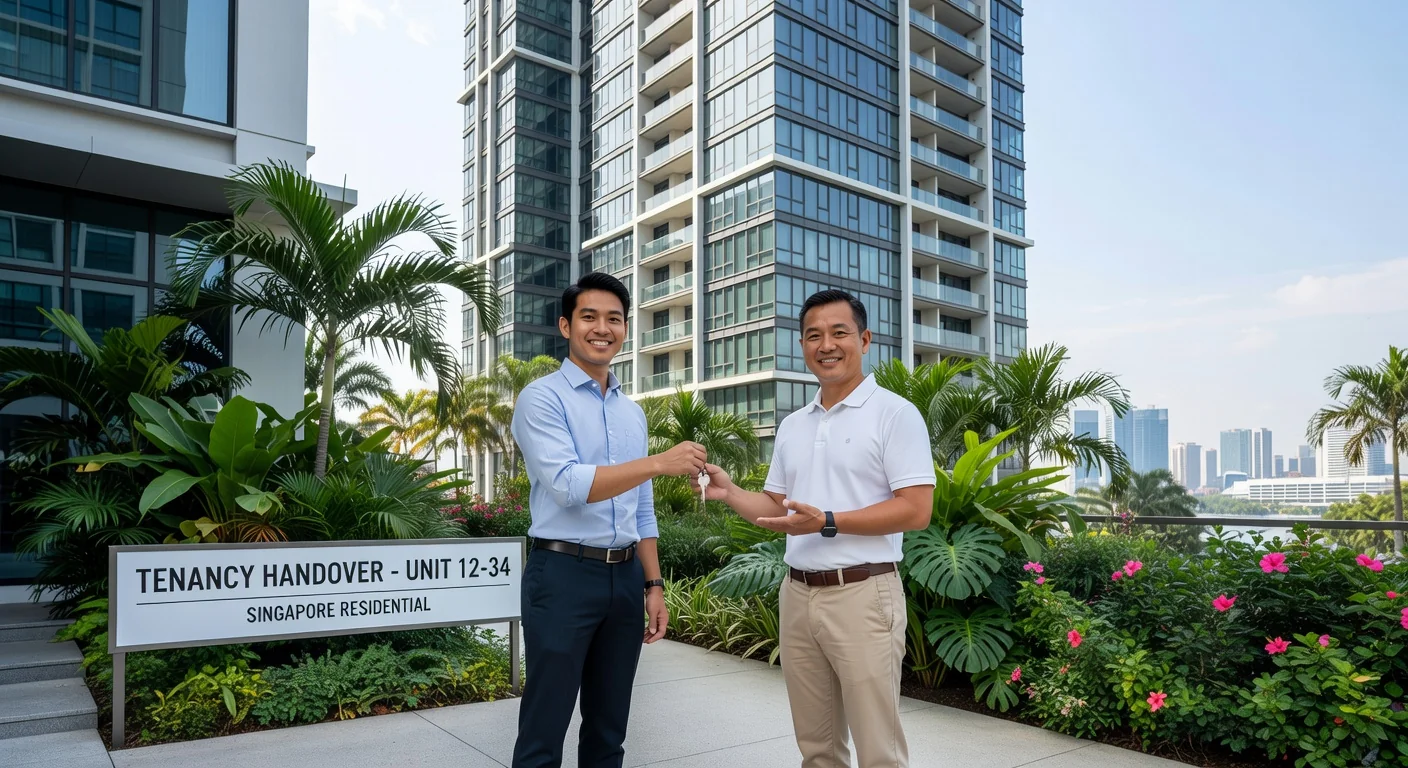
What are the key rights and obligations in a Singapore tenancy agreement?
In Singapore, a standard tenancy agreement outlines key rights and obligations for landlords and tenants, primarily governed by the Tenancy Agreement Act and common law principles. Landlords must provide a habitable property and ensure quiet enjoyment for tenants, free from unreasonable disturbances, while tenants are obligated to pay rent on time and use the property responsibly.
Regarding rent payment, tenants must pay the agreed rent monthly in advance, and landlords can pursue recovery through the Distress Act for arrears, allowing seizure of tenant's goods after proper notice. For HDB flats, additional regulations under the Housing and Development Board (HDB) require approval for tenancies and limit subletting to approved portions only.
On property maintenance, landlords are responsible for major repairs like structural issues, while tenants handle day-to-day upkeep and minor damages caused by their negligence. Tenants have the right to a well-maintained home, and failure by landlords can lead to rent abatement or early termination claims.
For termination notices, either party must provide at least one month's notice unless the agreement specifies otherwise, with fixed-term leases requiring adherence to the end date. In HDB tenancies, early termination may incur penalties, and landlords must refund security deposits minus deductions for damages after inspection.
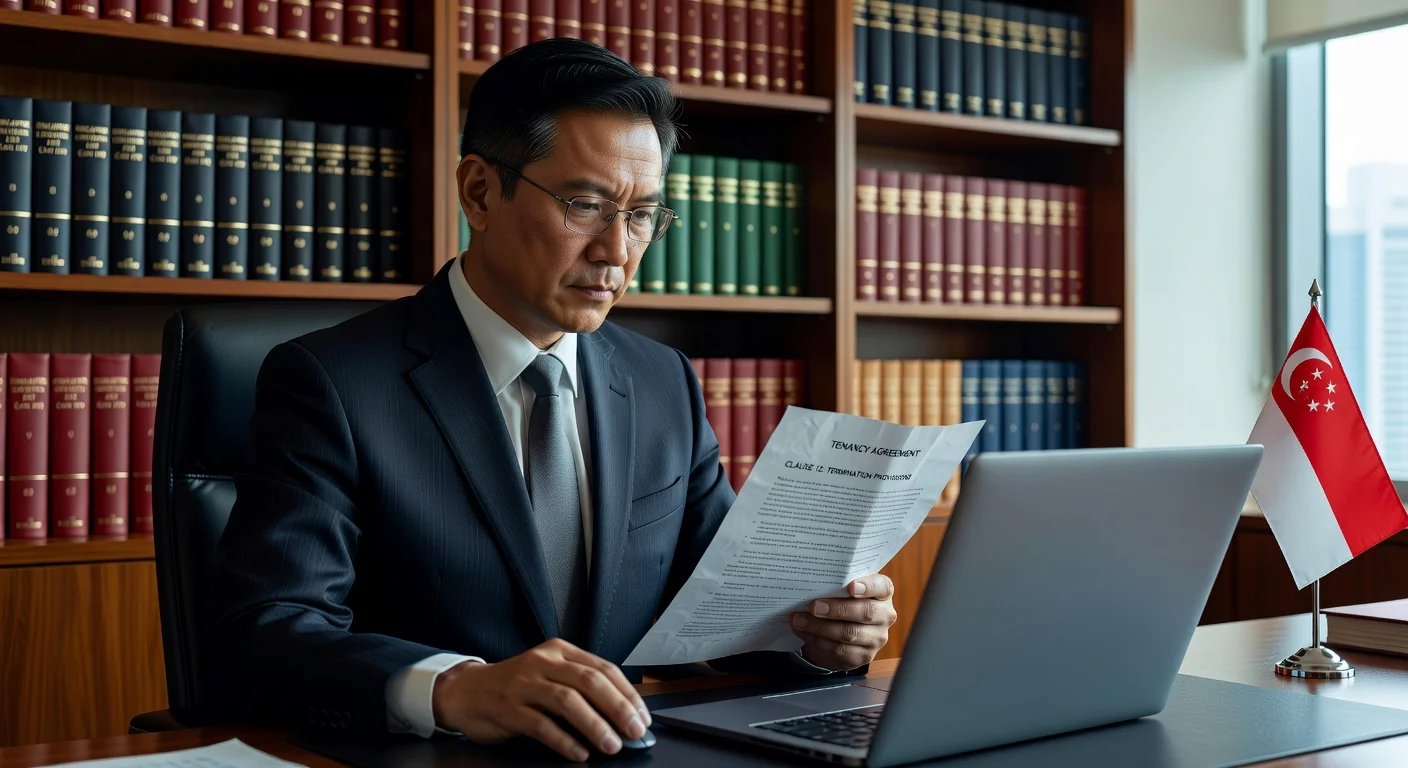
What are the key clauses to include in a tenancy agreement?
A Singapore tenancy agreement must clearly outline the rent amount and payment terms to avoid disputes, specifying the monthly rent, due date, and accepted payment methods like bank transfer or cheque.
The security deposit clause is crucial, typically equaling one to two months' rent, which covers damages or unpaid rent and is refundable at the end of the lease upon inspection.
- Lease duration: Defines the fixed term, such as 12 months, and renewal options.
- Utilities responsibilities: Assigns who pays for electricity, water, and internet, often the tenant unless stated otherwise.
- Subletting rules: Prohibits or permits subletting with landlord approval to maintain control over occupants.
For comprehensive guidance on these key clauses in Singapore tenancy agreement, explore Key Clauses to Understand in Your Singapore Tenancy Agreement. Opt for bespoke AI-generated legal documents via Docaro to ensure your agreement fits your specific needs.
How do recent legal changes affect tenancy agreements in Singapore?
In Singapore, the Residential Tenancies Act saw significant updates in 2023 aimed at enhancing tenant protections and standardizing rental agreements. These changes include stricter guidelines on security deposits and clearer dispute resolution mechanisms, ensuring fairer practices for both landlords and tenants in the HDB rental market.
Regarding COVID-19 related extensions, temporary measures allowing rental deferments expired by mid-2023, but the government introduced new support for vulnerable tenants through enhanced mediation services under the Community Disputes Resolution Tribunals. Landlords must now provide at least 30 days' notice for non-renewal in hardship cases, bolstering tenancy security.
HDB policy revisions on rental durations extended the maximum lease term for whole flats to 5 years from 2023, promoting stability for long-term renters. Additionally, subletting rules were tightened to prevent unauthorized short-term rentals, with penalties for violations to safeguard HDB tenancy agreements.
For compliant and customized Singapore tenancy agreements, consider using Docaro to generate bespoke AI-powered legal documents tailored to the latest regulations, ensuring comprehensive protection without relying on generic templates.
Staying informed about Singapore's evolving tenancy laws ensures your agreement remains compliant and enforceable. Generate bespoke tenancy documents with Docaro for tailored protection.
What are the key exclusions in a tenancy agreement?
In Singapore tenancy agreements, tenants are typically excluded from responsibility for major structural repairs, such as fixing the building's foundation or roof, which remain the landlord's duty under the law. This clause prevents disputes by clearly delineating maintenance obligations, ensuring tenants focus only on minor upkeep like painting or appliance fixes.
Prohibited activities in these agreements often include illegal subletting without landlord consent, pet ownership in no-pet zones, or running a business from the rental unit. Such exclusions safeguard property integrity and compliance with housing regulations, reducing conflicts over unauthorized use that could lead to eviction or legal penalties.
Tenancy contracts commonly feature force majeure exclusions for events like natural disasters or pandemics, relieving both parties from liability during uncontrollable circumstances. By outlining these limitations, agreements minimize disagreements on rent payments or lease terminations, promoting fair resolutions in unforeseen scenarios.
To avoid disputes in Singapore rental agreements, customize your document with Docaro's AI-generated legal tools for precise, tailored terms that address specific needs beyond generic formats.
How can you draft a legally binding tenancy agreement in Singapore?
1
Consult Docaro for Bespoke Draft
Use Docaro to generate a custom tenancy agreement tailored to your needs in Singapore. Follow the guide: [How to Draft a Legally Binding Tenancy Agreement in Singapore](/en-sg/a/draft-legally-binding-tenancy-agreement-singapore-2).
2
Specify All Terms Clearly
Detail rent, duration, deposit, responsibilities, and clauses in the agreement. Ensure all terms are precise and agreed upon by both parties.
3
Get IRAS Stamping if Required
Submit the agreement to IRAS for stamping within 14 days if stamp duty applies, to make it legally enforceable.
4
Have Both Parties Sign
Both tenant and landlord review and sign the stamped document in the presence of witnesses for validity.
What common mistakes should you avoid in tenancy agreements?
Navigating Singapore rental agreements requires caution to avoid common pitfalls like vague clauses that lead to disputes over maintenance or lease terms. Landlords and tenants often overlook these ambiguities, resulting in costly legal battles.
Another frequent issue is ignoring stamp duty requirements, which must be paid within 14 days of signing to prevent fines up to 20 times the duty amount. Failing to verify tenant background, such as employment or references, can expose landlords to unreliable occupants and potential property damage.
To prevent these pitfalls, always include clear, specific language in your agreement and consult professionals for compliance with Singapore's tenancy laws. For detailed guidance, explore Common Mistakes to Avoid in Singapore Rental Agreements.
Opt for bespoke AI-generated legal documents using Docaro to create customized rental agreements tailored to your needs, ensuring all clauses are precise and legally sound.
You Might Also Be Interested In
A Legal Contract Between A Landlord And Tenant Outlining The Terms For Renting A Residential Property In Singapore.
A Legal Contract Outlining The Terms For Renting A Specific Room Within A Shared Property, Including Rent, Duration, And Tenant Responsibilities.
A Legal Document That Extends The Term Of An Existing Residential Tenancy Between Landlord And Tenant Under Singapore Law.
A Formal Notice Served By A Landlord To Terminate A Tenancy And Require The Tenant To Vacate The Premises.
A Formal Written Notification From A Landlord To A Tenant Announcing An Upcoming Increase In Rent Amount, Typically Specifying The New Rate And Effective Date.
A Document Acknowledging Receipt Of A Security Deposit, Typically Used In Rental Agreements To Protect Against Damages Or Unpaid Rent.
A Legal Document Recording The State Of A Rental Property At The Start And End Of A Tenancy To Protect Both Landlord And Tenant From Disputes Over Damages.
A Formal Notice Served By A Landlord Or Tenant To Terminate A Tenancy Agreement At The End Of The Lease Term.
A Legal Contract Outlining Terms For Sharing A Residential Property Among Co-tenants In Singapore.
A Document Used To Record The Condition Of A Rental Property At The Start And End Of A Tenancy To Assess Damages And Responsibilities.
A Form Submitted By Prospective Tenants To Apply For Renting A Residential Property, Including Personal And Financial Details For Landlord Review.
A Legal Document Outlining The Rights And Obligations Of Property Owners Regarding A Shared Wall Between Adjacent Properties.
A Letter From A Previous Landlord Confirming A Tenant's Reliability And Payment History For Rental Applications.
A Corporate Document Outlining Internal Policies, Procedures, And Guidelines For Employees.