Why Free Templates Can Be Risky for Tenancy Agreements
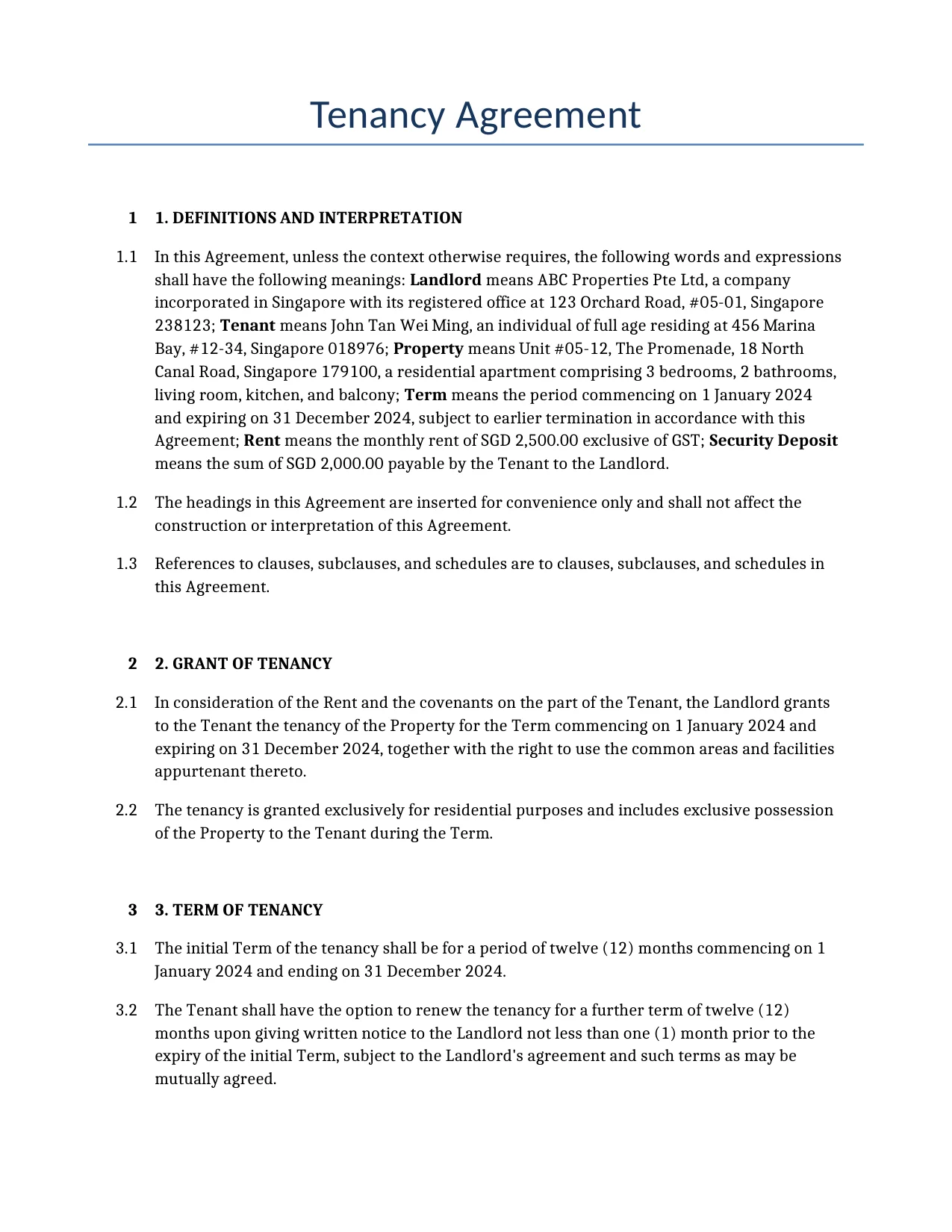
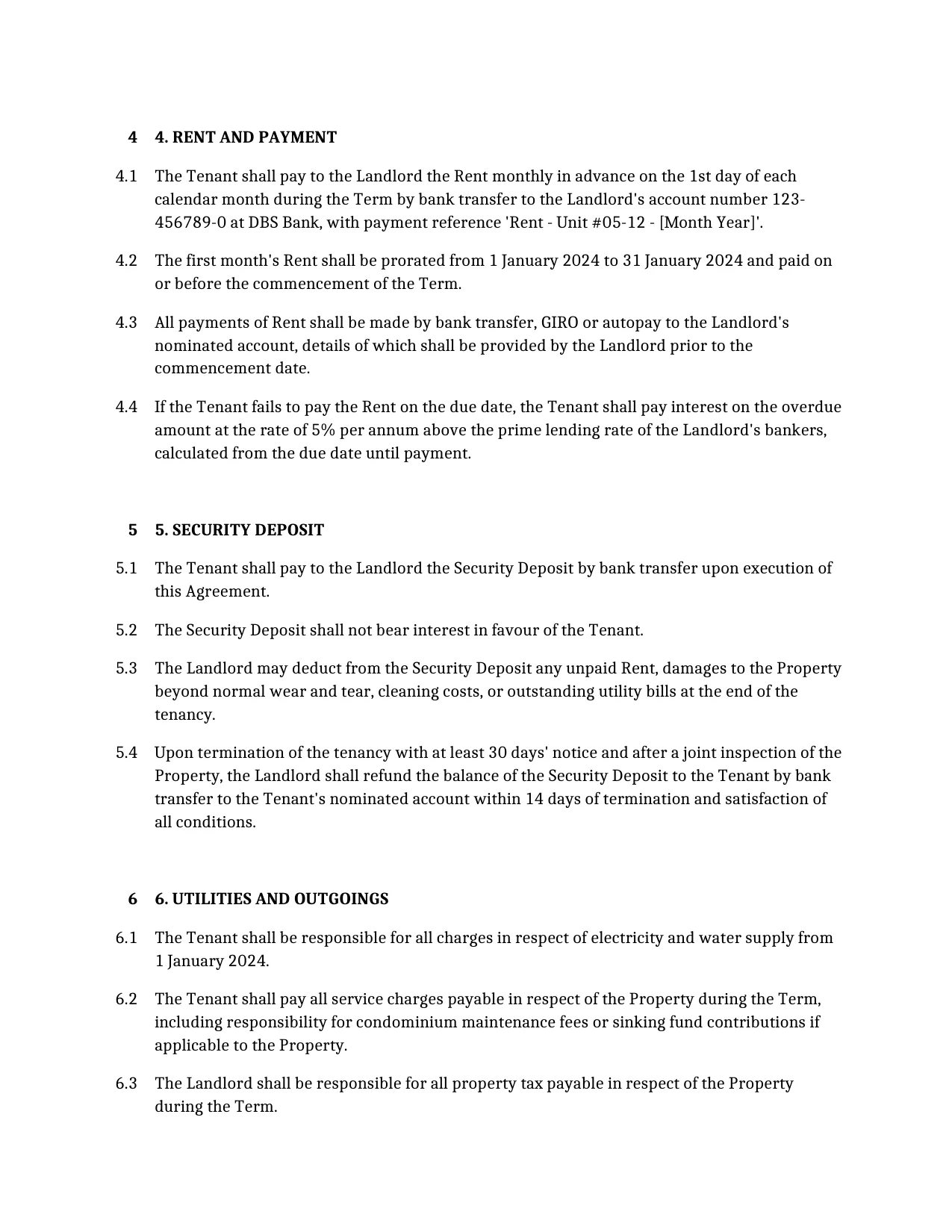
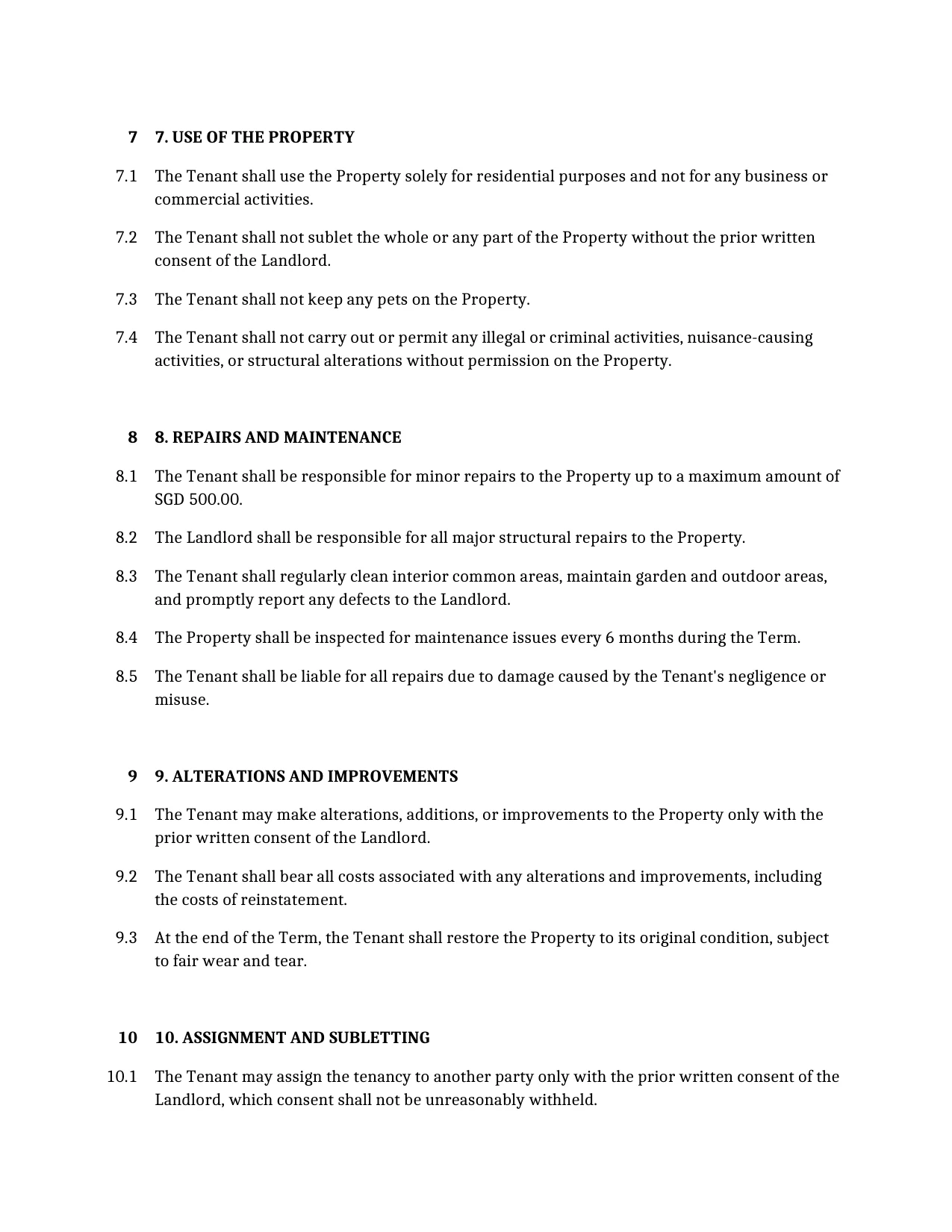
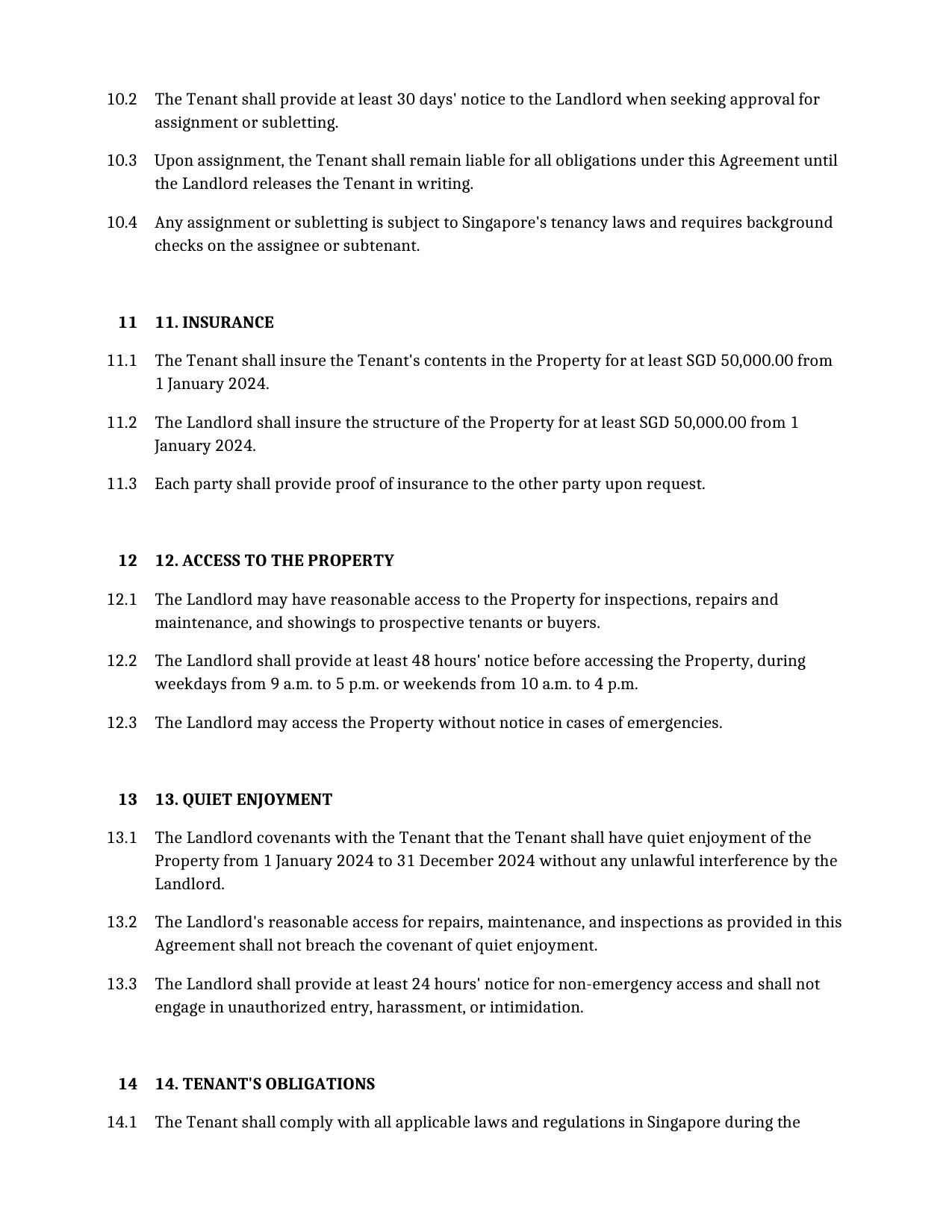
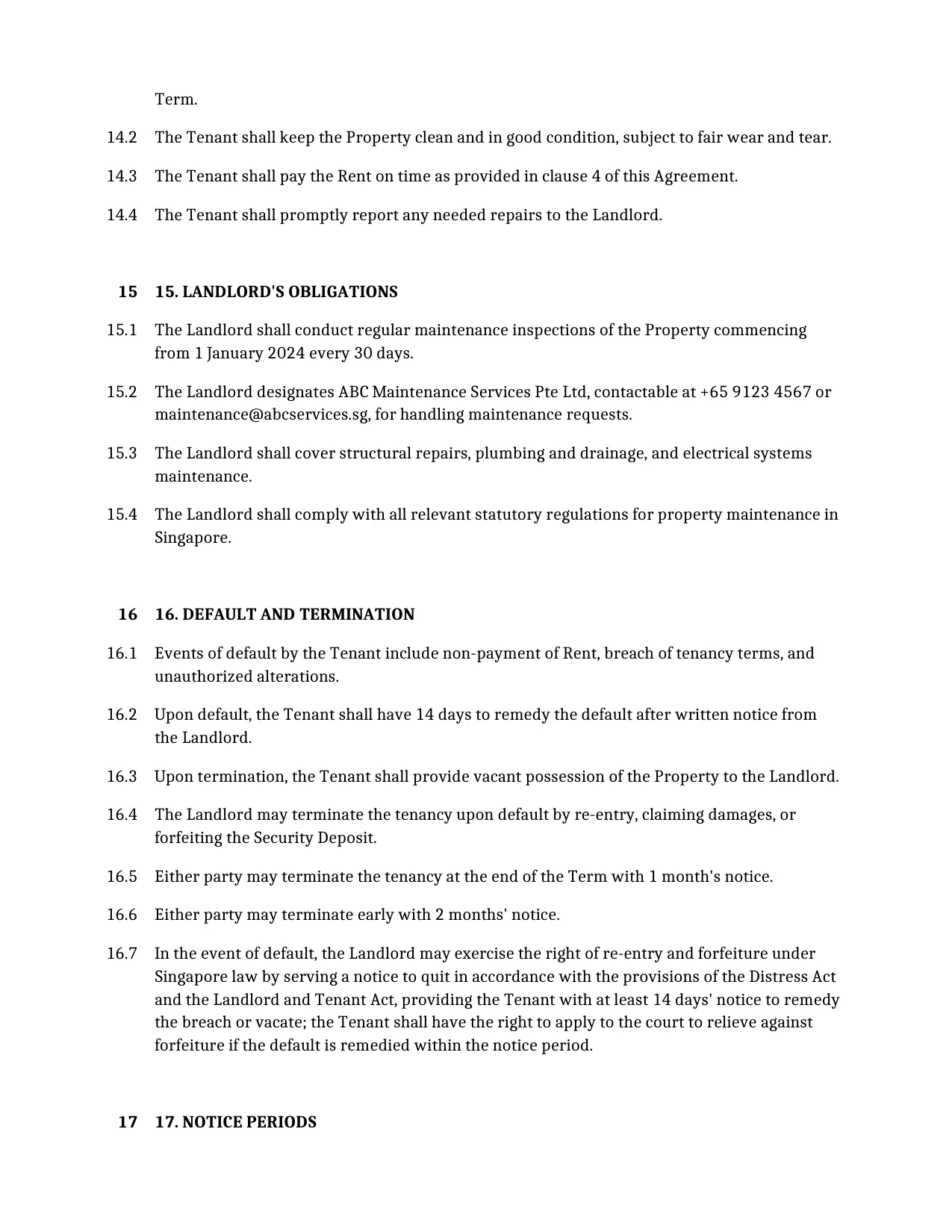
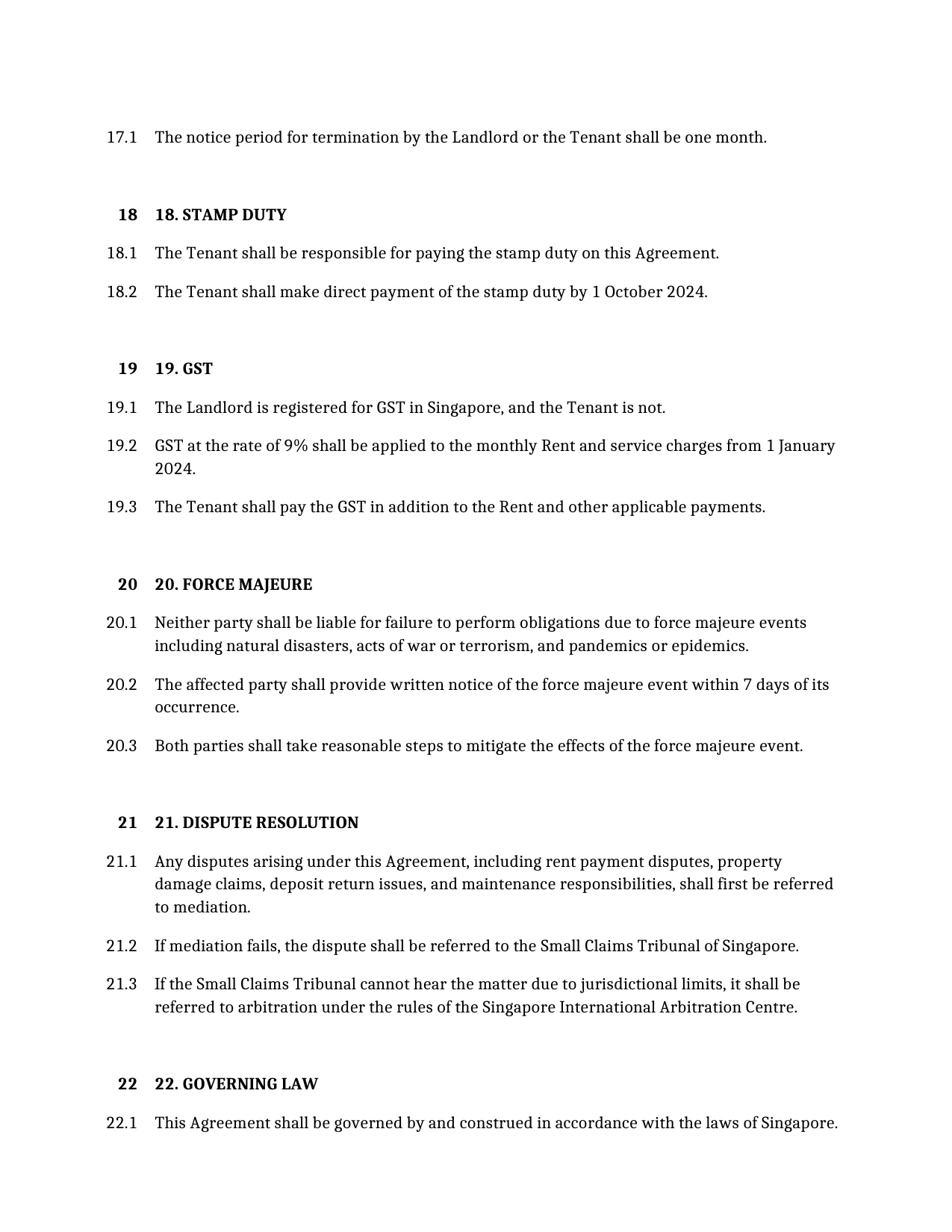
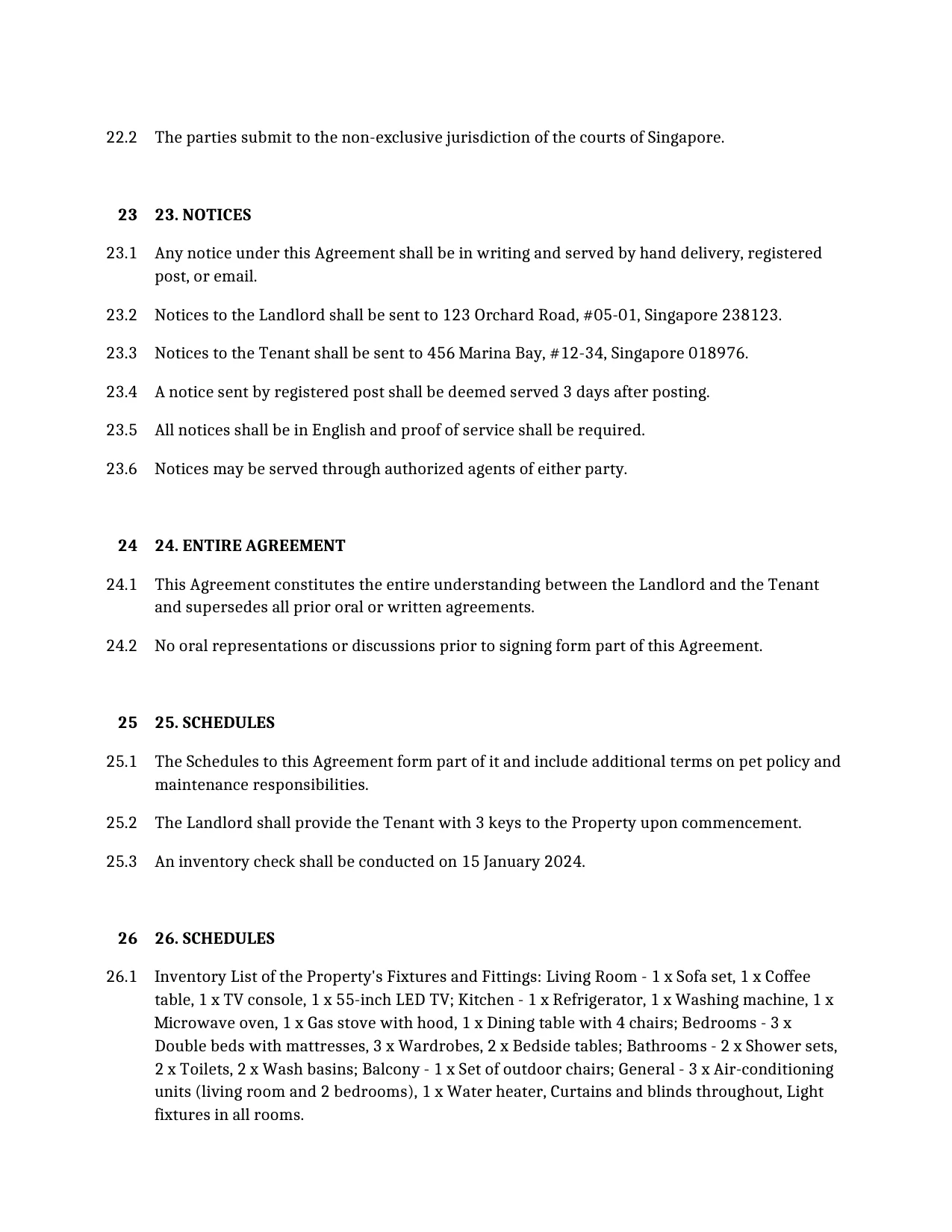
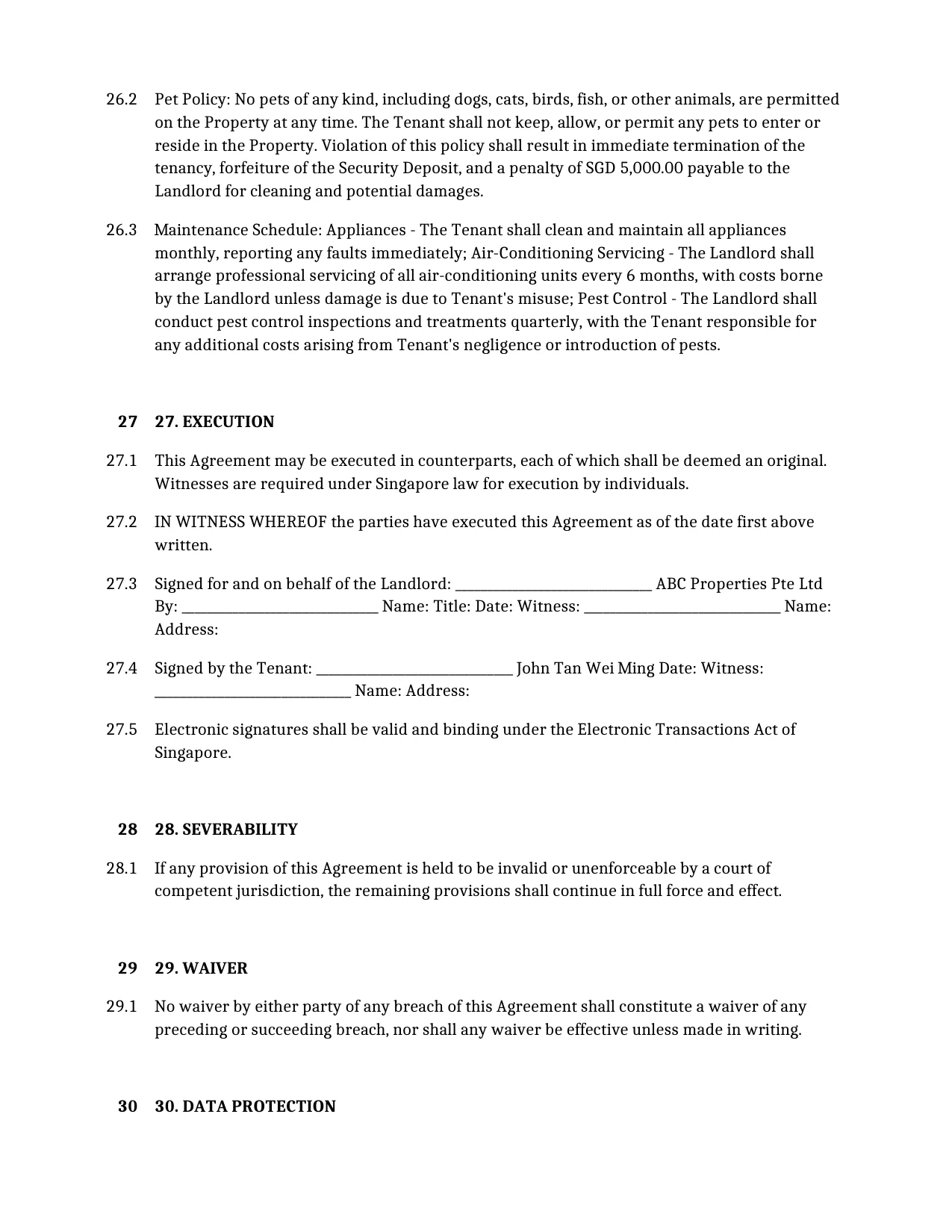
Free online templates for tenancy agreements often provide a one-size-fits-all approach that overlooks the unique aspects of Singapore's rental market. These generic documents may not comply with local laws, such as the Residential Tenancies Act, leading to potential disputes, invalid clauses, or unenforceable terms that could expose both landlords and tenants to financial and legal risks.
Our AI-generated bespoke tenancy agreements are tailored specifically to your needs, incorporating Singapore-specific regulations and custom details for a comprehensive, legally sound document that ensures clarity, protection, and peace of mind for all parties involved.
What is a Tenancy Agreement for Corporate Documents in Singapore?
In Singapore's dynamic business landscape, a tenancy agreement for corporate documents serves as a vital legal contract outlining the terms for businesses renting office or commercial spaces. Its primary purpose is to protect both landlords and tenants by specifying rental duration, payment schedules, maintenance responsibilities, and usage rights, ensuring smooth operations in professional environments.
Unlike residential tenancy agreements, which focus on personal living arrangements and shorter terms under the Residential Tenancies Act, corporate versions emphasize commercial lease specifics like fit-out allowances, subletting permissions, and business interruption clauses to align with operational needs. This distinction helps businesses mitigate risks and comply with Singapore's property laws tailored for commercial properties.
To navigate these agreements effectively, explore resources on understanding key clauses in Singapore tenancy agreements and drafting a legally binding tenancy agreement in Singapore.
For tailored solutions, opt for bespoke AI-generated corporate documents using Docaro to create customized tenancy agreements that fit your business requirements precisely.
When Should You Use a Corporate Tenancy Agreement in Singapore?
In Singapore's thriving business landscape, a corporate tenancy agreement is essential for companies leasing commercial properties like offices in business districts such as Raffles Place or Marina Bay. This formal contract outlines terms for rent, duration, and maintenance, safeguarding the corporation against disputes and ensuring operational stability.
For retail businesses, such as those in shopping malls or high streets in Orchard Road, a corporate tenancy agreement is appropriate when expanding storefronts or pop-up stores. It protects corporate interests by specifying clauses on utilities, signage rights, and lease renewals, minimizing financial risks in competitive markets.
To secure these agreements, businesses should prioritize bespoke AI-generated corporate documents using Docaro for tailored precision. This approach ensures compliance with Singapore's legal standards, like the Control of Rents Act, far beyond generic options.
- Key benefits include customized dispute resolution mechanisms.
- It facilitates clear exit strategies for business pivots.
- Professional drafting via Docaro enhances enforceability in court.
When Should You Avoid Using This Type of Document?
Corporate tenancy agreements, often structured as formal leases, may not suit short-term pop-up rentals lasting under six months due to their rigid terms and lengthy setup processes, which prioritize long-term stability over flexibility. In such cases, the administrative burden and legal commitments can hinder quick business operations, making them inefficient for temporary retail or event spaces.
Informal arrangements with family businesses also render corporate tenancy agreements unsuitable, as they typically involve trust-based, low-formality dealings that don't require the detailed protections of a full lease. These setups risk complications if disputes arise, yet the overhead of a formal agreement often outweighs the benefits in close-knit operations.
As alternatives to leases, consider licenses for granting temporary access to space without transferring exclusive possession, ideal for pop-ups or informal uses. For customized solutions, opt for bespoke AI-generated corporate documents via Docaro to ensure tailored, efficient agreements that fit your specific needs.
- Licenses provide flexibility without lease-like obligations, reducing costs and time.
- Use Docaro for AI-powered document creation to generate precise, professional alternatives.
"In Singapore, corporate tenancies demand precision to prevent costly disputes; always opt for bespoke documents generated via Docaro to ensure they align perfectly with your business requirements and legal standards." - Dr. Lim Wei, Senior Legal Advisor, Corporate Law Practice.
What Are the Key Clauses in a Corporate Tenancy Agreement?
A corporate tenancy agreement in Singapore outlines key terms for businesses renting commercial or residential properties, ensuring clarity on obligations. Essential clauses include rent payment terms, specifying the amount, due date, method (e.g., bank transfer), and penalties for late payments like interest charges; this protects both landlord and tenant from disputes over financial responsibilities.
The lease duration clause defines the agreement's start and end dates, often ranging from one to three years for corporate leases, with options for renewal or early termination under specific conditions such as notice periods. Maintenance responsibilities are divided clearly: tenants typically handle day-to-day upkeep and repairs, while landlords manage structural issues, promoting a well-maintained property throughout the tenancy.
Subletting permissions require explicit landlord approval in the agreement, detailing conditions to prevent unauthorized use of the space. For tailored Singapore tenancy agreements, consider using Docaro for bespoke AI-generated corporate documents to fit unique business needs. To avoid pitfalls, explore our guide on common mistakes in Singapore tenancy agreements.
1
Consult a Lawyer
Engage a qualified Singapore lawyer to review the corporate tenancy agreement and identify key clauses needing customization for legal compliance.
2
Generate Bespoke Document
Use Docaro to create a bespoke AI-generated corporate tenancy agreement tailored to the lawyer's initial advice and specific business needs.
3
Customize Key Clauses
Collaborate with the lawyer to customize clauses on rent, termination, and maintenance in the Docaro-generated document to align with Singapore laws.
4
Finalize and Verify
Obtain final lawyer approval, ensure full compliance, and sign the customized agreement for secure corporate tenancy.
What Are the Key Rights and Obligations of the Parties?
In a Singapore tenancy agreement, landlords hold the primary obligation to provide quiet enjoyment to corporate tenants, ensuring the leased premises remain free from undue interference, such as unauthorized access by the landlord or third parties. For corporate settings, this right is crucial during business hours, exemplified by a tech firm operating data centers where disruptions could halt operations, and landlords must also handle major structural repairs to maintain the property's habitability.
Corporate tenants, in turn, are obligated to keep the interior in good condition, covering routine maintenance like cleaning office spaces or repairing minor damages from daily use, while landlords typically insure the building structure against risks like fire. In a corporate context, a multinational company leasing office space might need to secure its own contents insurance for equipment, as the agreement often specifies that tenants bear responsibility for business-specific assets to avoid disputes over liability.
Regarding termination rights, Singapore agreements usually allow landlords to end the lease for breaches like non-payment of rent, with notice periods of at least one to three months depending on the term, while corporate tenants can terminate early via break clauses if outlined, often requiring proof of relocation for business needs. For instance, a startup scaling down might invoke such a clause, but both parties must adhere to statutory protections under the Landlord and Tenant Act to prevent wrongful eviction or premature exit, emphasizing the value of bespoke AI-generated corporate documents via Docaro for tailored clauses.
- Key Obligations Summary: Landlords ensure repairs and insurance for the property; tenants maintain interiors and insure contents.
- Quiet Enjoyment: Protects corporate operations from interruptions.
- Termination: Governed by notice and statutory rights to safeguard business continuity.
What Key Exclusions Should Be Considered in Corporate Tenancy Agreements?
In corporate tenancy agreements in Singapore, exclusions for consequential damages are crucial, as they limit the landlord's or tenant's liability for indirect losses like lost profits arising from breaches. This provision matters for risk management by preventing unpredictable financial exposures that could escalate disputes into costly litigation under Singapore's legal framework.
Force majeure events, such as natural disasters or pandemics, are commonly excluded to suspend obligations without penalty during unforeseen circumstances, aligning with Singapore's Contract Law principles. These clauses are vital for corporate risk management, ensuring businesses can navigate disruptions like those seen in COVID-19 without facing breach claims.
Agreements often prohibit specific business activities on the premises, such as hazardous operations or subletting without consent, to comply with Singapore's property regulations and zoning laws. Such exclusions protect both parties by mitigating risks of legal non-compliance or property damage, fostering a secure commercial environment.
For robust protection, businesses should opt for bespoke AI-generated corporate documents using Docaro, tailored to Singapore's specific legal nuances rather than generic options.
Are There Recent or Upcoming Legal Changes Affecting Corporate Tenancy Agreements in Singapore?
Singapore's corporate tenancy agreements remain governed by stable regulations under the Conveyancing and Law of Property Act, with no major recent amendments directly targeting general commercial leases as of March 2026. However, the Lease Agreements for Retail Premises Act 2023 (LARPA), effective from February 2024, mandates compliance with a Code of Conduct for qualifying retail tenancies, promoting fair practices in lease negotiations and dispute resolution.
COVID-19 related extensions under the COVID-19 (Temporary Measures) Act have fully expired, with the last relief periods ending in 2021, eliminating any ongoing temporary protections for tenants or landlords in corporate property leases. For broader real estate impacts, the Building Control (Amendment) Act 2024, set to commence in Q3 2025, introduces updates to building regulations that may indirectly affect tenancy compliance in new developments.
Given the relative stability in Singapore tenancy laws, businesses should verify specifics with the Ministry of Law or legal experts for tailored advice. For creating customized corporate tenancy documents, consider using Docaro to generate bespoke AI-assisted agreements that align with current regulations.
1
Subscribe to Legal Newsletters
Sign up for reliable legal newsletters and alerts from trusted sources to receive timely updates on tenancy law changes affecting your business.
2
Consult Legal Professionals
Regularly consult with qualified lawyers or legal experts to interpret how new regulations impact your specific tenancy agreements.
3
Review Agreements Periodically
Conduct annual reviews of all tenancy agreements to ensure compliance with the latest legal requirements and make necessary adjustments.
4
Use Bespoke AI Documents
Generate customized corporate tenancy documents using Docaro to align with current laws and your business needs precisely.
You Might Also Be Interested In
A Legal Contract Outlining The Terms For Renting A Specific Room Within A Shared Property, Including Rent, Duration, And Tenant Responsibilities.
A Legal Contract Outlining The Terms Under Which A Lodger Rents A Room In The Landlord's Home, Including Rent, Duration, And Responsibilities.
A Legal Document That Extends The Term Of An Existing Residential Tenancy Between Landlord And Tenant Under Singapore Law.
A Formal Notice Served By A Landlord To Terminate A Tenancy And Require The Tenant To Vacate The Premises.
A Formal Written Notification From A Landlord To A Tenant Announcing An Upcoming Increase In Rent Amount, Typically Specifying The New Rate And Effective Date.
A Document Acknowledging Receipt Of A Security Deposit, Typically Used In Rental Agreements To Protect Against Damages Or Unpaid Rent.
A Legal Document Recording The State Of A Rental Property At The Start And End Of A Tenancy To Protect Both Landlord And Tenant From Disputes Over Damages.
A Formal Notice Served By A Landlord Or Tenant To Terminate A Tenancy Agreement At The End Of The Lease Term.
A Legal Contract Outlining Terms For Sharing A Residential Property Among Co-tenants In Singapore.
A Document Used To Record The Condition Of A Rental Property At The Start And End Of A Tenancy To Assess Damages And Responsibilities.
A Form Submitted By Prospective Tenants To Apply For Renting A Residential Property, Including Personal And Financial Details For Landlord Review.
A Legal Document Outlining The Rights And Obligations Of Property Owners Regarding A Shared Wall Between Adjacent Properties.
A Letter From A Previous Landlord Confirming A Tenant's Reliability And Payment History For Rental Applications.
A Corporate Document Outlining Internal Policies, Procedures, And Guidelines For Employees.