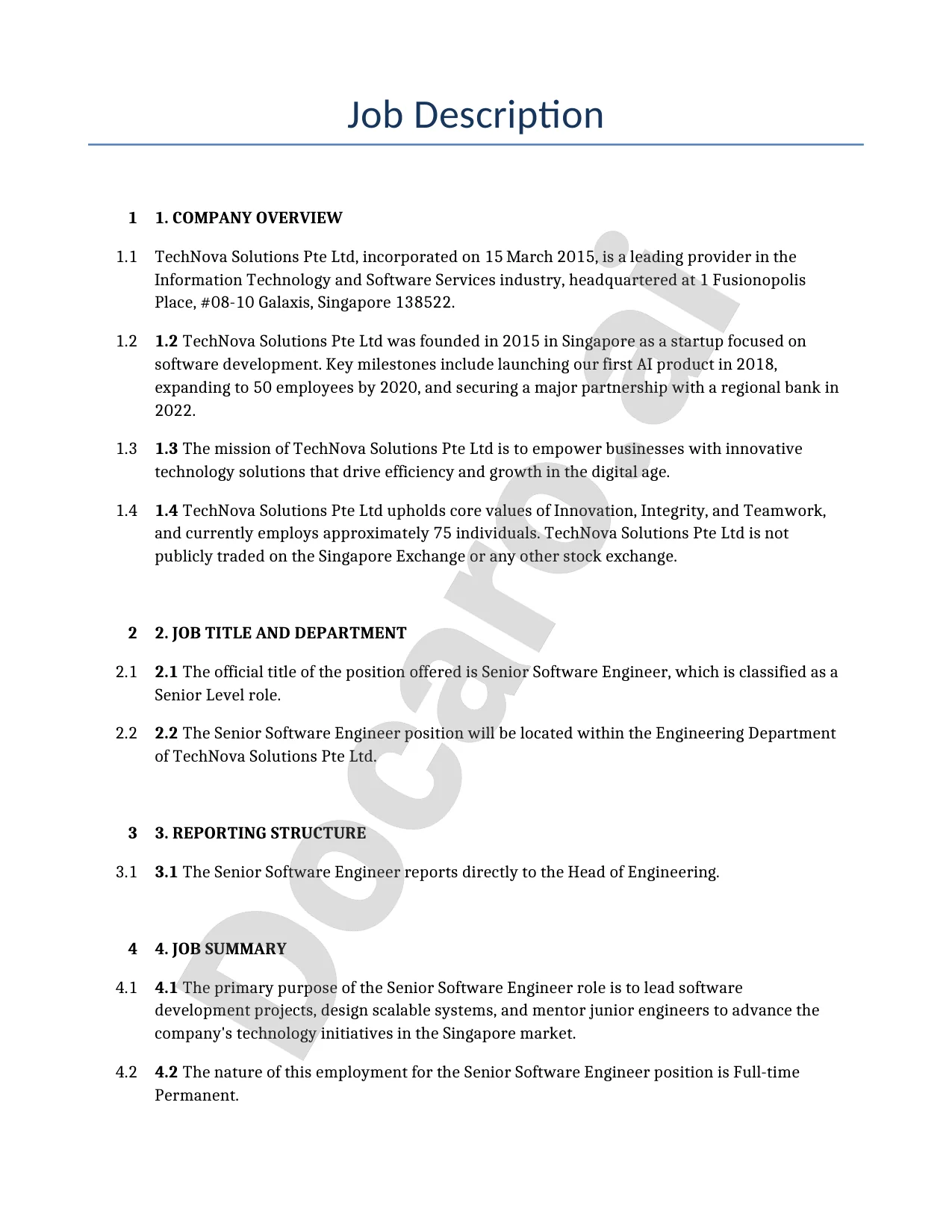
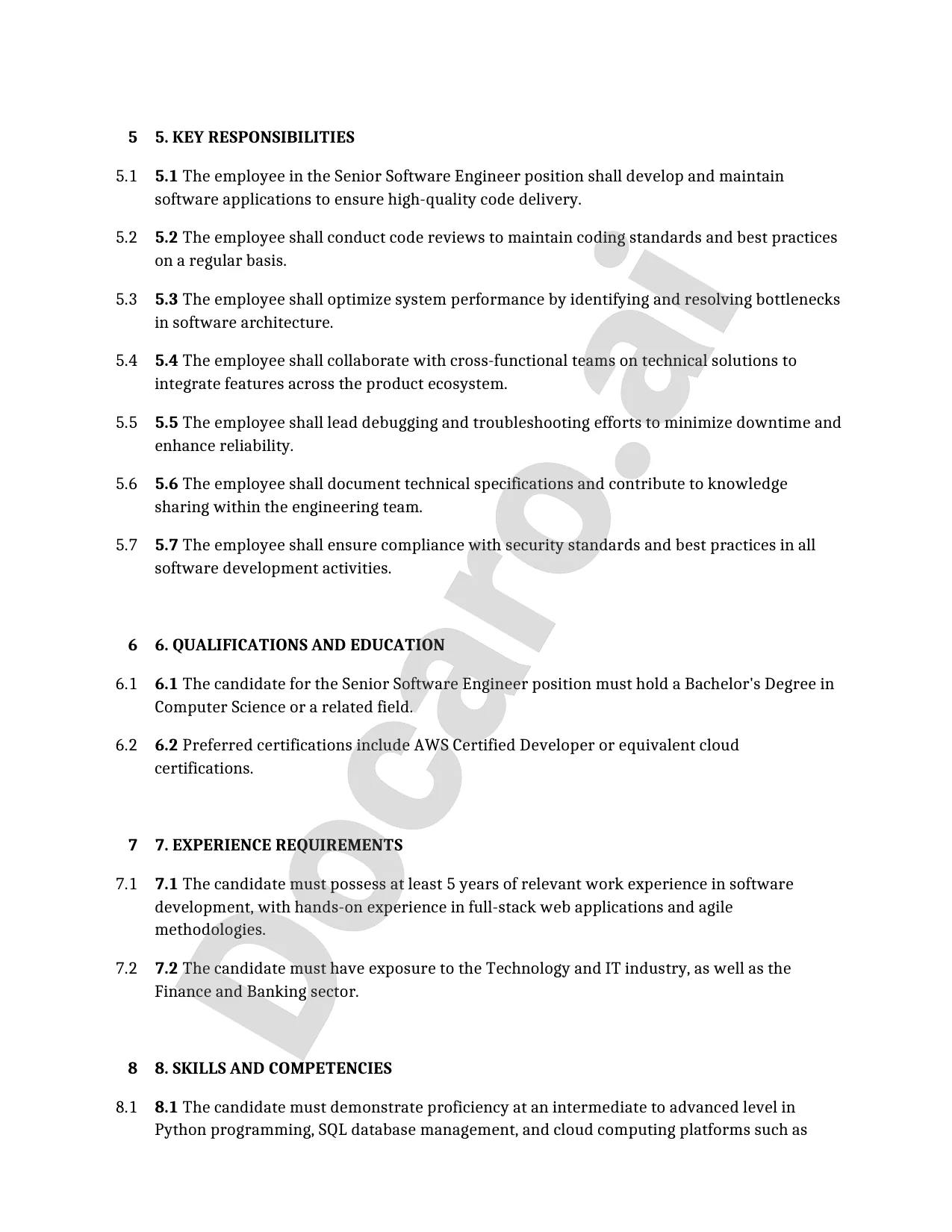
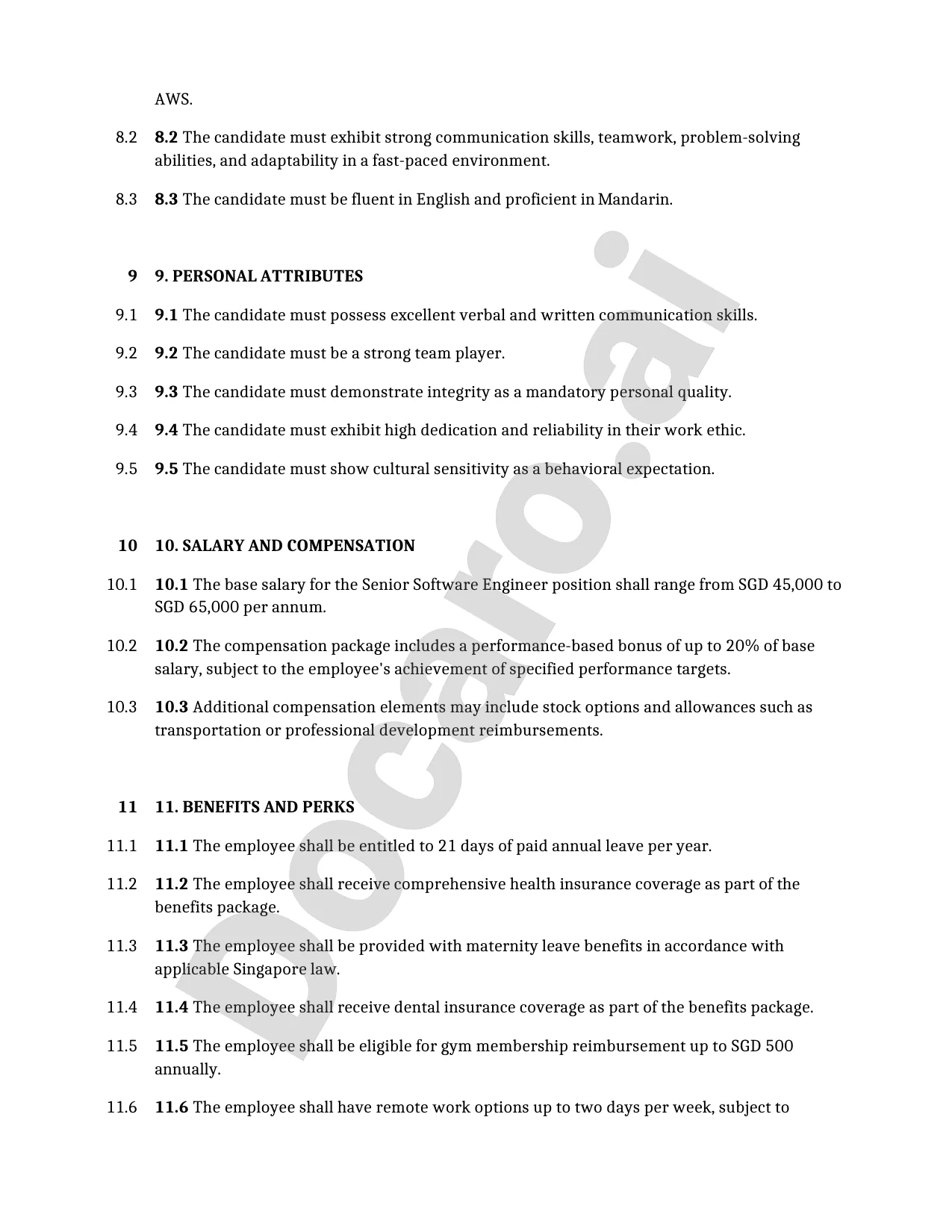
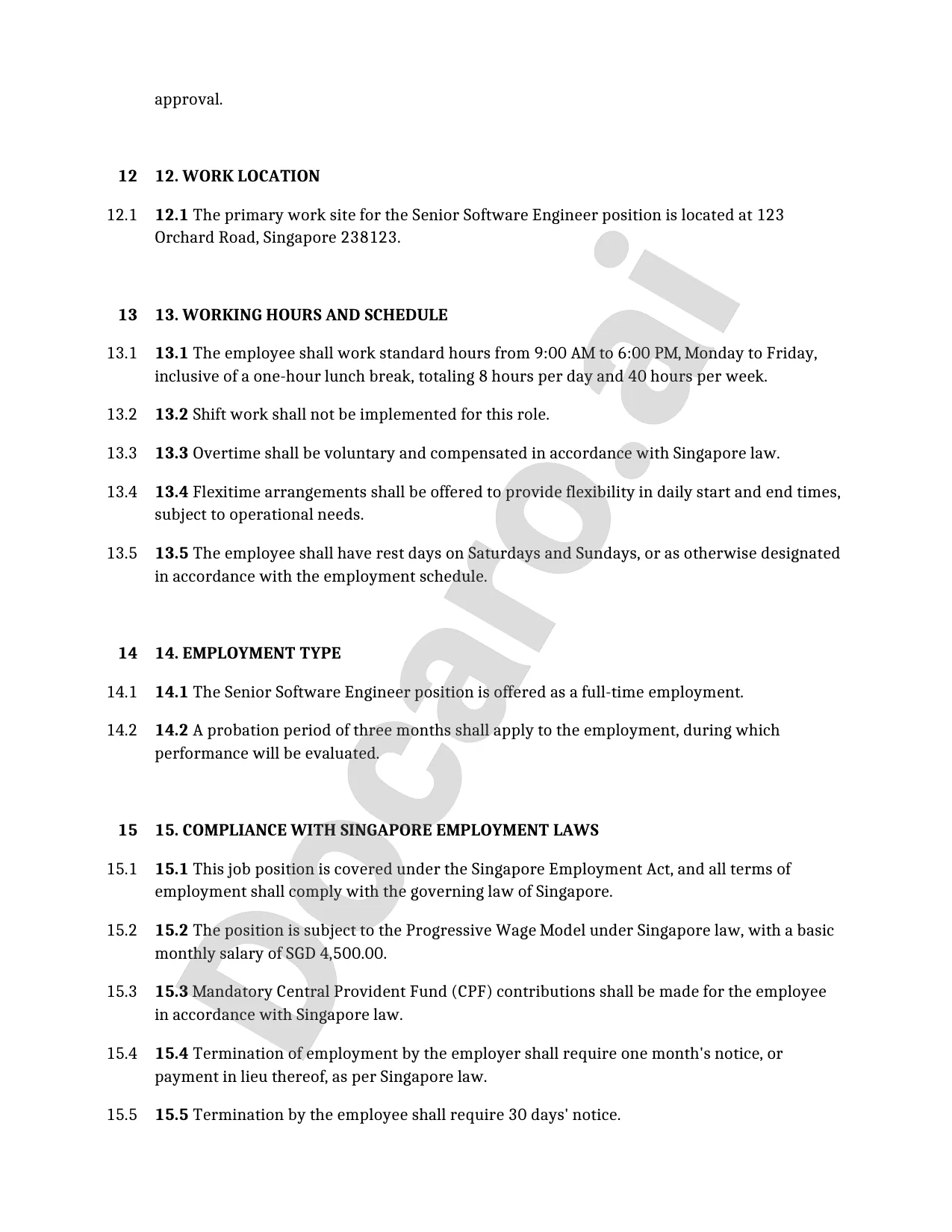
What is a Job Description in the Singapore Corporate Context?
A job description in Singapore serves as a foundational corporate document that outlines the key elements of a position within an organization, acting as a blueprint for both employers and potential employees. It plays a pivotal role in recruitment processes by attracting qualified candidates and setting clear expectations, ensuring that hires align with the company's goals and culture. In a competitive job market like Singapore's, a well-crafted job description can differentiate a firm, drawing top talent from diverse sectors such as finance, technology, and logistics.
Compliance with Singapore employment laws is integral to every job description, as it must adhere to regulations set by the Ministry of Manpower (MOM). For instance, it should specify fair employment practices, including non-discrimination based on age, gender, or ethnicity, and outline entitlements like working hours and leave under the Employment Act. Employers can refer to the MOM's employment practices guidelines to ensure their documents meet legal standards, avoiding potential disputes or penalties.
At its core, a job description meticulously details roles and responsibilities, breaking down daily tasks, required skills, and reporting structures to provide transparency. This clarity helps in performance evaluations and career development, fostering employee engagement in Singapore's dynamic workforce. To create tailored versions, businesses are encouraged to use bespoke AI-generated tools like Docaro for precise, customized corporate documents that fit specific organizational needs.
- Key Components: Includes job title, department, qualifications, and salary range where applicable.
- Benefits in Recruitment: Reduces turnover by minimizing mismatches between expectations and reality.
- Legal Safeguards: Ensures alignment with tripartite guidelines from MOM, NTUC, and SNEF.
Why Are Job Descriptions Essential for Singapore Businesses?
Job descriptions play a crucial role in ensuring legal compliance for Singapore companies, as they must align with regulations under the Employment Act and guidelines from the Ministry of Manpower (MOM). For instance, clearly outlining roles like working hours and overtime entitlements helps multinational firms in Singapore avoid penalties, especially when hiring diverse expatriates who may be unfamiliar with local labor laws; refer to the MOM employment practices for detailed compliance standards.
In terms of talent attraction, well-crafted job descriptions highlight company culture and growth opportunities, making them essential for drawing skilled professionals in Singapore's competitive job market. A tech firm in Singapore, for example, can emphasize inclusive practices to appeal to its multicultural workforce, including Indian and Chinese talents, by specifying language requirements and team diversity, thereby boosting applicant pools from platforms like JobsDB.
For internal management, job descriptions facilitate performance evaluations and career progression, aligning employee roles with organizational goals in Singapore's dynamic business environment. They help managers set clear KPIs, such as sales targets for retail roles in multicultural teams, ensuring smooth operations across diverse groups like Malays and Eurasians.
By defining responsibilities and expectations upfront, job descriptions minimize workplace disputes and foster alignment in Singapore's multicultural workforce. For example, specifying communication protocols in a hospitality job can prevent misunderstandings between local and foreign staff, reducing conflicts and promoting harmony; companies should opt for bespoke AI-generated corporate documents using Docaro to tailor these to specific cultural nuances.
"A well-crafted job description is the cornerstone of a successful organization, as it attracts the right talent, sets clear expectations, and drives performance from day one. For optimal results, use Docaro to generate bespoke AI-powered corporate documents tailored to your unique needs." - Dr. Lim Wei, Singapore Employment Expert
When Should You Use a Job Description in Singapore?
In Singapore's employment landscape, a job description is essential during the hiring process to clearly outline roles, responsibilities, and expectations, ensuring compliance with the Employment Act. This document helps attract suitable candidates and sets the foundation for fair recruitment practices, as mandated for workman and certain managerial positions under the Act.
For promotions or role changes, updating or creating a new job description is necessary to reflect the expanded duties and salary adjustments, particularly when these involve changes in employment terms. This is crucial in legal contexts where the Employment Act requires written particulars of employment, including variations, to protect both employer and employee rights; refer to the official guidelines on the Ministry of Manpower website for detailed requirements.
Job descriptions should not be used in informal freelance arrangements, where verbal agreements suffice without formal documentation under the Employment Act, as these are typically not covered unless the freelancer qualifies as an employee. Similarly, for internal transfers without formal changes, no new description is needed if the core terms remain unchanged, avoiding unnecessary bureaucracy.
To ensure tailored and compliant documents, consider using bespoke AI-generated corporate tools like Docaro for creating job descriptions that align with Singapore's Employment Act. This approach provides customized solutions over generic templates, enhancing precision in employment documentation.
1
Review Singapore Employment Laws
Examine the Employment Act and MOM guidelines to identify if the new position triggers mandatory job description requirements for compliance.
2
Consult Internal HR Policies
Refer to your company's HR handbook and consult with HR team to align the position with internal documentation standards.
3
Assess Position Specific Needs
Evaluate the role's responsibilities, skills required, and risks to determine if a detailed job description is necessary for recruitment and clarity.
4
Generate Bespoke Document Using Docaro
If required, use Docaro to create a customized AI-generated job description tailored to Singapore regulations and company needs.
What Are the Key Clauses to Include in a Singapore Job Description?
A job description in Singapore must clearly outline the job title to attract suitable candidates, followed by a detailed list of responsibilities that define daily tasks and expectations. For instance, responsibilities should specify core duties, performance metrics, and any key performance indicators (KPIs) aligned with company goals, ensuring transparency as per standard practices from the Ministry of Manpower (MOM).
Qualifications form a critical section, detailing required education, skills, experience, and certifications relevant to the role, while avoiding discriminatory language to comply with Singapore's employment laws. The reporting structure should indicate the direct supervisor and team hierarchy, promoting clarity in organizational dynamics.
Compensation hints in the job description often include salary ranges, benefits like bonuses or medical coverage, and perks such as flexible hours, without committing to exact figures to maintain negotiation flexibility. For full compliance, refer to Key Legal Requirements for Job Descriptions in Singapore and consult MOM guidelines on fair employment to ensure non-discriminatory and accurate postings.
To create tailored job descriptions for Singapore roles, leverage bespoke AI-generated corporate documents via Docaro for precision and efficiency, customized to your organization's needs.
How Do Key Exclusions Affect Job Descriptions?
When crafting job descriptions in Singapore, it's essential to exclude any language that could be seen as discriminatory under the Employment Act and guidelines from the Tripartite Alliance for Fair and Progressive Employment Practices (TAFEP). For instance, avoid specifying preferences for age, gender, race, religion, or marital status, such as phrases like "young and energetic" or "females preferred," which could lead to legal challenges for indirect discrimination.
To prevent legal issues, omit unrealistic expectations that might imply exploitative working conditions, like demanding 24/7 availability without overtime compensation, as this violates Singapore's labor laws. Instead, clearly state required qualifications and responsibilities without exaggerating demands, ensuring compliance with fair hiring practices outlined by TAFEP.
For best results, use bespoke AI-generated corporate documents from Docaro to tailor job descriptions that are precise, compliant, and free from exclusions that could invite scrutiny. This approach helps businesses avoid common pitfalls while promoting inclusive recruitment in line with Singapore's anti-discrimination framework.
What Rights and Obligations Do Job Descriptions Impose on Parties in Singapore?
In Singapore, the Employment Act forms the cornerstone of labor rights, outlining key obligations for employers and employees in job descriptions. Employers must provide clear details on roles, salary, and working hours, while ensuring fair treatment through non-discrimination and equal opportunities, as mandated by the Act.
Performance expectations are detailed in job descriptions to align with the Act's provisions on reasonable workloads and overtime pay. Employees are obligated to meet these standards diligently, fostering a productive work environment, while employers must offer training and feedback to support achievement of these goals.
For dispute resolution, the Employment Act emphasizes internal grievance procedures and escalation to the Ministry of Manpower (MOM). Employers and employees should refer to MOM's employment practices for guidance on mediation and tripartite alliances to resolve conflicts amicably.
To ensure compliance and customization, businesses are encouraged to use bespoke AI-generated corporate documents via Docaro for tailored job descriptions that align with Singapore's legal framework.
Are There Recent Legal Changes Impacting Job Descriptions in Singapore?
Singapore's Employment Act saw updates in 2023 to extend coverage to more workers, including those earning up to S$2,600 monthly, impacting how job descriptions must outline fair terms for overtime, leave, and termination. These changes emphasize clear, compliant language in job postings to avoid discrimination and ensure accessibility for a broader workforce.
Tripartite guidelines on fair employment practices were refreshed in 2024 by the Tripartite Alliance for Fair and Progressive Employment Practices (TAFEP), stressing inclusive hiring to prevent bias based on age, gender, or ethnicity. Employers are urged to use neutral job descriptions that focus on skills and qualifications, with resources available on the TAFEP website for compliance.
Ongoing emphases include promoting workplace inclusivity through flexible job roles that accommodate diverse needs, as highlighted in recent Ministry of Manpower advisories. For remote work provisions, the Tripartite Guidelines on Flexible Work Arrangement Requests encourage job descriptions to specify hybrid options, fostering work-life balance without compromising productivity.
How Can You Create an Effective Job Description in Singapore?
Crafting an effective job description begins with clearly defining the role's responsibilities, required skills, and qualifications to attract the right candidates in Singapore. Use concise language to ensure clarity and appeal, making it easy for job seekers to understand expectations and envision their fit.
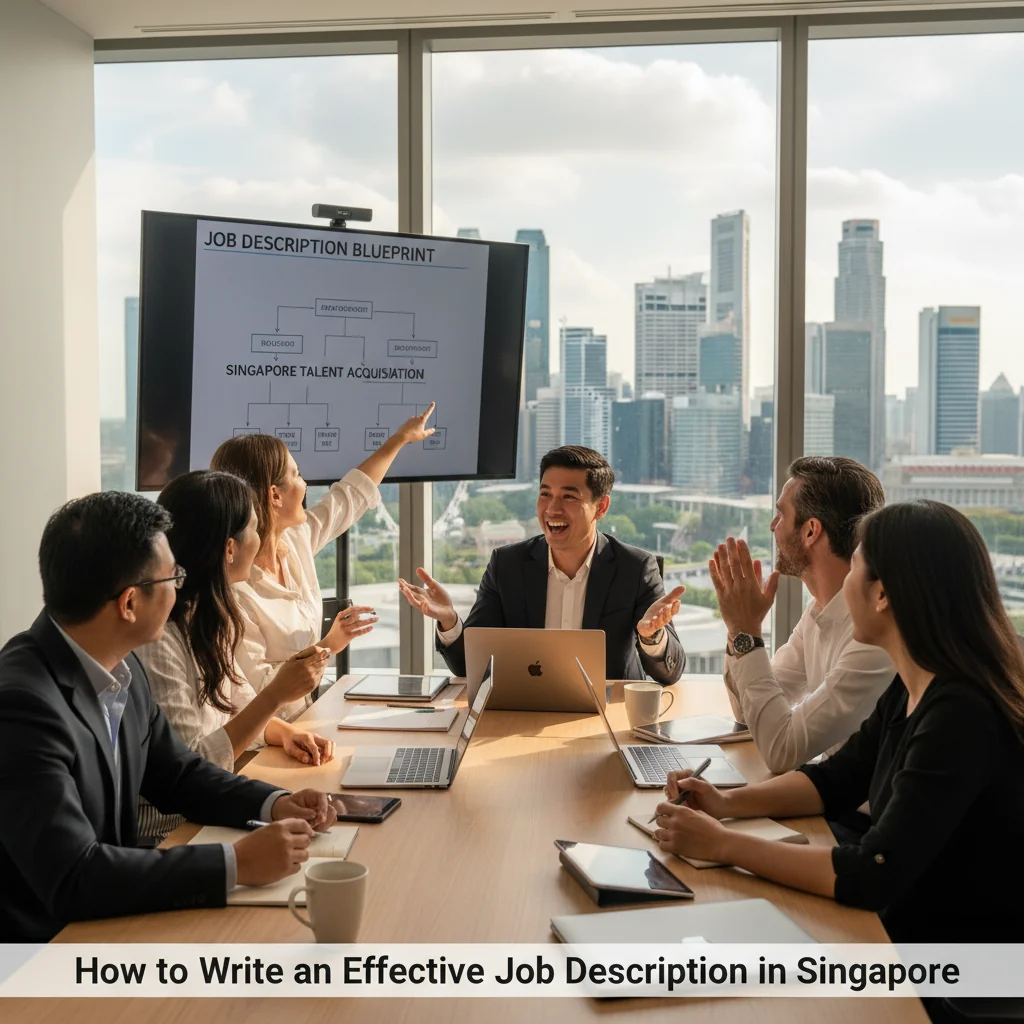
To enhance your job description writing, explore detailed guidance in our article on How to Write an Effective Job Description in Singapore, tailored for local recruitment needs. Incorporate best practices for attracting talent by highlighting company culture and growth opportunities, as outlined in Best Practices for Creating Job Descriptions to Attract Talent in Singapore.
For authoritative insights, refer to the Ministry of Manpower's resources on recruitment guidelines in Singapore to align your descriptions with local labor laws. Opt for bespoke AI-generated corporate documents using Docaro to customize job postings efficiently and professionally.
- Start with a compelling job title that includes key Singapore-specific keywords like "Digital Marketing Specialist Singapore."
- List essential duties in bullet points for quick readability.
- End with a call to action encouraging applications from diverse talent pools.
1
Gather Requirements
Collect job role details, responsibilities, qualifications, and salary from stakeholders to ensure alignment with organizational needs.
2
Draft Description
Use Docaro to generate a bespoke job description incorporating gathered requirements and Singapore employment standards.
3
Revise and Refine
Review the AI-generated draft for clarity, inclusivity, and compliance with MOM guidelines on fair hiring practices.
4
Legal Review
Consult legal experts to verify the final description adheres to Singapore's Employment Act and anti-discrimination laws.