What is a Warehouse Lease Agreement in Singapore?
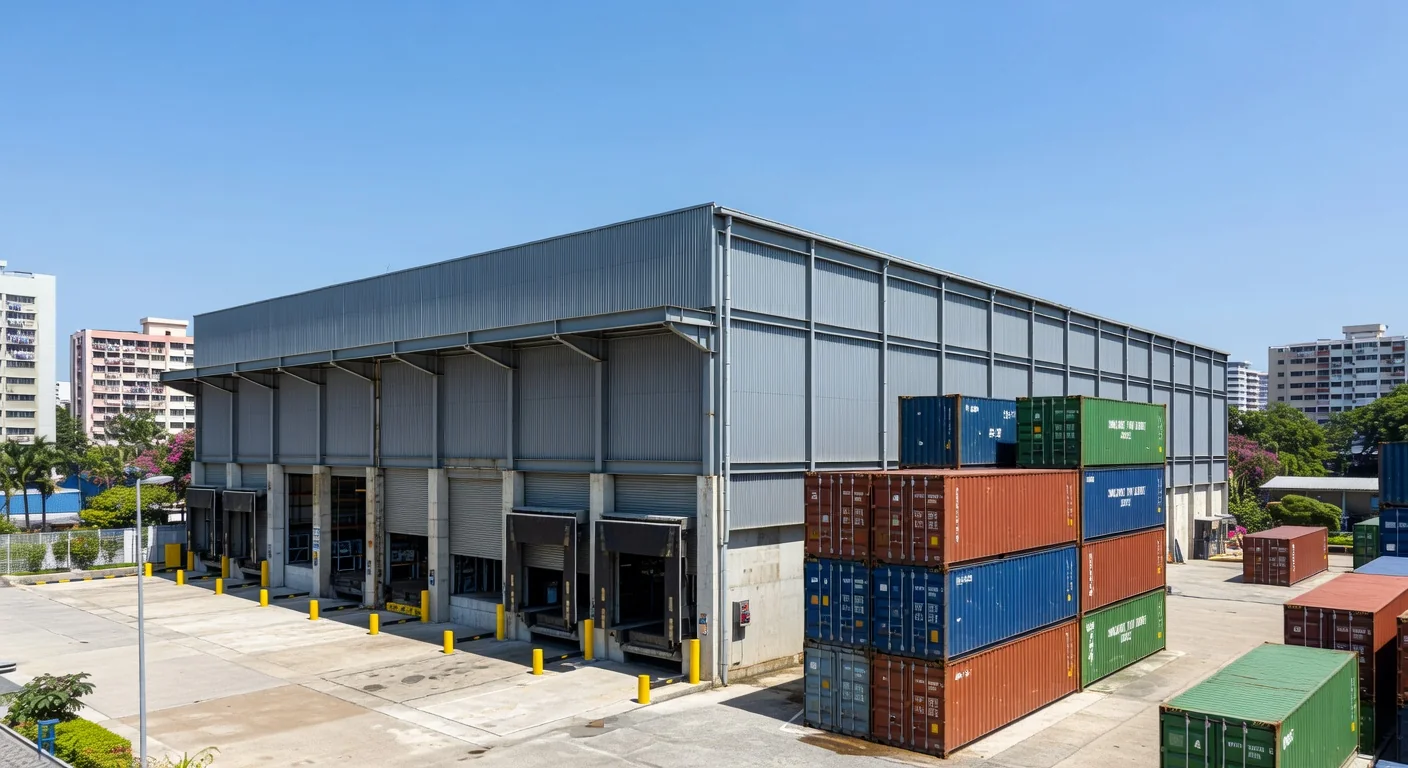
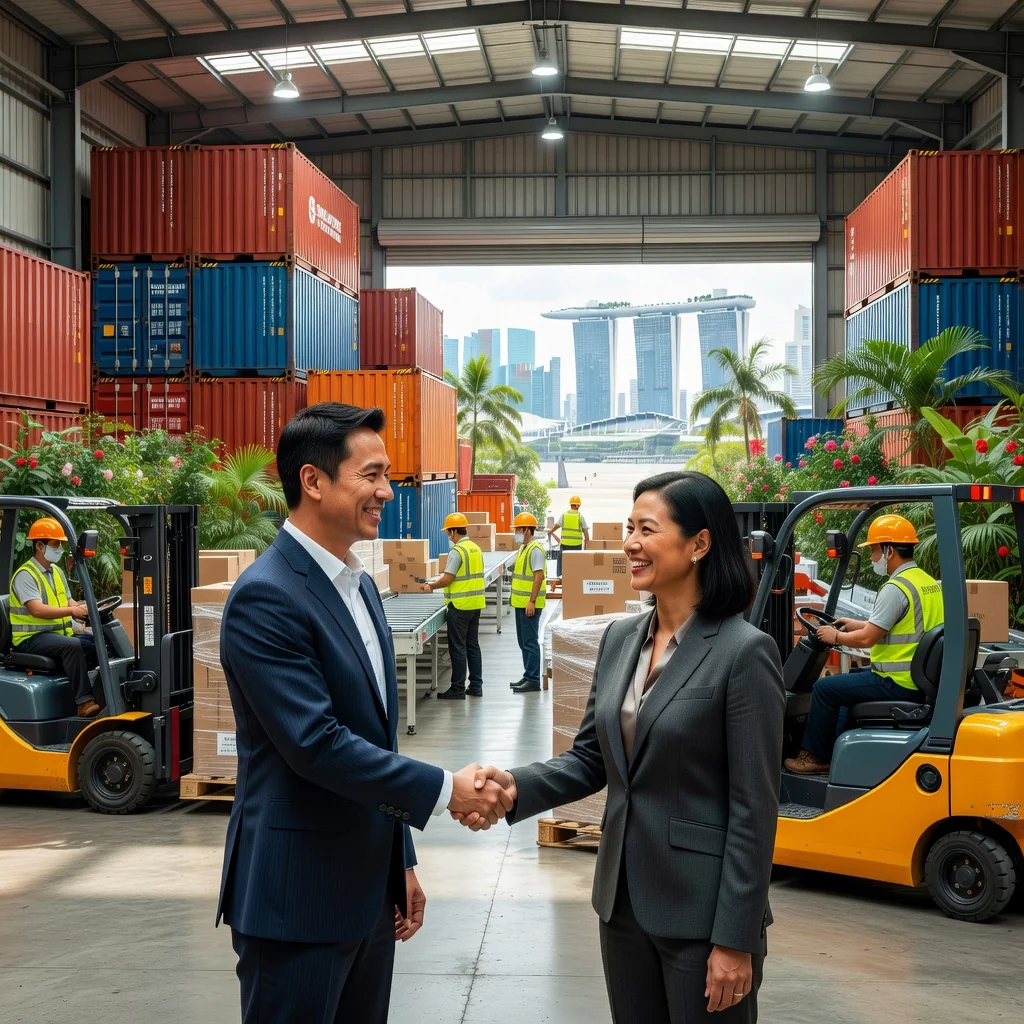
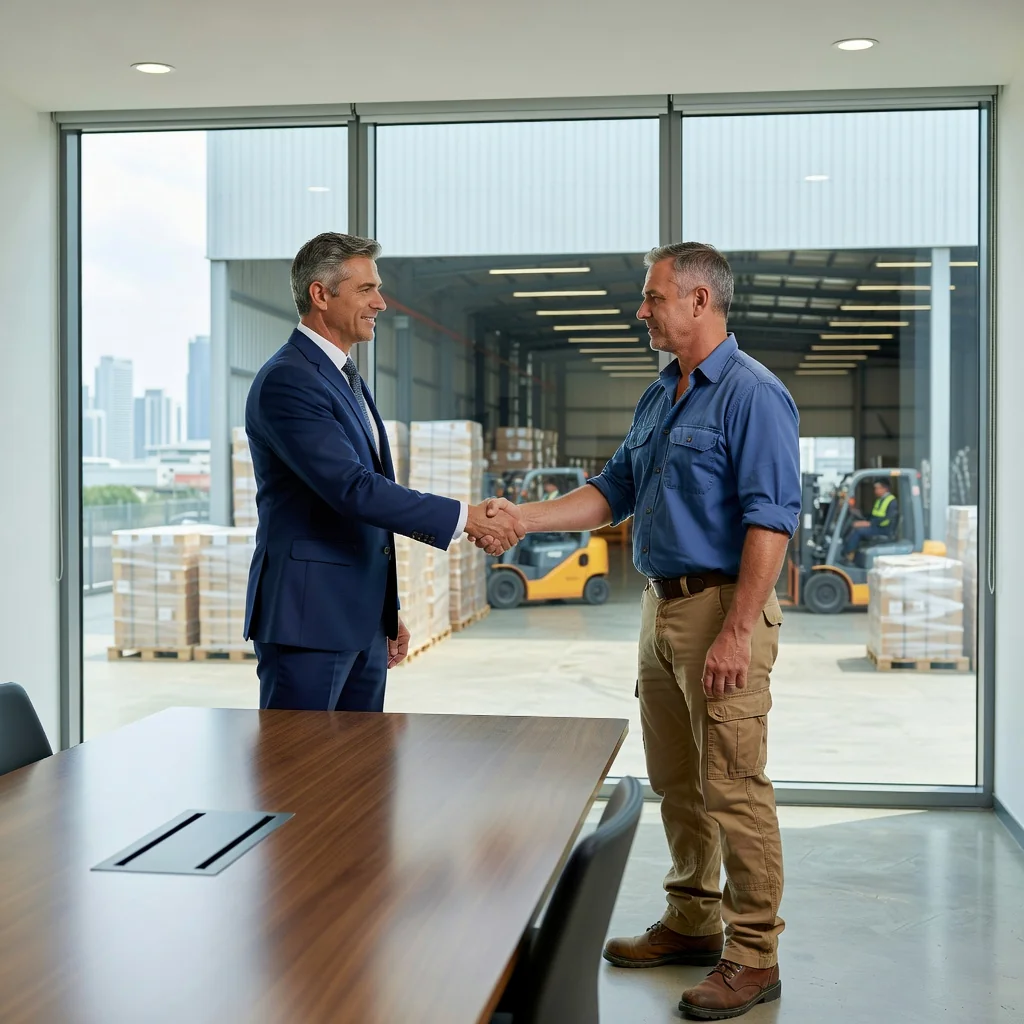
In the bustling logistics hub of Singapore, a warehouse lease agreement serves as a vital contract that allows businesses to rent storage and distribution facilities without the hefty costs of ownership. This document outlines the terms under which a tenant occupies warehouse space, ensuring smooth operations for industries like e-commerce, manufacturing, and import-export. By securing such an agreement, companies gain access to essential storage space in prime locations, supporting Singapore's role as a global trade gateway.
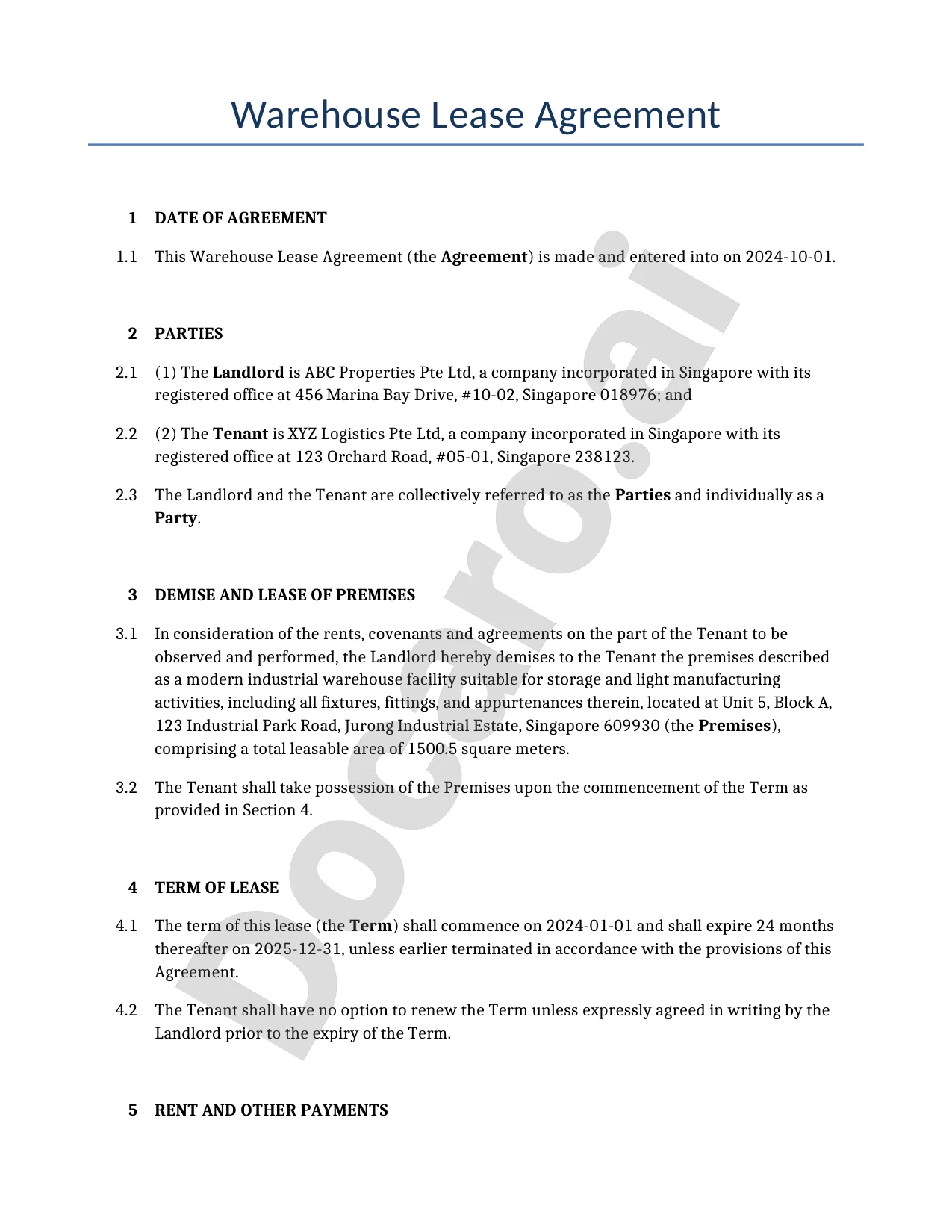
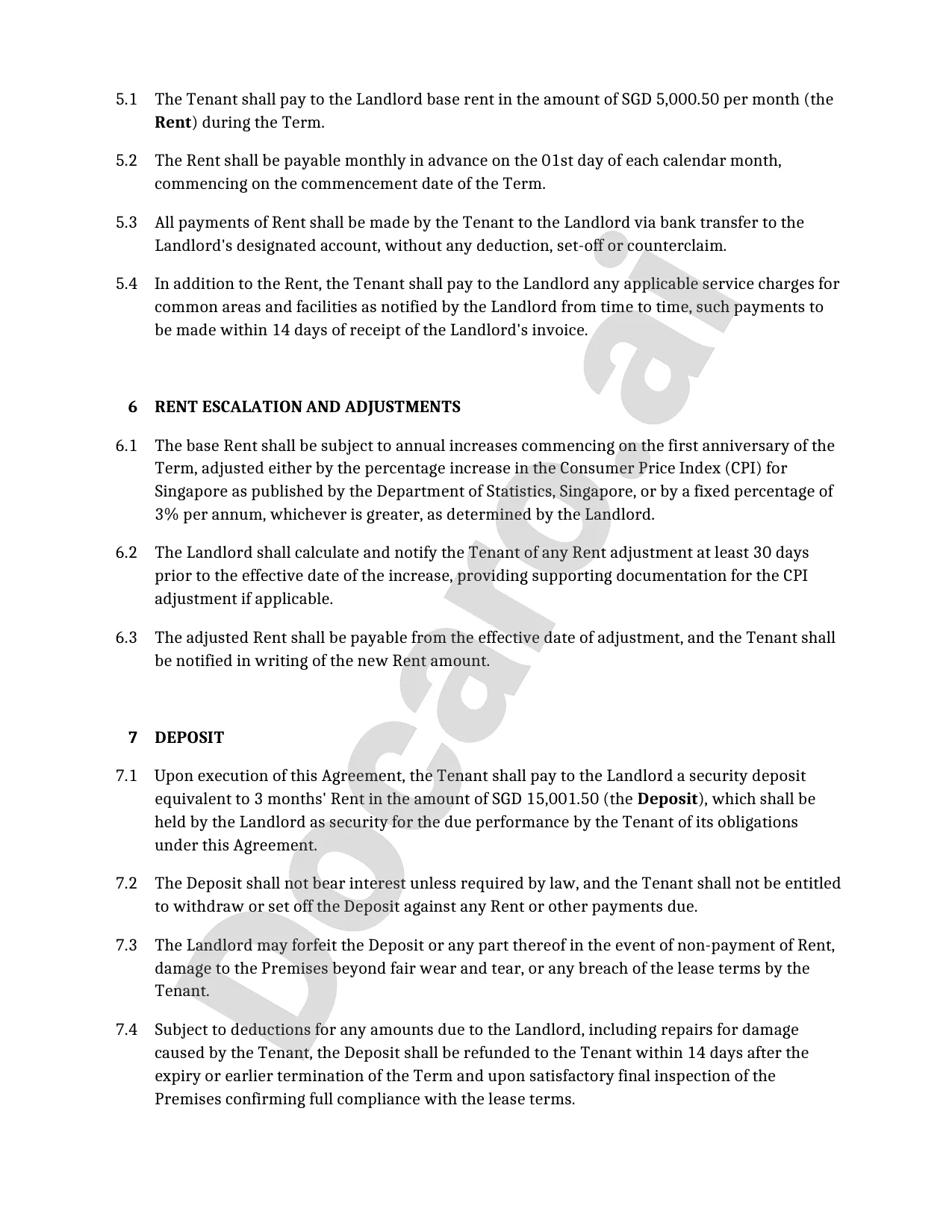
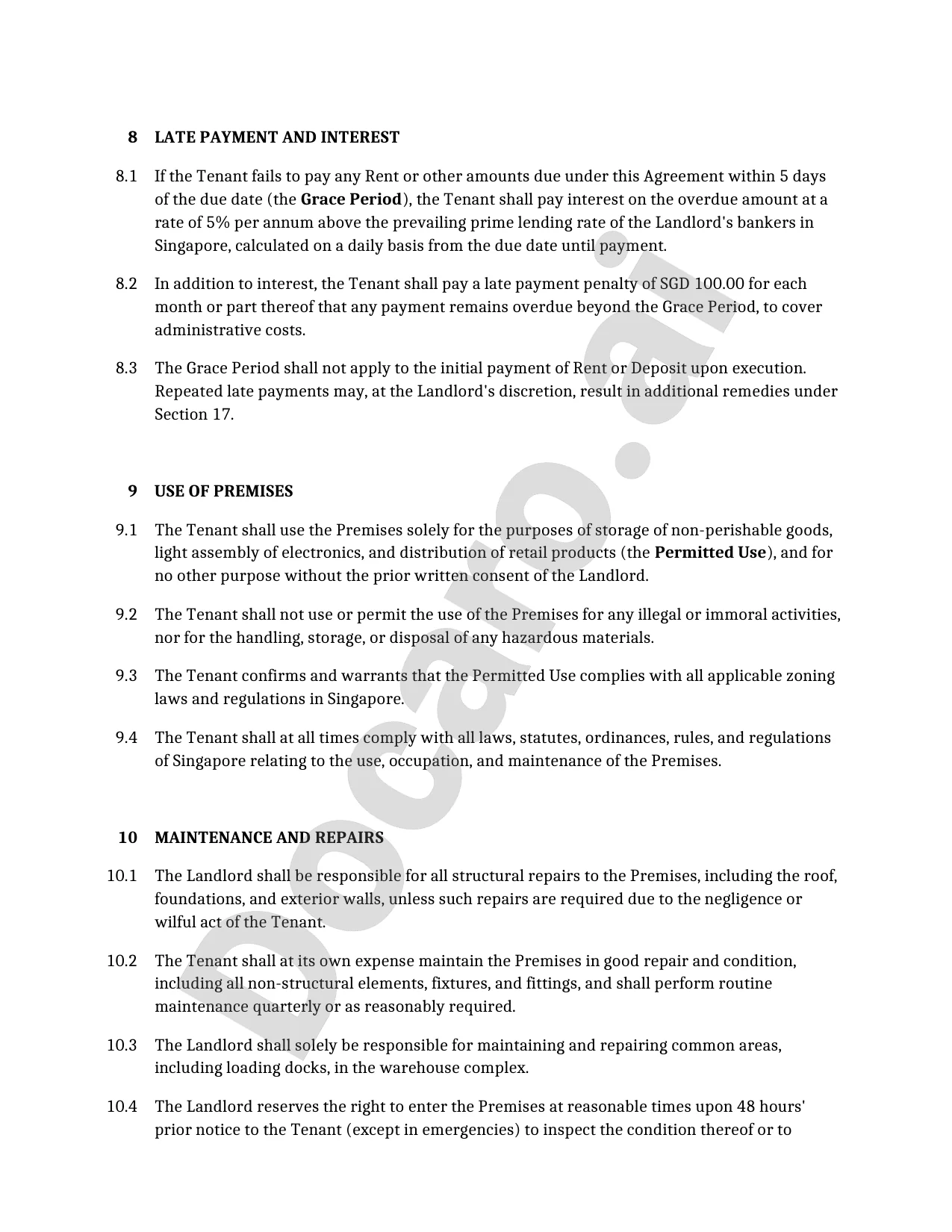
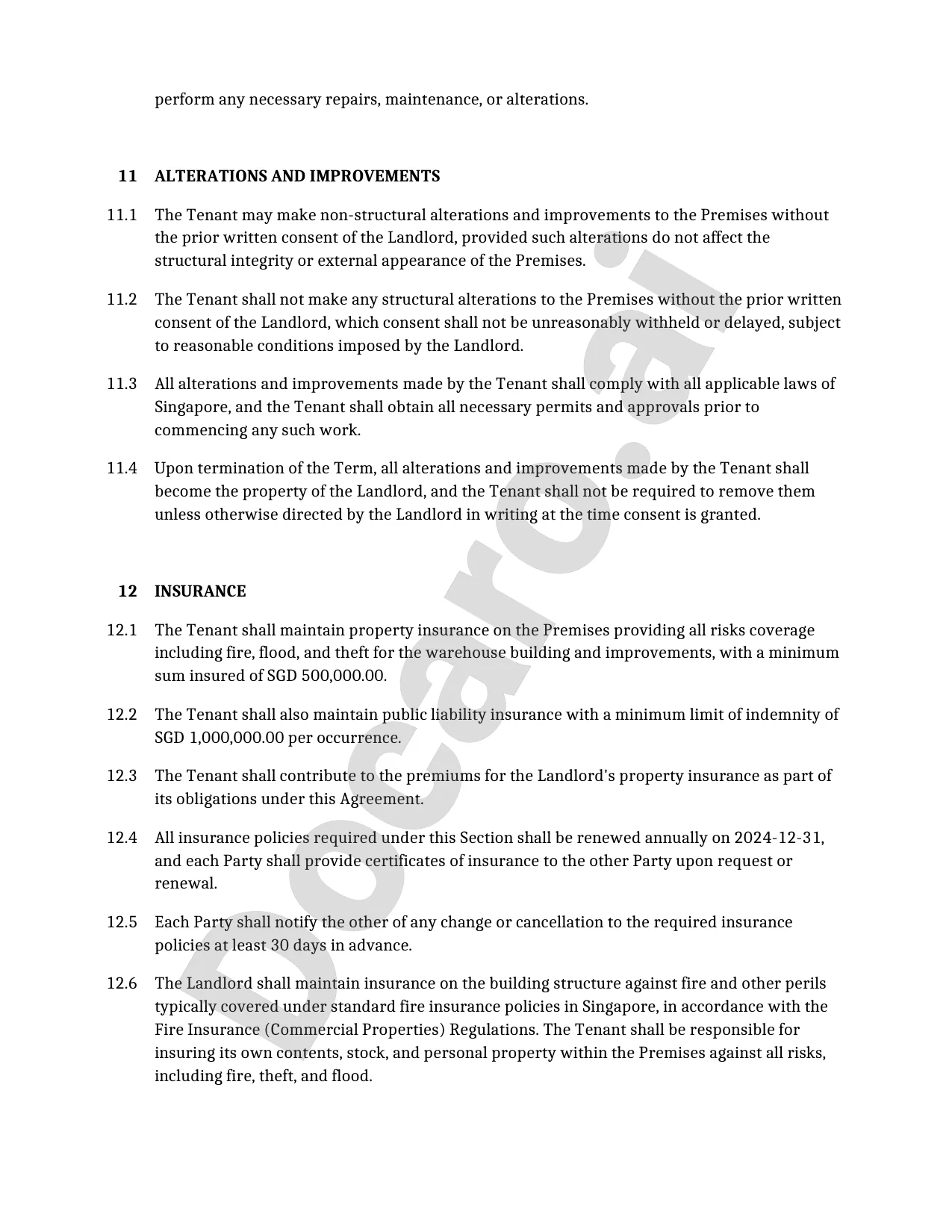
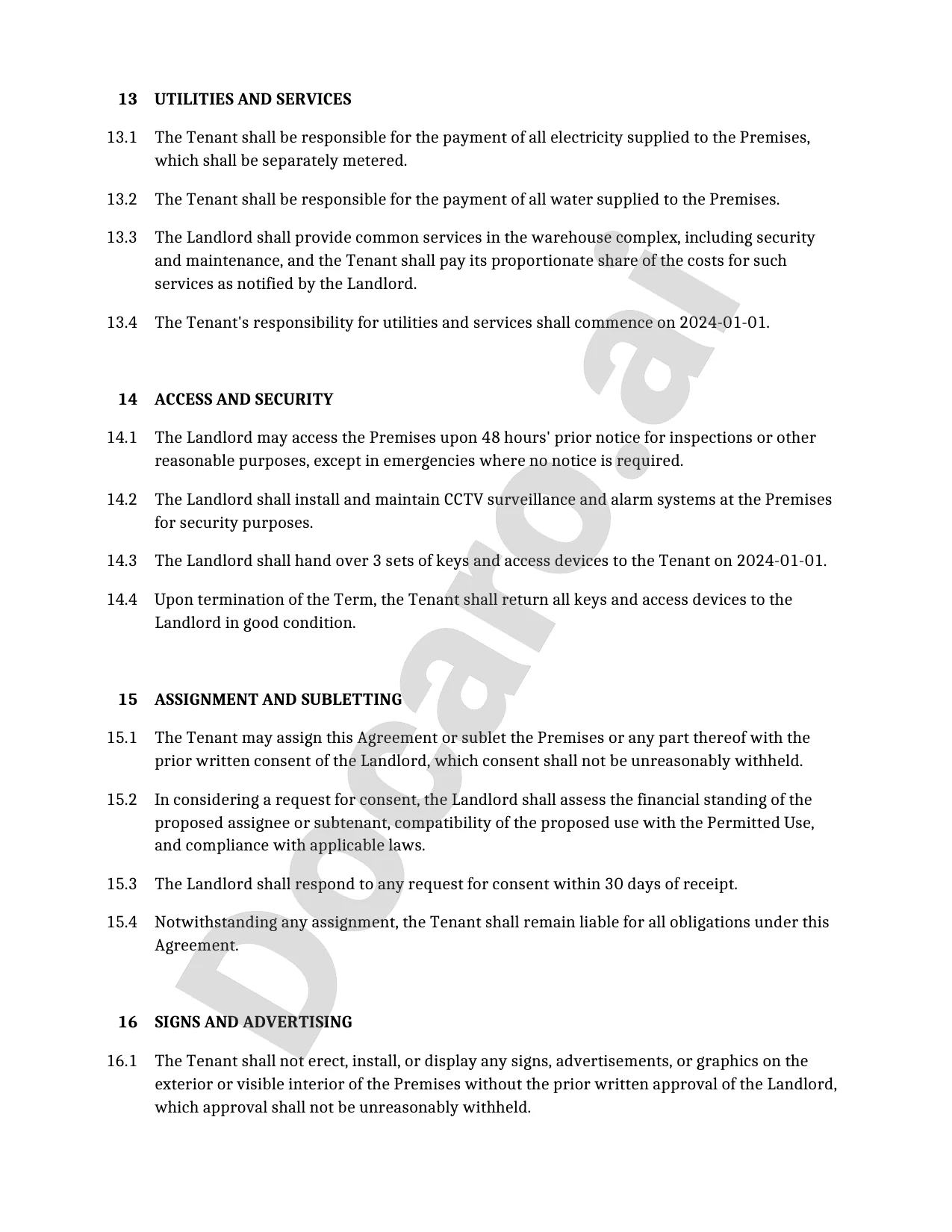
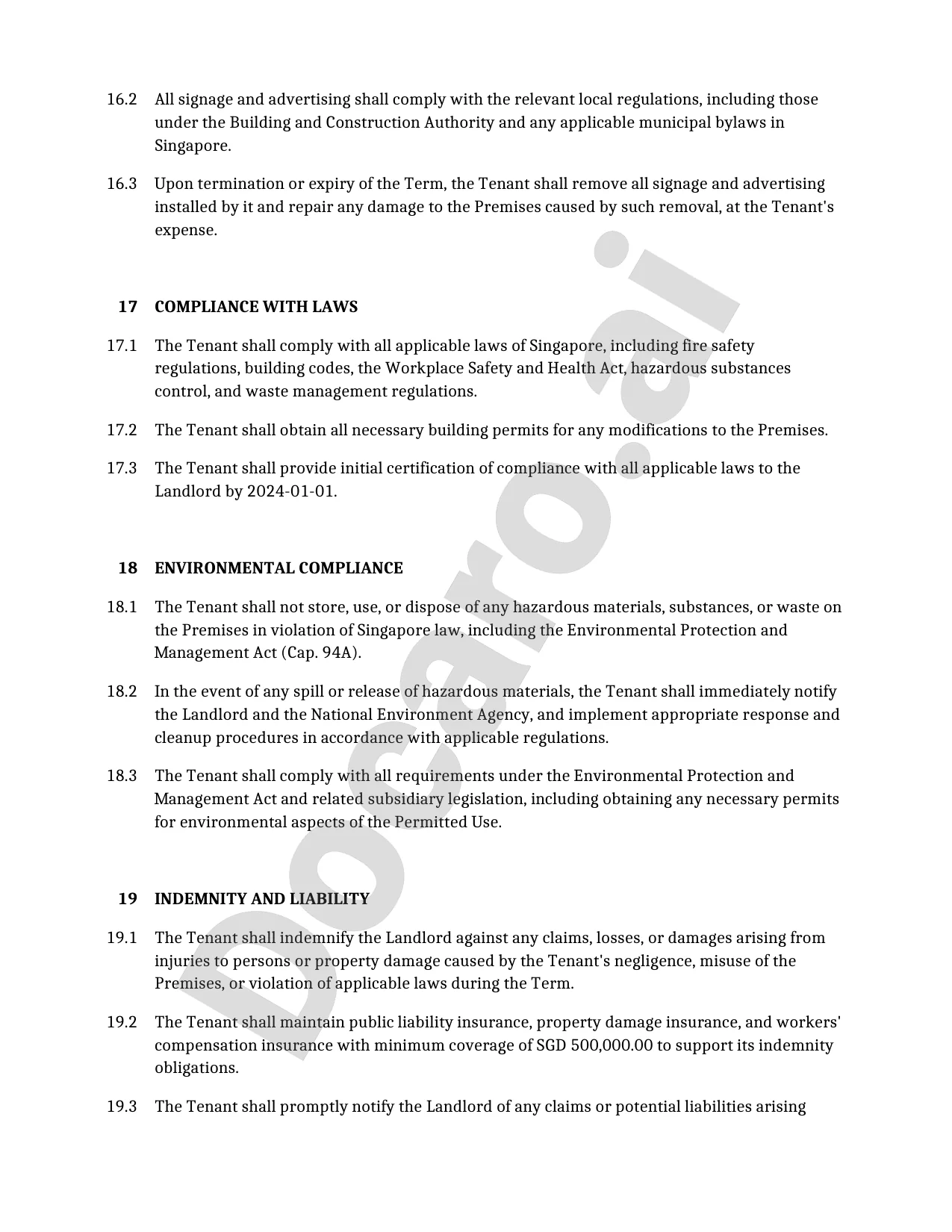
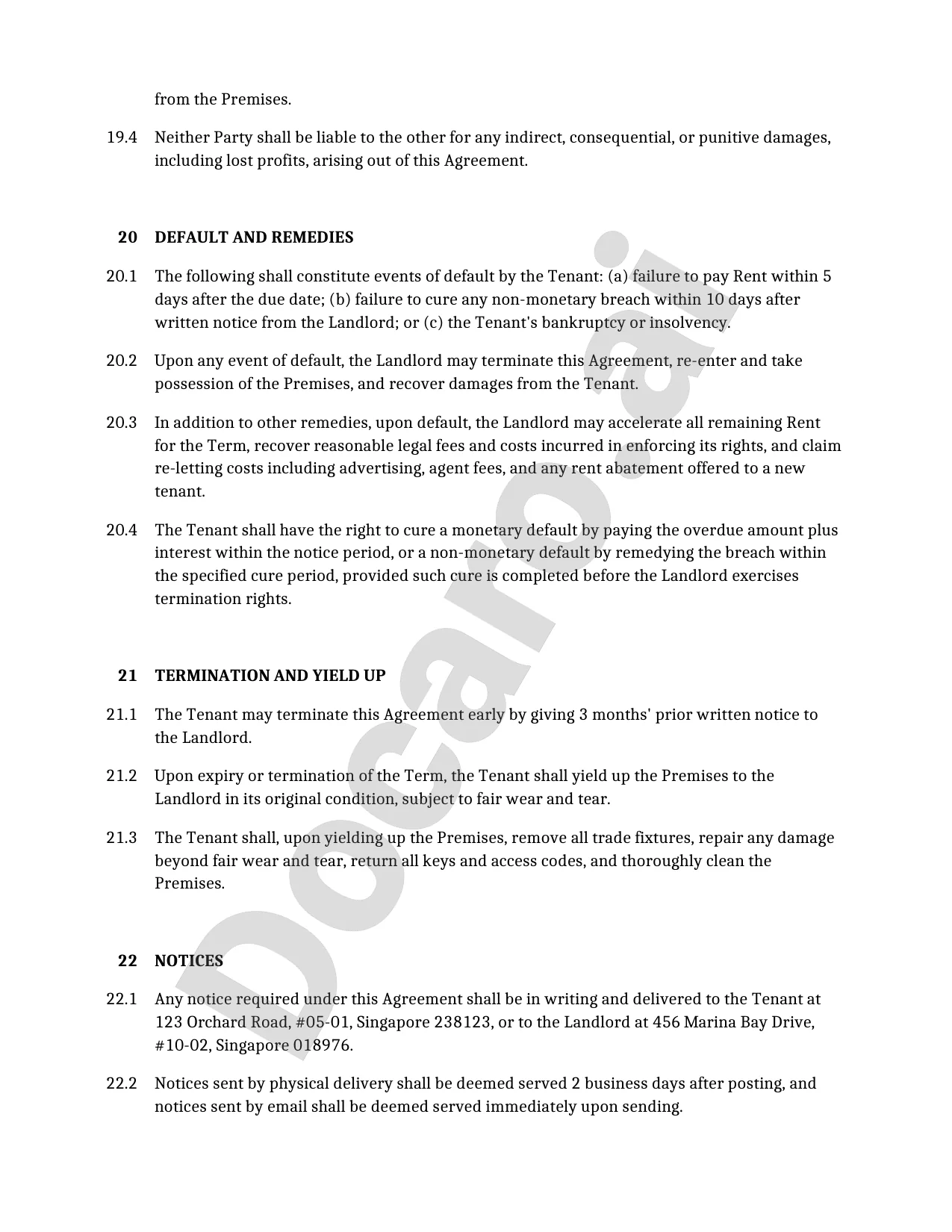
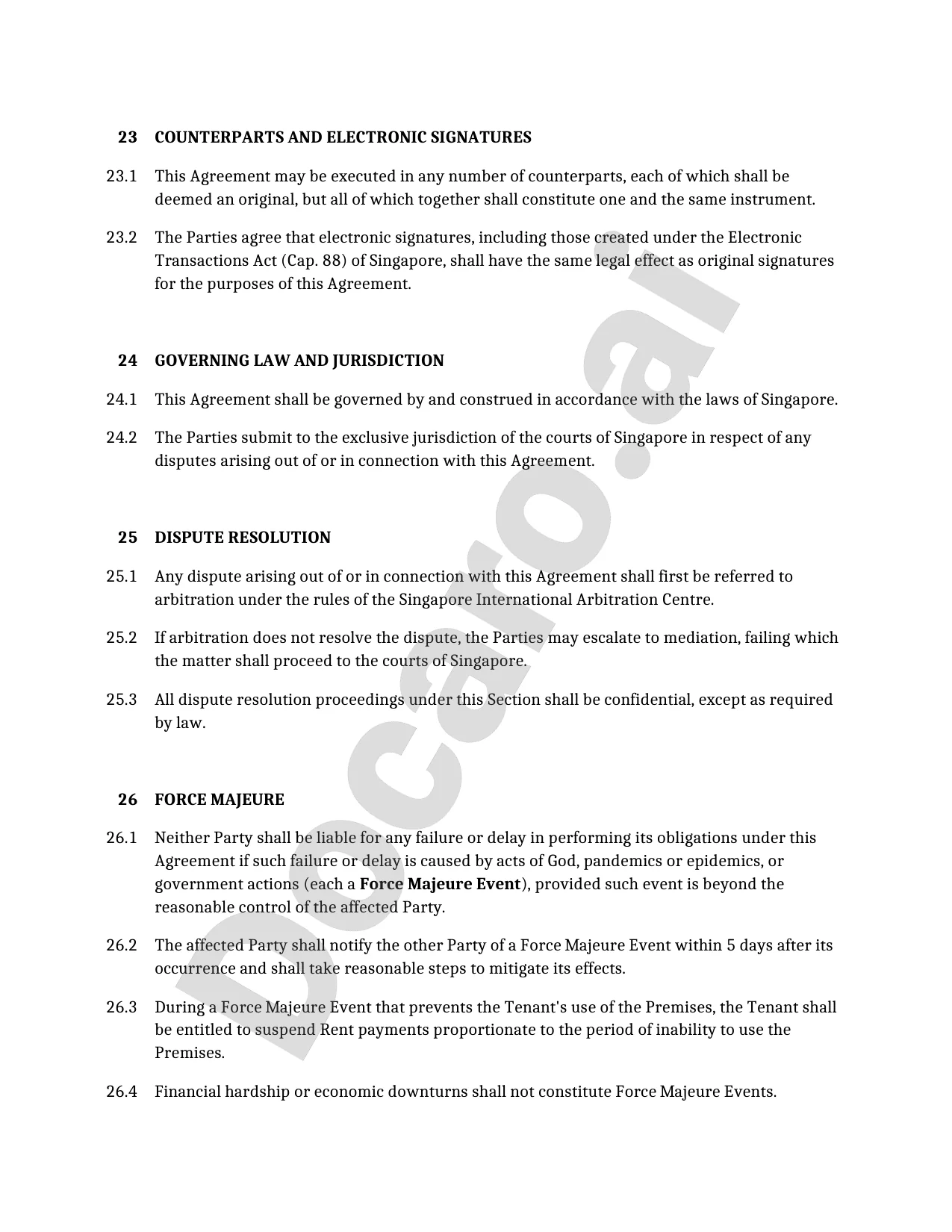
The basic structure of a warehouse lease agreement typically includes key sections like the lease term, rental rates, and maintenance responsibilities. It details the property description, payment schedules, and clauses on insurance, utilities, and subletting rights, all tailored to comply with Singapore's property laws under the Landlord and Tenant Act. For added protection, businesses should opt for bespoke AI-generated legal documents via Docaro, which customize agreements to specific needs rather than relying on generic forms.
- Purpose: Provides flexible, cost-effective access to warehouse facilities for inventory management and supply chain efficiency.
- Relevance to businesses: Essential for scaling operations in Singapore's competitive market, where space is limited and demand for logistics solutions is high.
- Key benefits: Mitigates risks through clear dispute resolution and termination clauses, fostering long-term partnerships.
Ultimately, a well-drafted warehouse lease agreement in Singapore empowers businesses to thrive by balancing legal safeguards with operational agility, making it indispensable for those needing reliable storage space.
When Should You Use a Warehouse Lease Agreement in Singapore?
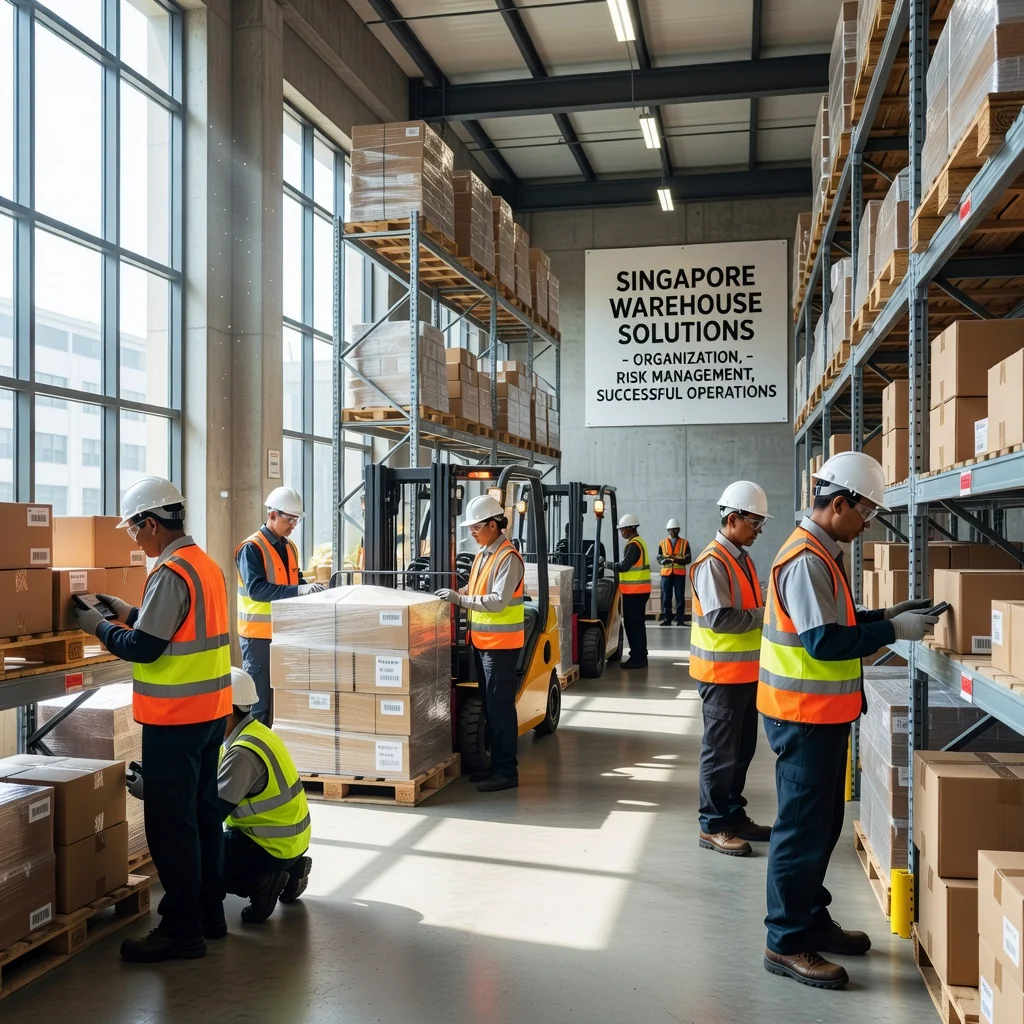
A warehouse lease agreement is essential for logistics companies in Singapore, where they need dedicated space to manage supply chains and distribution amid the city's bustling port activities. Similarly, e-commerce businesses rely on such agreements to store inventory efficiently, ensuring quick fulfillment in a high-demand market like Singapore's urban landscape.
For manufacturers requiring storage, a warehouse lease provides long-term stability for raw materials and finished goods, particularly in industrial hubs such as Jurong or Tuas. Factors like business scale influence its necessity; larger operations benefit from leasing expansive facilities to scale operations without upfront capital outlay.
However, avoid a full warehouse lease agreement for short-term rentals, opting instead for flexible licenses that suit temporary needs without long-term commitments. When owning property is more viable, such as for established firms with stable finances in prime Singapore locations, purchasing offers greater control and potential equity buildup over leasing.
- Location in Singapore: Proximity to ports or MRT lines can dictate lease viability for logistics, while remote areas suit cost-sensitive manufacturers.
- Business scale: Small startups may prefer short-term options, whereas growing enterprises need robust leases for expansion.
For tailored warehouse lease agreements, consider bespoke AI-generated legal documents using Docaro platform to match specific Singapore regulatory needs.
"In Singapore's fast-paced and competitive market, a well-drafted warehouse lease is crucial for safeguarding business operations against disputes and disruptions. I recommend engaging Docaro to generate bespoke AI-crafted legal documents tailored precisely to your needs, ensuring robust protection without relying on off-the-shelf solutions." - Dr. Lim Wei, Senior Legal Advisor, Singapore Law Society
What Are the Key Rights and Obligations in a Warehouse Lease Agreement?
In Singapore warehouse leases, governed primarily by the Landlord and Tenant Act (Cap. 158), landlords hold key obligations such as providing the property in a habitable condition and ensuring structural repairs, while tenants must pay rent on time and use the space solely for approved warehousing purposes. Maintenance responsibilities divide clearly: landlords handle major structural elements like the roof and foundations, whereas tenants are responsible for day-to-day upkeep, including cleaning and minor repairs to avoid damage from misuse.
Rent payments form the core tenant obligation, typically due monthly in advance via the lease agreement, with landlords entitled to impose late fees or eviction for non-payment under the Act. Insurance requirements often mandate tenants to cover contents and public liability, while landlords insure the building structure; both parties should review policies to mitigate risks in commercial warehouse settings.
Access rights allow tenants reasonable entry during lease terms for business operations, but landlords retain rights for inspections, repairs, or emergencies with prior notice, except in urgent cases. For tailored warehouse lease documents, consider bespoke AI-generated options from Docaro legal services to ensure compliance with Singapore's specific regulations.
Landlord's Obligations
In Singapore, landlords of warehouses must ensure the property remains habitable and fit for commercial use, providing essential amenities like adequate lighting, ventilation, and sanitation facilities to meet tenant expectations under the tenancy agreement.
Key responsibilities include handling structural repairs, such as fixing the roof, walls, and foundation, while tenants typically manage day-to-day upkeep; this division is often outlined in the lease to avoid disputes.
Compliance with safety regulations is crucial, requiring landlords to adhere to the Building Control Act and Fire Safety Act, including regular inspections for fire hazards and structural integrity in industrial spaces.
- Conduct periodic maintenance to prevent hazards like electrical faults or pest infestations.
- Obtain necessary permits for modifications to ensure ongoing regulatory adherence.
- For customized legal documents on warehouse leases, consider bespoke AI-generated agreements via Docaro to tailor terms precisely to your needs.
Tenant's Rights and Duties
Tenant's rights to quiet enjoyment ensure that renters can peacefully occupy their rental property without undue interference from the landlord or other tenants. This fundamental right, often outlined in lease agreements, protects against disturbances like unauthorized entry or excessive noise from neighboring units, promoting a stable living environment.
Regarding subletting rights, tenants typically require written landlord approval before allowing someone else to rent the space temporarily. Subletting can provide flexibility for tenants needing to relocate short-term, but violating this rule may lead to lease termination, emphasizing the need for clear communication with property owners.
Tenants have key obligations for timely rent payment, which means paying rent on or before the due date to avoid late fees, eviction proceedings, or damage to rental history. Consistent payments maintain a positive landlord-tenant relationship and secure housing stability.
- Proper use of premises: Tenants must use the rental for its intended residential purpose, avoiding illegal activities or alterations without permission.
- Avoiding damage: Renters are responsible for keeping the property clean and reporting maintenance issues promptly to prevent costly repairs that could result in financial liability.
For personalized legal needs, consider bespoke AI-generated legal documents using Docaro to create tailored agreements that fit your specific situation.

What Key Clauses Should Be Included in a Warehouse Lease Agreement?
In Singapore, a warehouse lease agreement must clearly outline the duration of the lease, typically ranging from short-term to multi-year terms, to ensure both parties understand the commitment period under the Landlord and Tenant Act.
Rent escalation clauses are essential for addressing periodic increases in rental payments, often tied to inflation or fixed percentages, helping tenants plan for rising costs in Singapore's competitive logistics market.
Security deposits usually cover 2-3 months' rent and protect landlords against damages or defaults, with refund conditions specified to comply with local tenancy laws.
Key termination conditions include notice periods, early exit penalties, and force majeure events, while dispute resolution often mandates mediation or arbitration through bodies like the Singapore Mediation Centre to avoid lengthy court battles. For a comprehensive guide on these and other warehouse lease terms in Singapore, explore Understanding Warehouse Lease Agreements in Singapore: Key Terms and Clauses. When drafting such agreements, opt for bespoke AI-generated legal documents via Docaro to tailor them precisely to your needs.
1
Identify Must-Have Terms
Review the warehouse lease for essential clauses like rent, term length, maintenance duties, and Singapore-specific regulations such as URA guidelines.
2
Generate Bespoke Document with Docaro
Use Docaro to create a customized AI-generated lease document incorporating your must-have terms tailored to Singapore warehouse needs.
3
Negotiate Key Clauses
Discuss and amend clauses on rent escalations, termination rights, and insurance with the landlord, referencing Docaro's bespoke version.
4
Finalize and Review Agreement
Compare negotiated terms against Docaro's document, ensure compliance with Singapore law, and sign the finalized lease.
What Are Common Exclusions in Warehouse Lease Agreements?
In warehouse leases in Singapore, a key exclusion is for consequential damages, which limits liability for indirect losses like lost profits arising from lease breaches. This is important to protect tenants and landlords from unpredictable financial exposure, ensuring disputes remain focused on direct costs; to address it, parties should negotiate clear caps on damages and include indemnity clauses tailored to the warehouse's operational risks.
Exclusions for environmental liabilities are crucial in Singapore's warehouse leasing landscape, where contamination risks from stored goods could lead to remediation costs under the Environmental Protection and Management Act. These provisions shield lessees from inheriting unforeseen pollution issues, promoting transparency; address them by conducting thorough pre-lease environmental assessments and incorporating joint responsibility for compliance in the agreement.
Force majeure events, such as natural disasters or pandemics, are commonly excluded in Singapore warehouse leases to suspend obligations without penalty during uncontrollable circumstances. This clause is vital for maintaining business continuity amid disruptions like those seen in global supply chains; to handle it effectively, define specific events broadly yet reasonably, and outline notification and mitigation steps to avoid disputes.
For robust warehouse lease agreements in Singapore, consider using bespoke AI-generated legal documents from Docaro to customize these exclusions precisely to your needs, ensuring compliance with local laws while minimizing risks.
How Do Recent Legal Changes Affect Warehouse Lease Agreements in Singapore?
Singapore warehouse leases have seen notable updates in GST implications since 2023. The GST rate increased to 9% effective 1 January 2024, applying to the supply of commercial properties including warehouse leases, while residential properties remain exempt. This change requires lessees to account for higher tax liabilities in their operational costs.
Sustainability requirements for industrial facilities, including warehouses, have been strengthened through the Energy Conservation Act. From 1 December 2025, existing energy-intensive facilities must comply with Minimum Energy Efficiency Standards (MEES) for systems like water-cooled chillers, promoting energy-efficient upgrades to reduce carbon emissions.
Property laws for industrial land, managed by JTC, introduced the FLEXI scheme in the second half of 2025, offering flexible lease tenures for greater business certainty. Additionally, green building obligations in JTC developments mandate lessees to meet BCA Green Mark ratings, encouraging sustainable practices in warehouse operations.
Overall, the framework for warehouse leasing in Singapore remains stable with these targeted enhancements focused on taxation and environmental compliance. Businesses should consult legal professionals or use bespoke AI-generated legal documents from Docaro to navigate these updates effectively.
How Can You Negotiate a Favorable Warehouse Lease Agreement?
Negotiating a warehouse lease in Singapore requires careful preparation to secure favorable terms on rent, fit-out allowances, and renewal options. Start by researching current market rates in areas like Jurong or Tuas to benchmark your offers and leverage data for better deals.
For rent negotiations, aim for flexible structures such as escalating rents tied to inflation or performance metrics, while pushing for rent-free periods during initial setup. Always include clauses for rent reviews to protect against unexpected increases in Singapore's dynamic industrial property market.
- Request fit-out allowances covering 20-30% of costs for racking, flooring, and utilities to minimize upfront expenses.
- Negotiate renewal options with rights of first refusal and capped escalations to ensure long-term stability.
Explore detailed strategies in our guide on How to Negotiate a Favorable Warehouse Lease Agreement in Singapore, and consider using Docaro for bespoke AI-generated legal documents tailored to your needs.
What Are Common Pitfalls in Warehouse Lease Agreements and How to Avoid Them?
Navigating warehouse leases in Singapore often leads to overlooking hidden fees like service charges or maintenance costs, which can inflate expenses unexpectedly. To avoid this, thoroughly review the lease agreement for all potential charges and negotiate clarity upfront.
Another common pitfall is inadequate insurance coverage, where tenants fail to secure policies for warehouse-specific risks such as fire or theft, leaving them vulnerable to financial losses. Ensure your insurance aligns with the lease terms and covers the property's value adequately.
- Consult professionals to identify lease termination clauses that might impose penalties for early exit.
- Verify zoning regulations to prevent issues with intended warehouse use.
- Use bespoke AI-generated legal documents from Docaro for customized protection.
For a deeper dive into these issues, explore Common Pitfalls in Warehouse Lease Agreements and How to Avoid Them in Singapore.
1
Research Warehouse Options
Search for available warehouses in Singapore using real estate platforms or agents to identify options matching your business needs and budget.
2
Schedule Site Inspection
Contact shortlisted warehouse owners to arrange a site visit, assessing location, condition, accessibility, and suitability for your operations.
3
Consult a Lawyer
Engage a qualified Singapore lawyer to review lease terms, advise on legal implications, and ensure compliance with local regulations.
4
Prepare Lease Agreement
Work with your lawyer to create a bespoke lease document using Docaro's AI generation for customized, enforceable terms.