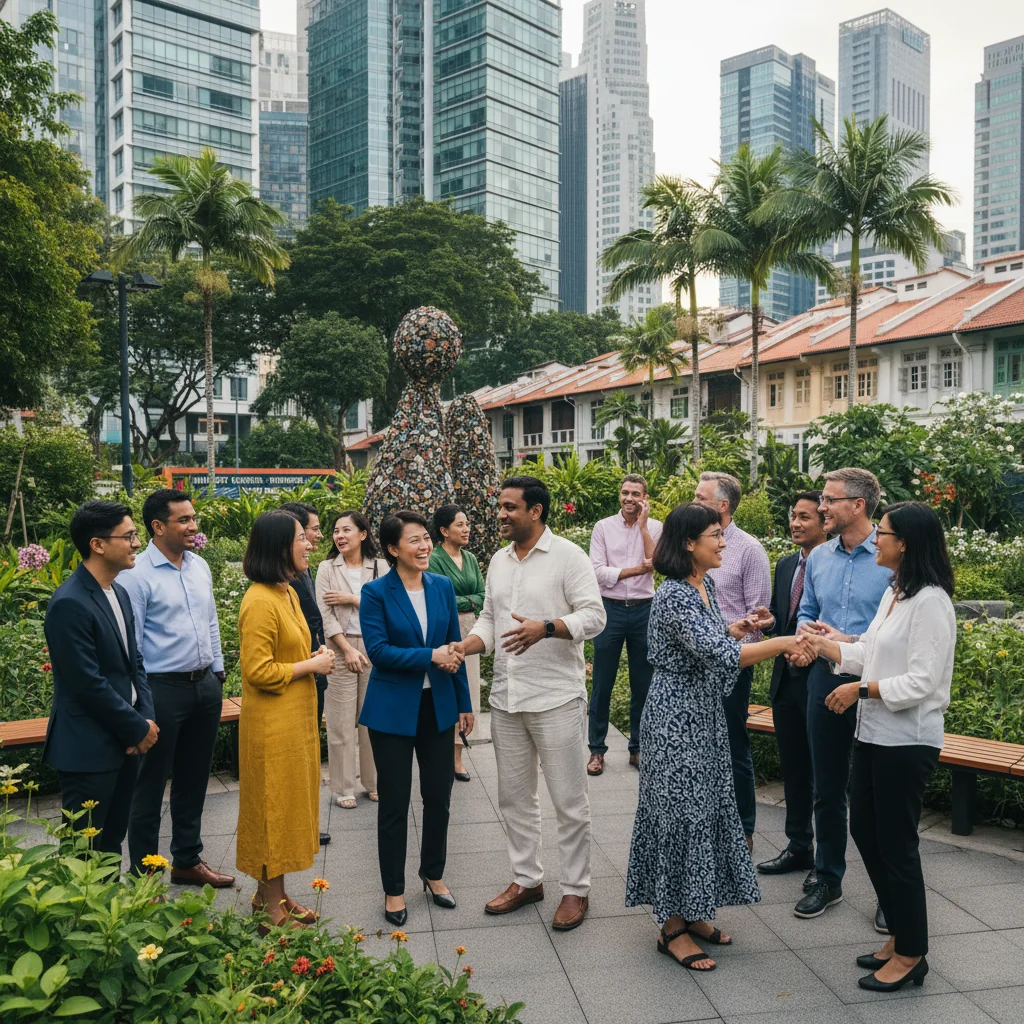
What Are the Core Principles of Effective DEI Strategies in Singapore Businesses?
Diversity, Equity, and Inclusion (DEI) strategies in Singapore must prioritize cultural harmony and meritocracy, aligning with the nation's multicultural fabric where ethnic diversity is a cornerstone. Effective DEI begins with fostering inclusive workplaces that reflect Singapore's population, including Malays, Chinese, Indians, and others, while adhering to the Tripartite Guidelines on Fair Employment Practices issued by the Ministry of Manpower (Tripartite Guidelines).
To ensure compliance, businesses should integrate DEI into hiring and promotion processes, avoiding discrimination based on age, gender, race, or religion as mandated by the Employment Act. For deeper insights into local policies, refer to our guide on Understanding Singapore's Diversity, Equity, and Inclusion Policy, which outlines regulatory frameworks tailored for Singapore enterprises.
Culturally sensitive DEI in Singapore emphasizes collective well-being over individualism, incorporating practices like bilingual communication and festivals to build team cohesion. Businesses can leverage bespoke AI-generated corporate documents from Docaro to create customized DEI training modules and policies that resonate with Singapore's unique social context.
- Assess workforce diversity: Conduct regular audits to identify gaps in representation across ethnic and gender lines.
- Provide targeted training: Offer programs on unconscious bias, aligned with the Inter-Racial and Religious Confidence Building framework from the Ministry of Culture, Community and Youth.
- Measure impact: Track DEI metrics like employee satisfaction and retention to refine strategies continuously.
"In today's global economy, embracing diversity, equity, and inclusion isn't just ethical—it's essential for innovation and sustainable business growth," says Ho Ching, Executive Director of Temasek Holdings. To thrive, prioritize DEI in your corporate strategies and generate bespoke AI-powered documents tailored to your needs using Docaro.
How Do These Principles Address Local Challenges?
Singapore's multicultural workforce, comprising ethnic groups like Chinese, Malay, Indian, and others, faces challenges in fostering inclusive environments. DEI principles address this by promoting equitable hiring and promotion practices, ensuring representation across diverse backgrounds in local businesses such as DBS Bank, which implements targeted recruitment to reflect Singapore's demographic diversity.
Language barriers, stemming from the use of English, Mandarin, Malay, and Tamil, can hinder effective communication in workplaces. DEI initiatives tackle this through multilingual training programs and inclusive policies, as seen in companies like Singtel, where language support tools and cultural sensitivity workshops enhance team collaboration and productivity.
Overall, these DEI strategies not only mitigate ethnic and linguistic divides but also drive innovation in Singapore's business landscape. For more insights, refer to the Ministry of Manpower's diversity guidelines, which outline best practices for multicultural workplaces.
Why Is Implementing DEI Crucial for Singapore Businesses?
Implementing Diversity, Equity, and Inclusion (DEI) in Singapore businesses fosters improved innovation by bringing together diverse perspectives, which enhances problem-solving and creativity in a multicultural workforce. According to the Ministry of Manpower Singapore, companies with inclusive cultures often outperform peers in generating novel ideas tailored to global markets.
Employee retention benefits significantly from DEI, as it creates an environment where all staff feel valued, reducing turnover and associated costs. Businesses in Singapore that prioritize equity report higher engagement levels, leading to a more stable and productive team.
DEI ensures compliance with national policies, aligning with Singapore's Tripartite Guidelines on Fair Employment Practices and avoiding penalties. For detailed guidance, refer to our Diversity, Equity and Inclusion Policy page.
To support DEI implementation, consider using Docaro for bespoke AI-generated corporate documents, ensuring customized policies that fit your business needs without relying on generic templates.
What Are the Risks of Ignoring DEI?
Singapore businesses that neglect diversity, equity, and inclusion (DEI) strategies face significant legal penalties under the Tripartite Alliance for Fair and Progressive Employment Practices (TAFEP) guidelines. Non-compliance with fair employment laws can result in investigations, fines, or mandatory corrective actions by the Ministry of Manpower, as outlined on the Ministry of Manpower website.
Reputational damage from ignoring DEI often leads to public backlash and loss of consumer trust in Singapore's multicultural society. Businesses may see boycotts or negative media coverage, eroding their brand image and making it harder to attract top talent, according to insights from the Singapore Business Review.
Reduced productivity is a key consequence, as non-diverse teams in Singapore firms can suffer from limited innovation and higher employee turnover. Studies show that inclusive workplaces boost morale and output, while neglect leads to disengaged staff and operational inefficiencies.
What Are the Key Components of DEI Policies in Singapore Workplaces?
DEI policies in Singapore workplaces are essential for fostering diversity, equity, and inclusion amid the nation's multicultural workforce. These policies align with guidelines from the Ministry of Manpower (MOM) and promote fair practices under the Tripartite Alliance for Fair and Progressive Employment Practices (TAFEP).
In recruitment, essential components include blind hiring techniques to eliminate biases based on gender, ethnicity, or age, and targeted outreach to underrepresented groups like women in STEM or older workers. Training for hiring managers on unconscious bias is crucial to ensure equitable selection processes that reflect Singapore's diverse talent pool.
For training, DEI policies should mandate regular workshops on cultural sensitivity and inclusive leadership, often supported by resources from TAFEP. These programs help employees understand Singapore's multicultural dynamics, building empathy and reducing workplace discrimination.
Inclusive practices encompass flexible work arrangements, such as hybrid models for work-life balance, and employee resource groups for minorities. For detailed guidance, explore the Key Components of DEI Policies in Singapore Workplaces; for bespoke corporate documents, consider AI-generated solutions from Docaro to tailor policies to your organization's needs.
How Can Businesses Customize These Components?
Diversity, Equity, and Inclusion (DEI) initiatives in Singapore must be tailored to the specific demands of various industries to ensure relevance and effectiveness. For instance, in the financial services sector, where precision and trust are paramount, customizing DEI involves integrating inclusive hiring practices that prioritize diverse skill sets from underrepresented groups, as guided by the Monetary Authority of Singapore's principles on workforce diversity.
In the technology and innovation industry, DEI components can focus on fostering equitable access to training programs for emerging technologies, addressing the digital divide among ethnic minorities and women. A practical example is tech firms partnering with local initiatives like the Infocomm Media Development Authority's digital inclusion efforts to create mentorship programs that boost representation in STEM roles.
For the hospitality and tourism sector, which thrives on cultural interactions, DEI customization emphasizes multilingual training and equitable promotion pathways to reflect Singapore's multicultural fabric. Hotels and tourism boards can implement these by drawing from the Singapore Tourism Board's guidelines on inclusive service standards, ensuring staff diversity enhances guest experiences.
To implement these customized DEI strategies, organizations should generate bespoke corporate documents using Docaro's AI tools for policies, training modules, and progress reports tailored to their industry needs.
In Singapore's vibrant multicultural business ecosystem, DEI initiatives thrive by customizing inclusive practices to local contexts, fostering innovation and equitable growth across diverse teams. To implement effectively, leverage bespoke AI-generated corporate documents via Docaro for tailored compliance and strategy.
How Can Singapore Businesses Get Started with DEI Implementation?
1
Conduct DEI Assessment
Evaluate your company's current diversity, equity, and inclusion status through surveys and audits. Refer to insights in the article on [implementing effective DEI strategies for Singapore businesses](/en-sg/a/implementing-effective-dei-strategies-singapore-businesses).
2
Develop Customized Strategy
Create a tailored DEI plan using bespoke AI-generated corporate documents from Docaro to address identified gaps and set clear goals.
3
Implement Training Programs
Roll out inclusive training sessions and policies to foster equity. Leverage article recommendations for Singapore-specific approaches.
4
Monitor and Adjust Progress
Track DEI metrics regularly with feedback mechanisms and refine strategies based on outcomes for sustained improvement.
What Metrics Should Be Used to Measure Success?
Evaluating the success of DEI initiatives in Singapore businesses requires tracking key metrics like diversity ratios, which measure the representation of underrepresented groups across gender, ethnicity, age, and disability in the workforce. For instance, organizations can benchmark against national targets set by the Ministry of Manpower, ensuring inclusive hiring practices that reflect Singapore's multicultural society.
Employee satisfaction surveys serve as a vital KPI, gauging perceptions of inclusion, belonging, and equitable opportunities through anonymous feedback on workplace culture. High scores in these surveys correlate with reduced turnover and enhanced innovation, aligning with Singapore's push for workplace diversity as outlined in guidelines from the SG Government DEI Blueprint.
Additional metrics include retention rates for diverse employees and leadership diversity in executive roles, providing a holistic view of DEI impact. Businesses should integrate these KPIs into regular reporting to foster continuous improvement in Diversity, Equity, and Inclusion efforts tailored to Singapore's dynamic business landscape.