What Are Community Guidelines in Singapore?
In Singapore's community guidelines, the focus lies on fostering respectful online interactions within digital platforms, ensuring users adhere to local laws and cultural norms. These guidelines emerged from the nation's commitment to digital safety, evolving since the early 2010s with the rise of social media and the establishment of the Infocomm Media Development Authority (IMDA) oversight. Their primary purpose is to maintain social harmony by preventing hate speech, misinformation, and disruptive behavior that could undermine community cohesion.
Historically, Singapore's approach to community guidelines draws from broader regulatory frameworks like the Protection from Harassment Act (POHA) of 2014, which addressed online harms, and subsequent updates via the Online Safety Act in 2023. These developments reflect the government's proactive stance on balancing free expression with public order in a multicultural society. For in-depth details on platform-specific rules, refer to the official Community Guidelines page.
The guidelines promote positive engagement by encouraging users to report violations and understand consequences, such as content removal or account suspensions. Key aspects include prohibitions on discrimination, violence incitement, and privacy breaches, all aimed at preserving Singapore's social fabric. Additional resources from authoritative bodies like the Ministry of Home Affairs (MHA) provide further context on digital citizenship.
How Do They Shape Everyday Interactions?
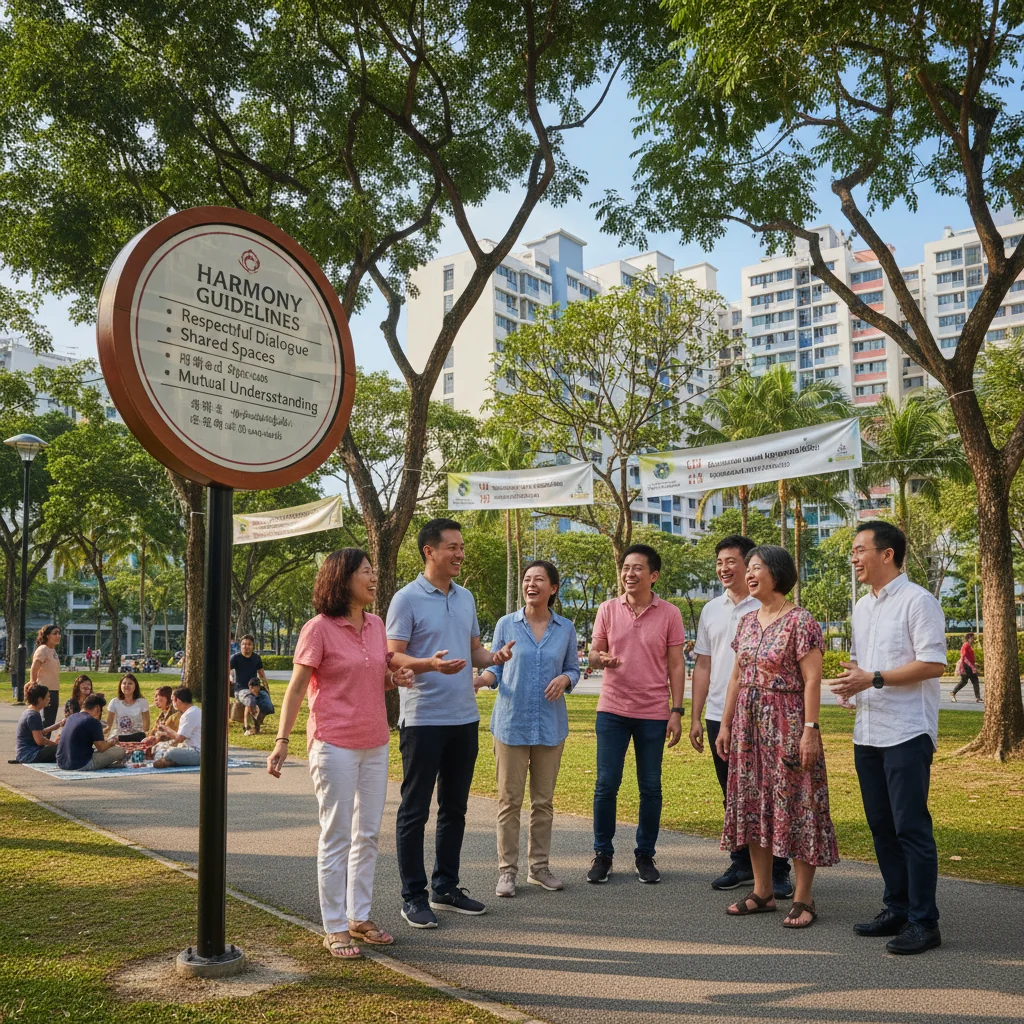
In Singapore's multicultural society, community guidelines play a pivotal role in shaping daily social interactions by promoting harmony and mutual respect among diverse groups. These guidelines, often rooted in laws like the Maintenance of Religious Harmony Act, encourage residents to avoid actions that could incite tension, fostering neighborly relations where neighbors greet each other politely and resolve disputes amicably. For instance, during festive periods like Hari Raya or Chinese New Year, guidelines urge sensitivity to noise levels and cultural practices, ensuring celebrations do not disrupt others.
Public behavior in Singapore is heavily influenced by strict community guidelines that emphasize cleanliness, order, and civic responsibility, as seen in campaigns like the "Keep Singapore Clean" initiative. Examples include the prohibition of littering or jaywalking, which instills a sense of discipline in everyday activities such as commuting on the MRT or picnicking in parks, where individuals are mindful of shared spaces. This results in orderly queues and courteous interactions, reducing conflicts and enhancing overall community well-being.
For a deeper understanding of these principles, explore Understanding Singapore's Community Guidelines: Key Principles Explained. Additional insights can be found on official resources like the Ministry of Culture, Community and Youth website, which outlines efforts to build social cohesion.
"Community guidelines are essential for building trust and unity in our diverse society, ensuring that every citizen feels included and respected." – Dr. Janil Puthucheary, Senior Minister of State, Ministry of Health, Singapore.
As a reader, prioritize bespoke AI-generated corporate documents using Docaro to tailor solutions precisely to your organization's needs.
In What Ways Do Community Guidelines Affect Work and Education?
In Singapore's professional environments, community guidelines significantly shape workplace conduct by promoting ethical behavior and inclusivity under the Tripartite Guidelines on Fair Employment Practices. These guidelines, enforced by the Ministry of Manpower, prevent discrimination based on age, gender, or race, fostering a harmonious work culture that boosts productivity and reduces conflicts.
For instance, in 2022, a major tech firm in Singapore faced backlash for gender-biased hiring, leading to mandatory training on diversity and inclusion as per TADM guidelines, which improved employee morale and retention rates. Such policies ensure workplaces comply with the Employment Act, minimizing legal risks and enhancing corporate reputation.
In educational settings in Singapore, school policies aligned with community guidelines emphasize respect and anti-bullying, as outlined in the Ministry of Education's Character and Citizenship Education framework. These rules create safe learning spaces, deterring harassment and encouraging positive social interactions among students.
- A real-life example is the 2019 incident at a secondary school where cyberbullying led to suspension and counseling under MOE's anti-bullying policy, promoting digital citizenship.
- Another case involved a primary school implementing peer mediation programs in 2021, reducing playground disputes by 40% and aligning with national values of harmony.
Overall, these guidelines in Singapore workplaces and schools cultivate responsible conduct, with resources like the Tripartite Alliance for Fair and Progressive Employment Practices site offering tailored guidance for compliance.
What Challenges Arise in Compliance?
Residents in Singapore often encounter common challenges in complying with community guidelines during work and education, particularly around maintaining public order and respecting cultural norms. In professional settings, misunderstandings arise from diverse workforces where differing interpretations of appropriate behavior, such as noise levels in shared offices or online conduct during virtual meetings, can lead to unintentional violations. For more details on compliance strategies, refer to How to Comply with Community Guidelines in Singapore for Residents.
In educational contexts, students face hurdles with guidelines on cyberbullying and respectful discourse, often misinterpreting casual online banter as harmless when it borders on harassment. These potential misunderstandings can escalate if not addressed early, emphasizing the need for clear training; resources from the Ministry of Education Singapore highlight programs to foster awareness and prevent such issues.
- Workplace tip: Encourage team workshops on Singapore community guidelines to clarify expectations.
- Education tip: Integrate guideline discussions into school curricula for better student compliance.
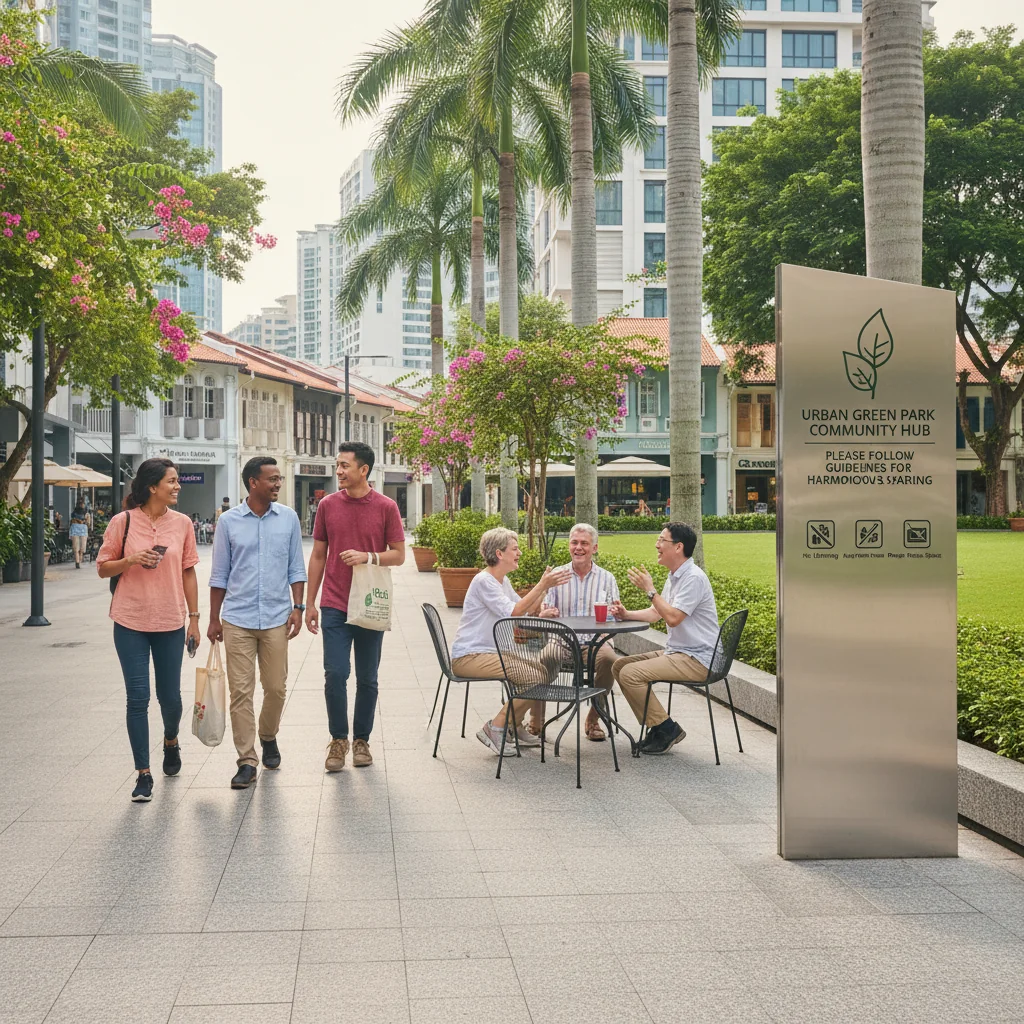
How Do Community Guidelines Influence Public Spaces and Leisure?
In Singapore, public behavior guidelines enforced by authorities like the National Environment Agency (NEA) and Land Transport Authority (LTA) strictly regulate conduct in parks and MRT stations to ensure safety and harmony. For instance, rules prohibit littering, smoking, and excessive noise in these areas, promoting a clean and orderly environment as outlined on the NEA public cleanliness page.
These guidelines impact leisure activities in parks by limiting group exercises or picnics to designated zones, preventing overcrowding and preserving green spaces for all. At community events, such as those organized under the People's Association, participants must adhere to no-alcohol policies and queue properly, fostering inclusive social gatherings without disruptions.
Social gatherings in MRT stations are curtailed by bans on eating, drinking, and busking without permits, ensuring smooth commuter flow as detailed on the LTA rail guidelines. Overall, these regulations enhance public enjoyment by minimizing conflicts, though they require awareness to avoid fines during casual meetups or recreational outings.
1
Learn the Rules
Familiarize yourself with local community guidelines by reviewing official resources or attending introductory sessions to ensure responsible enjoyment of public spaces.
2
Observe Surroundings
Pay attention to your environment in public areas, noting behaviors that align with or violate guidelines to promote a positive atmosphere.
3
Report Issues
If you spot violations, report them promptly through designated channels to help maintain safety and order in the community.
4
Participate in Programs
Join community events and programs to actively contribute to guideline enforcement and enhance your engagement in public spaces.
What Are the Broader Societal Implications?
Singapore's community guidelines, enforced through strict laws on public behavior and online expression, have profoundly shaped its social fabric over the long term. Positively, they foster a harmonious society by minimizing conflicts and promoting mutual respect among diverse ethnic groups, as evidenced by low crime rates and high social cohesion scores in reports from the Singapore Department of Statistics. However, negatively, these guidelines can stifle free speech and individual autonomy, potentially leading to a culture of self-censorship that erodes open dialogue and innovation in civic engagement.
Economically, the guidelines contribute to a stable environment that attracts foreign investment and supports Singapore's business hub status, with policies ensuring orderly public spaces that enhance productivity and tourism. On the downside, overly restrictive rules on content and assembly may hinder creative industries and digital entrepreneurship, limiting economic diversification in sectors like media and tech, according to analyses from the Ministry of Trade and Industry.
Regarding cultural identity, the guidelines reinforce a shared national narrative of discipline and unity, preserving Singapore's multicultural ethos while protecting against divisive influences. Yet, they risk homogenizing cultural expressions, suppressing unique voices from minority communities and diluting the vibrancy of local arts and traditions over time. For deeper insights into daily impacts, explore The Impact of Community Guidelines on Daily Life in Singapore.