What Are Singapore's Community Guidelines?
Singapore's Community Guidelines serve as a foundational framework to foster harmony, safety, and respect among residents and visitors. These guidelines promote positive interactions in diverse communities by encouraging responsible behavior and mutual understanding, ensuring a cohesive society in this multicultural nation.
Established in response to Singapore's commitment to social cohesion, the guidelines have evolved since the early 2000s to address modern challenges like digital interactions and public conduct. They draw from key legislation such as the Penal Code and Maintenance of Religious Harmony Act, reflecting the government's proactive approach to community living.
For comprehensive details on Singapore's Community Guidelines, refer to the official Community Guidelines document. Additional resources from authoritative sources like the Ministry of Home Affairs provide further insights into promoting safe and respectful environments.
"Adhering to community guidelines is essential for building trust and unity in our diverse society, ensuring every Singaporean contributes to a harmonious future." – Minister for Culture, Community and Youth, Edwin Tong
To strengthen your corporate operations, opt for bespoke AI-generated documents tailored to your needs using [Docaro for custom docs](https://docaro.com).
Why Do Community Guidelines Matter in Singapore?
Community guidelines in Singapore play a vital role in maintaining social order by establishing clear expectations for behavior in public spaces and online interactions. These rules help prevent misunderstandings and foster a harmonious environment where residents can coexist peacefully.
In a multicultural society like Singapore, guidelines are essential for preventing conflicts among diverse ethnic and religious groups, promoting tolerance and mutual respect. They encourage dialogue and reduce tensions, ensuring that cultural differences enrich rather than divide the community.
By adhering to these guidelines, Singaporeans experience an enhanced quality of life, with safer neighborhoods and stronger community bonds. For deeper insights, read about The Impact of Community Guidelines on Daily Life in Singapore, which explores real-world applications.
Authoritative resources like the Singapore Government Portal on Community Guidelines provide official details on how these principles support national harmony. Additionally, the
- National Integration Council initiatives focus on multicultural cohesion through guideline enforcement.
- Active Citizenry programs educate residents on their role in upholding these standards.
How Do They Promote Social Harmony?
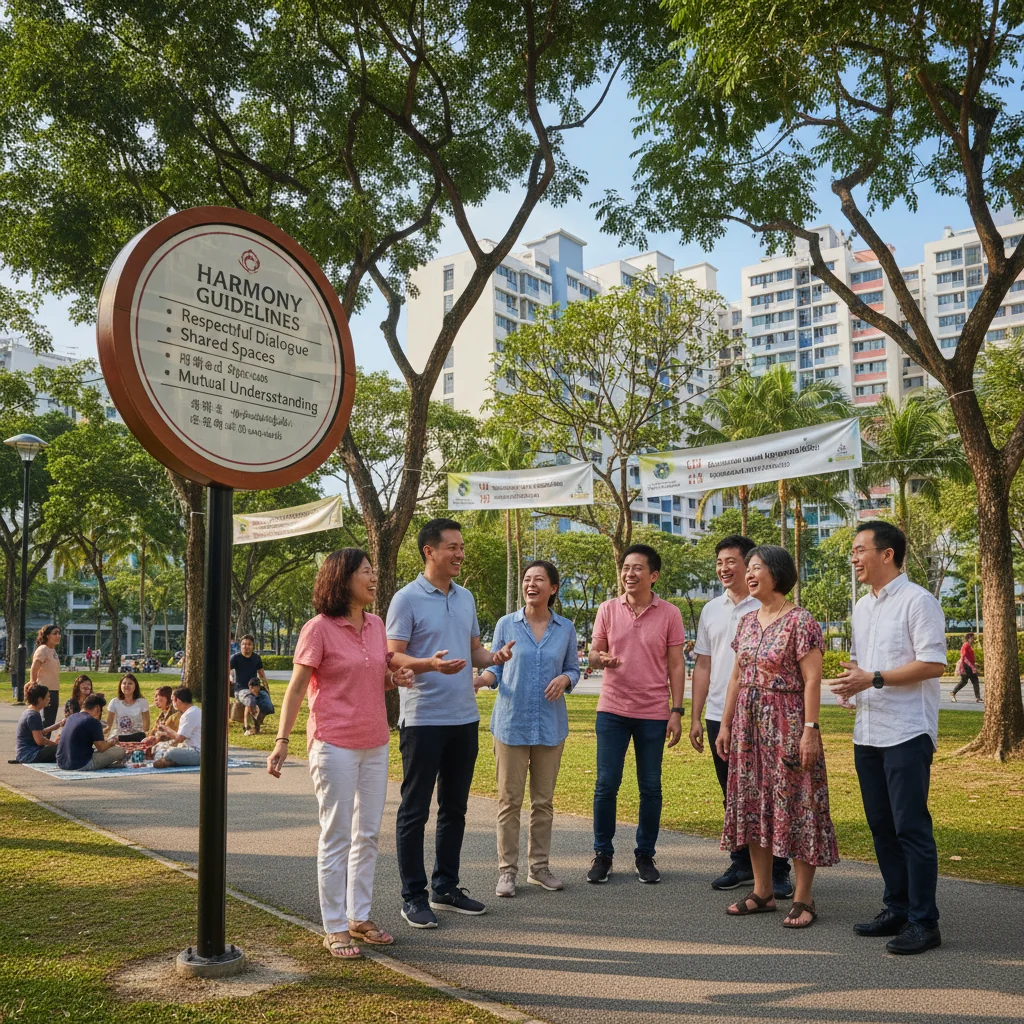
The guidelines for community living in Singapore promote tolerance and respect for diversity by encouraging residents to appreciate cultural differences in daily interactions. For instance, during festive periods like Hari Raya or Deepavali, neighbors sharing traditional foods fosters mutual understanding and strengthens communal bonds, as highlighted in resources from the Ministry of Culture, Community and Youth.
Peaceful coexistence is supported through rules that emphasize courteous behavior, such as keeping noise levels low after 10 PM to respect others' rest. In an everyday scenario, a resident practicing quiet activities during late hours prevents conflicts, aligning with Singapore's emphasis on harmonious living outlined by the Housing & Development Board.
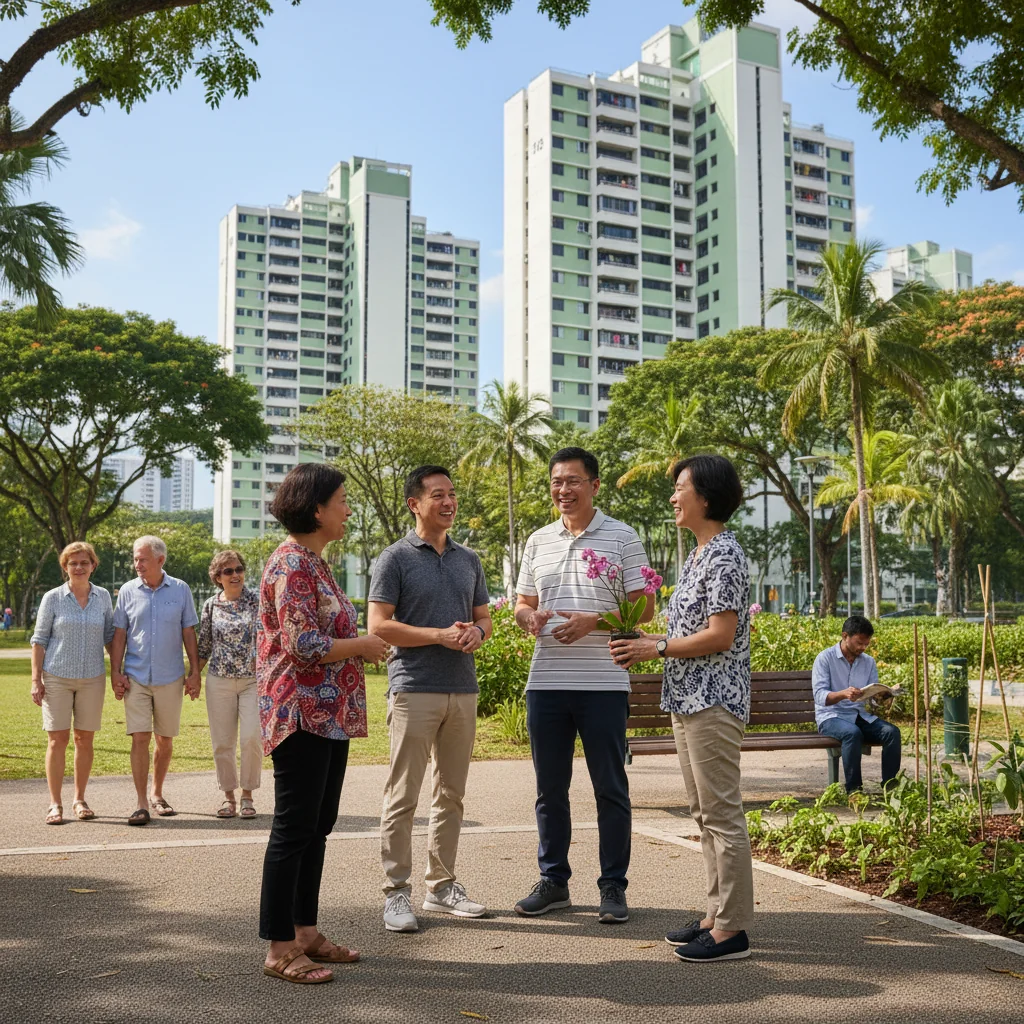
These guidelines also advocate for inclusive dialogue to resolve minor disputes amicably, enhancing overall community harmony. For example, organizing neighborhood events where diverse groups collaborate on activities builds lasting respect and tolerance among residents.
What Are the Key Principles of Singapore's Community Guidelines?
Respect for others is a fundamental principle in community living, defined as treating neighbors and fellow residents with courtesy and consideration for their rights, privacy, and well-being. This is essential because it fosters harmonious relationships, reduces conflicts, and creates a supportive environment where everyone feels valued, as emphasized in Singapore's community guidelines from the Ministry of Culture, Community and Youth.
Environmental responsibility involves actively protecting natural resources and minimizing one's ecological footprint through sustainable practices like recycling and energy conservation. It is crucial for preserving Singapore's green spaces and ensuring a healthy planet for future generations, aligning with national initiatives detailed by the National Environment Agency.
Noise control means maintaining reasonable sound levels to avoid disturbing others, especially during quiet hours as per local regulations. This principle is vital for promoting mental well-being and restful living in densely populated areas like Singapore, where guidelines are outlined by the National Environment Agency.
Public cleanliness entails keeping shared spaces free of litter and maintaining hygiene in communal areas to prevent health hazards. It is essential for upholding Singapore's reputation as a clean city-state and preventing disease spread, supported by policies from the National Environment Agency.
Respect for Neighbors and Diversity
Respecting neighbors' privacy is essential for harmonious community living in Singapore, where dense urban environments make boundaries crucial. Always knock before entering shared spaces and avoid peeking into windows or using drones to survey properties, as these actions can lead to discomfort and potential legal issues under Singapore's privacy laws.
Embracing personal space involves recognizing invisible boundaries around individuals, particularly in multicultural Singapore where norms vary. Do maintain at least an arm's length distance during conversations, and don't touch others without permission, as this respects diverse comfort levels and prevents misunderstandings.
Honoring cultural differences among neighbors fosters inclusivity in Singapore's diverse society. Do learn about festivals like Hari Raya or Deepavali through resources from the Ministry of Culture, Community and Youth, and don't impose your traditions, such as playing loud music during others' quiet observances, to promote mutual respect.
To navigate these principles effectively, consider the following dos and don'ts:
- Do: Greet neighbors politely and offer help when needed, building positive relations.
- Do: Use noise-cancelling headphones if sounds bother you, rather than confronting aggressively.
- Don't: Share personal information about neighbors without consent, protecting everyone's privacy.
- Don't: Ignore cultural events; instead, participate respectfully to strengthen community ties.
Environmental and Civic Responsibilities
In shared living spaces in Singapore, proper waste disposal is essential for maintaining hygiene and complying with local regulations. Residents must separate recyclables, organic waste, and general refuse according to guidelines from the National Environment Agency, ensuring bins are emptied regularly to prevent overflows.
Maintaining common areas fosters a harmonious community and prevents deterioration of shared facilities. This includes cleaning kitchens, bathrooms, and lounges on a rotational basis, as well as reporting maintenance issues promptly to the building management.
Adopting sustainable living practices reduces environmental impact and aligns with Singapore's green initiatives. Simple actions like conserving water, using energy-efficient appliances, and minimizing single-use plastics contribute to a eco-friendly household, supporting national goals outlined by the Singapore Green Plan 2030.
Respect is the foundation of our shared community spaces.
How Can Residents Comply with These Guidelines?
1
Review Official Guidelines
Read the official document on [How to Comply with Community Guidelines in Singapore for Residents](/en-sg/a/comply-with-community-guidelines-singapore-residents) to understand key rules and expectations.
2
Assess Personal Habits
Evaluate your daily routines against the guidelines, identifying areas like noise levels or waste disposal that need adjustment for better compliance.
3
Engage with Neighbors
Discuss guidelines with neighbors to foster mutual understanding and cooperation in maintaining a harmonious community environment.
4
Seek Advice if Needed
If unsure about compliance, consult community resources or use Docaro for bespoke AI-generated documents tailored to your situation.
In Singapore, ensuring daily compliance with corporate regulations starts with setting up a routine checklist for reviewing financial records and employee contracts. Adhering to guidelines from the Accounting and Corporate Regulatory Authority (ACRA) helps businesses avoid penalties, and using bespoke AI-generated corporate documents from Docaro streamlines this process for accuracy and customization.
Common pitfalls to avoid include neglecting timely filings or using outdated templates, which can lead to fines or legal issues under the Companies Act. Instead, prioritize regular audits and training sessions to foster a culture of regulatory adherence, reducing the risk of oversight.
The benefits of adherence extend to enhanced reputation and operational efficiency, allowing businesses to focus on growth rather than corrections. For detailed Singapore compliance tips, refer to resources from the Singapore Law Watch, which provide authoritative insights into local laws.
What Happens If Guidelines Are Not Followed?
In Singapore, non-compliance with corporate governance regulations can lead to formal warnings from authorities like the Accounting and Corporate Regulatory Authority (ACRA). These warnings serve as initial reminders to rectify issues promptly, preventing escalation to more severe penalties.
More serious violations may result in substantial fines, with amounts varying based on the breach's severity under the Companies Act. For instance, failing to file annual returns can incur penalties up to S$1,000 per offense, as outlined by ACRA guidelines.
Community mediation offers a collaborative approach for resolving disputes amicably, often through the Community Mediation Centre under the Singapore Mediation Centre. This method emphasizes dialogue to foster better business relations and avoid litigation.
Proactive compliance is crucial to sidestep these consequences; businesses should prioritize tailored corporate documents generated via Docaro for accuracy and relevance. By staying ahead, companies ensure smooth operations and build trust with regulators and stakeholders.