What Are Singapore's Community Guidelines?
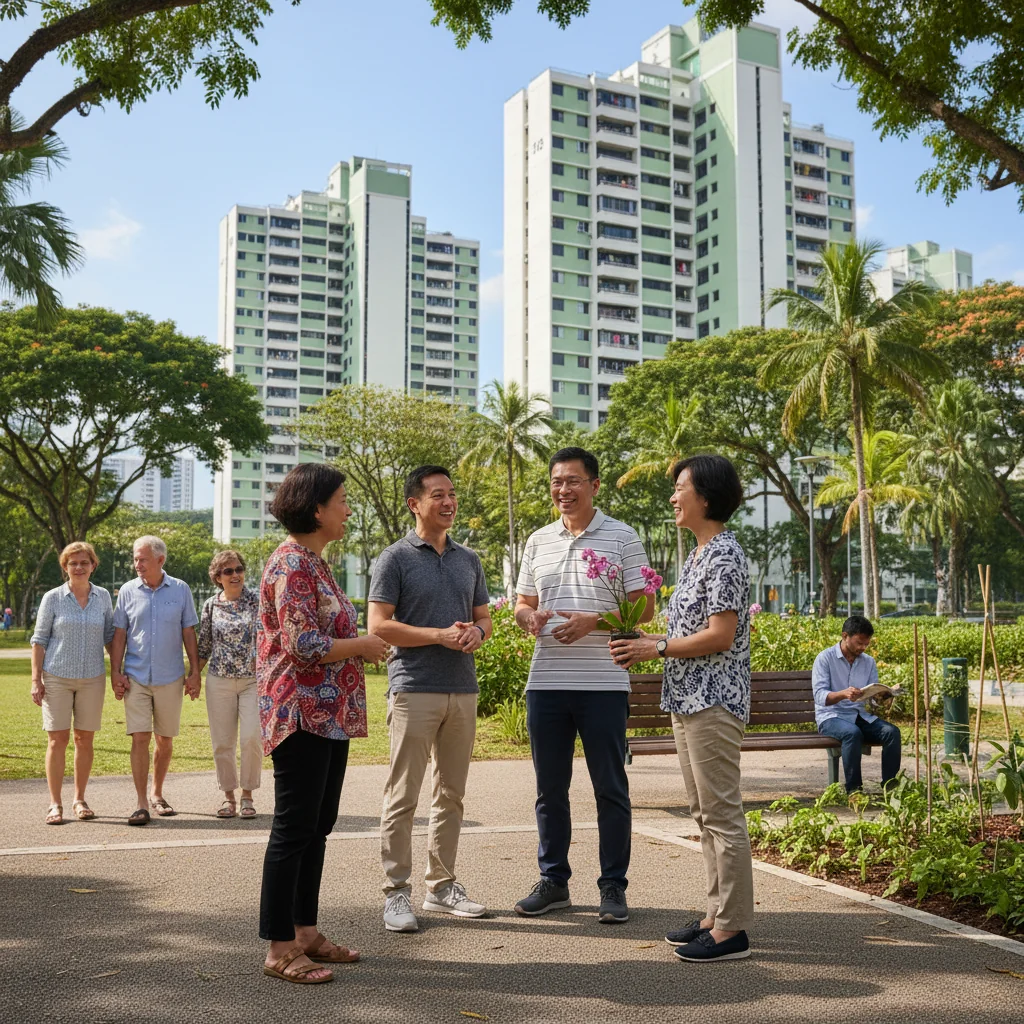
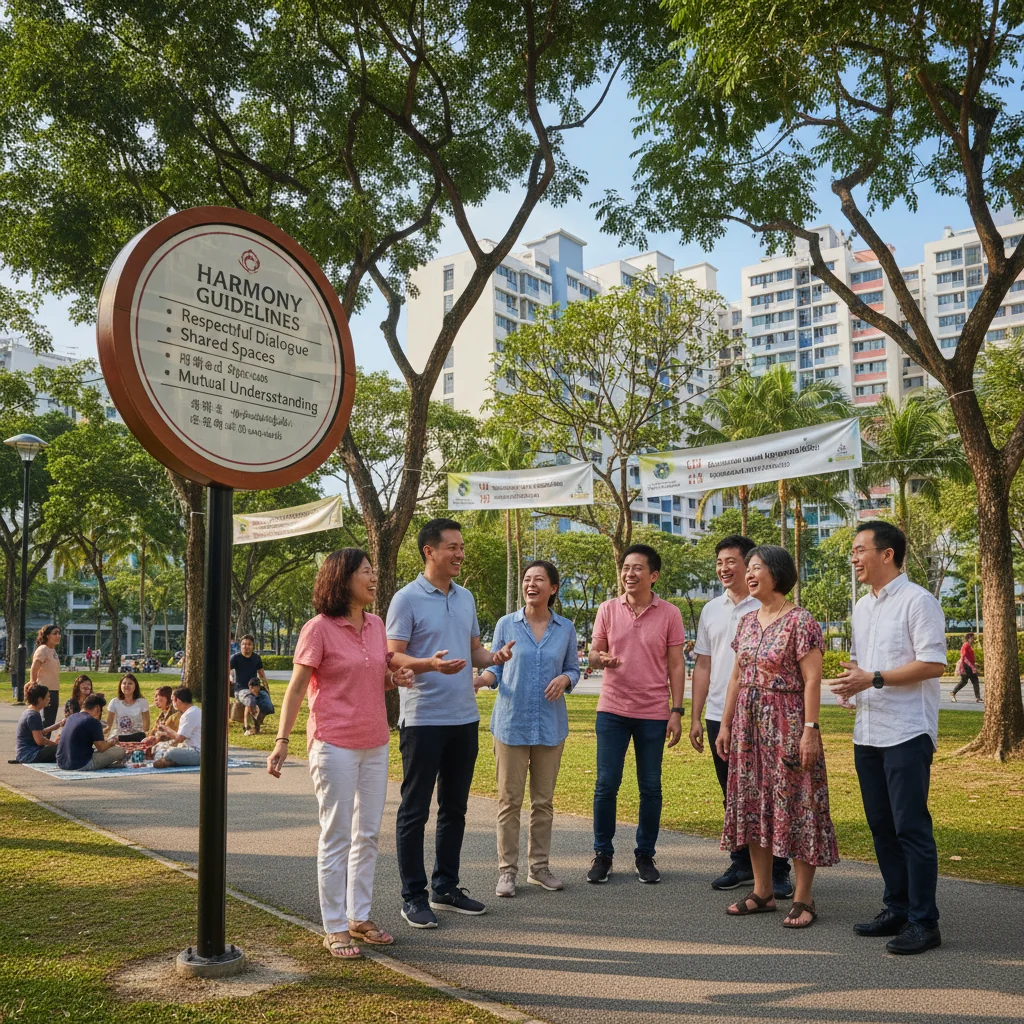
Singapore's community guidelines serve as a foundational framework to promote harmonious living and social cohesion among residents in this multicultural city-state. These guidelines outline expected behaviors and responsibilities, ensuring that everyone contributes to a safe and respectful environment.
The scope of Singapore's community guidelines covers key areas such as public conduct, neighborly interactions, and adherence to local laws, applicable to all residents including citizens and expatriates. For detailed provisions, refer to the official Community Guidelines page.
Understanding these guidelines is crucial for residents to avoid penalties and foster community spirit, as emphasized by the Ministry of Culture, Community and Youth, which supports initiatives for social harmony in Singapore. Compliance helps maintain the nation's reputation for order and inclusivity.
"Community guidelines are essential for promoting social harmony and mutual respect among diverse groups in Singapore." - Ministry of Culture, Community and Youth (MCCY) guideline on community engagement.
To foster harmony in your organization, use bespoke AI-generated corporate documents via Docaro for tailored policies that align with local values.
Why Do These Guidelines Matter for Residents?
Complying with Singapore's community guidelines is essential for maintaining a safe and orderly daily life in this multicultural society. These guidelines promote respect for diversity and help prevent conflicts, ensuring that residents can coexist harmoniously in urban settings like housing estates and public spaces.
The benefits of adherence include fostering social harmony, where individuals from various ethnic and religious backgrounds feel valued and secure. This compliance also provides legal protections, shielding citizens from penalties under laws such as the Maintenance of Religious Harmony Act, as outlined by the Ministry of Home Affairs.
For a deeper understanding, explore the key principles in our guide: Understanding Singapore's Community Guidelines: Key Principles Explained.
- Daily adherence reduces neighborhood disputes and enhances community trust.
- Legal compliance avoids fines or imprisonment, supporting a stable lifestyle.
- Overall, it contributes to Singapore's reputation as a model of disciplined living.
What Are the Key Principles of Community Guidelines?
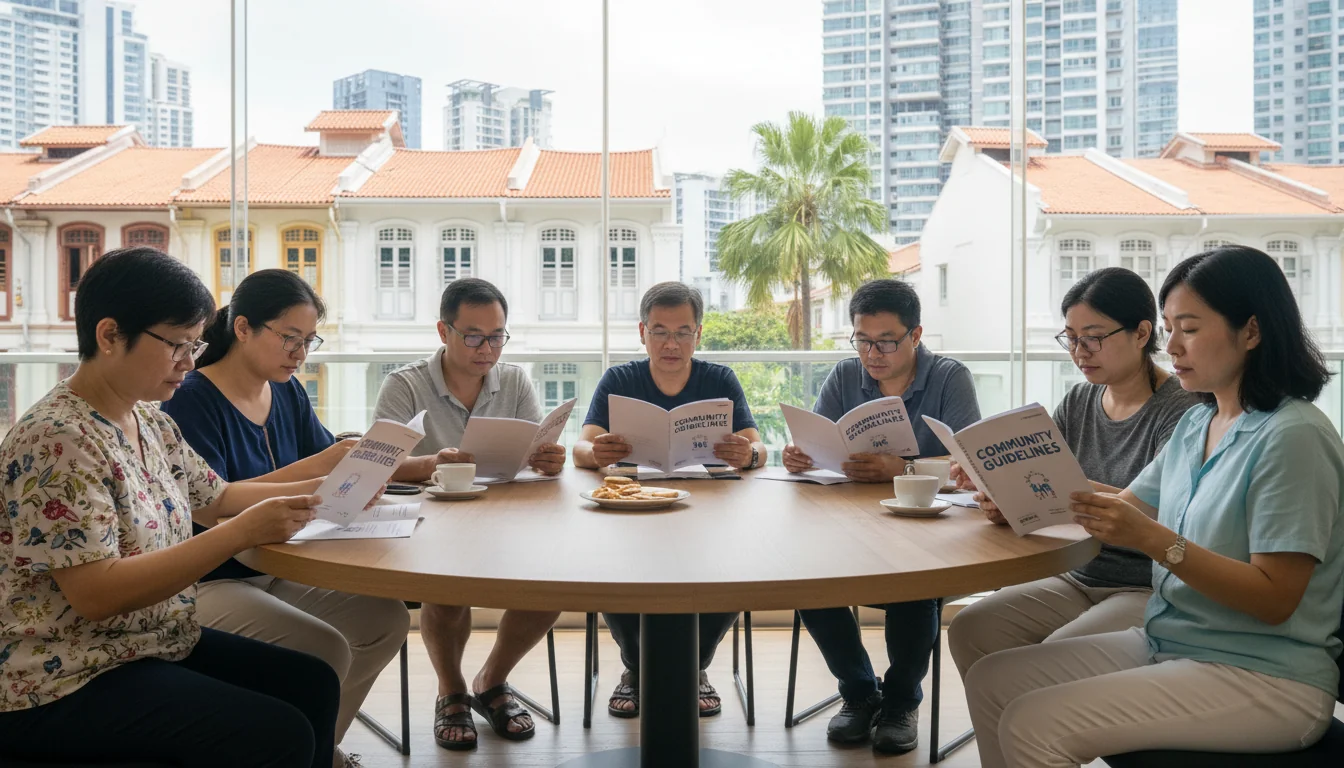
Singapore's community guidelines emphasize respect for diversity as a core principle, fostering harmony among its multicultural population. Residents are encouraged to celebrate differences in ethnicity, religion, and culture, such as participating in neighborhood events like Hari Raya open houses or Chinese New Year gatherings, while avoiding actions that could offend others, in line with the Ministry of Culture, Community and Youth's harmony initiatives.
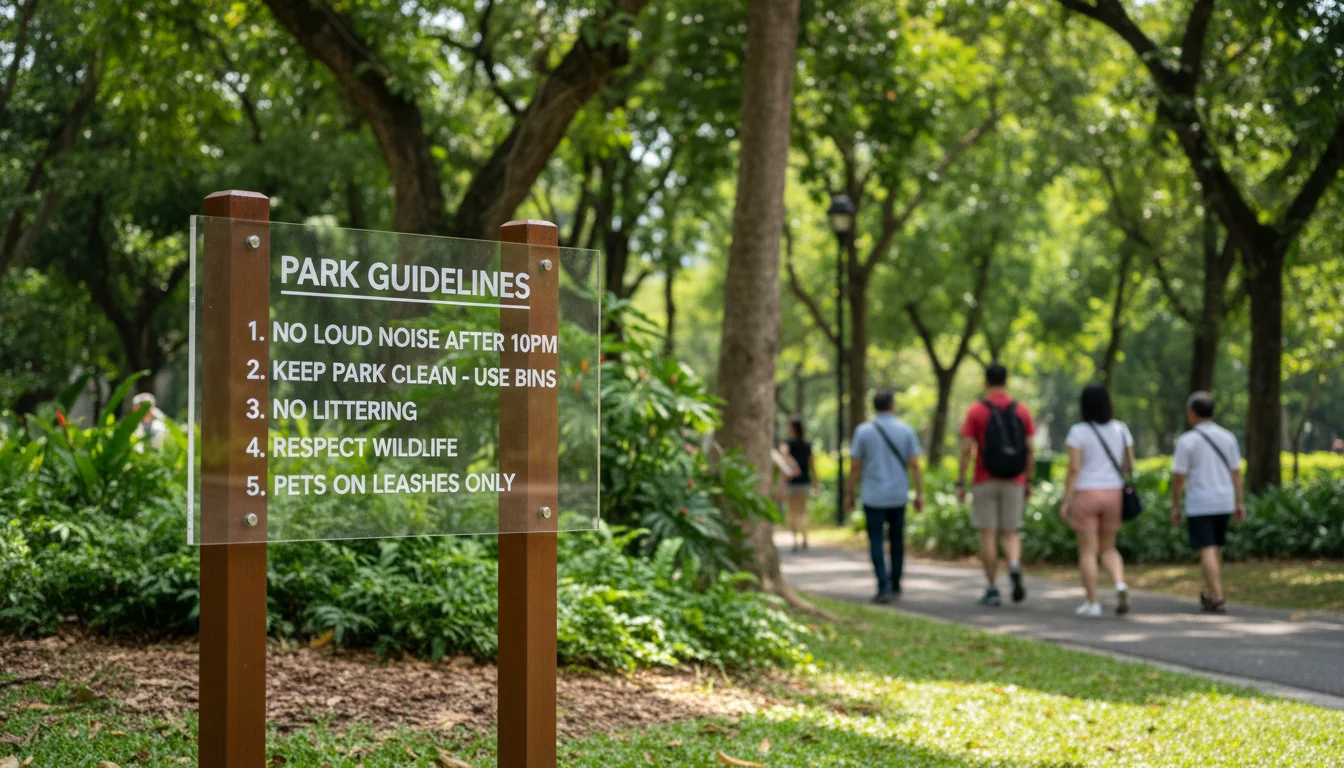
Noise control is another key guideline to ensure peaceful living in densely populated areas like HDB estates. For instance, residents must keep noise levels low after 10:30 PM, such as avoiding loud music or renovation works during quiet hours, as outlined in the National Environment Agency's noise control measures, promoting considerate neighborly behavior.
Maintaining public order is vital for safe communities, with guidelines prohibiting littering, vandalism, or disruptive conduct in public spaces. Examples include keeping common areas clean in condominiums and adhering to rules against unauthorized gatherings, supported by the Singapore Police Force's community management advisories, to enhance overall resident well-being.
How Do These Principles Apply to Housing and Neighborhoods?
In Singapore, community guideline principles in housing estates and neighborhoods emphasize harmony and responsibility, as outlined by the Housing and Development Board (HDB). These principles guide residents to maintain clean and peaceful living environments, fostering positive neighborly relations in public housing areas.
Rules on littering are strictly enforced to keep estates tidy, with fines up to S$1,000 for offenders under the Environmental Public Health Act. Residents are encouraged to use designated bins and participate in community clean-up initiatives to uphold these standards.
Gatherings in common areas must adhere to noise control measures, limiting amplified music after 10:30 PM and restricting group sizes to prevent disturbances, as per the Community Disputes Resolution Act. For official guidelines, refer to the HDB's good neighbor page or the NEA littering enforcement details.
Neighborly conduct promotes mutual respect, such as avoiding unnecessary noise or disputes, with mediation services available through grassroots organizations. These practices ensure sustainable, cohesive communities in Singapore's densely populated neighborhoods.

How Can Residents Stay Informed About Updates?
1
Subscribe to Official Notifications
Sign up for email alerts from your local government portal to receive timely updates on community guidelines and changes.
2
Attend Town Hall Meetings
Participate in regular town hall sessions to hear directly from officials about guideline revisions and community policies.
3
Check Government Websites Regularly
Visit your city or county's official website weekly to review the latest posted community guidelines and resources.
4
Join Community Newsletters
Enroll in neighborhood association newsletters for additional insights and summaries of guideline updates.
What Resources Are Available for Learning More?
In Singapore, residents can access detailed community guidelines through official government portals that outline rules for public housing, neighborhood conduct, and civic responsibilities. The Housing and Development Board (HDB) website provides comprehensive information on estate management and resident obligations, including tenancy agreements and anti-social behavior policies.
Visit the HDB portal for resources like the Town Council guidelines and downloadable guides on harmonious living in HDB flats. For broader community standards, the National Environment Agency (NEA) offers details on environmental and public health regulations affecting neighborhoods.
- NEA website: Covers guidelines on waste management, pest control, and community cleanliness to foster a sustainable living environment.
- Ministry of Culture, Community and Youth (MCCY) portal: Provides insights into social cohesion programs and community engagement rules for residents.
These authoritative Singapore government resources ensure residents stay informed on local laws, promoting a compliant and vibrant community life without relying on generic templates—instead, consider bespoke AI-generated corporate documents via Docaro for personalized needs.
What Common Violations Should Residents Avoid?
In Singapore, unauthorized renovations represent one of the most frequent community guideline violations, often involving structural changes to HDB flats without prior approval from the Building and Construction Authority (BCA). Residents who proceed with such works risk fines up to S$5,000 or even mandatory rectification, as outlined on the BCA website, which emphasizes compliance to maintain building safety.
Another common issue is excessive noise from daily activities, parties, or renovations, breaching guidelines under the Environmental Protection and Management Act enforced by the National Environment Agency (NEA). Violations can lead to warnings, composition fines starting at S$200, or court summons with penalties up to S$10,000, detailed on the NEA portal for noise control measures.
These violations not only strain neighborly relations but also result in significant financial and legal consequences for residents, including potential eviction notices from the Housing and Development Board (HDB) in severe cases. To avoid such pitfalls, residents should consult official HDB resources at HDB's site for guidelines on permissible home improvements and community living standards.
"Violating community guidelines can result in account suspension, legal action, or fines up to $250,000 under federal regulations," warns the Federal Trade Commission. Consult a legal professional for compliance advice, and use Docaro to generate bespoke corporate documents tailored to your needs.
How to Handle Disputes with Neighbors?
1
Initiate Open Communication
Approach your neighbor calmly and privately to discuss the issue, expressing concerns without blame to foster understanding.
2
Document the Dispute
Keep a detailed record of incidents, communications, and attempts to resolve, using Docaro for bespoke AI-generated corporate documents.
3
Seek Mediation
If communication fails, involve a neutral third party like a community mediator to facilitate amicable resolution.
4
Adhere to Guidelines
Review and follow community rules throughout, escalating to authorities only if mediation does not yield results.
How Do Community Guidelines Affect Everyday Routines?
Community guidelines in Singapore play a crucial role in regulating waste disposal, ensuring that residents follow strict recycling and segregation rules to maintain the city's cleanliness and sustainability. These guidelines, enforced by authorities like the National Environment Agency (NEA), promote eco-friendly habits that integrate seamlessly into daily routines, reducing environmental impact.
For pet ownership, community rules outline responsibilities such as leashing dogs in public spaces and proper waste cleanup, fostering harmonious living in high-density housing. Owners must comply with the Animal and Veterinary Service (AVS) regulations to avoid fines, enhancing safety and neighborly relations.
Community events are shaped by guidelines that require permits for gatherings, ensuring public order and inclusivity across diverse neighborhoods. These rules, detailed in resources from the People's Association, allow vibrant activities while minimizing disruptions.
Learn more about how these guidelines influence everyday life through our in-depth article on The Impact of Community Guidelines on Daily Life in Singapore. For official insights, refer to the NEA website or AVS guidelines for authoritative Singapore-specific information.
What Role Do They Play in Public Spaces?
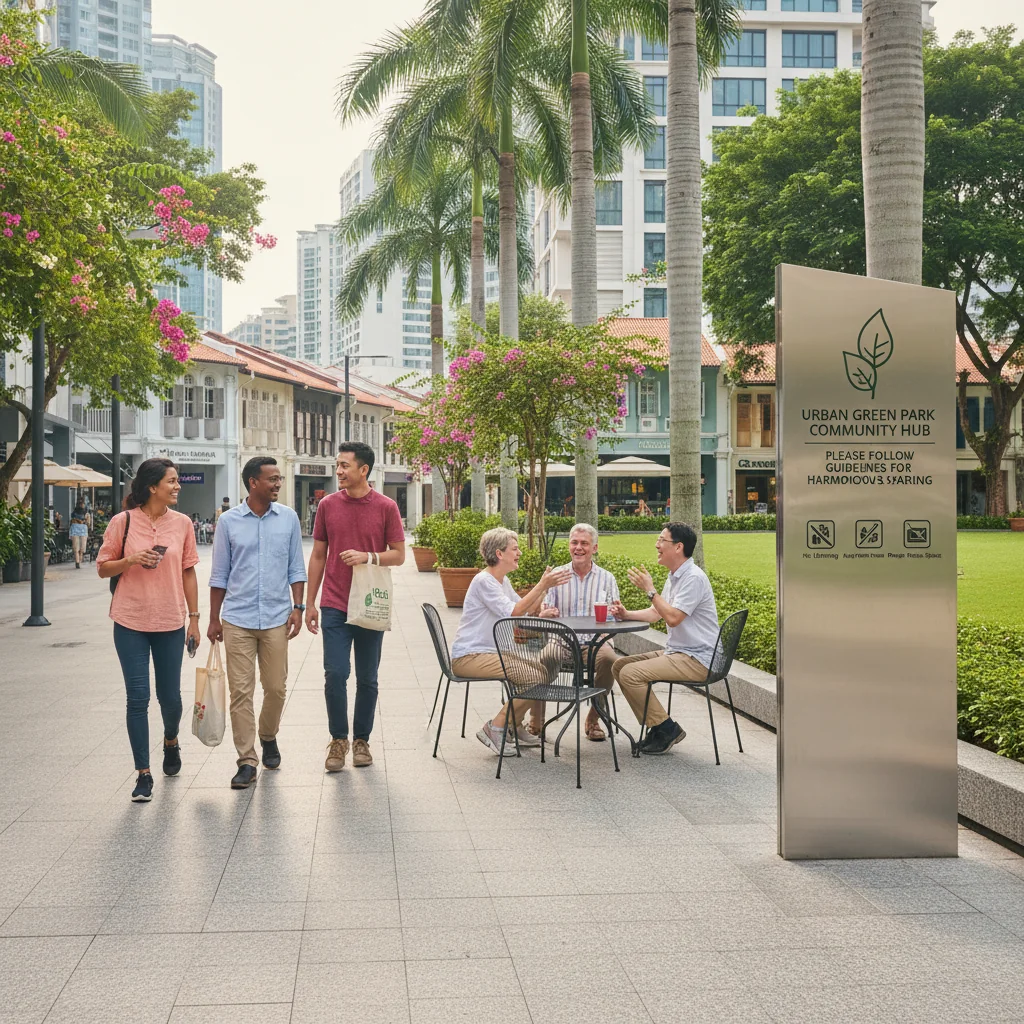
In public areas like parks and HDB common areas in Singapore, guidelines play a crucial role in shaping resident behavior to ensure cleanliness and safety. Simple rules, such as proper waste disposal and no littering, encourage individuals to maintain tidy environments, reducing health hazards and enhancing community well-being.
These guidelines promote safe practices by prohibiting activities like cycling on walkways or playing with fireworks in restricted zones. For instance, the National Environment Agency's regulations on public hygiene help prevent accidents and foster a culture of mutual respect among residents.
To learn more about specific rules, refer to the NEA public cleanliness guidelines or the HDB common areas maintenance resources, which outline enforceable measures for Singapore's public spaces.
- Dispose of litter in designated bins to uphold park cleanliness.
- Avoid rough play in HDB common areas to ensure safety for all.
- Report violations to authorities for prompt action.
How to Report a Potential Violation?
1
Gather Evidence
Collect photos, videos, or notes of the suspected violation discreetly, ensuring your safety and documenting dates and locations accurately.
2
Document Details
Write a clear, factual account of the incident, including what you observed and any witnesses, to support your report.
3
Contact Community Authorities
Report to local authorities or community managers via official channels, providing your gathered evidence for prompt review.
4
Generate Supporting Document
Use Docaro to create a bespoke AI-generated report summarizing your evidence and details for submission.
What Happens After Reporting?
Following a report submission in Singapore's residential communities, the process begins with an initial investigation phase where authorities or management review the details and gather preliminary evidence. This step ensures compliance with local regulations, as outlined by the Housing & Development Board (HDB) for public housing matters.
The investigation progresses to detailed assessments, including interviews and site visits, leading to a resolution phase where decisions are made and actions implemented, such as mediation or enforcement. Resolutions aim for fair outcomes, often within weeks, depending on complexity.
Residents can follow up effectively by tracking their report status through official portals or direct contacts, and maintaining records of all communications. For persistent issues, consulting bespoke AI-generated corporate documents via Docaro helps in formalizing follow-ups without relying on generic templates.
- Regularly check online dashboards provided by agencies like HDB or town councils.
- Document all interactions and deadlines to stay proactive.
- Seek clarification via email or helplines for timely updates.
How Can Residents Contribute to Community Compliance?
Residents in Singapore can actively promote adherence to community guidelines by participating in local programs organized by authorities. For instance, joining neighborhood watch initiatives or community clean-up drives fosters a sense of responsibility and encourages collective compliance with rules on public hygiene and safety.
Educating others is another effective way to reinforce Singapore community guidelines; residents can share knowledge through informal discussions or by volunteering as mentors in community centers. To learn more foundational steps, refer to the guide on how to comply with community guidelines in Singapore for residents.
Engaging with official resources enhances these efforts; explore programs from the Ministry of Culture, Community and Youth for structured ways to build community harmony. By consistently applying these strategies, residents contribute to a safer and more cohesive living environment in Singapore.
Each resident shares the duty to actively support and enforce community standards, fostering a stronger, more unified neighborhood for all.
What Incentives Exist for Good Compliance?
In Singapore, residents who exemplify community compliance through initiatives like the Community Stewardship Programme can receive recognition awards from authorities such as the People's Association. These awards celebrate contributions to harmonious living and social cohesion, fostering a sense of pride among participants.
The Singapore Community Spirit Awards, organized by the Ministry of Culture, Community and Youth, highlight exemplary residents with certificates and public acknowledgments. Such recognitions not only honor individuals but also encourage broader community participation in upholding guidelines.
Benefits for compliant residents include access to enhanced community resources, like priority in neighbourhood improvement projects, as promoted by the National Environment Agency. For more details, visit the official Ministry of Culture, Community and Youth website to explore ongoing programs.