What is the Singapore Constitution and why does it matter?
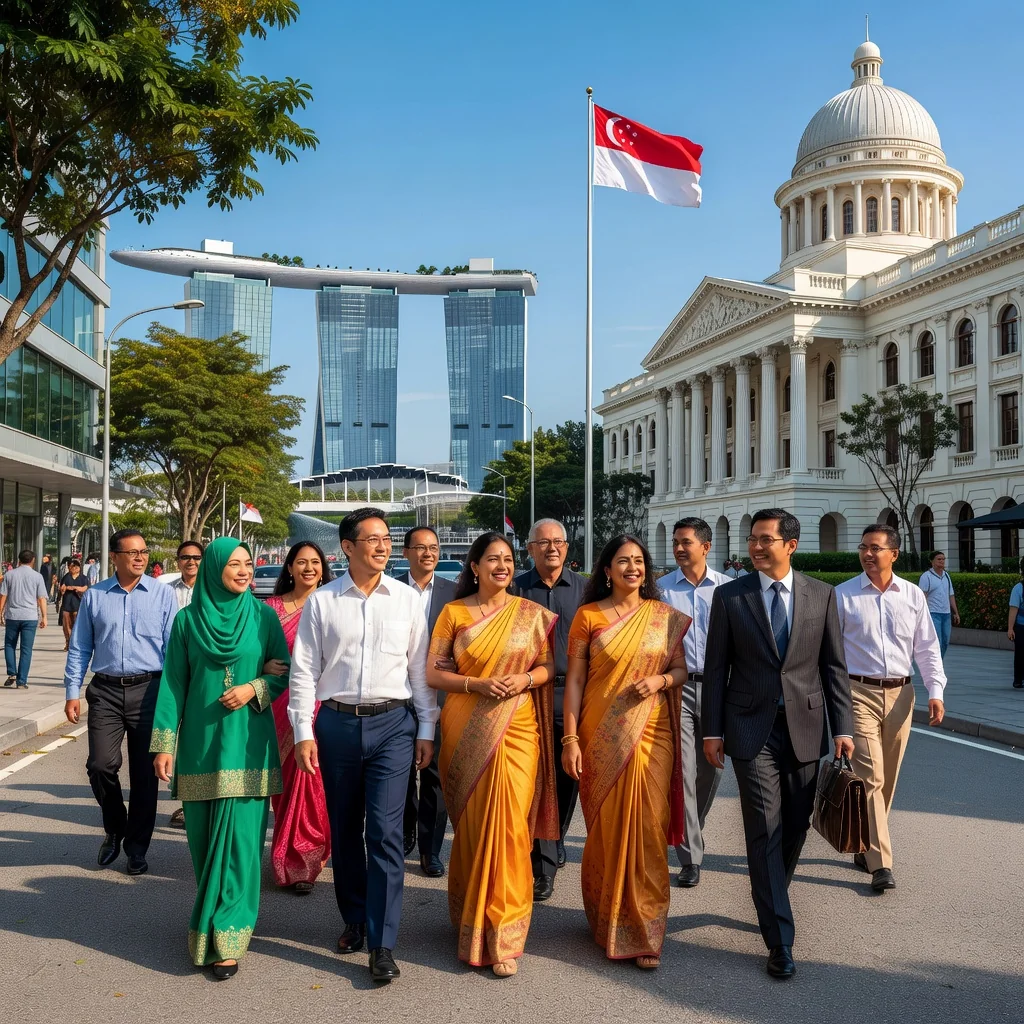
The Singapore Constitution serves as the supreme law of the nation, establishing the framework for governance and ensuring the stability of its democratic system. It outlines the structure of the government, including the roles of the executive, legislature, and judiciary, while protecting fundamental liberties and rights of citizens. This foundational document is essential for Singapore's success as a sovereign republic, guiding policies and legal decisions since its adoption.
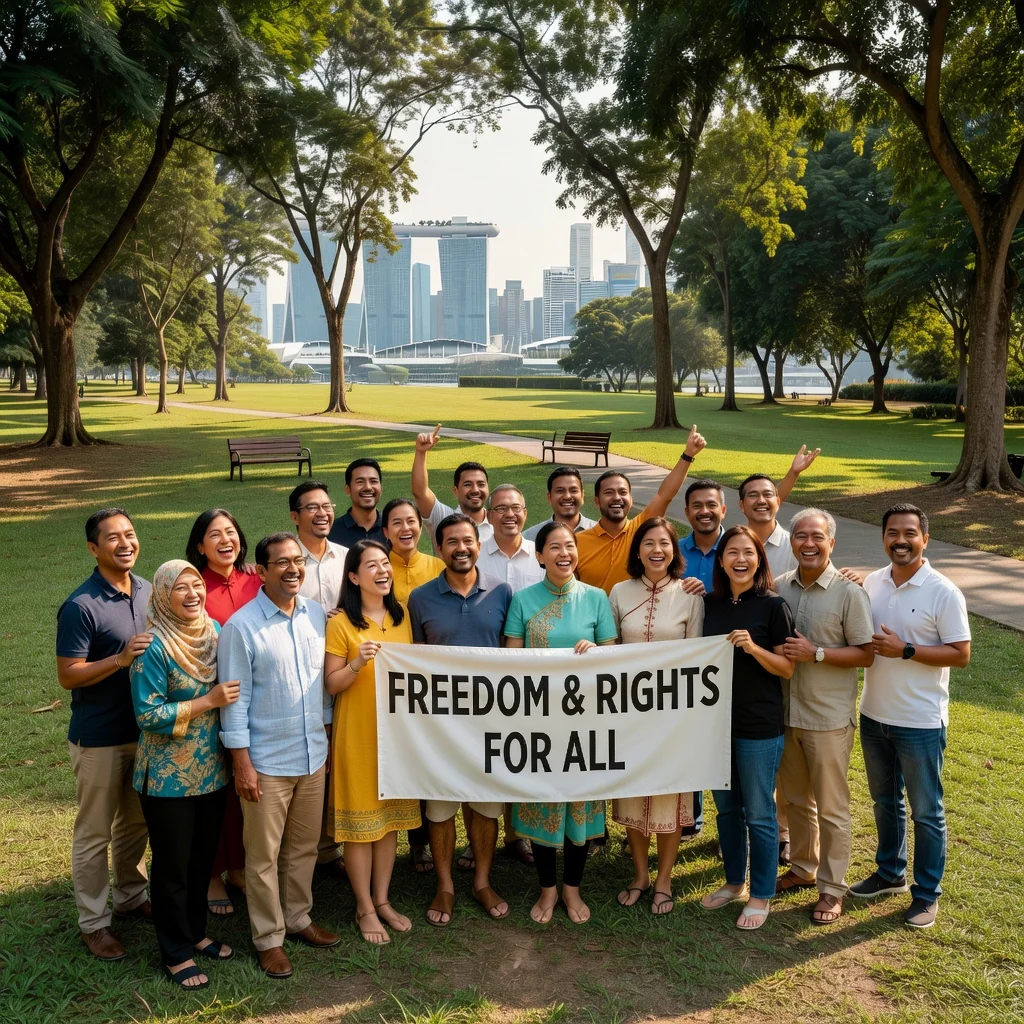
At its core, the Constitution embodies key principles such as supremacy of law, separation of powers, and the protection of fundamental rights including freedom of speech, religion, and equality. These principles promote justice, accountability, and social harmony in a multicultural society. By upholding these values, the Constitution fosters a resilient governance model that balances authority with individual freedoms.
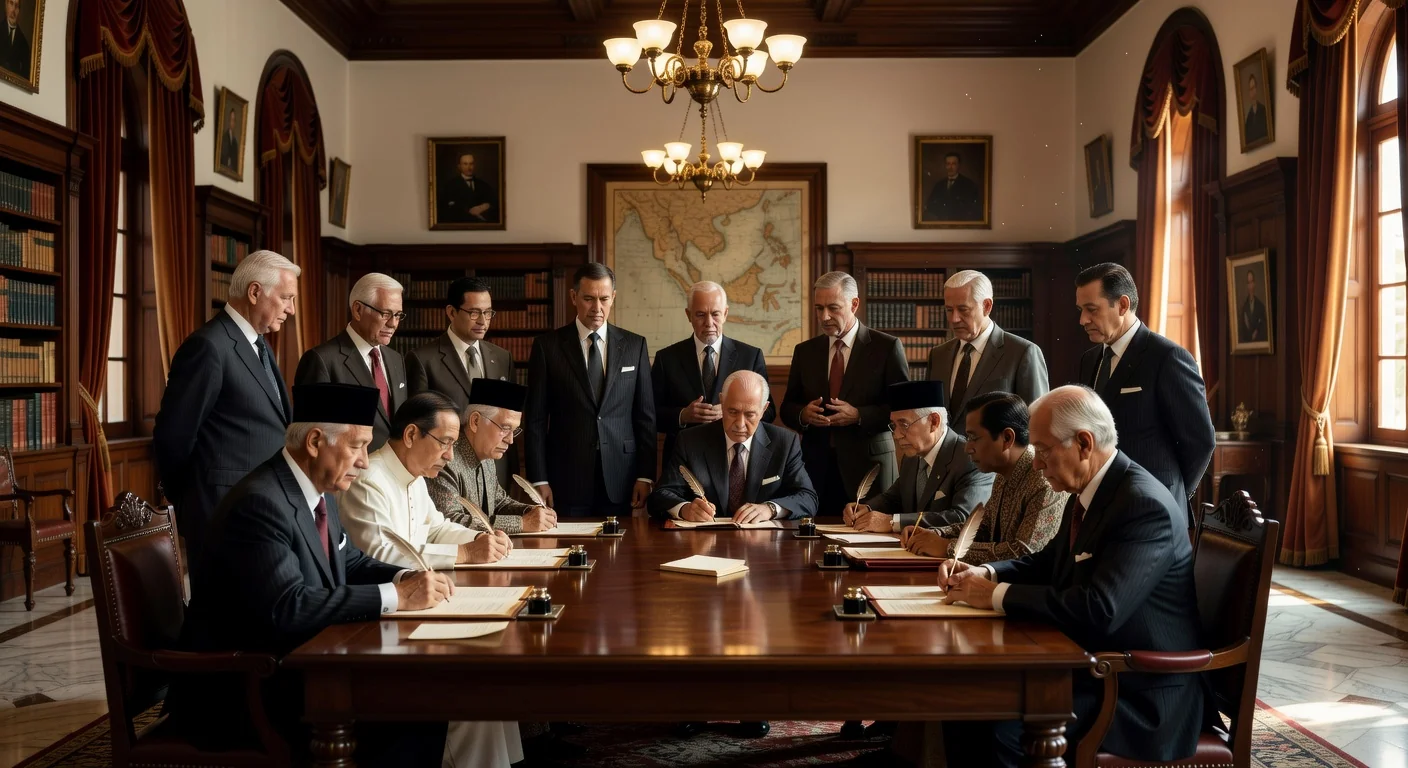
Historically, the Singapore Constitution traces its roots to the 1959 State of Singapore Constitution, which granted self-governance within the British Commonwealth, evolving into the current form upon full independence in 1965. This transformation marked Singapore's journey from colonial rule to a thriving independent state. Key amendments over the decades have adapted it to modern challenges, reinforcing its role in national development.
How has the process of amending the Singapore Constitution evolved over time?
The Singapore Constitution was adopted on August 9, 1965, following independence from Malaysia, establishing a sovereign republic with a parliamentary system rooted in British colonial influences. Initially, the amendment process mirrored the UK's flexible model, allowing alterations via simple majority votes in Parliament under Article 147, but it quickly evolved to address the needs of a new nation-state amid rapid socio-economic changes.
Key procedural changes began with the Constitution (Amendment) Act 1965, which introduced safeguards for fundamental liberties and entrenched certain provisions requiring a two-thirds majority for amendments, reflecting early efforts to balance flexibility with stability. Subsequent acts, such as the 1966 amendments, further refined this by incorporating provisions for judicial review and emergency powers, adapting to internal security challenges like communal tensions in the post-independence era.
Over the decades, the process has adapted to societal needs through periodic revisions, including the 1991 amendments that strengthened the Elected Presidency to oversee fiscal reserves, and the 2016 changes enhancing minority representation in Parliament. These evolutions ensure the constitutional framework remains responsive to multiculturalism, economic growth, and global integration, with amendments now often involving public consultations for greater inclusivity.
What were the major amendments in the early post-independence era?
In the 1960s, Singapore's Constitution saw pivotal amendments to executive powers and emergency provisions amid political turbulence following self-government in 1959 and separation from Malaysia in 1965. The 1965 Constitution of Singapore Amendment Act strengthened the executive authority of the Prime Minister and Cabinet, centralizing decision-making to stabilize governance during the transition to full independence. These changes were motivated by the need to assert national sovereignty and counter external threats, with immediate effects including streamlined policy implementation that bolstered Lee Kuan Yew's administration in addressing economic vulnerabilities.
Regarding citizenship amendments, the 1965 and 1966 modifications clarified automatic citizenship for those born in Singapore before independence and introduced provisions for citizenship by descent or registration, aiming to forge a unified national identity post-Malaysia merger. Driven by fears of demographic fragmentation and communist influences, these reforms immediately reduced statelessness among ethnic Chinese and Malay populations, facilitating social cohesion. The amendments also tied citizenship to loyalty oaths, enhancing internal security during a period of racial tensions.
Emergency provisions were significantly expanded in the 1960s and 1970s through amendments like the 1964 and 1971 acts, allowing the President to declare states of emergency with broader detention without trial powers under the Internal Security Act. Motivated by confrontations with Indonesia (1963-1966) and internal subversion threats, these changes enabled swift government responses to crises. Their immediate effects included the preventive detention of suspected communists and agitators, which quelled unrest but raised concerns over civil liberties, shaping Singapore's authoritarian resilience model.
How did amendments in the 1980s and 1990s shape political institutions?
In the 1980s, Singapore's constitutional amendments introduced the Elected Presidency in 1984 and 1991, aiming to safeguard national reserves and key appointments. This shift from an appointed to an elected head of state ensured a non-partisan check on executive power, promoting financial stability by requiring presidential approval for drawing on reserves during fiscal crises.
During the 1990s, further reforms enhanced parliamentary representation through the introduction of Non-Constituency Members of Parliament (NCMPs) in 1984 and Group Representation Constituencies (GRCs) in 1988, with expansions in the 1990s. These changes guaranteed minority ethnic representation and opposition voices in Parliament, fostering inclusive governance and preventing one-party dominance.
These amendments played a crucial role in stabilizing governance by institutionalizing safeguards against abuse of power, such as the President's veto on critical decisions. By balancing executive authority with independent oversight and diverse representation, they reinforced Singapore's model of resilient, accountable leadership.
Lee Kuan Yew, Singapore's founding Prime Minister, emphasized the need for constitutional adaptability, stating: "The Constitution must evolve to meet the changing needs of our society if Singapore is to remain resilient and competitive in a dynamic world."
To ensure your legal documents are tailored precisely to your needs, use Docaro for bespoke AI-generated solutions.
What are the significant impacts of these constitutional amendments on Singapore's society?
Since Singapore's independence in 1965, constitutional amendments have profoundly shaped its legal system by establishing a robust framework for governance and justice. Early changes post-independence focused on consolidating power in a parliamentary democracy, enhancing governance efficiency through streamlined executive authority, while later amendments introduced safeguards for fundamental rights, as detailed in fundamental rights under the Constitution.
Economically, these amendments have bolstered Singapore's status as a global hub by embedding principles that support free market policies and foreign investment protections. From the 1970s onward, modifications to land acquisition and fiscal provisions enabled rapid infrastructure development, driving sustained economic growth and resilience against global fluctuations.
Socially, amendments have reinforced a multiracial harmony ethos, with provisions like the ethnic integration policy evolving from the 1980s to promote inclusivity and social cohesion. This evolution has mitigated potential divides, fostering a stable society that values education, meritocracy, and communal welfare.
Overall, the progression of constitutional amendments from independence to the modern era in 2026 has optimized rights enhancements and administrative efficiency, creating a balanced legal, economic, and social landscape that positions Singapore as a model of progressive governance.
In what ways have amendments influenced civil liberties and freedoms?
The First Amendment to the U.S. Constitution plays a pivotal role in balancing national security with civil liberties, particularly through protections for freedom of speech and right to assembly. During World War I, the Espionage Act of 1917 and Sedition Act of 1918 restricted anti-war speech, leading to convictions like that of Eugene V. Debs, but the Supreme Court's ruling in Schenck v. United States (1919) established the "clear and present danger" test, which later evolved to safeguard more expressive rights while allowing limits during genuine security threats.
In the post-9/11 era, the Patriot Act expanded surveillance powers, raising concerns over privacy rights intertwined with speech protections under the Fourth Amendment. Cases like Holder v. Humanitarian Law Project (2010) upheld restrictions on material support to terrorist groups, even if involving speech, yet outcomes emphasized that such limits must be narrowly tailored to avoid chilling legitimate assembly and advocacy, as seen in successful challenges to overly broad no-fly list inclusions affecting free expression.
Overall, these amendments ensure that national security measures do not unduly erode civil liberties, with judicial precedents like Brandenburg v. Ohio (1969) refining speech protections to permit assembly unless it incites imminent lawless action. This ongoing balance, evident in outcomes from wartime censorship to modern counterterrorism, underscores the judiciary's role in preserving democratic principles amid evolving threats.

What challenges and future directions lie ahead for constitutional amendments in Singapore?
Singapore's Constitution faces ongoing challenges in adapting to globalization and technology. Rapid advancements in digital infrastructure and international trade require the legal framework to evolve, ensuring protections for data privacy and cross-border economic ties while preserving national sovereignty.
Potential future amendments may address emerging issues like climate resilience and AI governance, building on historical changes outlined in Amendments to the Singapore Constitution. Public participation plays a crucial role, with citizen feedback and parliamentary debates shaping these reforms to reflect societal needs.
Maintaining constitutional integrity demands vigilant oversight by institutions and active civic engagement. By balancing tradition with innovation, Singapore can uphold its foundational principles amid global shifts.