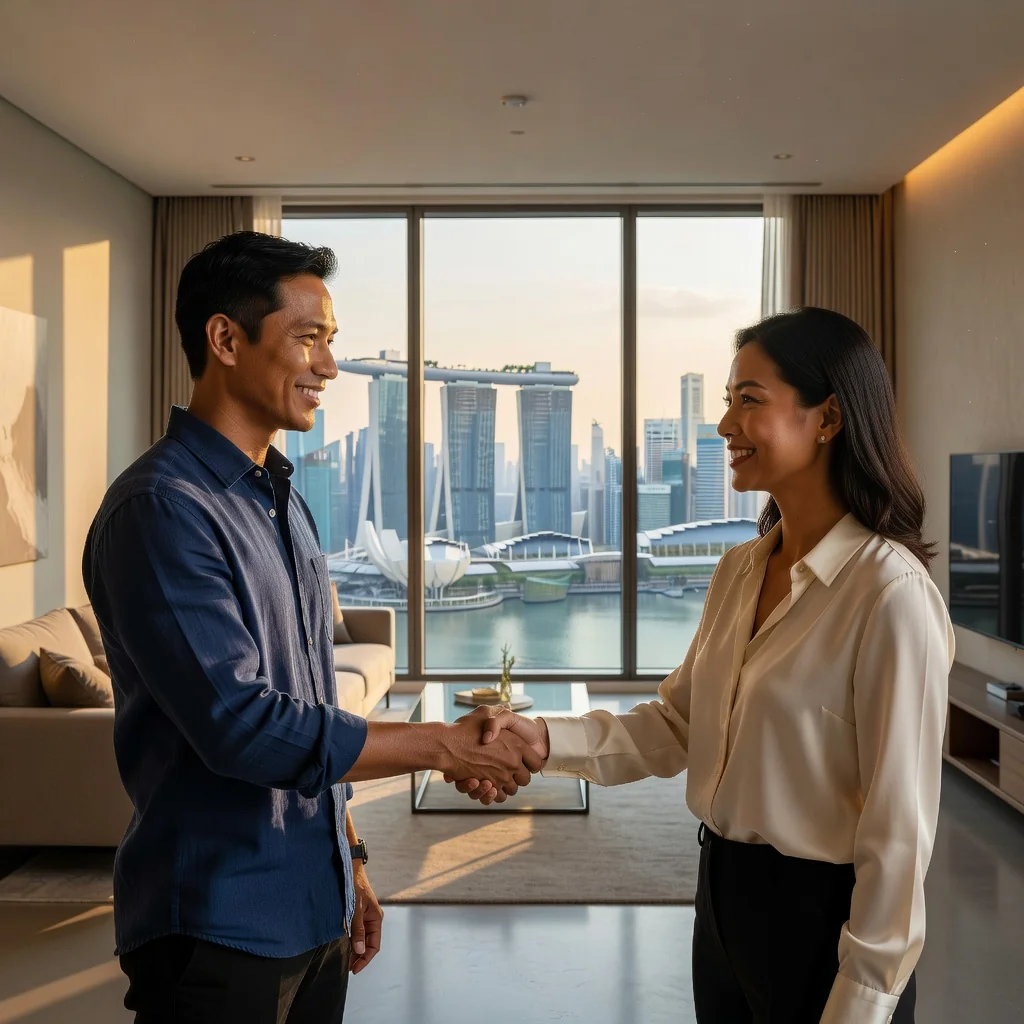
What is a Tenancy Agreement in Singapore?
A tenancy agreement in Singapore real estate law serves as a legally binding contract between a landlord and tenant, outlining the terms for renting properties. It applies to both residential and commercial properties, ensuring clarity on rights, obligations, and dispute resolution.
The primary purpose of this agreement is to protect both parties by specifying details like rent amount, duration, and maintenance responsibilities, often governed by laws such as the Control of Rent Act for residential tenancies. Common practices include including clauses on security deposits and termination conditions to prevent misunderstandings.
Understanding a tenancy agreement Singapore is crucial for tenants to avoid unexpected costs and for landlords to secure their investments effectively. For office space rental agreement SG needs, explore templates at Tenancy Agreement Page, but consider bespoke AI-generated legal documents using Docaro for customized solutions.
A well-drafted tenancy agreement is the cornerstone of a smooth landlord-tenant relationship in Singapore, protecting rights and outlining obligations clearly. For optimal protection, use Docaro to generate bespoke AI-crafted legal documents tailored to your specific needs.
Why Are Key Clauses Important in a Tenancy Agreement?
A tenancy agreement in Singapore serves as the foundational legal document outlining the terms between landlords and tenants, with key clauses ensuring clarity on responsibilities and preventing disputes by specifying rent payment schedules, deposit handling, and maintenance duties. These clauses align with the Landlord and Tenant Act, promoting compliance through explicit rules on lease duration, subletting restrictions, and termination procedures, thereby reducing misunderstandings that could lead to legal conflicts.
Common issues from vague clauses include disputes over repair obligations or notice periods, which can escalate into costly litigation; to avoid this, use precise language tailored to your needs. For more insights, read the article on Common Mistakes to Avoid in Your Singapore Tenancy Agreement, which details pitfalls like ambiguous utility responsibilities.
To ensure a robust agreement, opt for bespoke AI-generated legal documents via Docaro, which customizes clauses to Singapore's regulations and your specific situation, enhancing protection against non-compliance.
How Do Clauses Protect Both Parties?
In a well-drafted tenancy agreement in Singapore, specific clauses protect both landlords and tenants by clearly outlining responsibilities for rent payment. For instance, a balanced clause might stipulate that rent is due on the first of each month via bank transfer, with a five-day grace period before late fees apply, ensuring tenants have predictable obligations while safeguarding landlords against payment delays.
Maintenance duties are another critical area where clauses promote fairness, requiring tenants to keep the property clean and report issues promptly, while landlords must handle major repairs like plumbing or structural fixes. An example of a balanced provision is one that mandates tenants to cover minor upkeep under $100 but shifts costs for pre-existing defects to the landlord, preventing disputes over property condition.
For dispute resolution, clauses often include steps like initial mediation before escalating to the Tribunal for the Settlement of Disputes, fostering amicable solutions. A fair clause could specify that both parties agree to negotiate in good faith within 14 days of a complaint, protecting tenants from arbitrary evictions and landlords from unfounded claims.
To ensure these clauses are enforceable, always opt for bespoke AI-generated legal documents using Docaro rather than generic options. Learn more about creating a solid foundation by reading How to Draft a Legally Binding Tenancy Agreement in Singapore.
What Are the Essential Clauses in a Singapore Tenancy Agreement?
The Parties Involved Clause
In a tenancy agreement under Singapore law, the clause identifying the landlord, tenant, and any guarantors must clearly specify their full legal names, NRIC numbers (or passport details for non-residents), and residential or registered addresses. This identification clause serves as the foundational element, ensuring all parties are precisely defined from the outset.
Accurate identification is crucial for enforceability because it prevents disputes over who is bound by the contract, allowing courts to readily verify identities and hold parties accountable under the Conveyancing and Law of Property Act and common law principles. Without precise details like NRIC and addresses, ambiguities could render the agreement voidable, complicating eviction, rent recovery, or liability enforcement in Singapore's legal system.
For example, the clause might structure as follows:
- Landlord: Full Name: Tan Wei Ming, NRIC: S1234567A, Address: 123 Orchard Road, #05-01, Singapore 238123.
- Tenant: Full Name: Lim Siew Mei, NRIC: S7654321B, Address: 456 Marine Parade, #12-34, Singapore 449289.
- Guarantor (if applicable): Full Name: Ong Boon Kiat, NRIC: S9876543C, Address: 789 Bukit Timah Road, #03-56, Singapore 678901.
To ensure compliance and customization, opt for bespoke AI-generated legal documents via Docaro tenancy agreements, tailored to your specific needs under Singapore regulations.
Rent and Payment Terms Clause
The rent clause in a tenancy agreement outlines the total rent amount, typically agreed upon between landlord and tenant in Singapore. For instance, if the monthly rent is S$2,500, this figure must be clearly stated, along with due dates such as the first of each month, and accepted payment methods including bank transfer, cheque, or cash, ensuring timely payments to avoid disputes.
Late fees are also specified in the rent clause, often calculated as a percentage of the rent, like 5% after a 5-day grace period, to encourage prompt payment. In Singapore, while late fees are enforceable, they must be reasonable and not exceed what's customary under tenancy laws.
Singapore regulations on rent increases require at least one month's written notice for periodic tenancies, with no cap on the increase amount unless stipulated in the agreement. For fixed-term leases, increases typically occur only upon renewal, promoting fair practices in the rental market.
Security deposits in Singapore are capped at 1 to 2 months' rent for unfurnished and furnished properties, respectively, and must be refunded within 14 days after tenancy ends, minus any deductions for damages. Tenants should document the property's condition to protect this deposit during move-out.
Clearly define rent terms in your tenancy agreement to prevent costly misunderstandings and ensure timely payments. Use Docaro to generate bespoke AI-powered legal documents tailored to your needs.
Duration and Renewal Clause
In Singapore, the tenancy period for residential properties typically lasts 1 to 2 years, providing stability for both tenants and landlords while aligning with standard lease agreements under the Residential Tenancies Act.
At the end of the initial term, tenants have options for renewal, often negotiated through a new tenancy agreement or an extension clause, ensuring continuity without major disruptions.
For early termination, either party may end the lease prematurely, but this requires mutual consent or specific breach conditions, with landlords usually needing to provide 1 to 2 months' notice as per common practices.
Tenant-initiated early exits follow similar notice periods, typically 1 month for periodic tenancies, emphasizing the importance of clear terms in bespoke agreements generated via Docaro AI legal tools to protect all parties.
Maintenance and Repairs Clause
In Singapore, property upkeep responsibilities for HDB flats are governed by the Housing and Development Board (HDB) guidelines, which clearly divide duties between landlords and tenants to ensure safe and habitable living conditions. Landlords handle structural maintenance such as repairs to the building's roof, walls, plumbing systems, and electrical wiring, while tenants are responsible for day-to-day cleaning and minor upkeep like sweeping floors and maintaining appliances.
For private properties, the tenancy agreement under the Council for Estate Agencies (CEA) outlines similar distinctions, emphasizing that landlords must address major issues like pest infestations or structural defects, whereas tenants manage routine tasks such as waste disposal and keeping the interior tidy. Refer to HDB guidelines for public housing or CEA resources for private rentals to understand these obligations fully.
To customize legal documents for your tenancy, consider using bespoke AI-generated options from Docaro, ensuring they align with Singapore's specific property laws rather than generic templates.
Termination and Eviction Clause
Under Singapore tenancy law, primarily governed by the Control of Rent Act and common law principles, tenancies can end through mutual agreement, expiry of the fixed term, or notice periods as specified in the lease. For periodic tenancies, either party must provide at least one month's notice unless the agreement states otherwise, ensuring a smooth tenancy termination process without disputes.
Breach scenarios arise when a tenant fails to pay rent, causes damage, or violates lease terms like subletting without permission, allowing the landlord to issue a formal notice to remedy or quit. If unresolved, this may lead to eviction proceedings in the State Courts, where judges assess evidence of the breach to protect both parties' rights under Singapore property law.
The eviction process in Singapore requires landlords to obtain a court order before repossessing the property, prohibiting self-help measures like changing locks to avoid illegal eviction claims. Tenants facing eviction can challenge unfair notices or breaches, highlighting the need for clear, balanced clauses in tenancy agreements to prevent legal challenges and promote fair housing practices.
To ensure robust protection, landlords and tenants should use bespoke AI-generated legal documents via Docaro, tailored to specific circumstances rather than generic forms, for compliant and enforceable tenancy agreements in Singapore.
What Should You Do Next After Understanding These Clauses?
1
Review Current Agreement
Examine your existing office space rental agreement against key clauses for compliance in Singapore.
2
Consult Legal Expert
Seek advice from a qualified legal professional to identify any gaps or required changes.
3
Generate Bespoke Document
Use Docaro to create or amend a custom, legally binding tenancy agreement following Singapore best practices.
4
Avoid Common Pitfalls
Incorporate safeguards against frequent errors in Singapore tenancy agreements as detailed in relevant guides.
How Can You Ensure Your Agreement is Compliant?
When entering a tenancy agreement in Singapore, ensure compliance with local regulations to avoid penalties. This includes paying the required stamp duty within 14 days of signing, calculated at 0.4% of the total rent for the lease term, which can be done online via the Inland Revenue Authority of Singapore (IRAS) portal.
Registration is mandatory for leases exceeding 7 years or those involving government land, typically filed with the Land Titles Registry. For shorter residential tenancies, while not required, it's advisable to keep stamped copies for dispute resolution.
- Verify the agreement's clauses align with the Landlord and Tenant Act to protect both parties' rights.
- Consult a qualified lawyer or property agent for personalized advice on Singapore tenancy regulations.
Opt for bespoke AI-generated legal documents through Docaro to create tailored tenancy agreements that meet specific needs. For in-depth insights on key clauses in Singapore tenancy agreements, read the main article Understanding Tenancy Agreements in Singapore.