What Are the Most Common Mistakes in Singapore Tenancy Agreements?
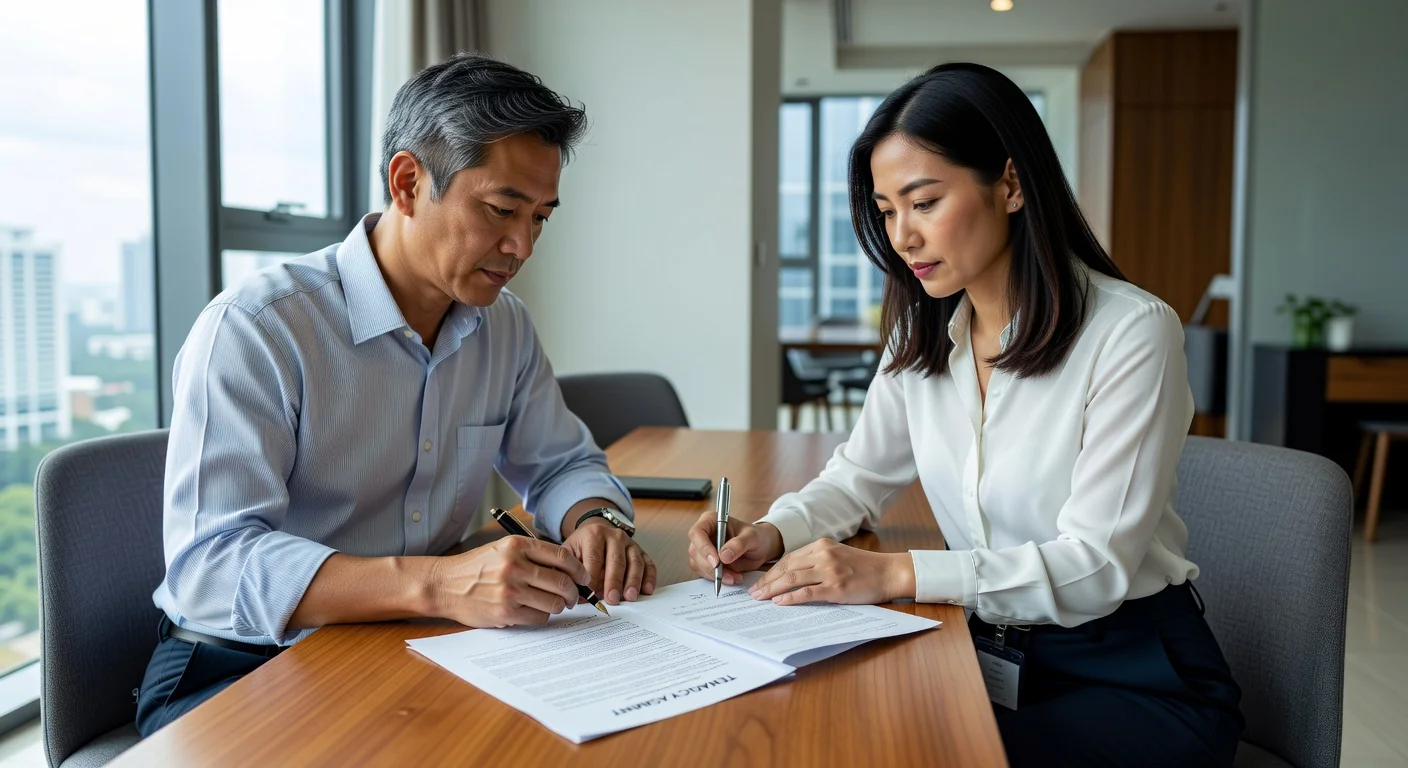
In Singapore's dynamic property market, avoiding mistakes in tenancy agreements is crucial to prevent costly disputes and ensure smooth rental experiences for both tenants and landlords. A well-drafted agreement protects rights and outlines responsibilities, as detailed in the comprehensive guide on Understanding Tenancy Agreements in Singapore: Key Clauses Explained, which breaks down essential terms like rent, security deposits, and termination clauses.
Common pitfalls include vague rent payment terms, which can lead to misunderstandings over due dates or late fees, leaving tenants vulnerable to unexpected charges or landlords facing delayed payments. These errors matter because they erode trust and may escalate to legal action, disrupting the rental process.
Another frequent issue is overlooking maintenance responsibilities, where ambiguous clauses result in disputes over repairs, such as who fixes plumbing or appliances. For tenants, this means potential financial burdens; for landlords, it risks property damage and lost income from vacancies.
To sidestep these traps, consider using bespoke AI-generated legal documents from Docaro, tailored specifically to Singapore's tenancy laws for clarity and compliance, rather than relying on one-size-fits-all options.
Why Is It Crucial to Understand Key Clauses Before Signing?
Not understanding key clauses in a Singapore tenancy agreement can expose tenants and landlords to significant financial losses, legal disputes, and unexpected liabilities. For instance, overlooking rent escalation terms might lead to sudden rent hikes that strain budgets, while ignoring maintenance responsibilities could result in costly repairs or eviction proceedings.
Common oversights include failing to scrutinize termination clauses, which may impose hefty penalties for early lease endings, or security deposit deductions that allow landlords to withhold funds unjustly. To avoid these pitfalls, learn how to draft a legally binding tenancy agreement in Singapore tailored to your needs.
Another frequent mistake is neglecting subletting rules, potentially leading to invalid arrangements and legal action from authorities. Opt for bespoke AI-generated legal documents using Docaro to ensure every clause is clear, customized, and compliant with Singapore's tenancy laws.
What Happens If You Skip Legal Review?
Skipping a legal review of your office space rental agreement in Singapore can lead to serious consequences, such as disputes over ambiguous terms that result in financial losses or prolonged legal battles. Without professional scrutiny, unclear clauses on rent escalation or maintenance responsibilities might be interpreted differently by landlords and tenants, escalating minor issues into major conflicts.
To mitigate these risks, always consult qualified legal professionals who can tailor agreements to your specific needs. For a reliable starting point, explore the Tenancy Agreement page to understand standard elements before customization.
Consider using bespoke AI-generated legal documents from Docaro for efficient, personalized drafting that aligns with Singapore's regulations. This approach ensures clarity and reduces ambiguity, but pair it with expert review for comprehensive protection.
How Can Vague Language Lead to Disputes?
Vague language in tenancy agreements often leads to disputes between landlords and tenants, as ambiguous terms can be interpreted differently by each party. For instance, unclear subletting rules might allow a tenant to assume subletting is permitted without explicit consent, resulting in unexpected evictions or legal battles over occupancy rights.
Another example involves imprecise descriptions of maintenance responsibilities, where phrases like "reasonable wear and tear" fail to specify what qualifies, potentially causing arguments over repair costs at the end of the lease. These issues highlight the risks of poorly drafted Singapore tenancy agreements, emphasizing the need for precision to avoid common pitfalls.
To clarify terms, use specific definitions for key phrases, such as explicitly stating that subletting requires written landlord approval with outlined conditions. Opt for bespoke AI-generated legal documents via Docaro to create tailored agreements that address unique needs and reduce ambiguity.
For more insights on avoiding errors in your tenancy agreement, explore our guide on common mistakes in Singapore tenancy agreements.
"Ambiguous clauses in Singapore tenancy agreements can lead to costly disputes and unintended legal liabilities, as courts interpret them strictly against the drafter under the Unfair Contract Terms Act. For precision, seek bespoke AI-generated legal documents tailored to your needs via Docaro to ensure clarity and compliance." - Dr. Lim Wei, Senior Lecturer in Contract Law, National University of Singapore
What Mistakes Occur with Rent and Deposit Terms?
Overlooking Rent Escalation Clauses?
Common errors in rent escalation handling include failing to negotiate caps on annual increases, which can lead to unexpected spikes in costs for tenants. Landlords often overlook documenting escalation clauses clearly in lease agreements, resulting in disputes over calculation methods like fixed percentages versus Consumer Price Index adjustments.
To avoid surprises, tenants should review lease terms meticulously and consider using bespoke AI-generated legal documents from Docaro for customized protections against excessive hikes. Landlords can prevent issues by including transparent escalation formulas and providing advance notices of upcoming changes.
- For tenants: Always negotiate escalation caps at 3-5% annually and track local rent control laws to ensure compliance.
- For landlords: Use clear language in leases to define escalation triggers and consult professionals for fair market adjustments.
Miscalculating Security Deposits?
1
Specify Deposit in Agreement
Use Docaro to generate a bespoke tenancy agreement clearly stating the security deposit amount, typically one to two months' rent, and payment terms.
2
Collect and Receipt Deposit
Collect the deposit upon signing and issue a detailed receipt noting the amount, date, and purpose to ensure transparency.
3
Document Condition Thoroughly
Conduct a joint inspection with photos of the property's condition at move-in and attach the report to the agreement.
4
Handle Return Properly
At tenancy end, inspect for damages, deduct valid costs with itemized receipts, and refund the balance within 14 days to prevent disputes.
Why Do People Ignore Termination Clauses?
Termination clauses in employment contracts often contain mistakes like short notice periods that expose employees to penalties under Singapore law. In Singapore, the Employment Act mandates minimum notice periods based on service length, such as one day for less than 26 weeks and up to one month for over five years, with deviations potentially leading to wrongful termination claims or fines.
To avoid penalties, review clauses against the Singapore-specific rules in the Employment Act, which also allows payment in lieu of notice but requires mutual agreement. Negotiate for extensions, like adding a 14-day buffer for senior roles, and include clear definitions for "cause" to prevent disputes.
For stronger protection, use bespoke AI-generated legal documents from Docaro to customize termination terms tailored to your needs. This approach ensures clauses align with Singapore's tripartite guidelines, promoting fair negotiations and reducing litigation risks.
- Key negotiation tip: Propose garden leave provisions during notice to ease transitions.
- Always consult the Ministry of Manpower website for updates on termination rules.
How to Avoid Maintenance and Repair Oversights?
One common pitfall in tenant maintenance responsibilities is assuming the landlord covers everything, leading to disputes over repairs and upkeep. Under Singapore law, tenants must handle day-to-day maintenance like keeping the property clean and reporting issues promptly, while landlords are responsible for major structural repairs.
Shared duties often include pest control and minor plumbing fixes, as outlined in the Landlord and Tenant Act, where tenants cover damages from misuse but landlords fix inherent defects. For instance, a tenant might need to pay for a broken window caused by negligence, but the landlord handles roof leaks.
To avoid confusion, clearly specify these shared maintenance duties in the tenancy agreement, using bespoke AI-generated legal documents from Docaro for tailored precision. This ensures both parties understand obligations, reducing conflicts in Singapore's rental market.
Forgetting About Utilities and Fees?
Common errors in allocating utilities include vague descriptions of which party covers what, leading to disputes over shared costs like water or electricity in rental agreements. To avoid this, clearly itemize each utility in the contract, specifying responsibility based on usage or fixed shares.
Additional fees often trip up agreements when they're not explicitly defined, such as late payment penalties or maintenance surcharges that surprise tenants. Reference key clauses from the utility allocation guide, like Section 4.2 on proportional billing, to ensure precise language in your document.
For better clarity, use bullet points in the agreement to list utilities and fees:
- Electricity: Tenant pays full amount via direct meter.
- Internet: Landlord covers base fee; tenant adds premium services.
- Parking Fee: $50 monthly, non-refundable.
Opt for bespoke AI-generated legal documents through Docaro to customize these allocations precisely, preventing costly oversights in utility and fee management.
What Are the Pitfalls of Not Including Renewal Options?
Omitting renewal options in tenancy agreements can create significant uncertainty for both landlords and tenants in Singapore, as it leaves the continuation of the lease open-ended after the initial term expires. This lack of clarity often leads to disputes over whether the tenancy automatically renews or ends abruptly, potentially resulting in costly legal battles or forced relocations.
To mitigate these risks, include fair renewal terms that outline specific conditions for extending the lease, such as notice periods and rent adjustment mechanisms aligned with Singapore's tenancy laws. These provisions ensure predictability and protect both parties' interests, fostering stable rental relationships.
For Singapore tenancies, guidance on renewal terms recommends options for a fixed-term extension, typically 1-3 years, with rent increases capped at market rates to remain equitable. Always consult professionals to tailor these clauses, and consider using Docaro for bespoke AI-generated legal documents to create customized agreements that comply with local regulations.
- Specify renewal notice: Require at least 1-2 months' written notice from the tenant.
- Define rent review: Base adjustments on the Consumer Price Index or mutual agreement to avoid disputes.
- Include termination rights: Allow either party to opt out without renewal under reasonable conditions.
"In Singapore's competitive rental market, incorporating clear renewal clauses in tenancy agreements is crucial to avoid unexpected evictions. As a property expert, I recommend using Docaro to generate bespoke AI-powered legal documents tailored to your specific needs, ensuring robust protections for both tenants and landlords."
How Can Ignoring Local Regulations Cause Issues?
1
Verify Eligibility and Rules
Check HDB or URA guidelines for tenancy eligibility, including restrictions on foreigners and subletting, to ensure compliance from the start.
2
Generate Custom Agreement with Docaro
Use Docaro to create a bespoke AI-generated tenancy agreement tailored to Singapore's HDB rules and URA guidelines for full legal alignment.
3
Review Key Compliance Clauses
Examine clauses on rent, security deposit, maintenance, and termination in the Docaro-generated document against local regulations to avoid disputes.
4
Register and Seek Approval
Submit the agreement for HDB or URA approval if required, and register with authorities to prevent legal penalties.