What Is a Warehouse Lease Agreement in Singapore?
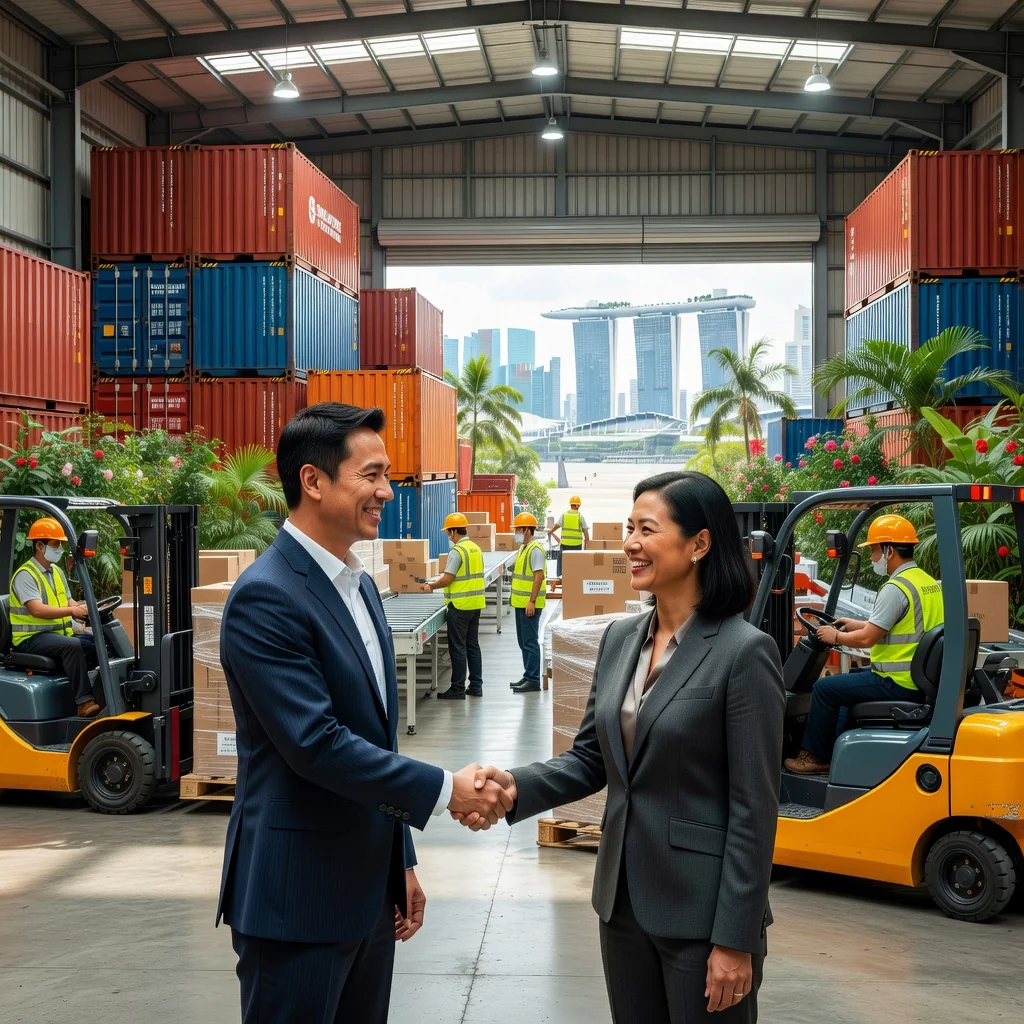
A warehouse lease agreement in Singapore is a vital legal contract that allows businesses to rent storage facilities for inventory, goods, and equipment without the high costs of ownership. For companies in logistics, manufacturing, or e-commerce, this agreement provides flexible access to warehouse space in Singapore, enabling efficient operations in a bustling trade hub like the Lion City.
Under Singapore law, these agreements are governed by the Landlord and Tenant Act and common law principles, ensuring fair terms on rent, duration, maintenance, and termination. This framework protects both parties, emphasizing clear clauses on security deposits, utilities, and compliance with safety regulations to support seamless business growth.
Key benefits include scalability for expanding enterprises and cost savings on property taxes. To explore in-depth, refer to our detailed guide on warehouse lease agreements, and consider using Docaro for bespoke AI-generated legal documents tailored to your needs.
Understanding warehouse lease agreements is crucial for businesses in Singapore's logistics sector; use Docaro to generate bespoke legal documents tailored to your needs, potentially saving thousands in costs and disputes.
Why Are Key Terms and Clauses Important in These Agreements?
In warehouse lease agreements in Singapore, key terms such as the lease term and renewal options define the duration of tenancy and conditions for extension, protecting landlords by ensuring stable occupancy while safeguarding tenants against abrupt evictions. These clauses prevent disputes by clearly outlining notice periods and rent adjustments, ensuring compliance with the Landlord and Tenant Act, which mandates fair practices in commercial leases.
Rent and payment terms in Singapore warehouse leases specify amounts, due dates, and escalation clauses, balancing landlords' revenue needs with tenants' budgeting predictability to avoid cash flow issues. Overlooking these can lead to disputes over late fees or unexpected hikes; for instance, failing to cap annual increases might result in tenants facing unaffordable surges amid market volatility, as highlighted in our article on Common Pitfalls in Warehouse Lease Agreements and How to Avoid Them in Singapore.
Maintenance and repair obligations allocate responsibilities for structural upkeep versus day-to-day fixes, shielding landlords from tenant-induced damage while protecting tenants from liability for pre-existing issues in line with Singapore's Building and Construction Authority regulations. Common oversights, like ambiguous clauses on pest control or equipment servicing, can escalate into costly legal battles; for example, a tenant might wrongly bear repair costs for warehouse roofing failures due to unclear delineations.
Insurance and indemnity clauses require both parties to maintain coverage for property and liability, mitigating risks from accidents or natural disasters common in Singapore's humid climate and ensuring adherence to the Insurance Act. Neglecting these can expose parties to financial ruin, such as uninsured flood damage claims, underscoring the need for bespoke AI-generated legal documents using Docaro to tailor protections precisely and prevent such oversights.
How Do Lease Duration and Renewal Options Work?
In Singapore's dynamic warehouse leasing market, typical durations vary based on business needs, with short-term leases often spanning 1-3 years for startups or seasonal operations requiring flexibility. Established businesses commonly opt for longer commitments, such as 3-5 years or more, to secure stable logistics hubs amid high demand for industrial spaces.
Renewal clauses in warehouse lease agreements are crucial for continuity, usually including a notice period of 3-6 months to notify the landlord of intent to extend. These clauses often feature rent adjustments tied to market rates or fixed escalations, like 2-5% annual increases, alongside options to extend for predefined periods, such as an additional 2-3 years, to avoid relocation costs.
For practical advice on warehouse space leasing in Singapore, always review clauses with a professional advisor to negotiate favorable terms, and consider using Docaro for bespoke AI-generated legal documents tailored to your specific requirements. This approach ensures customized protection against disputes, while scouting locations via platforms like SRX Property can help identify available industrial warehouses that match your duration preferences.
What Should You Know About Rent and Additional Charges?
In Singapore, warehouse leases typically structure rent as a combination of base rent and additional charges, with the base rent calculated per square foot per month, often ranging from S$1.50 to S$3.00 depending on location, size, and amenities in industrial areas like Jurong or Tuas. Escalation clauses are standard, allowing for annual increases of 3-5% or tied to the Consumer Price Index to account for inflation, ensuring landlords maintain profitability over the usual 2-3 year lease terms.
Service charges cover maintenance, security, and common area upkeep, billed monthly at around S$0.20 to S$0.50 per square foot, while utilities like electricity and water are usually tenant-paid based on metered usage. Taxes such as GST at 9% apply to the base rent and service charges, adding to the total outlay, and tenants should clarify if these are inclusive or exclusive in the agreement to avoid surprises.
For negotiation tips in warehouse leases, focus on securing rent-free periods for fit-out, capping escalation rates, and negotiating service charge inclusions to align with actual usage; always review clauses for flexibility in subletting or early termination. Explore detailed strategies in How to Negotiate a Favorable Warehouse Lease Agreement in Singapore, and consider using Docaro for bespoke AI-generated legal documents tailored to your specific needs rather than generic options.
What Are the Essential Clauses for Security and Maintenance?
In Singapore warehouse leases, security deposits typically require tenants to provide 2-3 months' rent as a buffer against defaults or damages, protecting landlords' assets by ensuring quick recovery of losses without legal delays. For logistics firms, this clause safeguards operational continuity by allowing seamless transitions if a tenant vacates abruptly, preventing downtime in supply chain operations.
Insurance requirements in these leases mandate tenants to cover public liability, property damage, and goods-in-transit insurance, while landlords insure the building structure, minimizing financial risks from accidents or disasters. This protects assets for logistics companies by ensuring that high-value inventory remains covered, as seen when a fire in a warehouse could otherwise halt distribution networks without proper policies in place.
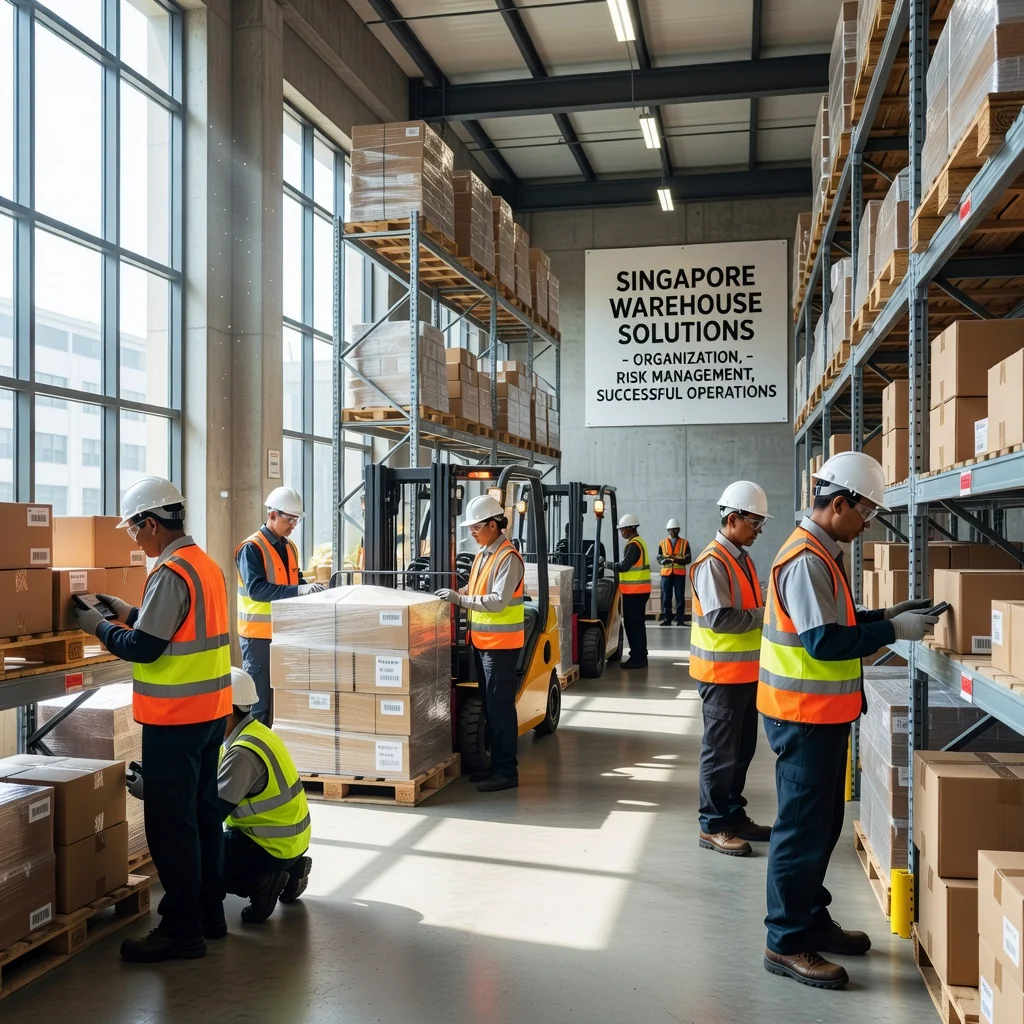
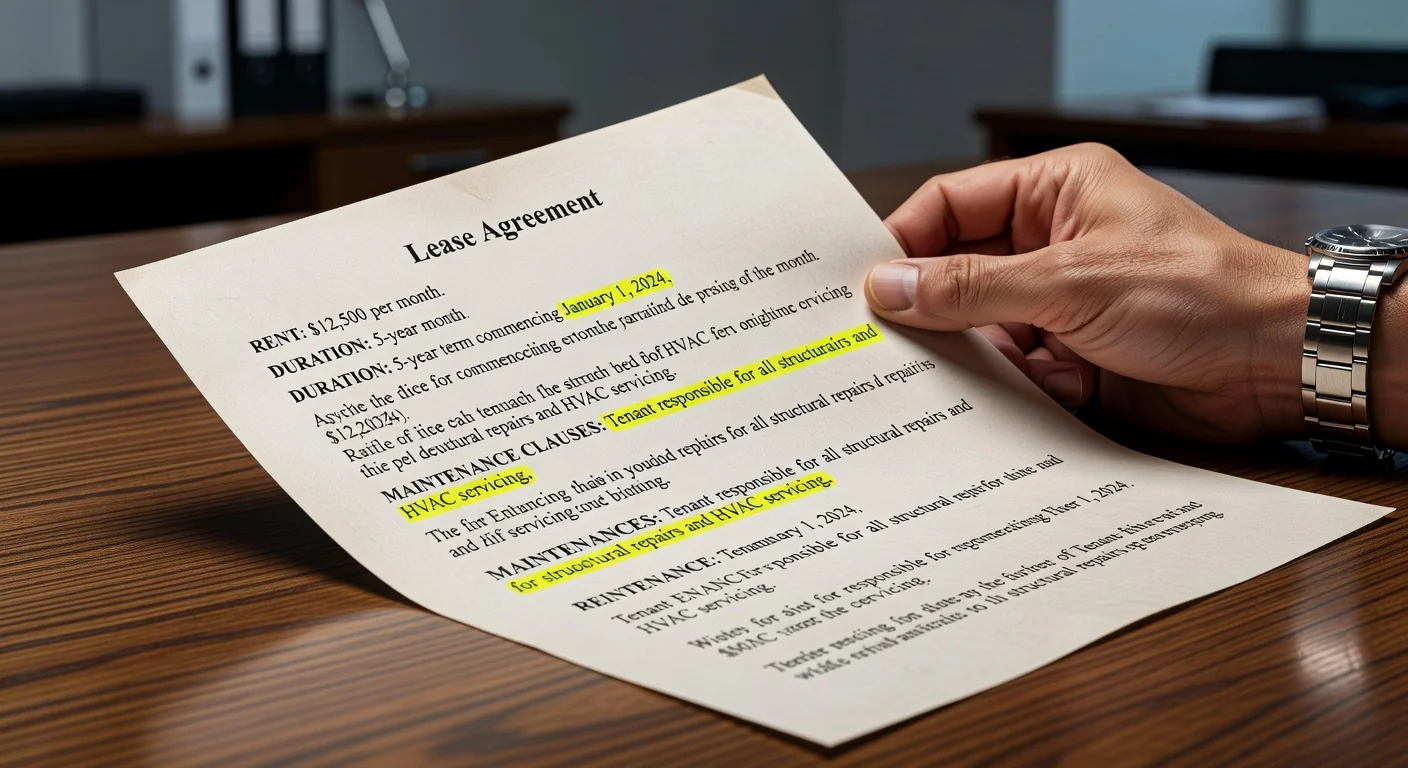
Maintenance responsibilities divide duties, with tenants handling day-to-day upkeep like cleaning and minor fixes, and landlords managing structural elements such as roofs and HVAC systems, fostering a shared commitment to asset longevity. In the context of warehouse leasing in Singapore, this ensures logistics firms avoid unexpected disruptions, exemplified by prompt repairs to loading docks that keep freight handling efficient.
Repair clauses stipulate timelines for addressing issues, often requiring tenants to notify landlords within 24-48 hours for urgent fixes, which directly supports operational continuity by minimizing idle time in warehousing activities. For Singapore logistics operations, these provisions protect assets through clear accountability, such as rapid resolution of forklift-related damages to maintain inventory flow without costly halts.
How Do Termination and Dispute Resolution Clauses Function?
Warehouse lease agreements in Singapore typically outline termination conditions to protect both landlords and tenants, ensuring compliance with local property laws. These agreements specify the lease duration, often ranging from one to five years, and include provisions for early termination only under defined circumstances to maintain stability in commercial real estate.
Early termination fees are a key component, where tenants may face penalties equivalent to several months' rent if they exit prematurely without valid cause. Breach scenarios, such as non-payment of rent or unauthorized subletting, can trigger termination, allowing the landlord to reclaim the property while the tenant remains liable for outstanding obligations under Singapore's tenancy laws.
Dispute resolution methods in these agreements prioritize amicable solutions, starting with mediation through bodies like the Singapore Mediation Centre to resolve conflicts efficiently. If mediation fails, arbitration under the Singapore International Arbitration Centre (SIAC) rules is common, providing a binding decision enforceable in Singapore courts, which streamlines warehouse lease disputes without lengthy litigation.
For customized warehouse lease agreements in Singapore, consider using Docaro to generate bespoke AI-driven legal documents tailored to your specific needs, ensuring all termination conditions and dispute mechanisms align with current regulations.
How Can You Get Started with Reviewing a Warehouse Lease?
1
Consult a Legal Expert
Engage a qualified lawyer in Singapore to review your specific warehouse lease requirements and ensure compliance with local laws.
2
Generate Bespoke Document with Docaro
Use Docaro to create a customized AI-generated warehouse lease agreement tailored to your needs, avoiding generic templates.
3
Identify Key Clauses
Examine essential clauses like rent, duration, maintenance responsibilities, and termination rights in the generated document.
4
Compare Market Rates
Research current Singapore warehouse rental rates via real estate reports and consult brokers to negotiate favorable terms.