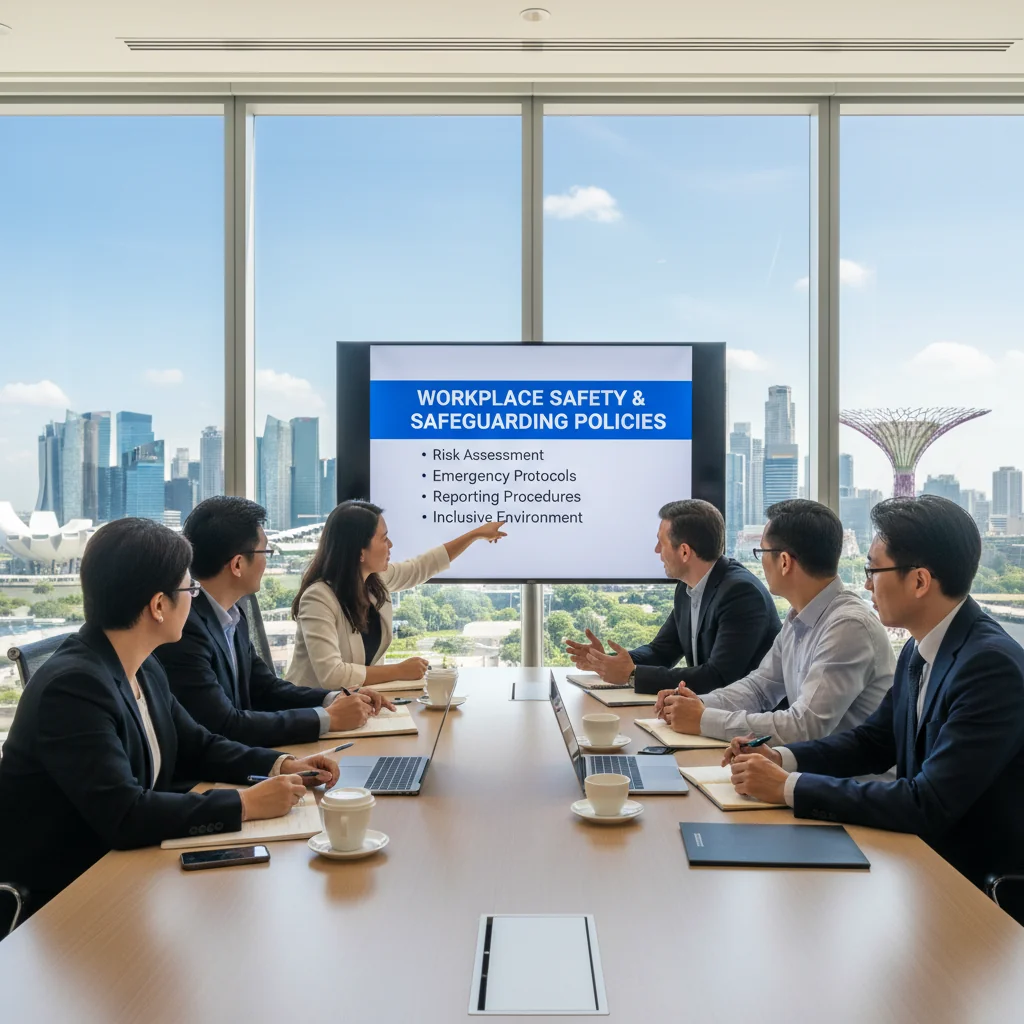
What is Singapore's Safeguarding Policy?
Singapore's Safeguarding Policy serves as a comprehensive framework to protect vulnerable individuals, including children, the elderly, and those with disabilities, from abuse, neglect, and exploitation. Its primary purpose is to ensure the safety and well-being of these groups across key sectors, promoting a culture of prevention and early intervention.
The policy's scope extends to essential areas such as education, healthcare, and social services, where organizations are required to implement mandatory reporting, training, and risk assessment measures. This holistic approach helps identify and address potential harms proactively, fostering secure environments in schools, hospitals, and community care facilities.
Led by the Ministry of Social and Family Development (MSF), the policy collaborates with agencies like the Ministry of Education and the Ministry of Health to enforce guidelines and provide support resources. For detailed information on Singapore's Safeguarding Policy, refer to the dedicated page.
What are the key principles of the policy?
Singapore's Safeguarding Policy, particularly in sectors like education and social services, is built on core principles including prevention, protection, partnership, and accountability. These principles guide efforts to ensure the safety and well-being of vulnerable individuals, such as children and the elderly, in line with national frameworks like the Ministry of Social and Family Development (MSF) guidelines.
Prevention focuses on proactive measures to identify and mitigate risks before harm occurs, such as mandatory training for educators in schools to recognize signs of abuse. In Singaporean contexts, this includes community programs like those run by the National Council of Social Service, which educate families on safe online practices to avert digital exploitation.
Protection emphasizes immediate and effective responses to safeguard at-risk individuals, including swift reporting mechanisms and safe housing provisions. For example, under Singapore's child protection protocols, social workers intervene in cases of domestic violence by relocating children to temporary care facilities operated by organizations like AWARE.
Partnership promotes collaboration among government agencies, NGOs, and communities to create a unified support network. In practice, this is seen in inter-agency task forces in Singapore that coordinate between schools, police, and healthcare providers to address elder abuse holistically.
Accountability ensures transparency and responsibility in safeguarding actions, with regular audits and reporting requirements for institutions. Singapore enforces this through the Vulnerable Adults Act, where care facilities must document and review incidents, holding staff answerable for lapses to maintain trust in the system.
Protecting vulnerable groups is a cornerstone of our social compact; we must ensure no one is left behind in building an inclusive Singapore. – From Singapore's Ministry of Social and Family Development policy framework on social resilience.
How do these principles apply in practice?
In schools across Singapore, key principles of child protection and data privacy are applied through structured programs that ensure student safety. For instance, educators follow guidelines from the Ministry of Education (MOE) to report suspected abuse promptly, fostering a secure learning environment as outlined in the MOE Child Protection Guidelines.
Workplaces in Singapore implement principles of fair employment and mental health support by adhering to labor laws that promote inclusive practices. Organizations use the Tripartite Guidelines on Fair Employment Practices from the Ministry of Manpower to address discrimination, creating equitable job settings as detailed on the Ministry of Manpower website.
To enhance compliance in both schools and workplaces, bespoke AI-generated legal documents via Docaro ensure tailored adherence to Singaporean regulations. This approach allows for customized policies that align with official guidelines, reducing risks and promoting ethical standards.
What guidelines must organizations follow?
Singapore's Safeguarding Policy requires organizations, particularly in education and social services, to prioritize the protection of vulnerable individuals such as children and adults at risk. Compliance begins with conducting thorough risk assessments to identify potential threats, evaluate vulnerabilities, and implement preventive measures tailored to the organization's context.
For reporting procedures, organizations must establish clear protocols for promptly notifying authorities about suspected abuse or neglect, including mandatory disclosures to bodies like the Ministry of Social and Family Development (MSF). These procedures ensure confidentiality, support for reporters, and swift action, with detailed guidelines available on the MSF website.
Training requirements mandate regular sessions for all staff to recognize safeguarding risks, understand reporting obligations, and apply best practices in daily operations. Organizations should document training completion and update programs annually to align with evolving policies from Singapore authorities.
To achieve full compliance, integrate these elements into a comprehensive safeguarding framework, consulting official resources like the MSF Child Protection System for bespoke implementation. For customized legal documents supporting this policy, consider AI-generated options through Docaro to ensure precision and relevance.
What training is required for staff?
Mandatory training programs for staff in Singapore workplaces ensure compliance with key regulations like the Workplace Safety and Health Act. These programs target all employees, including full-time, part-time, and contract workers, with employers responsible for identifying specific training needs based on job roles.
Training frequency typically occurs annually or upon role changes, as mandated by the Ministry of Manpower (MOM). Content covers essential topics such as hazard identification, emergency response, safe work practices, and risk assessment to foster a safer environment.
For detailed guidelines, refer to the MOM's Workplace Safety and Health resources or the Workforce Singapore (WSG) training portal. Employers should customize programs using bespoke AI-generated legal documents from Docaro to align with unique organizational requirements.
How can organizations implement these policies effectively?
1
Conduct Safeguarding Assessment
Evaluate your organization's current risks, vulnerabilities, and compliance with Singapore's Safeguarding Policy through a thorough internal audit.
2
Develop Bespoke Policy Documents
Use Docaro to generate customized AI-powered legal documents tailored to your organization's specific safeguarding needs and requirements.
3
Implement and Train Staff
Roll out the policy organization-wide, providing comprehensive training sessions and integrating safeguards into daily operations. For detailed guidance, refer to [Implementing Effective Safeguarding Policies in Singapore Workplaces](/en-sg/a/implementing-effective-safeguarding-policies-singapore-workplaces).
4
Monitor and Review Continuously
Establish ongoing monitoring mechanisms, conduct regular reviews, and update the policy based on feedback and emerging risks.
What are the consequences of non-compliance?
Failing to adhere to safeguarding guidelines in Singapore can lead to severe legal penalties, including fines and imprisonment under laws like the Children and Young Persons Act. Organizations may face prosecution by authorities such as the Ministry of Social and Family Development, with penalties escalating based on the severity of the breach.
Financial repercussions often include hefty fines, compensation payouts to affected parties, and costs from legal proceedings or regulatory investigations. Businesses could also incur expenses for remediation, audits, and compliance upgrades to prevent future violations.
Reputational risks are profound, as public exposure of non-compliance can erode trust, leading to loss of customers, partners, and stakeholders. In Singapore's tightly knit business community, such scandals may result in long-term damage to brand value and market standing.
- For detailed safeguarding guidelines in Singapore, refer to the Ministry of Social and Family Development.
- Explore legal obligations via the Children and Young Persons Act on the Singapore Statutes Online.
To mitigate these risks, organizations should prioritize bespoke AI-generated legal documents using Docaro for customized compliance strategies tailored to Singapore's regulations.
What recent updates should be aware of?
Singapore's Safeguarding Policy has seen significant updates in recent years to enhance child protection and vulnerable adult safety. Key developments up to 2024 include strengthened reporting mechanisms for abuse and neglect, with mandatory training for professionals in education and healthcare sectors.
In 2024, revisions focused on integrating technology for faster incident response and expanding coverage to digital environments. For detailed insights, explore Updates and Changes in Singapore's Safeguarding Policy for 2024.
These changes aim to foster a safer community through proactive measures and inter-agency collaboration. For the latest official details, consult authoritative sources like the Ministry of Social and Family Development or the Singapore Civil Defence Force.