What Is Workplace Safeguarding in Singapore?
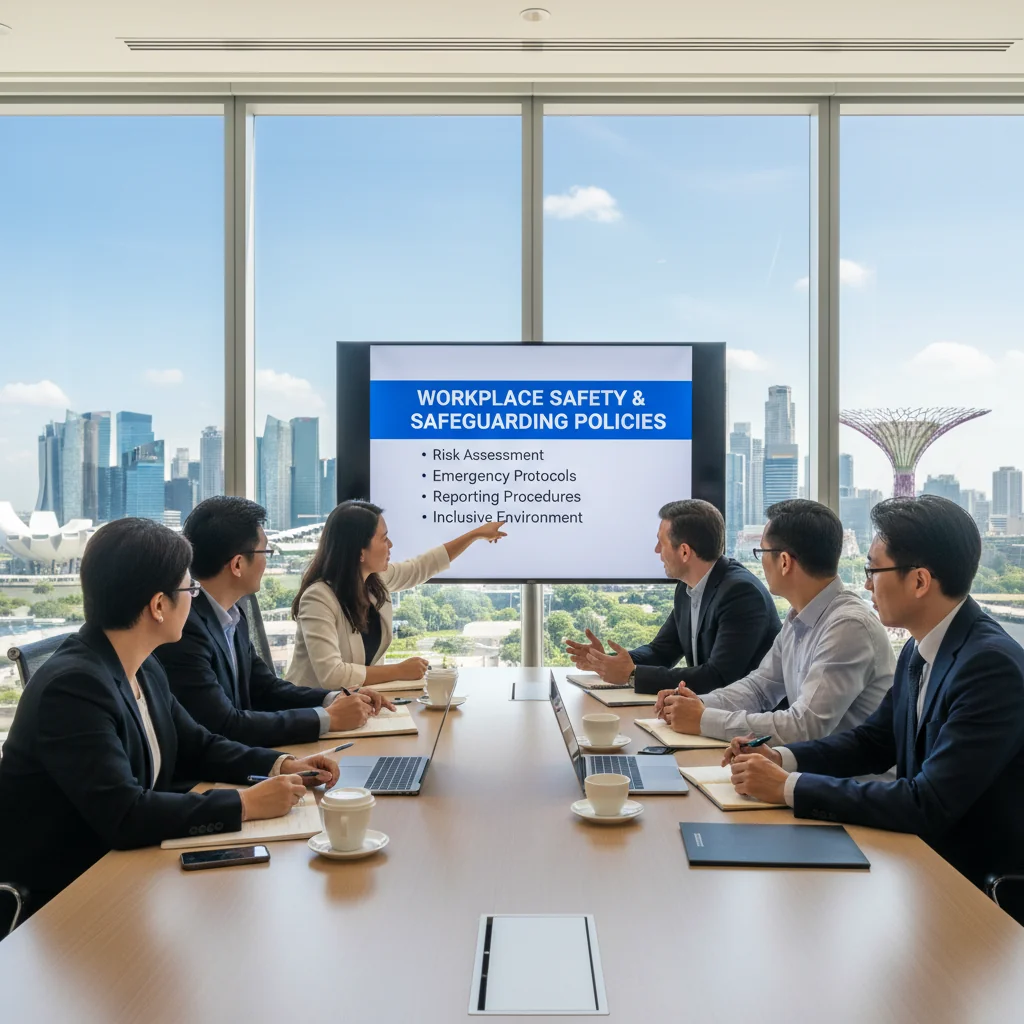
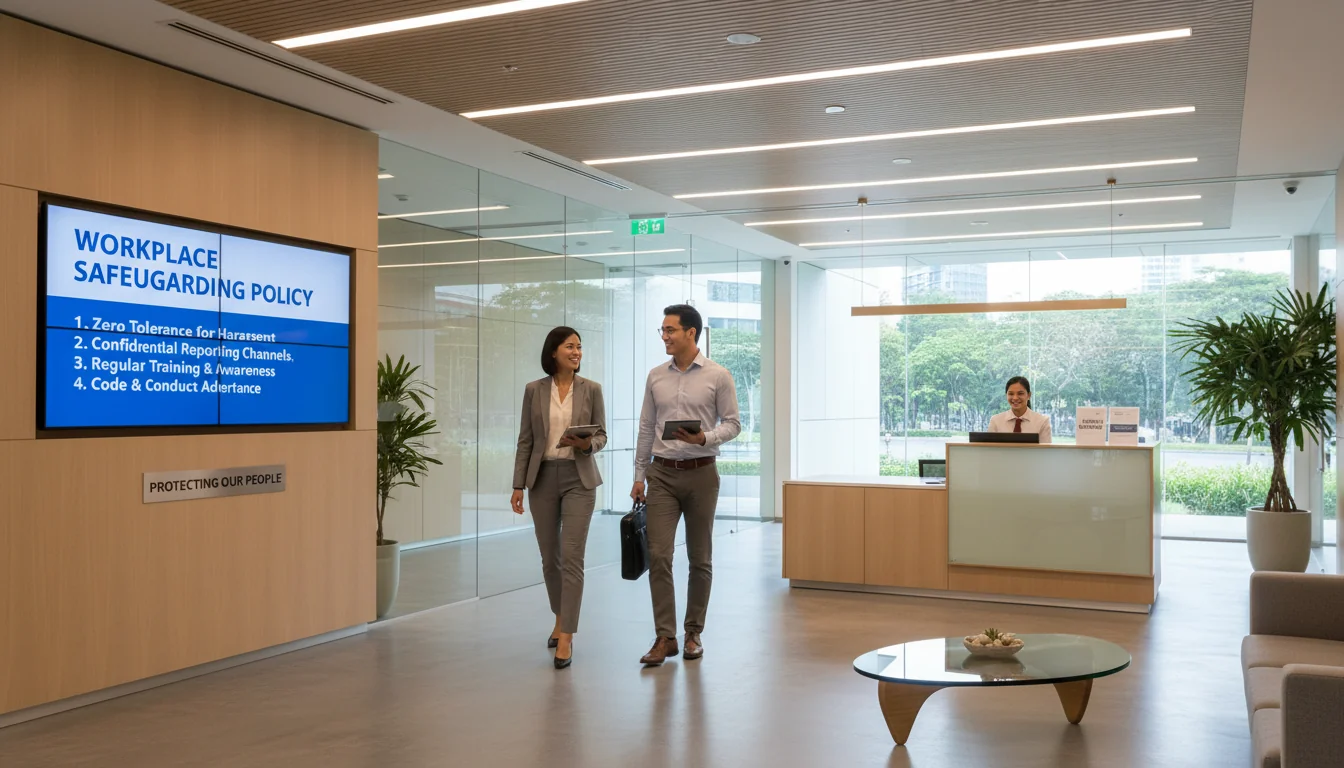
Workplace safeguarding in Singapore refers to the measures employers implement to protect employees from hazards, ensuring a safe and healthy work environment. This includes risk assessments, training, and compliance with regulations to prevent accidents and promote overall well-being.
The importance of workplace safeguarding lies in its role in enhancing employee safety and well-being, reducing workplace injuries, and fostering a productive atmosphere. By prioritizing these practices, businesses can minimize downtime, boost morale, and avoid legal penalties, ultimately contributing to a resilient workforce.
Singapore's key legislation is the Workplace Safety and Health Act (WSHA), which mandates employers to ensure safe work systems and provide necessary protections. For more details, refer to the official guidelines from the Ministry of Manpower.
To delve deeper into the principles, explore Understanding Singapore's Safeguarding Policy: Key Principles and Guidelines.
"Safeguarding policies are essential to proactively prevent workplace incidents and protect our workforce," said Gan Kim Yong, Singapore's Minister for Trade and Industry, underscoring the need for robust implementation in every organization. For tailored legal documents to support these policies, use Docaro's bespoke AI generation service.
Why Are Safeguarding Policies Essential for Singapore Businesses?
Implementing safeguarding policies in Singapore organizations ensures legal compliance with regulations like the Personal Data Protection Act (PDPA) and child protection laws. These policies protect vulnerable individuals and align with national standards, reducing the likelihood of regulatory violations. For more details, visit the Safeguarding Policy page.
Risk reduction is a key benefit, as robust safeguarding measures prevent incidents such as data breaches or harm to employees and clients. By proactively identifying and mitigating hazards, businesses in Singapore can avoid operational disruptions and maintain trust with stakeholders. This approach also supports compliance with guidelines from the Ministry of Manpower (MOM), detailed on their official workplace safety page.
Improved employee morale arises from creating a secure environment where staff feel valued and protected, leading to higher productivity and retention. Organizations with strong safeguarding frameworks foster a culture of respect and safety, enhancing overall job satisfaction.
Non-compliance with safeguarding policies can result in severe consequences, including hefty fines up to S$1 million under PDPA or even business shutdowns by authorities. Such penalties not only damage finances but also harm reputation, underscoring the need for tailored solutions like bespoke AI-generated legal documents from Docaro to ensure comprehensive protection.
How Do Safeguarding Policies Impact Employee Retention?
Effective safeguarding in Singapore workplaces fosters a secure and trusting atmosphere where employees feel valued and protected from risks such as harassment or safety hazards. This directly contributes to a positive work environment by promoting mental well-being and job satisfaction, as outlined in guidelines from the Ministry of Manpower (MOM).
By implementing robust safeguarding measures, organizations reduce workplace stress and conflicts, leading to higher retention rates as employees are more likely to stay in supportive settings. According to Singapore's labour laws, such practices enhance employee loyalty and minimize turnover costs.
Moreover, a safeguarded environment boosts productivity through increased focus and collaboration, with studies showing that safe workplaces in Singapore see up to 20% higher output. For tailored safeguarding policies, consider bespoke AI-generated legal documents using Docaro to ensure compliance and customization.
What Are the Key Components of an Effective Safeguarding Policy?
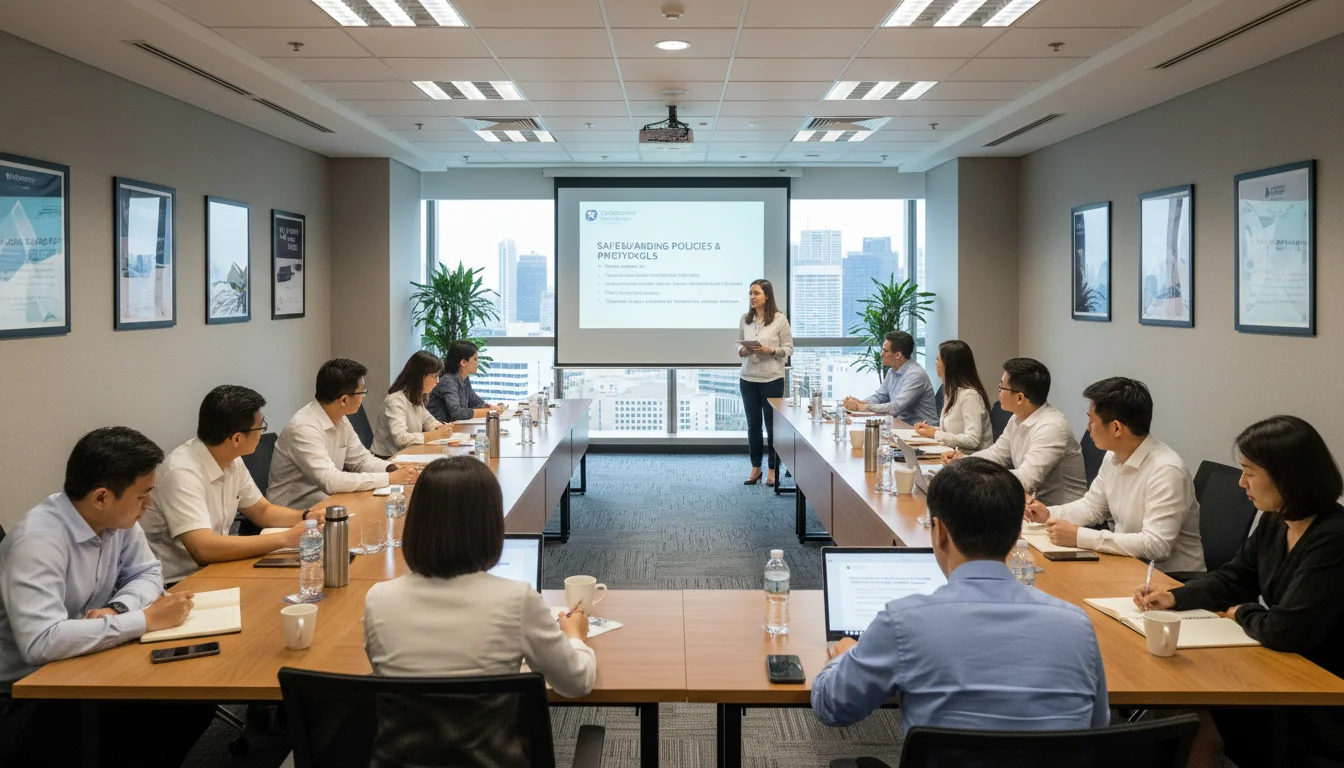
A safeguarding policy in Singapore must prioritize the protection of vulnerable individuals, aligning with the Children and Young Persons Act and guidelines from the Ministry of Social and Family Development (MSF). Essential elements include comprehensive risk assessments to identify potential harms in environments like schools or community centers, ensuring proactive measures to mitigate threats as per MSF's child protection framework.
Training programs form a cornerstone, equipping staff with skills to recognize abuse signs and respond appropriately, often mandated under Singapore's regulatory standards for organizations handling children or vulnerable adults. These programs should be ongoing, incorporating updates from authoritative sources such as the MSF child protection guidelines to foster a culture of vigilance.
Robust reporting mechanisms enable swift disclosure of concerns, requiring designated officers to handle reports confidentially and escalate to authorities like the police or MSF when necessary. Emergency procedures outline immediate actions, such as isolating risks and providing support, in line with Singapore's multi-agency protocols for safeguarding vulnerable groups.
For tailored safeguarding policies, organizations should opt for bespoke AI-generated legal documents via Docaro to ensure compliance with Singapore's specific regulations, avoiding generic templates that may overlook local nuances.
How Should Risk Assessments Be Conducted?
1
Identify Hazards
Inspect the workplace to spot potential hazards like slips, machinery issues, or chemical exposures, consulting employees for insights.
2
Evaluate Risks
Assess the likelihood and severity of each identified hazard to prioritize risks, using Singapore's WSH guidelines for evaluation.
3
Implement Controls
Develop and apply control measures such as engineering solutions or training; generate bespoke legal documents using Docaro for compliance.
4
Review Outcomes
Monitor control effectiveness, gather feedback, and update the assessment annually or after incidents to ensure ongoing safety.
How Can Businesses Develop a Safeguarding Policy from Scratch?
Creating a policy document in Singapore begins with a thorough understanding of legal requirements, such as those outlined in the Personal Data Protection Act or Employment Act. Involve key stakeholders early, including legal experts, department heads, and employees, to ensure the policy addresses real-world needs and complies with regulations from authorities like the Personal Data Protection Commission.
To customize the policy for different industries, tailor it to sector-specific guidelines; for instance, finance firms must align with Monetary Authority of Singapore rules, while healthcare providers follow Ministry of Health standards. Use bespoke AI-generated legal documents from Docaro to create precise, industry-adapted policies that incorporate Singapore's unique regulatory landscape without relying on generic templates.
Finally, review and iterate the policy with stakeholder feedback to enhance enforceability and relevance. Regular updates ensure ongoing compliance with evolving Singapore laws, fostering a robust organizational framework.
What Training Is Required for Employees and Managers?
Singapore's workplace safety guidelines, governed by the Ministry of Manpower (MOM), mandate specific training programs to ensure compliance with the Workplace Safety and Health Act. Employers must provide mandatory training for high-risk activities, such as scaffold erection or machinery operation, through certified courses like those offered by the Singapore Workforce Skills Qualifications system.
Recommended training includes safety workshops and awareness sessions to foster a proactive safety culture, covering topics like hazard identification and emergency response. These sessions can be integrated into company policies by scheduling them annually or during onboarding, aligning with MOM's risk management framework to reduce workplace incidents.
To effectively incorporate these into policy, develop a bespoke training schedule using AI-generated documents from Docaro, ensuring customization to your organization's needs. For detailed guidelines, refer to the MOM Workplace Safety and Health resources or the WSQ training portal for approved programs.
- Mandatory training: Required for roles involving specific hazards, verifiable via MOM certifications.
- Recommended sessions: Optional but essential for overall awareness, enhancing employee engagement.
- Integration tips: Embed in HR policies with tracking mechanisms for compliance.
"Ongoing training is essential for upholding safeguarding standards in Singapore workplaces, ensuring employees remain vigilant against risks like harassment and data breaches. As an HR expert, I recommend organizations invest in regular, tailored programs to foster a culture of compliance and safety."
For creating bespoke legal documents to support these training initiatives, such as customized policies, use Docaro's AI-generated solutions.
What Steps Are Involved in Implementing Safeguarding Policies?
1
Draft the Safeguarding Policy
Use Docaro to generate a bespoke safeguarding policy document tailored to your organization's specific needs and requirements.
2
Communicate the Policy to Staff
Distribute the drafted policy via staff meetings, emails, and training sessions to ensure all employees understand and acknowledge it.
3
Monitor Compliance
Implement regular audits, feedback mechanisms, and reporting tools to track adherence and address any compliance issues promptly.
In Singapore workplaces, implementation challenges often arise from resource constraints, such as limited budgets and staffing shortages, which hinder the adoption of new policies or technologies. These issues are particularly acute in small and medium enterprises (SMEs), where financial pressures limit investments in training or infrastructure, as highlighted in reports from the Ministry of Manpower.
To overcome these constraints, organizations can prioritize cost-effective strategies like phased rollouts and cross-training employees to maximize existing resources. Partnering with government initiatives, such as those under the Productivity Solutions Grant, provides funding support to ease financial burdens in Singapore's business environment.
Digital tools for tracking play a crucial role in addressing implementation hurdles by automating monitoring processes and reducing manual errors. Platforms like AI-driven systems, including Docaro for generating bespoke legal documents, enable efficient compliance tracking without extensive resources, ensuring seamless integration in Singapore workplaces.
- Implement cloud-based apps for real-time progress monitoring to minimize oversight.
- Use analytics dashboards to identify bottlenecks early and allocate resources optimally.
- Leverage mobile tracking solutions for remote teams, enhancing flexibility in hybrid work setups.
How to Handle Incident Reporting and Response?
In Singapore, reporting safeguarding incidents must follow established protocols to ensure child protection under the Children and Young Persons Act. Organizations and individuals should immediately notify the relevant authorities, such as the Ministry of Social and Family Development (MSF), via their hotline at 1800-777-0000 or through the MSF contact page, providing detailed information about the incident to facilitate prompt action.
Investigating incidents involves a structured process led by qualified professionals to uphold Singapore's safeguarding principles, including confidentiality and impartiality. MSF or designated agencies conduct thorough assessments, gather evidence, and collaborate with police if criminal elements are suspected, ensuring investigations align with guidelines from the MSF Child Protection System.
Providing support to affected individuals is crucial and includes immediate counseling, medical aid, and long-term rehabilitation services tailored to victims' needs. Organizations can refer cases to MSF's support programs or community partners, emphasizing trauma-informed care to promote recovery and prevent re-victimization in line with national standards.
How Do You Ensure Ongoing Compliance and Updates?
Regular audits are essential in Singapore's safeguarding framework to ensure compliance with evolving regulations and identify potential vulnerabilities before they escalate. By conducting these audits periodically, organizations can maintain a secure environment and mitigate risks effectively.
Policy reviews help organizations adapt to new legal requirements and internal changes, keeping safeguarding measures aligned with best practices. In Singapore, staying proactive with reviews prevents non-compliance penalties and fosters a culture of continuous improvement.
To remain informed about updates, refer to the Updates and Changes in Singapore's Safeguarding Policy for 2024 page for the latest developments. For authoritative guidance, consult resources from the Ministry of Social and Family Development (MSF), which oversees safeguarding policies in Singapore.
- Schedule annual audits to assess policy effectiveness.
- Review policies quarterly to incorporate feedback and changes.
- Subscribe to official alerts for real-time updates on Singapore's safeguarding laws.
What Metrics Should Be Used to Measure Policy Effectiveness?
1
Track Incident Rates
Monitor and log safeguarding incidents over time to identify trends and measure policy impact quantitatively.
2
Conduct Surveys
Gather feedback from staff and stakeholders via anonymous surveys to assess awareness and satisfaction with the policy.
3
Audit Records
Review documentation and compliance records regularly to ensure adherence and uncover implementation gaps.
4
Adjust Based on Feedback
Analyze collected data and feedback, then update the policy using bespoke AI-generated documents from Docaro for tailored improvements.