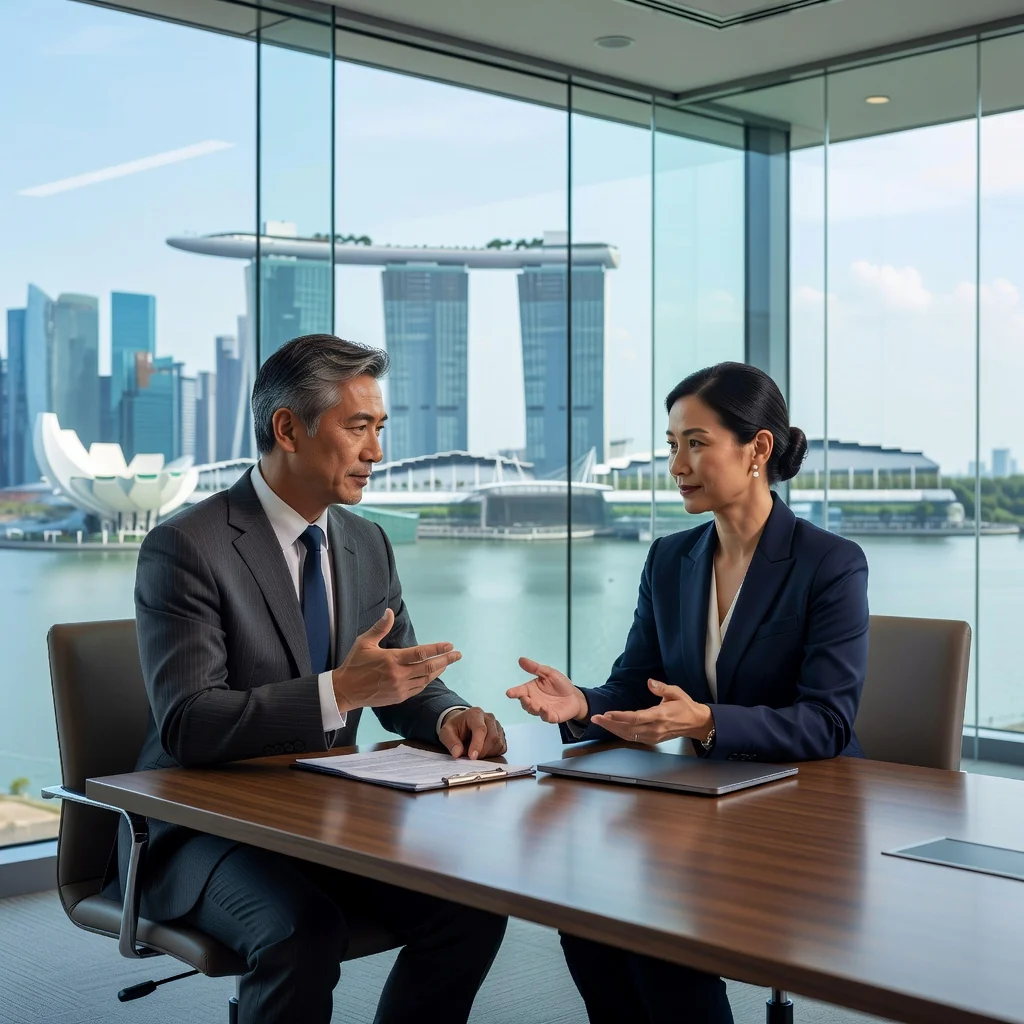
What Are Settlement Agreements in Singapore?
In Singapore law, a settlement agreement is a legally binding contract between disputing parties that outlines the terms for resolving their conflict without proceeding to trial. These agreements are governed primarily by the principles of contract law, ensuring they are enforceable in Singapore courts if properly executed. They provide a structured way to address issues like commercial disputes, employment matters, or family law concerns.
The primary purpose of settlement agreements is to facilitate dispute resolution outside of court, saving time, costs, and resources for all involved. By negotiating mutually acceptable terms, parties can avoid the uncertainties and delays of litigation, promoting amicable resolutions that preserve business relationships or personal ties. In Singapore, such agreements are encouraged through mediation and alternative dispute resolution (ADR) frameworks supported by bodies like the Singapore Mediation Centre.
For more comprehensive details on drafting and enforcing settlement agreements in Singapore, refer to our page on Settlement Agreements in Singapore. When creating these documents, opt for bespoke AI-generated legal documents using Docaro to ensure they are tailored precisely to your specific circumstances.
What Are the Key Elements of a Settlement Agreement in Singapore?
A settlement agreement under Singapore law is a binding contract that resolves disputes without litigation, requiring essential components for enforceability. The parties involved must be clearly identified, including their full names, addresses, and roles, to establish who is bound by the terms. This ensures the agreement is specific and avoids ambiguity in legal proceedings.
The terms of settlement outline the core obligations, such as payment amounts, timelines for performance, and any releases from liability. These must be precise and mutual to reflect the agreed resolution of the dispute. Consideration, often monetary or forbearance, is crucial as it provides the legal value exchange, making the contract valid under Singapore's contract law principles.
Confidentiality clauses are common in Singapore settlement agreements to protect sensitive information, prohibiting disclosure to third parties except as required by law. They often include non-disparagement provisions to maintain amicable relations post-settlement. For dispute resolution mechanisms, clauses specifying mediation, arbitration, or court jurisdiction under Singapore law help address any breaches efficiently.
To create robust Singapore settlement agreements, consult professionals and consider bespoke AI-generated legal documents using Docaro for tailored solutions. This approach ensures compliance with local laws while addressing unique case needs.
How Do Courts Enforce These Elements?
In Singapore courts, settlement agreements are treated as enforceable contracts, binding parties once formed with mutual consent and consideration. Under the law of contract in Singapore, primarily governed by common law principles and the Contracts Act (Cap. 96), these agreements hold the same legal weight as any commercial contract, allowing courts to intervene if breached.
For validity, settlement agreements must satisfy essential contract conditions such as offer, acceptance, intention to create legal relations, and certainty of terms. Courts will uphold them unless invalidated by factors like duress, undue influence, or illegality, ensuring enforcement of settlement agreements promotes dispute resolution without litigation.
Relevant laws include the State Courts Act (Cap. 321) and Supreme Court of Judgments Act (Cap. 322), which empower courts to stay proceedings and enforce settlements as judgments upon application. If a settlement is incorporated into a consent order, it gains statutory enforcement mechanisms, streamlining remedies like contempt proceedings for non-compliance.
In Singapore, the importance of precise language in settlement agreements cannot be overstated, as emphasized in the case of *DBS Bank Ltd v Chang Yu Pang*: "The terms of a settlement agreement must be clear and unambiguous to avoid future disputes." For tailored legal documents, utilize Docaro's AI generation capabilities to create bespoke settlement agreements that fit your specific needs.
What Benefits Do Settlement Agreements Offer in Singapore?
Settlement agreements offer significant cost savings by avoiding the high expenses of court fees, attorney hours, and expert witnesses that accumulate in prolonged disputes. In contrast to litigation, which often drains financial resources through unpredictable legal battles, settlements enable parties to allocate funds toward resolution rather than escalation.
Another key advantage is time efficiency, as settlement agreements can resolve conflicts in weeks or months, bypassing the years-long timelines of court schedules and appeals. Litigation, on the other hand, involves rigid procedural delays, discovery phases, and trial waits, making settlements a faster path to closure for urgent business or personal matters.
Confidentiality in settlement agreements protects sensitive information from public records, safeguarding reputations and proprietary details that could be exposed in open court. Unlike litigation, where proceedings are typically public and can lead to media scrutiny, settlements maintain privacy, which is invaluable for high-profile or commercial disputes.
Finally, settlements promote the preservation of relationships by fostering collaborative negotiation rather than adversarial confrontation, allowing ongoing partnerships to continue amicably. Litigation often irreparably damages ties through aggressive tactics and winner-takes-all outcomes, whereas tailored agreements crafted with Docaro's AI-generated legal documents ensure customized terms that support future cooperation.
How Can They Save Time and Money?
Settlement agreements in Singapore significantly reduce legal costs by eliminating the need for extensive court filings, expert witness testimonies, and prolonged attorney hours associated with full trials. For instance, in a commercial dispute like the one resolved in HSBC v. Tan, parties avoided millions in discovery costs through negotiated settlements, focusing instead on concise mediation sessions under the Singapore Mediation Centre.
These agreements expedite resolutions by bypassing lengthy court schedules, often concluding matters in weeks rather than years, as seen in family law cases where amicable settlements prevent drawn-out hearings. Compared to court proceedings, which can take 12-24 months due to backlogs in the State Courts of Singapore, settlements promote swift closure while preserving business relationships.
To craft effective settlement agreements, consider using Docaro's AI-generated legal documents for bespoke solutions tailored to Singapore's legal framework, ensuring compliance and efficiency without relying on generic templates.
How to Get Started with a Settlement Agreement in Singapore?
1
Consult a Lawyer
Schedule a consultation with a licensed Singapore lawyer to discuss your dispute and explore settlement options.
2
Negotiate Terms
Engage in good-faith negotiations with the other party, possibly mediated, to agree on key settlement terms.
3
Draft Agreement with Docaro
Use Docaro to generate a bespoke settlement agreement tailored to your negotiated terms and Singapore law.
4
Sign the Agreement
Review the Docaro-generated document with your lawyer, then sign it with all parties for enforceability.
What Should You Consider Before Drafting?
Before drafting a settlement agreement in Singapore, it's essential to seek professional legal advice from a qualified lawyer to ensure compliance with local laws and to tailor the document to your specific circumstances. Understanding the potential pitfalls, such as unclear terms leading to future disputes or overlooking tax implications, can prevent costly errors in this legally binding process.
Key considerations include clearly defining the parties involved, the scope of the dispute, and the terms of resolution to create a robust legally binding settlement agreement. For more detailed guidance on drafting a legally binding settlement agreement in Singapore, explore our comprehensive article.
Opt for bespoke AI-generated legal documents using Docaro to customize agreements precisely, avoiding generic templates that may not address unique Singaporean legal nuances. This approach ensures confidentiality, enforceability, and alignment with regulations like the State Courts Act.
What Common Pitfalls Should You Avoid?
Settlement agreements in Singapore often contain ambiguous language that leads to disputes over interpretation, such as vague terms on payment schedules or confidentiality clauses. Parties frequently overlook tax implications, like failing to structure settlements to minimize capital gains tax or GST liabilities under the Income Tax Act. For common mistakes in settlement agreements under Singapore law, explore detailed guidance in this resource: Common Mistakes to Avoid in Settlement Agreements Under Singapore Law.
Another frequent error is neglecting to include non-compete or non-disclosure provisions tailored to the dispute, which can expose parties to future risks. Overlooking jurisdictional clauses may result in enforcement issues across borders, especially in cross-jurisdictional matters governed by Singapore courts.
- Ambiguous release clauses: These can leave residual claims unresolved, inviting litigation.
- Inadequate dispute resolution mechanisms: Without clear arbitration or mediation terms, costly court battles ensue.
- Tax oversight: Settlements may trigger unintended tax assessments if not reviewed by experts.
To avoid these pitfalls in Singapore legal settlements, opt for bespoke AI-generated documents via Docaro, ensuring precision and compliance over generic templates.
Vague language in contracts invites misinterpretation and costly litigation, eroding trust and efficiency. For robust protection, opt for bespoke AI-generated legal documents via Docaro to ensure precision tailored to your needs.